Tackle Twill Lettering for Varsity Jackets, Jerseys & Team Uniforms
Professional tackle twill lettering with satin-stitched edges and dimensional depth — custom team names, numbers and logos for authentic sports apparel, from 100 pieces.
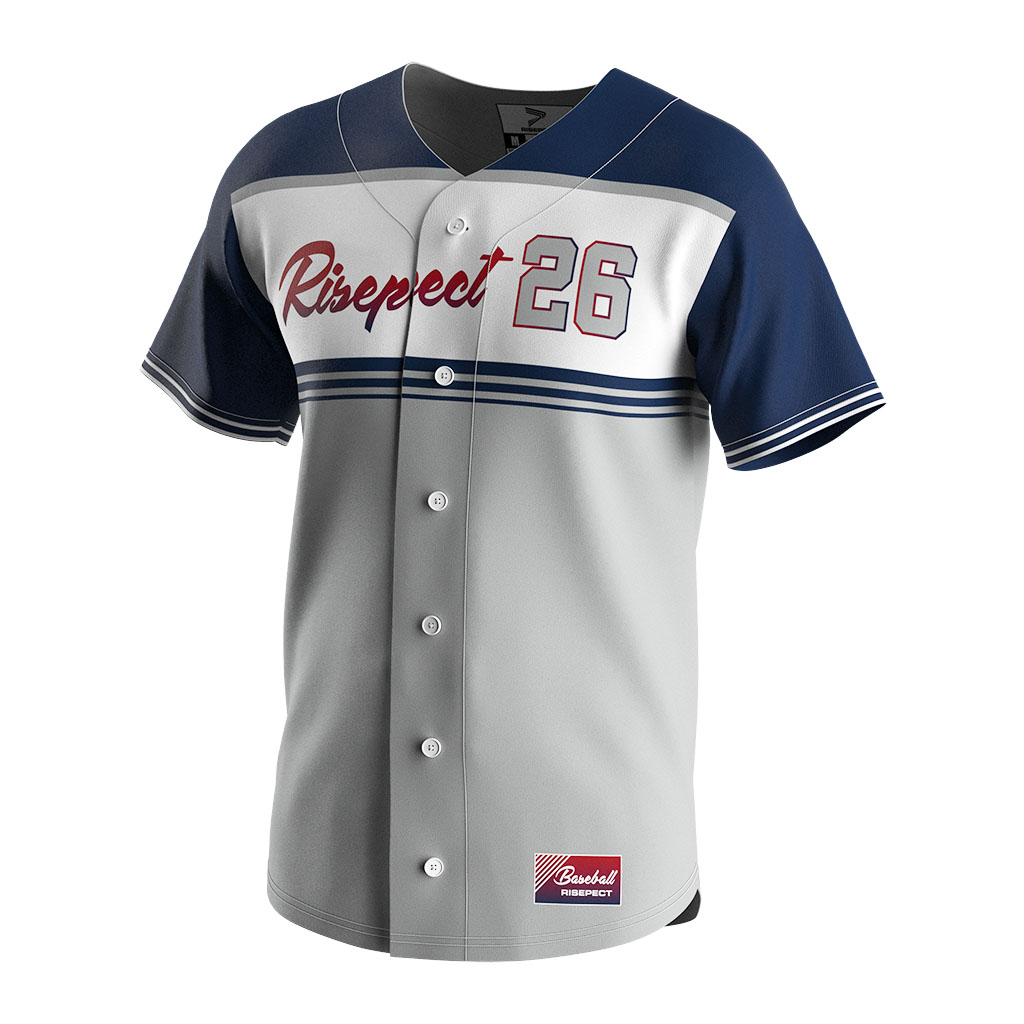
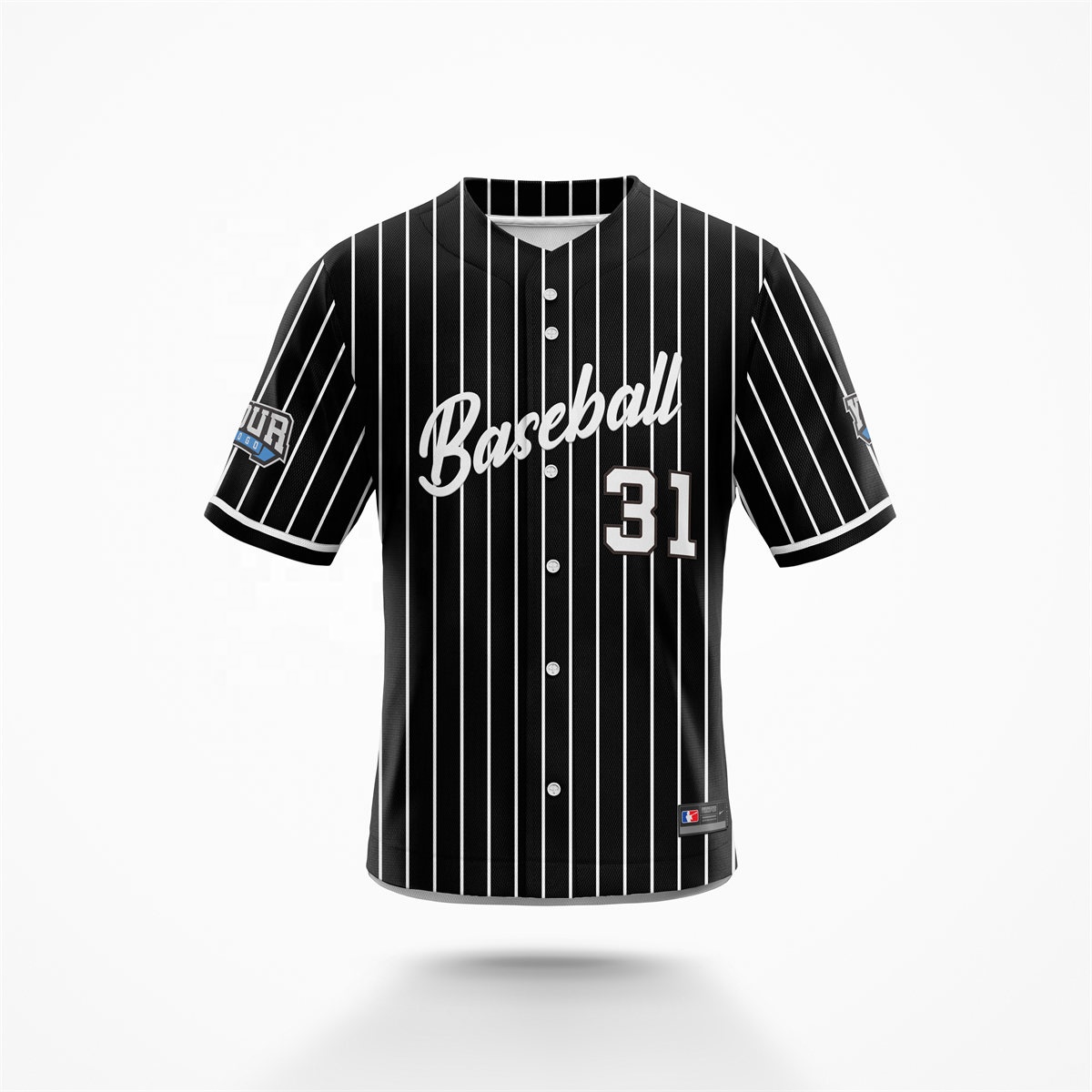
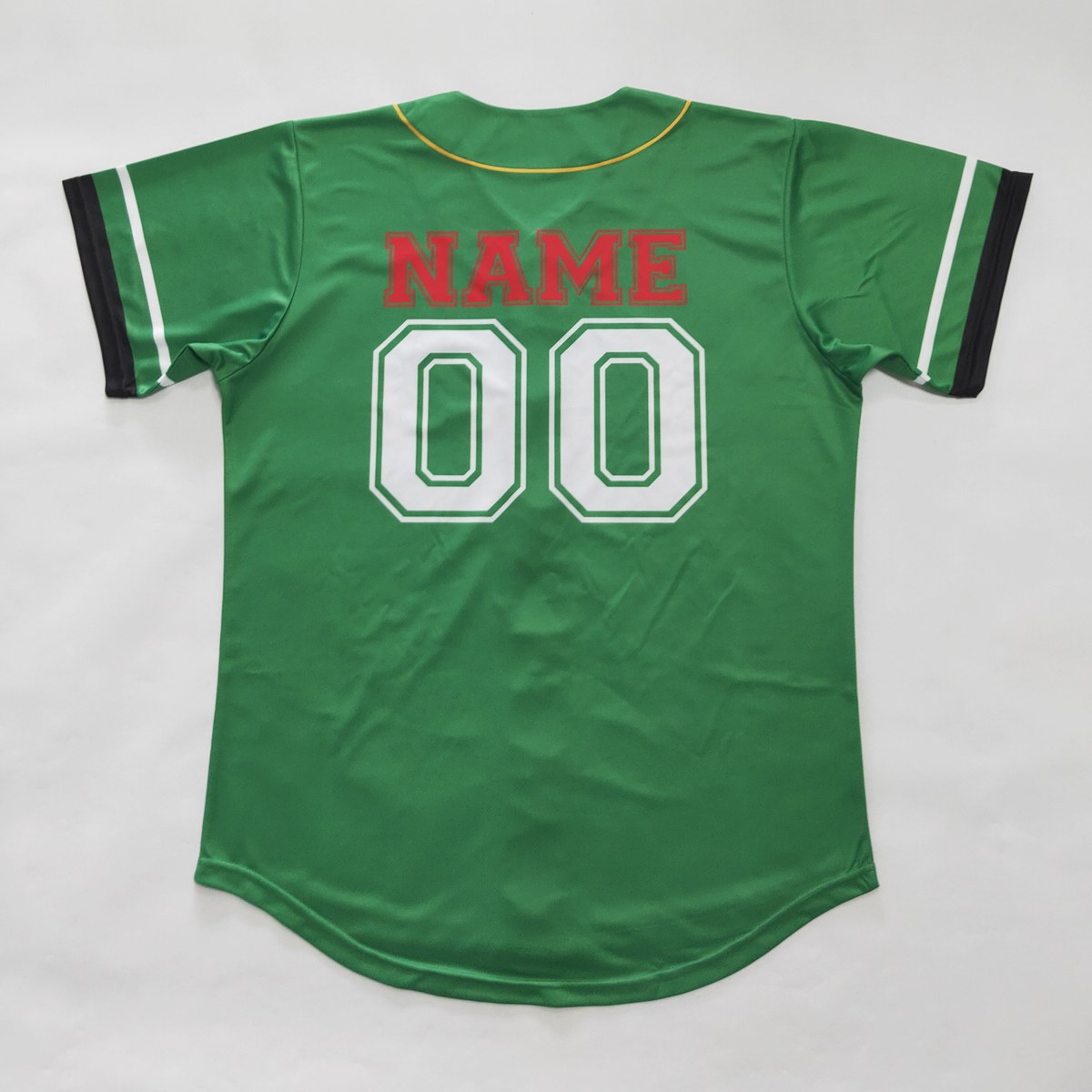
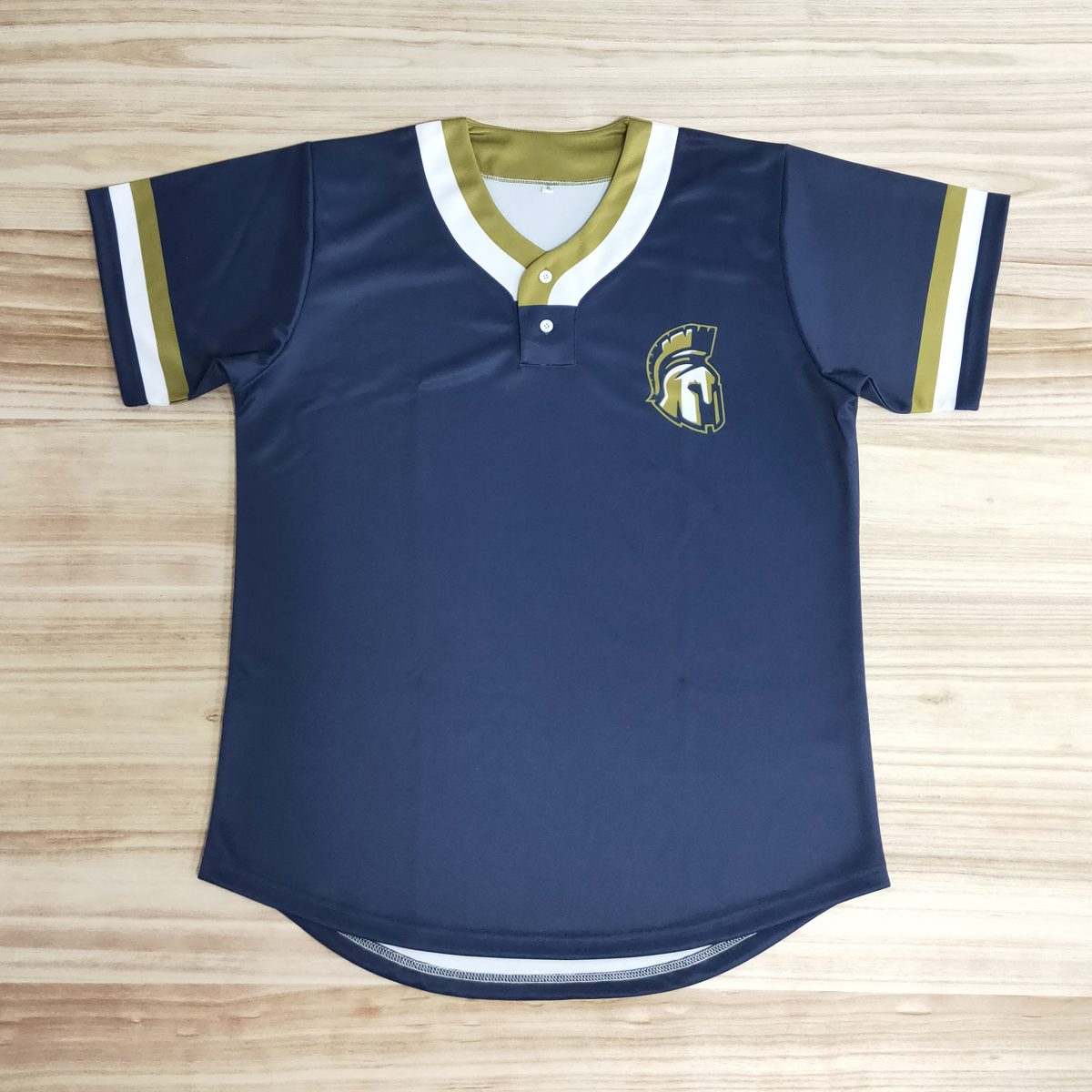
Tackle Twill Lettering Samples
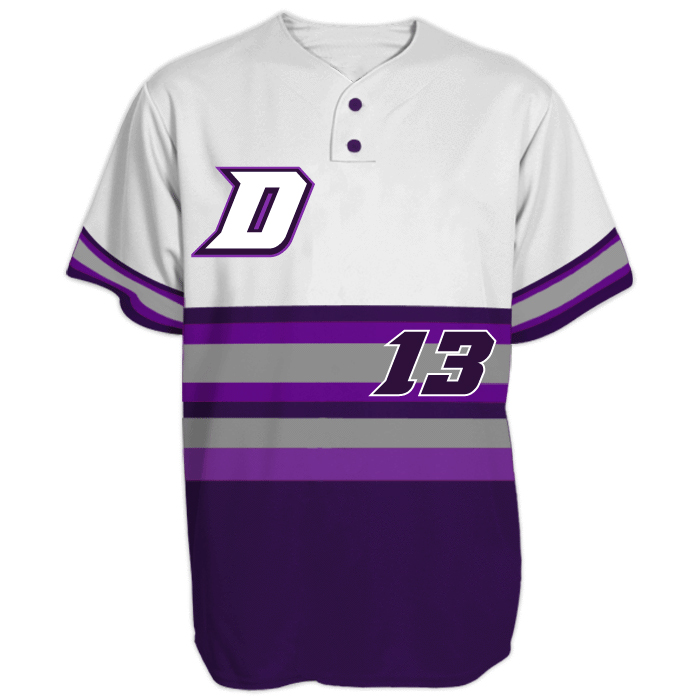
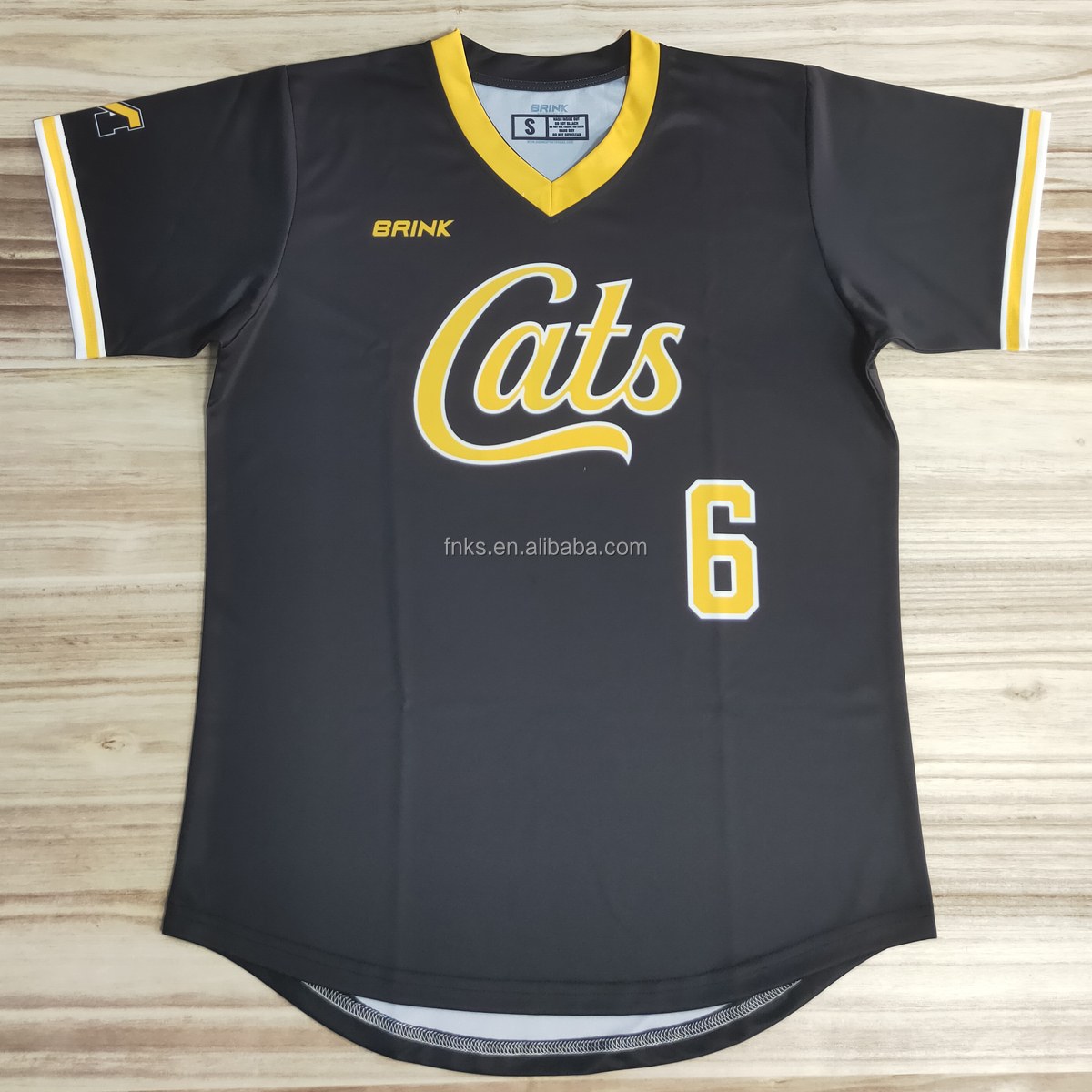
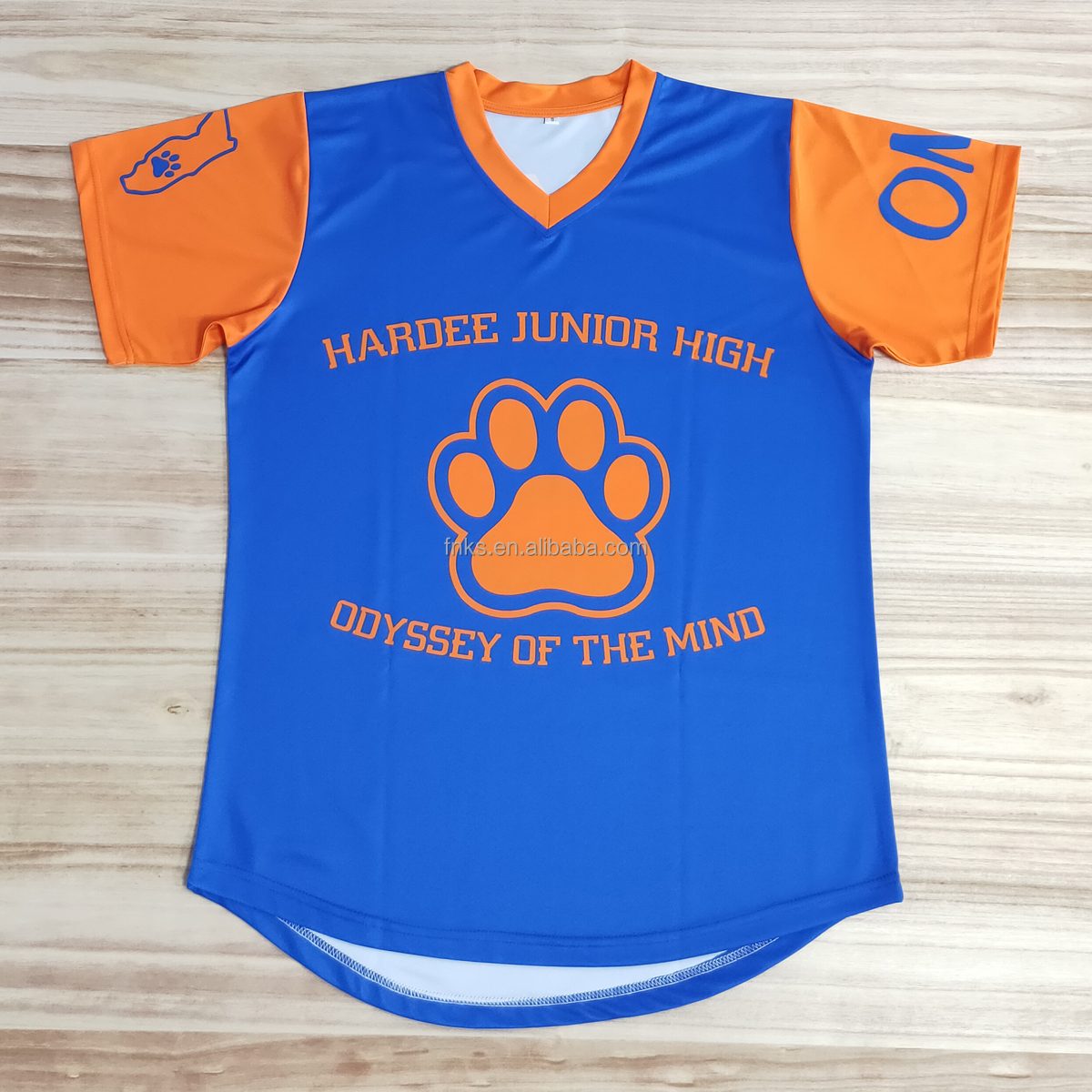
What Makes Tackle Twill Lettering Distinctive
Precision Satin-Stitched Edges
Every letter and number is cut from twill fabric then finished with tight, clean satin stitching that locks edges and prevents fraying through years of wear.
Dimensional Depth & Texture
Tackle twill lettering sits raised on the garment surface, creating authentic varsity depth and tactile contrast that flat printing and embroidery cannot match.
Durability Through Repeated Washing
Satin-edged twill construction resists cracking, peeling and fading. Lettering holds color and shape wash after wash, season after season on team uniforms.
Unlimited Color & Layer Options
Choose from hundreds of twill fabric colors. Stack single, double or triple layers for outlines, shadows and multi-tone effects on names and numbers.
Perfect for Varsity Construction
Tackle twill integrates seamlessly with wool bodies, leather sleeves and ribbed trims — the classic varsity jacket decoration technique trusted for decades.
Lightweight & Flexible Finish
Unlike heavy chenille, tackle twill lettering stays flexible and light, ideal for jerseys, caps and performance team apparel that demands movement and breathability.
Related Decoration & Team Apparel
Custom Tackle Twill Lettering
Precision-cut layered twill letters stitched with tight satin or zigzag edges for team names, player lettering and custom apparel branding. Single, double and triple layer construction in any color combination. MOQ from 100 pieces with full in-house production and artwork proofing.
Get a Quote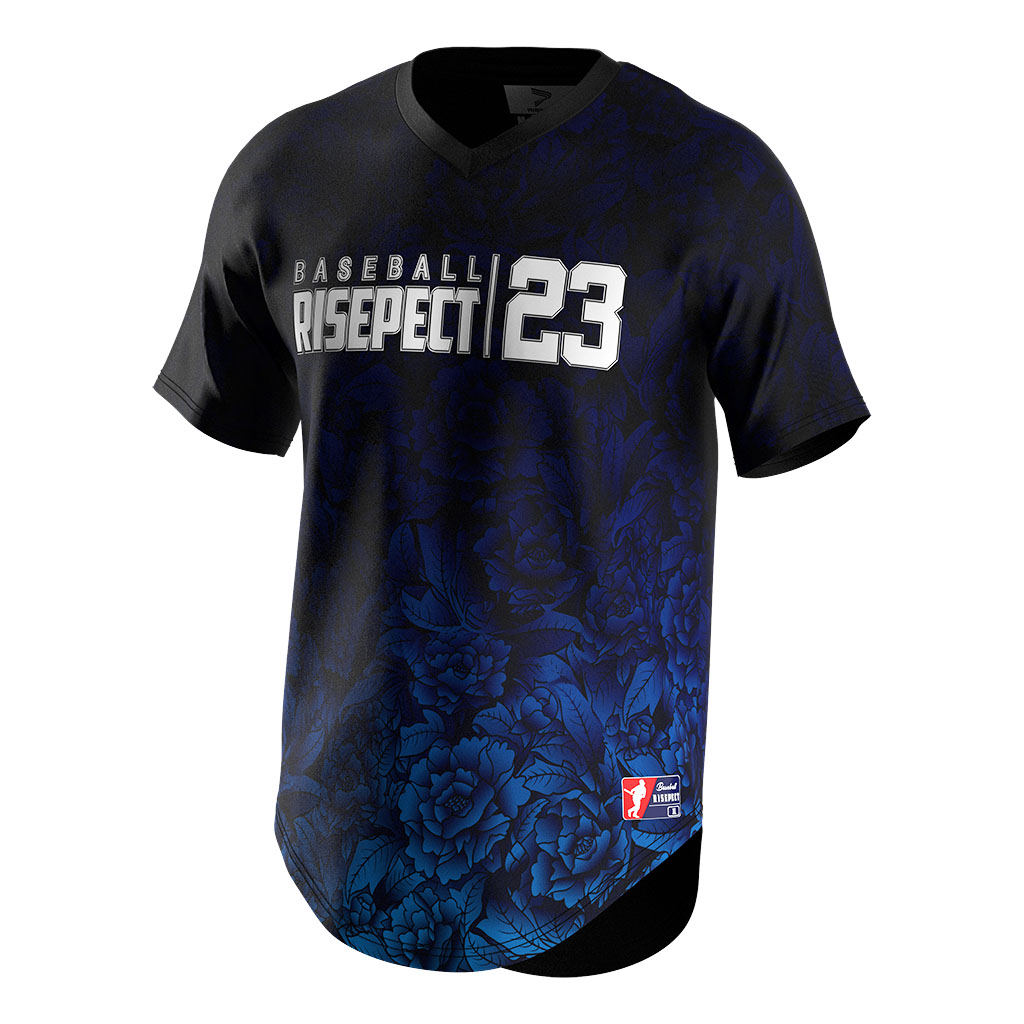
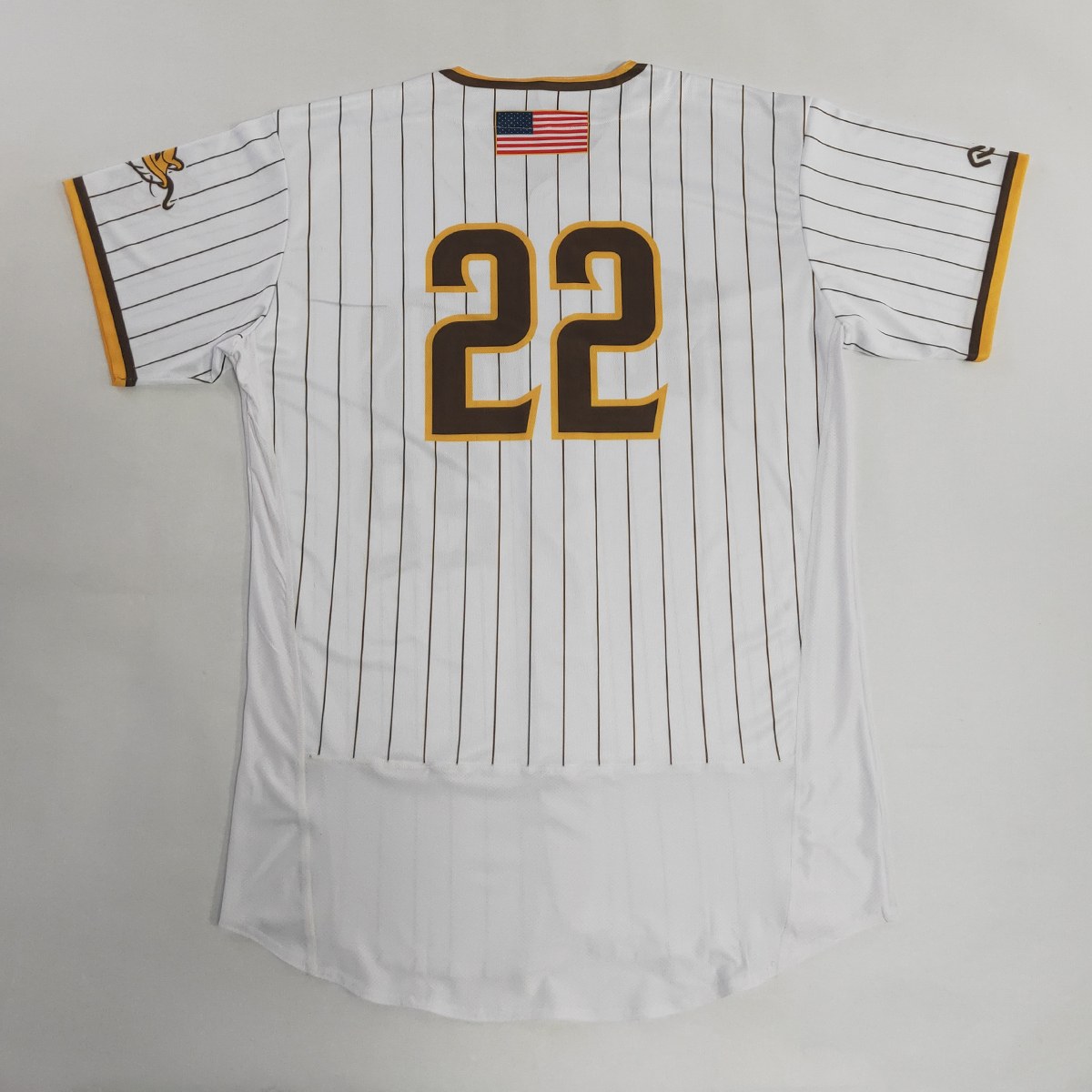
Twill Names & Numbers
Custom tackle-twill player names and numbers for baseball jerseys, basketball uniforms, hockey sweaters and team apparel. Layered twill fabric cut to shape, edge-stitched for durability and professional finish. Full size grading and strike-off samples before bulk production.
Get a Quote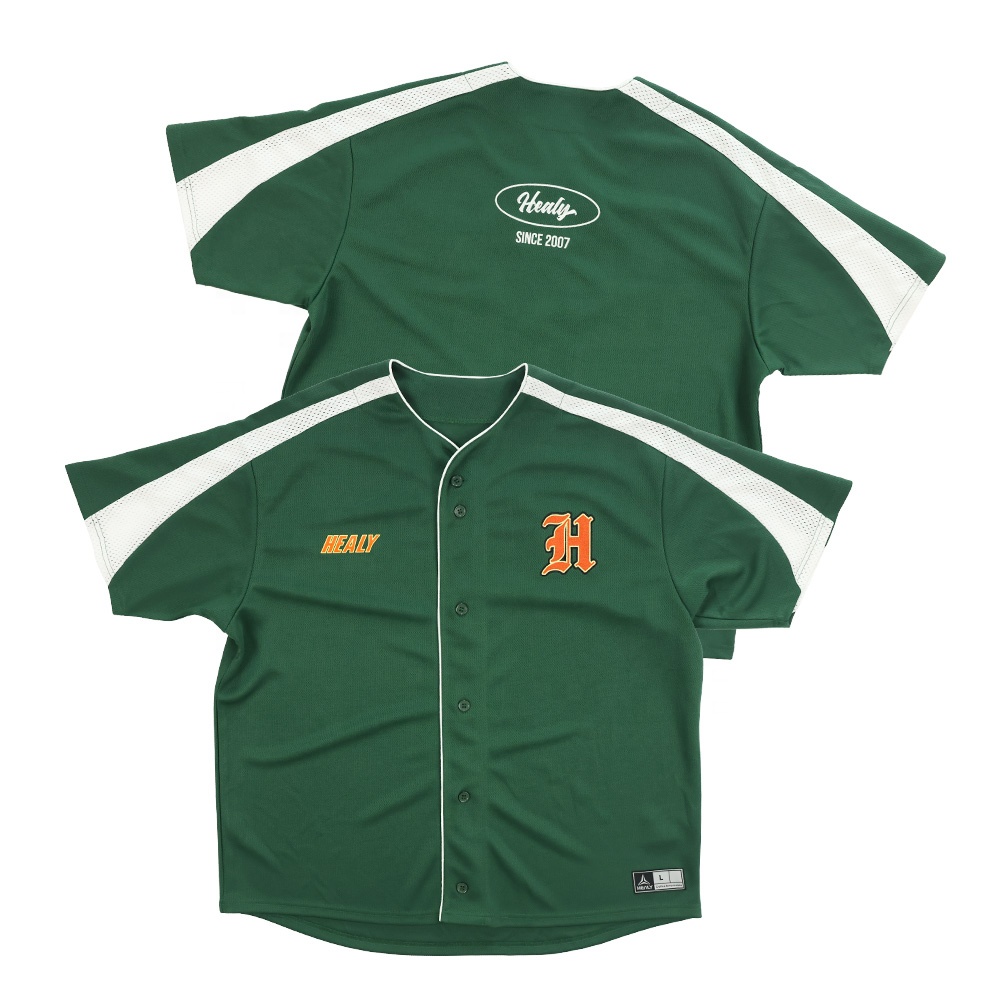
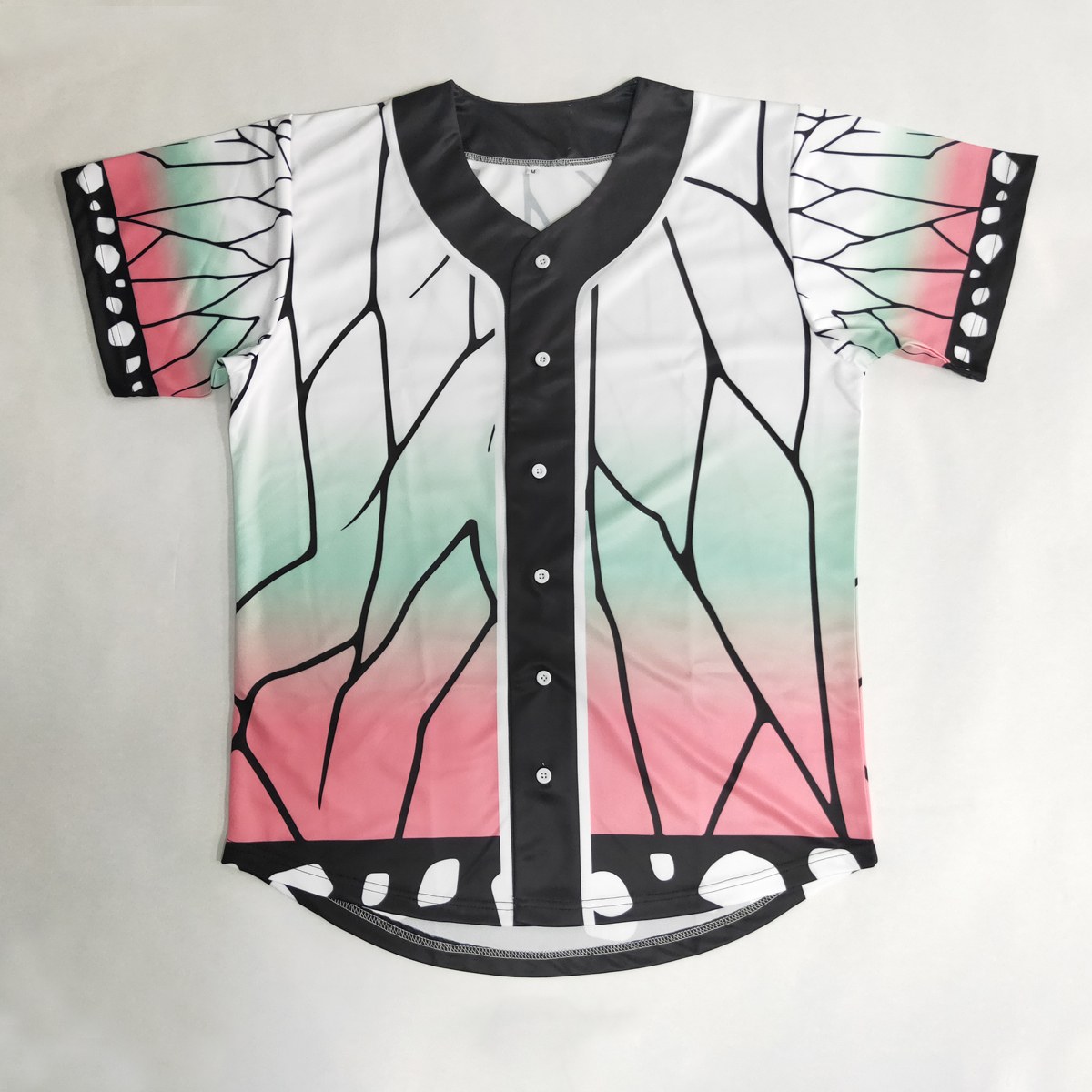
Custom Baseball Jerseys
OEM and private-label custom baseball jerseys manufactured with full-button, two-button or pullover styling. Polyester mesh, tricot or sublimation-ready fabric. Decorated in-house with tackle-twill numbers and names, embroidery, chenille patches or full-dye sublimation. MOQ 100 pieces per colorway. Artwork proofing, sampling and global logistics included.
Get a Quote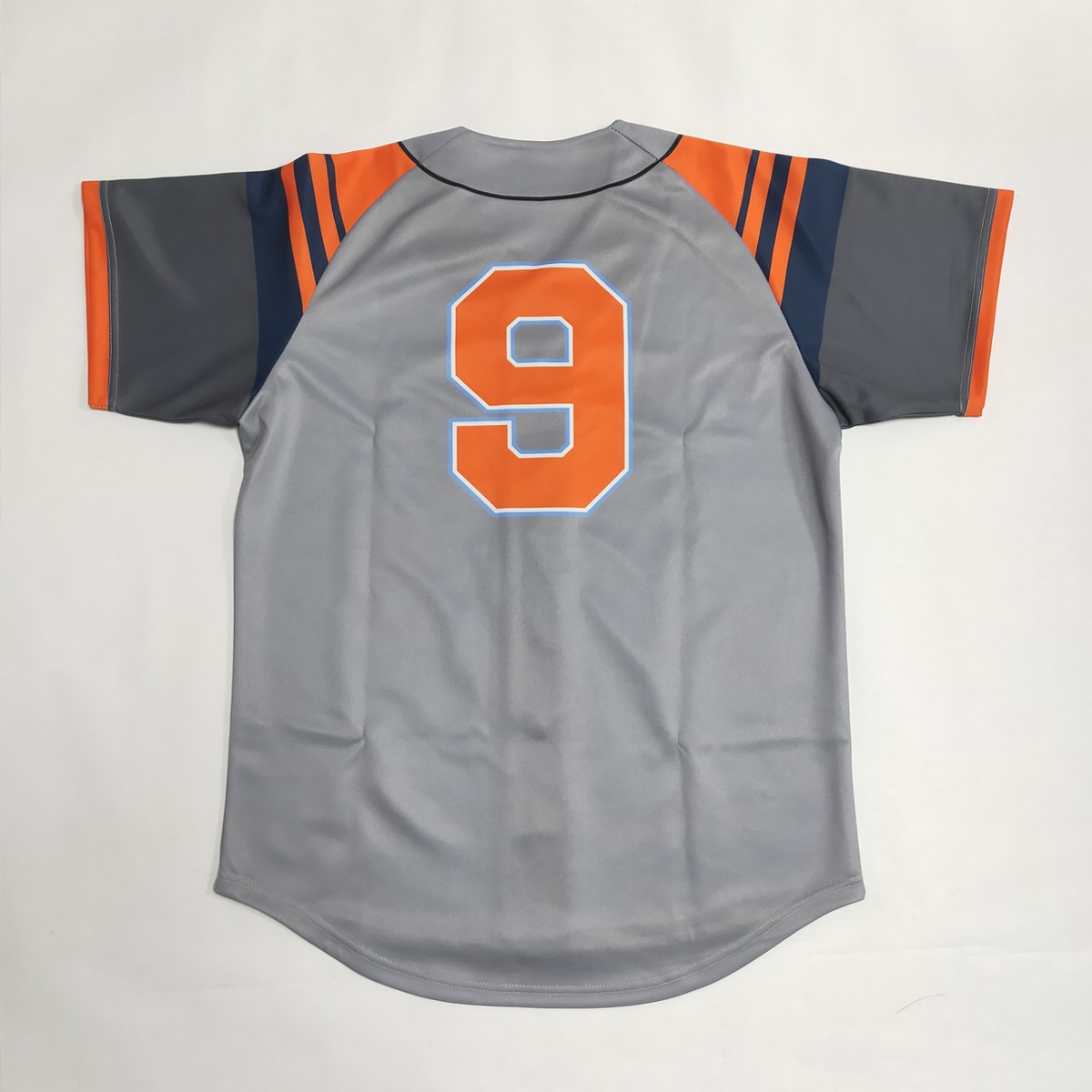
Custom Baseball Jersey
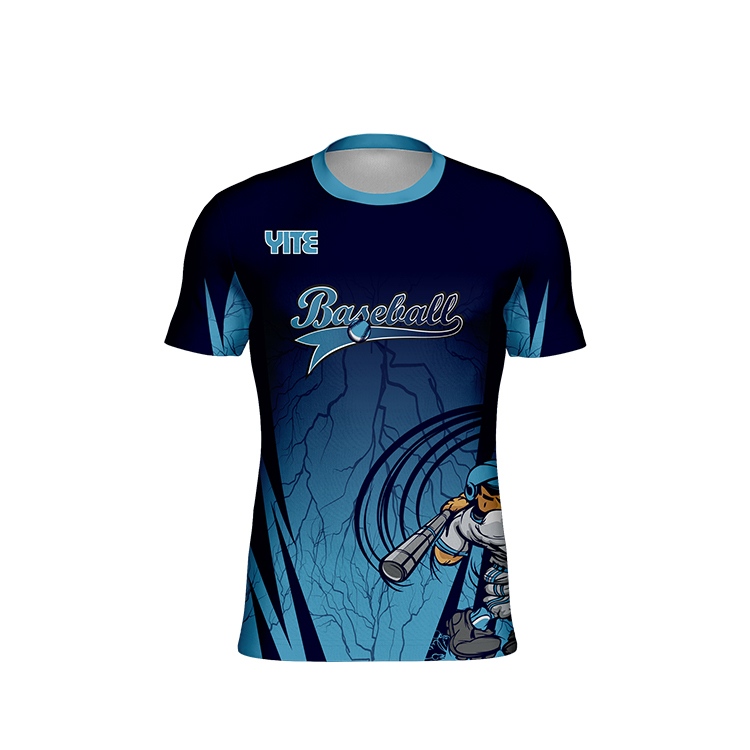
Custom baseball jerseys built for teams, leagues, schools and apparel brands. Button-front or pullover construction in moisture-wicking polyester. Decorated with tackle-twill lettering, screen print, embroidery or sublimation. Low MOQ from 100 pieces.
Get a Quote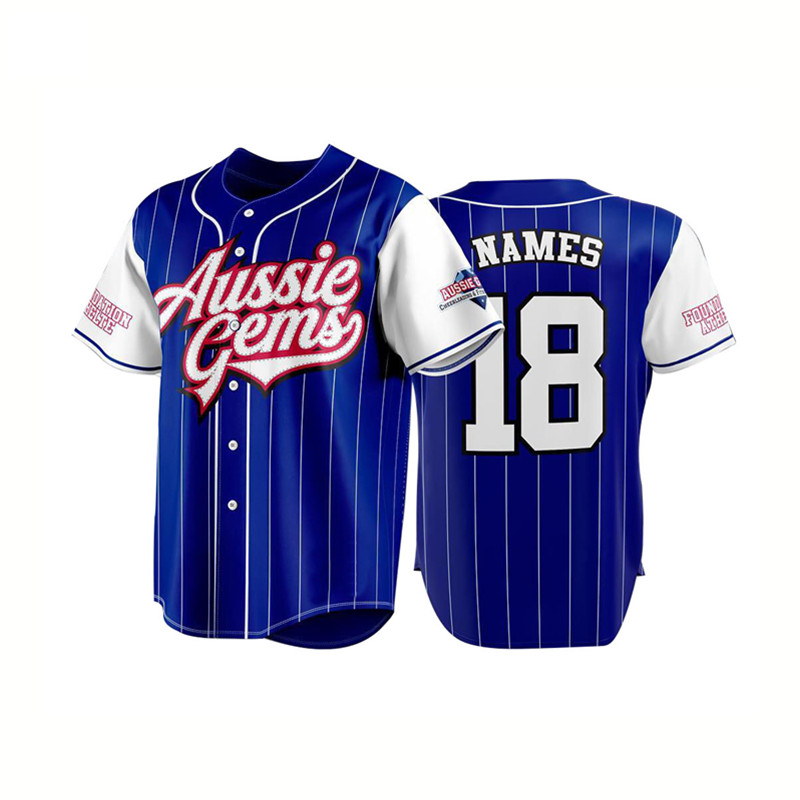
Custom Baseball Jersey Shirts
Custom baseball jersey shirts in classic button-front, sleeveless or raglan-sleeve cuts. Polyester mesh, tricot or performance knit fabrics sourced from trusted mills. Decorated in-house with tackle-twill names and numbers, embroidered logos, chenille patches or heat transfer. OEM, ODM and private label welcome. MOQ 100 pieces per style with sampling and artwork support.
Get a Quote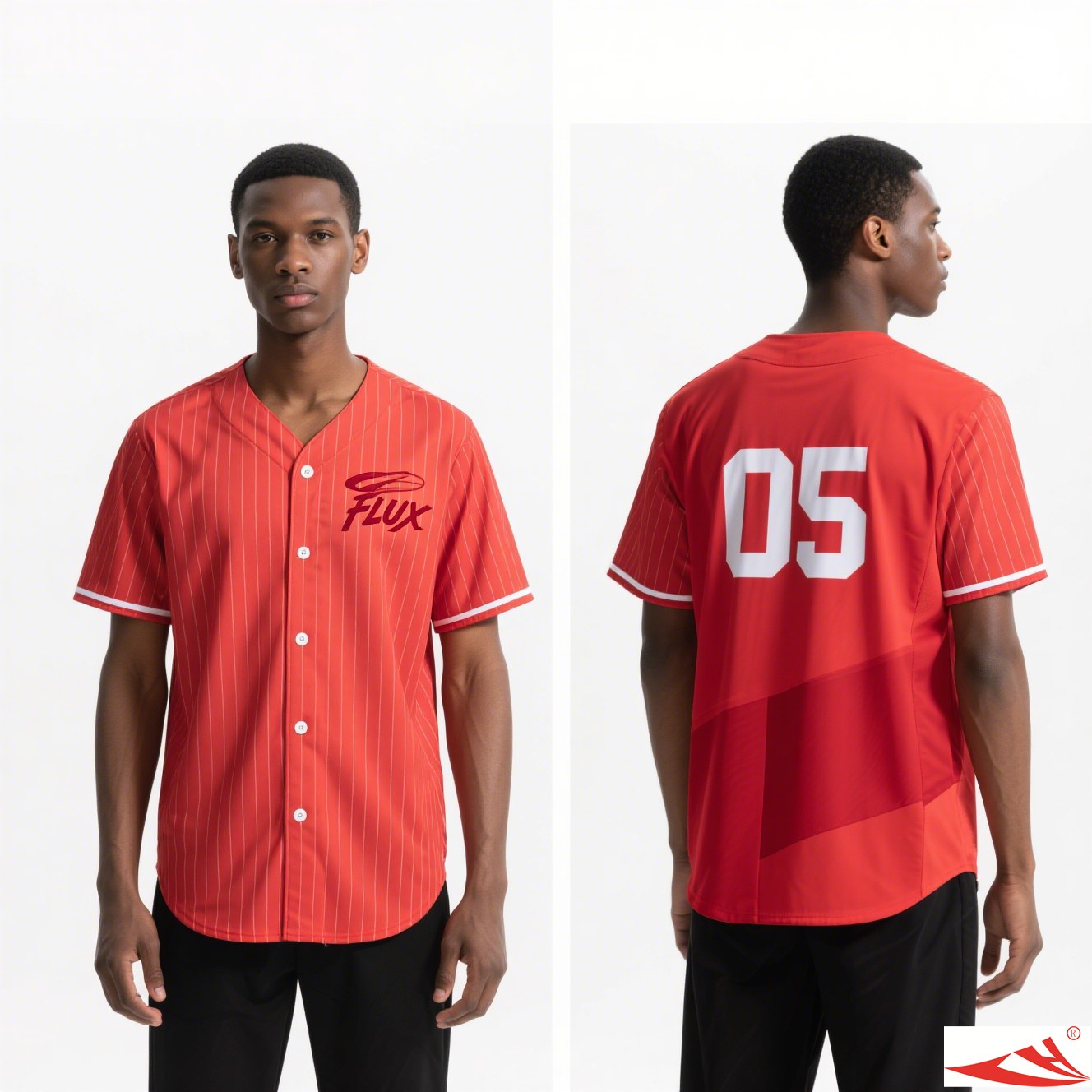
Tackle Twill Letters
Die-cut twill letters with satin-stitch or zigzag borders for varsity jackets, team jerseys, hoodies and caps. Single-layer or stacked multi-color construction. Sewn flat with clean edges that hold through repeated washing. Full custom color matching, artwork digitizing and decoration proofing. Produced in-house alongside embroidery, chenille and sublimation for coordinated team sets.
Get a Quote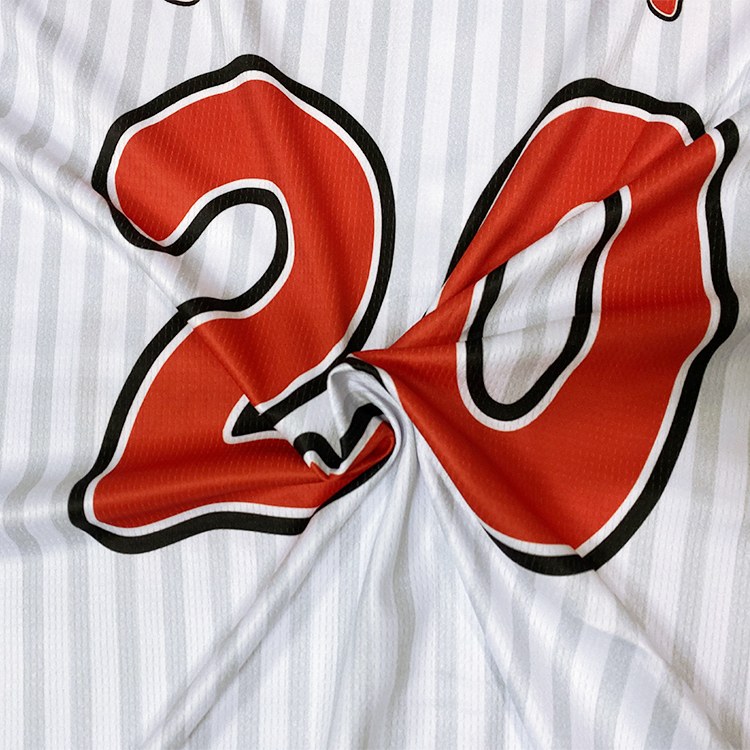
Tackle Twill Numbers
Custom tackle-twill numbers for jerseys, uniforms and team apparel. Precision-cut layered twill fabric stitched with satin or zigzag edging in any font, size or color combination. Single, double or triple layer available. Ideal for baseball, basketball, hockey and football uniforms. MOQ 100 pieces with full artwork development, strike-offs and in-house decoration.
Get a Quote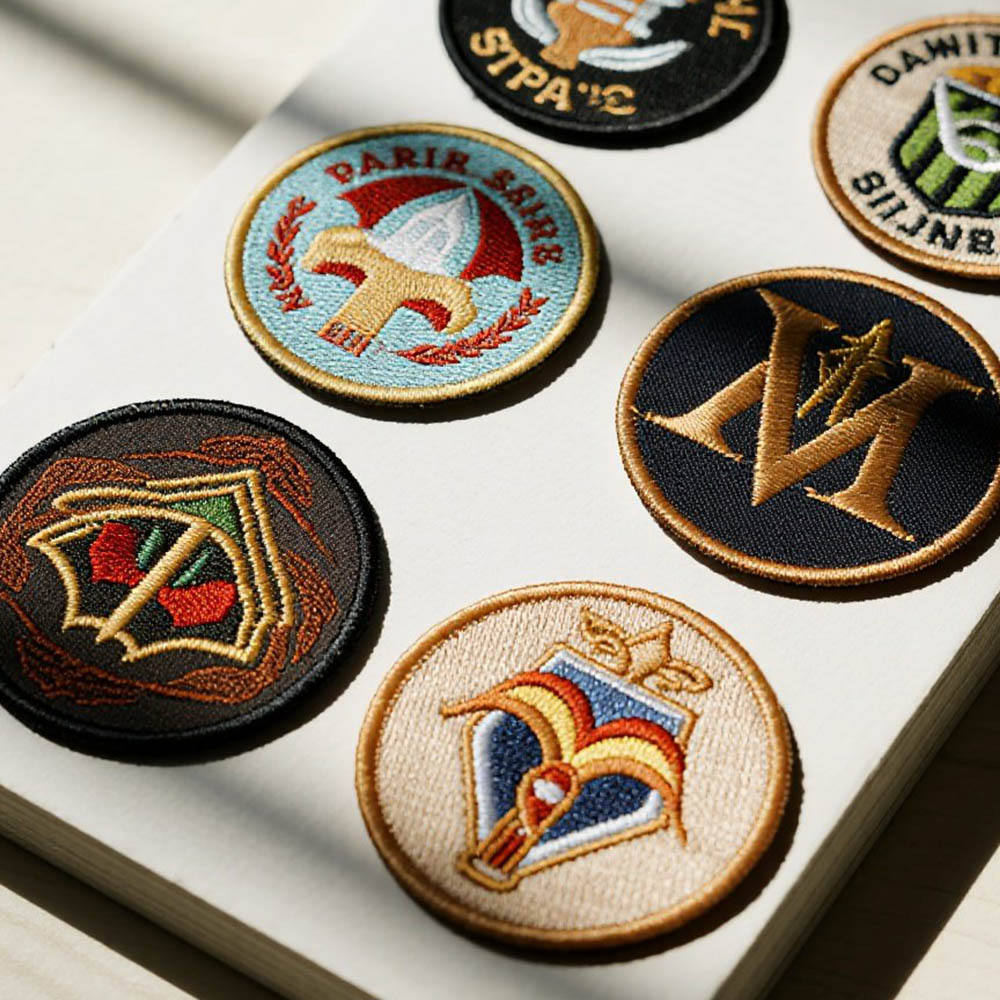
Tackle Twill Patches
Tackle-twill patches combining layered twill fabric, satin-stitch borders and optional embroidery detail for team logos, mascots and commemorative designs. Sewn directly onto garments or produced as iron-on or Velcro-backed appliqué. Full custom shapes, colors and sizes. In-house digitizing, sampling and production with coordinated embroidery and chenille decoration capabilities.
Get a Quote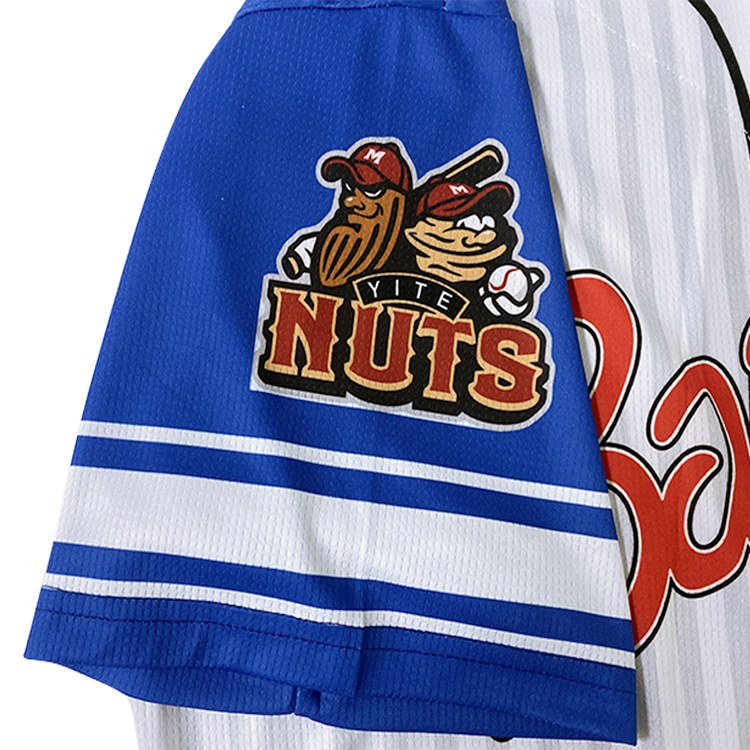
Custom Tackle Twill
Full-service custom tackle-twill decoration for team apparel, varsity jackets, jerseys and uniforms. Layered twill letters, numbers, names and patches cut in-house and stitched with tight satin edges. Any font, color or layer combination. Integrated with embroidery, chenille and sublimation for complete team-set decoration. MOQ 100 pieces with artwork proofing and strike-off samples.
Get a Quote28+ Years of Tackle Twill Lettering Expertise
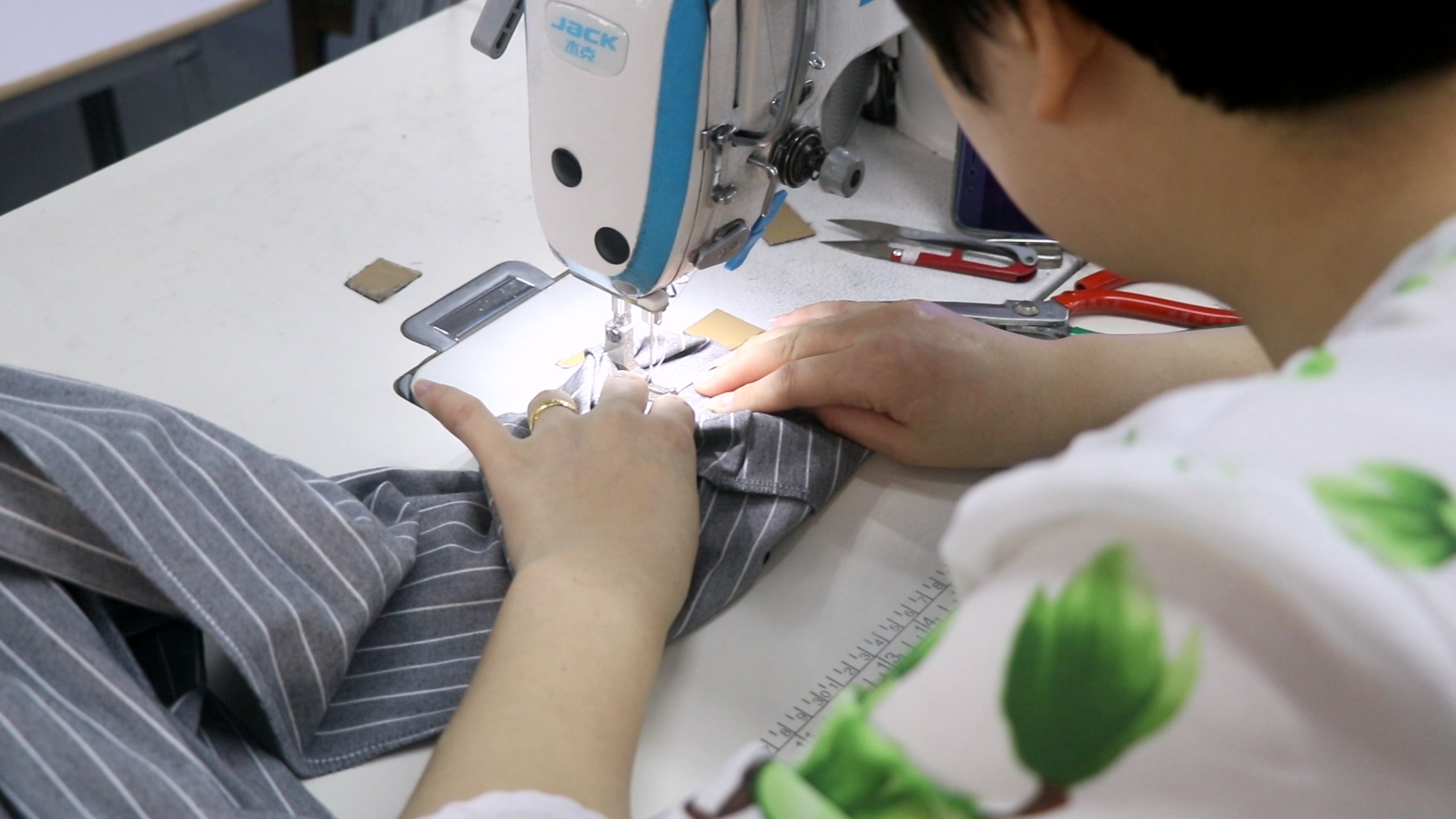
Founded in 1998 in Dongguan, China, SELMOND has spent nearly three decades perfecting tackle twill lettering for varsity jackets, baseball jerseys and team uniforms. What began as a family cut-and-sew workshop evolved into a full-scale team apparel manufacturer with dedicated tackle-twill stations, in-house digitizing and a decoration floor built specifically for B2B partners who demand satin-stitch precision and clean, layered appliqué.
Today SELMOND produces over 80,000 decorated pieces monthly, serving sports teams, schools, custom apparel brands, screen printers and wholesalers across North America, Europe, Australia and beyond. Every tackle twill name, number and team logo is cut in-house, edge-finished with tight satin stitching and applied with the same craftsmanship that has kept clients re-ordering for years.
From single-layer team names to triple-layer varsity numbers, SELMOND combines authentic materials, proven decoration techniques and flexible MOQs starting at just 100 pieces per style. Whether you’re launching a new team line or scaling an established brand, SELMOND is the manufacturing partner behind tackle twill lettering that holds its edge, wear after wear.
Tackle Twill Lettering: Satin Stitching, Layering & Durability
Satin-Stitch Edge Quality That Defines Pro Lettering
Every tackle twill letter and number is finished with precision satin-stitch borders that lock the fabric edge and create the clean, raised outline varsity jackets and jerseys are known for. Tight, consistent stitch density prevents fraying and delivers the sharp, professional look teams and brands demand.
- Dense satin zigzag stitch seals every edge to prevent unraveling and fraying over time
- Uniform stitch width and tension across curves, corners and fine details for a polished finish
- Available in matching, contrasting or metallic thread colors to enhance design impact
- Stitching holds its shape and sheen through industrial washing and heavy team use
Single, Double & Triple-Layer Construction Options
SELMOND offers tackle twill lettering in single-layer, double-layer and triple-layer configurations to match your design complexity, budget and visual impact goals. Single-layer delivers clean, cost-effective letters; double and triple add depth, shadow effects and premium dimensionality that elevate varsity jackets, baseball jerseys and team uniforms to championship-level presentation.
- Single-layer twill for streamlined names, numbers and wordmarks with minimal bulk
- Double-layer construction adds contrasting outline or shadow for enhanced visibility and depth
- Triple-layer stacking creates bold, dimensional lettering with multi-color borders and highlights
- All layers precision-cut and aligned before stitching to ensure crisp registration and durability
Fabric Weight, Hand-Feel & Long-Term Shape Retention
SELMOND sources tackle twill fabrics engineered specifically for athletic lettering — medium-weight polyester and cotton-poly blends with a tight diagonal weave that resists stretching, pilling and distortion. The result is lettering that sits flat against wool bodies and mesh jerseys, flexes naturally with movement, and maintains crisp edges season after season without curling or puckering.
- Medium-weight twill fabric balances durability with a soft, flexible hand that moves with the garment
- Diagonal weave structure provides dimensional stability and resists edge curl after washing
- Fabric pre-tested for compatibility with wool melton, leather, polyester tricot and mesh substrates
- Maintains shape and appearance through repeated flexing, folding and high-intensity team wear
Wash Durability: Fade & Peel Resistance
Tackle twill lettering from SELMOND is built to survive the rigors of team apparel — industrial laundering, frequent washing, sweat, sun exposure and abrasion. Solution-dyed and yarn-dyed twill fabrics deliver superior colorfastness, while heat-activated adhesive backing and multi-pass satin stitching create a permanent bond that resists peeling, lifting and delamination over hundreds of wash cycles.
- Solution-dyed and yarn-dyed twill fabrics maintain vibrant color without fading or bleeding
- Heat-activated adhesive backing bonds lettering securely to garment before final stitching
- Satin-stitch perimeter and optional internal tack stitches prevent edge lift and peeling
- Tested to withstand 100+ industrial wash cycles at 60°C without color loss or delamination
Tackle Twill Lettering vs. Chenille Letters
Both are sewn appliqué decoration, but tackle twill lettering and chenille letters serve different design needs. Here’s how to choose the right technique for your varsity jackets, jerseys and team uniforms.
← 左右滑动查看 →
Tackle Twill Lettering Production Process
From artwork approval to final inspection, every tackle twill letter and number passes through six precision-controlled stages designed to deliver clean edges, tight stitching and long-lasting durability on varsity jackets, jerseys and team uniforms.
Artwork Approval & Digitizing
Client artwork is reviewed for letter height, stroke width and layering. Files are digitized with satin-stitch paths, lock points and underlay settings tailored to twill weight and garment fabric.
Twill Fabric Cutting
Premium polyester twill is laser- or die-cut to exact letter and number shapes. Edge precision at this stage prevents fraying and ensures clean satin-stitch coverage during embroidery.
Layer Assembly & Positioning
Single, double or triple twill layers are stacked and heat-tacked to garment placement marks. Alignment jigs maintain spacing, baseline and center registration across full team sets.
Satin Stitching & Edge Finishing
High-speed multi-head embroidery machines apply tight satin borders at controlled tension. Stitch density, thread tension and needle selection are monitored to prevent puckering and ensure uniform edge gloss.
Quality Inspection & Durability Testing
Every letter is checked for stitch integrity, edge cleanness, color match and layer adhesion. Sample garments undergo wash and abrasion testing to validate long-term performance before bulk approval.
Final Pressing & Packaging
Completed garments are steam-pressed to set stitching, folded to protect lettering and packed with poly bags, hang tags and custom labels per client specification for global shipment.
How to Order Custom Tackle Twill Lettering
SELMOND‘s streamlined ordering process ensures your tackle twill names, numbers and team lettering are production-ready with precise color specs, layer configuration and stitch-edge approval before bulk production begins.
Submit your design and specs
Share your artwork, font choice, color codes (Pantone or PMS), layer configuration (single, double or triple), and garment type. Our team confirms feasibility and provides a quote within 24 hours.
Review artwork proofs and strike-offs
Receive digitized artwork layouts and physical tackle twill strike-off samples showing exact colors, satin-stitch edges and layering. Approve or request adjustments before sampling begins.
Approve sample garments
We produce full sample garments with your tackle twill lettering applied. Check placement, stitching quality, color match and overall finish. Sign off to lock in production standards.
Confirm bulk order and deposit
Finalize quantities, sizes and delivery timeline. Submit your deposit (100% first order, stepping down for repeat partners) and we schedule your production run with patterns on file.
Receive in-line QC and shipment
Our quality team inspects lettering alignment, stitch integrity and color consistency during production. Your finished tackle twill garments ship on time with full documentation and tracking.
Customer Success Stories: Tackle Twill Lettering
We ordered 250 baseball jerseys with tackle twill lettering for our league. After 40+ washes, the numbers still look crisp with zero fraying. The satin edges held perfectly, and parents keep asking where we got them made.
SELMOND’s tackle twill lettering elevated our varsity jacket line. We launched with just 120 pieces to test the market—every jacket sold in three weeks. The color match was exact, delivery on schedule, and the layered twill gave our brand the premium finish we needed.
As a decorator, I need suppliers who understand tight deadlines and quality standards. SELMOND delivered 300 tackle twill team uniforms with triple-layer numbers in 18 days, strike-offs approved on first try. My client renewed for four more schools immediately.
Tackle Twill Lettering FAQ
What is the minimum order quantity for tackle twill lettering?
What fabrics work best with tackle twill lettering?
Can I combine tackle twill lettering with embroidery or chenille patches?
How many colors can tackle twill lettering include?
What is the maximum size for tackle twill lettering on a varsity jacket?
How durable is tackle twill lettering after repeated washing?
What file format do I need to submit for tackle twill lettering artwork?
What is the lead time for tackle twill lettering samples and bulk orders?
Is there a sampling fee for tackle twill lettering, and is it refundable?
The Complete Buyer’s Guide to Tackle Twill Lettering for Custom Team Apparel
Discover how to source premium tackle twill lettering for jerseys, jackets, and uniforms. Learn the decision framework for choosing suppliers, quality criteria to evaluate, and common mistakes to avoid when ordering custom team names and numbers.
1. What Is Tackle Twill Lettering?
Tackle twill lettering is a premium fabric appliqué technique in which individual letters and numbers are cut from twill fabric, edge-stitched with tight satin or zigzag thread, and sewn layer by layer onto jerseys, varsity jackets and team uniforms. Unlike screen printing or heat transfer — which sit on the surface and crack or peel over repeated washing — tackle twill is sewn through the garment base, creating a raised, dimensional finish that withstands hundreds of laundry cycles without fading or lifting.
Most professional and collegiate teams specify tackle twill because the multi-layer construction delivers the clean, bold look associated with authentic sports apparel. A single letter may stack two or three twill colors, each with its own satin-stitch border, building depth and contrast that flat decoration cannot match.
SELMOND runs dedicated tackle-twill stations capable of single-, double- and triple-layer lettering, with tight satin edges and edge-to-edge alignment that holds its shape wear after wear. For brands and teams prioritizing durability and professional appearance over cost alone, tackle twill remains the industry benchmark.
2. The Evolution of Tackle Twill Lettering in Sports Apparel
Professional sports leagues adopted tackle twill lettering in the 1950s and 1960s when the NBA, NFL and MLB required durable, camera-ready numbers and names that could survive full-contact play and industrial laundering. The technique quickly became the gold standard for team jerseys because stitched satin edges held crisp under stadium lights and repeated washing, outperforming screen-print and heat-transfer methods of the era.
By the 2000s, laser cutting and programmable multi-needle stitching machines transformed tackle twill from a premium pro-league exclusive into a scalable decoration method for schools, clubs and independent apparel brands. Automated digitizing software cut turnaround from weeks to days, and MOQs dropped from thousands to hundreds, opening the market to startups and regional teams.
Despite advances in dye sublimation and direct-to-garment printing, tackle twill remains the preferred choice for varsity jackets, baseball jerseys and team uniforms because it delivers dimensional texture, layered color depth and a tactile authenticity that flat digital prints cannot replicate. Brands building long-term team identity still specify tackle twill for its proven durability and professional aesthetic.
3. Types of Tackle Twill Lettering Techniques
Four primary tackle twill lettering techniques dominate team apparel decoration, each delivering distinct edge finishes, durability profiles and cost points. SELMOND operates dedicated stations for traditional sewn, kiss-cut, laser-cut and hybrid tackle twill to match garment type, order volume and budget.
Traditional Sewn Tackle Twill
Letters are cut from twill fabric and stitched to the garment using zigzag or satin stitch around every edge. Satin stitch creates a dense, raised border that locks the fabric and prevents fraying through hundreds of washes.
This method suits varsity jackets, baseball jerseys and team uniforms where durability outweighs speed. Cost sits mid-tier due to higher labor and thread consumption.
Kiss-Cut Tackle Twill
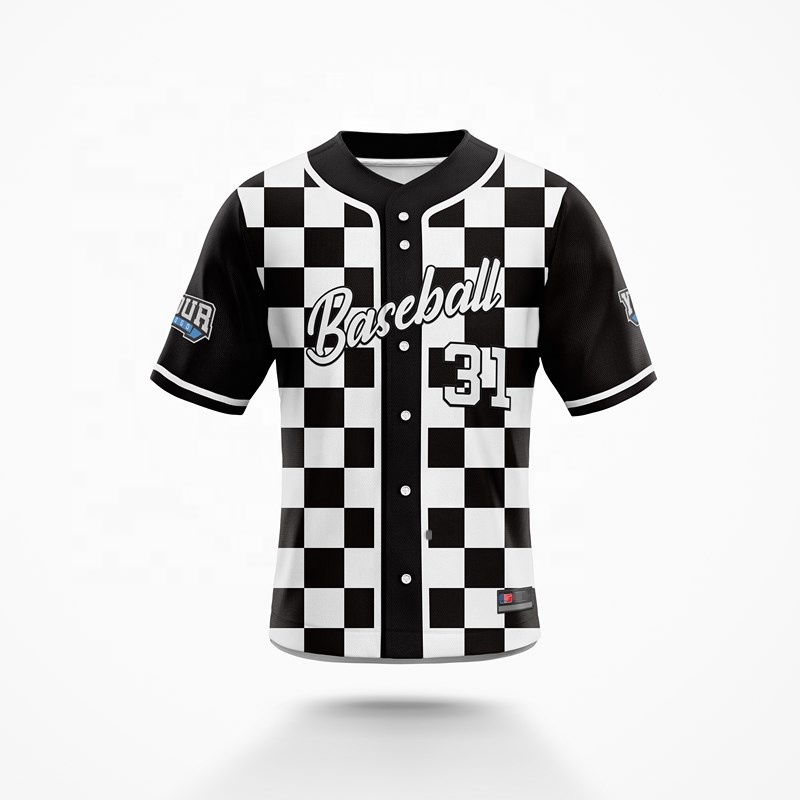
Fabric edges are heat-sealed immediately after cutting, fusing fibers to prevent unraveling without visible stitching. The result is a clean, flat perimeter ideal for high-volume orders.
Kiss-cut works best on polyester jerseys and caps where weight and bulk must stay minimal. Durability is lower than sewn edges, making it suitable for single-season or promotional apparel.
Laser-Cut Tackle Twill
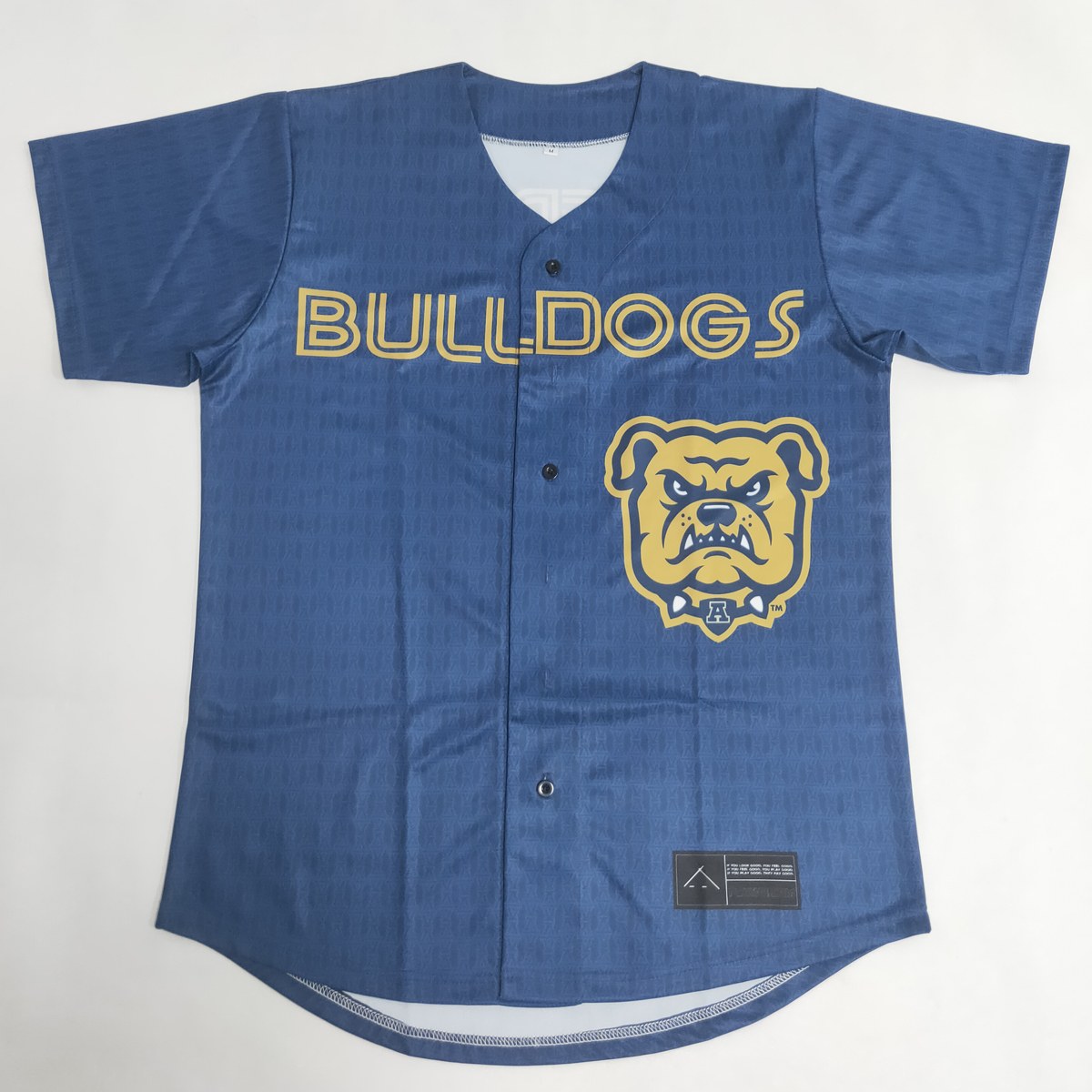
A laser beam cuts and seals twill simultaneously, delivering micron-level precision and eliminating frayed threads. Edge finish is the cleanest of all methods, supporting intricate serif fonts and tight curves.
Laser-cut is preferred for premium jerseys, influencer capsules and low-MOQ custom runs. Cost is highest due to equipment investment and slower cycle time per piece.
Hybrid Tackle Twill with Embroidery Accents
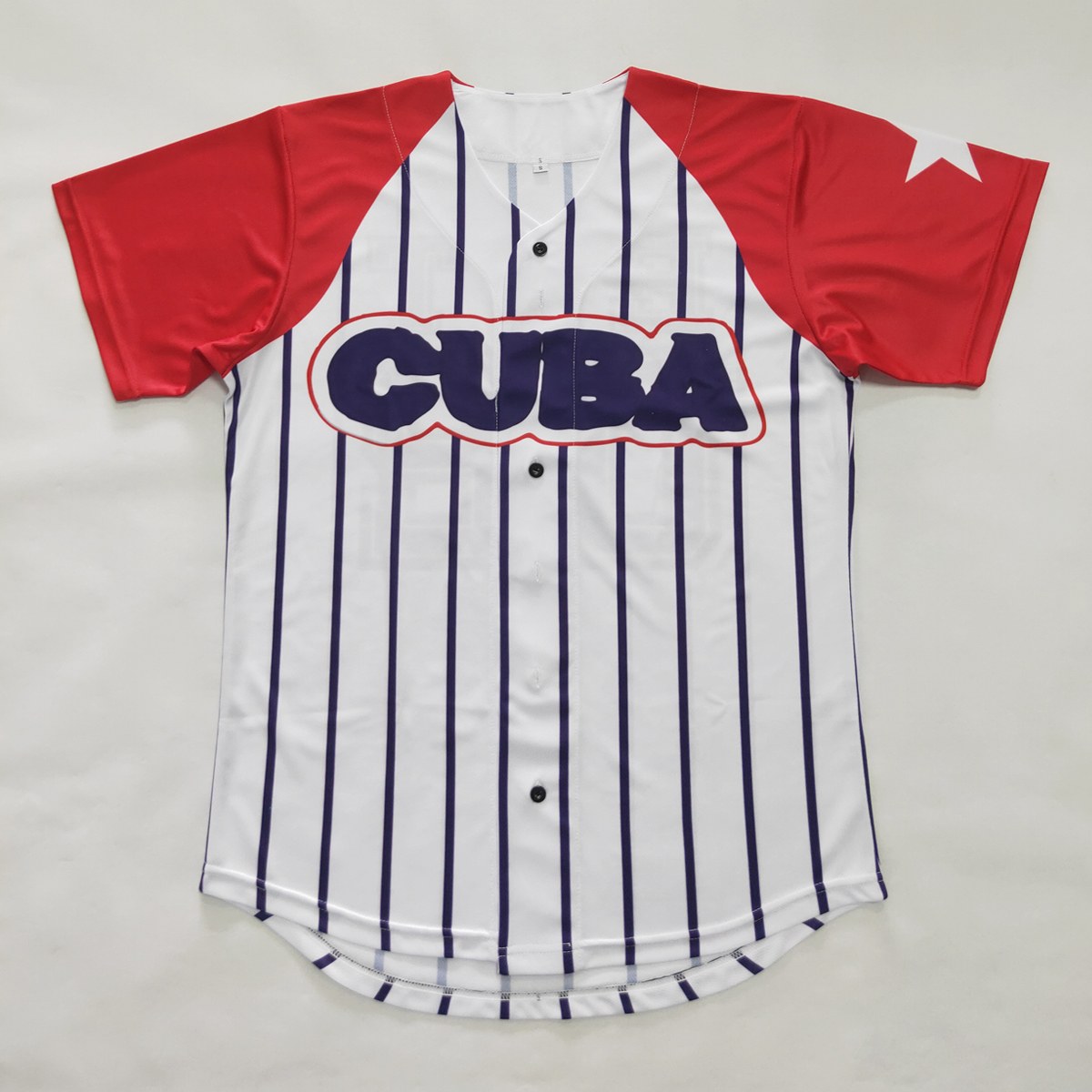
Twill letters are sewn, then embroidered details — team logos, player initials or decorative outlines — are added on top. This combination delivers texture contrast and brand differentiation.
Hybrid decoration suits varsity jackets, championship jerseys and school apparel where visual impact justifies the added cost and production time.
4. Materials and Fabrics Used in Tackle Twill Lettering
Tackle twill lettering fabric choice directly impacts durability, wash performance and garment compatibility. Weight, fiber content and finish determine whether letters stay flat through repeated laundering or pucker after the first cycle.
| Fabric Type | Weight (GSM) | Typical Applications | Care & Durability |
|---|---|---|---|
| 100% Polyester Twill | 180–220 | Baseball jerseys, team uniforms, lightweight jackets | Excellent color-fastness, high wash durability, minimal shrinkage |
| Cotton Twill | 200–240 | Varsity jackets, heritage letterman styles, caps | Soft hand feel, moderate shrinkage, requires pre-shrinking |
| Poly-Cotton Blend | 190–230 | Multi-use team apparel, casual varsity jackets | Balanced durability and comfort, moderate color retention |
| Metallic Twill | 200–250 | Premium varsity jackets, special-edition team gear | Specialty wash care, dry-clean or gentle cycle recommended |
| Reflective Twill | 210–260 | Safety team apparel, night-event uniforms | High visibility, requires low-heat pressing and gentle wash |
5. Customization Options for Tackle Twill Lettering
Tackle twill lettering offers a wide design palette beyond simple block fonts. Font choice, layering depth, color count and special finishes each affect cost, lead time and minimum order thresholds — decisions that shape both brand identity and production economics.
Font Styles and Typography
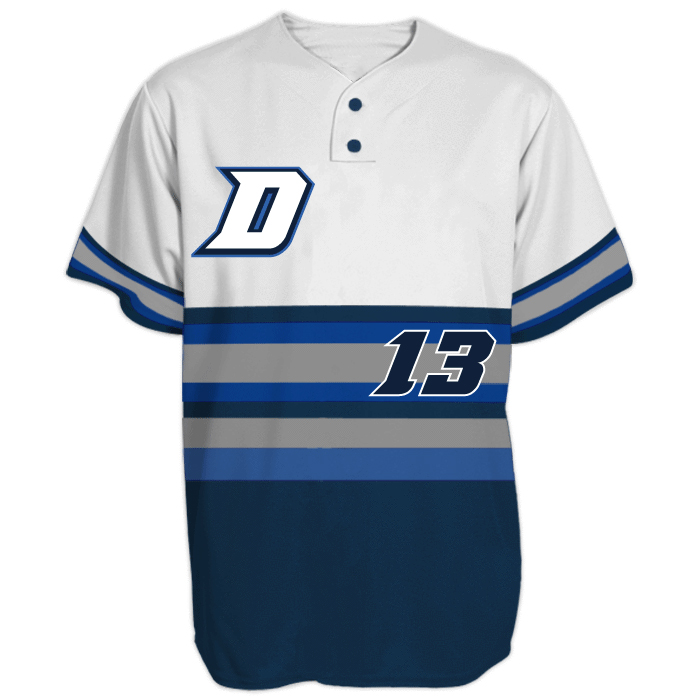
Block, script and varsity fonts remain the three core categories. Block styles deliver clean, athletic readability; script adds retro flair; varsity fonts combine thick strokes with tight spacing for classic letterman appeal.
Most manufacturers digitize custom fonts at no charge beyond 100-piece MOQ. Outline and border widths typically range from 2 mm to 6 mm, with double-layer outlines adding 15–25 % to material and stitching time.
Color Combinations and Layering
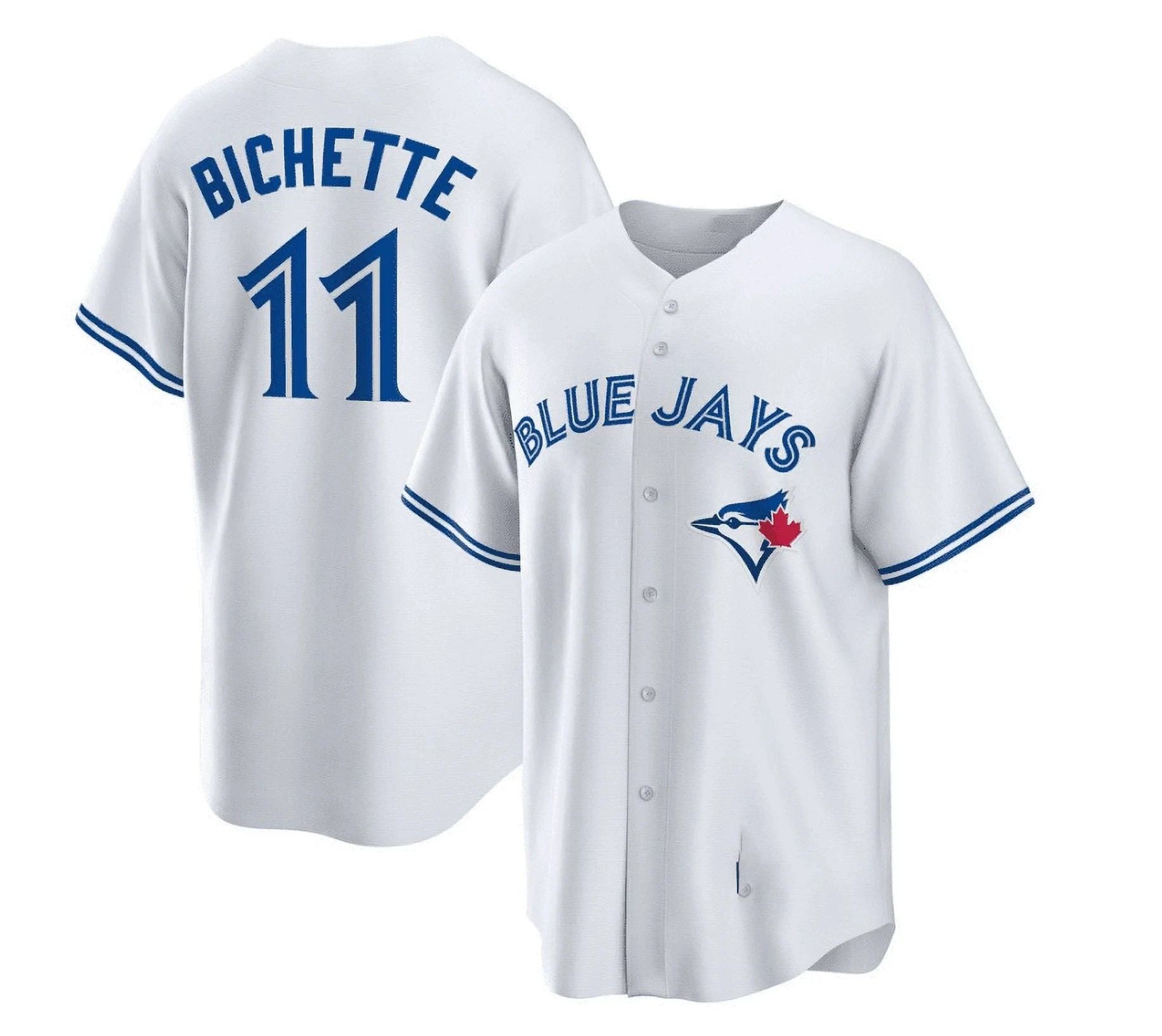
Single-color twill keeps cost and turnaround minimal. Double-layer designs — a base letter plus contrasting outline — add depth and are standard for team jerseys. Triple-layer builds (base, mid-tone shadow, outline) create dimensional effects but require precise registration and lift MOQ to 200–300 pieces.
Gradient and ombré effects demand dye-lot-matched twill rolls or sublimation-printed fabric, extending lead time by 5–7 days and increasing per-piece cost by 20–30 %.
Special Effects and Finishes
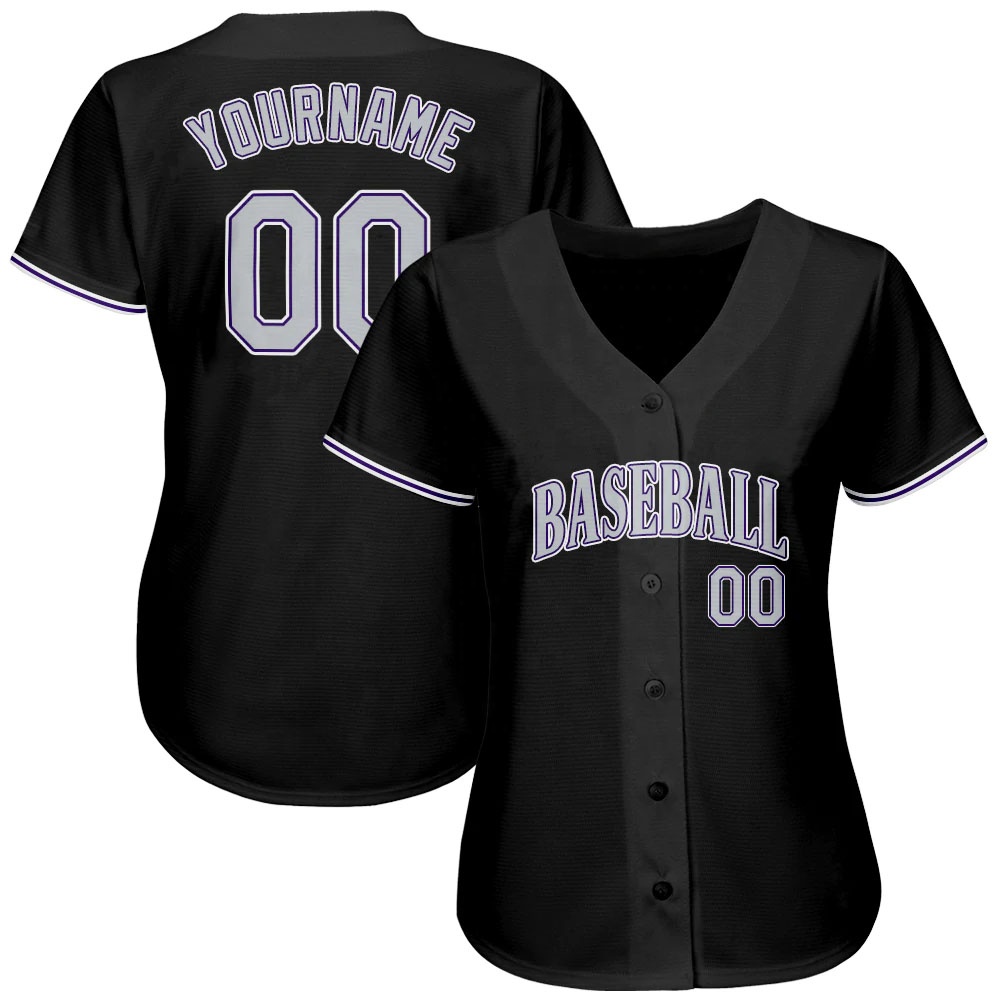
Distressed edges, vintage washes and metallic twill add character but complicate cutting and stitching. Metallic polyester twill requires slower needle speeds to prevent puckering, while distressed treatments are applied post-assembly to avoid fraying during production.
Setup fees for custom effects range from 50 to 150 USD per design, amortized across order quantity. SELMOND archives artwork and layering specs on file, waiving setup on repeat orders.
6. Quality Indicators in Tackle Twill Lettering Construction
Premium tackle twill lettering withstands hundreds of washes, holds crisp edges and resists pilling — but only when construction details align. Stitch density, thread choice, backing stability and fabric alignment separate durable team lettering from work that frays after a season.
Stitch Density and Edge Finish
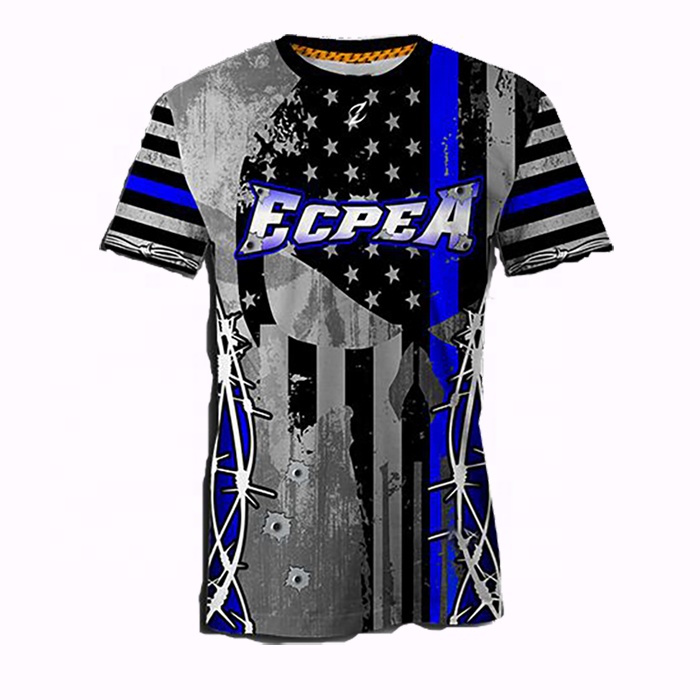
Premium tackle twill runs 8–12 stitches per centimeter along every edge, creating a tight satin border that locks fabric and prevents fraying. Inspect samples under magnification: stitches should sit uniformly without gaps or thread bunching.
Loose or irregular stitching allows twill edges to lift and unravel during laundering. SELMOND’s tackle-twill stations maintain consistent tension across single, double and triple-layer appliqué to ensure flat, clean edges wear after wear.
Thread Type and Colorfastness
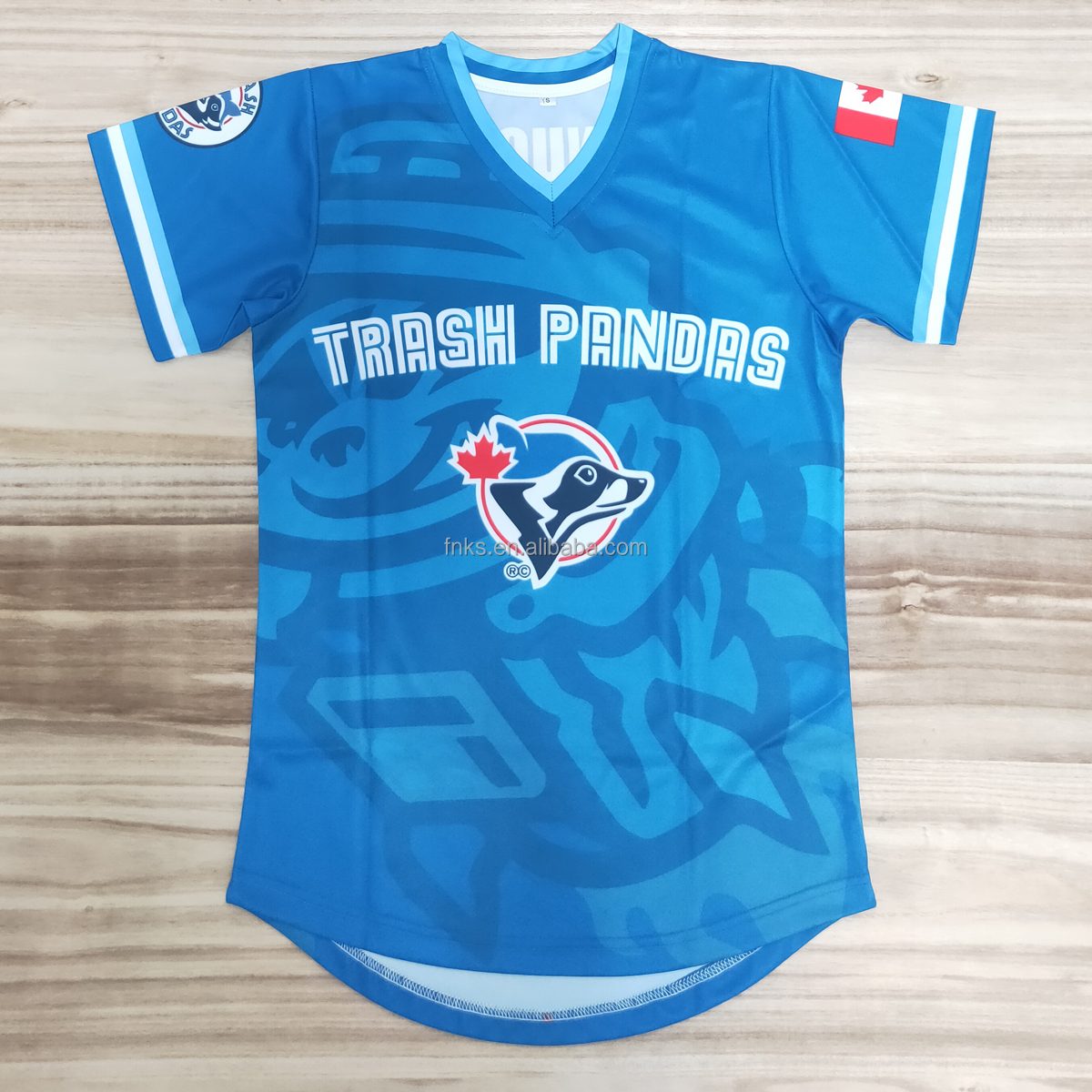
Polyester thread resists fading and holds tension better than rayon, which can bleed or weaken under chlorine and UV exposure. Request thread-brand documentation and ask for colorfastness test reports to ISO 105 or AATCC standards.
Samples should survive five industrial wash cycles at 60°C without color migration or thread breakage. SELMOND sources polyester embroidery thread from certified mills and runs strike-off tests before bulk decoration begins.
Backing Stabilizer and Fabric Alignment
Cut-away or tear-away stabilizer prevents puckering and keeps letters flat against the base garment. Check that twill grain aligns with the garment body; misaligned fabric distorts under stretch and creates visible ripples.
Quality manufacturers apply heat-activated adhesive backing before stitching, then remove excess stabilizer cleanly. SELMOND uses cut-away backing for high-stretch jerseys and melton-wool varsity jackets to maintain dimensional stability through repeated wear and laundering.
7. How to Choose a Tackle Twill Lettering Manufacturer
Choosing a tackle twill lettering manufacturer shapes the durability, consistency and profitability of every team apparel run. Evaluate production capacity, MOQ flexibility, decoration craftsmanship, sample approval workflows and post-sale support before committing to a partner.
Production Capacity and Minimum Order Quantities
Monthly capacity above 50,000 pieces signals stable staffing and equipment investment; MOQ starting at 100 pieces per style lets brands test designs and reduce inventory risk. SELMOND runs 80,000+ pieces monthly with MOQs from 100, balancing scale with flexibility.
Factories quoting MOQs above 500 pieces often outsource decoration, adding lead time and quality variability. Ask whether cut-and-sew and tackle-twill stations operate in-house or through subcontractors.
Sample Quality and Approval Process
Request a decoration strike-off and full sample garment before bulk production; stitch density, satin-edge finish and layer alignment reveal shop skill. Reputable manufacturers provide artwork proofs, digitized layouts and physical samples at every stage.
Red flags include no-sample quotes, vague timelines (‘around 30 days’) and reluctance to share decoration close-ups. Clear approval checkpoints prevent costly reworks and ensure lettering matches team standards wear after wear.
Pricing Transparency and Payment Terms
Transparent quotes itemize fabric, decoration, trims and logistics separately; bundled ‘all-in’ pricing hides markup and limits negotiation. Payment flexibility — stepping from 100% deposit on first orders to 30% for repeat partners — signals confidence and partnership intent, as SELMOND structures terms to ease cash flow as cooperation grows.
8. Common Mistakes When Ordering Tackle Twill Lettering
Even experienced buyers overlook critical details that compromise tackle twill lettering durability and appearance. Understanding these pitfalls — and how to avoid them — protects your brand reputation and reduces costly re-orders.
Mismatched Fabric Weight and Garment Base
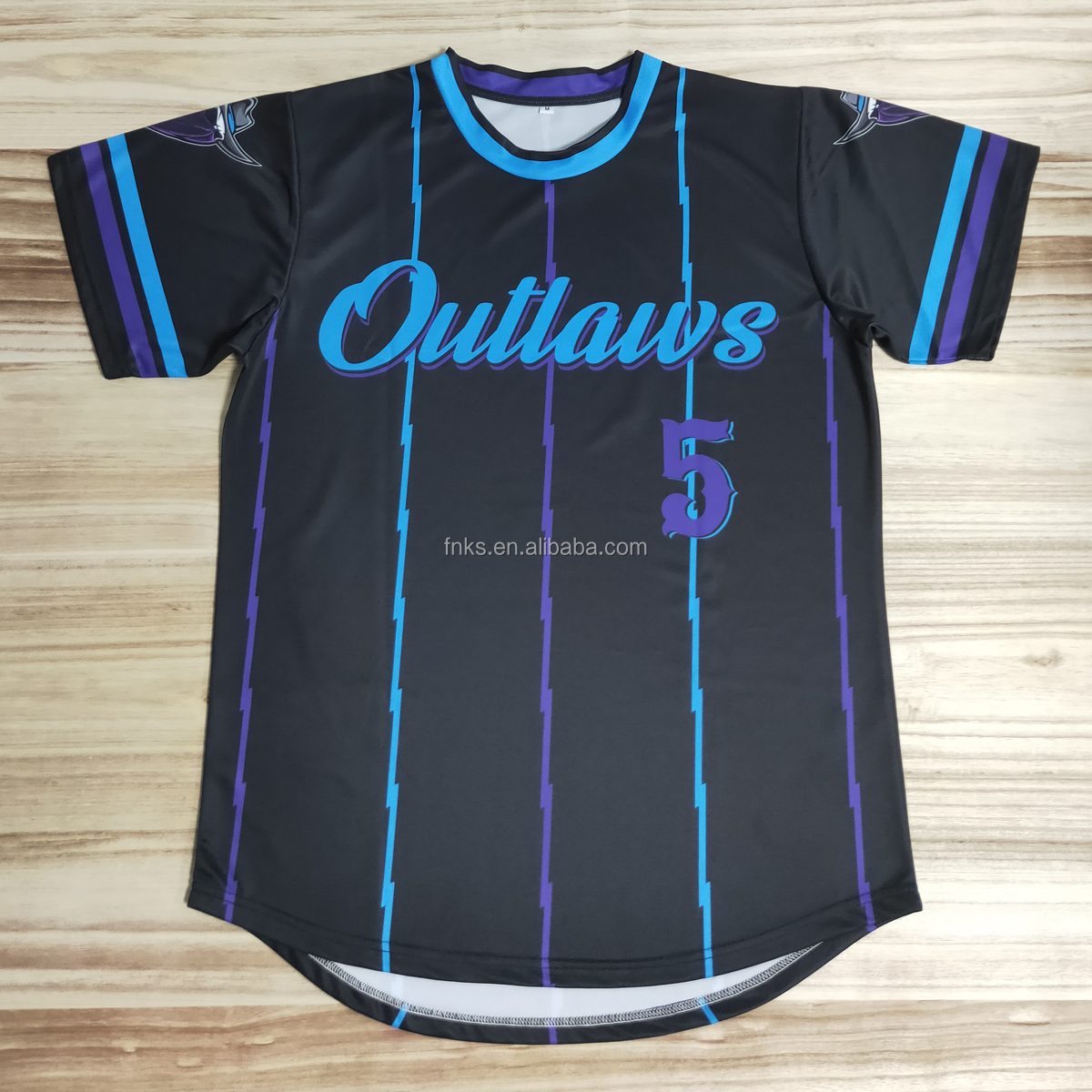
Pairing heavy 10-oz twill letters with lightweight mesh jerseys causes puckering and distortion after the first wash. Conversely, thin 4-oz twill on melton wool jackets lifts at the edges under stress.
Request fabric-weight recommendations from your manufacturer based on your garment substrate. SELMOND matches twill GSM to base fabric during sampling to ensure flat, stable layup across the full size run.
Skipping Sample Approval and Wash Testing
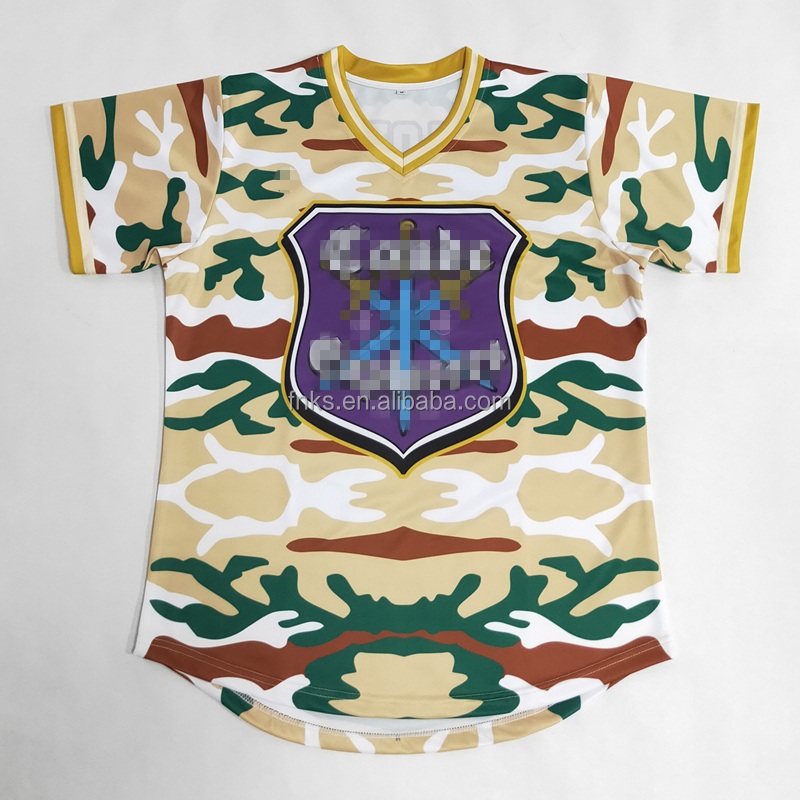
Approving artwork digitally without a physical strike-off hides thread tension, color shift and edge-curl issues that appear only after stitching. Skipping wash tests means discovering shrinkage or dye bleed when your customer complains.
Always request a decorated sample garment and ask for wash-test data at your care-label specifications before approving bulk production.
Supplying Raster Artwork Without Vector Files
Low-resolution JPG or PNG files force digitizers to redraw letters manually, introducing shape errors and delaying production. Vector artwork (AI, EPS, PDF) scales cleanly to any size and ensures accurate cutting and stitching paths.
Provide vector files and confirm Pantone color codes in writing to eliminate guesswork and maintain brand-color consistency across re-orders.
9. Pricing and Cost Breakdown for Tackle Twill Lettering
Tackle twill lettering pricing follows a tier structure where setup costs — typically $50–$150 per design for digitizing and cutting — are amortized across order volume. At 100 pieces, single-color twill letters average $3–$6 per garment; at 500 pieces, that drops to $2–$4; and at 1,000+ units, costs fall to $1.50–$3 per piece. Double-layer and triple-layer designs add $0.50–$1.50 per additional color layer, while complex curves or small lettering increase stitch time and push unit costs upward.
Cost drivers include fabric type (cotton twill runs $0.20–$0.40 per square foot less than poly-blend), garment surface (jackets require more stabilizer and labor than jerseys), and thread color count. Compared to screen printing — which starts lower at high volumes but cannot replicate dimension — tackle twill delivers superior durability and a premium look that justifies the 20–40% price premium on team apparel where longevity and brand perception matter most.
| Quantity Tier | Unit Price Range | Setup/Digitizing | Lead Time |
|---|---|---|---|
| 100 pcs | $3.00–$6.00 | $50–$150 | 12–18 days |
| 500 pcs | $2.00–$4.00 | $50–$150 | 14–21 days |
| 1,000 pcs | $1.50–$3.00 | $50–$150 | 18–25 days |
| 2,000+ pcs | $1.20–$2.50 | Waived/included | 21–28 days |
10. Steps to Launch Your Custom Team Apparel Brand with Tackle Twill Lettering
Launching a team apparel brand with tackle twill lettering requires a structured approach that balances design vision, supplier partnership, and budget discipline. SELMOND’s 100-piece minimum order quantity enables brands to test the market without overcommitting capital, while the nine-step production process keeps timelines predictable from artwork to shipment.
Define Your Market and Design Identity
Identify whether you serve youth leagues, college clubs, corporate teams, or streetwear buyers — each demands different fabric weights, colorways, and price points. Develop a core collection of two to four silhouettes (jacket, jersey, cap) with consistent tackle twill lettering styles, fonts, and layer counts.
A clear design identity reduces sampling costs and speeds re-orders. SELMOND’s design team digitizes logos and creates letter layouts from sketches, photos, or concepts, ensuring artwork is production-ready before fabric sourcing begins.
Request and Evaluate Supplier Samples
Order pre-production samples with actual tackle twill lettering, not digital mockups. Inspect satin-stitch density, layer alignment, thread tension, and backing stability under stretch and wash.
SELMOND provides decoration strike-offs and full sample garments before bulk production, with patterns and artwork files archived for consistent re-orders. Compare samples from multiple suppliers on identical fabric and letter specs to validate quality and lead time claims.
Place a Pilot Order and Test Durability
A first run of 100 to 300 pieces lets you validate sizing, wash performance, and customer feedback before scaling. Conduct ten home-wash cycles at 40°C, checking for thread fray, color bleed, and edge lift on tackle twill lettering.
SELMOND’s deposit structure steps from 100 percent on first orders to 30 percent for established partners, improving cash flow as volume grows. Budget four to six weeks for sampling and eight to ten weeks for bulk production and international freight.
Get Your Custom Tackle Twill Lettering Quote Today
Submit your artwork or team design and receive a detailed quote with decoration proofs, fabric options and production timeline from our expert team.