Heat Transfer Printing for Custom Team Apparel
Professional heat transfer printing for names, numbers and logos on custom varsity jackets, baseball jerseys, caps and team uniforms — in-house decoration, OEM/ODM services, low MOQ from 100 pieces, fast turnaround.
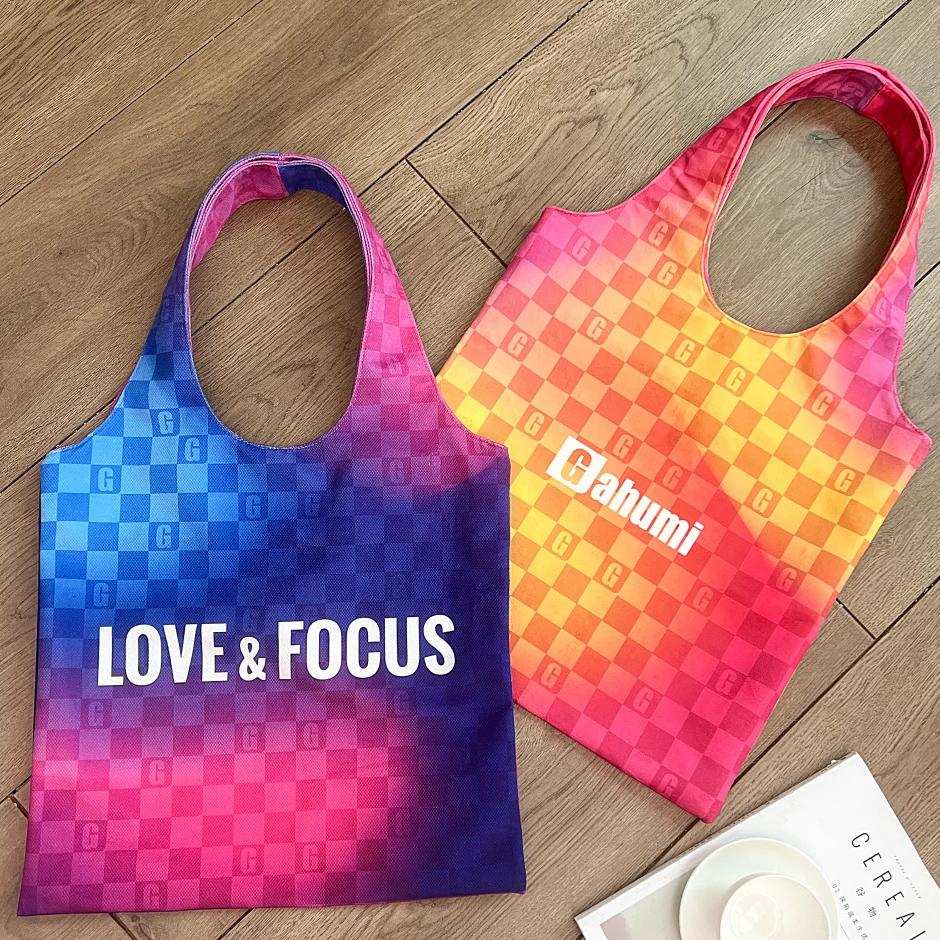
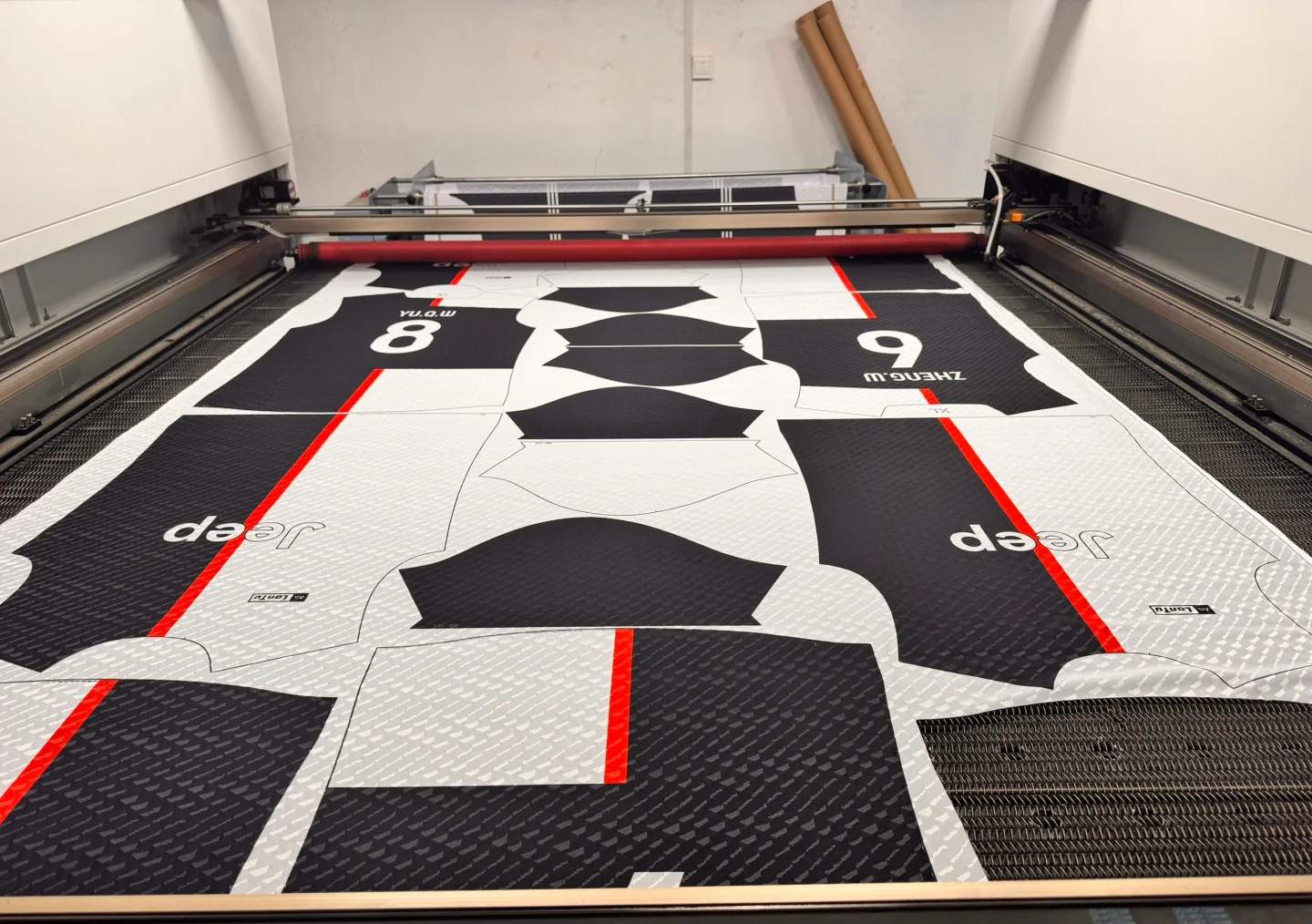
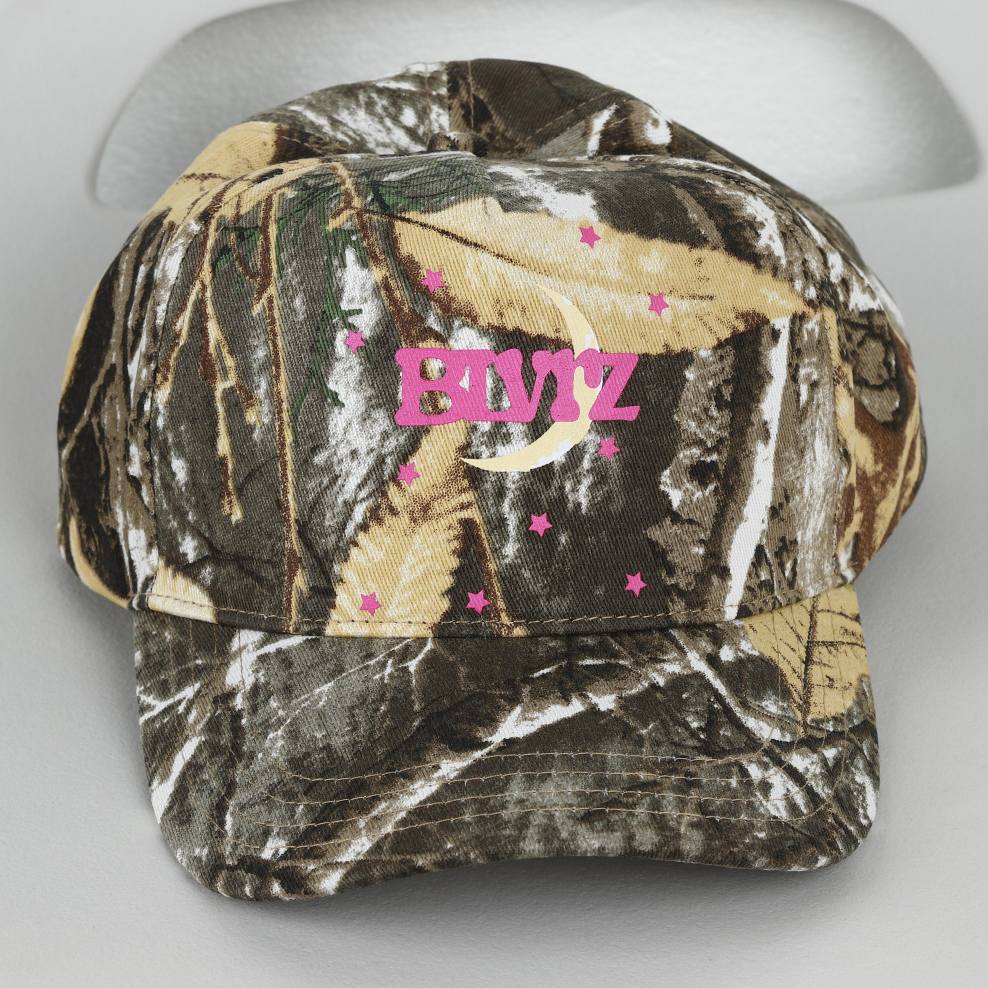
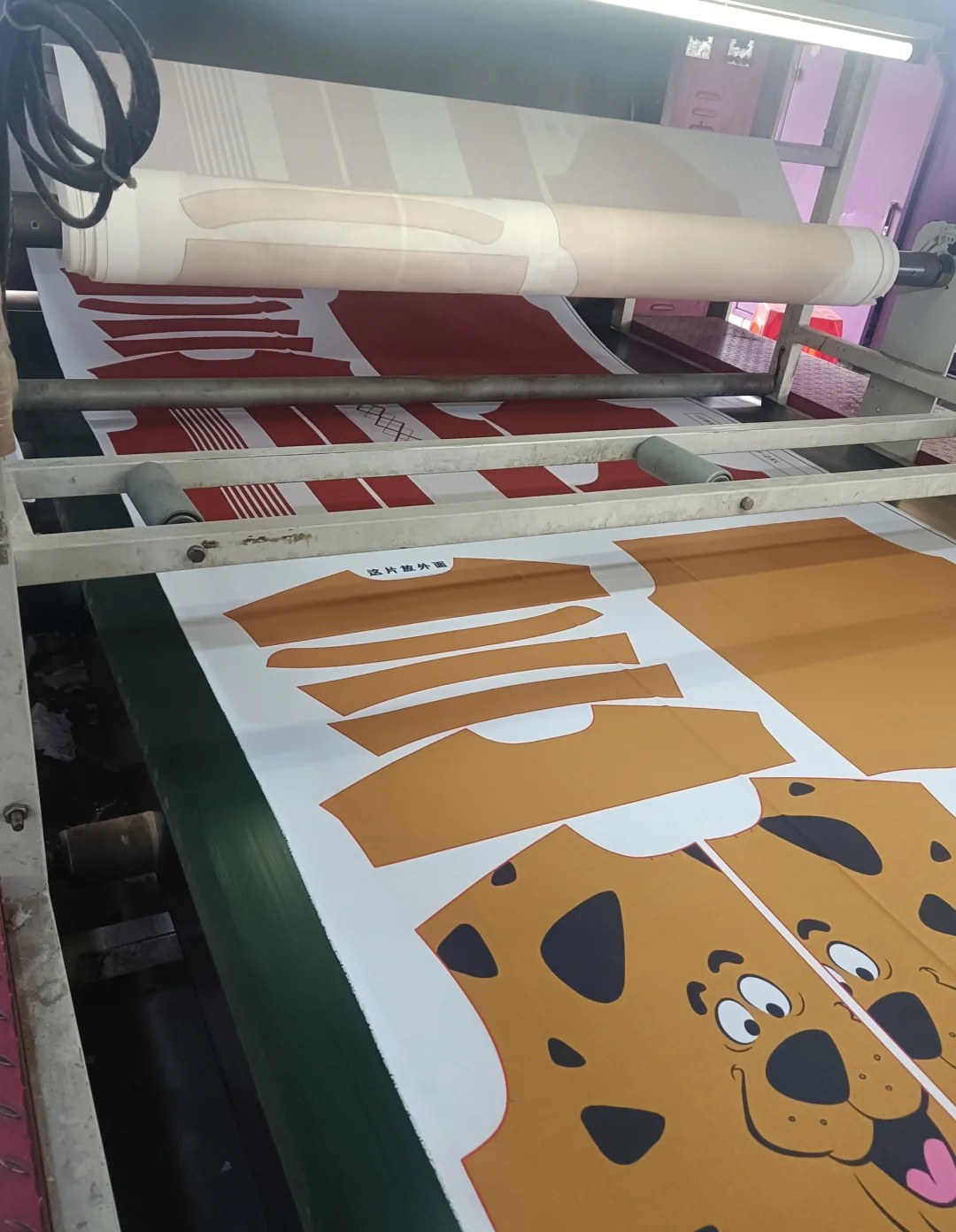
Heat Transfer Printed Designs in Action
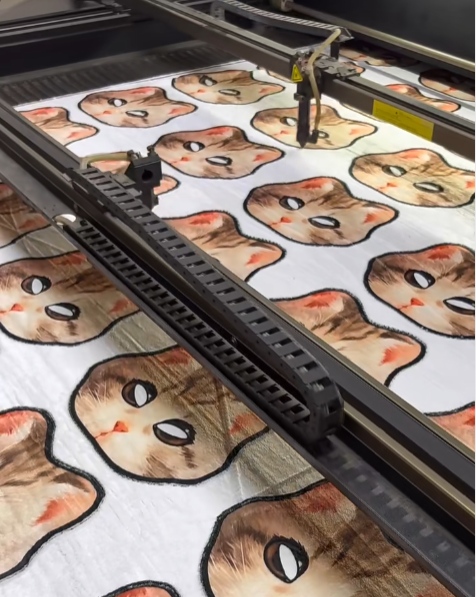
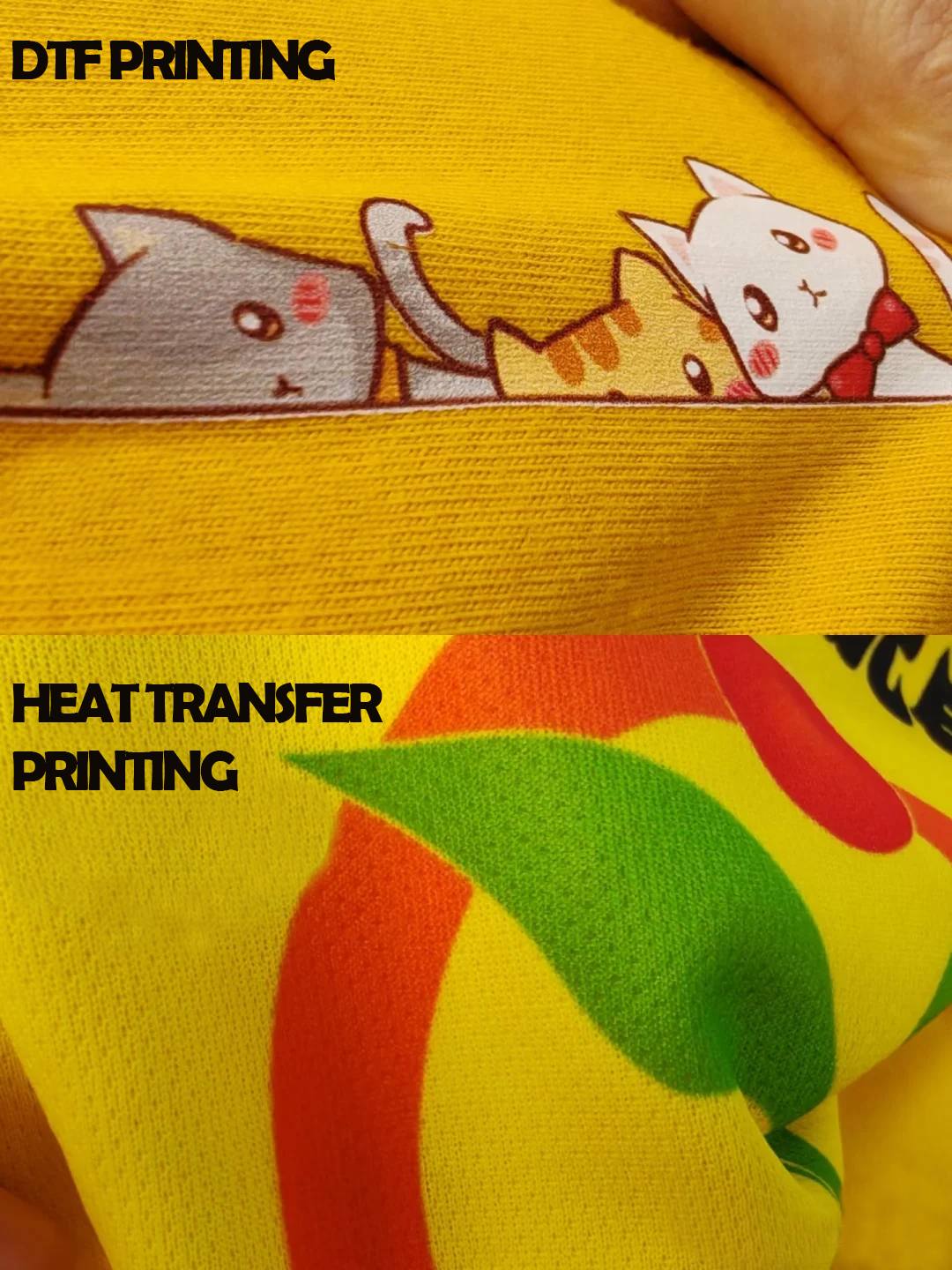
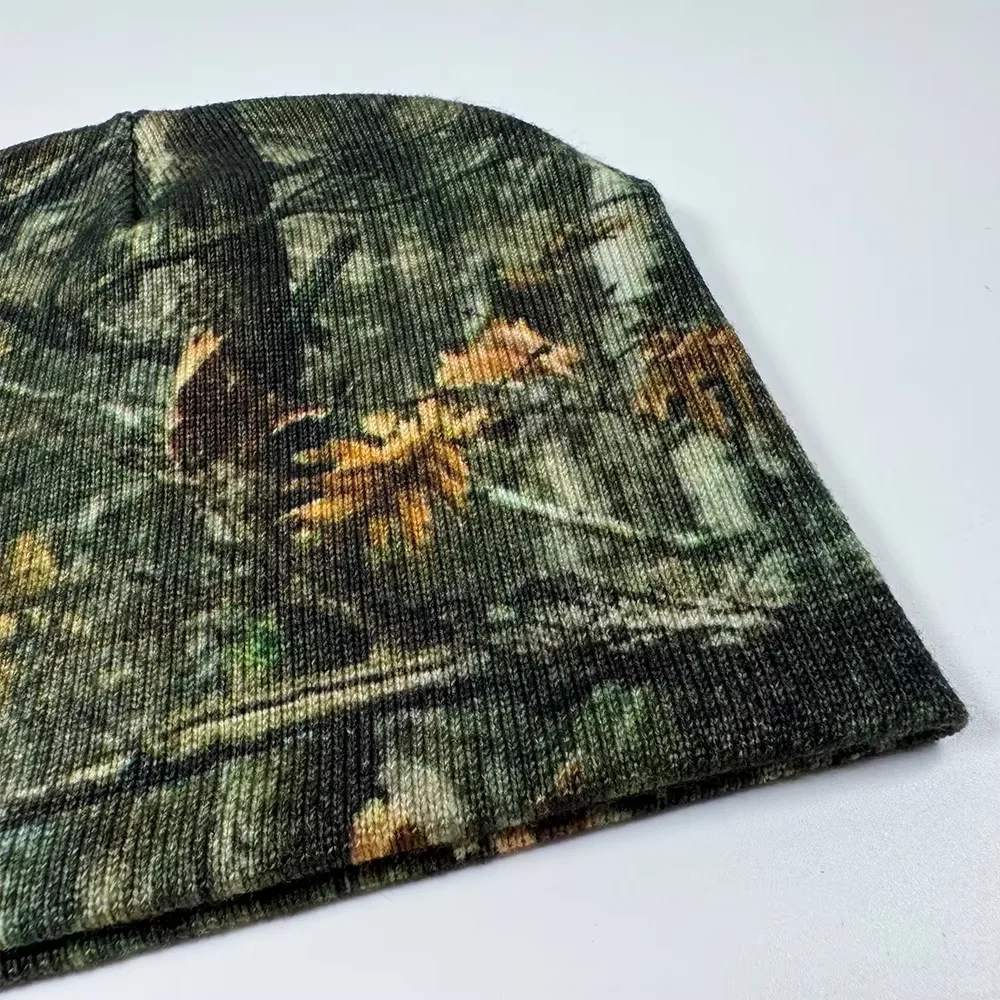
Why Heat Transfer Printing Stands Out
Precision Registration Every Time
Multi-color names and numbers align perfectly with heat transfer printing, eliminating the registration drift common in multi-layer screen printing.
Edge-to-Edge Color Coverage
Photographic detail, gradients and full-color logos transfer cleanly without halftones or color breaks, ideal for complex team graphics.
Durable Through Wash Cycles
High-quality heat transfer printing bonds permanently to fabric, maintaining color vibrancy and edge integrity wear after wear and wash after wash.
Faster Turnaround Than Embroidery
Heat transfer printing applies names and numbers in seconds per garment, cutting production time significantly compared to stitch-based decoration methods.
Cost Efficient at Scale
No screen setup or needle changes required — heat transfer printing reduces per-piece costs on medium and large runs for custom baseball jerseys, varsity jackets and team uniforms while keeping quality consistent.
Ideal for Photographic Designs
Full-color team photos, sponsor logos and gradient artwork reproduce accurately with heat transfer printing where embroidery and chenille cannot.
Heat Transfer Printing Techniques & Variants
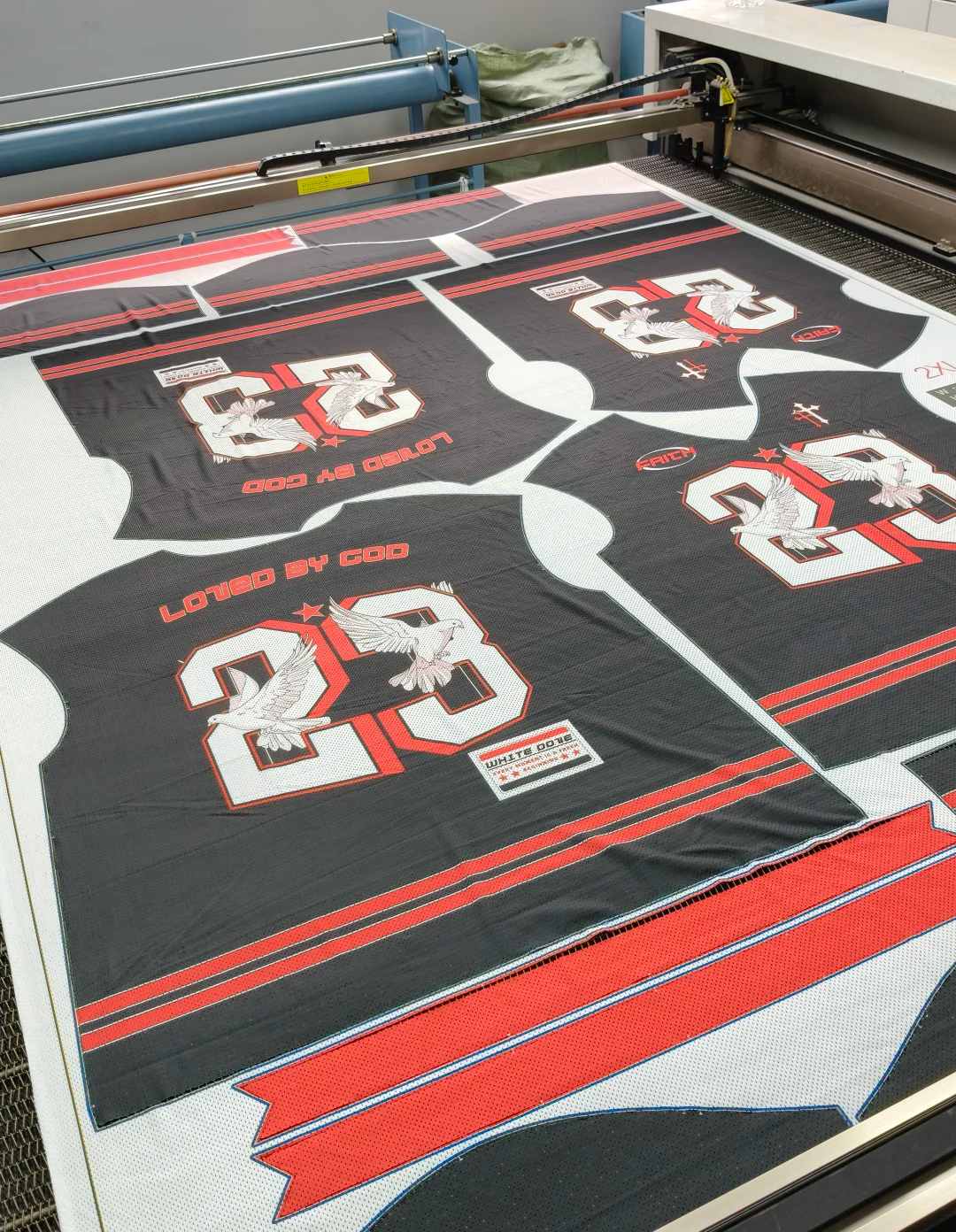
Heat-Pressed Names & Numbers
Single-color or multi-color player names, numbers and team lettering applied via heat press using vinyl, flex or specialty transfer film. Ideal for custom baseball jerseys, basketball uniforms, letterman jackets and practice apparel requiring durable, wash-fast graphics with clean edges and fast turnaround. SELMOND offers matte, gloss and metallic finishes, sized and positioned to match league specs or custom artwork.
Get a Quote28+ Years of Heat Transfer Printing Expertise
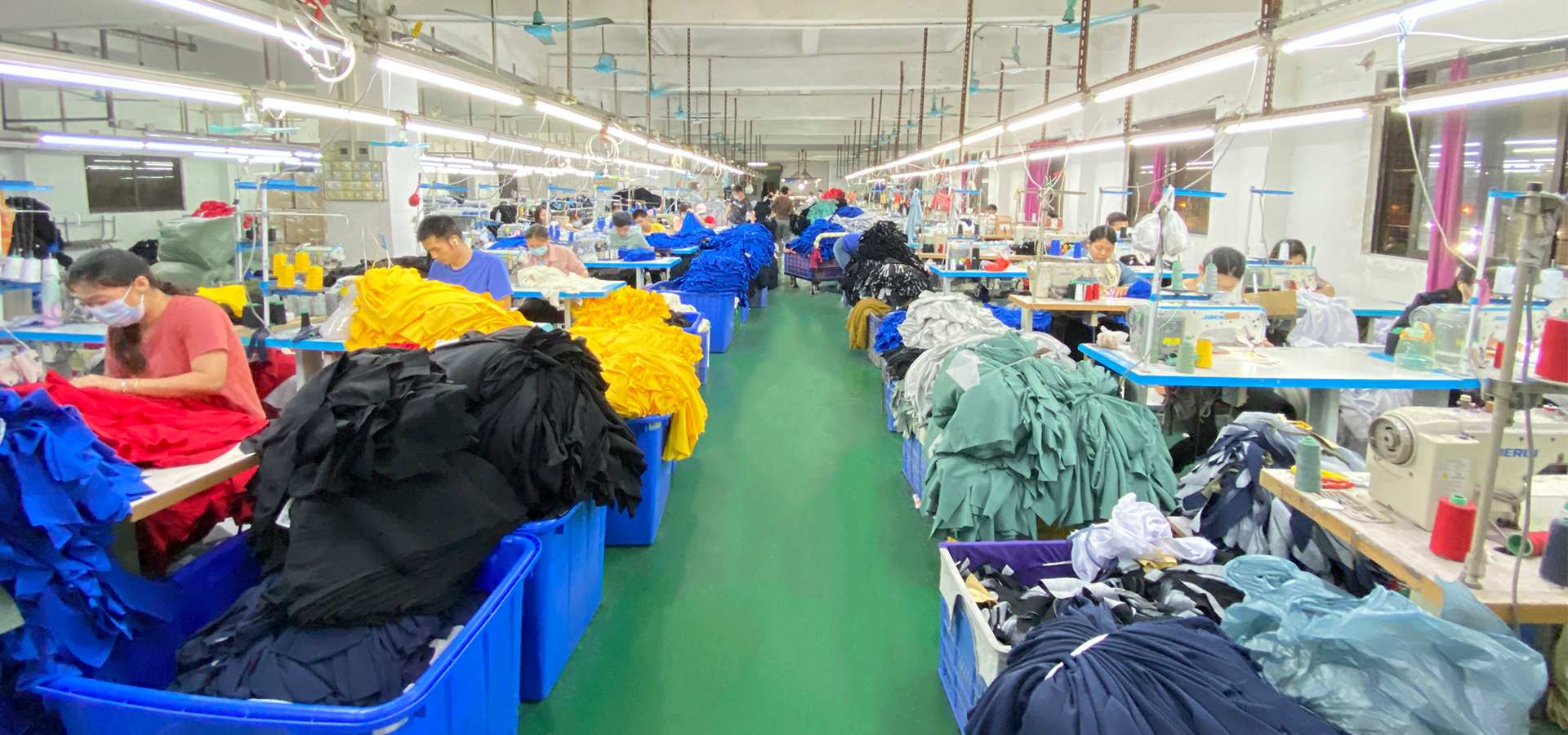
Founded in 1998 in Dongguan, China, SELMOND has spent nearly three decades perfecting heat transfer printing for custom varsity jackets, letterman jackets, baseball jerseys, custom baseball caps and team uniforms. What started as a small cut-and-sew workshop grew into a full-service OEM, ODM and private-label manufacturer with dedicated in-house decoration equipment, serving over 2,000 sports teams, schools, custom apparel brands and decorators worldwide.
Our heat transfer printing capability sits alongside embroidery, chenille, tackle twill and sublimation stations on a single production floor, giving clients the flexibility to mix decoration methods within one order — from custom chenille patches to sublimated jerseys. We maintain strict temperature, pressure and dwell-time standards for every transfer application, ensuring names and numbers bond cleanly to melton wool bodies, genuine and PU leather sleeves, polyester and cotton without peeling, cracking or fading through repeated wear and washing.
From independent designers launching their first collection to established wholesalers fulfilling multi-team orders, SELMOND supports flexible MOQs from 100 pieces, fast artwork proofing, decoration strike-offs and end-to-end OEM and private-label production. Our heat transfer printing process is backed by 28 years of team apparel craftsmanship and a 200-strong workforce committed to delivering decoration that looks sharp and lasts.
Heat Transfer Printing Process Deep Dive
Artwork Separation & Film Creation
Every heat transfer printing project begins with precise artwork separation and film output. SELMOND’s design team converts your logos, names and numbers into print-ready color layers, ensuring crisp edges and accurate registration across every transfer sheet produced in-house.
- Vector artwork separation into spot-color layers for clean transfer edges
- High-resolution film output calibrated to transfer material specifications
- Pre-production strike-offs to verify color accuracy and layer alignment
- Artwork files archived for fast, consistent re-orders and team expansions
Heat Press Settings & Pressure Calibration
Transfer durability depends on exact temperature, time and pressure. SELMOND operates commercial-grade heat presses calibrated daily for each fabric type—melton wool, polyester mesh, cotton twill—ensuring every name, number or logo bonds permanently without scorching or peeling.
- Digital heat presses with programmable temperature control (300–375°F range)
- Pressure calibration matched to fabric weight and transfer film thickness
- Separate press stations for jerseys, jackets, caps and specialty garments
- Real-time monitoring to maintain consistent bond strength across bulk runs
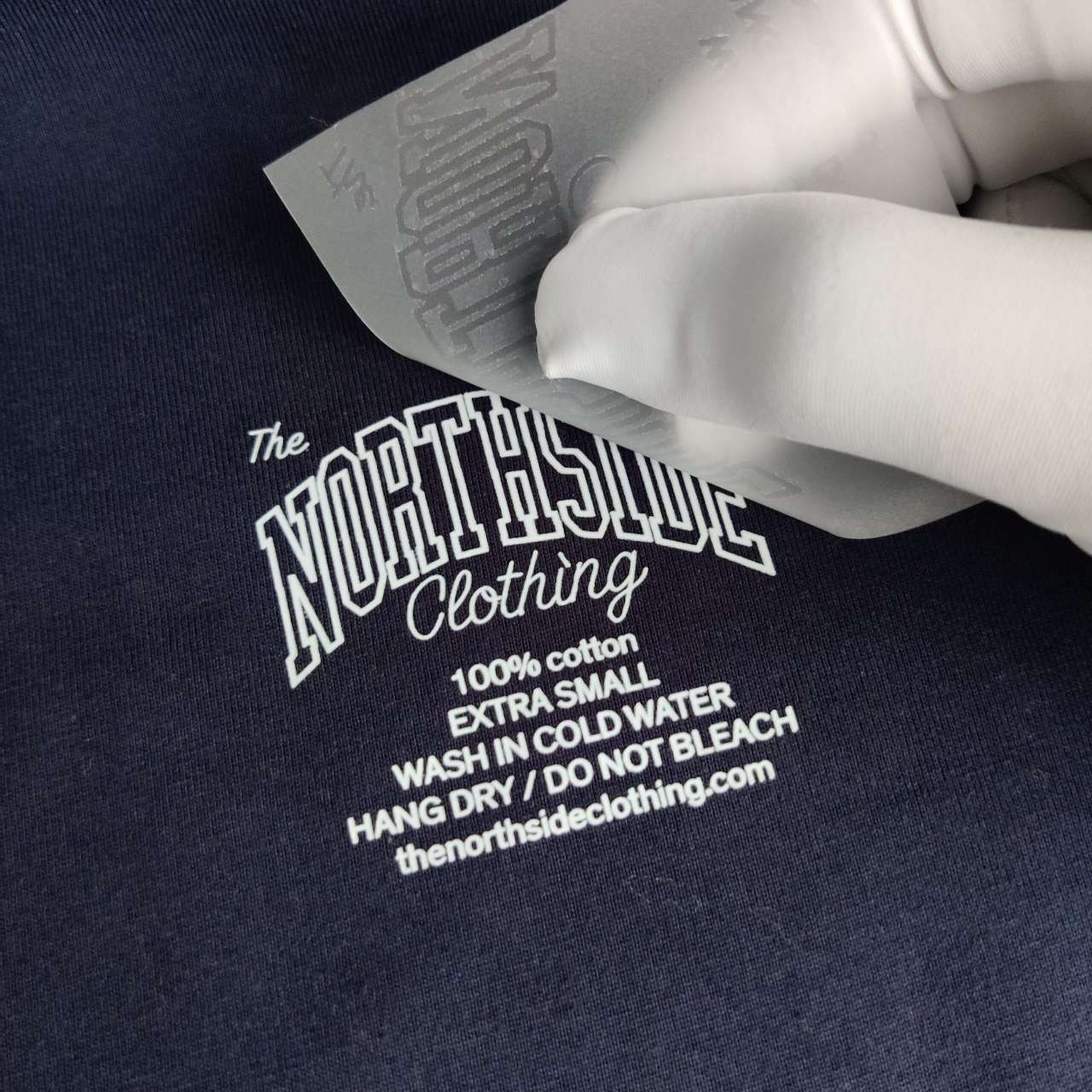
Transfer Application & Cooling Protocol
Skilled operators position each heat transfer printing element by hand, align it to garment landmarks, then apply controlled heat and dwell time. After pressing, garments follow a staged cooling protocol—hot-peel or cold-peel depending on film type—to lock the transfer and prevent distortion.
- Manual alignment using garment center lines, seams and marked registration points
- Timed press cycles (10–20 seconds) tailored to transfer type and fabric base
- Hot-peel or cold-peel removal sequenced to film carrier specifications
- Flat cooling racks to stabilize fabric and prevent heat-induced shrinkage
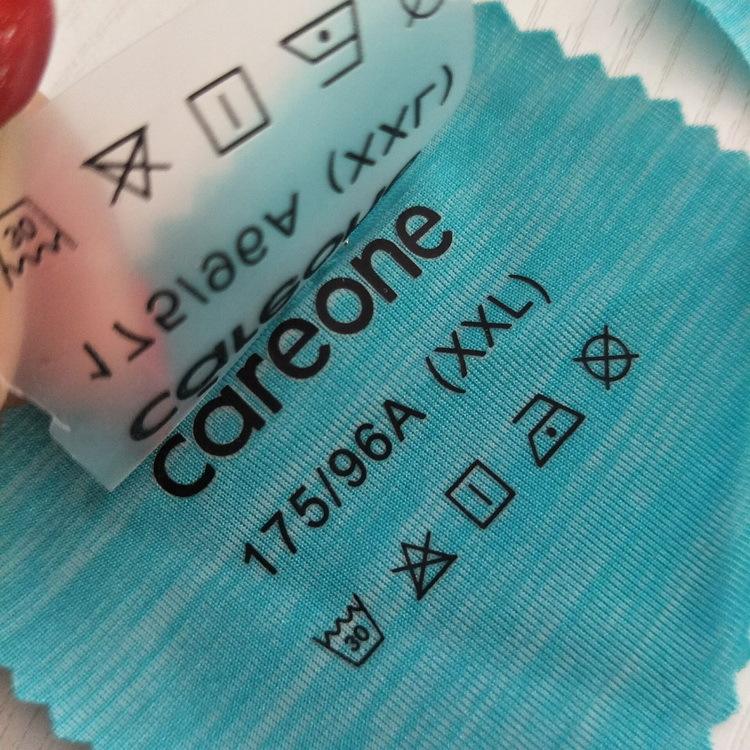
Post-Transfer Quality Checks & Finishing
Before any heat transfer printing leaves the floor, SELMOND inspects bond integrity, color match, edge definition and washability. Garments are stretch-tested, and random samples undergo accelerated wash cycles to confirm that names and numbers stay vibrant and intact through season-long wear.
- Visual inspection for edge lift, color bleed and alignment accuracy
- Stretch and flex tests to verify transfer elasticity on knit fabrics
- Sample wash testing (5+ cycles) to validate colorfastness and adhesion
- Final press and fold, ready for poly-bag packaging or direct shipment
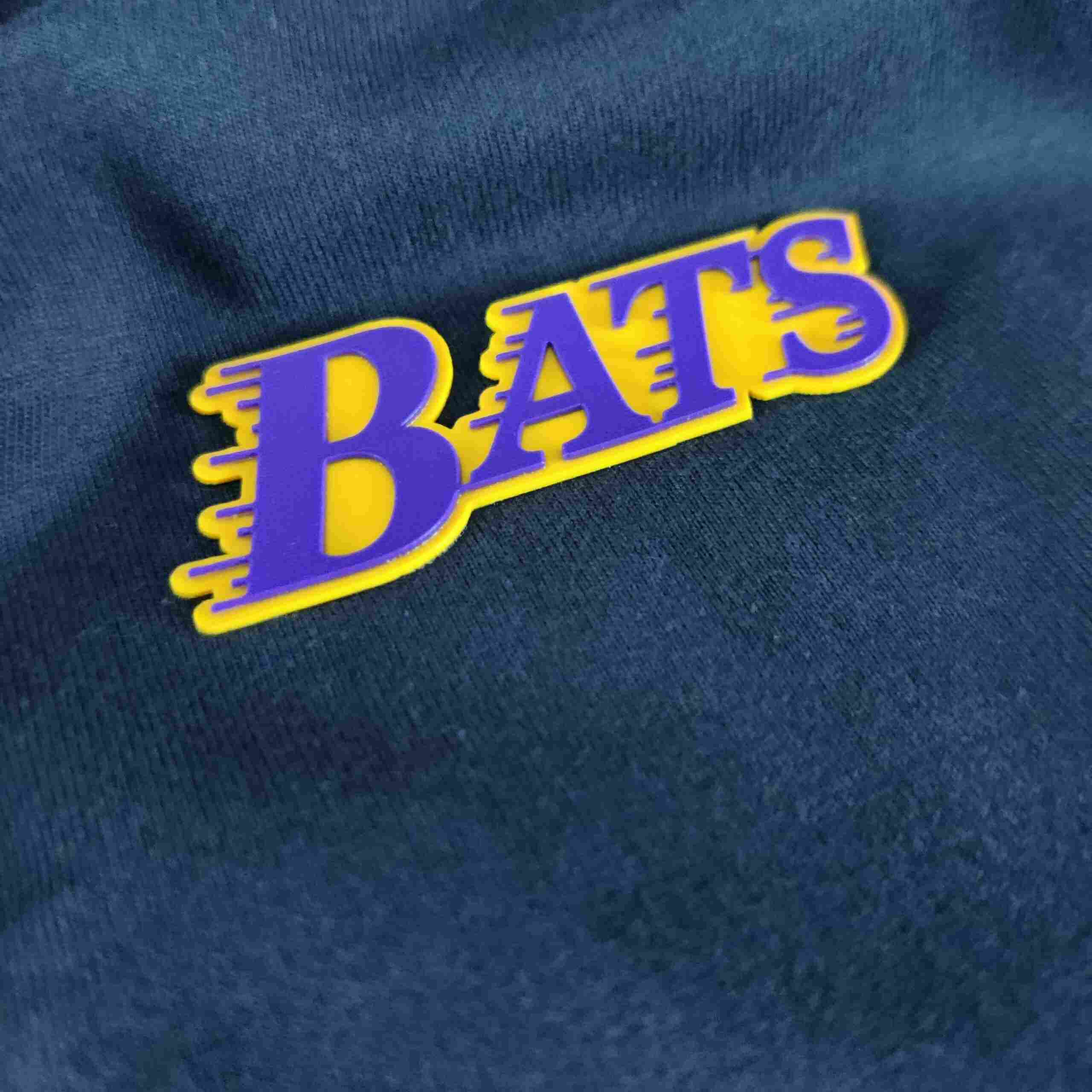
SELMOND Heat Transfer Printing vs. Typical Suppliers
Not all heat transfer printing services are built the same. SELMOND brings 28+ years of in-house decoration expertise for custom varsity jackets, baseball jerseys and team uniforms, dedicated equipment, OEM/ODM/private-label services, and full quality control to every custom name, number, and logo — ensuring faster turnaround, accurate color matching, and durable results that outlast the competition.
← 左右滑动查看 →
Heat Transfer Printing Production Workflow
From artwork approval to finished garment, SELMOND’s in-house heat transfer printing follows a disciplined seven-phase workflow that ensures every name, number and logo transfers cleanly, bonds permanently and ships on schedule.
Artwork Finalization & Proofing
Client artwork is converted to print-ready format, color-matched to PMS or team palette, sized to garment specs, and returned as a digital proof for final approval before transfer production begins.
Film & Transfer Creation
Approved designs are output as heat transfer film or printed onto transfer paper using solvent, eco-solvent or sublimation ink, weeded if required, and prepared for heat press application.
Heat Press Setup
Press temperature, pressure and dwell time are calibrated to fabric type and transfer material. Garments are pre-pressed to remove moisture and wrinkles, ensuring clean, bubble-free adhesion.
Transfer Application
Heat transfer film is positioned precisely on each garment, pressed under controlled heat and pressure for the specified duration, then peeled hot or cold depending on film carrier type.
Cooling & Inspection
Garments cool on flat racks to lock adhesive bond. Each piece is inspected for transfer clarity, edge adhesion, color accuracy, alignment and any press marks or incomplete coverage.
Quality Assurance & Documentation
Random samples undergo wash and stretch testing. Final piece count, decoration placement and color consistency are verified against approved proofs, and any defects are reworked or replaced.
Packing & Shipment
Finished garments are folded, poly-bagged with custom labels and hang tags, carton-packed with size and SKU labels, and prepared for international freight or express courier delivery.
How to Commission Heat Transfer Printing
From artwork submission to final shipment, SELMOND makes custom heat transfer printing straightforward and reliable for teams, brands and decorators worldwide.
Submit Your Artwork and Tech Pack
Send your logo, names, numbers and placement specs in vector format (AI, EPS, PDF) or high-resolution raster files. Our design team converts artwork into production-ready heat transfer files and provides fast artwork proofing for custom varsity jackets, baseball jerseys, caps and uniforms.
Receive Quote and Sample Strike-Off
Within 24 hours you’ll receive a detailed quote covering pricing, MOQ and lead time for OEM, ODM or private-label production. We produce a physical strike-off sample showing exact color, placement and finish — fast sampling is a core SELMOND advantage.
Approve Design and Placement
Review the strike-off sample for color accuracy, transfer position and adhesion quality. Request revisions if needed; bulk production begins only after your written approval.
Bulk Production and In-Line QC
Your order enters our dedicated heat transfer station with real-time quality checks on every garment for alignment, temperature consistency and peel quality before moving to finishing.
Final Inspection and Global Shipment
Completed garments undergo final QC for decoration integrity, sizing and packaging. We coordinate sea, air or express logistics with full tracking to your destination worldwide.
Customer Stories: Heat Transfer Printing for Team Apparel
We ordered 250 baseball jerseys with heat transfer numbers and names. Every detail matched our artwork perfectly, and after 15 washes the graphics still look sharp. Turnaround was just 18 days from approval to delivery.
SELMOND’s heat transfer printing gave our school team jerseys a clean, professional finish at a price point we could actually afford. We’ve reordered three times in eight months — consistency has been excellent every time.
As a wholesaler we need reliable decoration partners. SELMOND’s heat transfer work on our 500-piece cap order was flawless — registration was tight, colors were accurate, and we had zero customer complaints. They’re now our go-to for heat transfer.
Heat Transfer Printing FAQ
What fabrics work best with heat transfer printing?
Is heat transfer printing durable enough for team jerseys and uniforms?
How does heat transfer printing compare to embroidery or screen printing?
What is the minimum order quantity for heat transfer printing at SELMOND?
What file formats and resolution do you need for heat transfer printing artwork?
Can heat transfer printing reproduce full-color logos and gradients?
What is the typical lead time for heat transfer printing orders?
How should I care for garments decorated with heat transfer printing?
Do you charge extra for sampling before bulk heat transfer printing production?
The Complete Buyer’s Guide to Heat Transfer Printing for Custom Apparel
Navigate the world of heat transfer printing with confidence. This guide delivers a proven decision framework, essential supplier criteria, and the most common mistakes to avoid when sourcing custom names, numbers, and graphics for your team uniforms and branded apparel.
1. What Is Heat Transfer Printing?
Heat transfer printing applies pre-printed or pre-cut graphics, names, and numbers onto fabric using controlled heat (typically 160–190°C) and pressure (40–60 psi) for 10–20 seconds. A heat press bonds the transfer material — vinyl, plastisol, or sublimation paper — to the garment surface, creating a permanent decoration that survives 50+ commercial wash cycles when applied correctly.
The method dominates short-run custom apparel because it requires no screen setup, no minimum color count, and no curing ovens. A single operator can decorate 30–50 custom baseball jerseys or varsity jackets per hour with names and numbers, compared to 8–12 per hour for tackle-twill hand-sewing. SELMOND’s in-house heat-transfer stations handle both cut vinyl (for names and numbers) and full-color plastisol transfers (for complex logos), supporting OEM, ODM and private-label production with MOQs from 100 pieces.
Heat transfer suits buyers who need fast turnaround, photo-quality detail, or variable data (unique names per garment). It works best on polyester jerseys, cotton tees, and poly-blend team uniforms — but requires surface compatibility testing for textured fabrics like fleece or mesh.
2. Evolution and History of Heat Transfer Printing
Heat transfer printing emerged in the 1960s with screen-printed plastisol transfers, originally designed for simple one-color logos on promotional T-shirts and team uniforms. By the 1980s, plastisol transfers became the standard for sports-team names and numbers, offering durability and vibrant opacity on polyester and cotton blends. The introduction of CAD-cut vinyl in the early 1990s enabled precise single-color lettering and numbers without screens, lowering setup costs and opening the door for on-demand decoration and low-MOQ runs.
Digital inkjet transfer technology arrived in the late 1990s, unlocking full-color photorealistic graphics, gradients and complex artwork that screen printing could not economically reproduce at small scale. Modern heat-transfer systems now pair eco-solvent and water-based inks with faster pneumatic and automatic heat presses, reducing cycle times to under ten seconds per piece while meeting OEKO-TEX and low-VOC standards.
Today heat transfer printing spans custom varsity jackets, letterman jackets, custom baseball jerseys, custom baseball caps, custom beanies and baseball uniforms, serving sports teams, schools, influencers and apparel brands that demand fast turnarounds, flexible quantities and decoration detail that holds through repeated washing and wear.
3. Types of Heat Transfer Printing Methods
Heat transfer printing encompasses five distinct methods, each optimized for specific design complexity, fabric compatibility and order volume. Understanding process mechanics, durability profiles and cost structures helps buyers match technique to application.
Vinyl Heat Transfer (CAD-Cut)
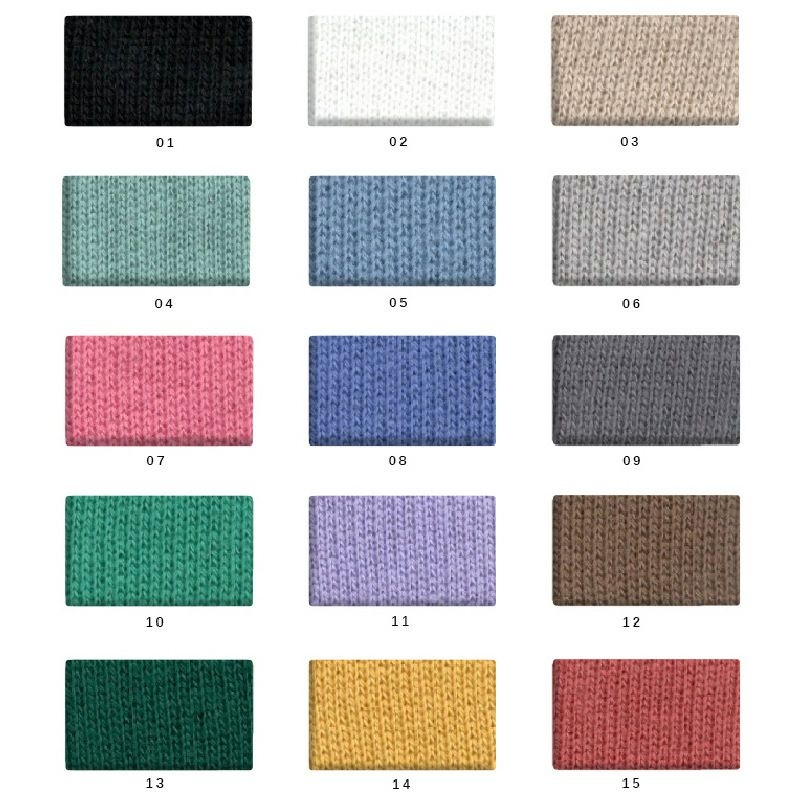
CAD-cut vinyl uses plotters to cut solid-color shapes from polyurethane or PVC film, then heat-pressed onto garments. Ideal for names, numbers and simple logos on jerseys, varsity jackets and team uniforms.
Durability ranges 25–50 washes when applied at 160–180°C for 10–15 seconds. Setup cost is negligible; unit cost drops with volume. Best for orders under 500 pieces.
Plastisol Transfers
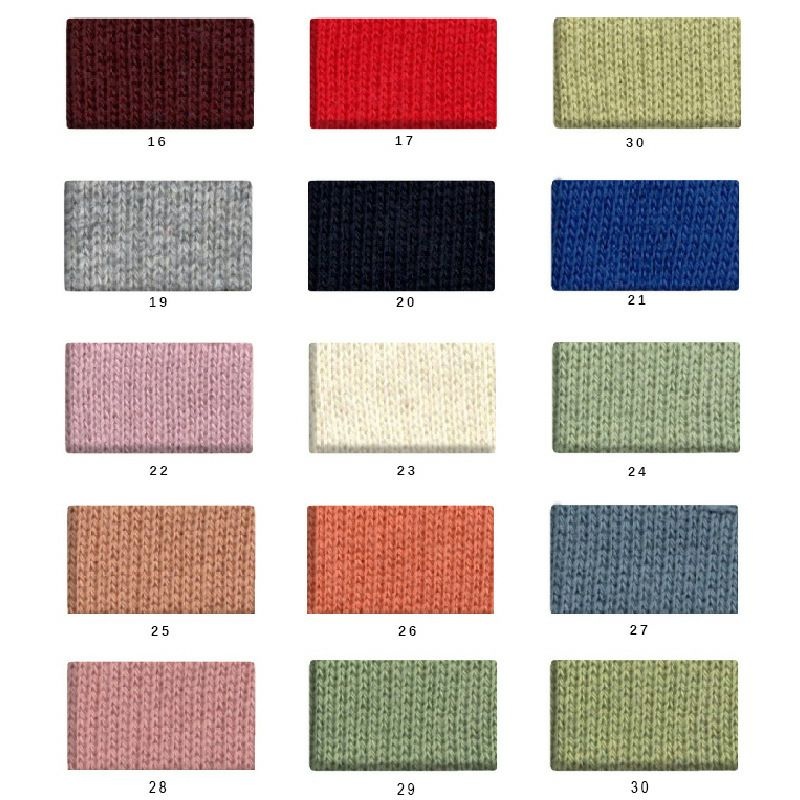
Screen-printed plastisol ink on release paper, stored and heat-pressed on demand. Supports full-color designs, halftones and Pantone matching. Common for team logos and event graphics.
With-stands 40–60 industrial washes. Setup requires screens; economical above 200 pieces per design. SELMOND stocks pre-made transfers for fast turnarounds.
Sublimation Transfers
Dye-sublimation prints full-color artwork onto transfer paper, then heat-converts ink into gas that bonds with polyester fibers. Enables edge-to-edge, photographic designs on jerseys and caps.
Permanent on 100% polyester; no hand-feel or cracking. Digital setup suits orders from 100 to 10,000 pieces. Not compatible with cotton or dark fabrics.
Digital Inkjet Transfers
Inkjet printers apply water-based or solvent inks to specialty transfer media, pressed onto cotton, blends or polyester. Supports photo-quality, full-color graphics with no screens or minimums.
Durability varies by ink chemistry—typically 20–40 washes. Per-piece cost remains flat; ideal for samples, personalization and runs under 100 units.
4. Materials and Fabrics Compatible with Heat Transfer Printing
Fabric selection dictates heat transfer adhesion, wash durability and color vibrancy. Polyester, cotton, cotton-poly blends, performance knits and nylon each respond differently to plastisol, vinyl and sublimation transfers, and fabric weight (GSM) changes pressing temperature and dwell time.
| Fabric Type | Transfer Method | Durability Rating | Typical Applications |
|---|---|---|---|
| 100% Polyester | Sublimation, Vinyl | Excellent (50+ washes) | Jerseys, performance uniforms |
| Cotton (100%) | Plastisol, Vinyl | Very Good (40+ washes) | Caps, casual jackets |
| Cotton-Poly Blend | Vinyl, Plastisol | Very Good (40+ washes) | Team tees, hoodies |
| Performance Knits | Sublimation | Excellent (50+ washes) | Athletic jerseys, shorts |
| Nylon | Low-Temp Vinyl | Good (30+ washes) | Windbreakers, shells |
Polyester and Performance Knits
100% polyester tricot, mesh and moisture-wicking knits (120–180 GSM) accept sublimation transfers with edge-to-edge color saturation and permanent dye bonding. Plastisol and vinyl transfers adhere well but may crack under repeated flex on lightweight meshes below 140 GSM.
Performance fabrics used in baseball jerseys and team uniforms deliver the highest color vibrancy with sublimation, making them ideal for full-dye names, numbers and logos that won’t fade or peel.
Cotton and Cotton-Poly Blends
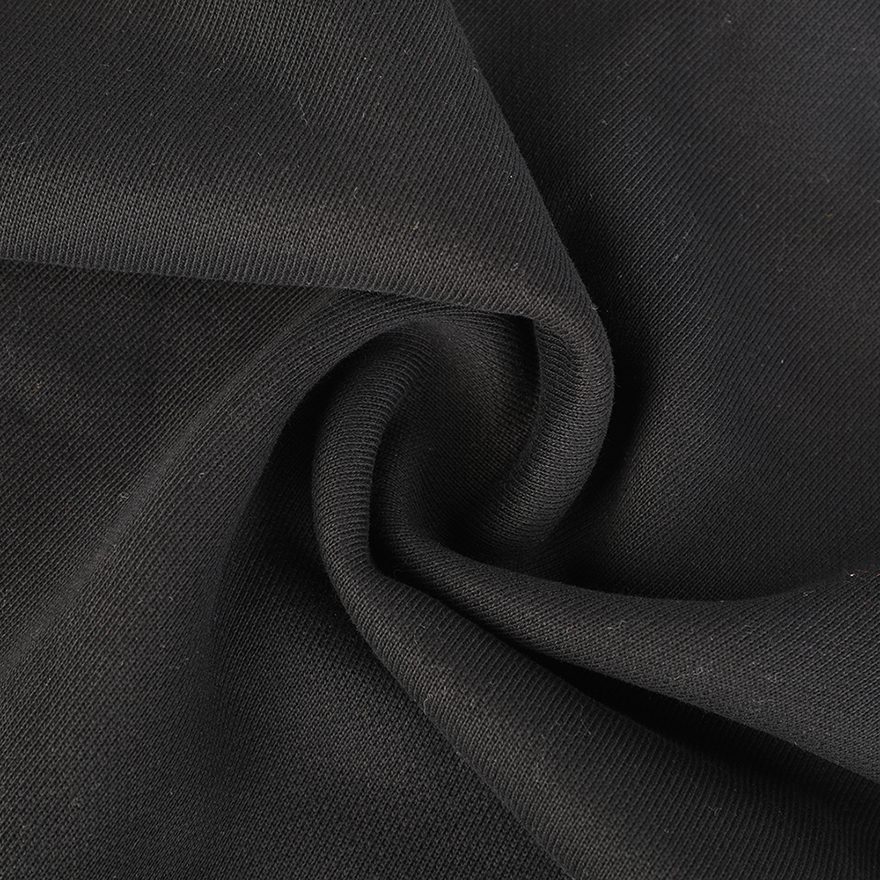
Ring-spun cotton (160–220 GSM) and 50/50 cotton-poly blends provide excellent adhesion for plastisol and vinyl heat transfers. Pure cotton cannot accept dye sublimation; blends above 35% polyester show partial sublimation with muted tones.
Varsity jacket bodies in melton wool (400–600 GSM) and heavyweight twill caps require extended press time and higher pressure to ensure vinyl transfers bond through the dense weave and nap.
Nylon and Coated Fabrics

Nylon shells and water-resistant coated fabrics demand low-temperature vinyl transfers (260–280°F) to prevent scorching and fabric distortion. Sublimation is incompatible with nylon unless the fabric is pre-treated with a polymer coating.
SELMOND tests transfer adhesion on nylon jacket samples before bulk production, adjusting dwell time and pressure to avoid delamination during the first wash cycle.
5. Customization Options in Heat Transfer Printing
Heat transfer printing supports a broad design spectrum, from single-color team numbers to full-color photorealistic graphics. Understanding which techniques match your artwork complexity and file type ensures accurate quoting and production-ready files.
| Customization Type | File Requirement | MOQ (pcs) | Cost Tier |
|---|---|---|---|
| Single-color vinyl | Vector (AI, EPS, PDF) | 100 | Low |
| Multi-color digital | Raster 300 DPI (PNG, TIFF) | 100 | Medium |
| Metallic / glitter / reflective | Vector or raster | 100 | Medium |
| Photorealistic / gradient | Raster 300 DPI | 100 | High |
Single-Color and Multi-Color Graphics
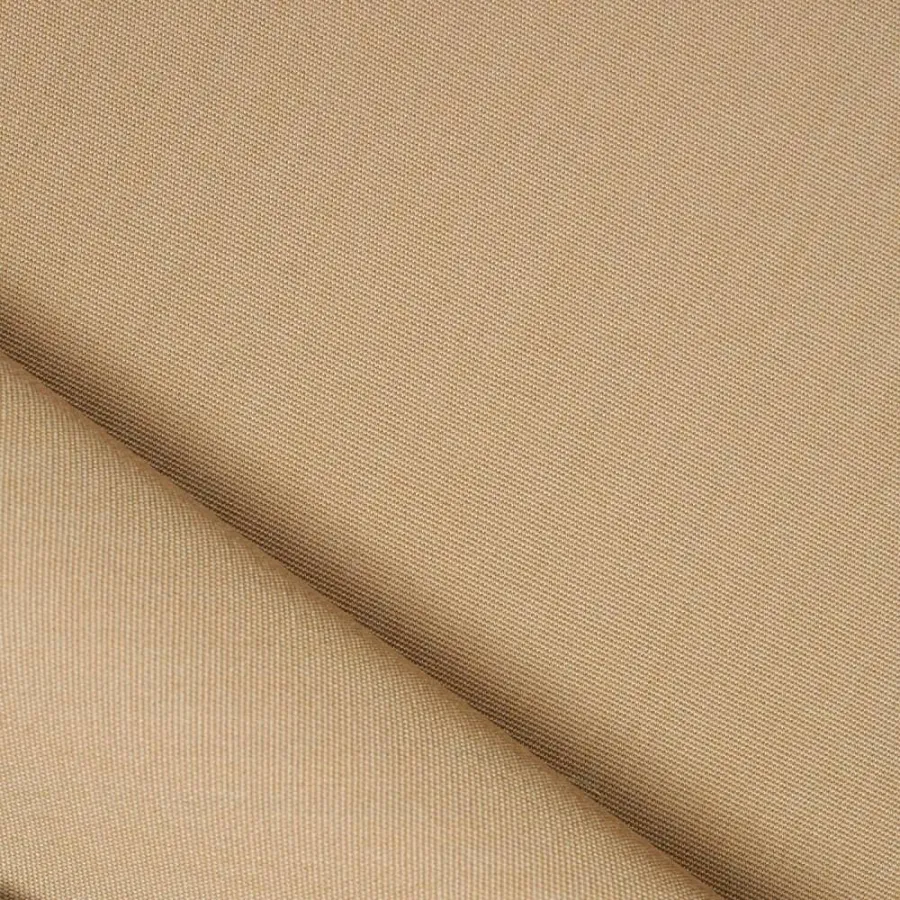
Single-color vinyl heat transfers — typically spot Pantone or stock colors — require vector artwork (AI, EPS or PDF) and carry the lowest cost tier. Multi-color designs layer individual vinyl sheets or use full-color digital heat transfer for gradients and blends.
MOQ starts at 100 pieces per design at SELMOND, with no additional screen fees for vinyl cuts. Multi-color digital transfers accept raster files (PNG, TIFF at 300 DPI minimum) and suit small runs where setup cost matters more than per-piece price.
Specialty Finishes and Effects
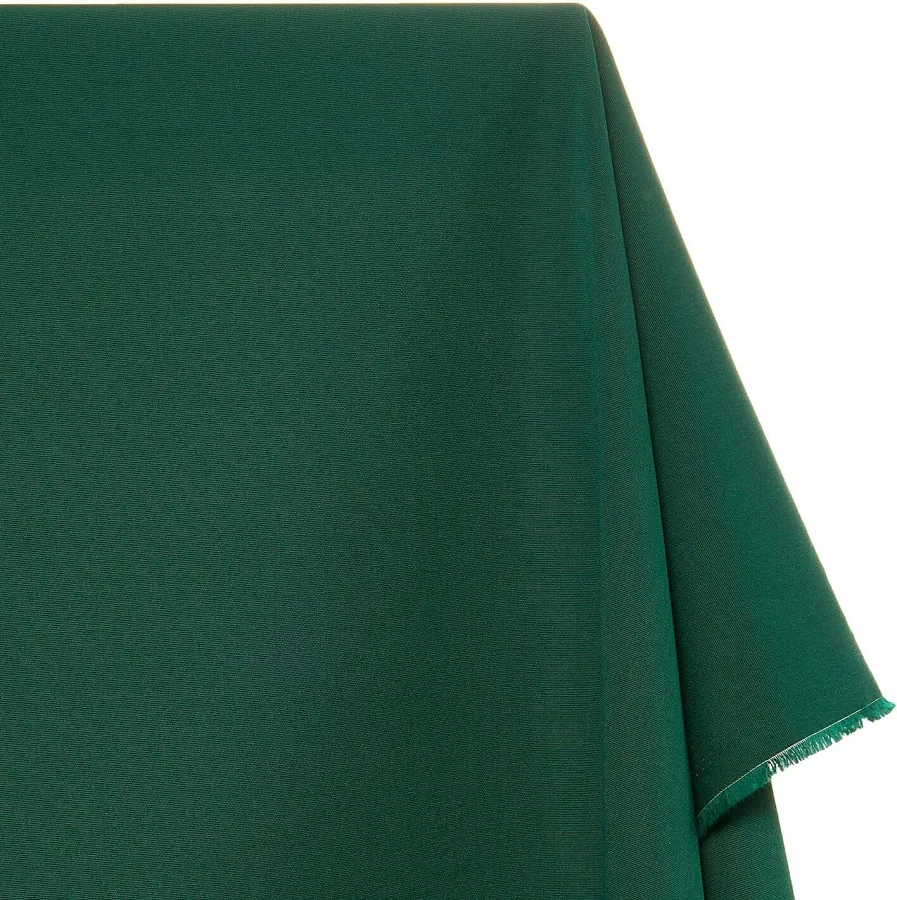
Metallic foil, glitter, reflective and glow-in-the-dark heat transfers add visual impact to jerseys, varsity jackets and caps. Each finish requires dedicated material stock and may extend lead time by two to three days.
Reflective transfers meet safety and branding needs for night events; glitter vinyl suits cheer and spirit wear. SELMOND stocks metallic gold, silver and holographic films, with custom Pantone metallics available above 500-piece orders.
Individual Names, Numbers and Team Logos
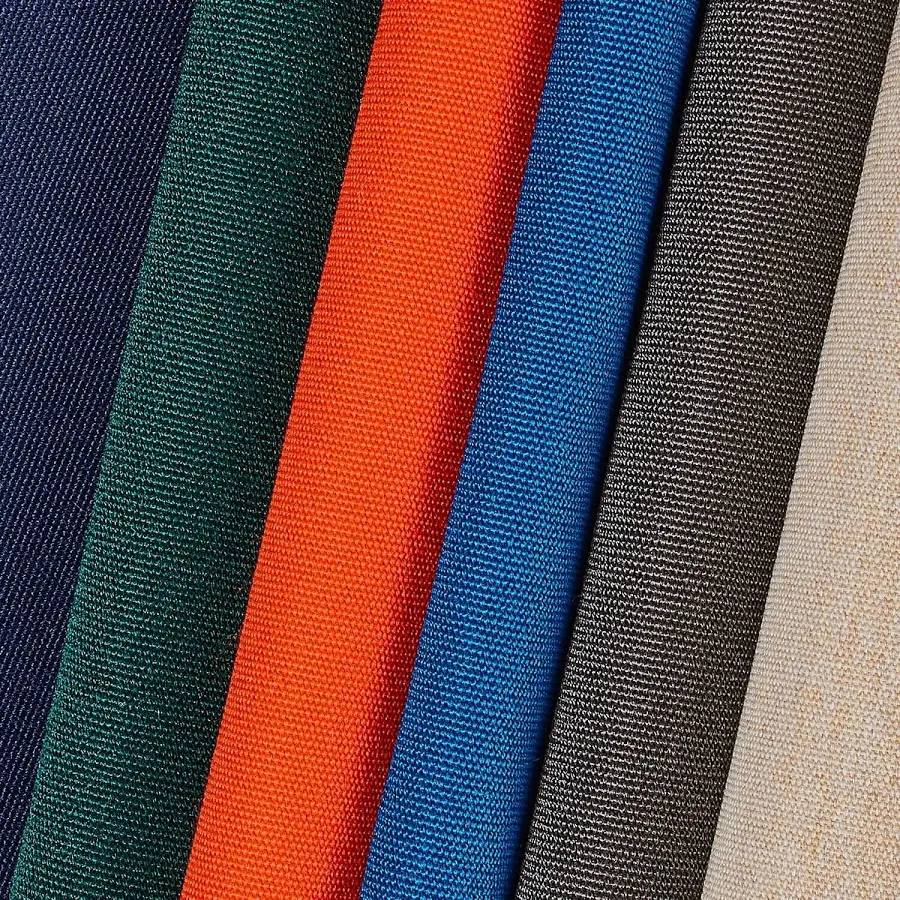
Heat transfer excels at variable-data decoration — each jersey receives a unique name and number without per-unit artwork charges. Submit a spreadsheet mapping size, name and number; vector fonts ensure crisp edges at any scale.
Team logos under four colors work best as vector files; photorealistic mascots or sponsor marks require full-color digital transfer. SELMOND digitizes low-resolution logos at no charge for orders above 200 pieces.
6. Key Quality Indicators for Heat Transfer Printing
Quality heat transfer printing separates professional team apparel from amateur work. Buyers should evaluate five measurable indicators before committing to a supplier or production run.
Adhesion Strength and Peel Test Standards
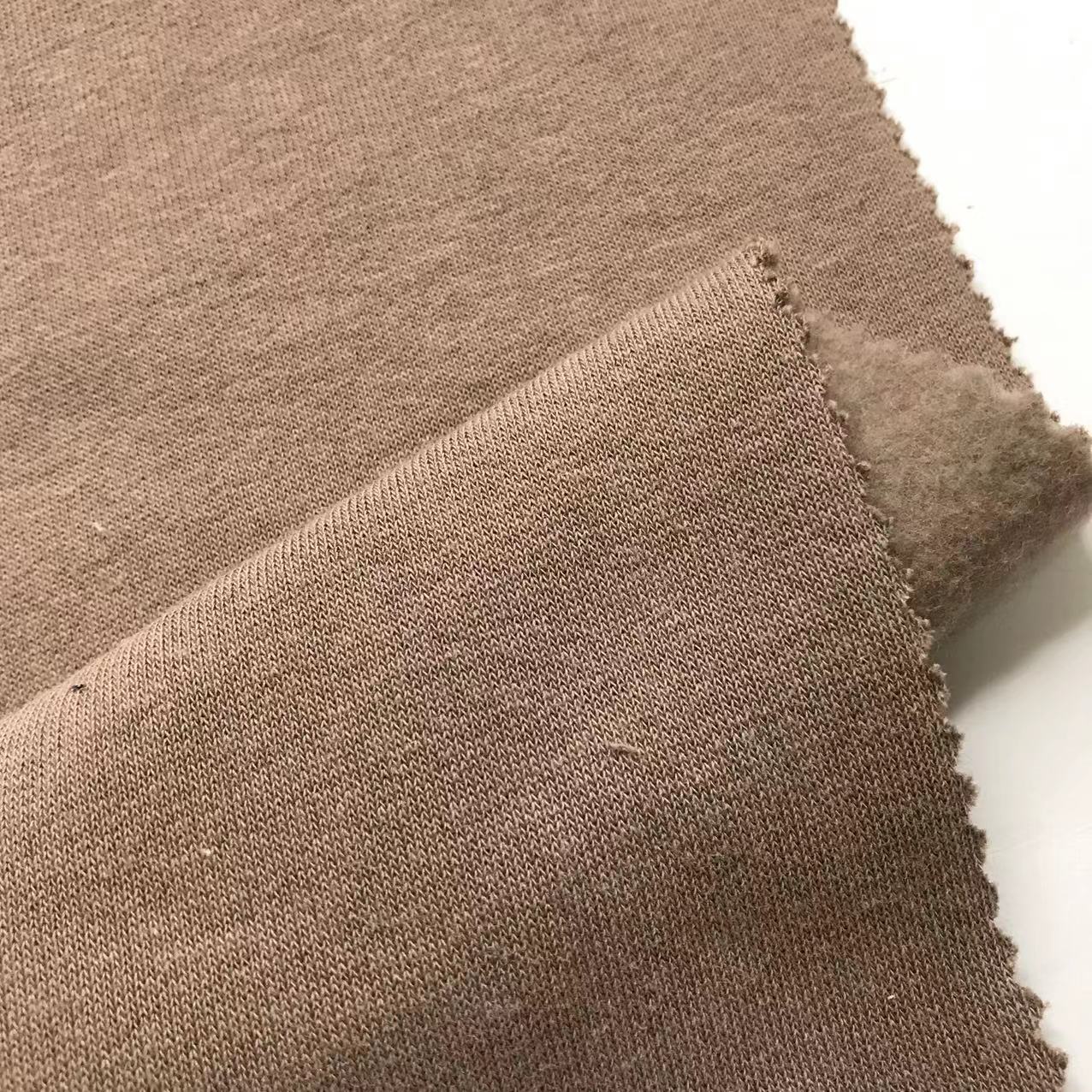
Adhesion determines whether a transfer survives game-day wear. Industry-standard peel tests apply 180-degree force; quality transfers withstand ≥ 1.5 kg without delamination.
Ask suppliers for peel-test results on your chosen fabric. SELMOND tests every transfer type on melton wool, polyester mesh and cotton twill before bulk production.
Wash Durability and Cycle Count
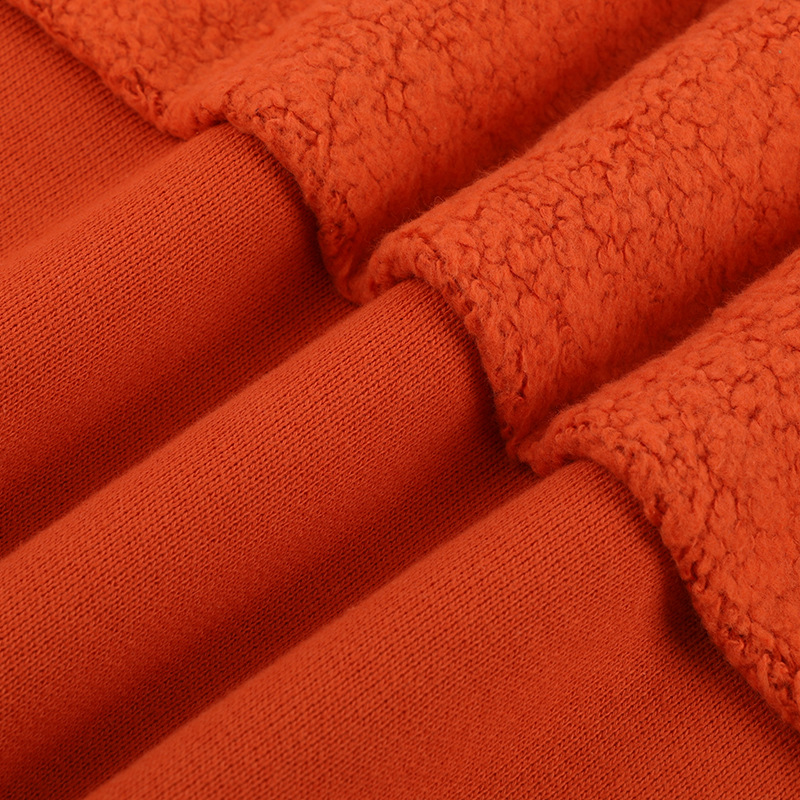
Professional transfers endure 50+ home washes or 30+ industrial cycles without cracking or fading. ISO 6330 and AATCC 135 protocols measure colorfastness and dimensional stability.
Request wash-test reports showing cycle count, temperature and detergent type. Transfers on varsity jackets face less frequent washing than jerseys, but both need documented durability.
Edge Definition and Color Opacity
Clean edges and solid opacity define premium transfers. Weeding precision should leave no carrier film halo; multi-layer registration must align within ± 0.5 mm.
Ink opacity matters on dark fabrics: quality plastisol and vinyl transfers block 100% of base color in a single layer. Ask for strike-off samples on your actual garment fabric and color.
Hand Feel and Finish Quality
Soft-hand transfers measure ≤ 0.3 mm thick; rubbery or stiff finishes exceed 0.5 mm and crack faster. Polyurethane and thin-film vinyl offer the softest hand; thick plastisol feels heavy.
Specify hand-feel requirements in your tech pack. SELMOND provides decoration strike-offs so buyers compare tactile quality before approving bulk runs.
7. How to Choose a Heat Transfer Printing Supplier
Choosing a heat transfer printing supplier is about production capability, decoration range and partnership flexibility. Look beyond price to capacity, certifications, sample policies and responsiveness — the markers that separate a reliable manufacturing partner from a risky vendor.
Verify Samples and Decoration Strike-Offs
Request physical samples showing heat transfer on your target fabric before committing to bulk. A reliable supplier provides decoration strike-offs — actual transfers applied to the garment base — not just digital mockups.
SELMOND supplies artwork proofs, decoration strike-offs and sample garments before any production run, ensuring names, numbers and graphics match your spec for color, placement and durability.
Check Capacity, Lead Times and MOQ Flexibility
Production capacity determines whether a supplier can scale with you. Ask for monthly output, typical lead times and minimum order quantities.
SELMOND runs a monthly capacity exceeding 80,000 pieces with MOQs starting at 100 pieces per style/color, enabling brands to test designs, reduce inventory risk and launch capsule collections without tying up capital.
Confirm Certifications and Compliance
Quality certifications matter for youth apparel and retail programs. Oeko-Tex Standard 100 ensures textile safety; CPSIA compliance is required for children’s products in the United States.
Verify that your supplier holds current certifications and can provide test reports for inks, adhesives and finished garments — especially when decorating school uniforms or youth team apparel.
8. Common Mistakes Buyers Make with Heat Transfer Printing
Even experienced buyers stumble on heat transfer details that seem minor until the first wash or customer complaint. Understanding these pitfalls — and their fixes — protects your brand reputation and keeps re-order rates high.
Choosing the Wrong Transfer Type for the Fabric
Plastisol transfers crack on performance polyester because they sit on the surface; sublimation ink bleeds on cotton because it requires polymer fibers. Pairing the wrong method to the base fabric wastes both the garment and the decoration cost.
Match vinyl and plastisol to cotton and cotton-blends, sublimation to 100% polyester, and CAD-cut for stretch fabrics. SELMOND provides fabric and transfer compatibility guidance at the artwork stage to prevent mismatches before sampling.
Ignoring Wash-Care Instructions
High-heat tumble drying peels vinyl edges; chlorine bleach fades plastisol ink; inside-out washing is rarely optional. Buyers who skip care-label communication see return rates climb within the first laundry cycle.
Request wash-test reports from your supplier and print clear care instructions on every hang tag and poly-bag insert.
Submitting Low-Resolution Artwork
Raster files below 300 DPI pixelate when scaled to back-number size; JPEG compression creates halo artifacts around text. Low-resolution artwork forces manual redrawing, adds lead time, and introduces tracing errors.
Supply vector files (AI, EPS, PDF) for all lettering and logos. SELMOND’s design team digitizes and proofs artwork before production to catch resolution issues early.
Failing to Order Samples Before Bulk Production
A digital proof shows color and layout but not hand-feel, stretch recovery, or wash durability. Skipping the sample garment means discovering transfer peel or size misalignment only after 500 jerseys arrive.
Order a full decorated sample in the exact fabric, color and transfer method. SELMOND keeps sample patterns and artwork on file to accelerate future re-orders once approved.
9. Steps to Launch Your Custom Apparel Brand with Heat Transfer Printing
Launching a custom apparel brand with heat transfer printing requires a clear roadmap from concept to first shipment. SELMOND’s nine-step process — inquiry, artwork development, fabric sourcing, sampling, approval, bulk production, in-line QC, decoration and logistics — is built to support brands at every stage, whether you arrive with a finished tech pack or just an idea.
Define Your Niche and Target Audience
Start by identifying the specific team segment, sport or style you will serve — youth baseball, esports jerseys, school spirit wear or streetwear varsity. A focused niche drives fabric choice, decoration method and pricing strategy.
SELMOND’s 100-piece per-style MOQ lets new brands test a capsule collection without tying up capital, reducing inventory risk while you validate demand and refine positioning before scaling.
Select Base Garments and Decoration Method
Choose garments that align with your audience’s performance and aesthetic needs — moisture-wicking mesh jerseys for athletes, melton-wool varsity jackets for schools, or structured twill caps for retail. Pair each garment with the decoration method that delivers durability and visual impact: heat transfer for quick-turn names and numbers, tackle-twill for premium layered lettering, or full-dye sublimation for edge-to-edge graphics.
Request Samples and Approve Quality
Before any bulk order, request a physical sample with your artwork, decoration and trims applied. Inspect stitch density, transfer adhesion, color match to Pantone references, and ribbed-trim stretch recovery.
SELMOND provides artwork proofs, decoration strike-offs and sample garments at every stage, with patterns and artwork files kept on record to ensure consistency across re-orders and seasonal drops.
Place Pilot Orders and Scale Production
Launch with a 100–300 piece pilot to test market fit, gather customer feedback and refine sizing or decoration details. As demand grows, scale to larger runs while leveraging SELMOND’s 80,000-piece monthly capacity and flexible deposit terms — stepping from 100% down to 30% for stable partners — to improve cash flow and support seasonal peaks.
10. Pricing and Cost Considerations for Heat Transfer Printing
Heat transfer printing costs vary by method, volume and design complexity. Vinyl transfers typically carry no setup fee but higher per-unit costs, making them ideal for runs under 100 pieces. Plastisol transfers require screen setup ($25–75 per color) but drop to $0.50–1.50 per transfer at 500+ units. Full-dye sublimation demands digital artwork prep ($50–150) yet scales efficiently for all-over prints on polyester jerseys.
Order quantity is the single largest cost driver. A 100-piece run of single-color vinyl names averages $2.50–3.50 per garment; at 1,000 pieces the same design drops to $0.80–1.20. Multi-color or gradient designs, oversized back numbers and specialty finishes (glitter, reflective, glow-in-the-dark) add $0.30–1.00 per location.
SELMOND’s 100-piece MOQ and transparent deposit structure — 100% on first orders, scaling down to 30% for repeat partners — let teams and brands test designs, control cash flow and re-order with confidence as volume grows.
| Method | Setup Cost | Per-Unit Cost (500 pcs) | Best For |
|---|---|---|---|
| Vinyl Transfer | $0 | $2.00–3.00 | Low-volume, simple names/numbers |
| Plastisol Transfer | $50–150 | $0.50–1.50 | Mid-volume, multi-color designs |
| Dye Sublimation | $50–150 | $1.00–2.00 | Full-coverage polyester jerseys |
| Screen Print (direct) | $75–200 | $0.80–1.80 | High-volume, cotton garments |
Ready to Start Your Heat Transfer Printing Project?
Submit your artwork for a free quote, request a strike-off sample, or speak with our design team about custom team uniform decoration.