Custom Embroidery for Varsity Jackets, Jerseys & Team Apparel
Professional custom embroidery on varsity jackets, letterman jackets, baseball jerseys, caps and team uniforms. In-house decoration, 28+ years of expertise, and low 100-piece MOQ from our Dongguan factory.
Custom Embroidery Sample Gallery
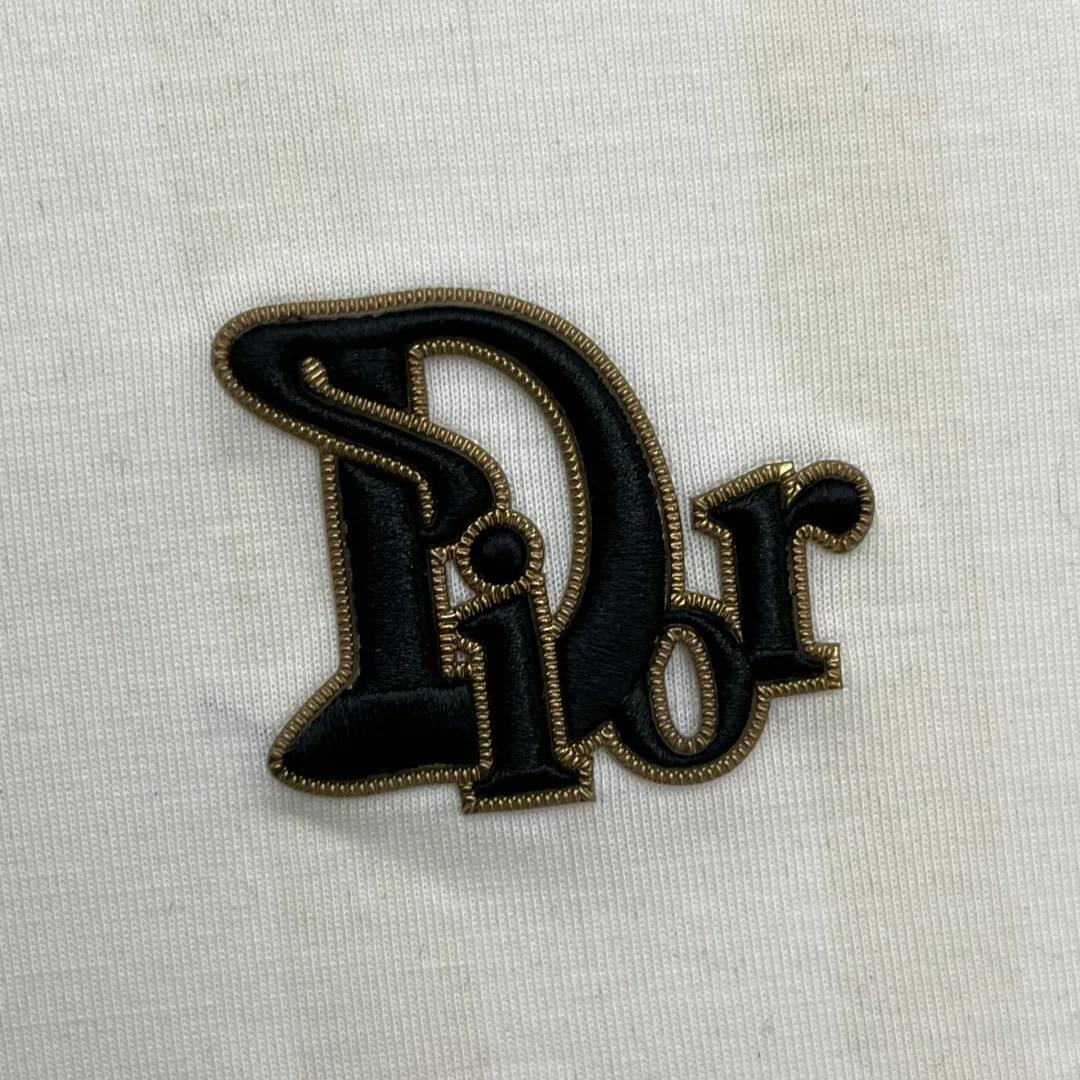
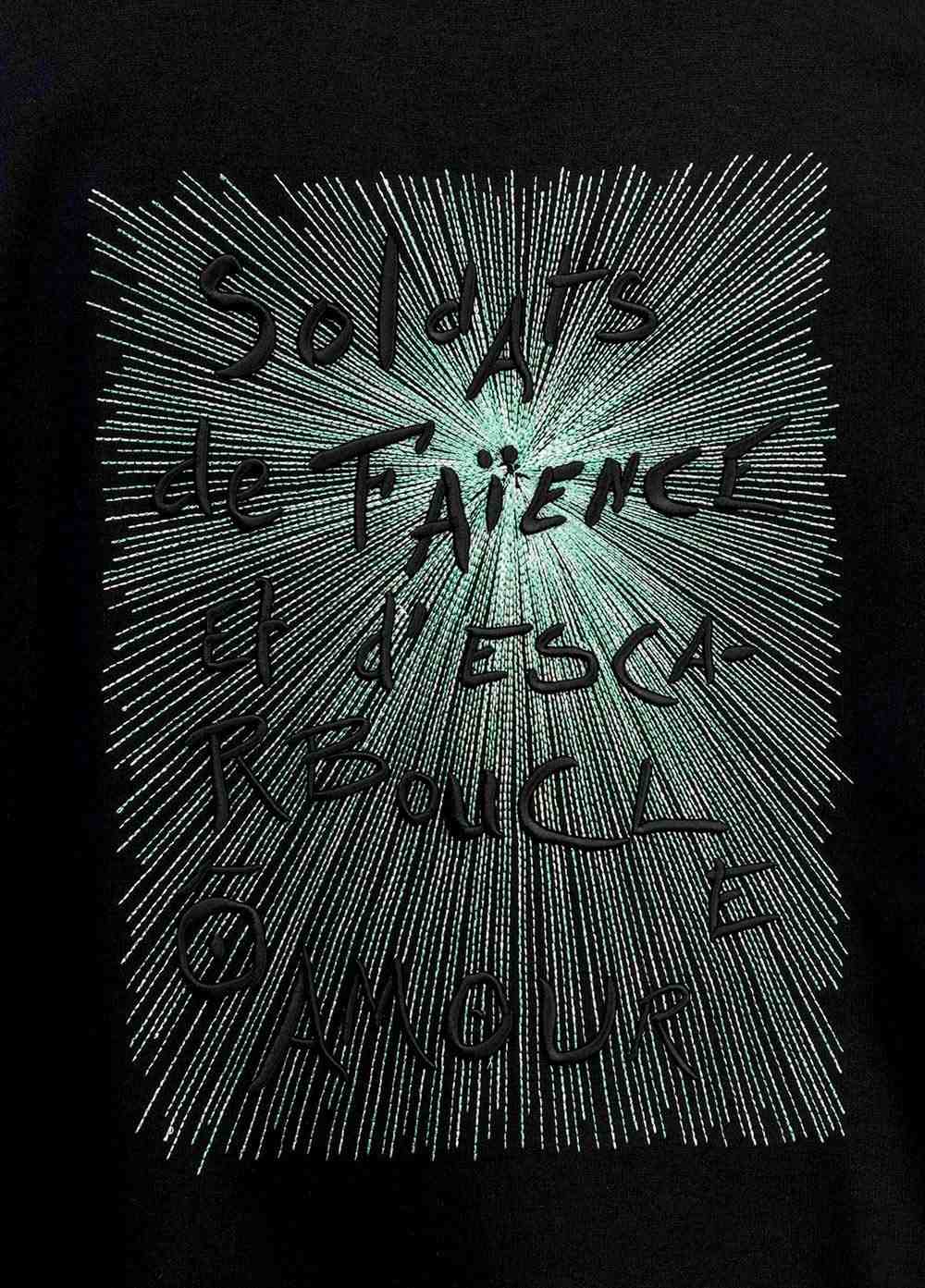
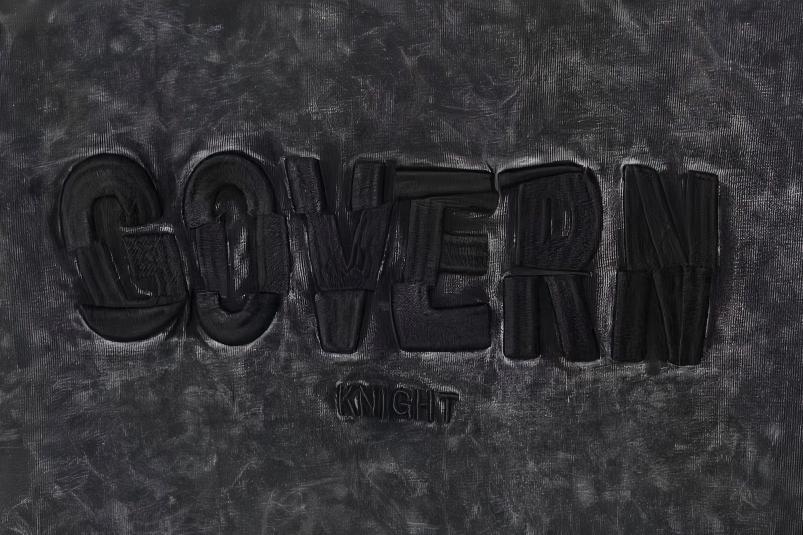
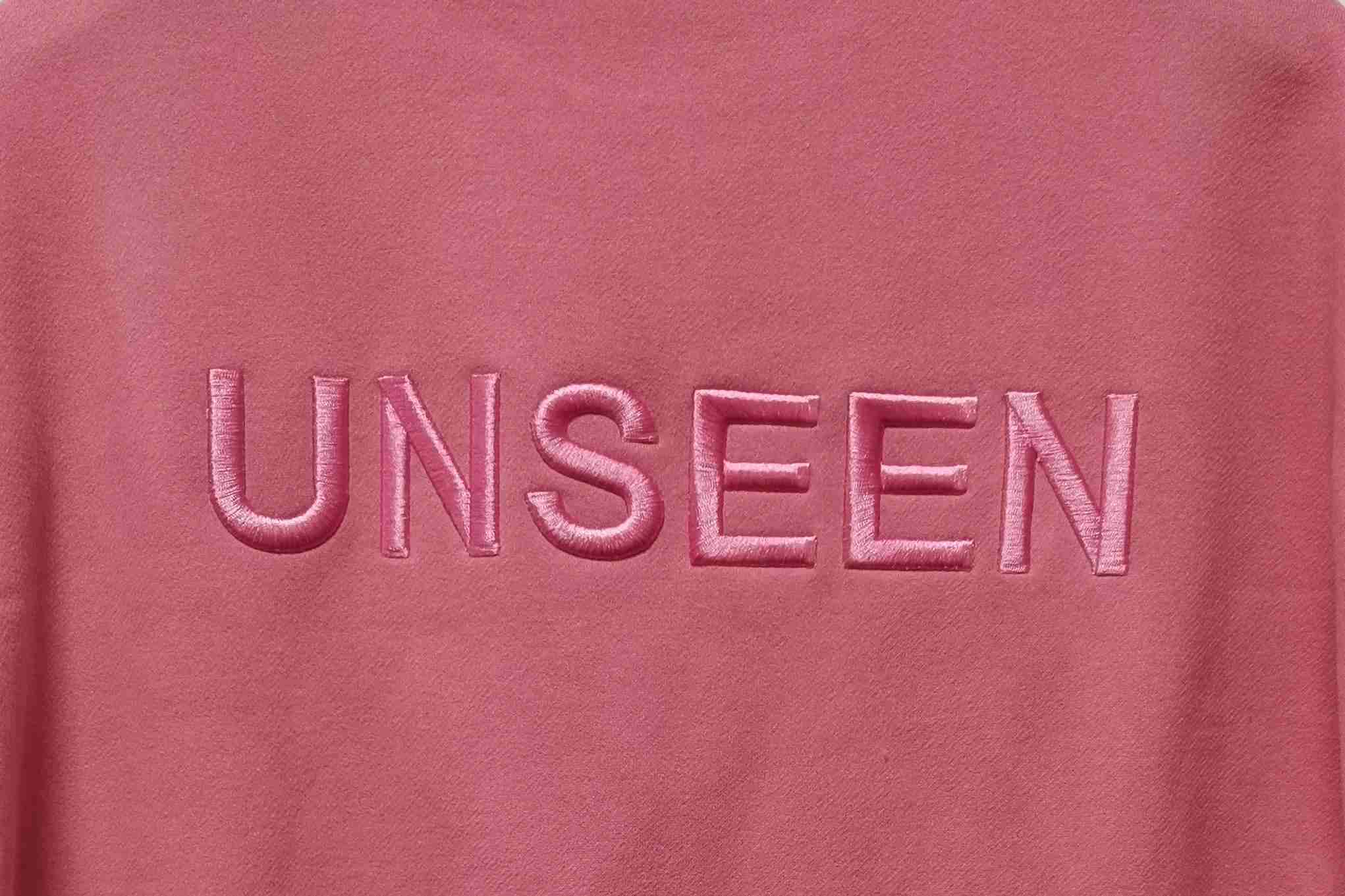
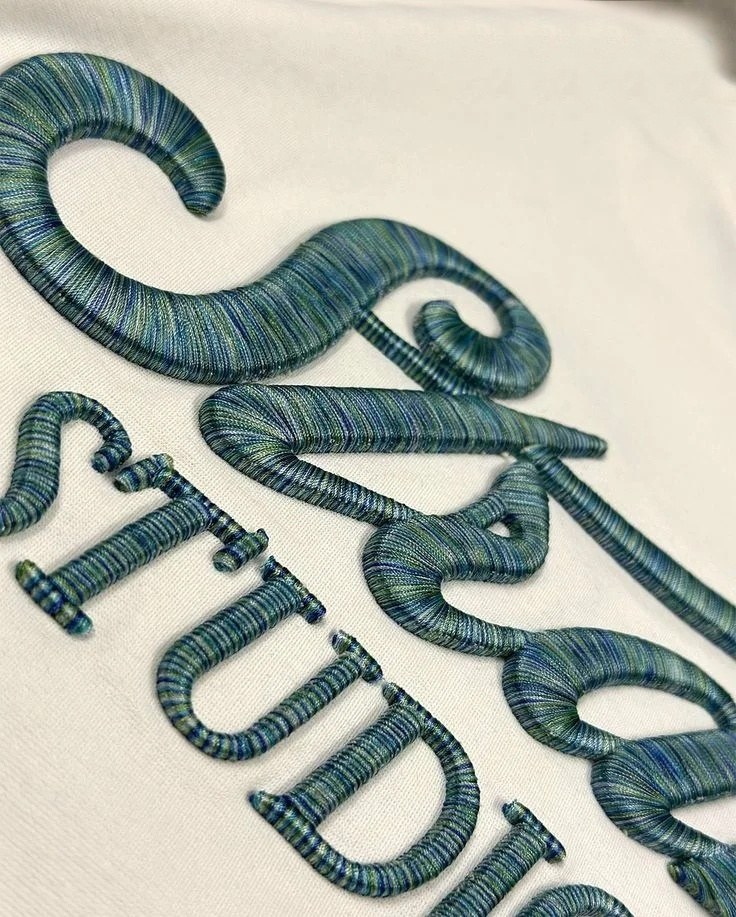
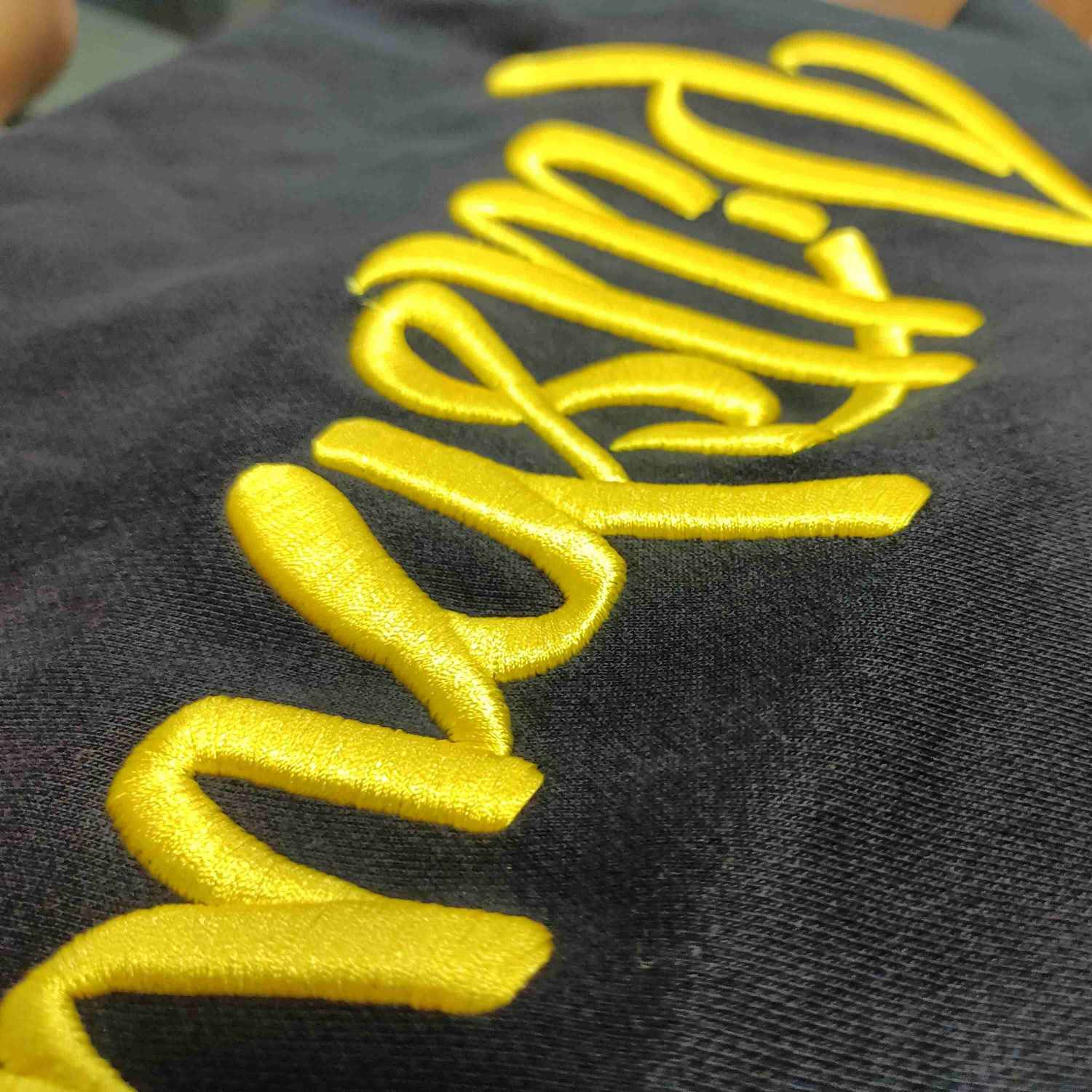
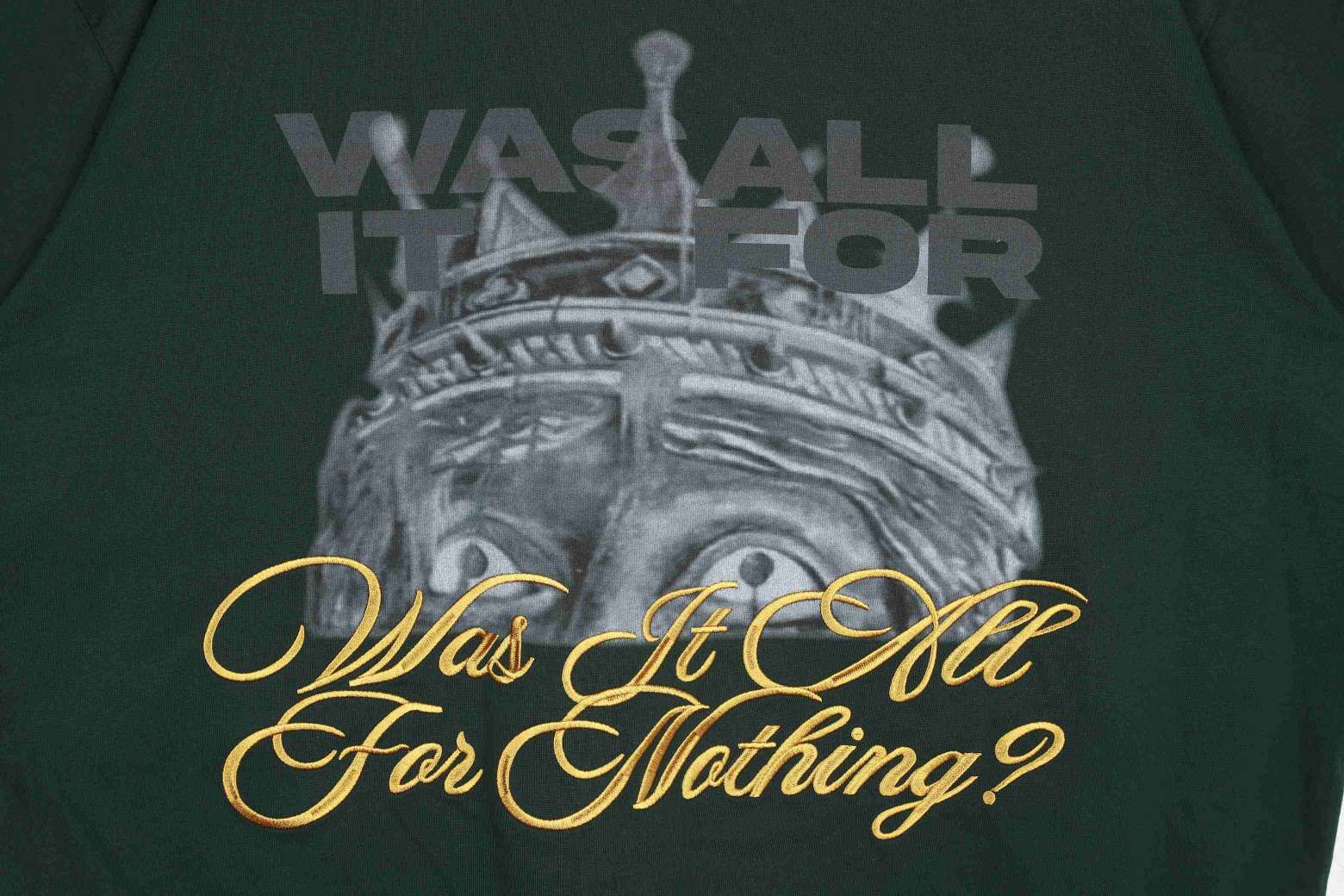
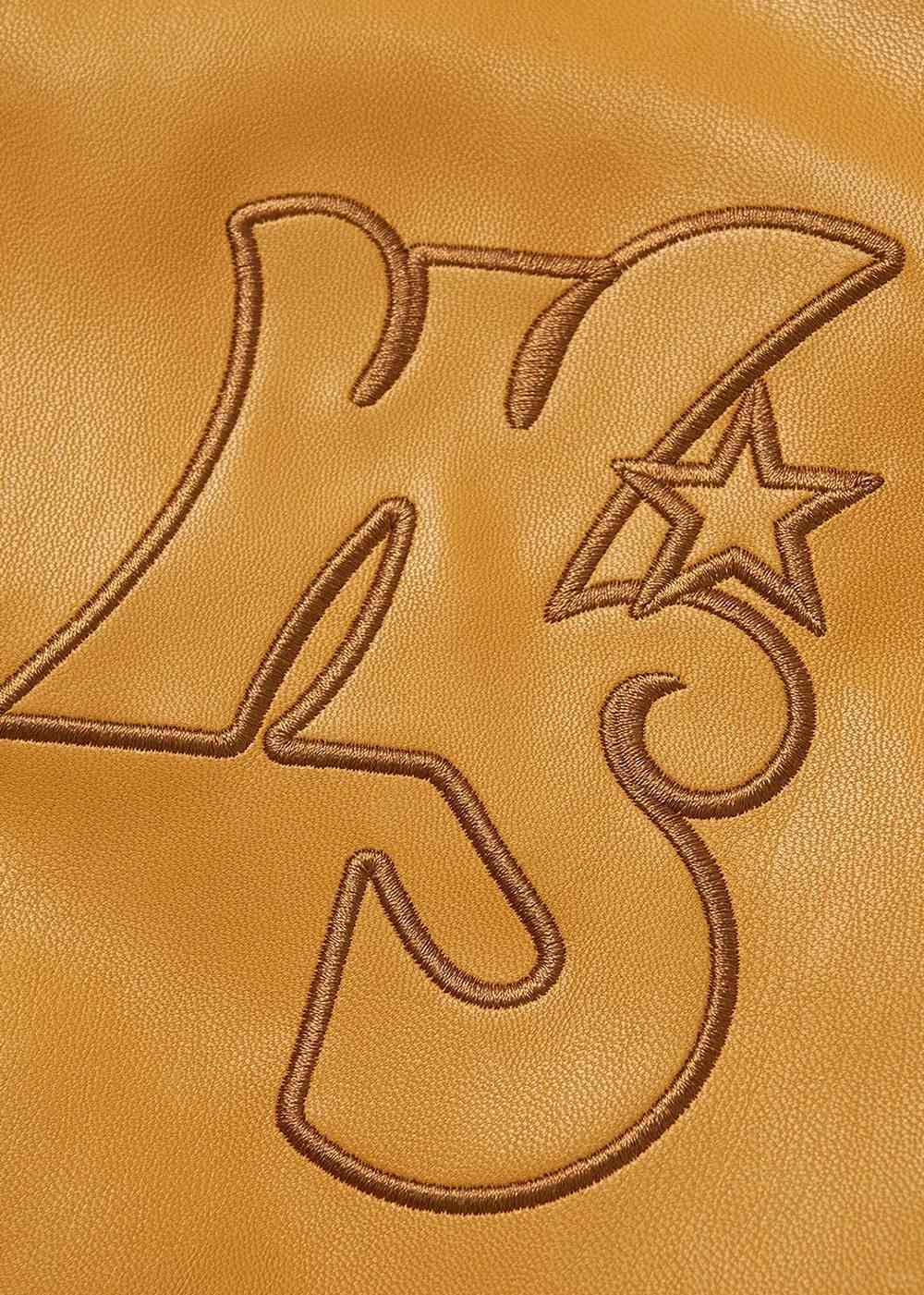
What Makes Our Custom Embroidery Stand Out
Flat & 3D Puff Options
Choose between clean flat embroidery or dimensional 3D puff for logos, monograms and lettering that match your brand vision perfectly.
Tight Satin-Edge Stitching
Every border, letter and logo edge is finished with precise satin stitching that sits flat and resists fraying wear after wear.
Wash-Tested Durability
Thread, backing and tension are engineered for repeated industrial and home washing without puckering, fading or thread breaks.
True Color Matching
We digitize artwork to Pantone or PMS references and run strike-offs so your custom embroidery colors stay brand-accurate across every order.
Complex Design Support
From intricate school crests to oversized back chenille, our digitizing team handles any logo, monogram or multi-layer lettering layout.
Varsity-Ready Construction
Custom embroidery integrates seamlessly with authentic varsity construction — melton wool bodies, genuine or PU leather sleeves, and ribbed knit trims. No puckering on heavy fabrics or stretch zones, ensuring clean stitching across every jacket component.
Related Decoration Techniques & Apparel
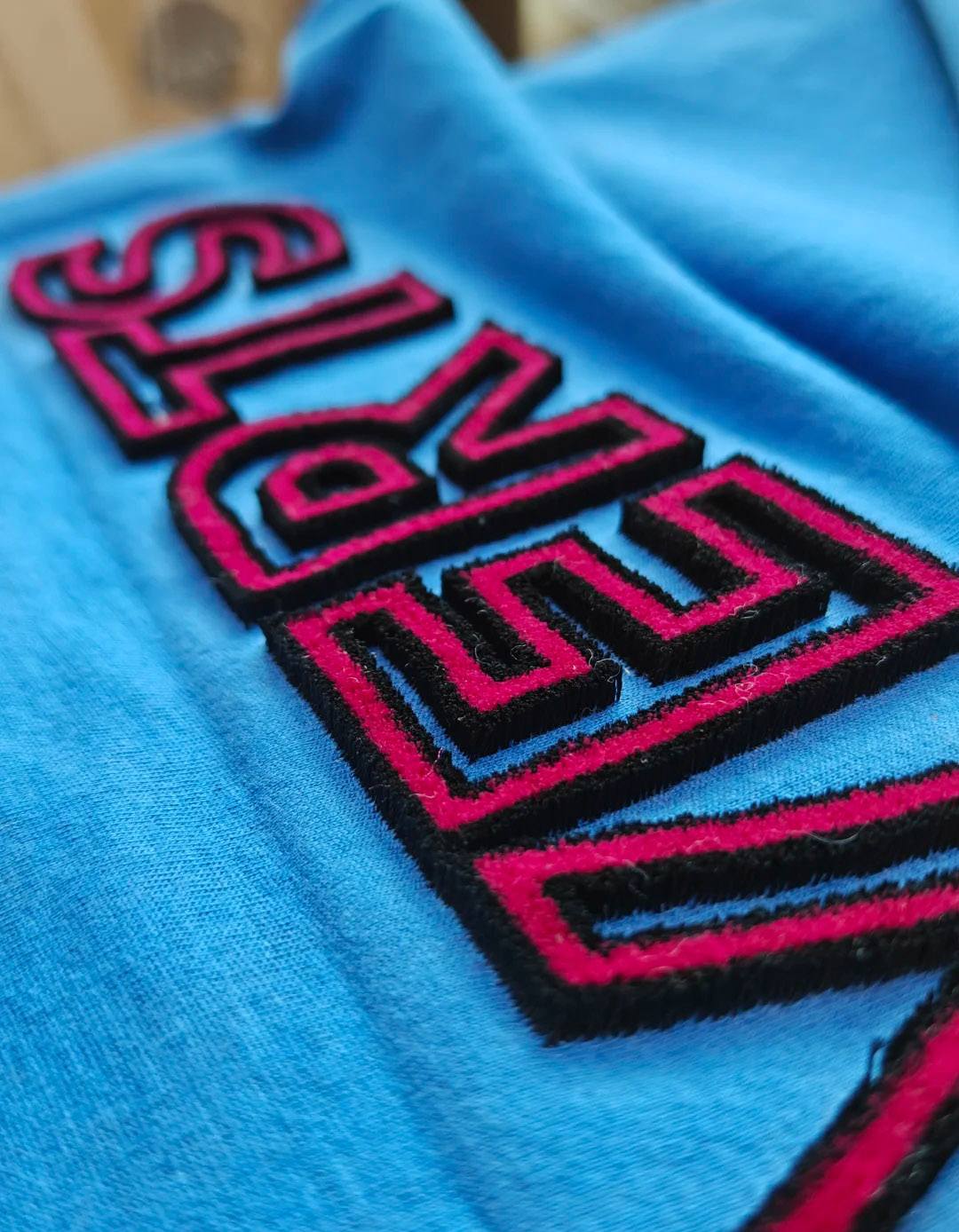
Custom Embroidery Services
SELMOND’s custom embroidery services cover flat, 3D puff, cap and logo embroidery for varsity jackets, jerseys, caps and uniforms. In-house digitizing, thread-color matching, and decoration strike-offs ensure crisp, durable stitching on wool, leather, polyester and cotton substrates. MOQ from 100 pieces per style.
Get a Quote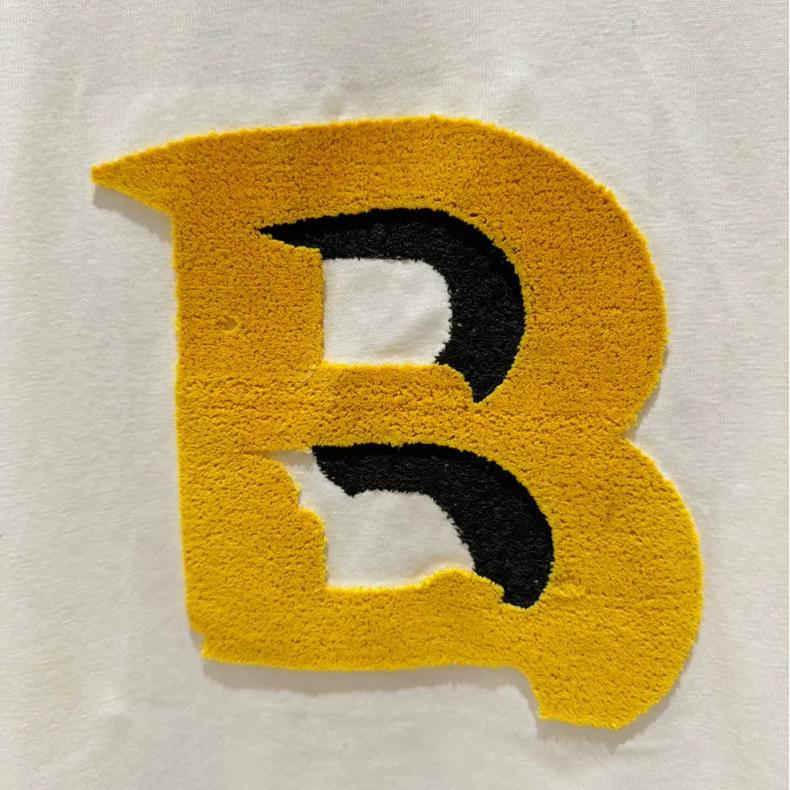
3D Puff Embroidery
3D puff embroidery adds raised dimension to logos, team names and monograms using foam underlay beneath dense stitching. Ideal for caps, jacket chests and sleeves. SELMOND digitizes artwork in-house, produces strike-offs for approval, and runs high-speed multi-head machines for consistent puff height and edge definition across bulk runs.
Get a Quote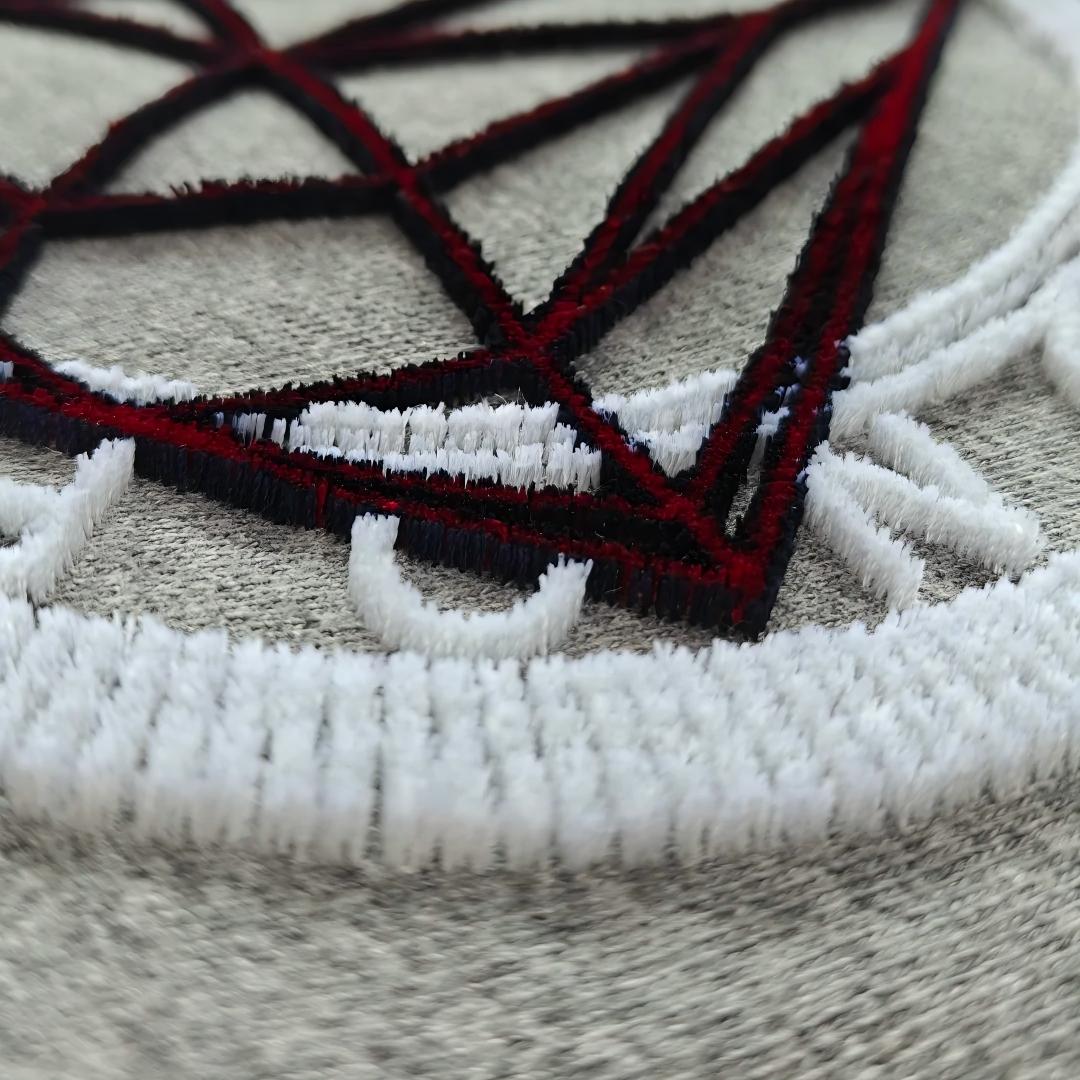
Cap & Hat Embroidery
Custom embroidered baseball caps are produced with structured cotton twill or brushed cotton, pre-curved or flat visors, and snap-back, fitted or adjustable closures. SELMOND embroiders front logos, side hits and back text using cap-frame hoops, handles up to six thread colors, and supports woven or leather patch alternatives. MOQ 100 pieces.
Get a Quote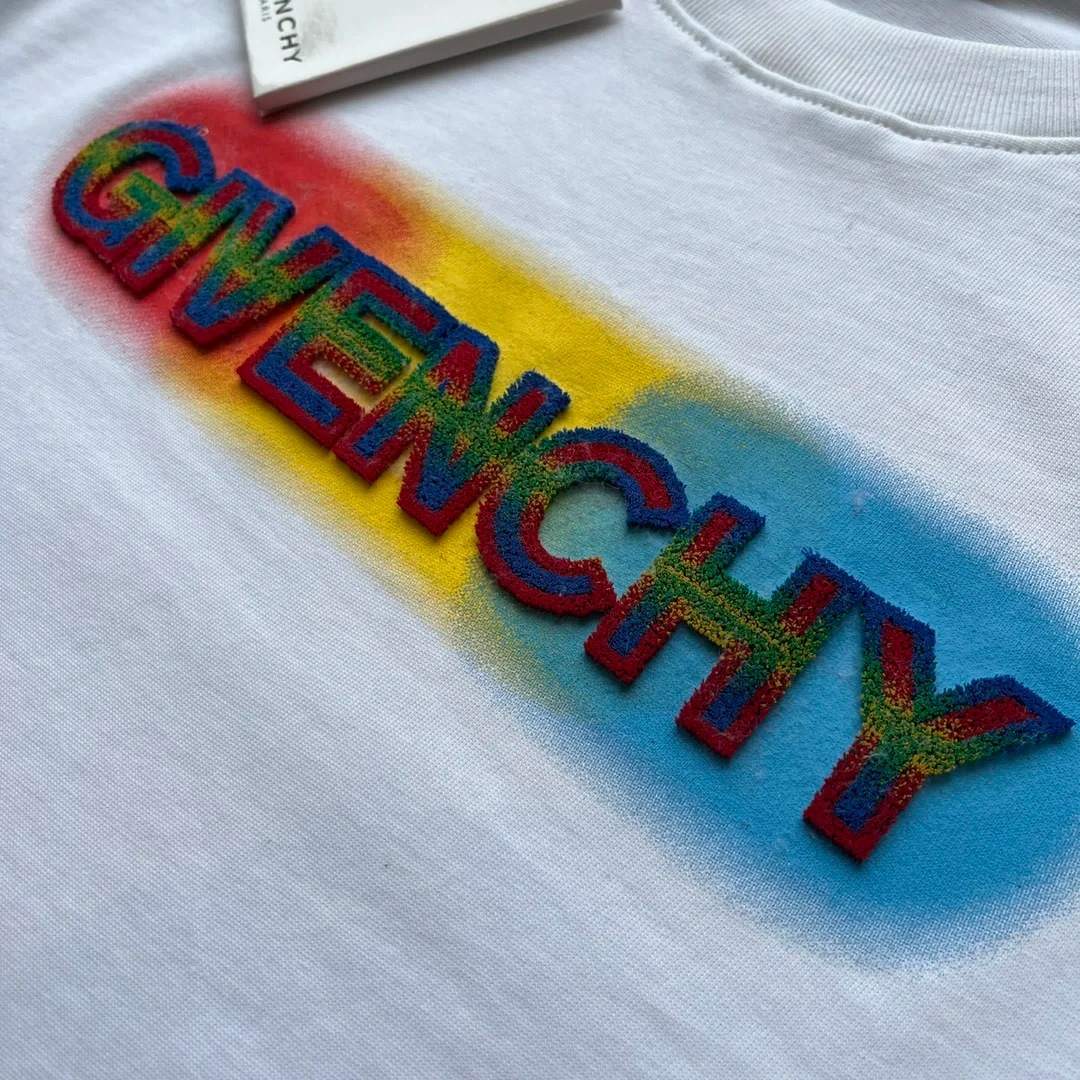
Monogram & Logo Digitizing
Custom logo embroidery begins with professional digitizing: converting vector or raster artwork into stitch files optimized for fabric type, size and detail. SELMOND’s design team digitizes logos, monograms and team crests, supplies thread charts, produces physical strike-offs, and stores files for fast re-orders across jackets, jerseys, caps and uniforms.
Get a Quote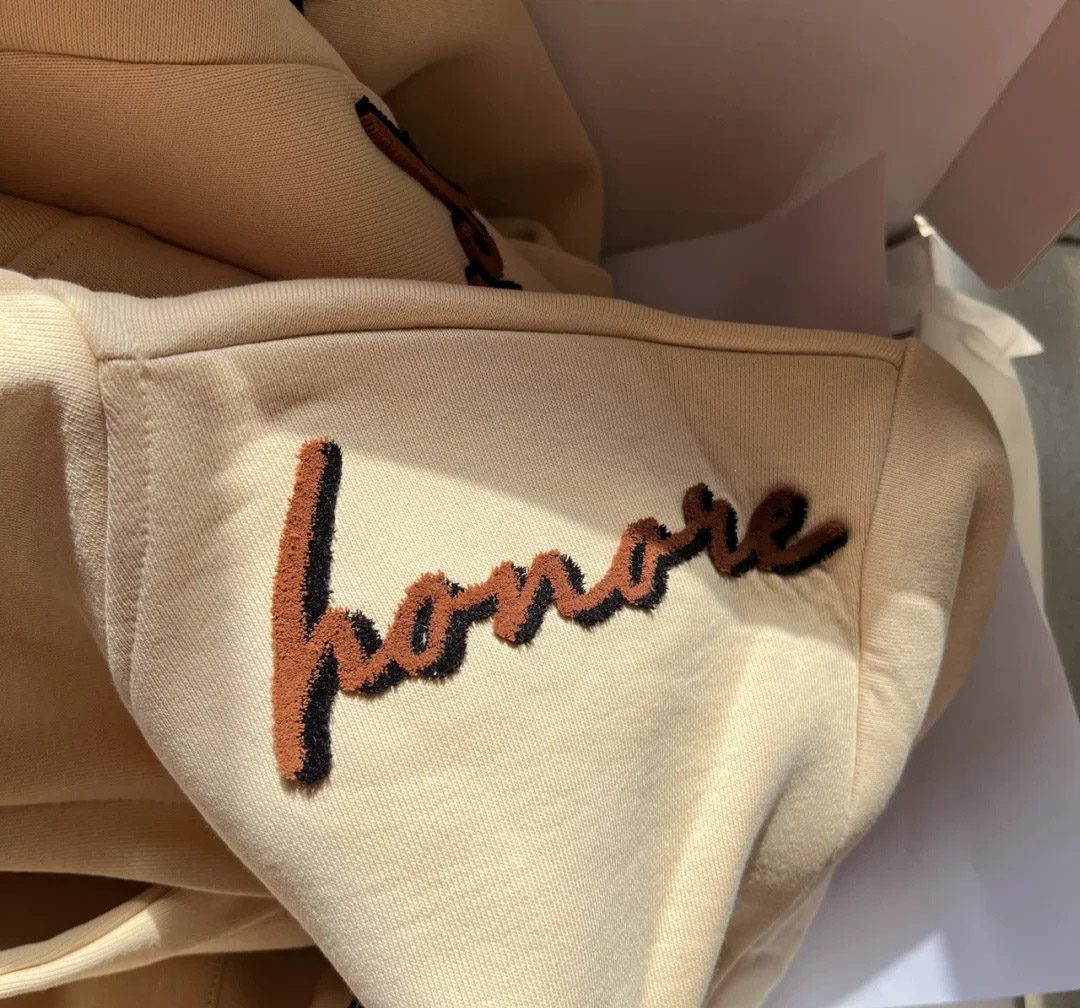
Custom Baseball Jerseys
Custom baseball jerseys in full-button, two-button and pullover styles, made from polyester mesh, tricot or sublimation fabric. SELMOND applies tackle-twill numbers and names, screen-printed logos, heat-transfer graphics or full-dye sublimation. In-house decoration, pattern grading and sampling. MOQ 100 pieces per colorway.
Get a Quote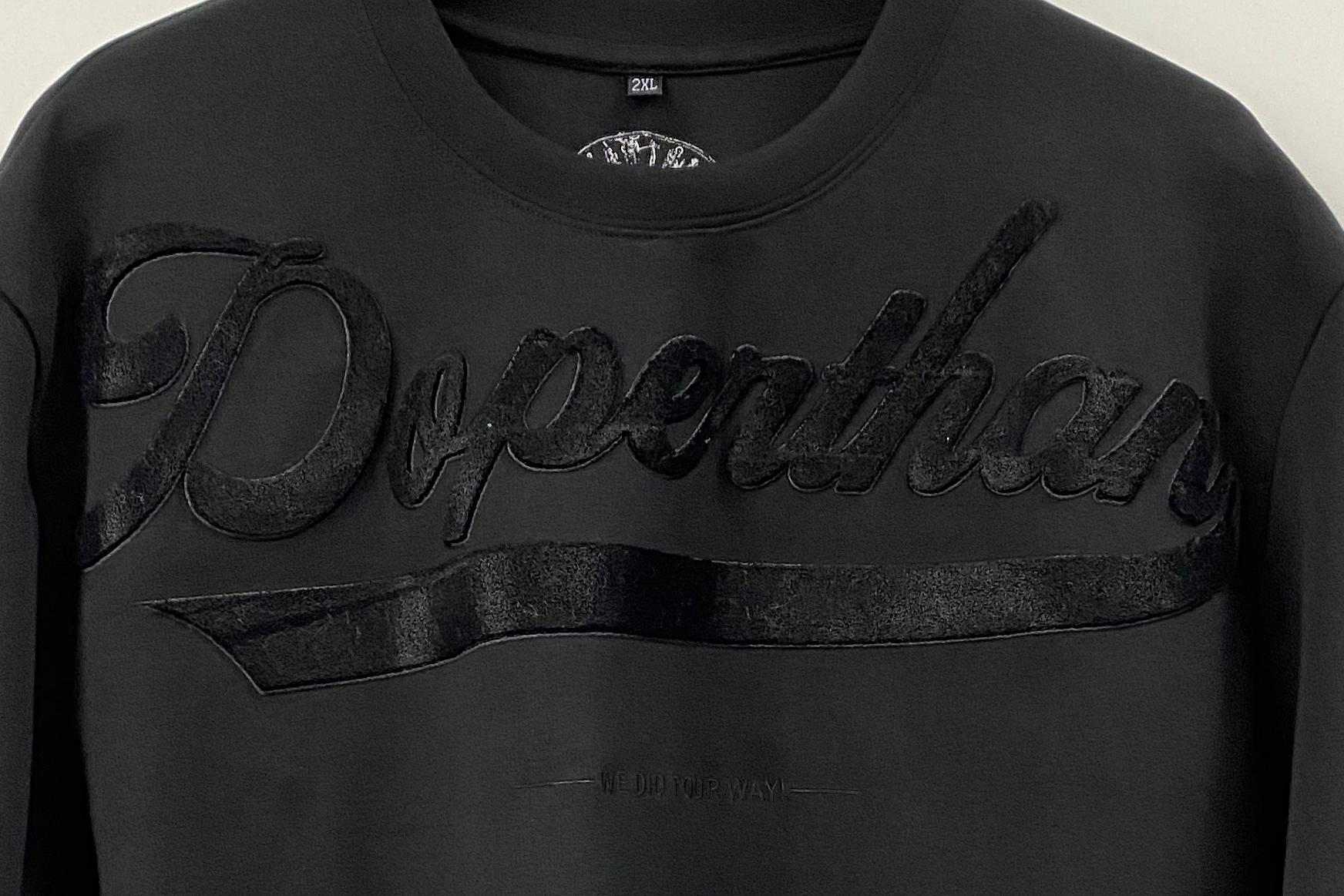
Custom Baseball Jerseys with Embroidery
Custom baseball jerseys featuring embroidered team logos, player names and chest crests. Polyester mesh or tricot bodies with contrast sleeves. SELMOND combines flat and 3D puff embroidery with tackle-twill numbers and screen-printed graphics. Artwork proofs, fabric swatches and sample garments provided. OEM, ODM and private label supported. MOQ 100 pieces.
Get a Quote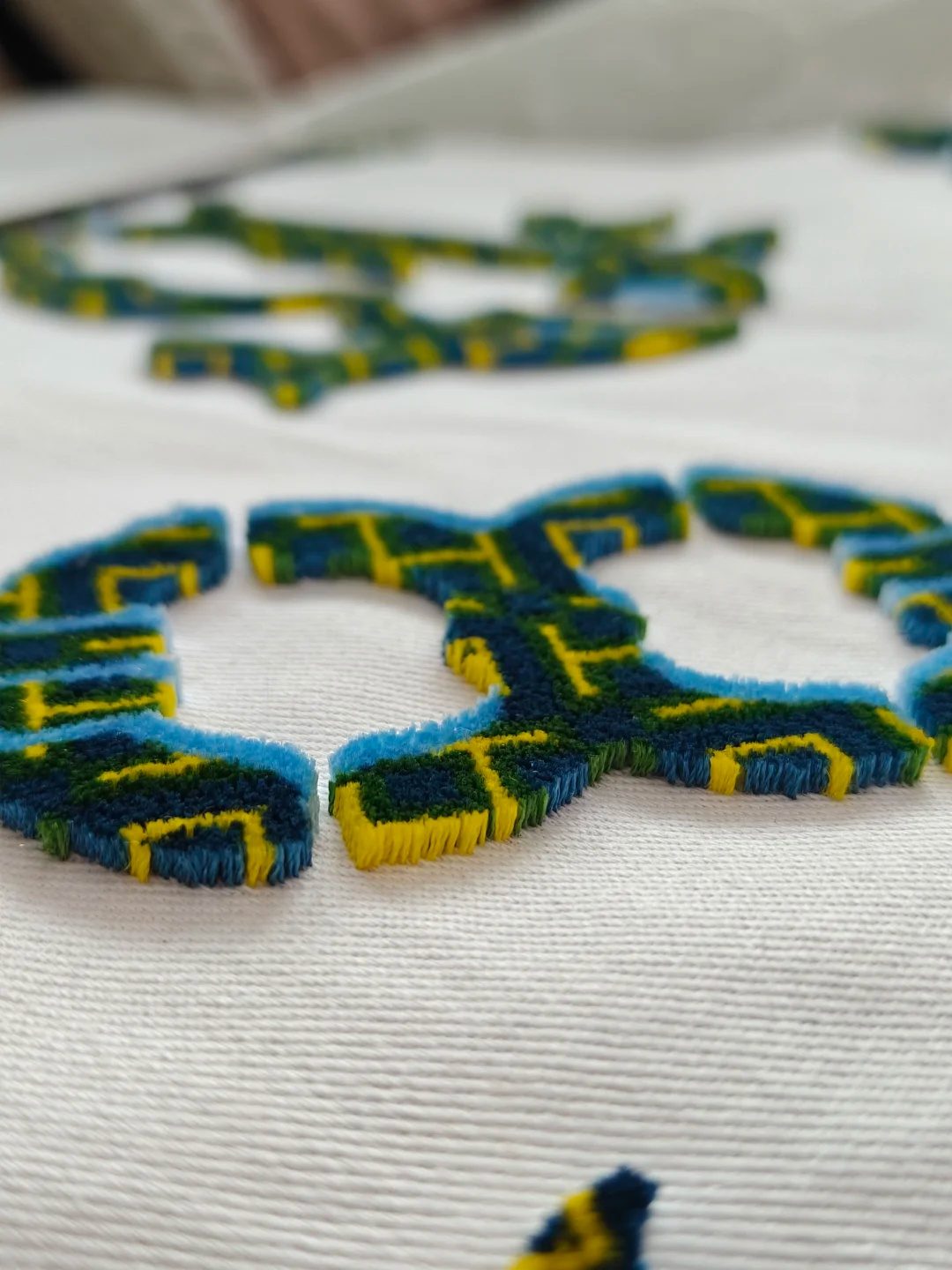
Custom Baseball Jersey Shirts
Baseball jersey shirts custom-made in sleeveless, raglan and set-in sleeve cuts, using moisture-wicking polyester or sublimation-grade fabric. SELMOND handles tackle-twill team names and numbers, chenille appliqué, screen-printed logos and full-dye sublimation. Design support, size grading and decoration strike-offs included. Low MOQ from 100 pieces.
Get a Quote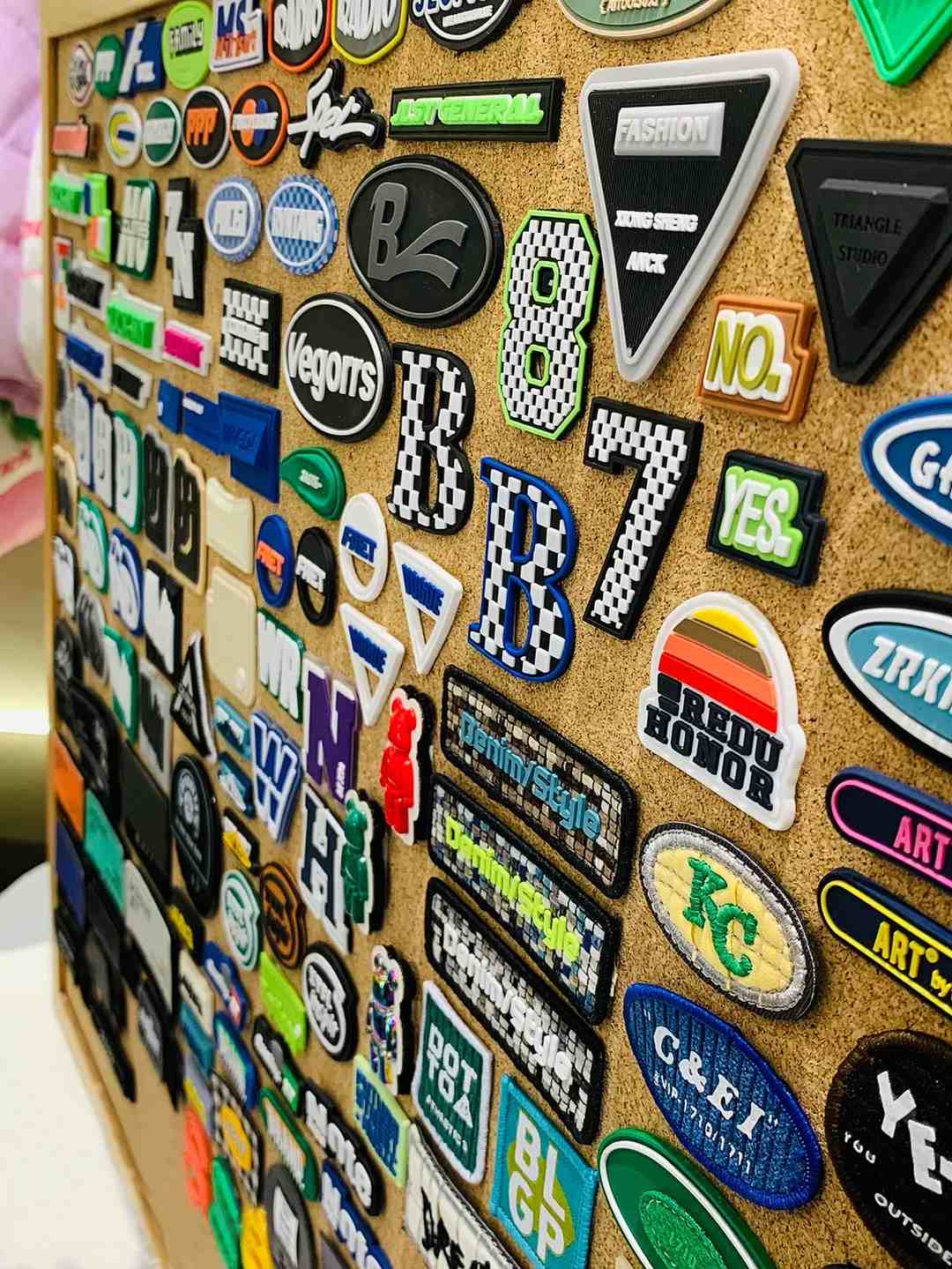
Chenille Patches
Chenille patches and varsity letters are cut from looped chenille fabric, edge-stitched or merrowed, and sewn onto wool jacket bodies or sleeves. SELMOND produces single-color and multi-color chenille in custom shapes, sizes and thread borders. Used for team initials, graduation years, mascot appliqués and classic varsity lettering.
Get a Quote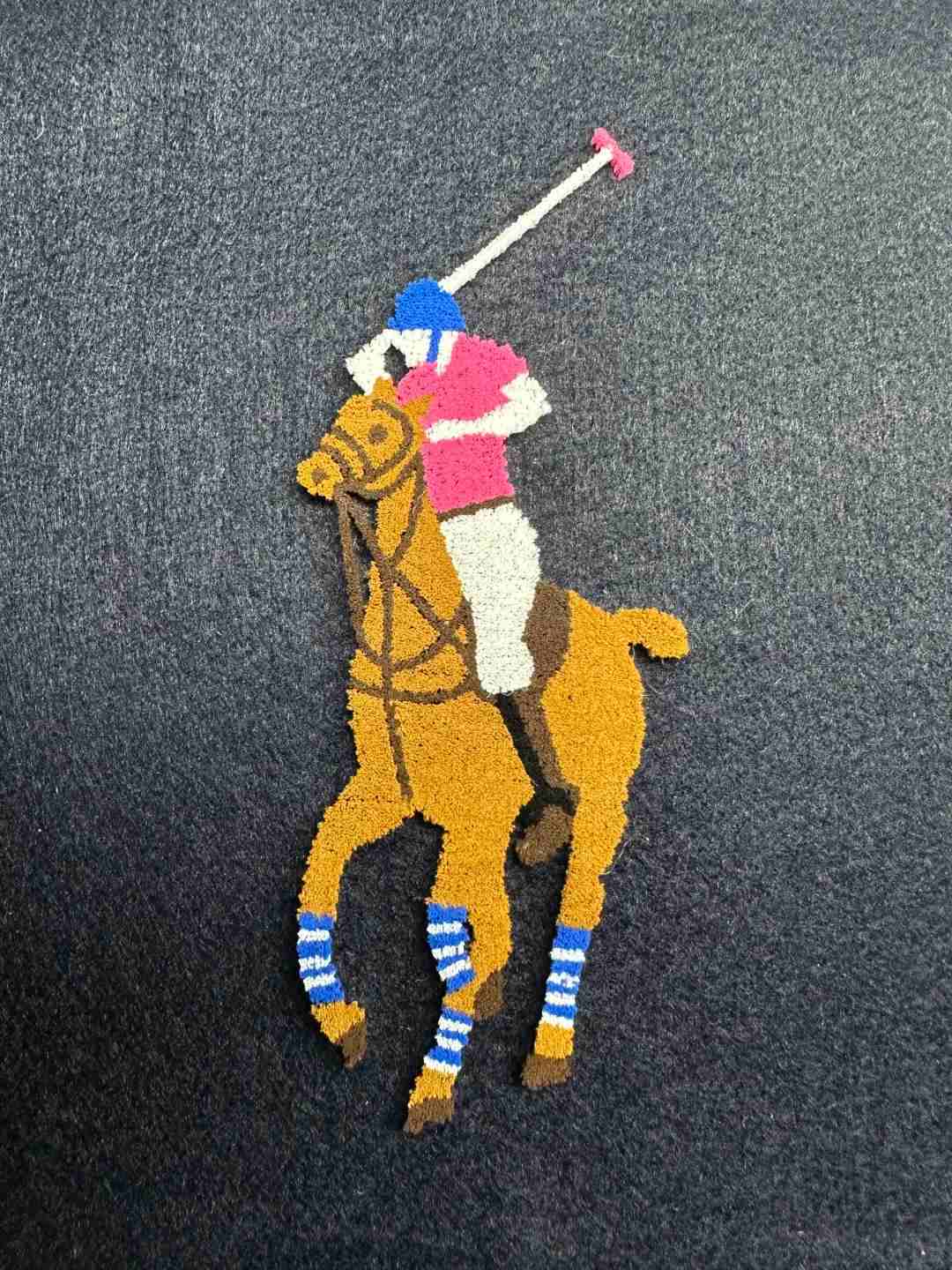
Tackle Twill Lettering
Tackle twill lettering applies layered twill fabric numbers, names and logos with tight satin-stitch or zigzag edges. SELMOND cuts twill by laser or die, layers single, double or triple colors, and stitches onto jerseys, jackets and uniforms. Durable, dimensional and authentic for baseball, basketball and team apparel. In-house decoration floor.
Get a Quote28+ Years of Custom Embroidery Expertise
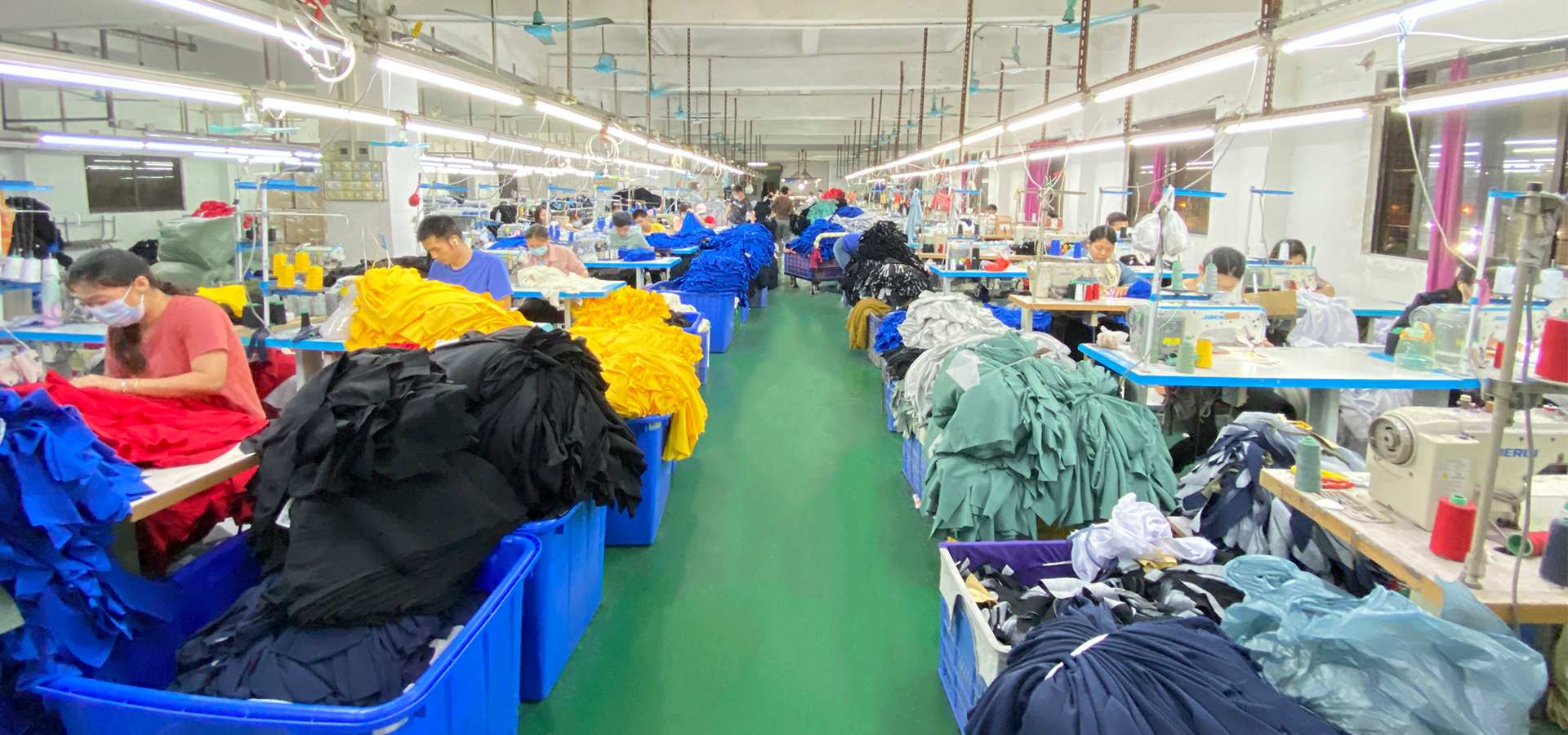
Founded in 1998 in Dongguan’s garment manufacturing heartland, SELMOND began as a family-run cut-and-sew and decoration workshop specializing in custom embroidery for varsity jackets and team apparel. Today, our 200+ skilled employees operate a dedicated in-house embroidery floor built specifically for B2B partners — screen printers, decorators, wholesalers, brands and teams worldwide.
Our custom embroidery capabilities span flat embroidery, 3D puff, cap embroidery, monogram work and full logo digitizing, backed by a monthly production capacity exceeding 80,000 pieces. Every stitch is controlled in-house, ensuring consistent thread tension, clean edges and color-matched artwork that holds wear after wear across varsity jackets, baseball jerseys, caps and uniforms.
With over 2,000 brands served across the United States, Canada, Europe, Australia and beyond, SELMOND has built its reputation on decoration craftsmanship. We don’t outsource embroidery — we perfect it in-house, from artwork proofing and digitizing through strike-offs, sampling and final production, all under one roof.
Custom Embroidery Quality & Craftsmanship Deep Dive
Thread Quality & Color Matching
SELMOND sources premium polyester and rayon embroidery threads from trusted mills, pre-tested for sheen, tensile strength and colorfastness. Every logo and design is matched to your brand palette using a 500+ shade library, with physical thread cards sent for approval before any bulk run begins.
- Polyester and rayon threads tested for sheen, strength and colorfastness
- 500+ color library with Pantone and brand-palette matching
- Physical thread cards and strike-offs sent for pre-production approval
- Consistent dye lots tracked and reserved for repeat orders
Stitch Density & Registration Precision
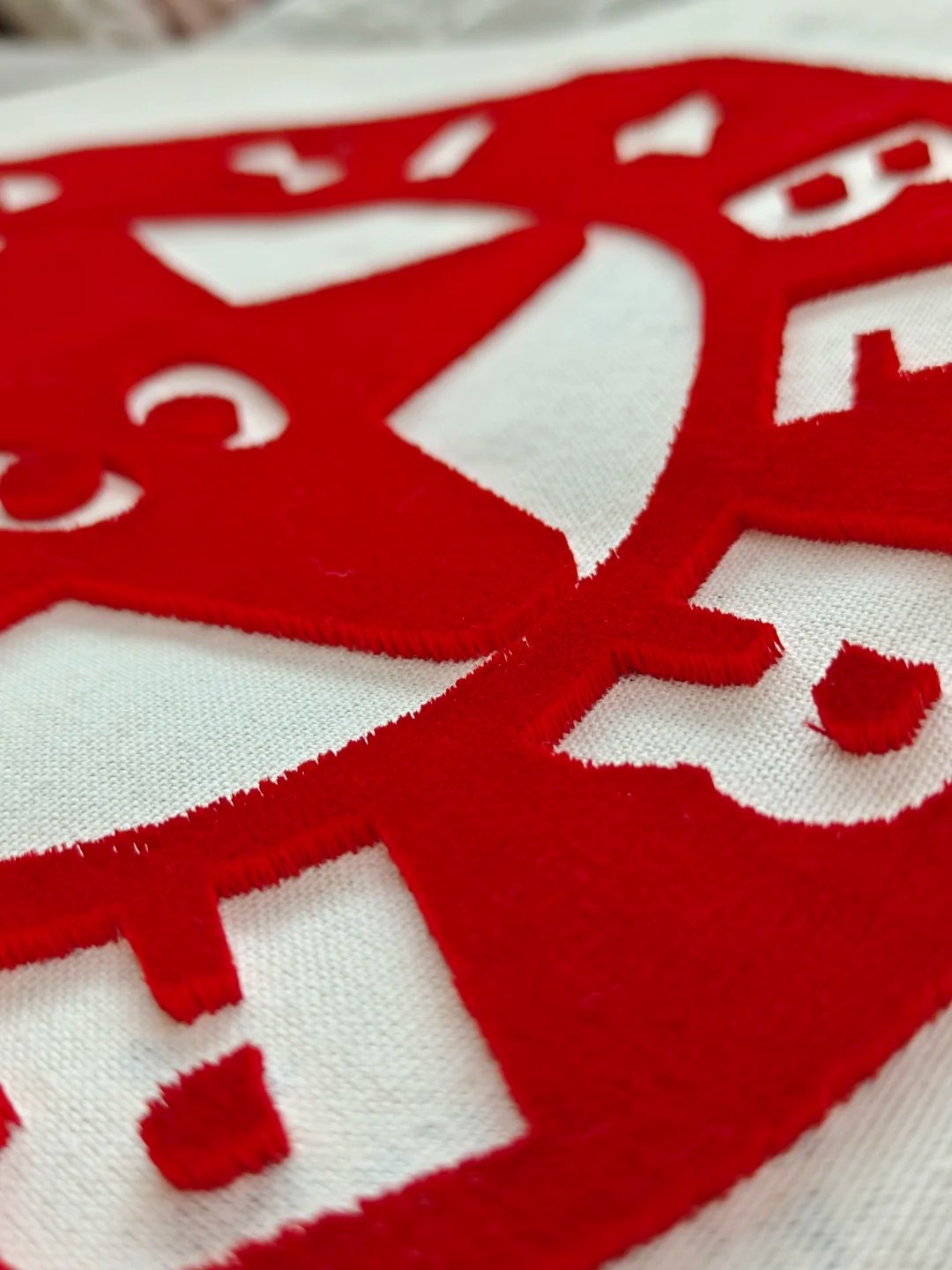
Correct stitch density separates clean custom embroidery from puckered or gapped work. SELMOND digitizes every design in-house, setting density by fabric weight and stretch, then runs test stitches on actual garment material to verify registration, underlay and top-stitch coverage before production.
- In-house digitizing tailored to fabric weight, stretch and pile
- Density calibrated to prevent puckering, gapping or fabric distortion
- Test stitches on actual garment material before bulk runs
- Multi-point registration checks for logos, monograms and team crests
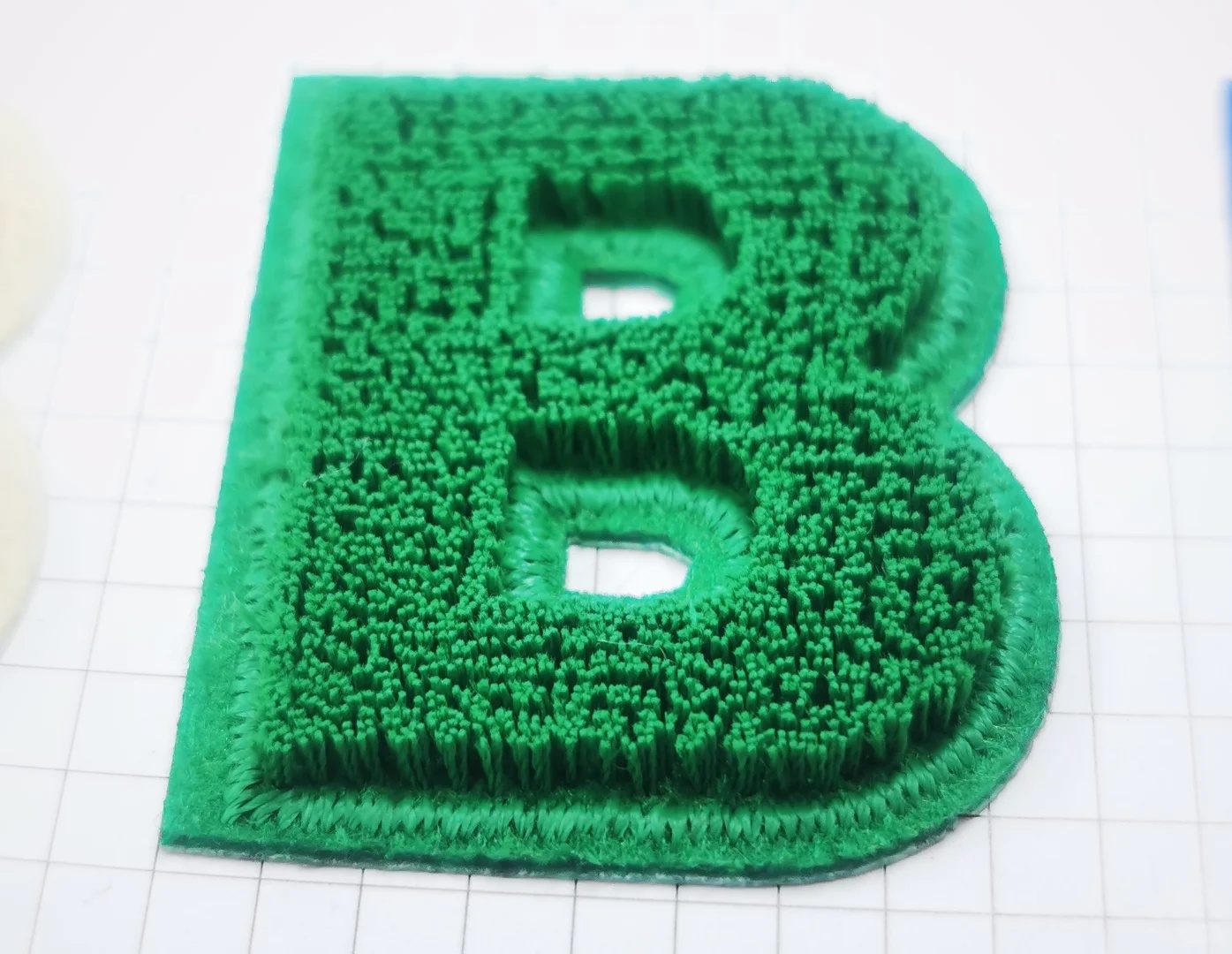
Satin-Edge Finishing for Clean Lettering
Team names, player numbers and varsity lettering demand crisp edges. SELMOND applies tight satin-stitch borders around every letter and shape, locking thread ends inside the design and trimming jump stitches by hand to eliminate loose tails that fray or catch during wear and washing.
- Tight satin-stitch borders on all letters, numbers and shapes
- Thread ends locked inside the design to prevent unraveling
- Hand-trimmed jump stitches and backing for a clean finish
- Edge definition maintained through 50+ industrial wash cycles
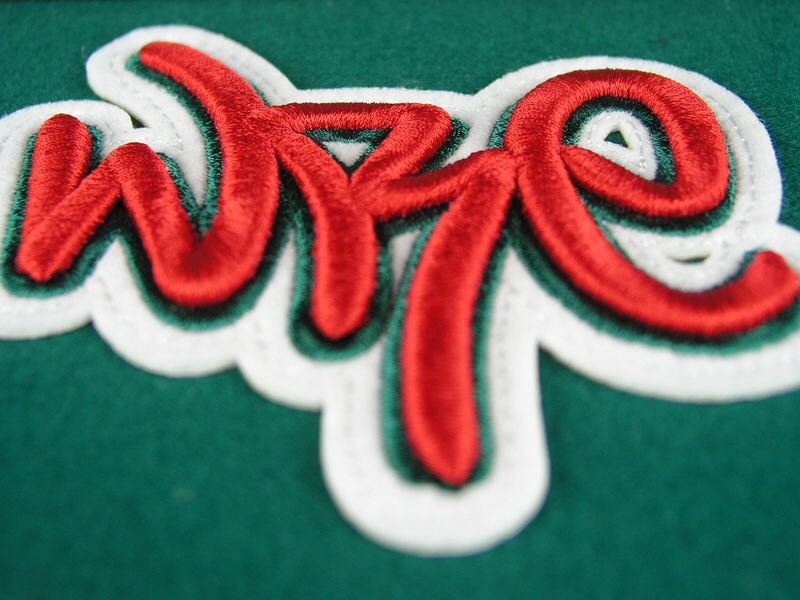
Durability Testing & Wash-Cycle Validation
Custom embroidery on team apparel must survive repeated laundering, abrasion and UV exposure. SELMOND validates every thread and backing combination through 50+ industrial wash cycles, checking for color bleed, thread breakage, puckering and backing separation before approving any decoration for bulk production.
- 50+ industrial wash cycles on sample garments before bulk approval
- Color-bleed, thread-breakage and puckering inspections after each cycle
- UV-fade testing for outdoor team uniforms and caps
- Backing and stabilizer combinations validated per fabric type
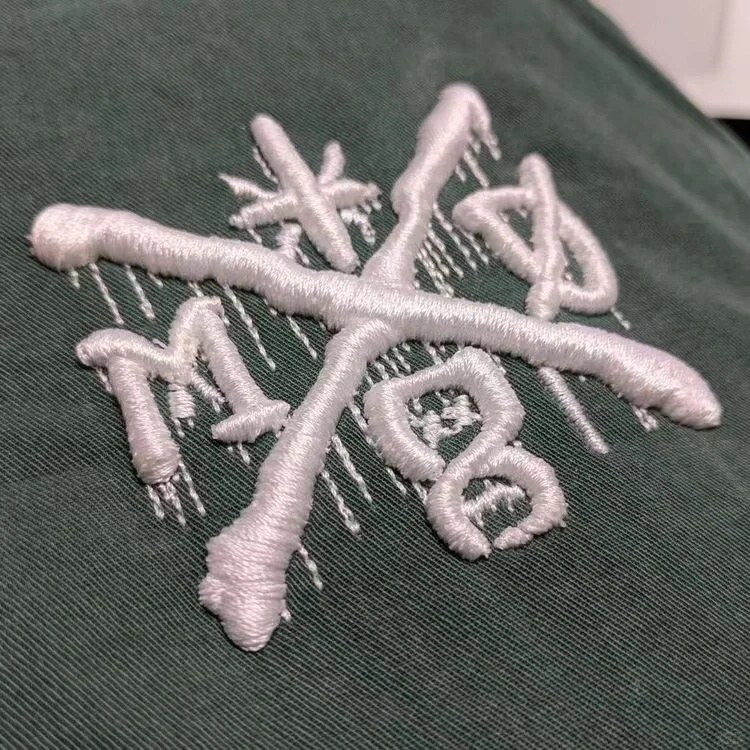
Custom Embroidery vs. Chenille, Tackle-Twill & Heat Transfer
Every decoration technique has strengths. Here’s how custom embroidery stacks up against the most common alternatives — so you can choose the right process for your team apparel, or combine them on the same garment.
← 左右滑动查看 →
Custom Embroidery Production Process
Every custom embroidery order at SELMOND follows a proven seven-phase workflow — from logo digitizing and thread matching through machine setup, stitch-out, quality inspection and final garment assembly — ensuring clean registration, tight satin edges and decoration that holds up wear after wear.
Artwork Digitizing & Proof
Your logo or design is digitized into machine-readable embroidery files, with stitch density, underlay and pull-compensation optimized for fabric type. You receive a digital proof for approval before production.
Thread & Color Sourcing
Embroidery threads are sourced and matched to your Pantone or artwork colors. Polyester, rayon or metallic threads are selected based on garment use, wash requirements and finish.
Machine Setup & Registration
Embroidery machines are loaded with the digitized file, hooped with stabilizer and backing, and calibrated for precise needle alignment, tension and registration across all garment placements.
Stitch-Out & Strike-Off
The first embroidery strike-off is stitched on actual garment fabric or sample material. Stitch density, color accuracy, edge definition and overall placement are reviewed and adjusted as needed.
Bulk Embroidery Production
Approved designs move into bulk production. Each garment is hooped, embroidered and inspected in-line for thread breaks, skipped stitches, registration drift and color consistency across the full run.
Finishing & Thread Cleanup
Completed embroidery is trimmed of loose threads, backing is removed or heat-sealed, and satin edges are inspected. Any puckering or distortion is corrected before final assembly.
Garment Assembly & Packaging
Embroidered panels or finished garments move to final cut-and-sew assembly, pressing and quality control. Each piece is folded, tagged and packed to your brand specifications for shipment.
How to Order Custom Embroidery from SELMOND
From artwork to finished garment, our streamlined five-step process makes commissioning custom embroidery simple, fast and risk-free — even for first-time buyers.
Submit Your Artwork or Design Brief
Send your logo file, sketch or idea. Our in-house design team will digitize your artwork for embroidery and prepare a detailed layout proof within 24–48 hours.
Review Digitized Proof and Strike-Off
Approve thread colors, stitch density and placement. We produce a physical embroidery strike-off on your chosen fabric within 3–5 days so you can see exactly how it will look before bulk production.
Approve Your Sample Garment
Receive a complete sample with your custom embroidery applied. Check fit, decoration quality and construction before any bulk production begins.
Confirm MOQ and Lead Time
Lock in your order quantity — starting from just 100 pieces per style and color — and receive a production timeline tailored to your launch date.
Place Your Bulk Order
Submit deposit and finalize sizes. Your custom embroidery order enters production with in-line quality control, decoration checks and pre-shipment inspection throughout.
Customer Stories: Custom Embroidery in Action
SELMOND’s custom embroidery transformed our varsity jackets. The logo clarity is incredible, and after 30+ washes the stitching still looks brand new. Our team finally has apparel that matches our championship standards.
We needed custom embroidery on 200 baseball caps for our retail launch. SELMOND delivered on time with perfect thread tension and color matching. Our logo has never looked this sharp—customers keep asking where we source.
The design accuracy from artwork to finished jacket was flawless. SELMOND’s custom embroidery gave our club identity the professional edge we needed. Thread density, placement, everything exceeded expectations at our 150-piece MOQ.
Custom Embroidery FAQs
What fabrics and garment types work best for custom embroidery?
What is the maximum design size and color count for custom embroidery?
Can I combine custom embroidery with chenille patches, tackle twill or sublimation on the same garment?
How durable is custom embroidery after washing and regular wear?
What file format and artwork requirements do you need for custom embroidery?
What is the minimum order quantity (MOQ) for custom embroidery?
What are the lead times for custom embroidery sampling and bulk production?
Is there a setup fee or sampling cost for custom embroidery?
The Complete Buyer’s Guide to Custom Embroidery for Team Apparel
Navigate the world of custom embroidery with confidence. This guide delivers a proven decision framework, supplier selection criteria, quality benchmarks, and the most common mistakes to avoid when sourcing embroidered team uniforms, jerseys, and caps.
1. What Is Custom Embroidery?
Custom embroidery uses industrial machines to stitch thread directly into fabric, creating logos, text, monograms and team graphics that become part of the garment structure. A typical multi-head embroidery setup runs 12 to 15 needles per head, allowing complex designs with up to 15 thread colors in a single run, and can produce 800 to 1,200 stitches per minute depending on fabric weight and design density.
Unlike screen printing — which layers ink on top of fabric — or heat transfer, which applies a vinyl or printed film, embroidery penetrates the weave and locks thread in place with every stitch. This makes it the most durable decoration method for high-contact zones: sleeve logos on varsity jackets, front-panel branding on baseball caps, chest emblems on jerseys, and chenille letters on team uniforms.
SELMOND’s in-house embroidery floor handles flat embroidery, 3D puff, cap embroidery and appliqué, supporting clients from 100-piece team orders to 80,000-piece monthly runs. Embroidery delivers a premium, tactile finish that withstands repeated washing, abrasion and wear — critical for team apparel that must look sharp season after season.
2. The Evolution of Custom Embroidery
Embroidery evolved from hand-stitched military crests and school insignias in the early 20th century to industrial Schiffli machines in the 1960s, which brought speed but required high minimums. The 1980s introduction of computerized multi-head machines — capable of running 6, 12 or 15 heads simultaneously from a single digitized file — transformed custom embroidery into a scalable decoration method for sports teams, corporate uniforms and promotional apparel.
The 1990s and 2000s saw contract embroidery surge as brands outsourced decoration to specialized shops equipped with Tajima, Barudan and SWF machines that could stitch complex logos in under five minutes per piece. Digitization replaced punch cards, slashing setup costs and enabling MOQs to drop from 500–1,000 pieces to 100 or fewer. Lead times compressed from weeks to days for repeat orders once artwork files were archived.
SELMOND has operated through this entire automation wave since 1998, maintaining in-house embroidery stations and digitizing teams that support flat, 3D puff, cap and monogram work at 100-piece minimums with patterns and artwork kept on file for fast re-orders.
3. Types of Custom Embroidery Techniques
Custom embroidery for team apparel breaks into five core techniques, each delivering a distinct visual effect and suited to specific garment zones. Understanding stitch type, density and substrate lets buyers specify the right method for caps, jackets, jerseys and patches.
Flat Embroidery
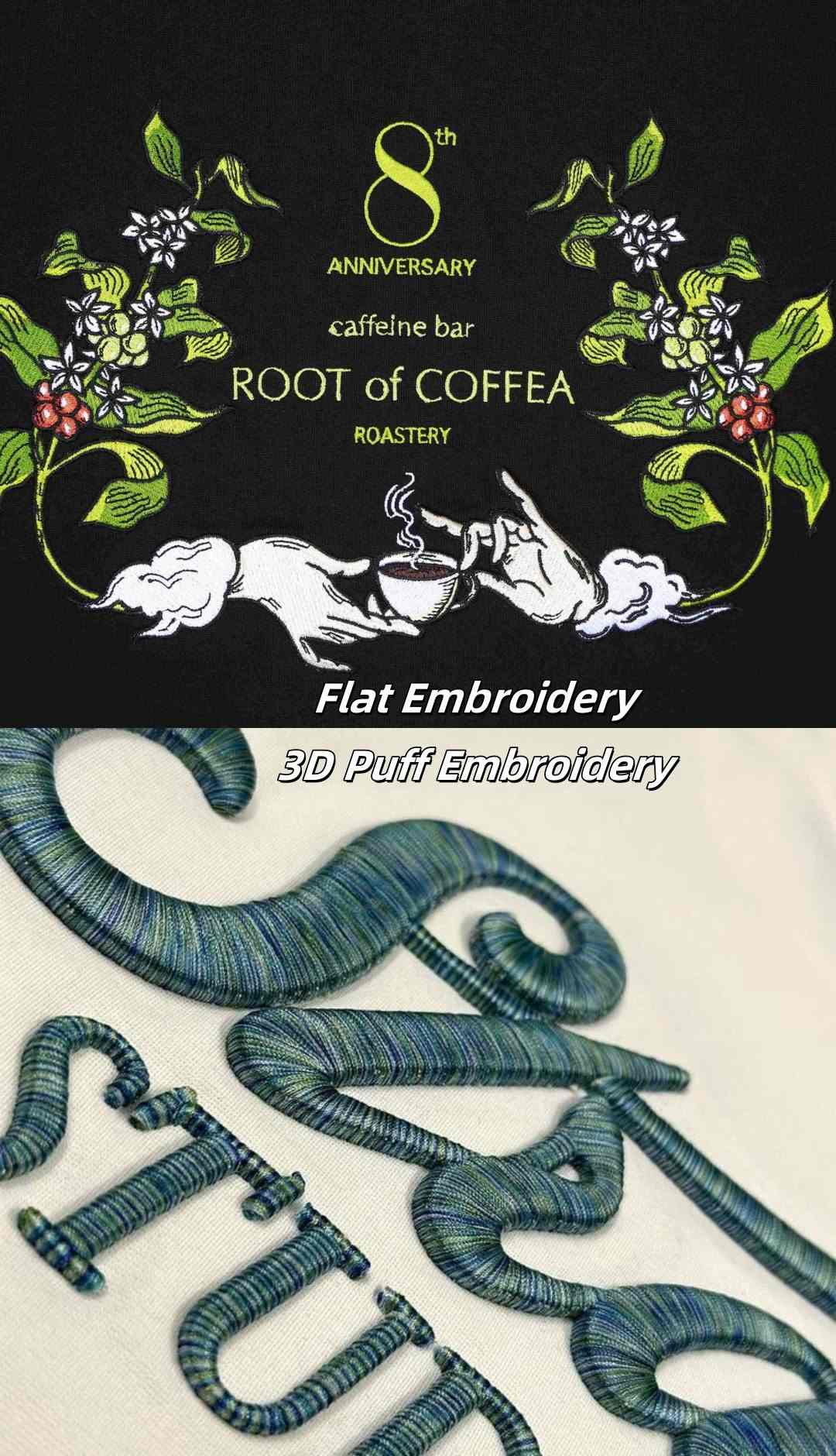
Flat embroidery uses satin and fill stitches at 4,000–6,000 stitches per square inch to render logos, text and fine detail on caps, jacket chests and sleeves. Satin stitch forms smooth, directional columns ideal for letters and outlines; fill stitch covers larger areas with parallel runs. Specify flat embroidery when artwork includes gradients, small text below 6 mm or intricate shapes that 3D puff cannot hold.
3D Puff Embroidery
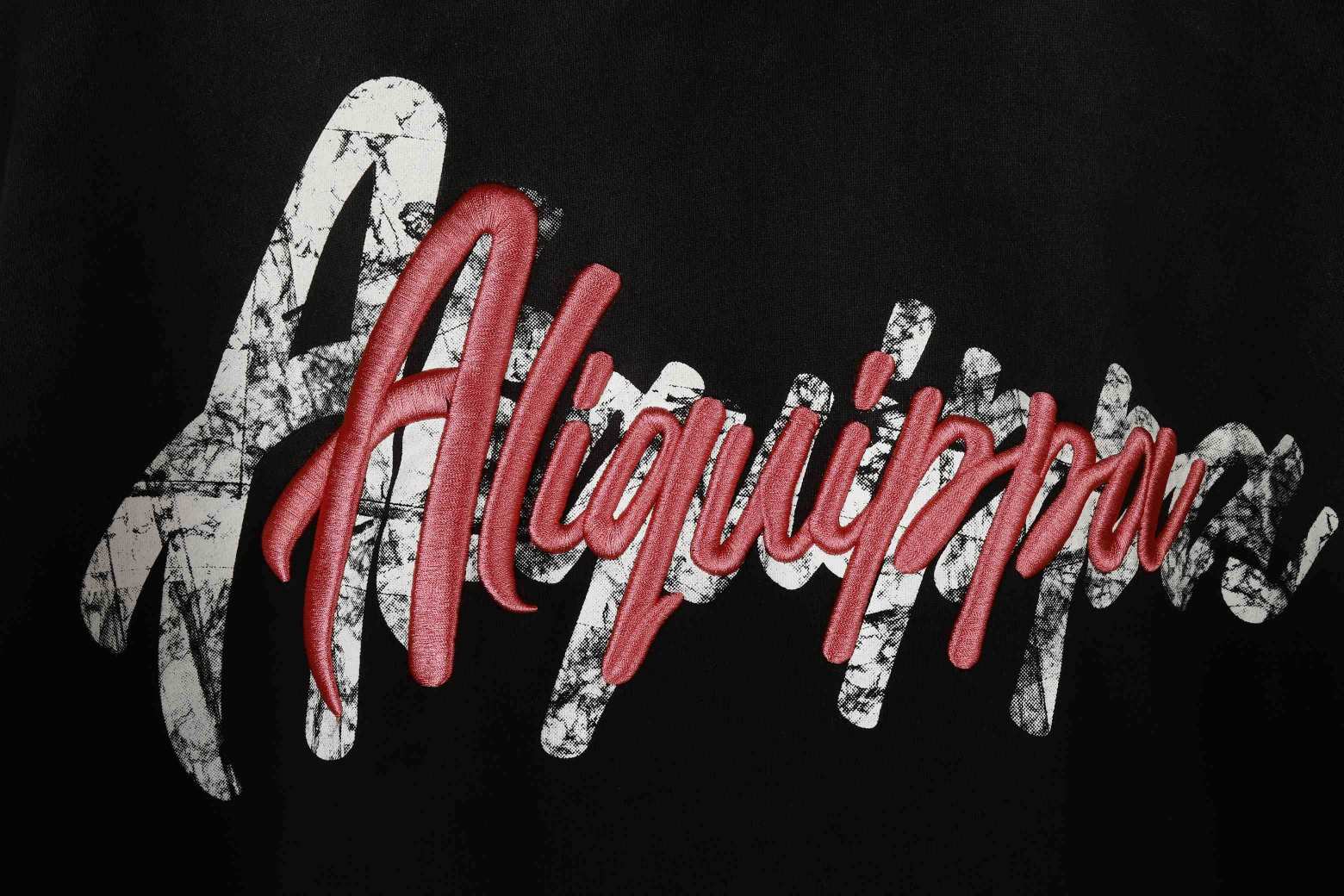
3D puff embroidery layers foam under satin stitch to lift logos and letters 3–4 mm above the fabric, creating bold dimension on caps, beanies and jacket backs. Foam density ranges from 2 mm to 4 mm; thicker foam suits larger letters but limits fine detail to elements above 8 mm. Puff works best on structured caps and wool-blend jackets where the substrate supports the raised profile.
Tackle Twill and Appliqué
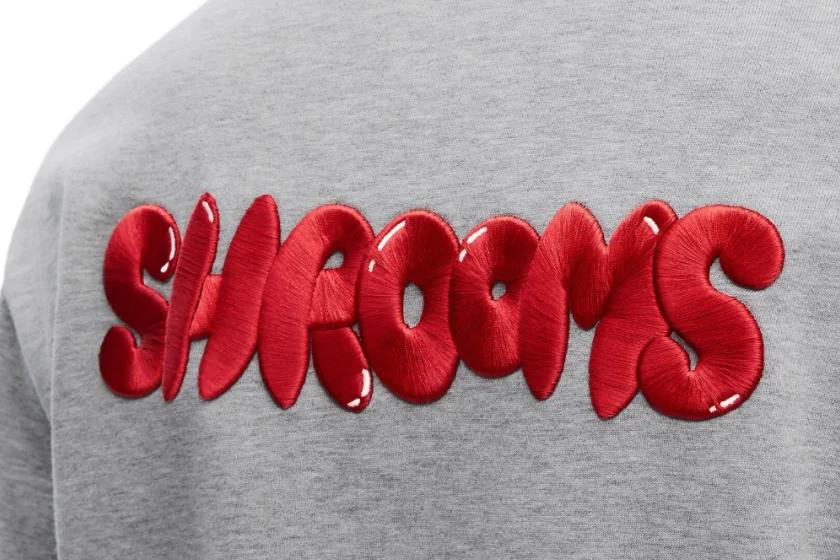
Tackle twill bonds cut fabric letters and numbers to jerseys and jackets with tight satin-stitch edges, delivering the clean, layered look of pro sports uniforms. Single-layer twill suits chest names; double and triple layers add depth to back numbers. Appliqué embroidery anchors chenille patches, felt logos and leather crests, common on varsity jackets and team caps.
4. Materials and Fabrics for Custom Embroidery
The success of custom embroidery depends as much on the base fabric and stabilizers as on the digitized design. Fabric weight, weave density and thread choice determine whether stitches sit flat or pucker, whether detail holds or distorts, and whether the finished garment survives repeated washing.
| Fabric Type | Recommended Backing | Typical Applications |
|---|---|---|
| Polyester mesh (150–200 GSM) | Cutaway | Jerseys, breathable team apparel |
| Cotton twill (200–280 GSM) | Tearaway | Caps, jacket panels, stable wovens |
| Fleece (280–340 GSM) | Cutaway + topping | Hoodies, warm-up jackets |
| Nylon shell (180–220 GSM) | Cutaway | Windbreakers, varsity sleeves |
Base Fabrics and Weave Stability
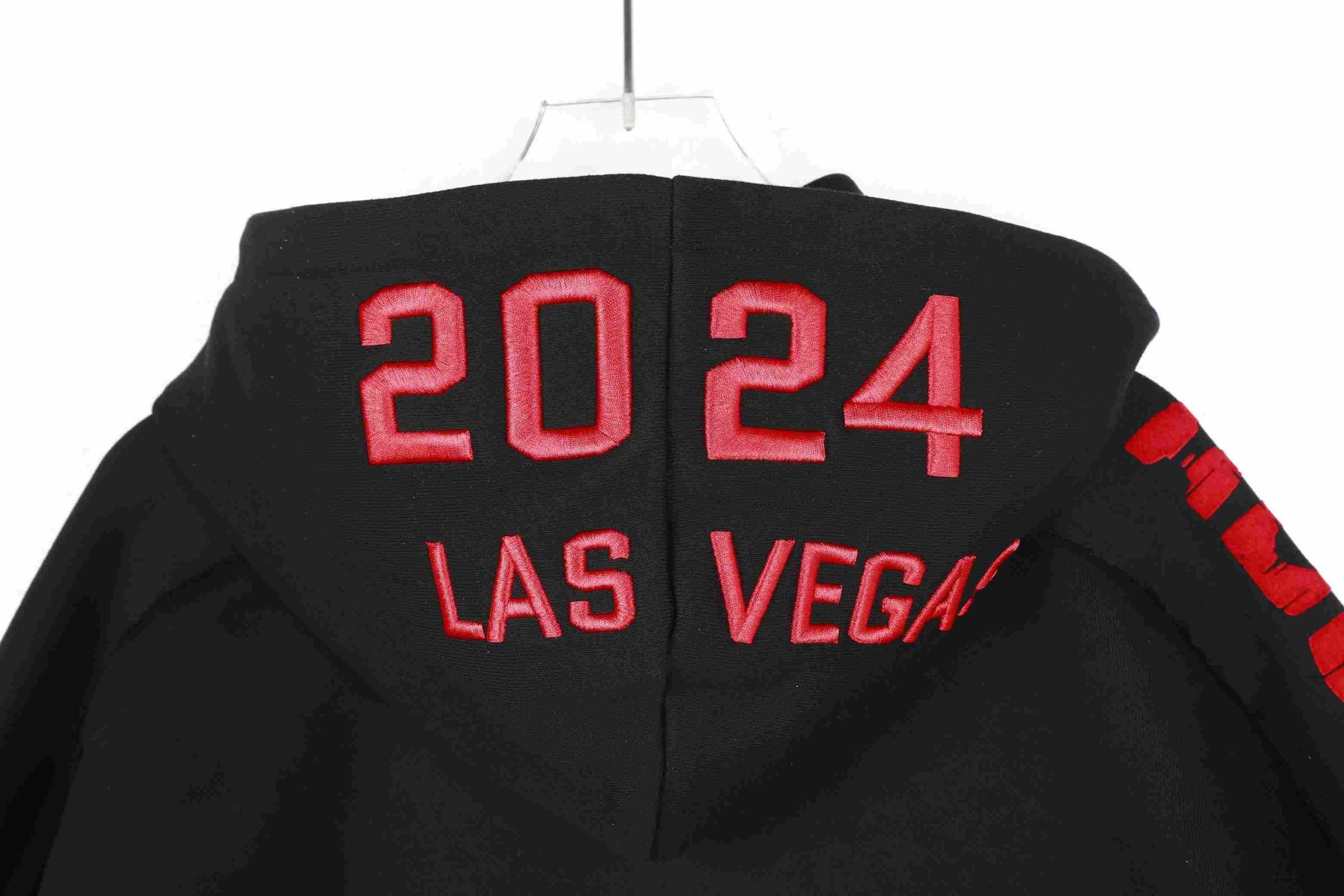
Polyester mesh (150–200 GSM) is standard for jerseys and breathable team apparel; its open weave requires cutaway backing to prevent stitch pull-through. Cotton twill (200–280 GSM) offers a tight, stable surface ideal for caps and jackets, accepting fine detail with minimal puckering.
Fleece (280–340 GSM) and nylon shell fabrics (180–220 GSM) demand heavier backing and reduced stitch density to avoid distortion. Blends balance breathability and stitch hold, but inconsistent fiber content can shift registration during hooping.
Backing Materials
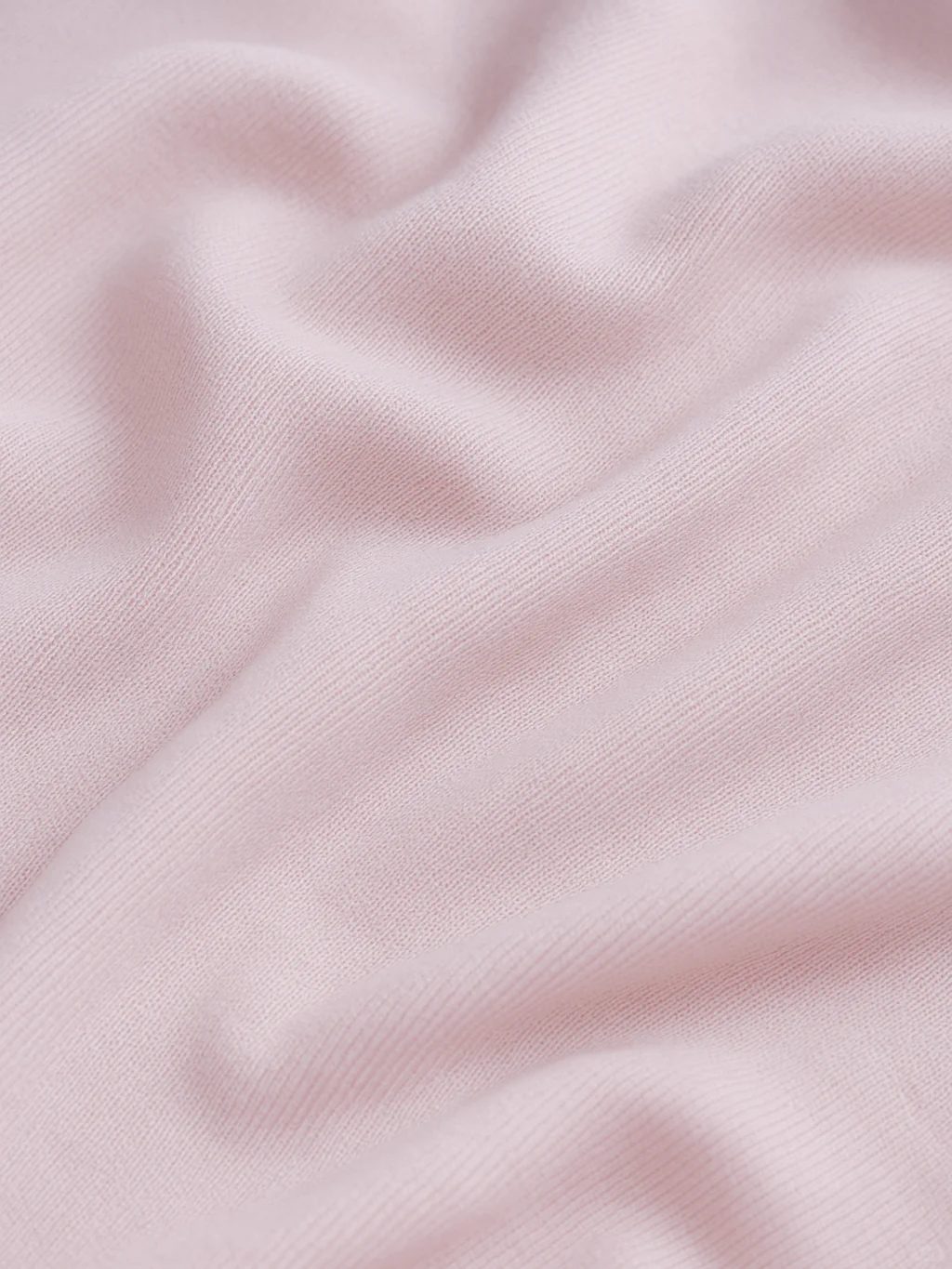
Cutaway backing remains permanently behind the stitches, essential for knits, stretch fabrics and high-stitch-count logos. Tearaway backing is removed after embroidery, suited to woven twill and stable cotton where bulk must stay minimal. Water-soluble film dissolves in wash, used for delicate topping on fleece pile or terry to prevent stitches sinking into the nap.
Thread Types
Rayon thread delivers high sheen and vibrant color, preferred for team logos and school crests but less durable under chlorine or UV. Polyester thread sacrifices slight luster for superior colorfastness and abrasion resistance, the workhorse choice for uniforms and caps. Metallic thread adds premium accent but requires slower machine speed and looser tension to prevent shredding.
5. Custom Embroidery Design and Branding Options
Turning a logo or team wordmark into production-ready custom embroidery requires digitizing artwork into stitch paths, matching thread colors to brand standards, and mapping placements across garment zones. Each decision — from font legibility at small sizes to stitch density — affects both visual impact and unit cost.
Logo Digitization and Thread Color Matching
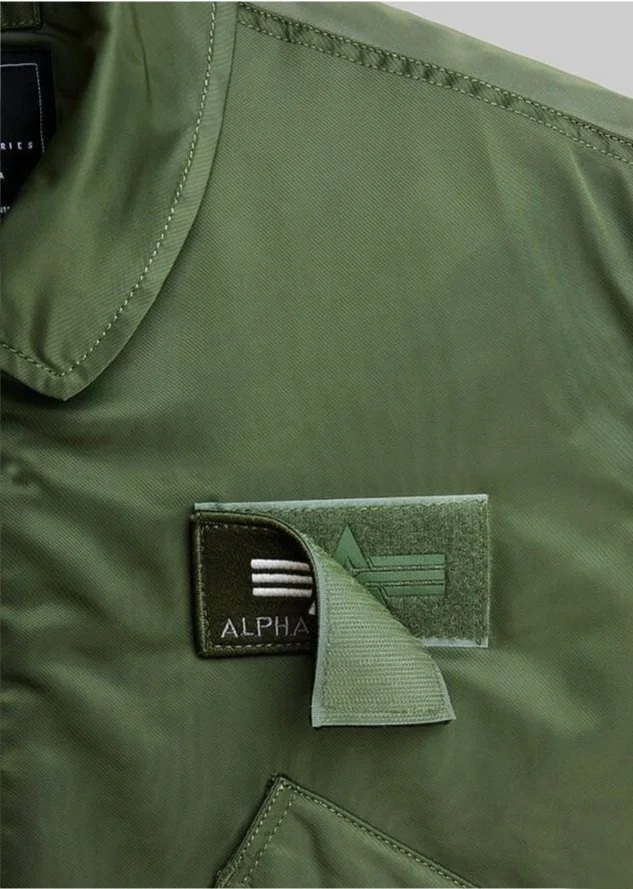
Vector artwork (AI, EPS, PDF) digitizes cleanest, but SELMOND’s design team converts raster files, sketches or photos into stitch files (.DST, .EMB) with manual pathing for sharp edges and minimal jump stitches.
Thread colors map from Pantone references to manufacturer charts (Madeira, Isacord, Robison-Anton). Exact matches rarely exist; experienced digitizers select the closest hue or blend two threads in adjacent fills to hold brand integrity across repeat orders.
Placement Zones and Sizing Limits
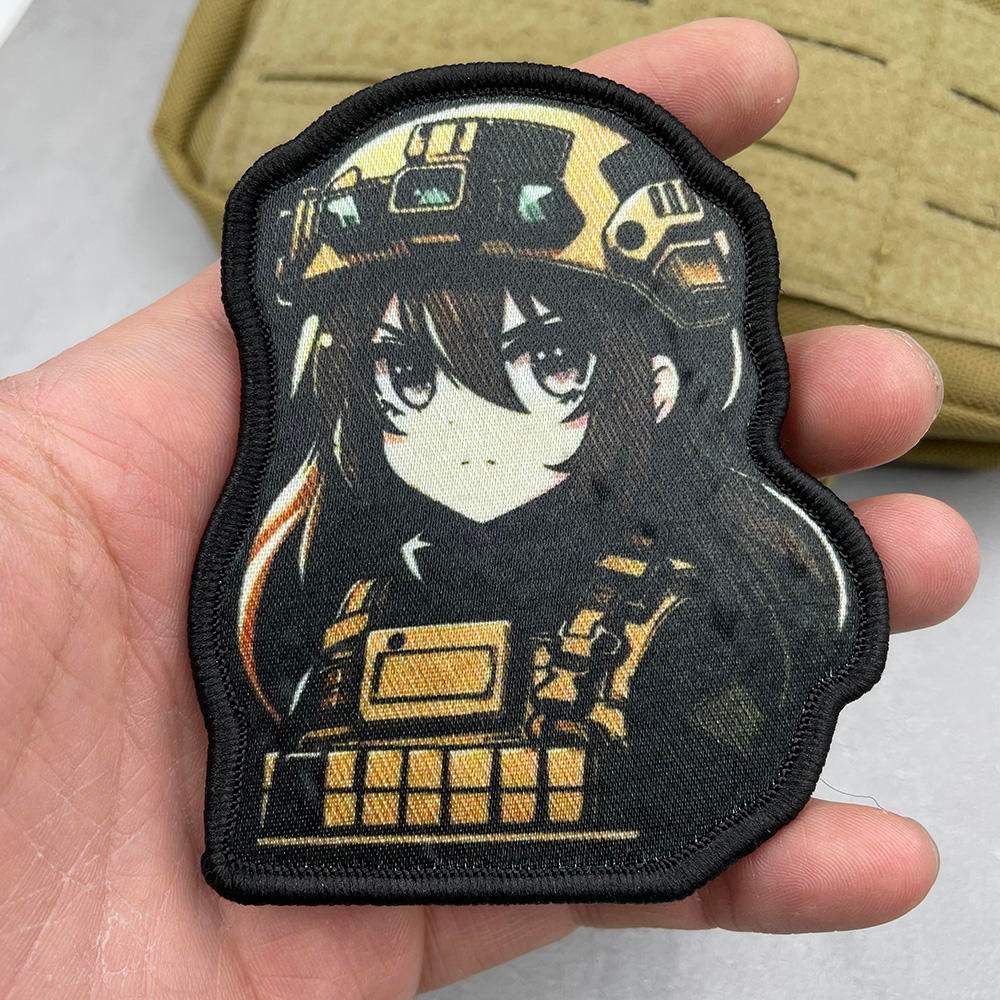
Standard placements include left chest (3–4″ wide), full back yoke (10–12″), sleeve (2.5–3.5″), and cap front or side panels (2–2.5″). Smaller text drops below 5 mm and loses legibility; block fonts hold better than script at cap scale.
Multi-location embroidery — left chest plus sleeve, or front plus back — is common on varsity jackets and team polos, with each position priced separately by stitch count.
Stitch Count, Cost and Combining Techniques
Stitch count drives embroidery cost: a simple left-chest logo averages 5,000–8,000 stitches; a detailed back design may reach 15,000–25,000. Factories quote per-thousand stitches or per position.
Combining custom embroidery with screen print (large back graphics), chenille letters (varsity jackets) or woven patches (cap sides) balances detail, durability and budget across the same garment, a specialty SELMOND supports in-house.
6. Key Quality Indicators in Custom Embroidery
Premium custom embroidery is defined by five measurable quality indicators that separate production-ready team apparel from budget work. Stitch density, underlay construction, tension calibration, registration accuracy and clean tie-offs determine whether a logo holds its shape through a season or distorts after the first wash.
Stitch Density and Coverage
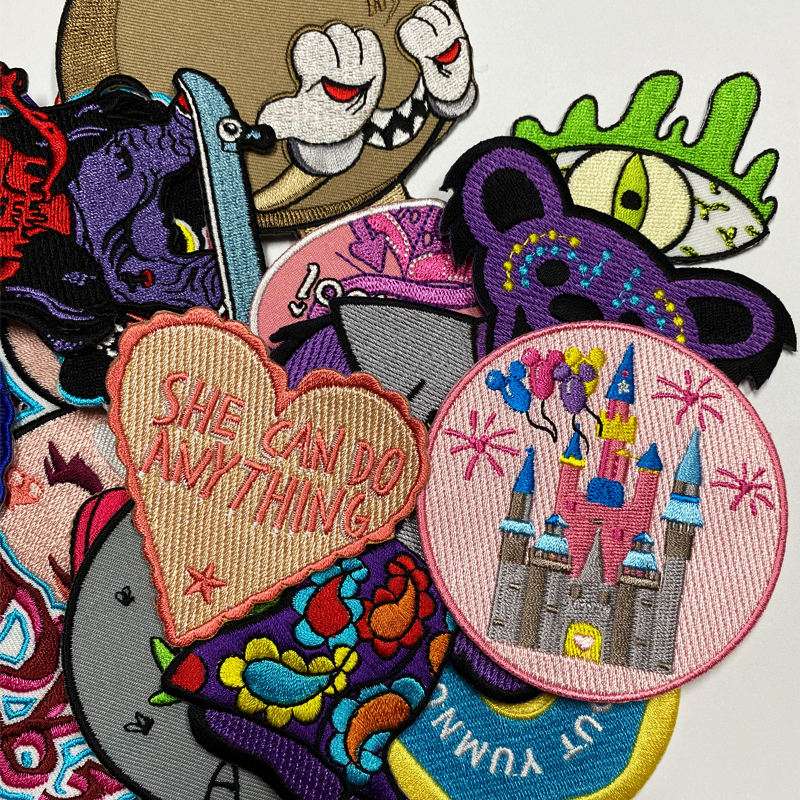
Professional embroidery runs 3.5 to 5.5 stitches per millimeter for flat work, with cap embroidery often pushed to 4.5 to 6.0 for durability. Too sparse and fabric shows through; too dense and the garment puckers or the needle perforates the base. SELMOND’s digitizers balance density by fabric weight — lighter polyester tricot jerseys receive lower counts than melton wool jacket backs.
Underlay Stitching and Stabilization
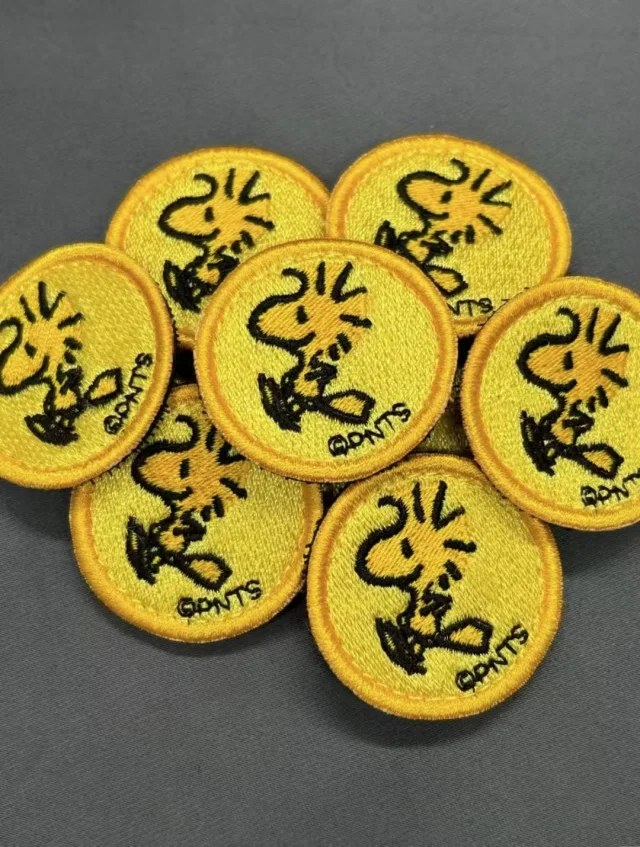
Underlay stitching anchors the top thread and prevents fabric stretch during the run. A proper underlay uses a directional or zigzag base layer at 2.0 to 3.0 stitches per millimeter, perpendicular to the top fill. Without it, logos shift, letters pucker and knit fabrics distort. Every sample should show clean edges with no fabric pull.
Thread Tension and Machine Maintenance
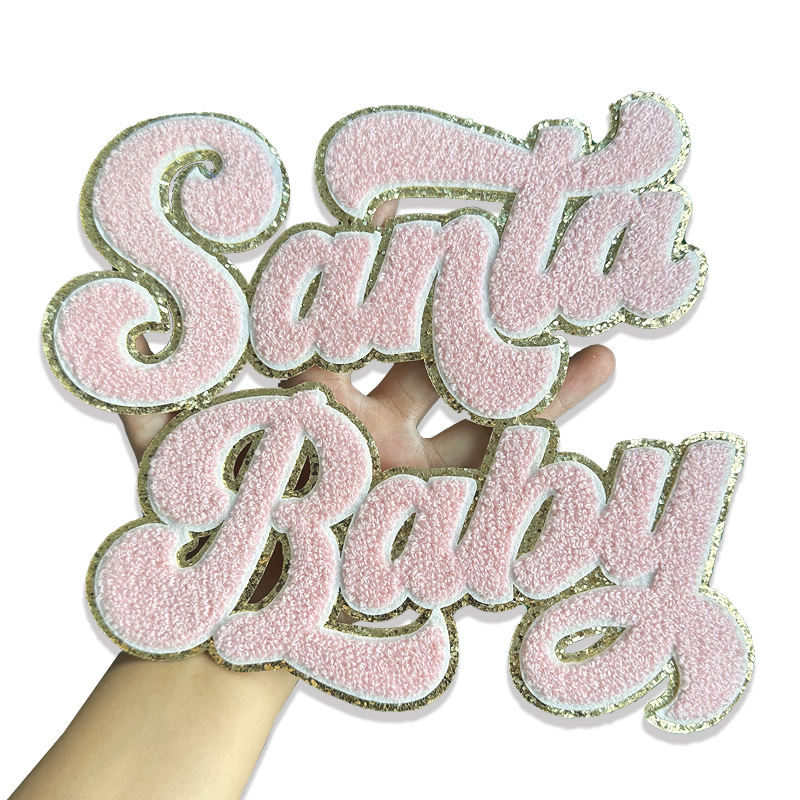
Consistent thread tension — balanced between bobbin and top thread — eliminates loops, thread breaks and uneven coverage. Industrial machines require daily tension checks, needle replacement every eight hours of run time, and monthly timing calibration. Operator skill and machine upkeep directly determine whether a 10,000-piece order matches the strike-off or drifts by piece 500.
Registration Accuracy and Tie-Offs
Multi-color logos demand registration within ±0.5 mm to prevent gaps or overlaps. Clean tie-offs — where start and end threads are trimmed flush or buried under the stitch path — ensure no loose ends snag or unravel. Inspect samples under magnification: ragged edges, visible jump stitches and protruding tails signal poor digitizing or rushed production.
7. How to Choose a Custom Embroidery Manufacturer
Selecting a custom embroidery partner requires evaluating both technical capacity and operational flexibility. The right manufacturer combines in-house digitizing, low MOQ options and transparent quality processes to support brands from first sample through scaled production.
Machine Capacity and Digitizing Capability
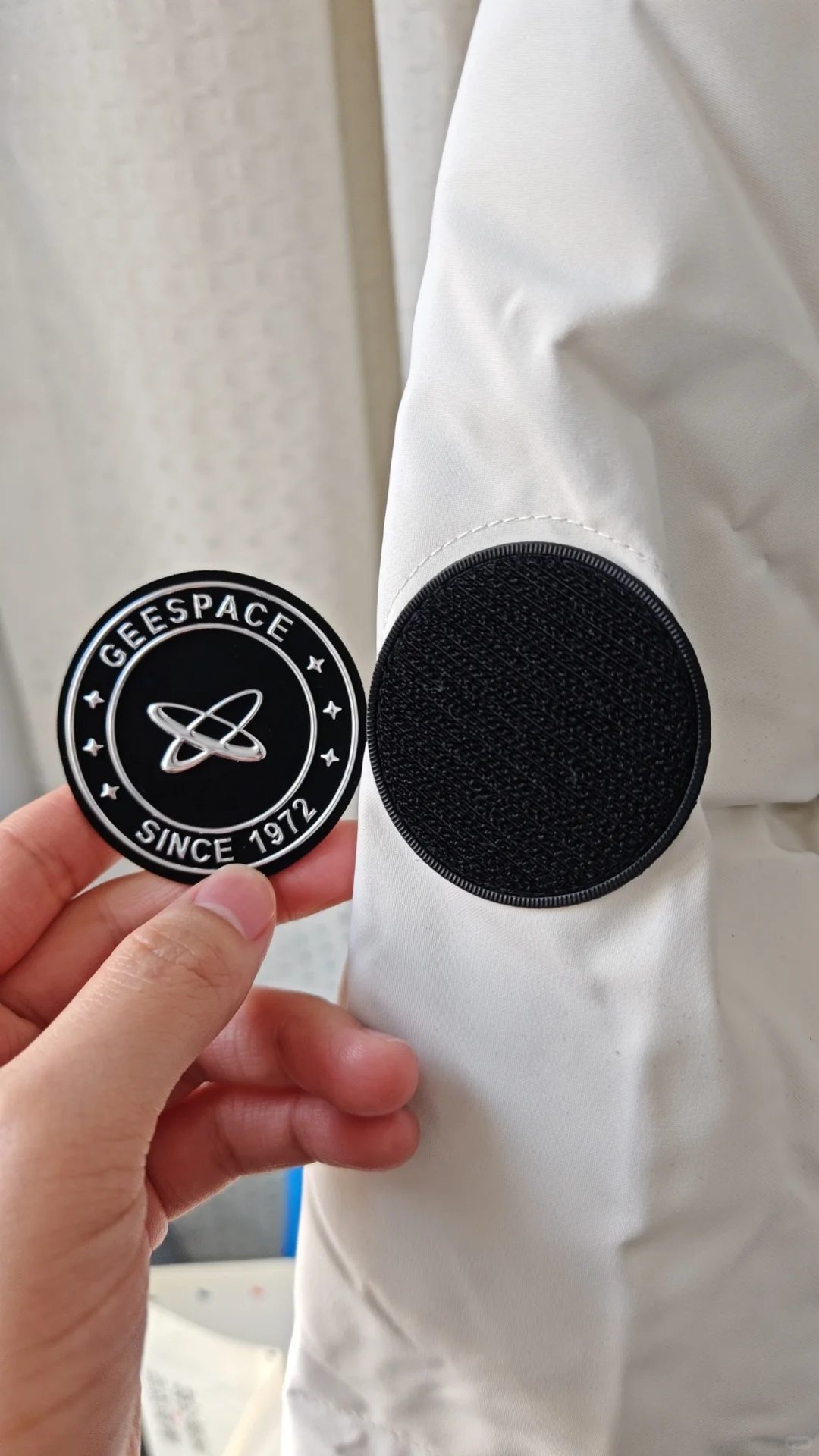
Ask how many embroidery heads the facility runs and whether digitizing is handled in-house or outsourced. In-house digitizing teams turn logo files into stitch-ready artwork faster and iterate proofs without third-party delays. SELMOND maintains dedicated embroidery stations and a design team that digitizes logos, monograms and team artwork internally, ensuring tighter turnaround and consistent stitch quality across re-orders.
MOQ Flexibility and Sample Policy
Low minimums let brands test designs and reduce inventory risk. Standard factory MOQs often start at 500–1,000 pieces; flexible partners begin at 100 pieces per style/color. Confirm whether samples are provided before bulk production and whether decoration strike-offs are included. SELMOND offers 100-piece MOQ and sends artwork proofs, decoration samples and full garment prototypes before any production run begins.
Lead Time, Communication and Certifications
Domestic suppliers typically ship in 7–14 days but carry higher unit costs; overseas manufacturers require 25–45 days yet offer broader fabric and decoration options. Verify ISO 9001 quality systems, OEKO-TEX fabric certifications and references from sports teams or apparel brands. SELMOND ships globally with clear nine-step processes, multi-currency payment and pattern/artwork files kept on record for fast re-orders.
8. Common Mistakes When Ordering Custom Embroidery
Even experienced buyers lose weeks and margin to avoidable embroidery mistakes. A single overlooked detail — low-resolution artwork, incompatible fabric, or skipped sample approval — can trigger costly rework, delayed launches and damaged team relationships.
Submitting Low-Resolution Artwork
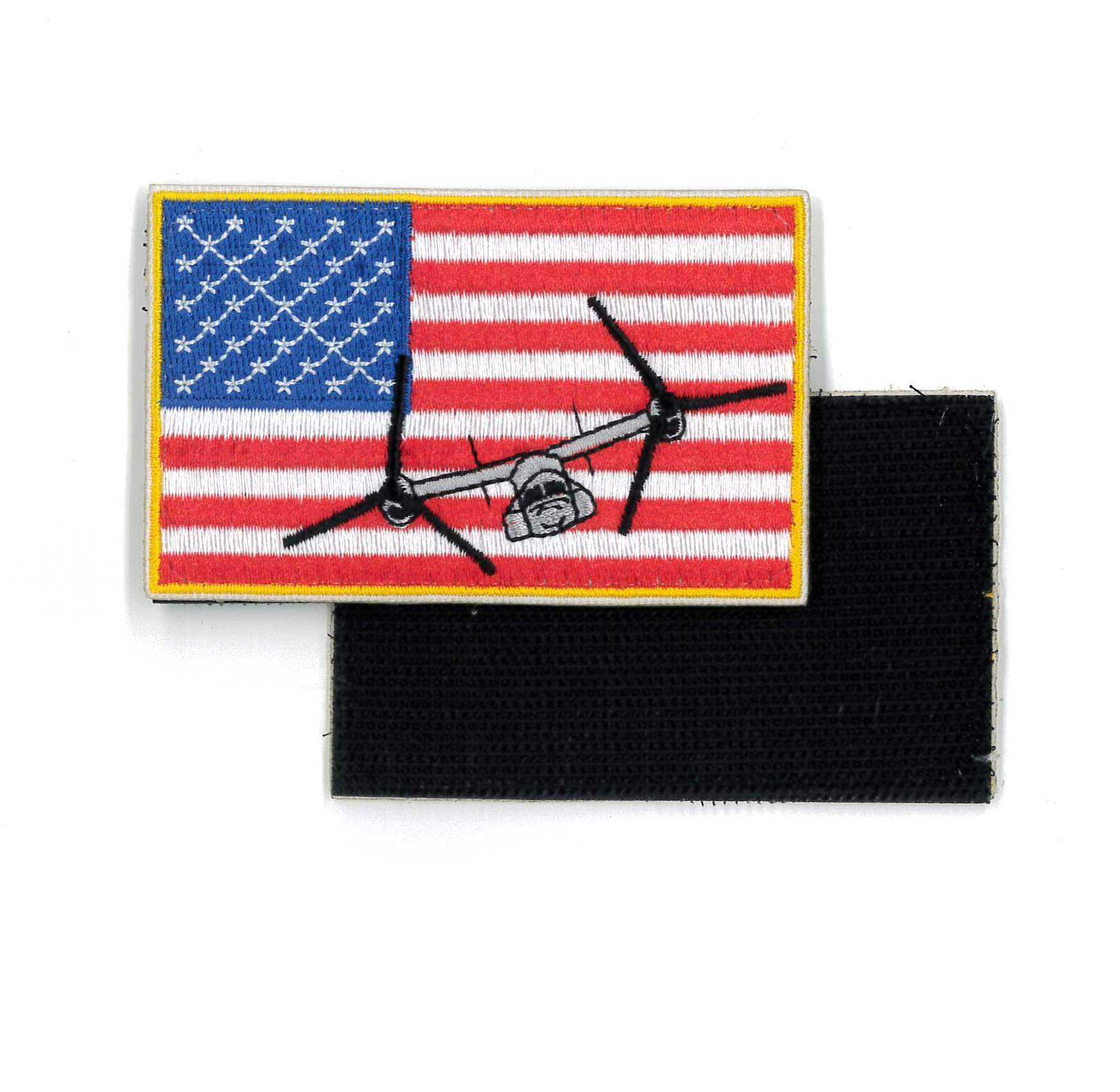
Vector files (.AI, .EPS, .PDF) digitize cleanly; raster images below 300 DPI produce jagged stitch paths and blurred edges. Re-digitizing adds 3–5 days and $50–150 per logo.
Always supply vector artwork or high-resolution PNG files with transparent backgrounds. SELMOND’s design team digitizes logos at no charge when artwork meets minimum resolution standards.
Ignoring Fabric Compatibility
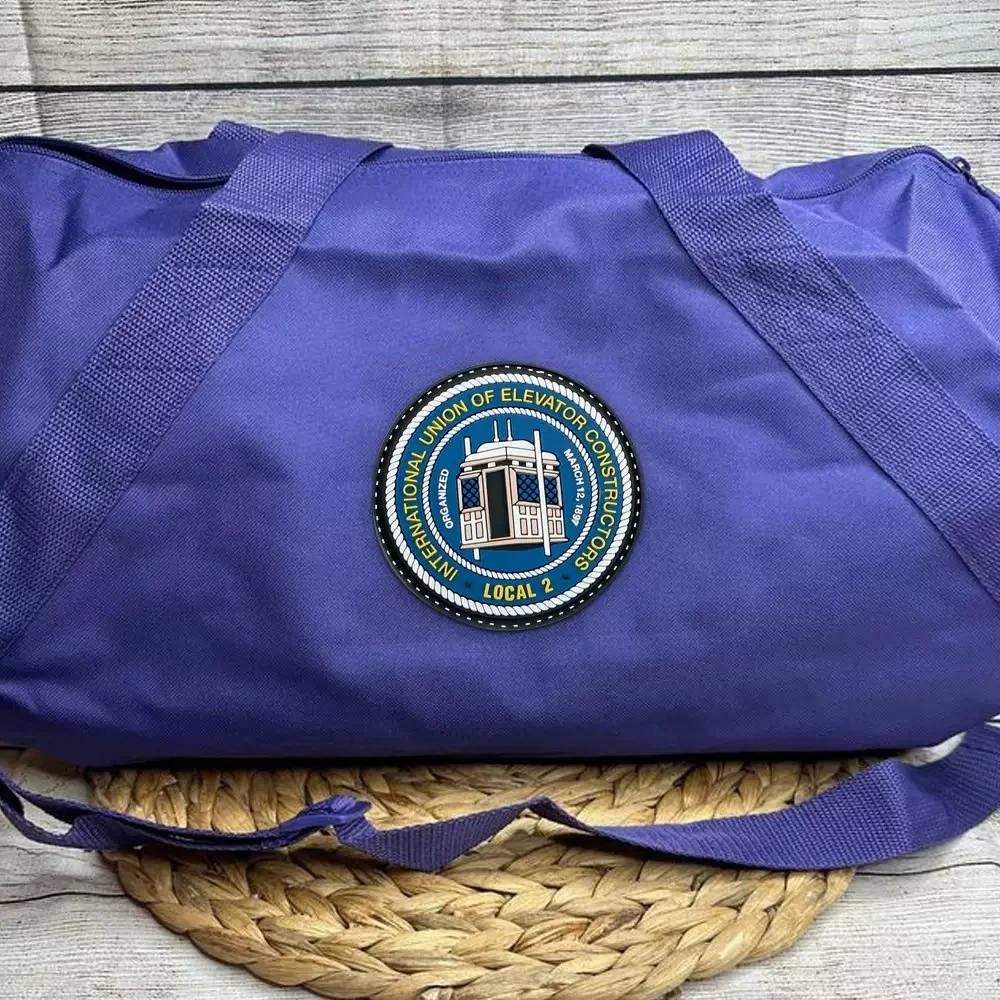
Heavy 9,000-stitch logos pucker lightweight tricot jerseys; fine detail disappears into high-pile fleece. Mismatched density requires fabric changes or design simplification, both delaying production.
Share fabric weight and construction with your digitizer. SELMOND adjusts underlay and stitch density during sampling to match melton wool, leather sleeves or mesh panels.
Skipping Sample Approval
Bulk runs replicate the approved sample exactly — including any unnoticed flaws. Fixing 500 jackets post-production costs 10–20 times more than one sample revision.
Request a decorated strike-off on your chosen fabric and colorway. SELMOND provides sample garments with final embroidery, chenille and tackle-twill before any bulk order begins.
Choosing Price Over Quality Vetting
The cheapest quote often hides low thread counts, single-ply backing or skipped quality checks. Rework, returns and lost team trust erase any initial savings.
Compare stitch density, thread brand (Madeira, Isacord) and in-line QC processes. SELMOND’s 28-year track record and decoration floor built for B2B partners ensure consistent results across re-orders.
9. Steps to Launch Your Custom Embroidery Project
Launching a custom embroidery project follows a clear sequence from artwork approval through physical sampling to bulk production. SELMOND’s nine-step process keeps lead times predictable: digitizing takes 1–3 days, sampling 5–7 days, and bulk production 2–4 weeks depending on order size.
Finalize Artwork and Thread Colors
Submit your logo or design as a vector file (AI, EPS, PDF) or high-resolution raster (PNG, JPEG at 300 DPI minimum). SELMOND’s design team digitizes the artwork within 1–3 days, mapping each color to thread swatches — typically Pantone-matched polyester or rayon.
You’ll receive a digital proof showing stitch directions, densities and thread callouts. Approve or request adjustments before any needle touches fabric.
Request a Digital Mock-Up and Physical Sample
Once artwork is approved, request a physical strike-off on your chosen fabric and garment style. SELMOND produces embroidered samples in 5–7 days, showing exact placement, scale and thread finish.
Physical samples reveal details no screen can — thread sheen under light, fabric pucker, and how chenille or 3D puff sits against the base material.
Confirm Quantities, Delivery and Pre-Production Meeting
Approve the sample, then confirm your size breakdown, total quantity (MOQ 100 pieces per style/color), delivery address and target ship date. SELMOND schedules a pre-production meeting — by email, WhatsApp or video — to lock decoration specs, packaging and any last changes.
Bulk production begins only after deposit payment and written sign-off, ensuring every detail matches your approved sample. Lead time runs 2–4 weeks from deposit to shipment.
10. Custom Embroidery Pricing and Cost Breakdown
SELMOND’s custom embroidery pricing reflects three core cost drivers: one-time digitizing fees (typically $15–50 per logo, waived for repeat orders), per-piece decoration charges tied to stitch count and complexity, and volume discounts that begin at 100 pieces. A standard left-chest logo (4,000–6,000 stitches, single-position flat embroidery) runs $2.50–4.00 per piece at 100 units, dropping to $1.80–2.50 at 500 and $1.20–1.80 at 1,000+, with garment type — cap, jersey or jacket — shifting the range by $0.50–1.50.
3D puff embroidery adds $0.80–1.50 per position due to foam underlays and specialized needle work, while chenille appliqué (varsity letters, team patches) costs $3.50–8.00 per piece depending on size and layer count. Multi-position orders (left chest, sleeve, back yoke) stack per-location charges but qualify for bundled rates. Sample garments with full decoration are charged at $35–80 each, credited back when the bulk order exceeds 200 pieces, ensuring decoration quality before production.
| Quantity Tier | Flat Embroidery (per pc) | 3D Puff (per pc) | Chenille Appliqué (per pc) | Lead Time |
|---|---|---|---|---|
| 100–249 pcs | $2.50–4.00 | $3.30–5.50 | $4.50–8.00 | 18–22 days |
| 250–499 pcs | $2.00–3.00 | $2.80–4.50 | $4.00–7.00 | 16–20 days |
| 500–999 pcs | $1.80–2.50 | $2.60–4.00 | $3.50–6.50 | 14–18 days |
| 1,000+ pcs | $1.20–1.80 | $2.00–3.30 | $3.00–5.50 | 12–16 days |
Start Your Custom Embroidery Order Today
From 100 pieces. Fast artwork proofing, free strike-offs, and 28+ years of in-house embroidery expertise for your team apparel.