
Tackle Twill Numbers for Varsity Jackets & Team Apparel
Authentic stitched tackle twill numbers with raised satin edges for jerseys, uniforms and letterman jackets — in-house decoration, 100-piece MOQ, 28+ years of craftsmanship.
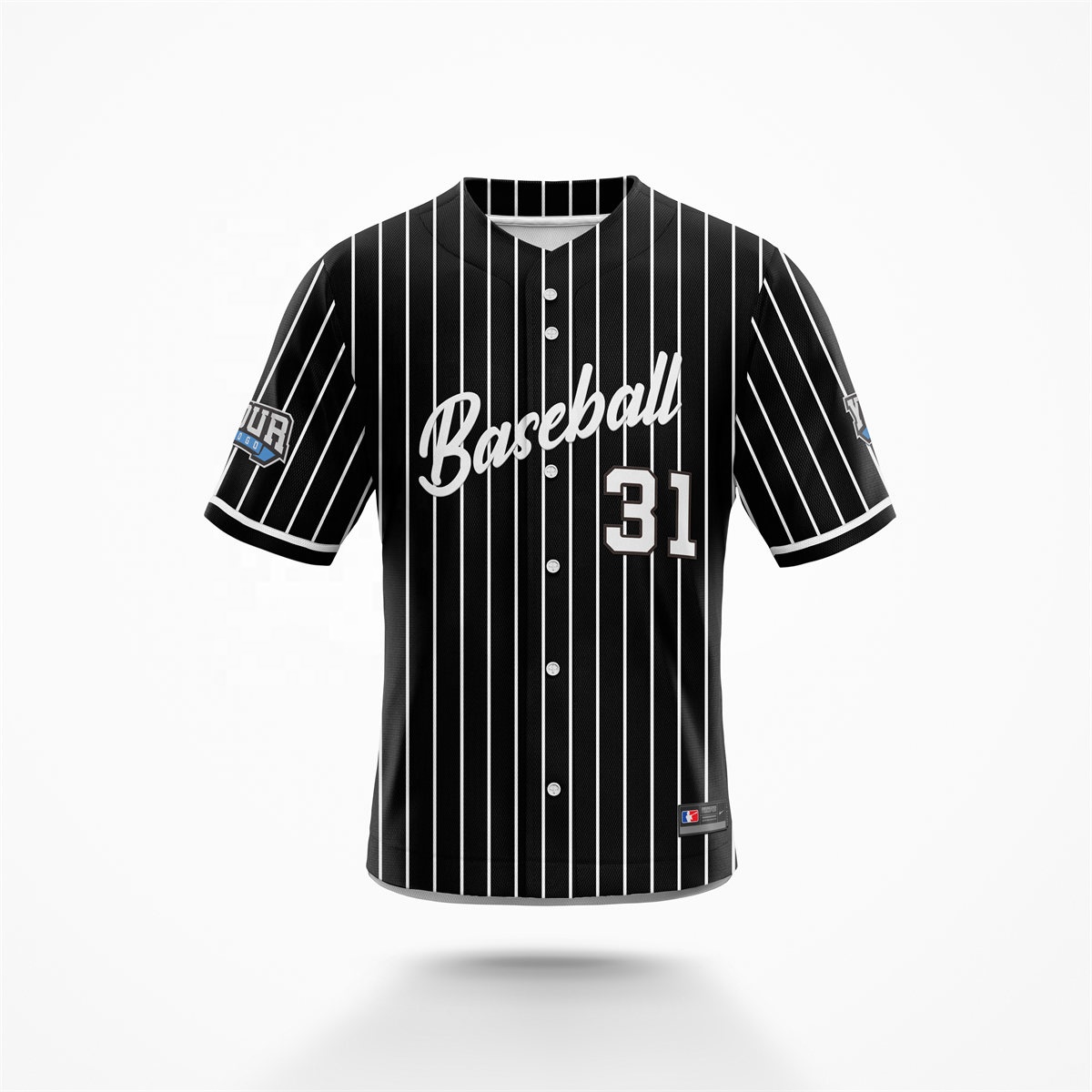
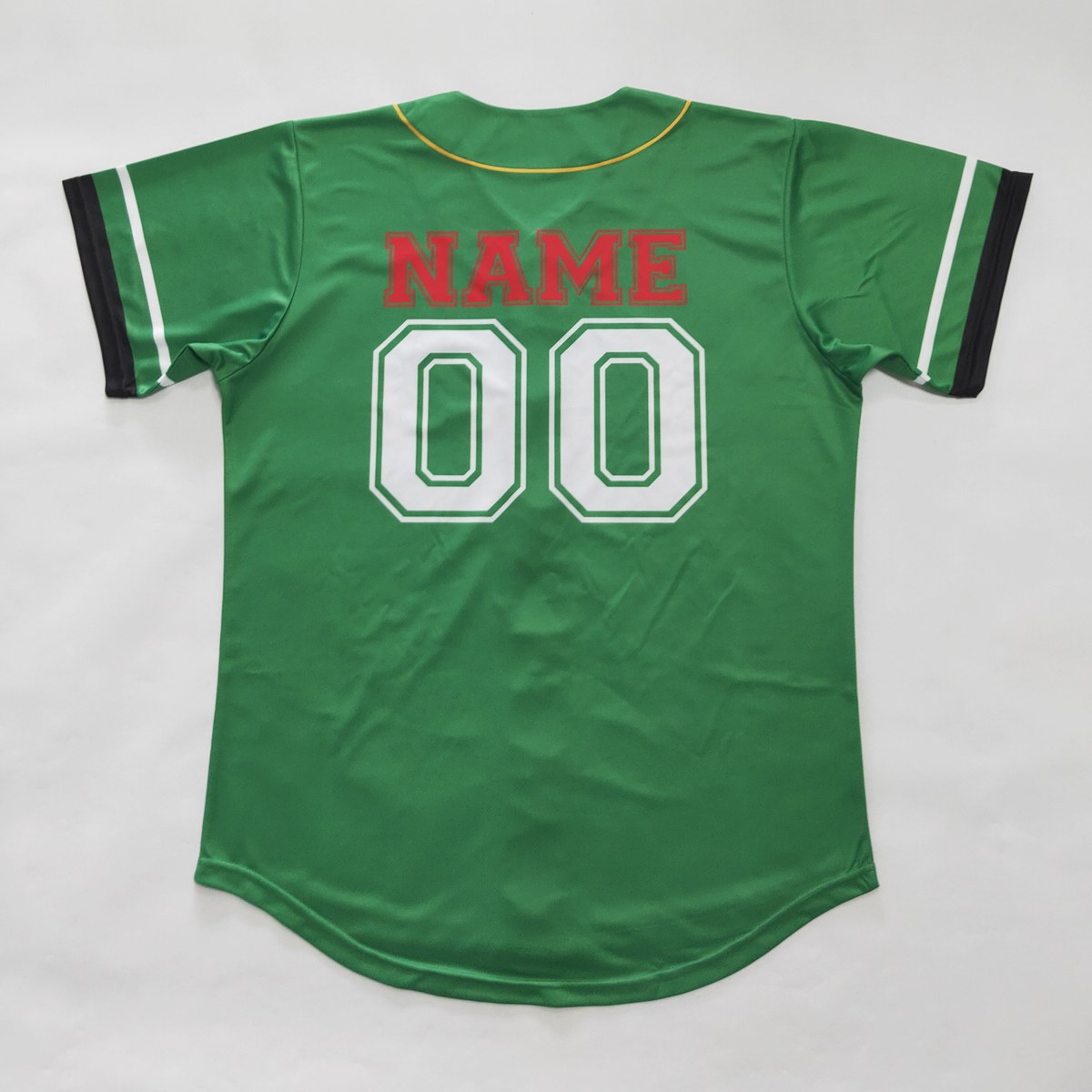
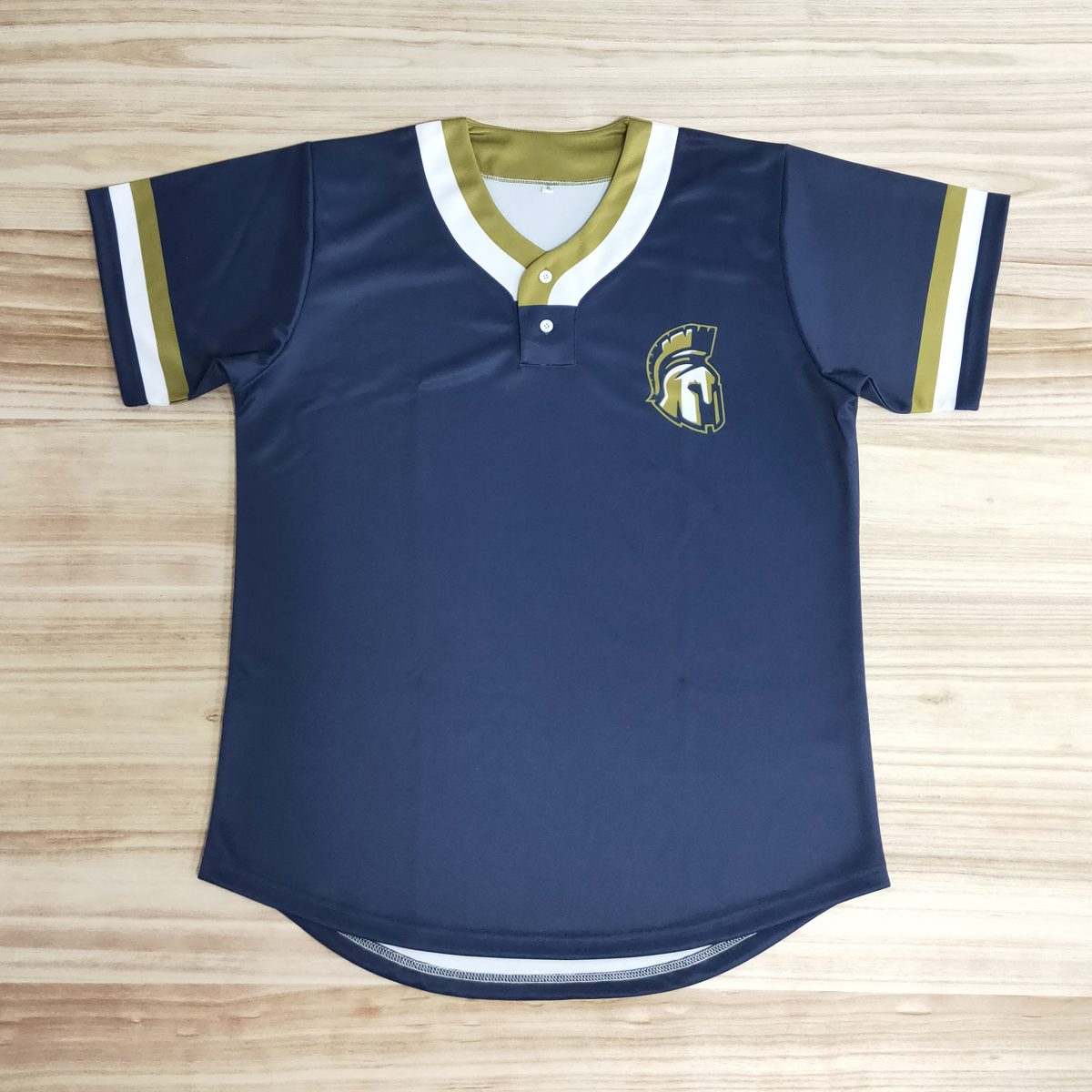
Tackle Twill Numbers & Lettering Samples
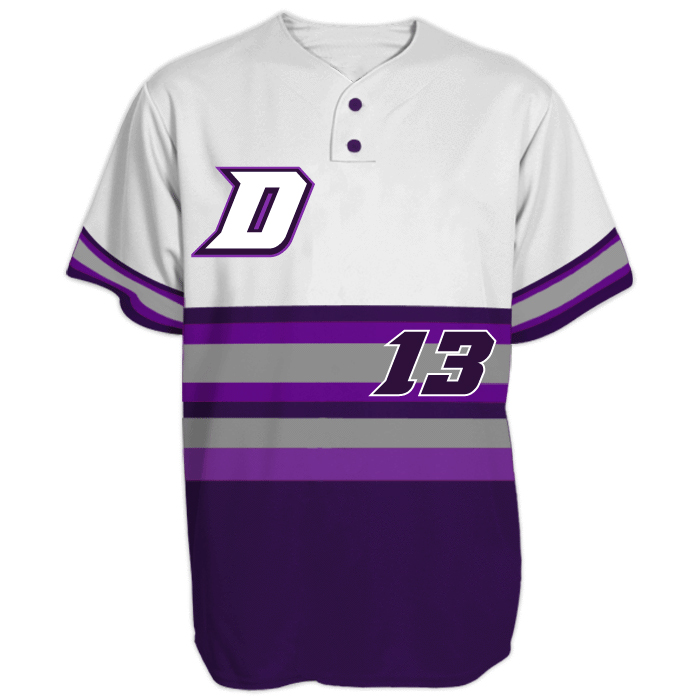
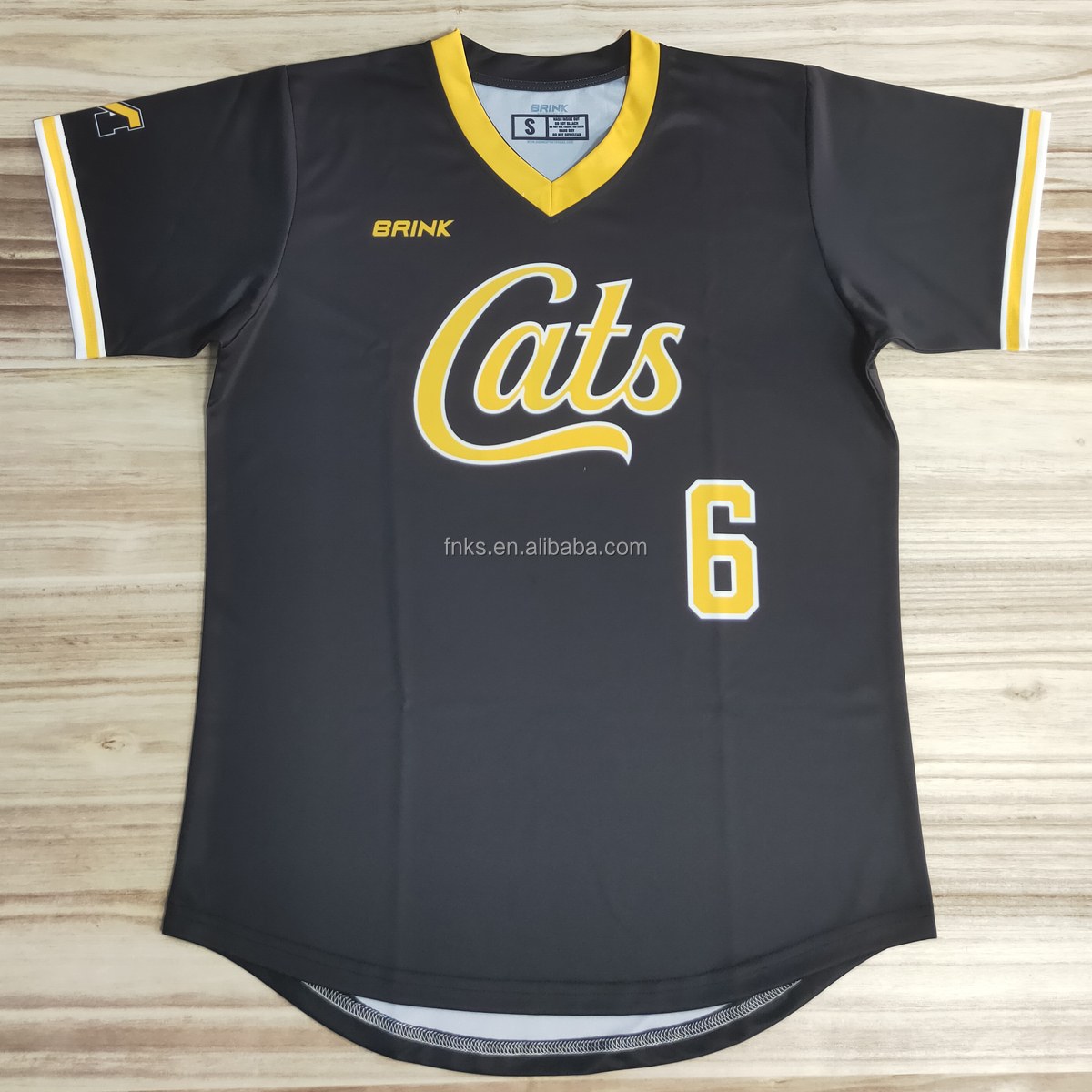
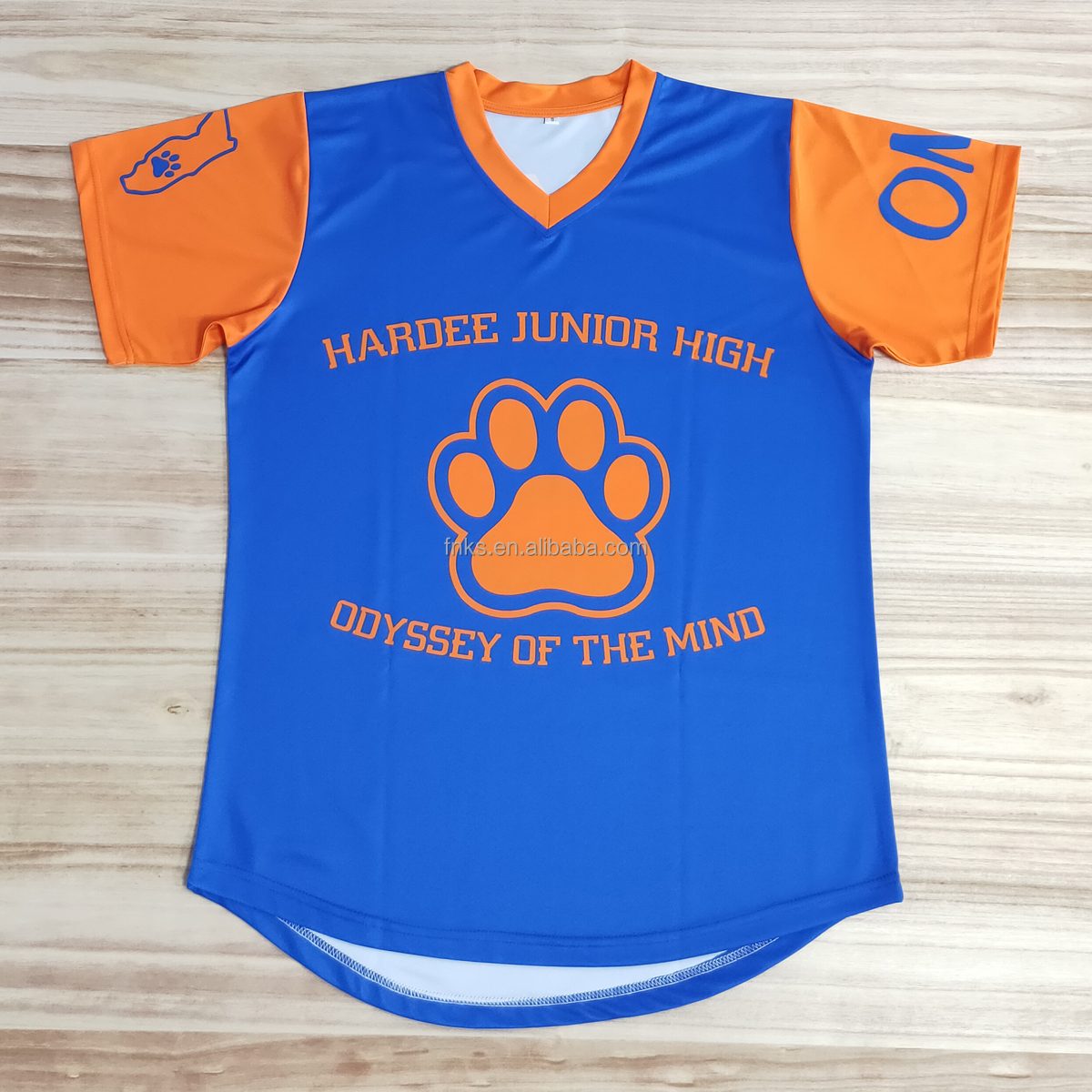
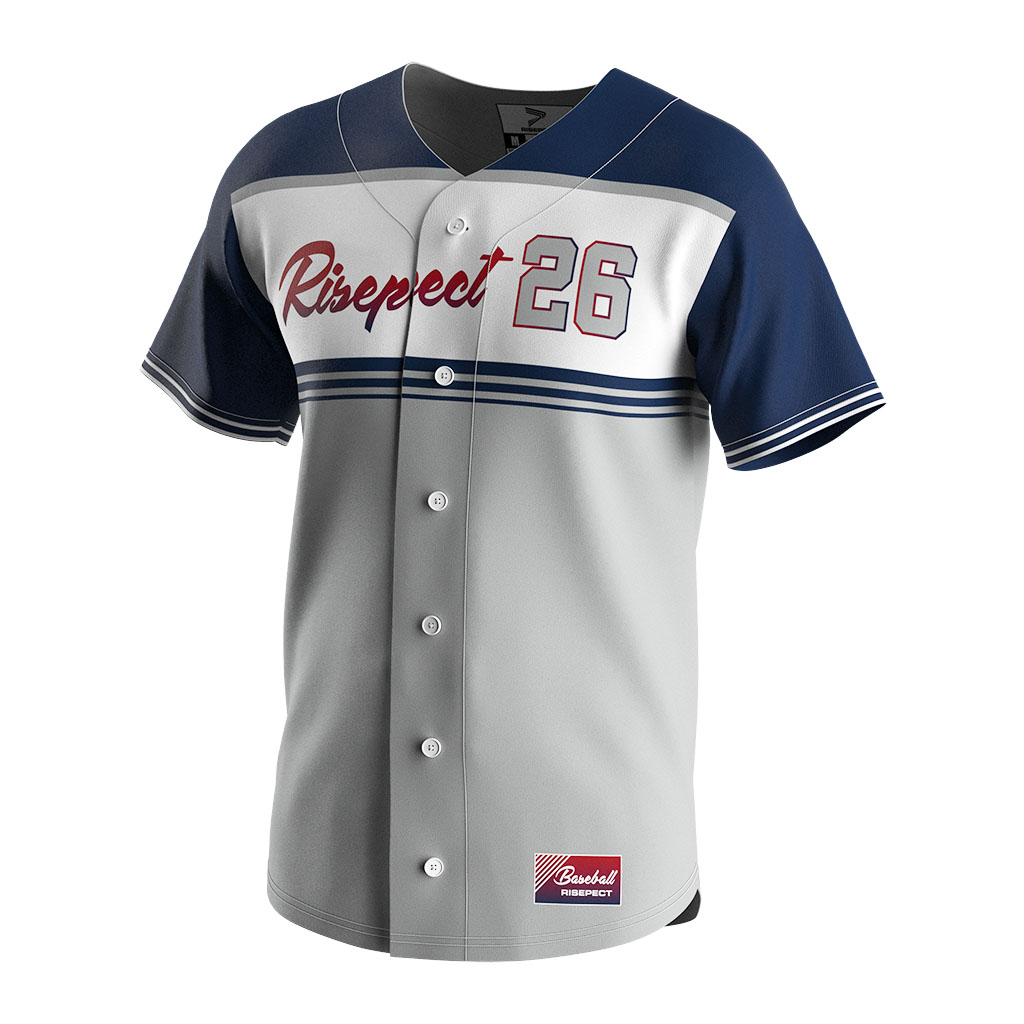
What Makes Tackle Twill Numbers Stand Out
Raised 3D Dimensional Appearance
Tackle twill numbers sit proud of the garment surface, creating the authentic varsity look that flat printing simply cannot replicate.
Tight Satin-Edge Stitching
Every edge is locked with dense zigzag satin stitch, preventing fraying and delivering clean, professional borders that last.
Single, Double & Triple Layers
Stack contrasting twill colors for depth and shadow effects — from classic single-layer to bold triple-layer varsity numbers.
Exceptional Wash & Wear Durability
Tackle twill numbers withstand repeated industrial washing, maintaining shape and color season after season without peeling or cracking.
Authentic Varsity Aesthetic
The gold standard for letterman jackets and team jerseys — tackle twill delivers the heritage look that players and fans recognize.
Wide Color & Fabric Range
Choose from dozens of twill colors and finishes to match any team palette, with consistent dye-lot control for multi-order consistency.
Related Decoration Techniques & Finished Products
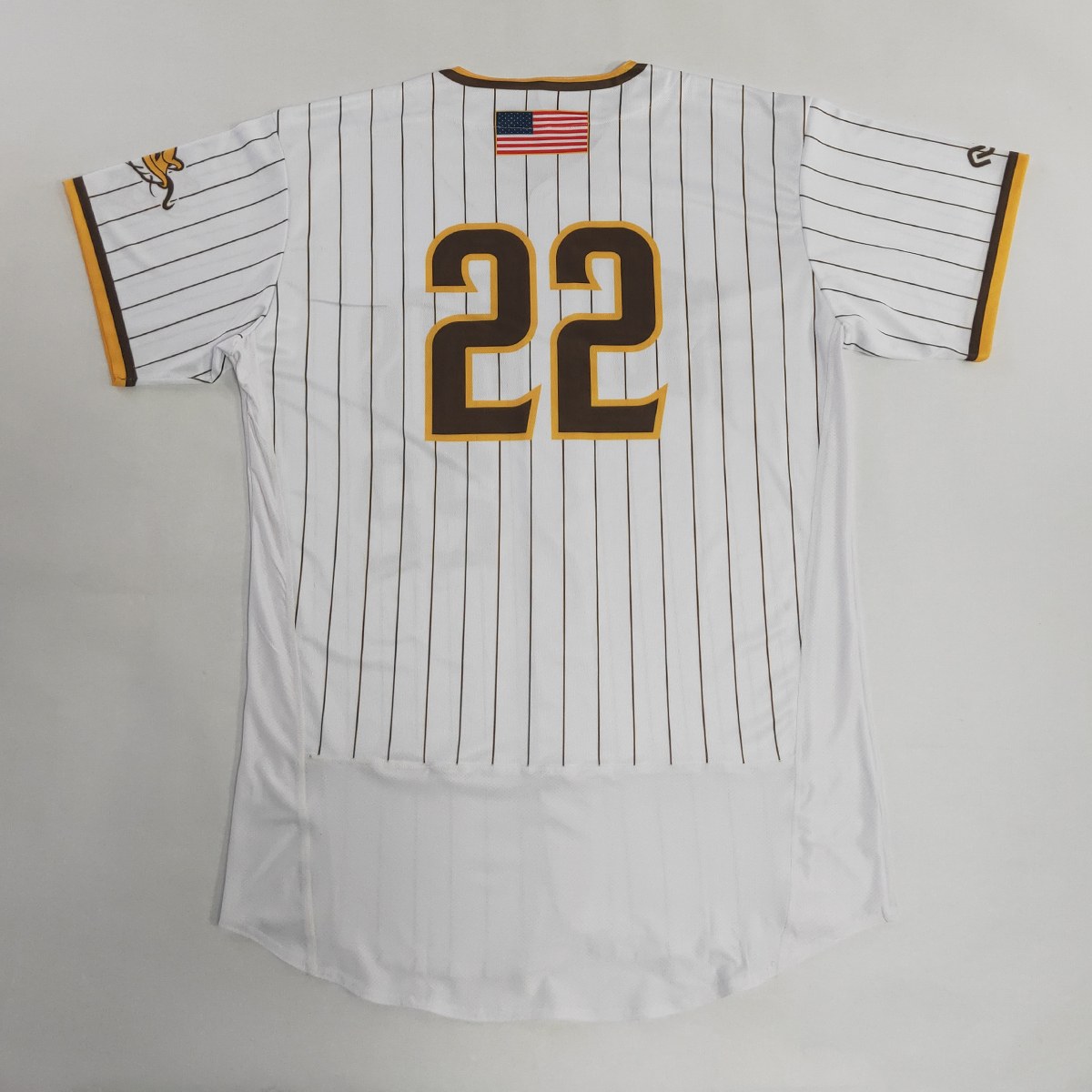
Custom Tackle Twill Lettering
Single, double and triple-layer tackle twill lettering sewn with tight satin stitch edges for varsity jackets, team jerseys and uniforms. Custom fonts, colors and sizes, with artwork proofing and strike-offs before bulk production. Durable, professional finish that holds shape wear after wear.
Get a Quote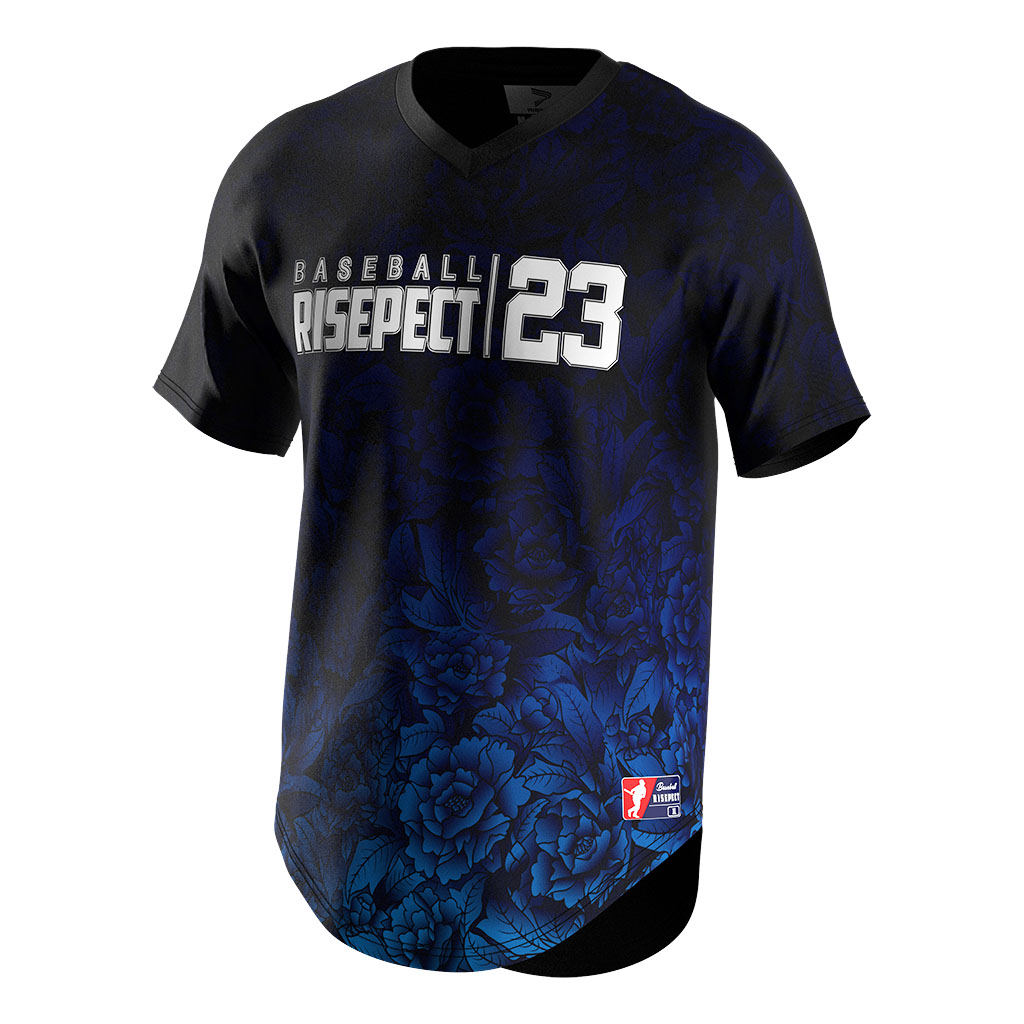
Twill Team Names
Tackle twill team names applied to jersey backs, jacket chests and uniform fronts. Full layout support from sketch or reference photo, with digitizing, size grading and decoration proofs included. Ideal for school teams, clubs and branded apparel requiring clean, legible team identification.
Get a Quote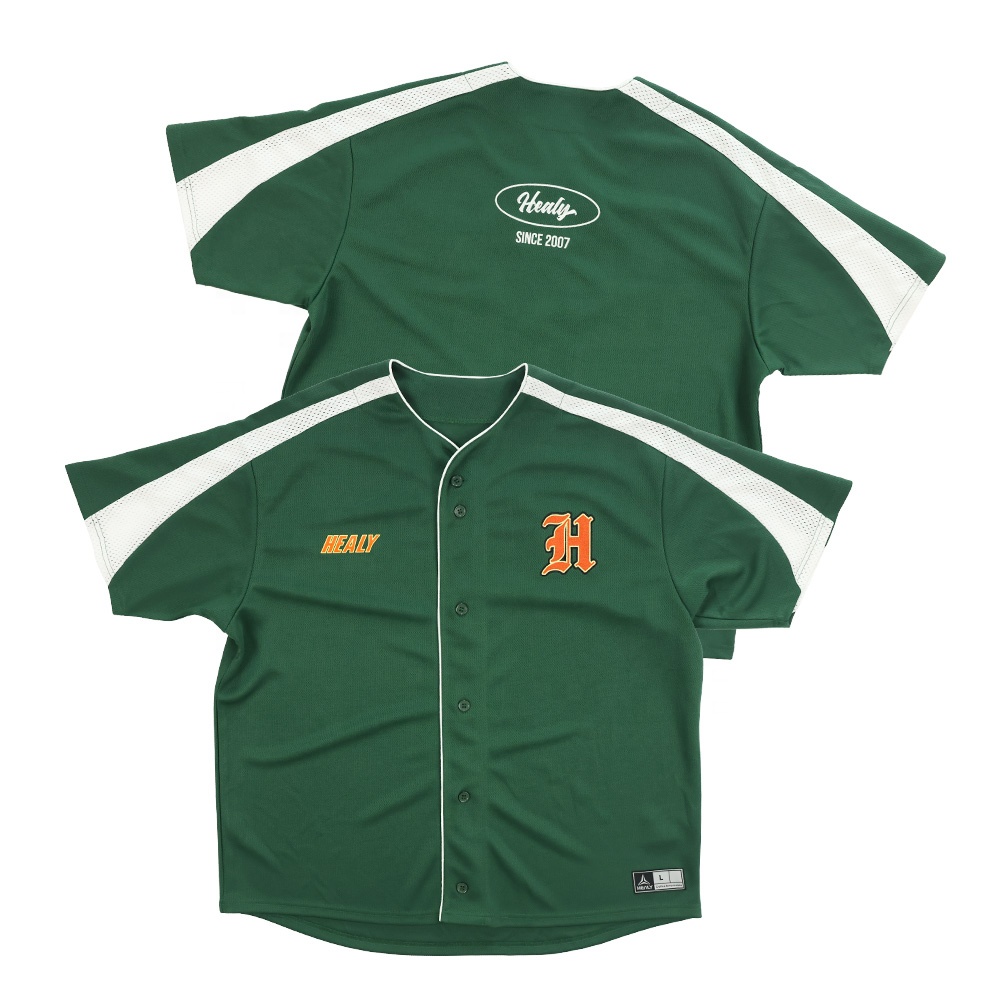
Custom Baseball Jerseys with Tackle Twill
Custom baseball jerseys manufactured with full in-house decoration — tackle twill numbers and names, embroidered logos, screen-printed lettering or full-dye sublimation. Polyester tricot, mesh or sublimation fabrics. OEM, ODM and private label supported. MOQ from 100 pieces per style and colorway.
Get a Quote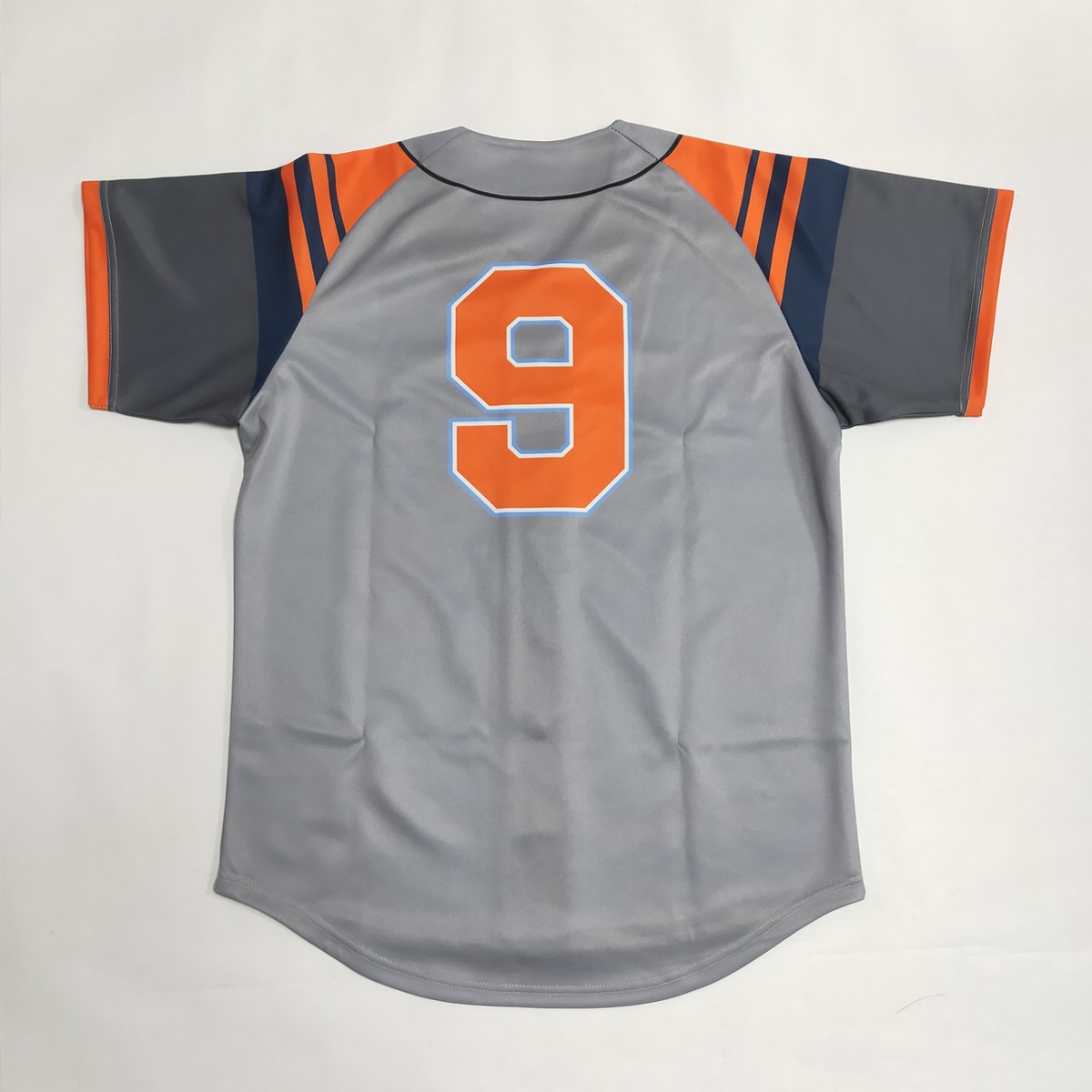
Custom Baseball Jersey
Fully customizable baseball jerseys built for teams, schools, clubs and apparel brands. Choose fabric, fit, decoration method and trim details. In-house cut-and-sew plus embroidery, tackle twill, sublimation and screen print. Artwork development, sampling and quality control included in every order.
Get a Quote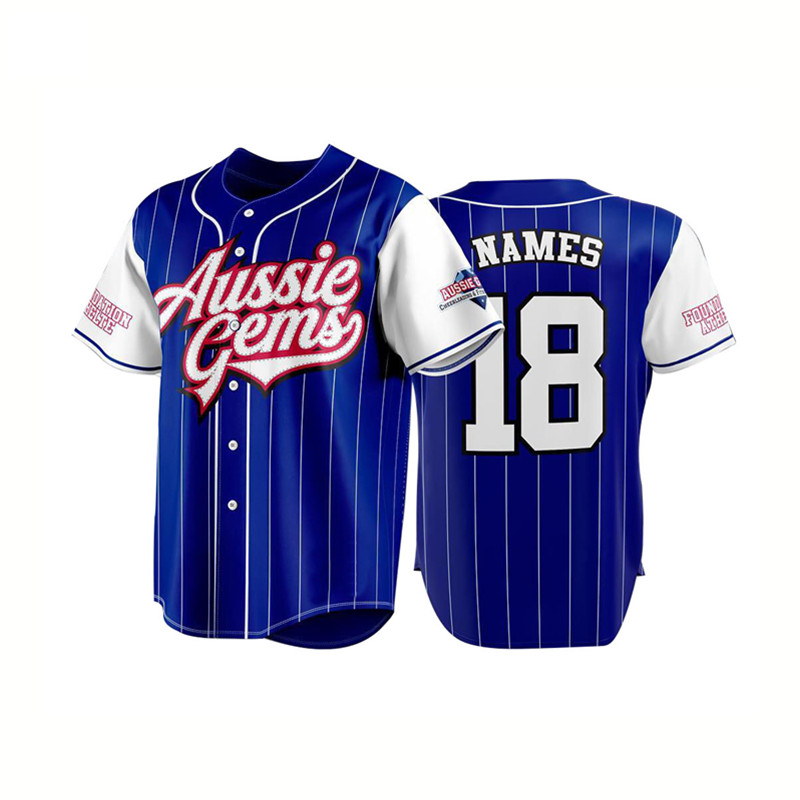
Performance Baseball Jersey Shirts
Baseball jersey shirts with custom tackle twill numbers, embroidered team logos, screen-printed lettering or sublimated graphics. Mesh, tricot or performance poly fabrics. Full design and decoration support from concept to bulk production. Low MOQ, fast sampling, consistent re-order quality for growing brands.
Get a Quote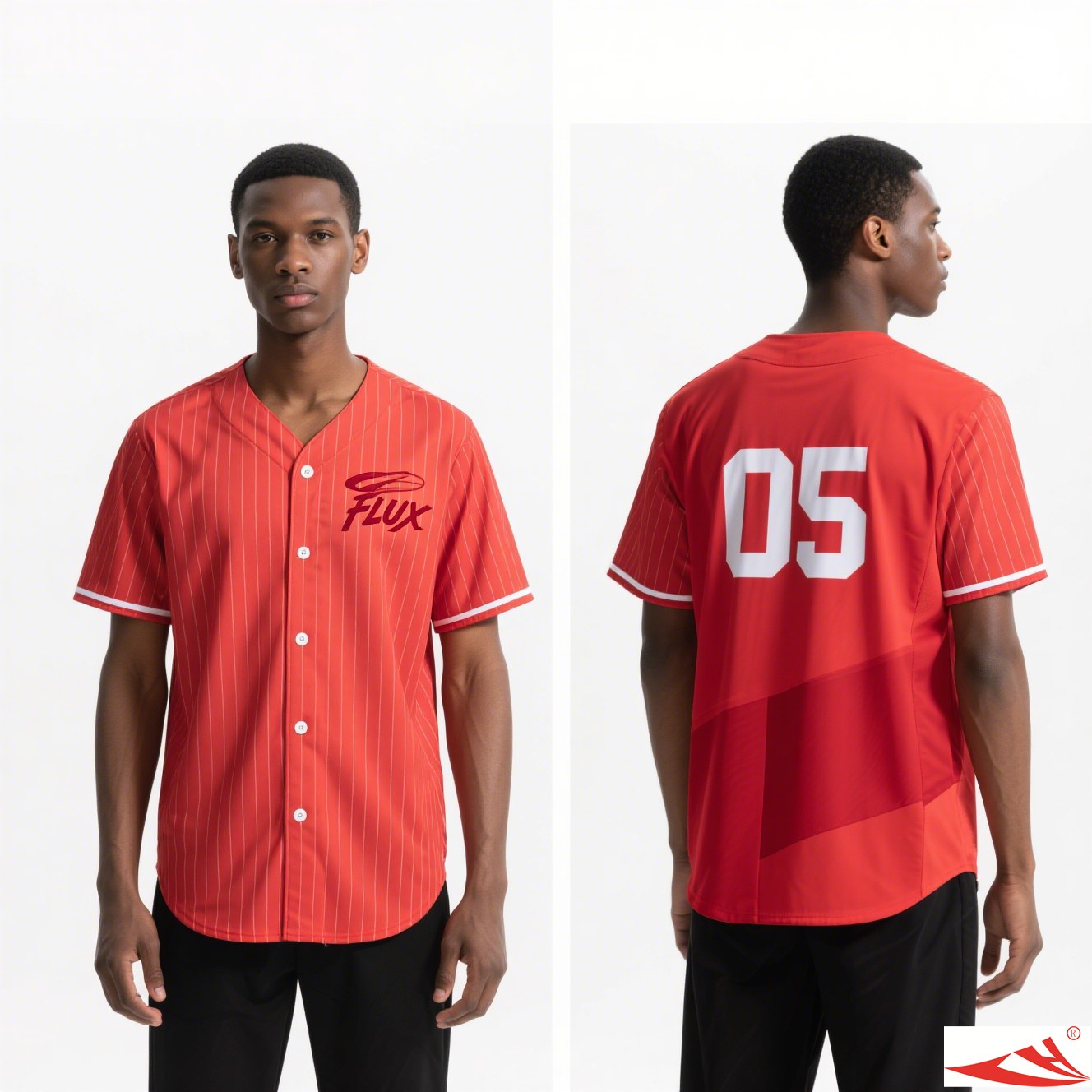
Tackle Twill Lettering
Tackle twill lettering service for varsity jackets, baseball jerseys, basketball uniforms and team apparel. Single-color or multi-layer construction with satin-edge stitching. Custom fonts, arched layouts and number/name combinations. Digitizing, proofing and strike-off samples provided before bulk decoration begins.
Get a Quote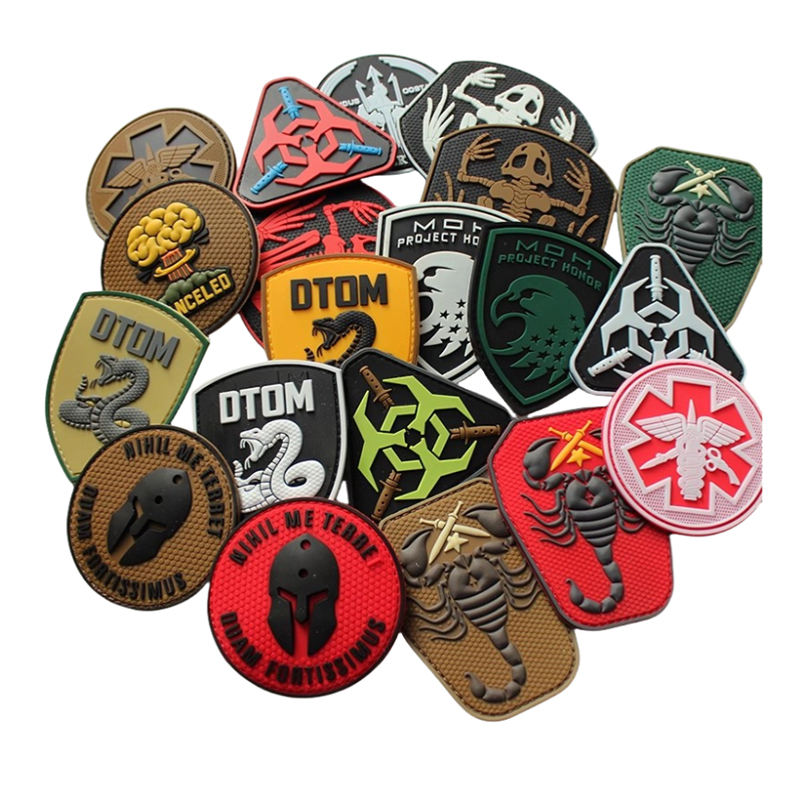
Custom Number Patches
Custom number patches sewn with tackle twill, chenille or embroidered detail for varsity jackets, team jerseys and caps. Single or layered construction, any size or font. Supplied as finished patches or applied directly to garments during production. Artwork digitizing and decoration proofs included.
Get a Quote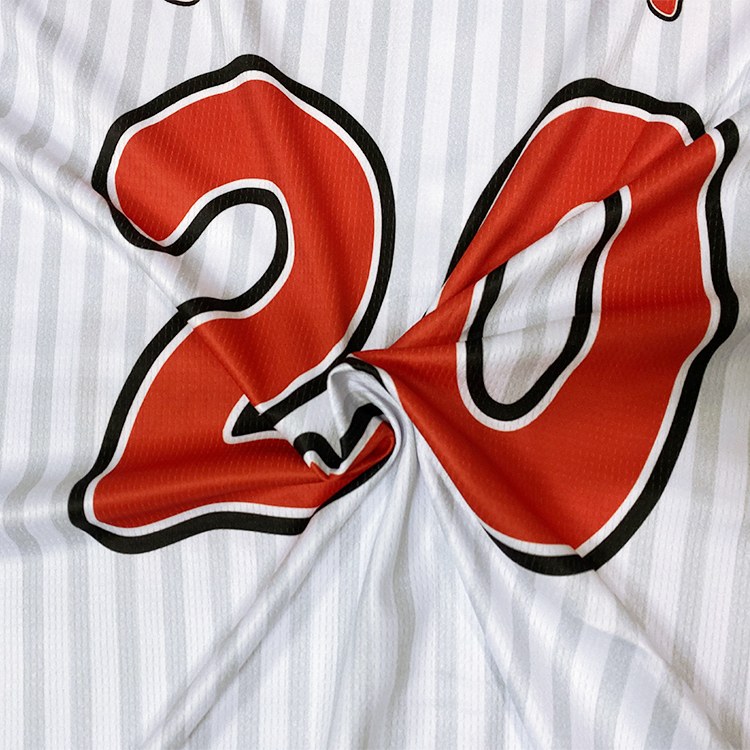
Tackle Twill Logos
Tackle twill logos for team apparel, varsity jackets, jerseys and uniforms. Multi-color, multi-layer construction with precise satin stitch borders. Ideal for school crests, club emblems and branded team graphics requiring durability and clean edges. Full digitizing, layout and strike-off support provided.
Get a Quote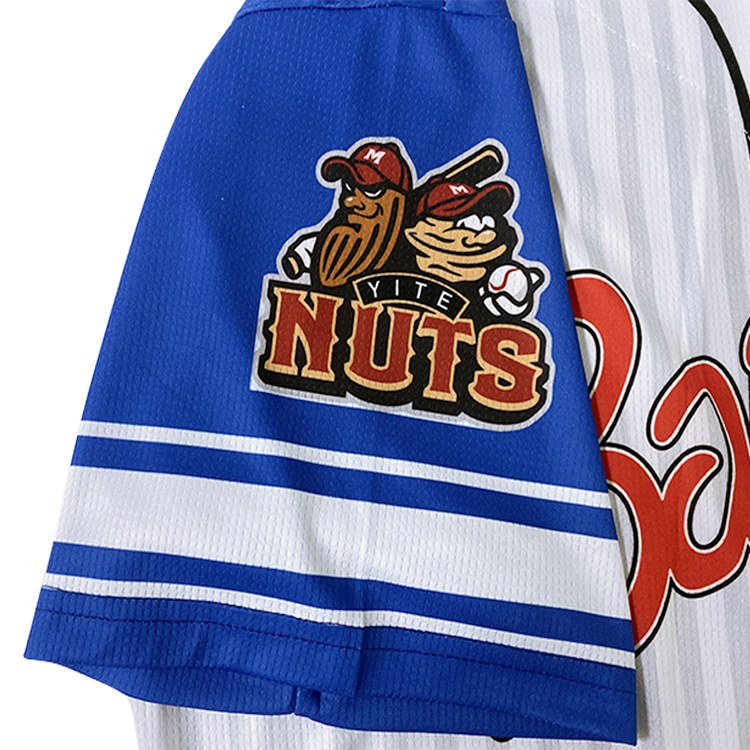
Layered Twill Appliques
Layered twill appliqués combining multiple fabric colors and stitch details for varsity jackets, jerseys and team uniforms. Two, three or more layers with satin borders and optional embroidery accents. Custom shapes, logos and lettering. Digitized from artwork or reference images, with proofs before bulk production.
Get a Quote28+ Years Crafting Tackle Twill Numbers
Founded in 1998 in Dongguan, China, SELMOND has specialized in authentic varsity jacket and team apparel manufacturing for over 28 years. From the beginning, we built our reputation on decoration craftsmanship — particularly tackle twill numbers, chenille lettering and embroidery — because that’s what makes team apparel look and perform like the real thing.
Today SELMOND operates a full in-house decoration floor with dedicated tackle twill stations, embroidery machines, chenille equipment and sublimation lines. Our team of more than 200 skilled employees produces over 80,000 pieces monthly for sports teams, schools, custom apparel brands, screen printers and wholesalers across the United States, Canada, Europe, Australia and beyond.
Unlike factories that outsource decoration, SELMOND controls every step — from fabric sourcing and pattern making through cut-and-sew, tackle twill application, quality control and export logistics. We support OEM, ODM and private label production with MOQ from just 100 pieces per style, enabling brands to launch with lower risk and faster turnarounds while maintaining varsity-grade quality.
Tackle Twill Numbers: Stitching, Layering & Durability
Precision Satin-Edge Stitching for Clean Borders
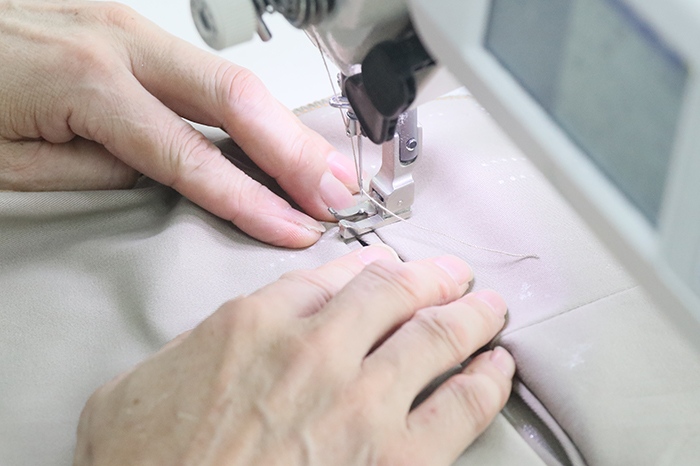
Every tackle twill number features tight satin-stitch edging that locks the twill fabric in place and prevents fraying. SELMOND’s embroidery operators run dense zigzag patterns at 4–5 mm width, ensuring smooth, uniform borders that hold their shape through hundreds of washes without lifting or puckering.
- Satin stitch density calibrated to twill weight and stretch
- Edge width held to ±0.3 mm tolerance across full number height
- Pre-production strike-offs verify thread tension and stitch coverage
- Operators trained in cap, jersey and jacket fabric handling
Single, Double & Triple Layer Construction
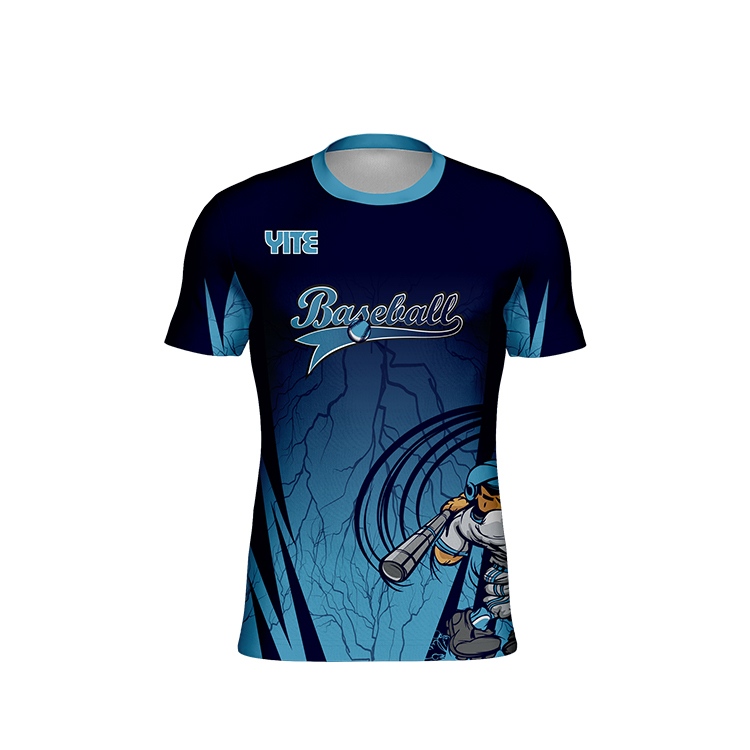
Tackle twill numbers can be built in one, two or three stacked layers to match league standards, brand aesthetics or budget. Single-layer offers clean simplicity; double and triple add depth, shadow effects and premium visual weight — all cut, aligned and stitched in-house with registration held to under 1 mm.
- Single layer: lightweight, fast turnaround, ideal for caps and practice jerseys
- Double layer: contrasting border or shadow for classic varsity look
- Triple layer: maximum depth and dimension for flagship team uniforms
- All layers pre-fused or bonded to prevent shifting during stitching
Twill Fabric & Thread Quality Control
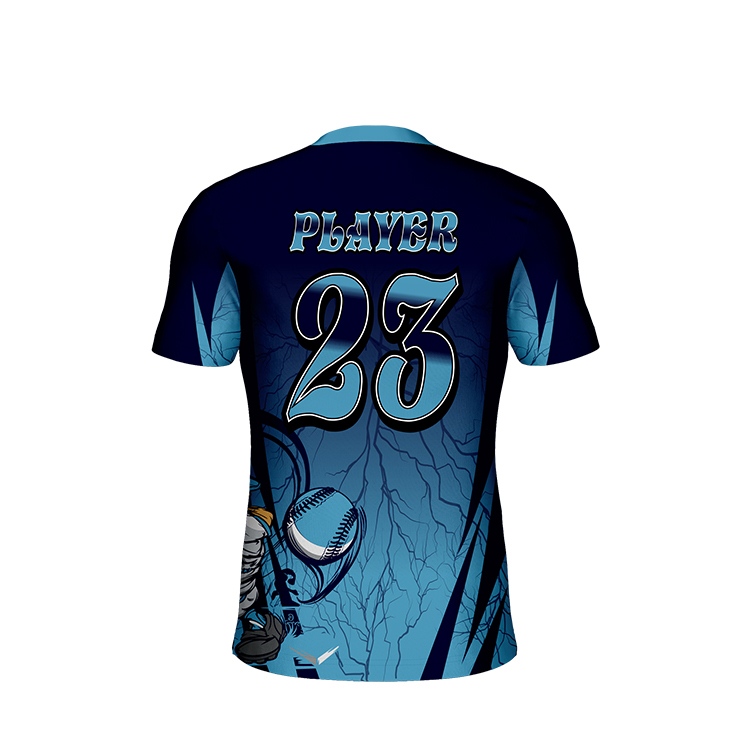
SELMOND sources 100% polyester and cotton-poly blend twill fabrics from certified Chinese mills, selected for tight weave, color fastness grade 4+ and minimal shrinkage. Embroidery thread is polyester or rayon, tested for UV resistance and colorfastness, ensuring tackle twill numbers stay vibrant season after season.
- Twill fabrics inspected for weave density, hand-feel and dye consistency
- Thread supplier audits include tensile strength and wash-cycle fade tests
- Incoming material batches logged and matched to production orders
- Strike-off samples run before every bulk order to confirm color match
Wash-Durability & Colorfastness Testing
Before any tackle twill numbers enter bulk production, SELMOND runs wash-durability cycles and colorfastness tests on sample garments. Numbers are subjected to 50+ industrial wash-and-dry cycles, inspected for edge integrity, color shift and adhesion failure, guaranteeing decoration that survives real-world team use.
- Samples washed at 40–60°C with detergent and tumble-dried
- Post-wash inspection for thread breakage, edge lift and fabric pilling
- Colorfastness graded per ISO 105 standards (grade 4 minimum)
- Test reports shared with clients on request before bulk sign-off
Tackle Twill Numbers vs. Chenille Letters
Both techniques deliver authentic varsity decoration, but tackle twill numbers and chenille letters serve different design needs. Here’s how they compare across fabric compatibility, durability, layering and production requirements.
← 左右滑动查看 →
How We Produce Tackle Twill Numbers
Every tackle twill number goes through six precision steps — from artwork digitizing to final wash testing — ensuring clean satin edges, tight stitch alignment and durability that lasts season after season.
Artwork Approval & Digitizing
Client artwork is converted into cut files and stitch paths. Font, size, layer order and thread colors are confirmed before any fabric is touched, eliminating rework and ensuring brand consistency.
Twill Fabric Cutting
Approved designs are laser- or die-cut from premium twill fabric. Each number is cut with precise seam allowance to prevent fraying and ensure clean satin-stitch coverage during finishing.
Satin-Edge Stitching & Layering
Cut twill pieces are stitched with tight satin borders using programmable embroidery heads. Stitch tension, density and edge alignment are monitored in real time to maintain uniform appearance across all numbers.
Multi-Layer Assembly
For double- or triple-layer tackle twill numbers, contrast twill pieces are stacked and stitched in sequence. Layer registration is checked at each stage to prevent shifting and ensure crisp outlines.
Quality Inspection & Trimming
Finished tackle twill numbers are inspected for thread tension, edge smoothness, color match and dimensional accuracy. Loose threads are trimmed, and any piece outside tolerance is remade before application.
Garment Application & Wash Test
Numbers are positioned, pinned and stitched onto varsity jackets or jerseys. Sample garments undergo industrial wash cycles to verify stitch integrity, color fastness and edge durability before bulk production begins.
How to Order Custom Tackle Twill Numbers
From artwork submission to bulk production, SELMOND guides you through every step of commissioning tackle twill numbers for your team apparel — with 100-piece MOQ, in-house proofing and decoration strike-offs before any production begins.
Submit Your Artwork & Specs
Send your logo, team name, player numbers and garment tech pack. SELMOND’s design team will digitize your artwork, recommend tackle twill layering and provide a full decoration proof within 24 hours.
Approve Decoration Strike-Offs
Review physical strike-off samples showing actual tackle twill fabric, thread color, satin stitch edges and layer alignment. Request adjustments to font, size, color or stitch density before bulk production.
Confirm Sample Garment
Receive a complete sample jersey or jacket with tackle twill numbers applied in final placement. Check fit, decoration quality and wash durability before approving your 100-piece minimum order quantity.
Begin Bulk Production
SELMOND cuts twill fabric, applies satin-stitch borders and stitches all tackle twill numbers in-house. In-line quality control inspects every garment for thread tension, alignment and color consistency throughout production.
Ship & Receive Your Order
Finished garments are packed, labeled and shipped via air or sea freight with full export documentation. Track your order from Dongguan to your warehouse and reorder anytime using saved patterns.
Customer Success with Tackle Twill Numbers
We ordered 250 varsity jackets with tackle twill numbers for our high school basketball team. Every digit came back sharp, flat and perfectly aligned. After 50+ washes, the satin edges still look brand new — exactly the authentic varsity look we wanted.
SELMOND’s tackle twill numbers helped us launch our first custom baseball jersey line on time and under budget. The color accuracy was spot-on across all 12 team colorways, and our retail partners loved the premium stitched finish compared to heat transfers.
As a screen printer, I needed a decoration partner who could handle tackle twill numbers at 100-piece minimums without sacrificing quality. SELMOND delivered consistent triple-layer lettering, fast turnaround, and artwork proofs that made every re-order seamless.
Tackle Twill Numbers: Frequently Asked Questions
What fabrics work best for tackle twill numbers?
What is the minimum order quantity for tackle twill numbers?
How many colors can tackle twill numbers include?
Can I combine tackle twill numbers with embroidery or chenille patches?
What is the maximum size for tackle twill numbers on a varsity jacket?
Do tackle twill numbers fade, peel or crack after washing?
What file format do you need for custom tackle twill numbers artwork?
What is the lead time for tackle twill numbers on varsity jackets?
Is there a sampling fee for tackle twill numbers, and is it refundable?
The Complete Buyer’s Guide to Tackle Twill Numbers for Custom Varsity Apparel
Navigate materials, construction quality, and supplier selection with confidence. This guide delivers a proven decision framework, manufacturer evaluation criteria, and the most common sourcing mistakes to avoid when ordering tackle twill numbers.
1. What Are Tackle Twill Numbers?
Tackle twill numbers are multi-layer fabric appliqué numerals cut from durable twill polyester or cotton-blend fabric and sewn or heat-pressed onto jerseys, varsity jackets, baseball uniforms and team apparel. Each number is precision-cut — by laser, die or CNC — then its edges are finished with tight zigzag or satin stitch (typically 3–5 mm wide) to prevent fraying and create the clean, raised border that defines the look.
The construction typically involves one to three fabric layers: a base color, optional shadow or outline layers, and a top number, all stacked and stitched through the garment in a single pass or sequentially. This method delivers a tactile, dimensional finish that screen printing and vinyl heat transfer cannot replicate.
Tackle twill numbers are preferred over printed or vinyl alternatives because the stitched edges and woven twill fabric withstand 50+ industrial wash cycles without cracking, peeling or fading. The result is a premium, athletic-grade appearance that signals quality to players, fans and retail buyers — exactly what you are purchasing when you spec tackle twill for your team apparel line.
2. The Evolution of Tackle Twill Numbers in Team Apparel
In the 1930s, American varsity letterman jackets featured heavyweight chenille letters and numbers — soft, looped fabric that sat proud but absorbed moisture and frayed under heavy wear. By the late 1950s, professional baseball and basketball teams demanded flatter, faster-drying decoration that could survive season-long abuse, driving the shift to twill appliqué with satin-stitch edges — the technique now known as tackle twill.
The 1980s brought heat-seal backing, replacing hand-basting and speeding production while improving wash durability. Digital cutting arrived in the early 2000s, enabling tighter tolerances, multi-layer stacks and repeatable edge quality that hand-cut templates could never match.
Today tackle twill numbers are the global standard for team identity across NCAA, professional leagues and club sports because they deliver crisp edges, vibrant color blocking and dimensional branding that holds through 50-plus industrial laundry cycles. Buyers expect clean satin borders, no puckering and edges that stay bonded — benchmarks rooted in nearly a century of athletic decoration evolution.
3. Types of Tackle Twill Numbers and Lettering Styles
Tackle twill numbers are available in multiple construction and style configurations, each suited to different garment types and aesthetic goals. Understanding these categories ensures you specify the right decoration for your product line.
Single-Layer vs. Multi-Layer Stacked Numbers
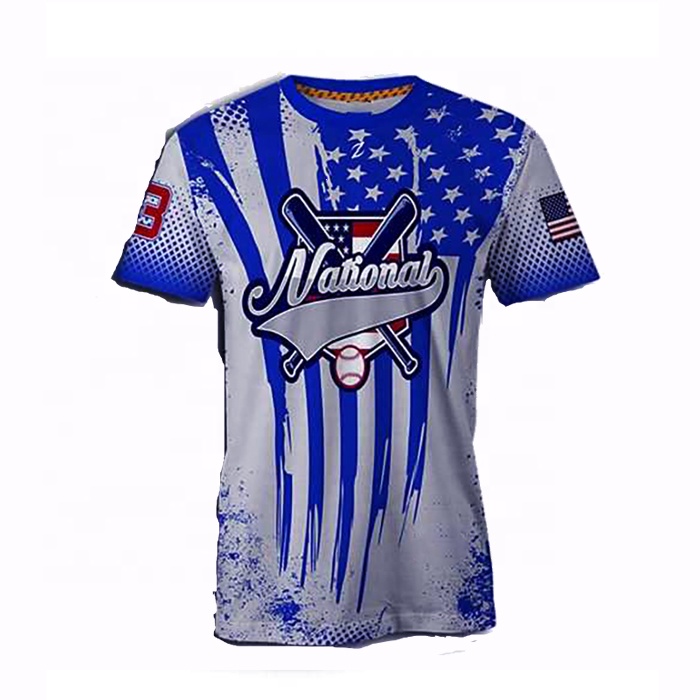
Single-layer tackle twill uses one fabric piece with satin-stitch borders, ideal for lightweight jerseys and fast-turnaround orders. Multi-layer (double or triple stack) adds contrasting color outlines, creating depth and visibility on varsity jackets and premium team uniforms.
SELMOND produces both configurations with tight registration between layers, ensuring clean edges and no puckering after repeated washes.
Flat Twill vs. Raised Chenille Borders
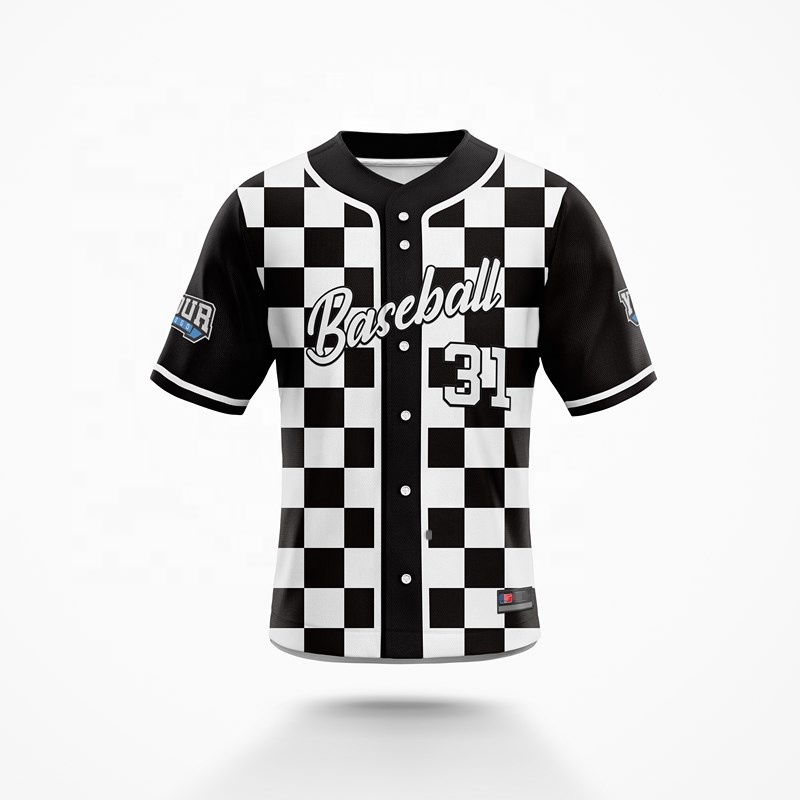
Flat tackle twill delivers a smooth, professional finish for basketball and baseball jerseys. Raised chenille borders combine twill fill with plush chenille outlines, adding texture and a classic varsity aesthetic to letterman jackets and retro designs.
Chenille-bordered numbers require specialized looping equipment and longer production cycles but command higher retail price points.
Font Styles and Size Ranges
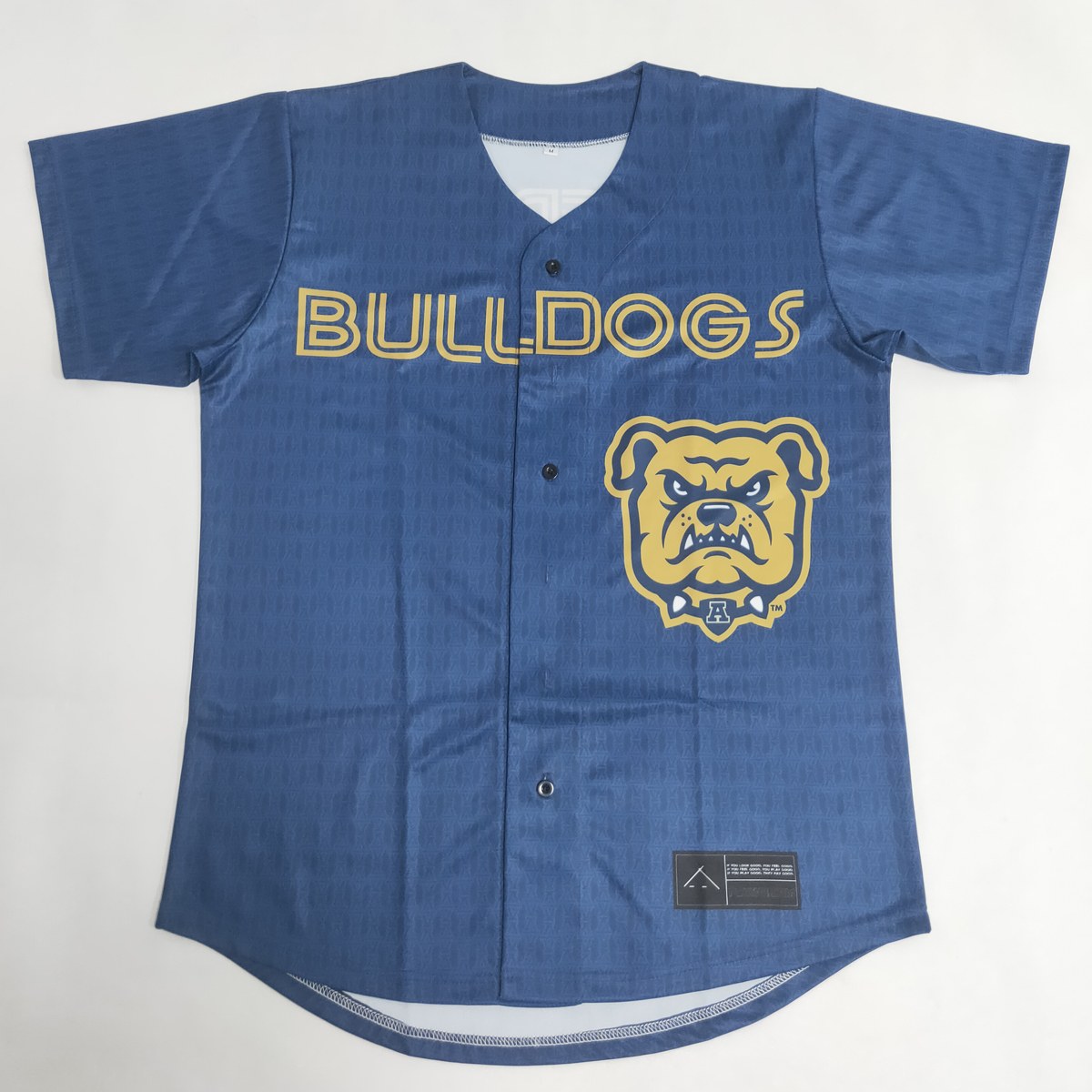
Block fonts (sans-serif) suit modern athletic jerseys; collegiate fonts with serifs fit traditional school uniforms; script styles work for vintage or fashion-forward collections. Youth sizes start at 4 inches, adult sizes range 8–10 inches, and oversized back numbers can reach 12 inches for basketball.
SELMOND digitizes custom fonts and maintains pattern libraries for repeat orders.
Tackle Twill with Embroidery Accents
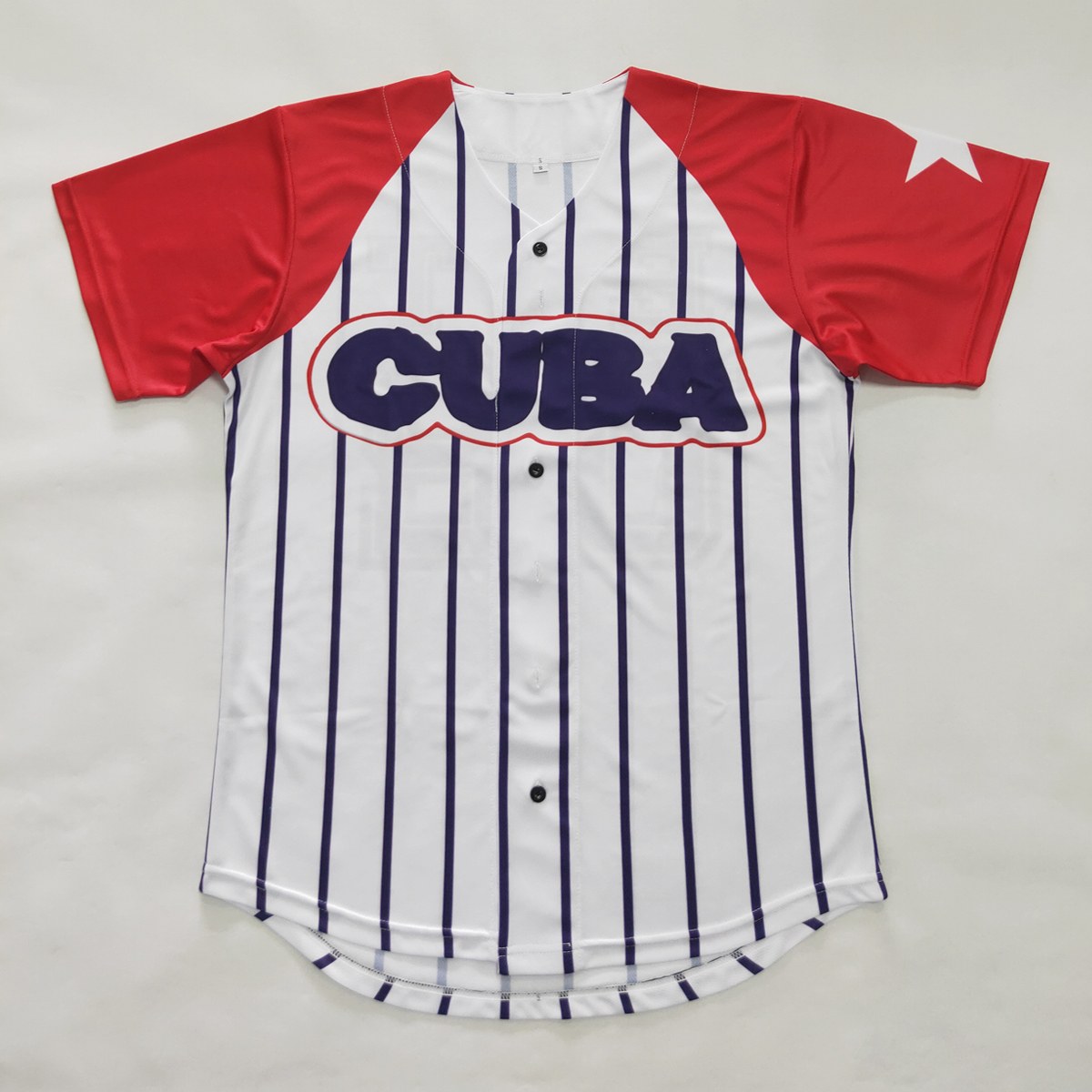
Hybrid decoration layers flat or 3D embroidery over twill numbers—team logos inside digits, gradient fills, or metallic thread highlights. This approach elevates premium varsity jackets and limited-edition team sets, combining the durability of twill with the detail of embroidery.
4. Materials and Fabrics Used in Tackle Twill Numbers
Tackle twill numbers are built from three fabric families — 100% polyester twill, cotton twill, and poly-cotton blends — each paired with heat-seal, peel-and-stick or sew-only backing. Fabric weight typically ranges from 3 to 5 oz per square yard, with weave density and colorfastness standards determining how numbers hold up under commercial laundering and UV exposure.
| Fabric Type | Weight (oz/yd²) | Durability (cycles) | Typical Use |
|---|---|---|---|
| 100% Polyester Twill | 3–5 | 50+ | Pro & college jerseys, high-volume team orders |
| Cotton Twill | 4–5 | 20–30 | Vintage varsity jackets, heritage collections |
| Poly-Cotton Blend (65/35) | 3.5–4.5 | 35–40 | School uniforms, mid-tier retail apparel |
Core Twill Fabric Types
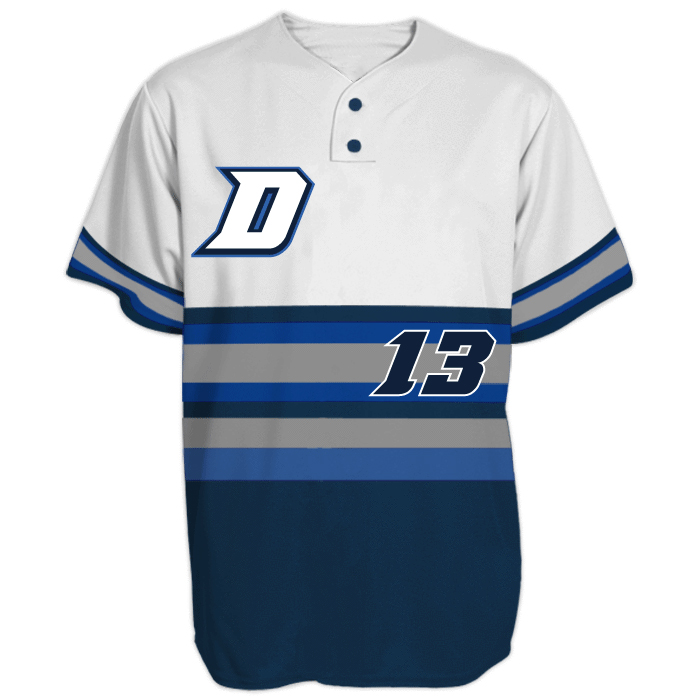
100% polyester twill dominates team apparel because it resists shrinkage, holds dye better than cotton, and costs less per yard. Cotton twill delivers a softer hand and vintage aesthetic but fades faster and requires pre-shrinking. Poly-cotton blends — usually 65/35 — split the difference, offering moderate stretch recovery and a mid-range price point.
Backing Technologies and Application
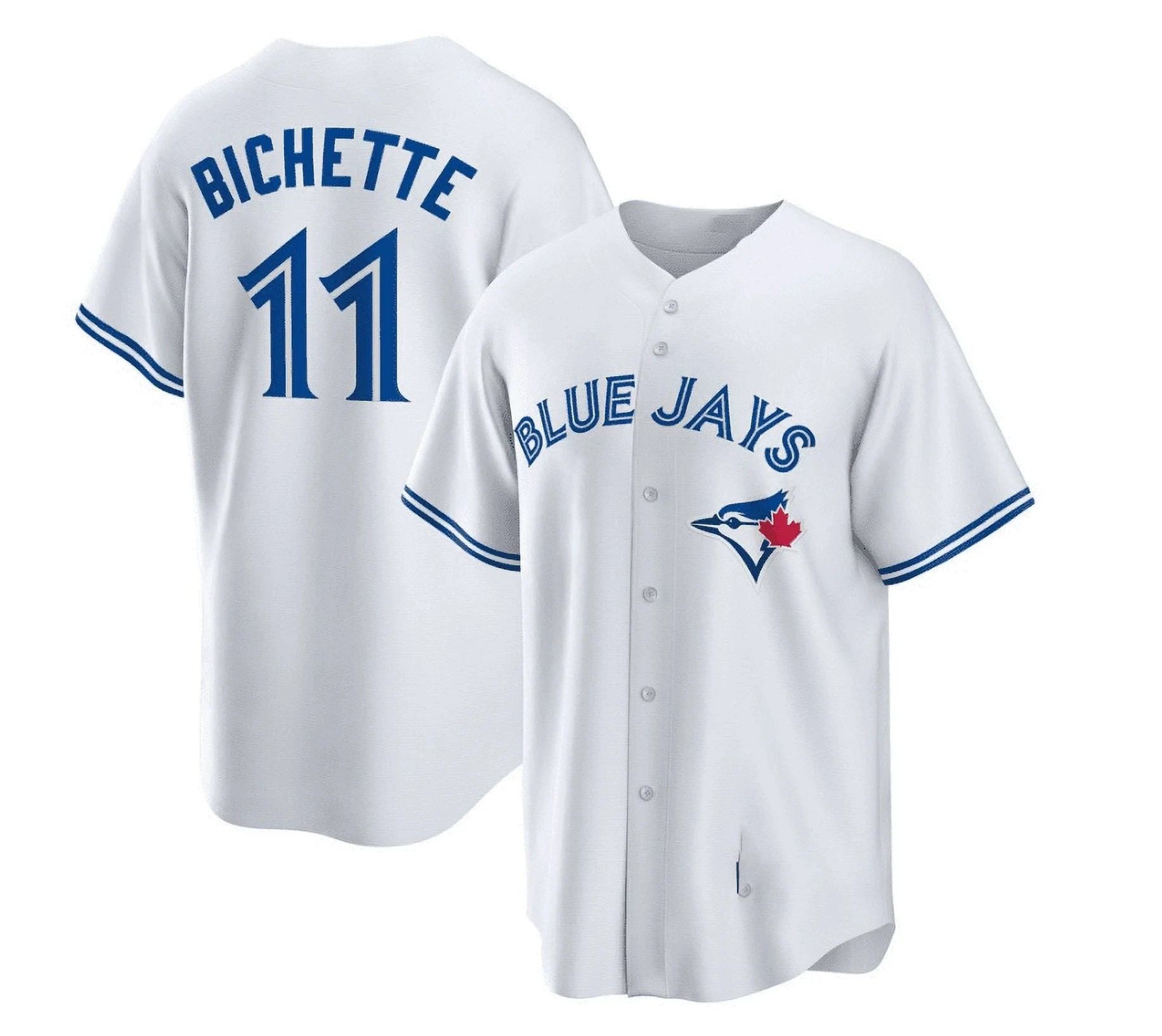
Heat-seal film backing uses a thermoplastic adhesive activated at 300–320°F, bonding numbers to the garment before stitching. Peel-and-stick adhesive simplifies positioning but requires immediate stitching to prevent lift. Sew-only backing skips adhesive entirely, demanding precise registration and longer machine time but yielding the cleanest wash durability.
Durability and Wash Performance
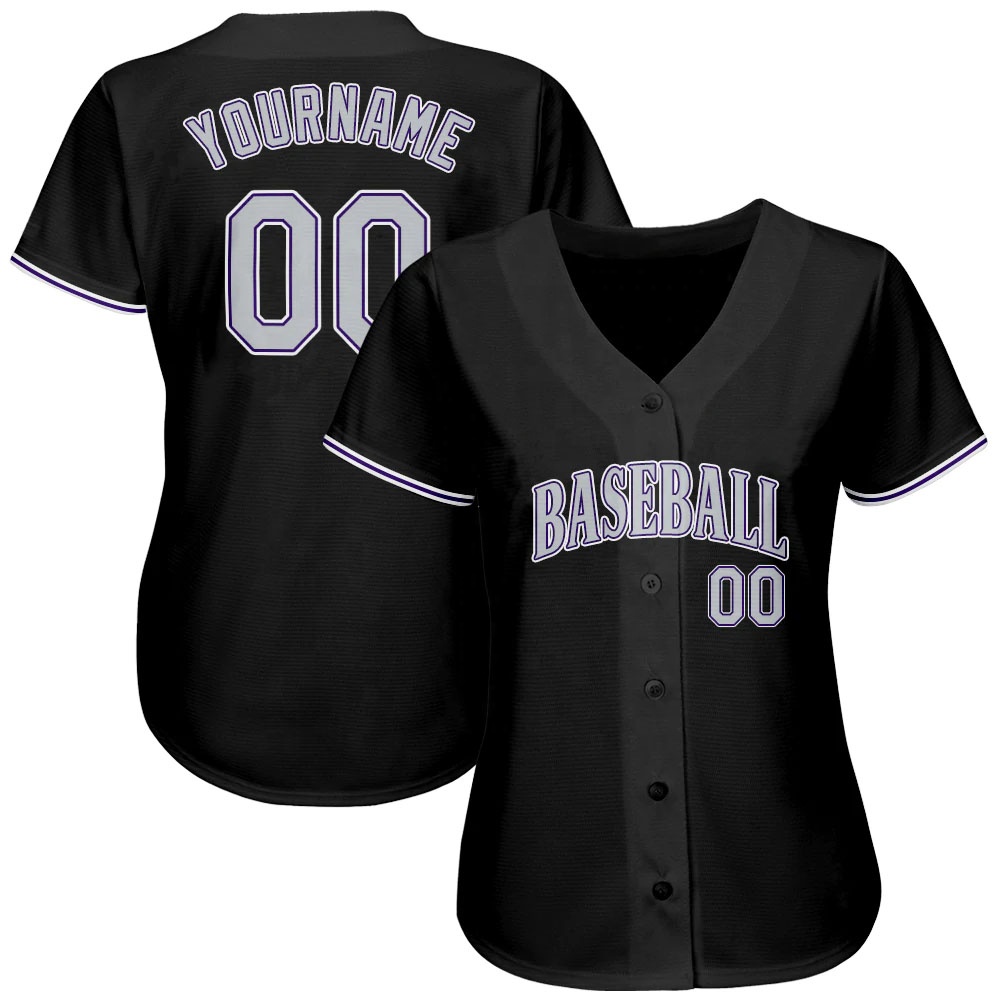
Polyester twill withstands 50+ industrial wash cycles at 160°F without edge fray when satin-stitched at 10–12 stitches per inch. Cotton twill softens after 20 cycles but may pucker if the base garment shrinks. Heat-seal backing adds peel resistance during the first 10 washes; after that, the satin stitch carries the load.
5. Customization Options for Tackle Twill Numbers
Tackle twill numbers ship in hundreds of color, font, edge-finish and layering combinations. Factories that control in-house decoration — SELMOND runs dedicated tackle-twill stations alongside embroidery, chenille and sublimation — match PMS codes, accept vector artwork and apply multi-layer shadow effects without outsourcing delays or quality drift.
| Technique | Setup Cost | Visual Impact | Durability |
|---|---|---|---|
| Single-layer satin edge | Low | Clean, classic | Excellent |
| Double-layer shadow | Medium | Bold, dimensional | Excellent |
| Metallic thread border | Medium | Premium shine | Good |
| Reflective twill insert | High | Safety, standout | Very good |
Color Matching and Team Palette Precision
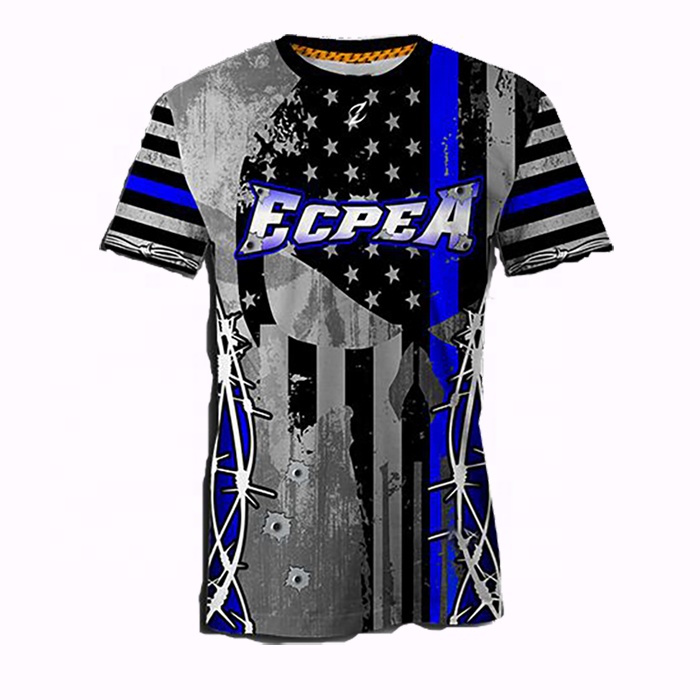
PMS-matched twill fabrics ensure jersey numbers align with official team colors across seasons and re-orders. Most manufacturers stock 30–50 twill shades; custom dye-lots start around 500 yards but lock exact hues for multi-year programs.
Vector artwork (AI, EPS, PDF with outlines) preserves stroke width and corner radius through digitizing. Minimum stroke width of 3 mm prevents fraying on small sizes; thinner lines require embroidered detail instead of cut twill.
Border Treatments and Edge Finishing
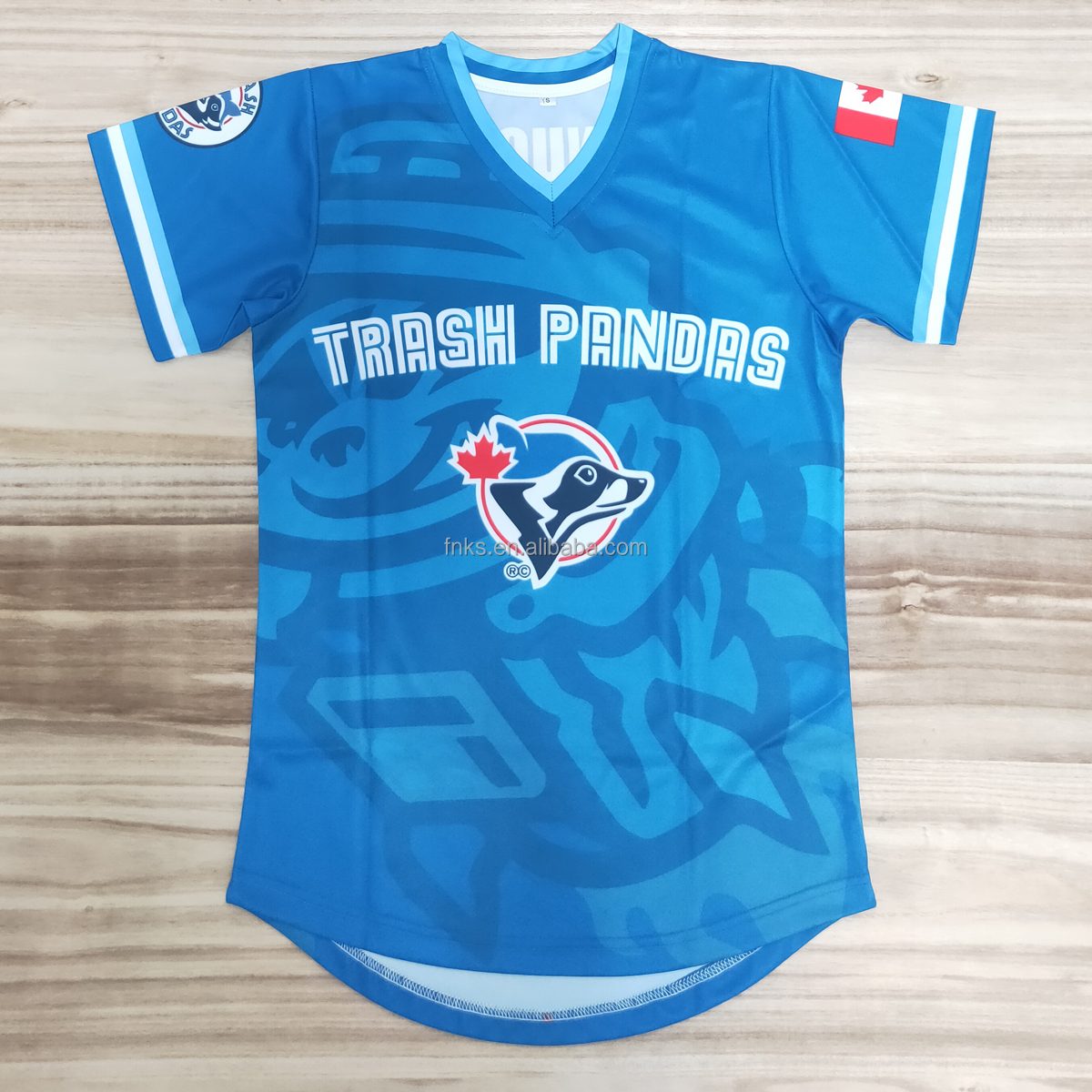
Satin-stitch borders (3–5 mm zigzag) deliver the classic varsity look and seal cut edges against wash wear. Merrowed edge — a rolled overlock — suits lightweight performance jerseys. Chain-stitch outlines add vintage texture but require skilled operators to avoid puckering on stretch fabrics.
Layering, Shadow Numbers and Add-Ons
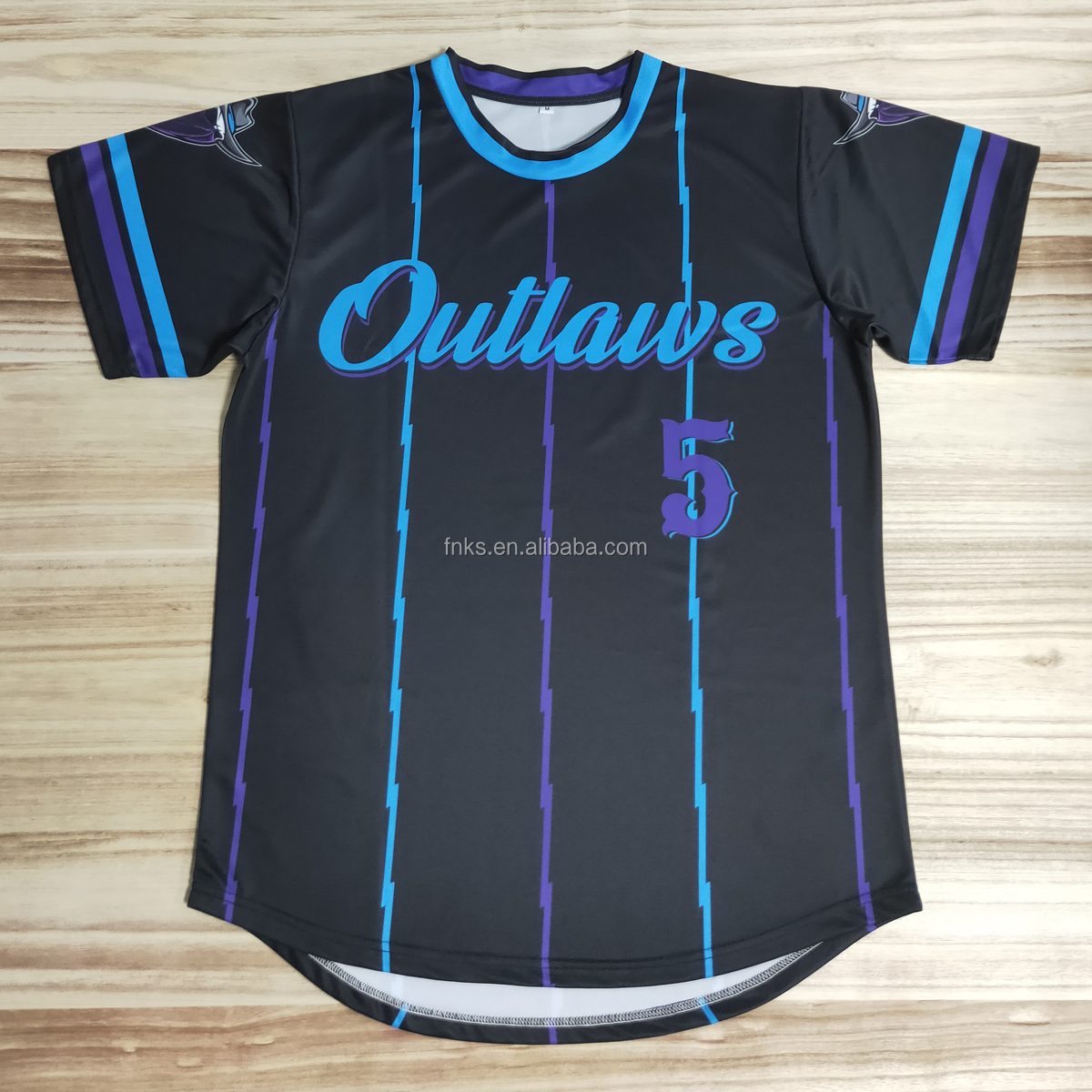
Double-layer shadow numbers stack contrasting twill with 2–4 mm offset; triple-layer adds an outline color. Each layer increases setup time and per-piece cost by roughly 20–30 percent.
Metallic thread borders, reflective twill inserts and small embroidered logos inside numbers elevate retail appeal. SELMOND digitizes layered artwork in-house, provides strike-off samples and keeps decoration files on record for fast re-orders.
6. Key Quality Indicators for Tackle Twill Numbers
Quality inspection separates production-ready tackle twill numbers from samples that will fray, fade or delaminate after a few washes. Every sample should pass measurable benchmarks for stitch density, edge integrity, layer registration and adhesion before any bulk order.
Stitch Density and Edge Finish
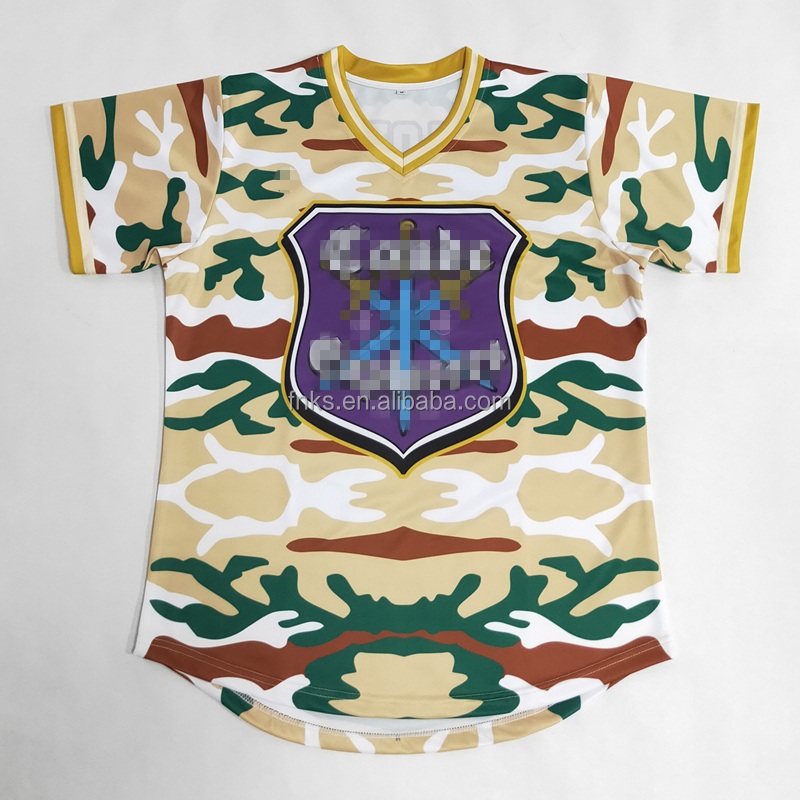
Satin-stitch borders should run at least 5–6 stitches per millimeter (approximately 125–150 stitches per inch) to lock the cut edge and prevent fraying. Lower density leaves gaps where twill fabric can unravel under abrasion.
Laser-cut edges produce a sealed, slightly melted finish on synthetic twill; die-cut edges rely entirely on the satin stitch for stability. Laser-cut is faster and cleaner for polyester twill, while die-cut works for both cotton and polyester but demands tighter stitching.
Layer Alignment and Registration
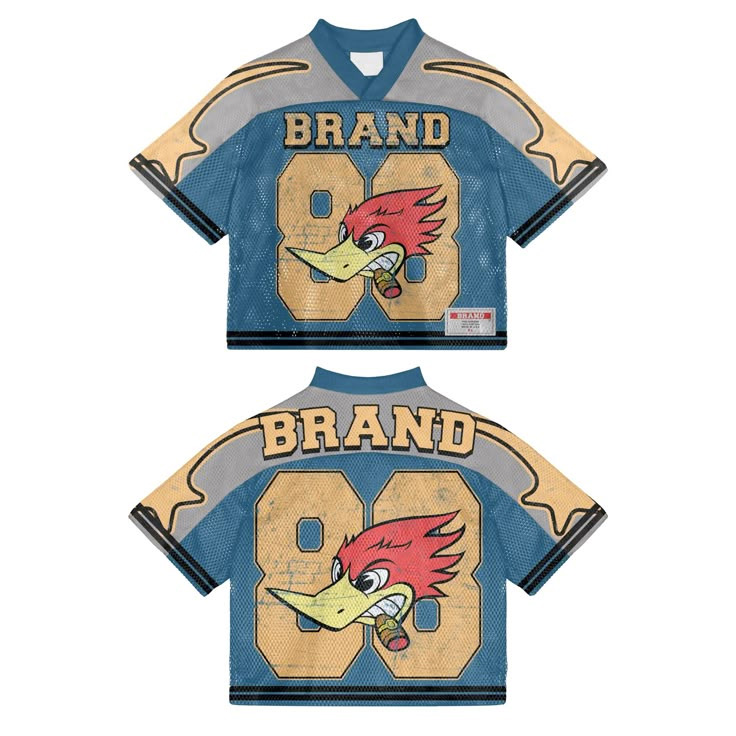
Multi-layer tackle twill numbers — double or triple stacks — must align within 1 mm across all layers. Misalignment creates shadow lines and looks amateur. Check corners, curves and serifs where offset is most visible.
SELMOND pre-digitizes multi-layer artwork with registration marks and runs strike-offs to verify alignment before bulk production, ensuring every jersey number sits flat and clean.
Backing Adhesion and Wash Durability
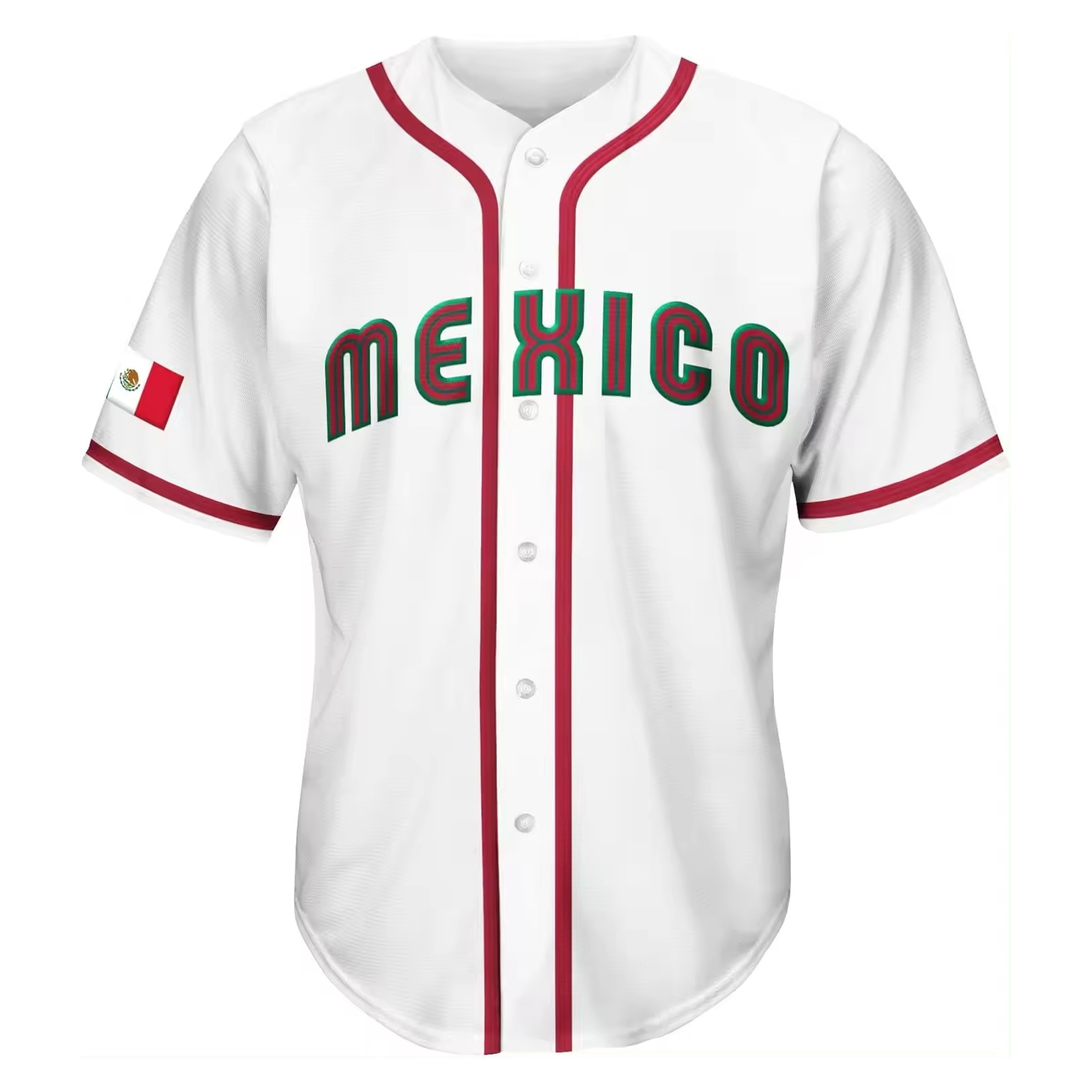
Heat-activated adhesive backing should bond firmly without stiffness or residue bleed-through. Peel a corner after cooling; quality adhesive resists lift and leaves no tacky film on the base fabric.
Request wash-test reports: tackle twill numbers should survive 30+ industrial washes at 60°C without edge fray, color fade beyond grade 4 on the gray scale, or delamination. Colorfastness to water, perspiration and crocking are non-negotiable for team uniforms.
7. How to Choose a Tackle Twill Numbers Manufacturer
Selecting the right tackle twill numbers manufacturer determines product quality, order flexibility and long-term scalability. Evaluating MOQ thresholds, lead times, sampling policies, artwork support and quality certifications ensures your partner can grow with your brand.
Minimum Order Quantities and Negotiation
Most tackle twill numbers manufacturers require 100–500 pieces per style or colorway. SELMOND starts at 100 pieces, enabling brands to test designs, reduce inventory risk and launch capsule collections without excess stock.
Negotiate MOQ flexibility by consolidating multiple styles into a single production run or committing to repeat orders. Long-term partners often unlock lower minimums and reduced deposit terms over time.
Lead Times and Turnaround Expectations
Standard production runs for tackle twill numbers range from 2–4 weeks after artwork approval and deposit. Rush orders may incur surcharges but can compress timelines to 10–14 days.
Confirm whether the factory holds your patterns, artwork files and trim records on file — repeat orders ship faster when setup is already complete.
Sampling Policy and Artwork Support
Request decoration strike-offs and sample garments before bulk production. SELMOND provides artwork proofs, logo digitizing, letter layouts and full size-set grading for clients at any starting point — tech pack, sketch or concept.
Ensure your manufacturer offers revision rounds and physical samples, not just digital mockups, to validate stitch density, satin-edge finish and color matching.
Quality Certifications and Long-Term Partnership
Look for ISO 9001, OEKO-TEX or WRAP certifications that verify process control and fabric safety. Domestic suppliers offer faster shipping but higher unit costs; overseas factories like SELMOND deliver lower pricing, scalable capacity and full decoration in-house.
Evaluate communication responsiveness, payment-term flexibility (T/T, PayPal, USDT) and whether the partner invests in your brand’s growth through design support and MOQ adjustments as volume increases.
8. Common Mistakes When Sourcing Tackle Twill Numbers
Sourcing tackle twill numbers for the first time often reveals hidden costs when shortcuts are taken. A $2 per-garment saving at order can turn into $15 per-unit rework when stitching fails wash testing or artwork renders illegibly.
Choosing Price Over Stitch Quality
Factories quoting 30–40% below market often skip zigzag-edge reinforcement or use single-pass stitching that frays within five washes. Return rates above 8% erase any unit-cost advantage.
SELMOND applies double-needle satin stitch on every tackle twill number edge, adding 12 seconds per digit but eliminating edge curl and thread breakage across 50+ commercial laundry cycles.
Submitting Low-Resolution Artwork
Vector files below 300 DPI or raster JPEGs produce jagged number outlines that require manual redraw, adding 2–3 days to sampling and risking shape errors.
Request AI, EPS or high-resolution PDF artwork from your designer. SELMOND digitizes and returns a decoration proof within 24 hours when vector files are supplied at inquiry.
Skipping Sample Approval
Proceeding to bulk production without a physical strike-off hides color mismatches, incorrect layer sequence and sizing errors until 500 jerseys arrive.
Always approve a decorated sample garment. SELMOND ships samples with full tackle twill numbers applied, so thread tension, color match and wash durability are verified before any bulk cut begins.
9. Step-by-Step: Launching Your Brand with Tackle Twill Numbers
Launching a custom team apparel line with tackle twill numbers follows a structured nine-step process, from inquiry through global logistics. SELMOND’s workflow — built for first-time brands and repeat partners alike — keeps patterns, artwork files and trims on record, shortening re-order cycles and ensuring consistency across seasons.
Define Your Product Line and Number Specifications
Start by selecting garment categories: baseball jerseys, varsity jackets, or caps. Specify tackle twill number height (typically 8–12 inches for jerseys, 4–6 inches for jackets), layer count (single, double or triple), thread type (rayon or polyester), and edge finish (satin zigzag or straight lock). Include font style, color palette and placement (front chest, back, sleeves) in your initial brief.
MOQ begins at 100 pieces per style and color, allowing capsule launches and inventory testing. Provide size-set breakdowns (S–3XL ratios) and any special requests — gradient fills, metallic thread, or contrast binding — at this stage to receive accurate quotes.
- Garment type: jersey, jacket, cap
- Number height and layer count
- Thread type and edge finish
- Font, color, placement specs
- Size-set ratios and MOQ
Submit Artwork and Request Tech Pack Development
Send vector artwork (AI, EPS, PDF) or reference images; SELMOND’s design team digitizes logos, grades number sets across all sizes, and builds production-ready tech packs. Artwork proofs show exact stitch paths, thread colors (matched to Pantone or physical swatches), and layer sequencing.
First-time clients receive detailed decoration strike-offs — physical samples of the tackle twill number on the chosen fabric — before any bulk commitment. Turnaround for artwork proofs is 1–2 business days; strike-off samples ship within 5–7 days.
- Vector files or high-res references
- Logo digitizing and number grading
- Pantone or swatch color matching
- Decoration strike-off samples in 5–7 days
Approve Samples and Place Your Production Order
Review the physical sample for stitch density, edge finish, color accuracy and fabric hand. Verify that number placement matches your tech pack and that all trims — ribbed cuffs, zippers, snaps — meet specification. Request revisions if needed; SELMOND adjusts artwork and re-strikes at no charge until approved.
Once signed off, confirm order quantity, size breakdown, delivery address and payment terms. First orders require 100% deposit via T/T, PayPal, credit card or USDT; repeat clients step down to 30–50% deposit, with balance due before shipment.
- Inspect stitch density and edge finish
- Verify number placement and trims
- Request revisions at no charge
- Confirm quantity, sizes, payment terms
Track Production and Conduct Pre-Shipment Inspection
Bulk production runs 25–35 days for orders under 500 pieces, 35–45 days for 500–2,000 pieces. SELMOND performs in-line quality control at cutting, sewing, decoration and packing stages, checking thread tension, seam alignment and color consistency against approved samples.
Before shipment, request photos or arrange third-party inspection (SGS, Bureau Veritas). Verify that tackle twill numbers sit flat, edges are clean, and no thread tails or puckering appear. Final balance payment releases the shipment; records — patterns, artwork, trims specs — remain on file for fast re-orders.
- 25–35 days for <500 pcs, 35–45 for 500–2,000
- In-line QC at cutting, sewing, decoration, packing
- Pre-shipment photos or third-party inspection
- Patterns and artwork kept on file
10. Pricing and Cost Breakdown for Tackle Twill Numbers
Tackle twill numbers pricing follows a tier structure where per-unit costs drop as order volume increases, and setup fees are amortized across larger runs. A single-layer number at 100 pieces typically runs $2.50–$3.50 per unit with a $150–$200 one-time setup charge covering digitizing, pattern cutting and color matching; at 1,000 pieces the per-unit cost falls to $1.20–$1.80 while setup remains fixed.
Cost drivers include layer count (double-layer adds $0.80–$1.20 per number), custom Pantone matching ($50–$100 per color beyond stock twill), and rush production (15–25% premium for sub-14-day turnaround). Lead time stretches from 18–21 days at minimum order quantities to 25–30 days for complex multi-layer designs or orders above 2,000 pieces.
To calculate total landed cost, multiply (quantity × unit price), add setup fees, then add freight (typically $8–$15 per kilogram air, $450–$650 per cubic meter sea) and any applicable duties. SELMOND keeps artwork and cutting files on record, eliminating setup fees on repeat orders and reducing re-order lead times to 12–15 days.
| Order Quantity | Unit Cost per Number | Setup / Tooling Fee | Typical Lead Time |
|---|---|---|---|
| 100 pcs | $2.50 – $3.50 | $150 – $200 | 18 – 21 days |
| 250 pcs | $2.00 – $2.80 | $150 – $200 | 20 – 23 days |
| 500 pcs | $1.60 – $2.20 | $150 – $200 | 22 – 25 days |
| 1,000+ pcs | $1.20 – $1.80 | $150 – $200 | 25 – 30 days |
Get Your Custom Tackle Twill Numbers Quote Today
Submit your artwork or request a free strike-off sample. Our team will respond with pricing, decoration proofs, and next steps within 24 hours.