Tackle Twill Lettering for Varsity Jackets & Team Apparel
Durable, satin-stitched tackle twill lettering for custom varsity jackets, letterman jackets, baseball jerseys and team uniforms. In-house production, authentic varsity construction, and MOQ from just 100 pieces.
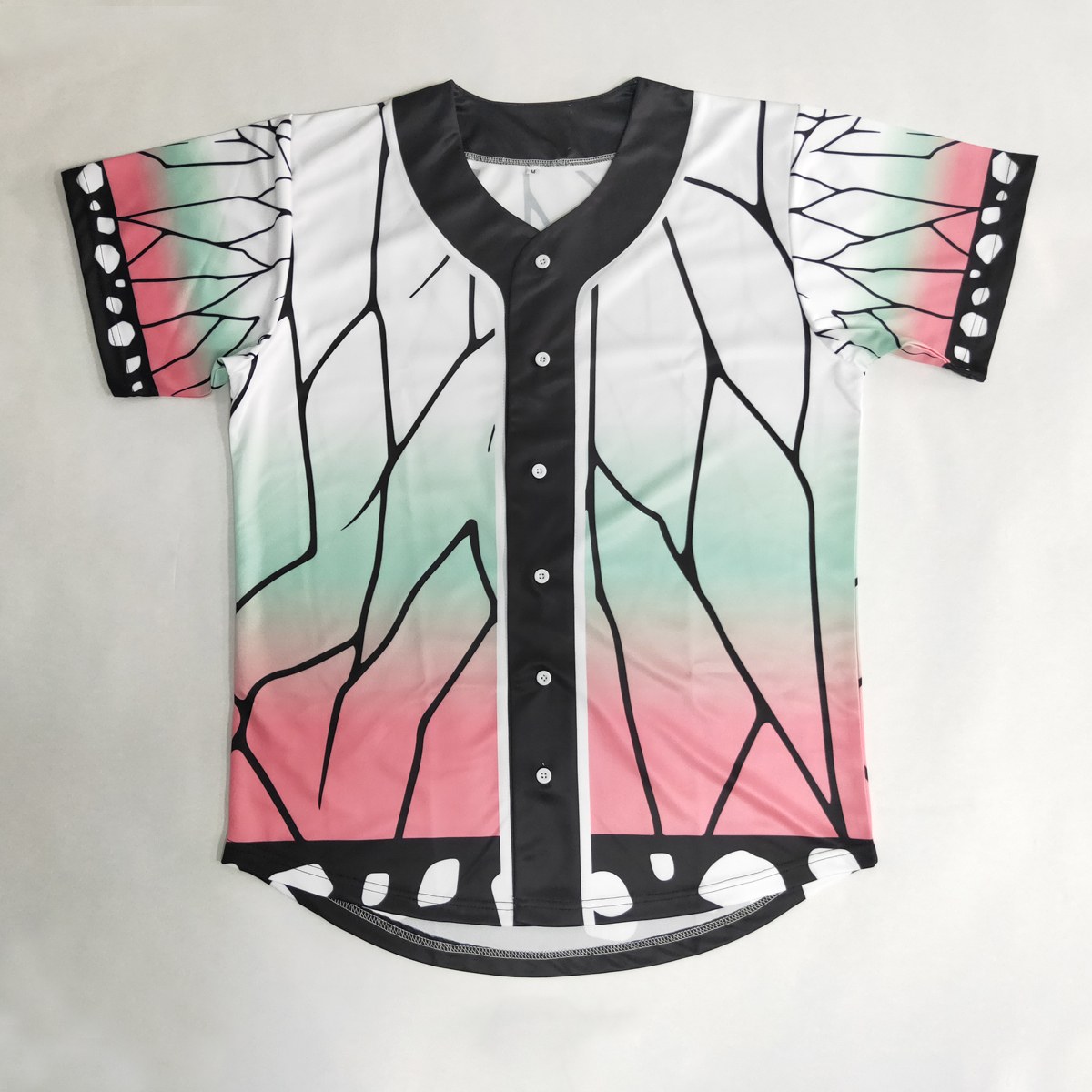
Tackle Twill Lettering Samples & Finished Apparel
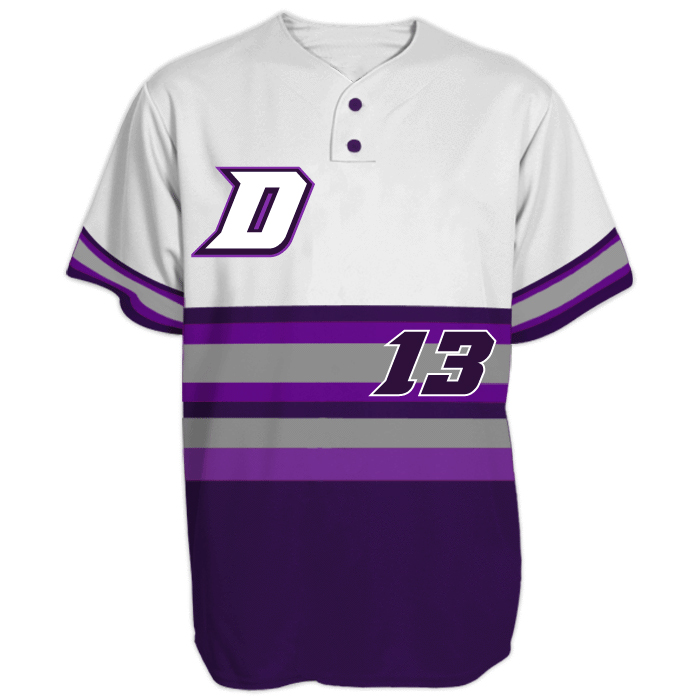
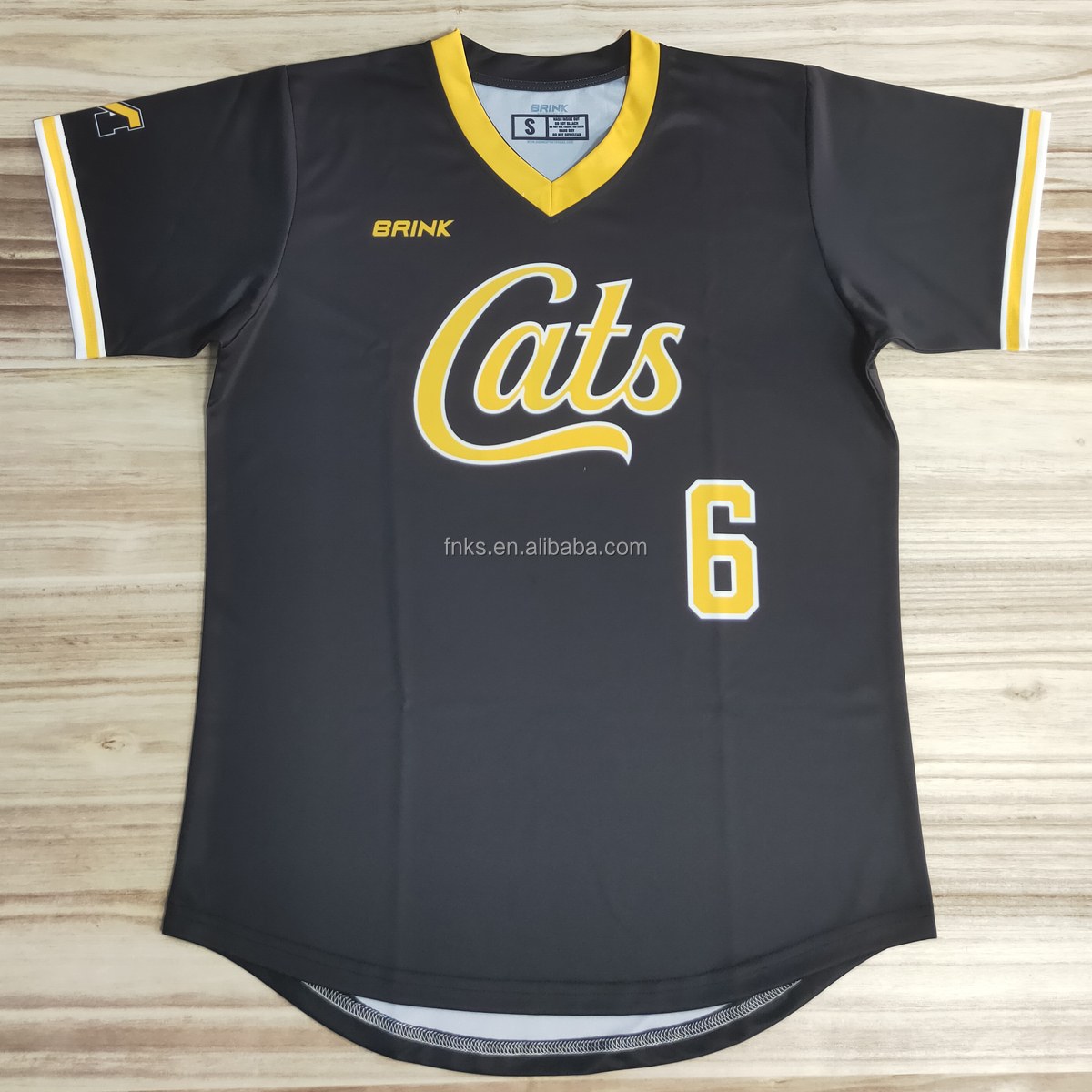
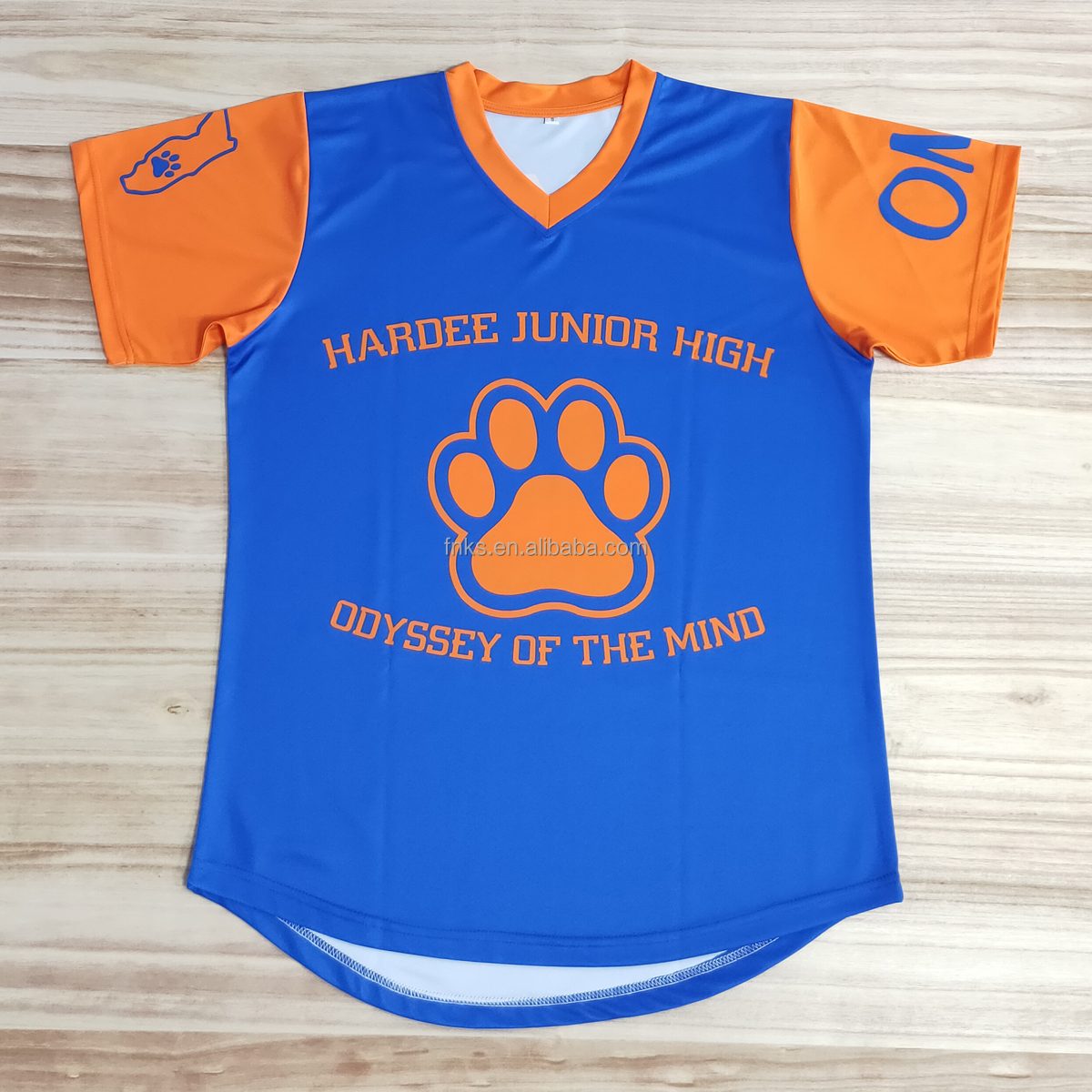
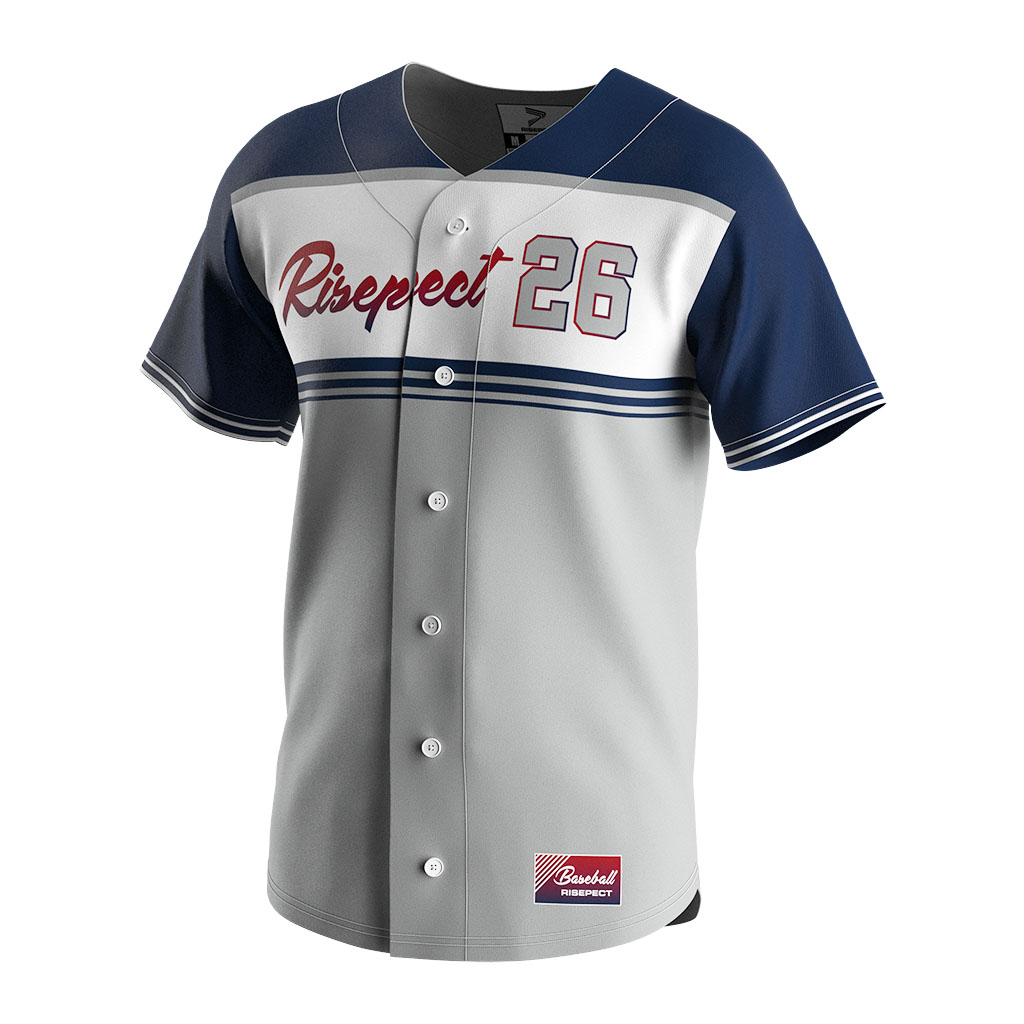
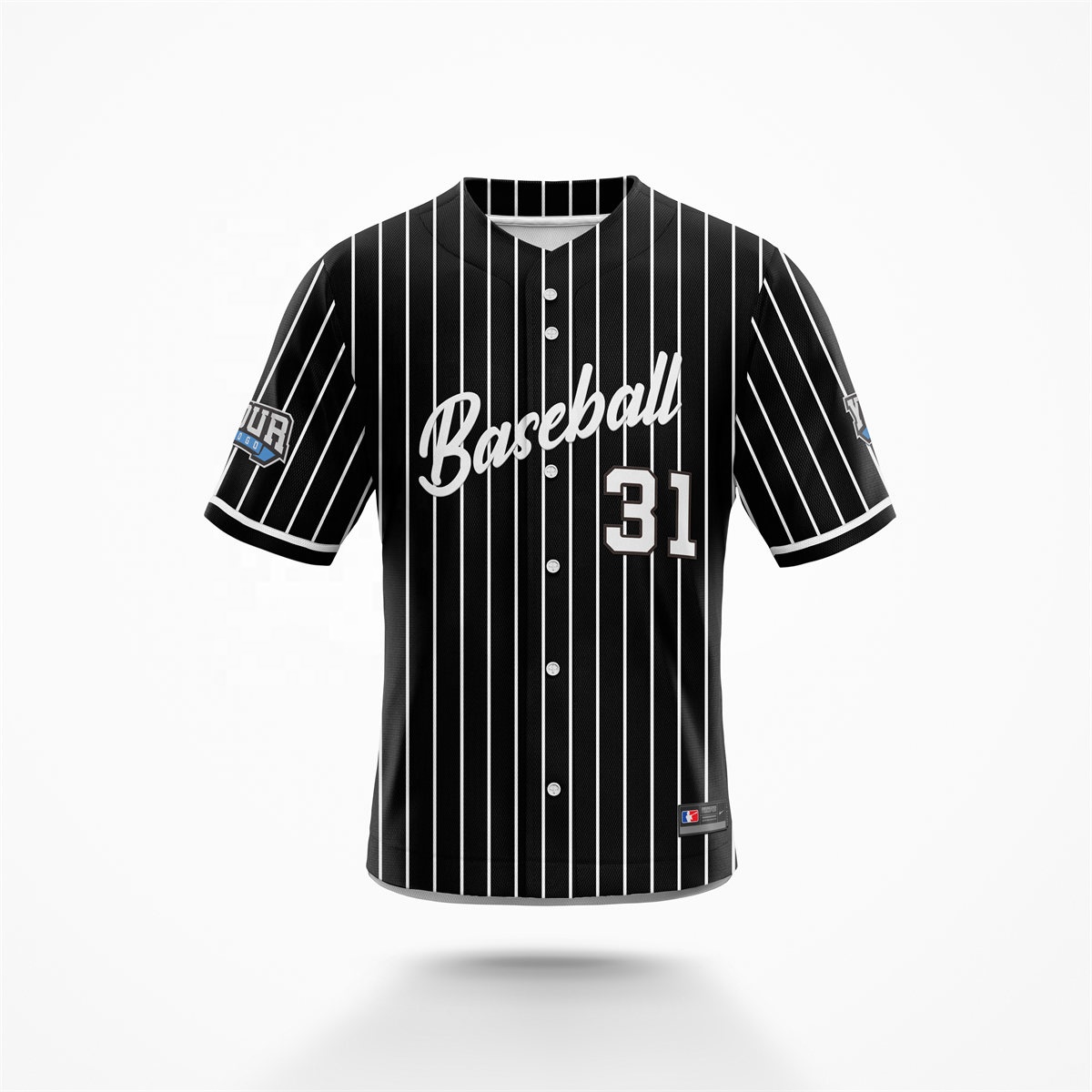
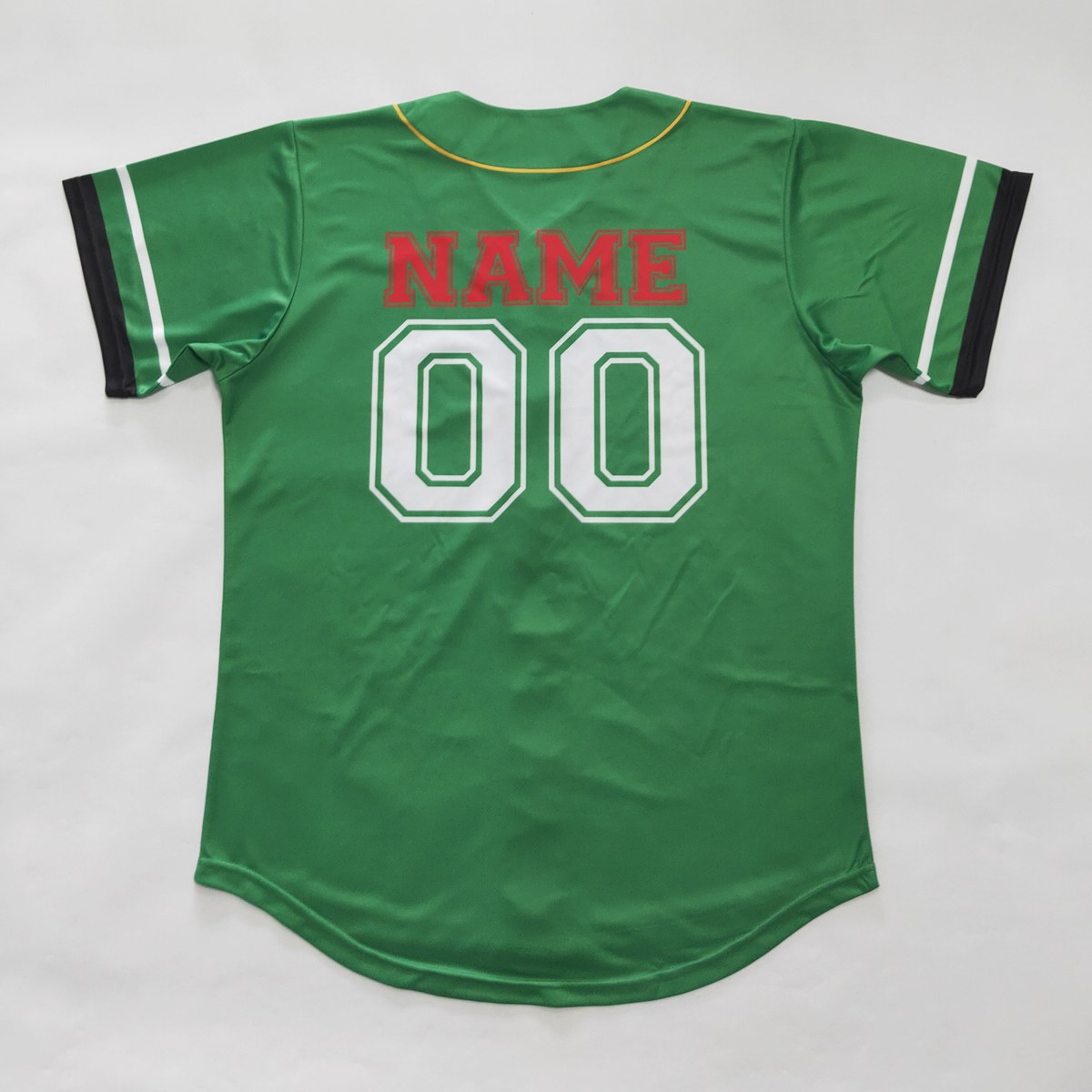
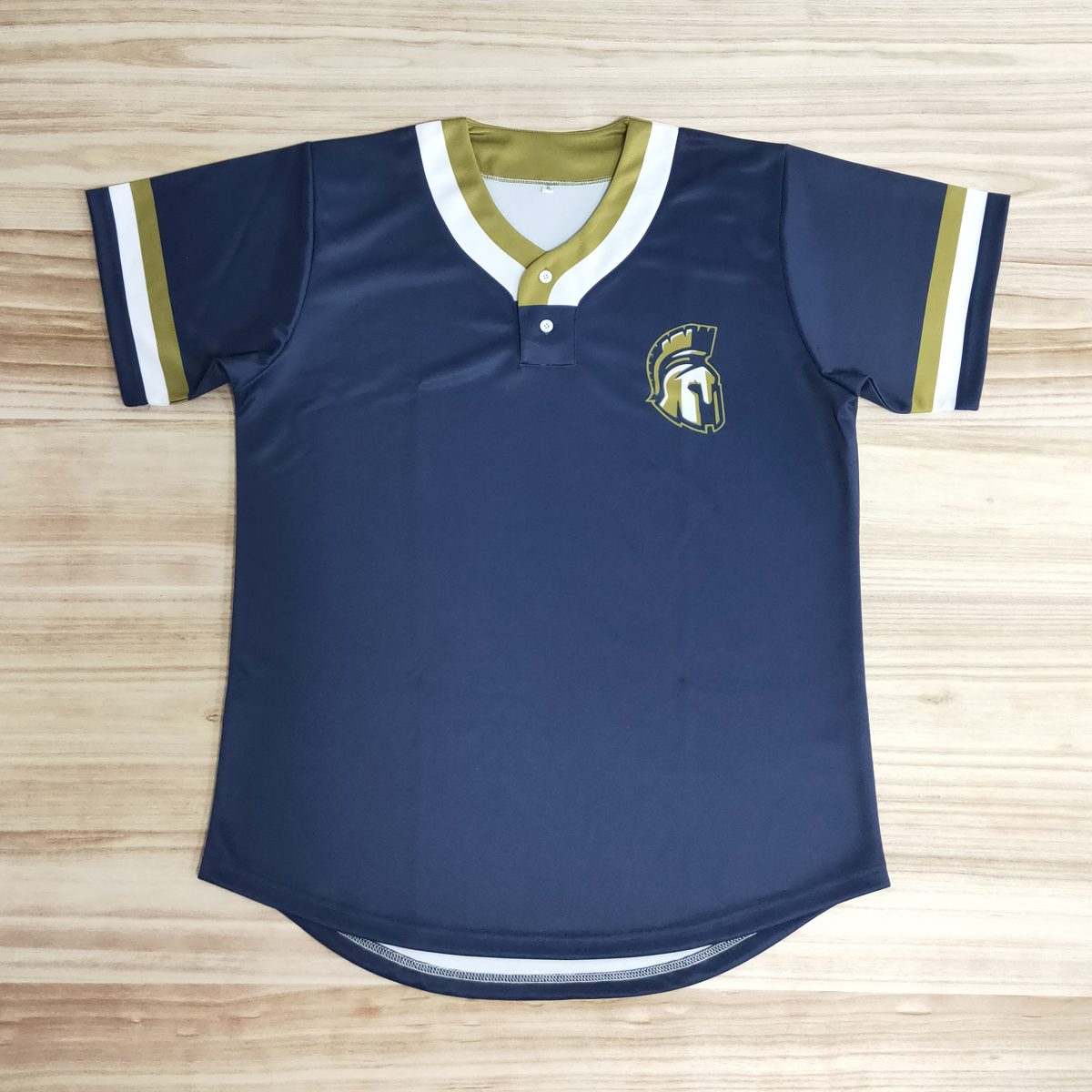
Why Tackle Twill Lettering Stands Out
Built for Wear & Wash
Tackle twill lettering resists fraying, cracking and peeling through repeated laundering — far more durable than heat transfers or screen-printed names.
Authentic Dimensional Look
Raised satin-stitched edges give tackle twill the clean, professional appearance that defines authentic varsity jackets and team jerseys.
Multi-Layer Color Options
Single, double and triple-layer tackle twill lettering delivers bold color combinations and depth that embroidery and screen print cannot replicate.
Perfect for Heavy Fabrics
Tackle twill adheres securely to wool, melton and leather without distortion — ideal for varsity jackets, heavyweight jerseys and outerwear.
Lasting Color Retention
Twill fabrics hold dye exceptionally well, ensuring letters and numbers stay vibrant season after season without fading or ghosting.
Fast Turnaround & Scalability
SELMOND’s in-house tackle twill station handles runs from 100 to 10,000 pieces with consistent quality, fast artwork proofing, decoration strike-offs and quick sampling — ideal for custom beanies, caps, jerseys and varsity jackets.
Tackle Twill Lettering Styles & Techniques
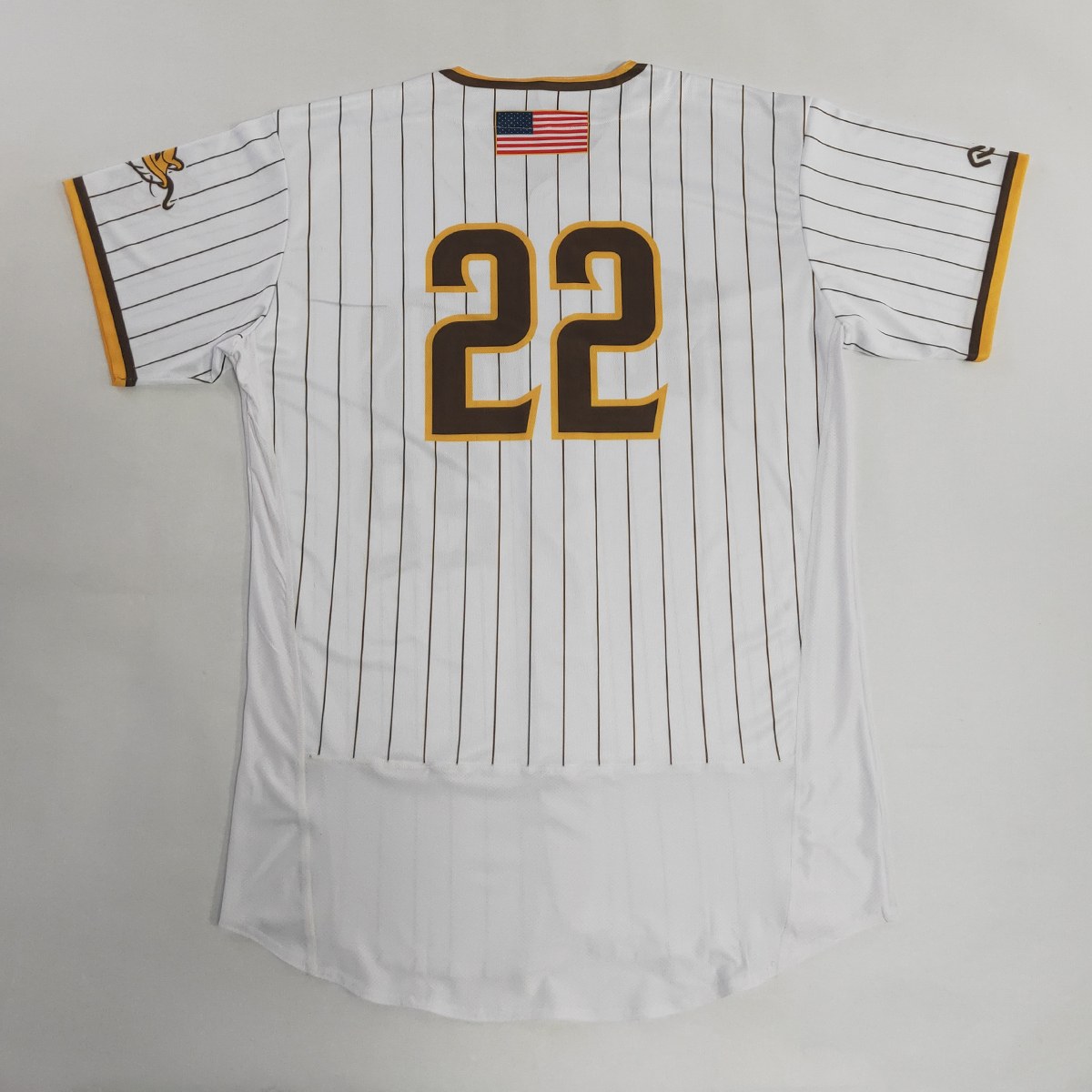
Twill Names & Numbers
Single-layer, double-layer or triple-layer tackle-twill numbers and names for jerseys and uniforms. Clean satin-edge stitching, tight registration, and layered color combinations for depth and contrast. Ideal for baseball jerseys, basketball uniforms and any team apparel requiring durable, pro-style player identification that holds up through repeated washing and heavy wear.
Get a Quote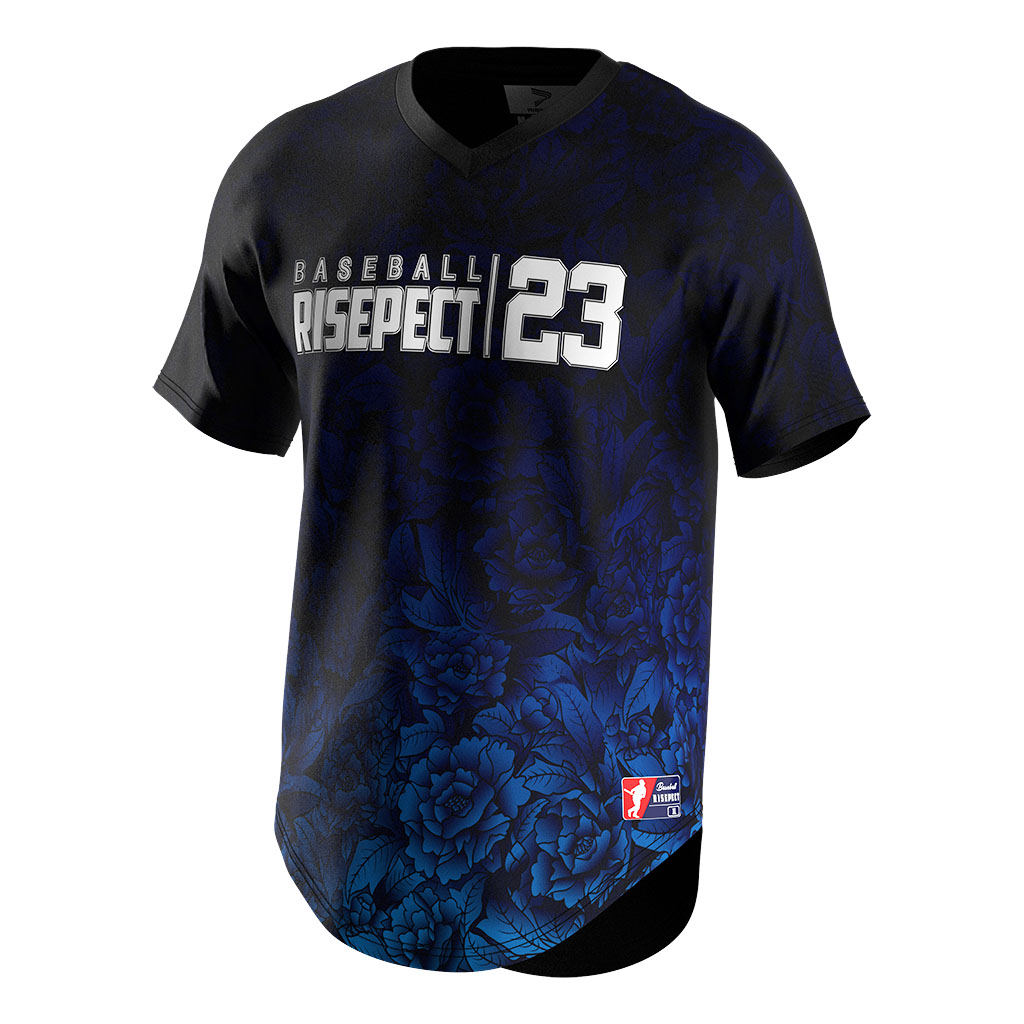
Twill Team Names
Tackle-twill team lettering for chest logos, back arcs, sleeves and jacket panels. Single to triple-layer construction with precise satin borders, layered color blocking, and optional chenille or embroidered accents. Perfect for varsity jackets, team warm-ups and uniforms where bold, dimensional team identity and clean edge definition are essential to the design.
Get a Quote28 Years Perfecting Tackle Twill Lettering
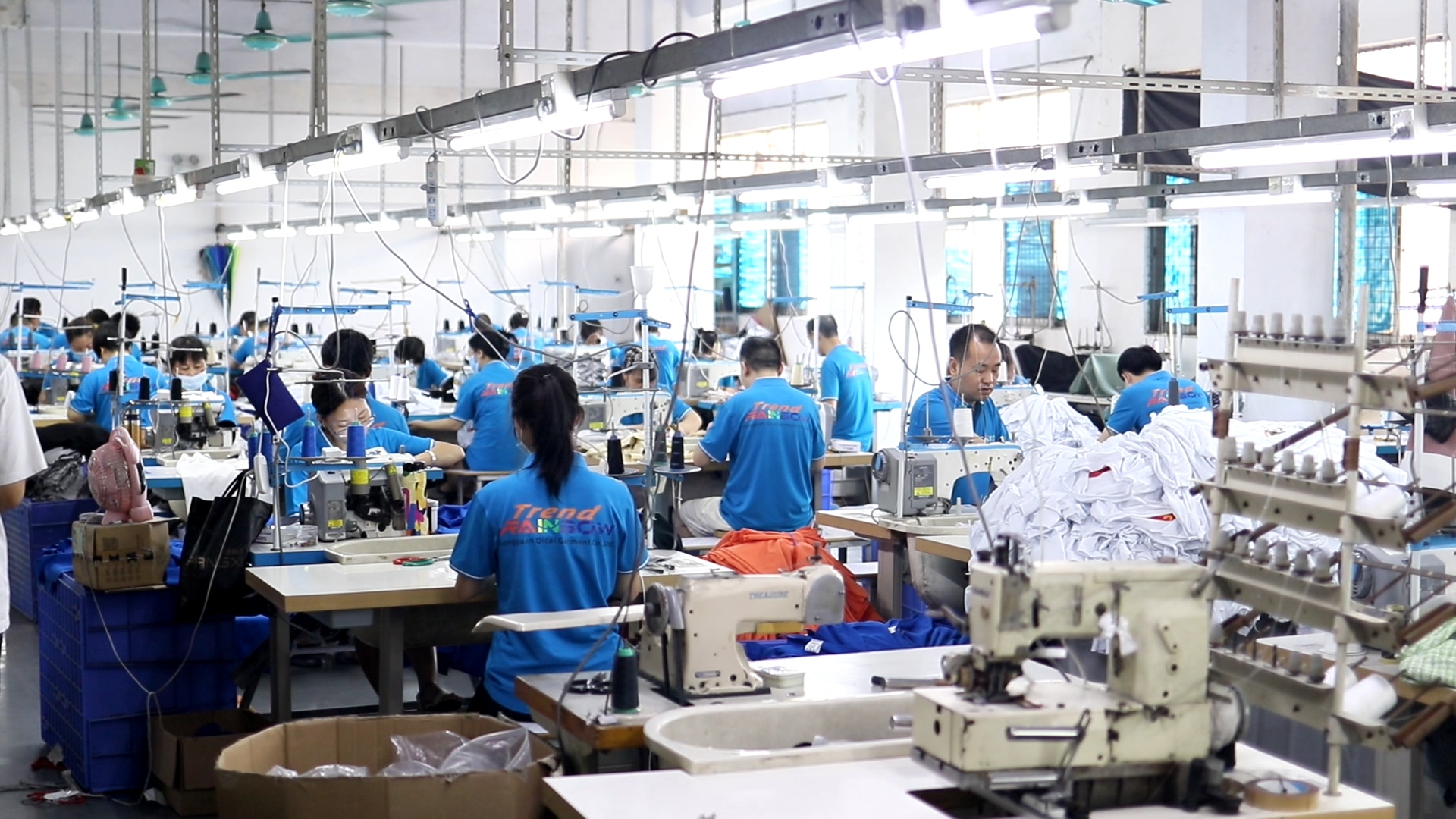
Founded in 1998 in Dongguan, China — the heart of the world’s garment manufacturing region — SELMOND has spent over 28 years mastering the decoration craftsmanship that makes varsity jackets and team apparel look authentic. What began as a small family cut-and-sew and decoration workshop has grown into a full one-stop manufacturer with 200+ skilled employees and a dedicated in-house decoration floor built specifically for B2B partners.
SELMOND focuses on what most factories treat as an afterthought: tackle twill lettering, chenille patches, embroidery and sublimation that hold their shape, color and detail wear after wear. From single-layer tackle twill numbers to triple-layer varsity letters with satin-edge stitching, every decoration is developed and executed in-house. Authentic varsity construction — melton wool bodies, genuine or PU leather sleeves, ribbed knit trims — is paired with decoration craftsmanship that meets the standards of sports teams, schools, custom baseball caps manufacturers, baseball uniform manufacturers and custom apparel brands worldwide.
Today SELMOND serves over 2,000 brands and teams across the United States, Canada, Europe, Australia and beyond, with monthly capacity exceeding 80,000 pieces. Guided by a craftsmanship-first philosophy, flexible MOQ from 100 pieces and full design-to-delivery support, SELMOND positions itself as the long-term manufacturing partner behind growing varsity and team apparel brands.
Production Depth — Materials, Stitching & Layering
Precision Fabric Selection and Laser Cutting
SELMOND sources premium twill fabrics engineered for durability and clean edges. Every tackle twill letter and number is laser-cut or die-cut to exact dimensions, ensuring sharp corners, consistent sizing across full team sets, and minimal fraying during the stitching process.
- 100% polyester and cotton-poly twill blends selected for tight weave and color fastness
- Laser and die-cutting stations calibrated for letters as small as 1 inch and as large as 12 inches
- Pre-cut inventory maintained for standard fonts; custom shapes cut on demand from approved artwork
- Edge-sealing techniques applied to prevent unraveling before satin-stitch application
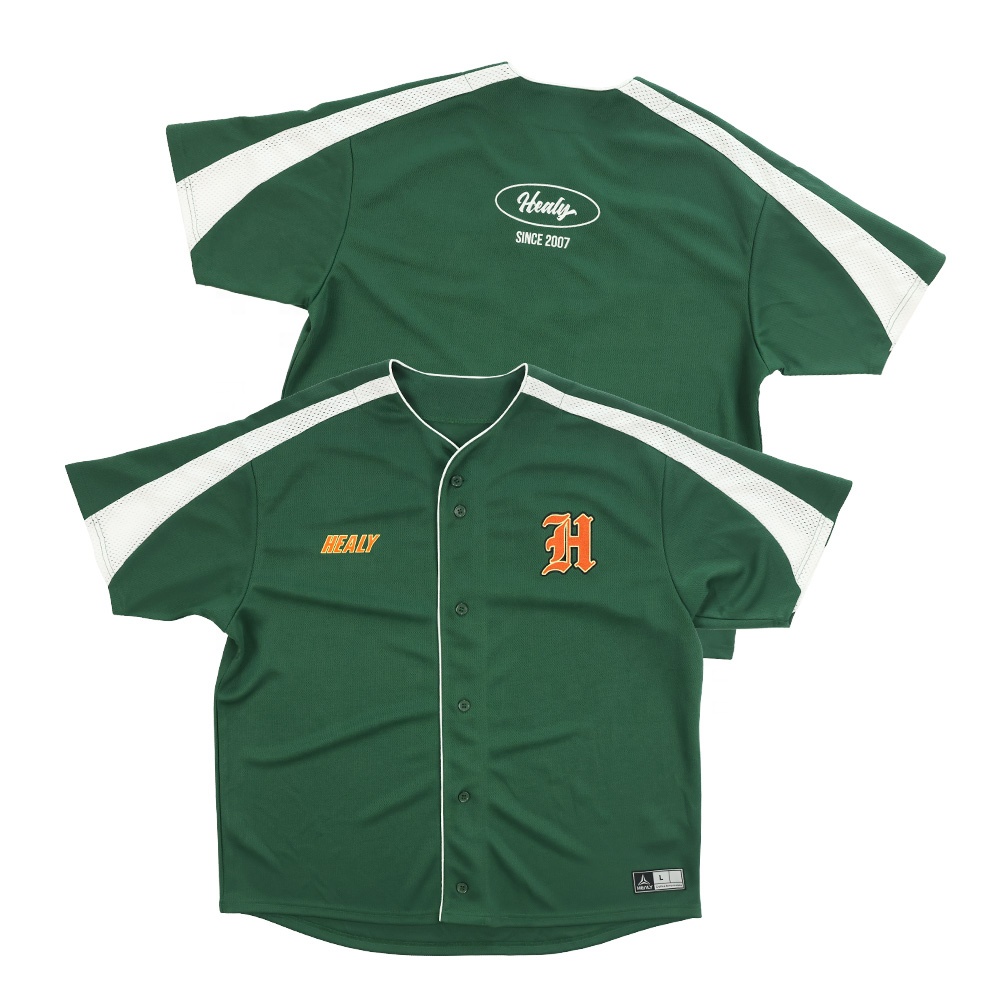
Satin-Stitch Edge Finishing for Durability
The hallmark of professional tackle twill lettering is a tight, uniform satin stitch that locks every edge. SELMOND’s embroidery machines run high-density zigzag stitching around each letter contour, creating a raised, polished border that resists wear, washing, and abrasion season after season.
- Multi-head embroidery machines programmed for consistent stitch density and tension
- Polyester embroidery thread chosen for color match, sheen, and resistance to fading
- Underlay stitching applied first to stabilize fabric and prevent puckering
- Final edge width calibrated to letter size — finer for small numbers, bolder for large varsity letters
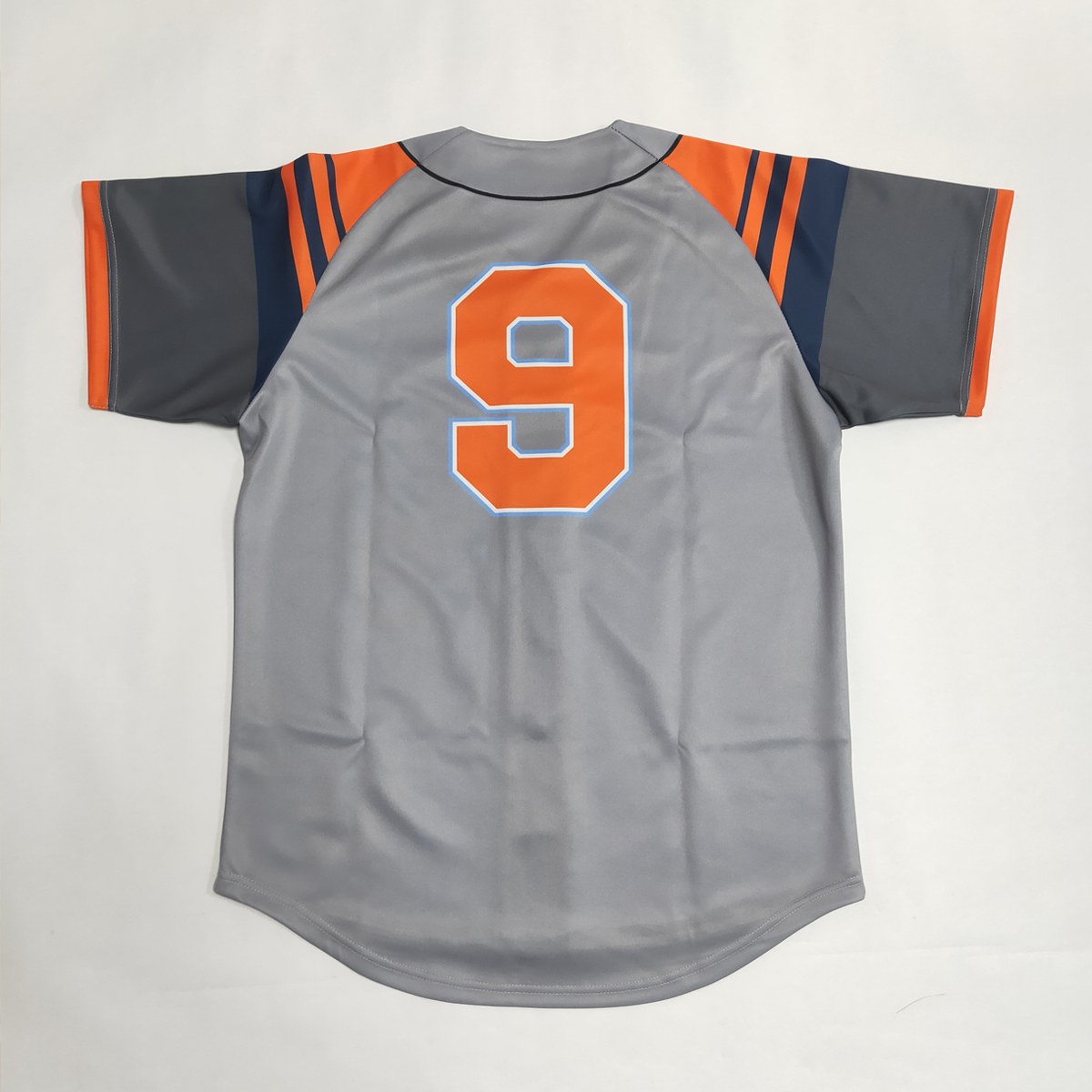
Single, Double and Triple-Layer Construction
SELMOND offers single-layer tackle twill for clean, flat applications and multi-layer builds for depth and contrast. Double-layer lettering stacks a shadow or outline color beneath the top letter; triple-layer adds a third accent, delivering the dimensional, varsity-authentic look teams demand.
- Single-layer: one twill fabric with satin-stitch edge, ideal for jerseys and lightweight jackets
- Double-layer: contrasting base color creates shadow or outline effect, popular for varsity jackets
- Triple-layer: three stacked colors for maximum depth, used in premium letterman and championship jackets
- Each layer individually cut, positioned, and stitched to prevent shifting or misalignment
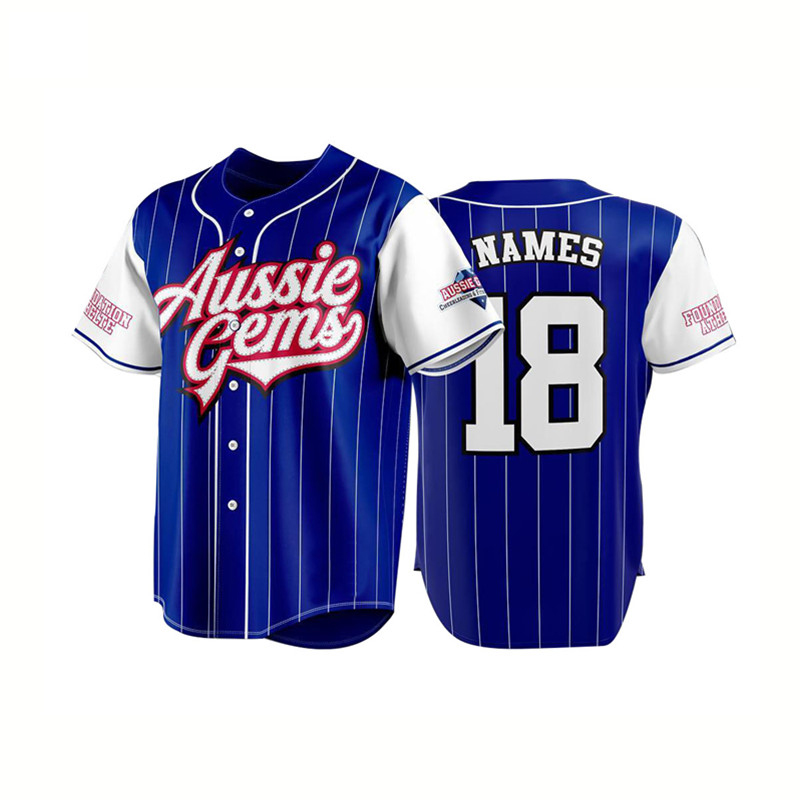
Thread and Color Matching Quality Control
Consistent color across hundreds of garments requires rigorous thread selection and lot control. SELMOND maintains an in-house library of embroidery threads indexed to Pantone references, conducts pre-production strike-offs, and inspects every finished letter under standardized lighting before final assembly.
- Embroidery thread inventory organized by Pantone and brand color codes for exact matching
- Strike-off samples sewn and approved by the client before bulk tackle twill production begins
- In-line quality checks verify stitch density, edge alignment, and color consistency
- Final inspection under daylight-equivalent LED lighting to catch shade variations before shipment
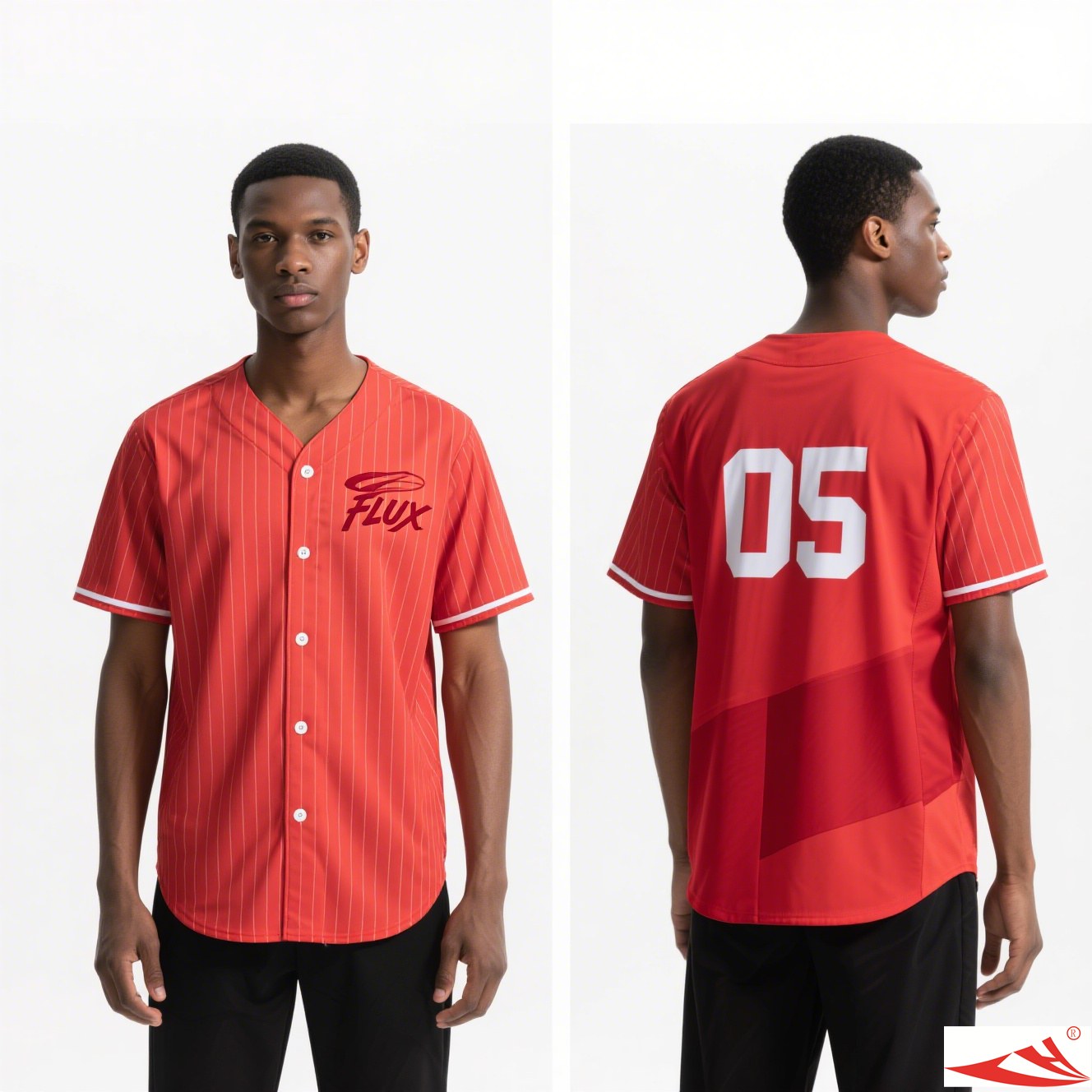
SELMOND vs. Typical Tackle Twill Lettering Suppliers
Most offshore suppliers and embroidery shops treat tackle twill lettering as a side service. SELMOND builds it in-house with dedicated cutting, stitching and QC — so your varsity jackets, jerseys and team uniforms arrive with clean satin edges, accurate layering and consistent color, order after order.
← 左右滑动查看 →
Production Process — From Artwork to Finished Letters
From digital artwork to finished letters, every phase of our tackle twill lettering workflow is engineered for clean edges, lasting durability and authentic varsity appearance.
Artwork Digitization & Layout
Your logo, name or number is digitized and positioned on a virtual garment template. Letter spacing, sizing and layer alignment are finalized before any fabric is cut, ensuring tackle twill lettering matches your approved proof exactly.
Fabric Selection & Cutting
Premium twill fabric in your chosen color is laser- or die-cut to precise letter shapes. Clean cuts reduce fraying and set the foundation for tight satin-edge stitching that defines professional tackle twill lettering.
Stitching Setup & Layering
Cut letters are positioned on the garment base or layered for multi-color designs. Each piece is hooped or tacked in place to prevent shifting during stitching, critical for sharp outlines and consistent tackle twill lettering quality.
Satin-Edge Stitching
High-speed embroidery heads apply dense zigzag satin stitch around every letter edge. This signature step locks twill to the base fabric, seals raw edges and creates the raised, polished border that distinguishes authentic tackle twill lettering.
In-Line Quality Inspection
Operators check every letter for stitch density, edge alignment, thread tension and color match. Any loose thread, gap or misalignment is corrected immediately, maintaining SELMOND’s zero-defect standard for tackle twill lettering before garments leave the decoration floor.
Pressing & Finishing
Completed garments pass through industrial pressing to flatten stitching, remove hoop marks and set fabric memory. This final heat treatment ensures tackle twill lettering lies smooth, resists puckering and retains its crisp appearance through repeated wear and washing.
Packing & Documentation
Finished pieces are folded, poly-bagged and boxed with your custom labels, hang tags and packing slips. All artwork files, stitch settings and fabric codes are archived for seamless re-orders of your tackle twill lettering designs.
How to Commission Tackle Twill Lettering from SELMOND
From artwork submission to finished tackle twill lettering on your varsity jackets and team apparel — a streamlined five-step process designed for brands, teams and decorators ordering from 100 pieces.
Submit Your Artwork or Tech Pack
Send your logo, lettering layout, font, colors and garment specs via email or inquiry form. Vector files (AI, EPS, PDF) preferred; JPG and PNG accepted for digitizing.
Review Layout Proof and Material Swatches
SELMOND provides a detailed tackle twill lettering layout proof, thread-color chart and fabric swatches within 1–2 business days. Approve or request revisions at no charge.
Approve Pre-Production Sample Garment
Receive a physical sample with your tackle twill lettering applied to the actual garment. Sample fee refunded upon bulk order confirmation, typically 7–10 days production.
Confirm Bulk Order and Production
Place your order from 100 pieces per style and color. Bulk production begins upon deposit, with inline quality control and decoration checks at every station.
Final QC, Packing and Shipment
Every garment undergoes final inspection for stitching, alignment and finish. Packed to your specifications and shipped worldwide via air, sea or express courier.
Customer Testimonials — Tackle Twill Lettering Success Stories
We ordered 250 varsity jackets with triple-layer tackle twill lettering for our high school team. After 15+ washes the edges are still crisp and the colors match our school palette perfectly. SELMOND’s samples arrived in 6 days and we’ve placed three repeat orders since.
The tackle twill numbers on our baseball jerseys look exactly like the pro-league aesthetic we wanted. SELMOND’s stitching is tight, no fraying after a full season of games and washes. Their artwork proofs were spot-on and turnaround from sample to bulk was only 18 days.
We’ve tried four factories for tackle twill lettering and SELMOND is the only one that nailed the satin-edge finish without puckering. Color accuracy was 100% versus our Pantone references. Now they handle all our varsity jacket decoration and our return rate dropped to under 1%.
Tackle Twill Lettering FAQ
What is the minimum order quantity for tackle twill lettering?
What fabrics work best with tackle twill lettering?
Can I layer multiple colors in tackle twill lettering designs?
What is the typical lead time for tackle twill lettering orders?
How durable is tackle twill lettering after repeated washing?
What file formats do you require for tackle twill lettering artwork?
Can tackle twill lettering be combined with embroidery or sublimation?
What is the minimum and maximum letter height for tackle twill lettering?
How many thread and twill fabric colors are available for tackle twill lettering?
The Complete Buyer’s Guide to Tackle Twill Lettering for Custom Apparel
This guide equips teams, schools, and apparel brands with a proven decision framework for sourcing tackle twill lettering, including material selection criteria, quality benchmarks, supplier evaluation methods, and the most common purchasing mistakes to avoid.
1. What Is Tackle Twill Lettering?
Tackle twill lettering is a premium appliqué decoration technique in which individual letters, numbers or logos are cut from twill fabric, layered if needed, then stitched onto garments with tight satin-stitch or zigzag edges. The result is a raised, textured surface that stands proud of the base fabric — the hallmark of authentic varsity jackets, baseball jerseys and team uniforms since the mid-20th century.
Unlike screen printing, which lays ink on top of fabric, or embroidery, which uses thread alone, tackle twill combines fabric appliqué with perimeter stitching to create dimensionality and durability. Single-layer twill letters offer clean, bold graphics; double- and triple-layer builds add depth, shadow effects and team-color contrast that screen prints cannot replicate.
SELMOND manufactures tackle twill lettering in-house — cutting twill from trusted Chinese mills, layering by color, and stitching with computerized multi-head machines calibrated for tight, consistent edges. Each letter is positioned, tacked and finished before the garment leaves the decoration floor, ensuring alignment and stitch integrity across full team sets.
2. The Evolution and History of Tackle Twill Lettering
Tackle twill lettering first appeared in American collegiate athletics during the 1930s, when universities began awarding embroidered ‘letter sweaters’ to varsity athletes. The technique quickly replaced simple felt appliqué because satin-stitched edges resisted fraying and held their shape through repeated laundering and wear.
By the 1950s through the 1970s, tackle twill lettering had become the standard for letterman jackets, baseball jerseys, and team uniforms across high schools and professional leagues. Multi-layer twill letters — stacked in school colors with tight zigzag borders — became synonymous with achievement, team identity, and premium craftsmanship that separated varsity apparel from casual sportswear.
The technique saw a resurgence in the 2010s as streetwear brands and athleisure labels rediscovered the visual weight and texture of tackle twill lettering. Today it appears on capsule collections, influencer collaborations, and custom team drops, bridging heritage sports aesthetics with modern design while maintaining the same construction standards first developed for collegiate athletics decades earlier.
3. Types of Tackle Twill Lettering and Appliqué Styles
Tackle twill lettering is not a single technique but a family of appliqué methods, each optimized for different garment types, visual impact and production cost. Understanding the construction and ideal use case for each variant ensures your team apparel delivers the right balance of durability, aesthetics and budget.
Single-Layer Flat Twill
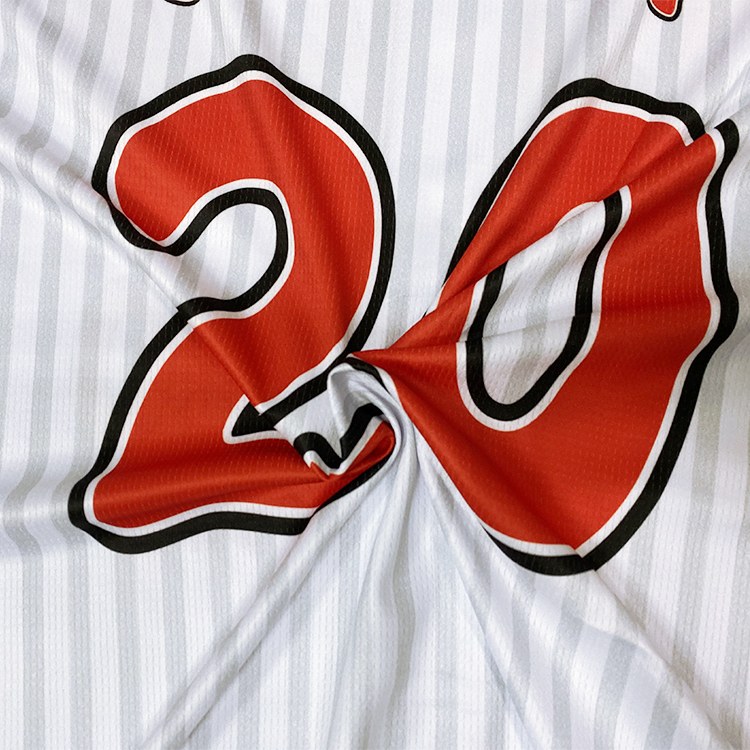
Single-layer tackle twill uses one piece of twill fabric per letter or number, die-cut to shape and stitched with a satin or zigzag edge. The result is a clean, low-profile graphic that sits nearly flush with the base fabric.
This method is the industry standard for baseball jerseys, basketball uniforms and lightweight athletic wear where weight, flexibility and fast turnaround matter. It holds up through repeated industrial laundering and resists edge lift when properly heat-sealed before stitching.
Multi-Layer Stacked Twill
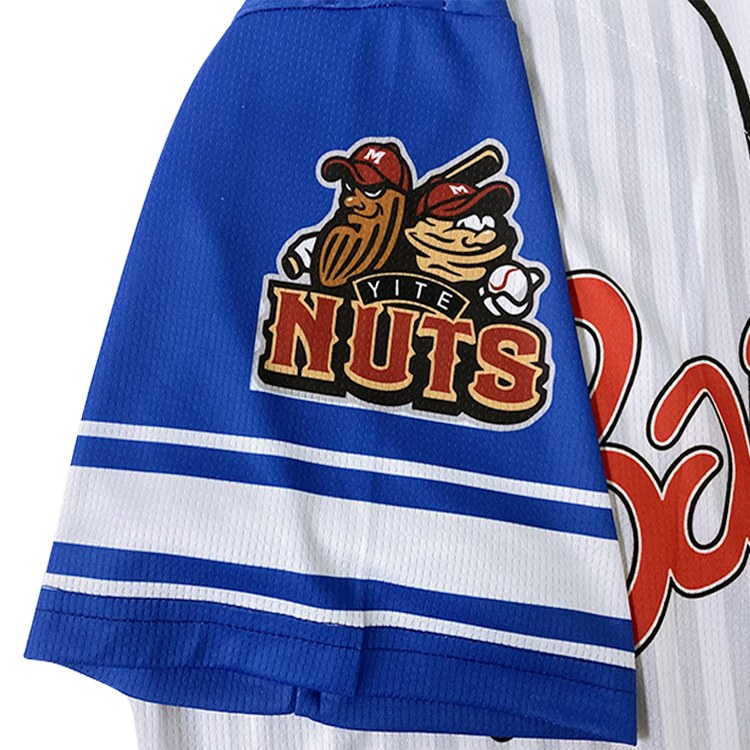
Multi-layer — also called stacked or shadow twill — builds depth by layering two or three contrasting twill fabrics, each slightly offset and stitched in sequence. The effect mimics vintage varsity letterman jackets and adds dimension without chenille.
Typical applications include varsity jackets, letterman patches and premium team hoodies where a bold, elevated look justifies the added labor and material cost. Each layer requires separate cutting, placement and stitching, so lead time and per-piece cost rise accordingly.
Chenille-Twill Hybrid
Chenille-twill hybrids combine a chenille-yarn top layer with a twill backing or border, merging the plush texture of traditional varsity letters with the crisp edges and color range of twill. Common configurations include chenille fill with twill outline or twill base with chenille accents.
This style is popular on varsity jackets, varsity patches and school spirit wear where clients want the tactile richness of chenille but need sharper detail or additional color blocking that pure chenille cannot deliver cost-effectively.
3D Puff Twill
3D puff twill inserts a foam layer between the twill face and the base garment, then lock-stitches the perimeter to create a raised, pillow-like effect. The foam is typically 2–4 mm polyurethane, heat-resistant and washable.
Puff twill is used on caps, hoodies and fashion varsity jackets where a streetwear aesthetic or premium branding is the priority. It adds visual pop and tactile interest but is less durable under abrasion than flat methods, making it better suited to outerwear than game jerseys.
4. Materials and Fabrics Used in Tackle Twill Lettering
Tackle twill lettering performance depends on the base fabric, weight and backing system. Cotton, polyester, wool and blends each deliver different durability, stretch and colorfastness profiles suited to specific garment types and decoration workflows.
| Fabric Type | Weight (oz/yd²) | Durability | Typical Use Case |
|---|---|---|---|
| Cotton Twill | 8–10 | Good, softens with wash | Baseball jerseys, lightweight team apparel |
| Polyester Twill | 6–9 | Excellent, fade-resistant | High-wash team uniforms, athletic wear |
| Wool Twill | 10–14 | Excellent, holds edge clean | Varsity jackets, letterman bodies |
| Cotton-Poly Blend | 8–10 | Very good, balanced | Multi-season team apparel, caps |
Common Twill Fabric Types and Weights
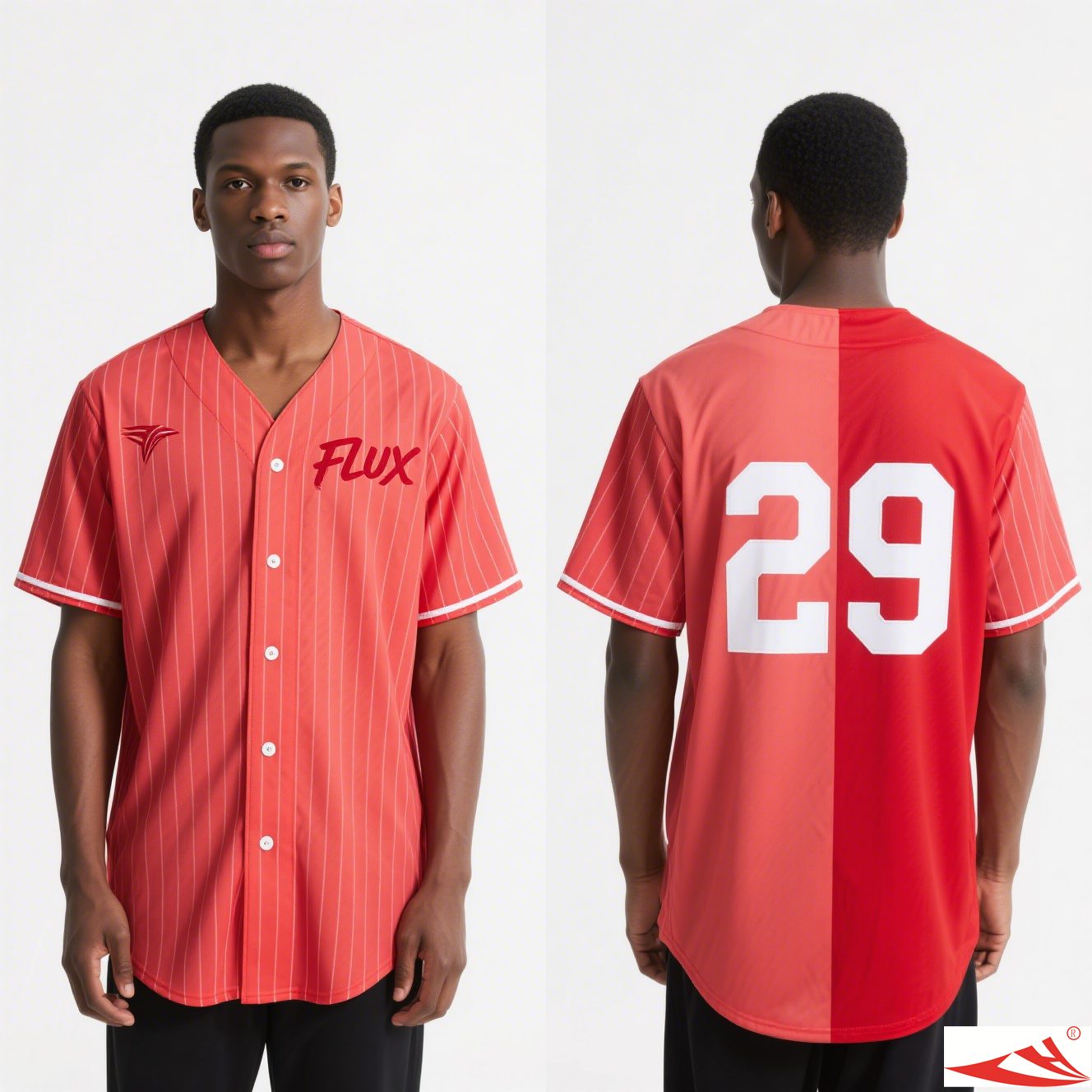
Cotton twill (8–10 oz/yd²) offers a soft hand and classic matte finish, ideal for baseball jerseys and lightweight team apparel. Polyester twill (6–9 oz) resists fading and shrinkage, making it the workhorse for high-wash team uniforms. Wool twill (10–14 oz) delivers the heritage look and durability required for varsity jackets and letterman bodies, holding satin-stitch edges cleanly through years of wear.
Backing Materials and Adhesive Options
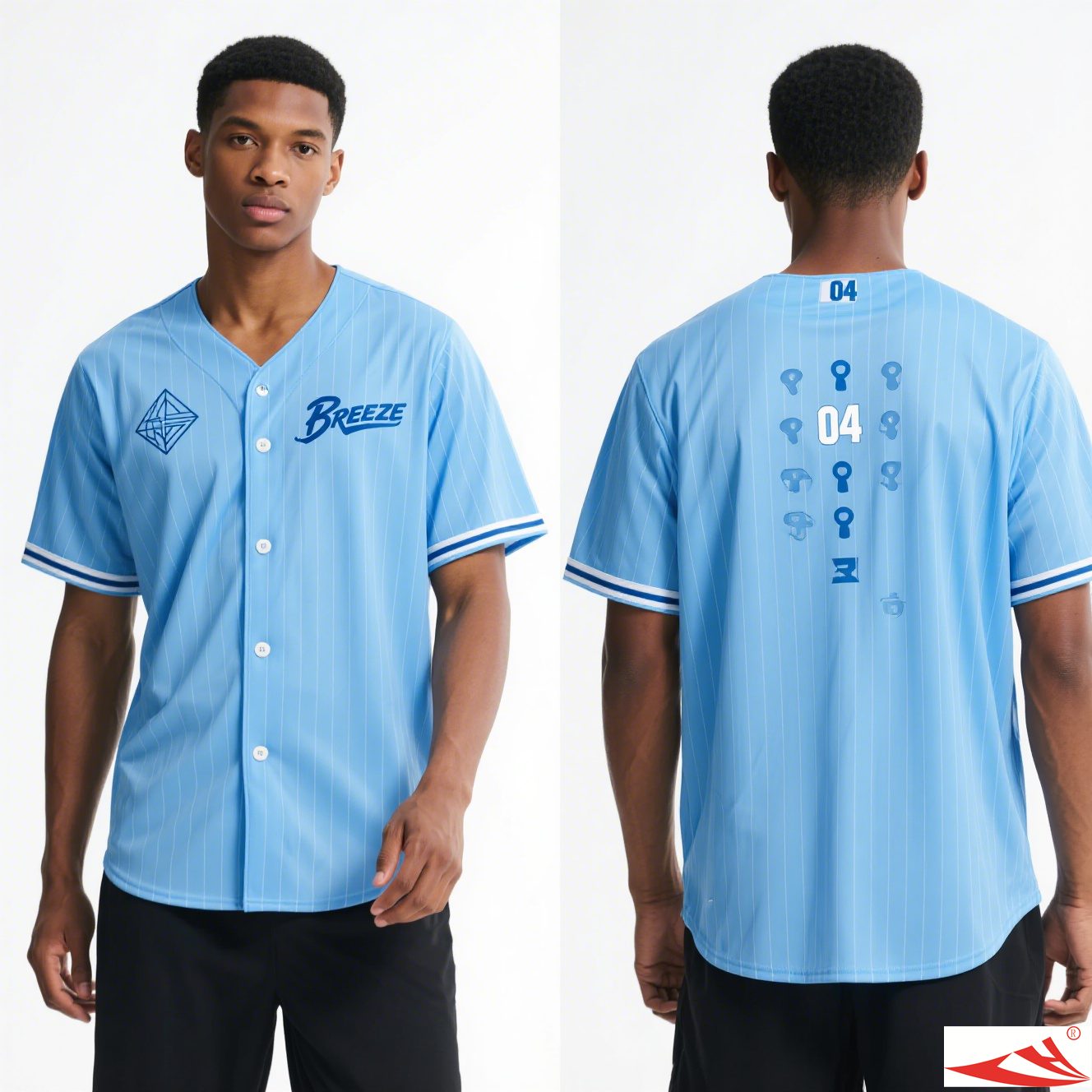
Heat-activated adhesive backing (polyamide or polyester film) speeds production and stabilizes letters before final stitching, critical for multi-layer stacks and intricate outlines. Non-adhesive twill requires spray tack or pin placement, offering more repositioning flexibility but slower throughput. SELMOND sources both types from trusted mills, selecting backing weight and melt temperature to match garment fabric and decoration method.
5. Customization and Decoration Options for Tackle Twill Lettering
Tackle twill lettering sits at the center of a decoration ecosystem. SELMOND’s in-house floor combines twill appliqué with embroidery, chenille, screen print, heat transfer and full-dye sublimation, letting you layer techniques for depth, contrast and brand signature without managing multiple vendors.
| Method | Setup Cost | Visual Impact |
|---|---|---|
| Tackle twill only | Low | Clean, athletic |
| Twill + embroidery border | Medium | Premium, defined edge |
| Twill + chenille patch | Medium | Traditional varsity |
| Twill on sublimation | High | Full-color, layered depth |
Combining Decoration Methods
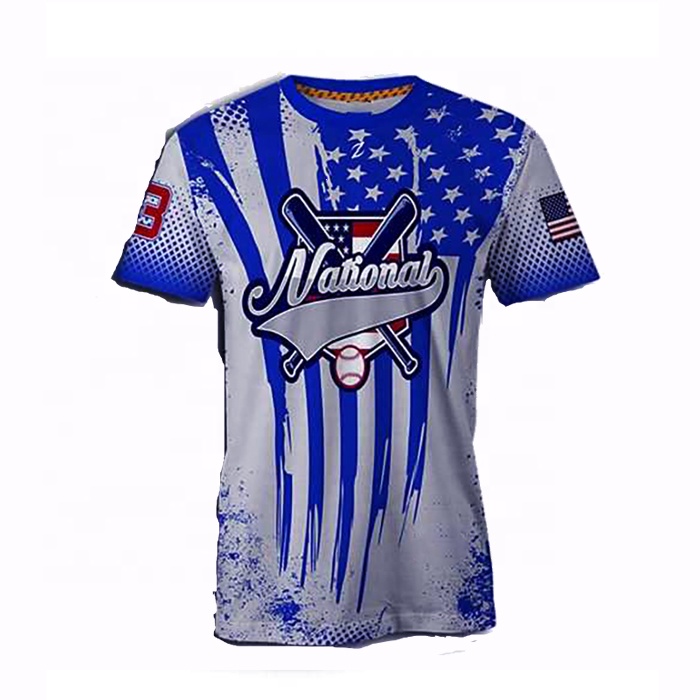
Embroidery borders add a satin-stitch frame to twill letters, locking edges and creating a raised outline popular on varsity jackets. Chenille patches pair with twill numbers for traditional letterman aesthetics — SELMOND stitches both in one pass. Screen-printed backgrounds or halftones sit beneath twill appliqué on jerseys, and full-dye sublimation bodies accept twill overlays without color bleed when fabric is pre-treated.
Color Matching and Multi-Layer Effects
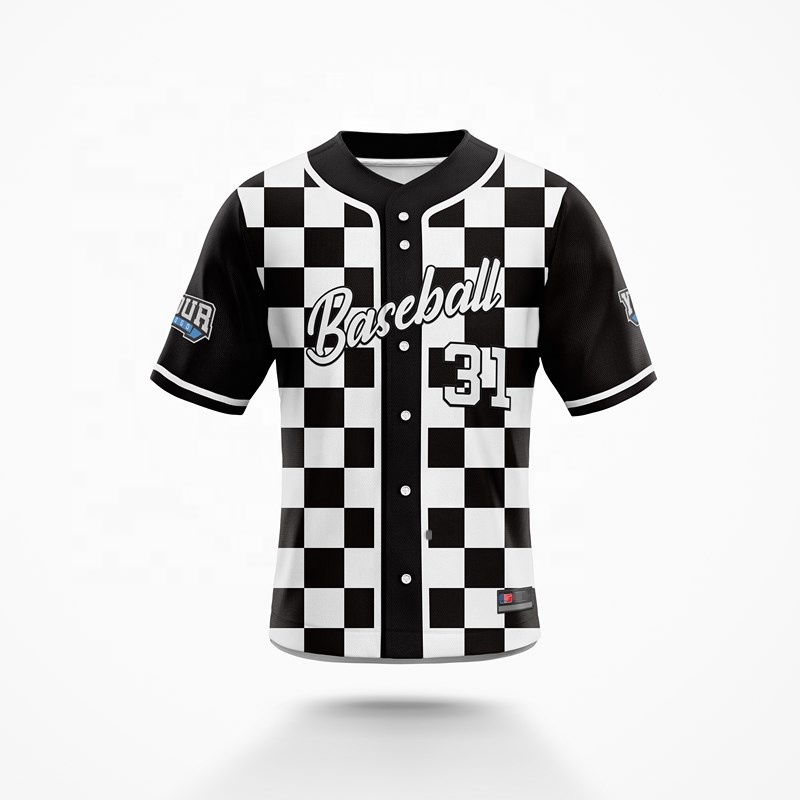
Pantone thread references ensure twill color matches team palettes across re-orders. Double- and triple-layer twill creates shadow, outline or gradient effects — each layer cut and stitched in sequence. Metallic and reflective twill fabrics add visibility for night games or premium retail lines, with satin stitch holding reflective polyester without puckering.
Specifying Font, Size and Placement
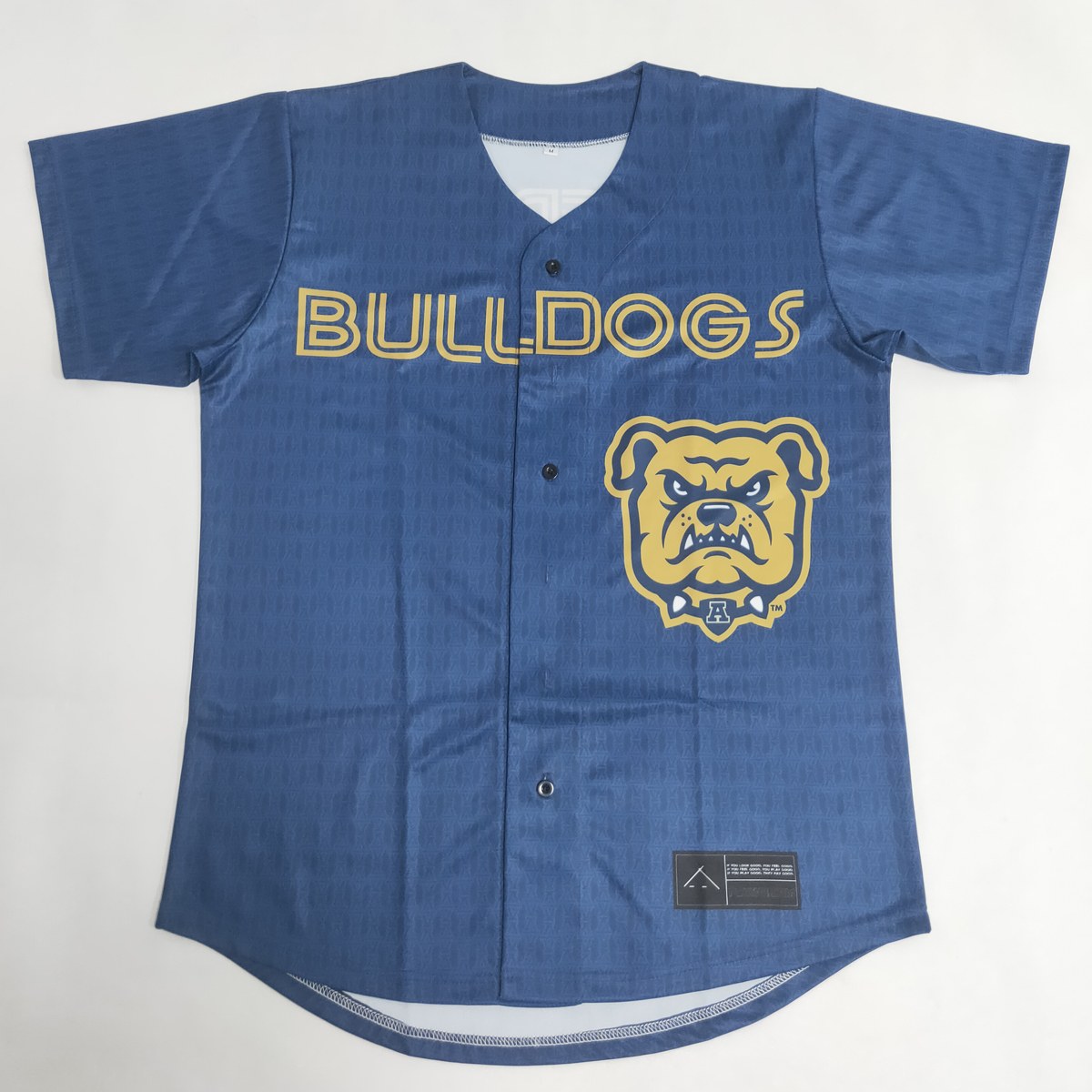
Varsity jackets use 4–6 inch chenille or twill letters on the chest, 8–12 inch numbers on the back. Jerseys require 3–4 inch front numbers, 8–10 inch back. Caps accept 1–2 inch twill monograms on the crown. SELMOND’s design team digitizes custom fonts, grades sizes across S–3XL and provides placement proofs before sampling.
6. Key Quality Indicators in Tackle Twill Lettering Construction
Professional tackle twill lettering is defined by a handful of visible, measurable quality markers that separate clean, durable decoration from work that fails after a few washes. Inspecting samples for die-cut precision, stitch density, thread tension, adhesive integrity and colorfastness before bulk production protects your brand and eliminates costly remakes.
Clean Die-Cutting and Edge Finish
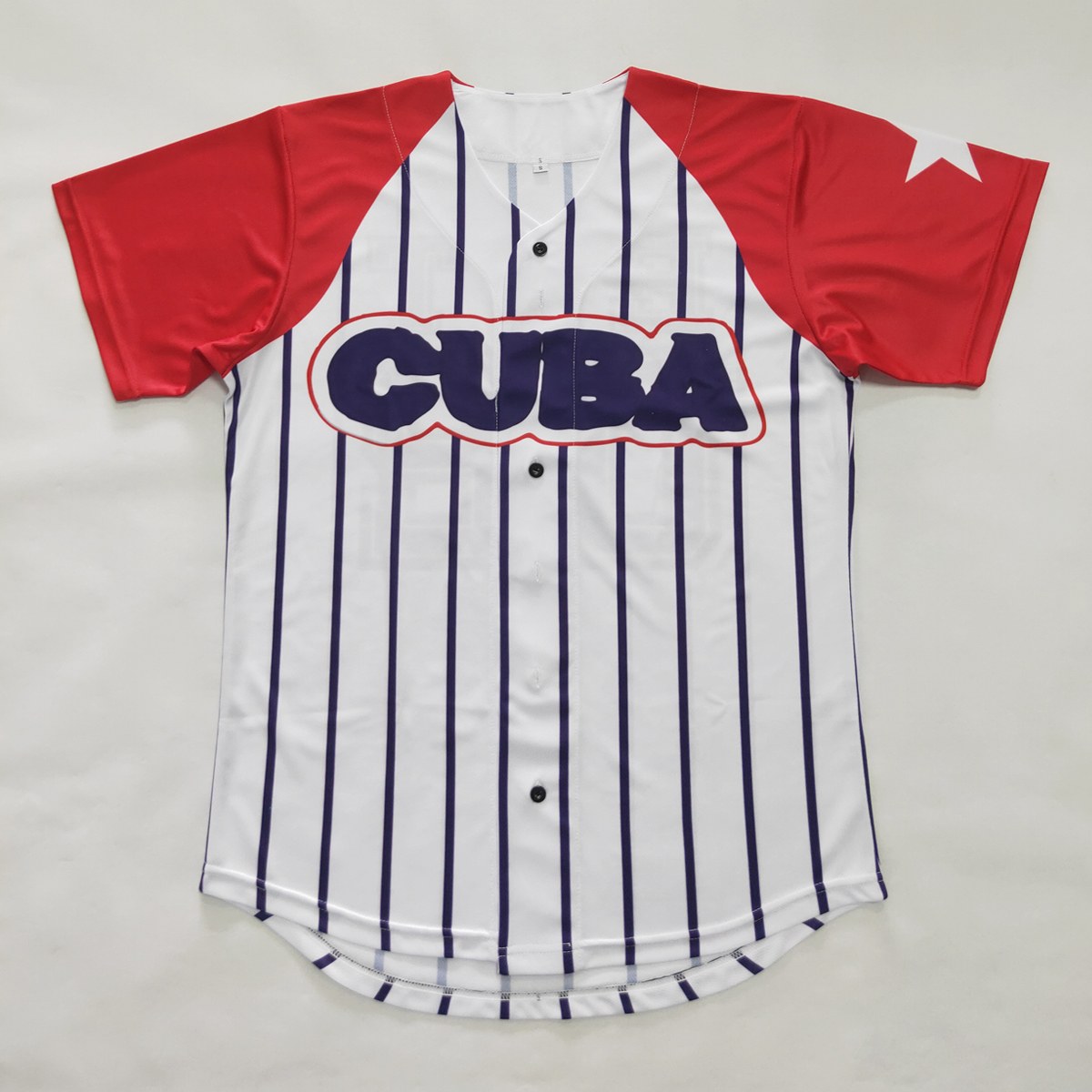
Letters should be die-cut with crisp, fray-free edges before stitching. Ragged or uneven cuts signal dull blades or low-quality twill fabric that will unravel over time.
Zigzag or satin-stitch borders must fully encapsulate the raw edge with 8–12 stitches per inch and consistent thread tension. Gaps, skipped stitches or loose thread loops indicate poor machine setup or operator inexperience.
Backing Adhesive and Puckering
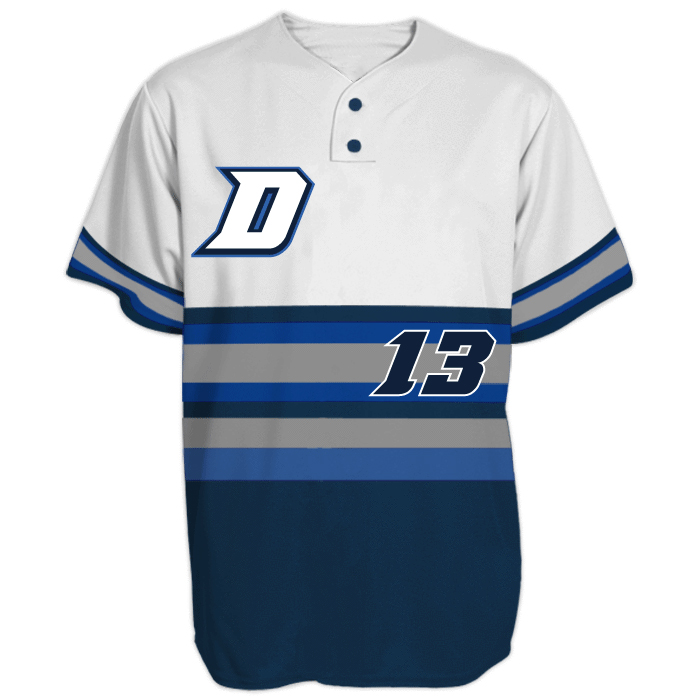
Heat-activated adhesive should bond the twill to the garment without seepage, stiffness or visible glue lines. Excessive adhesive causes hard, board-like letters; too little leads to lifting corners.
Puckering around stitched edges points to incorrect hoop tension, mismatched thread weight or skipped stabilizer. Flat, smooth letters require proper backing, balanced tension and correct needle size for the fabric weight.
Colorfastness and Wash Durability
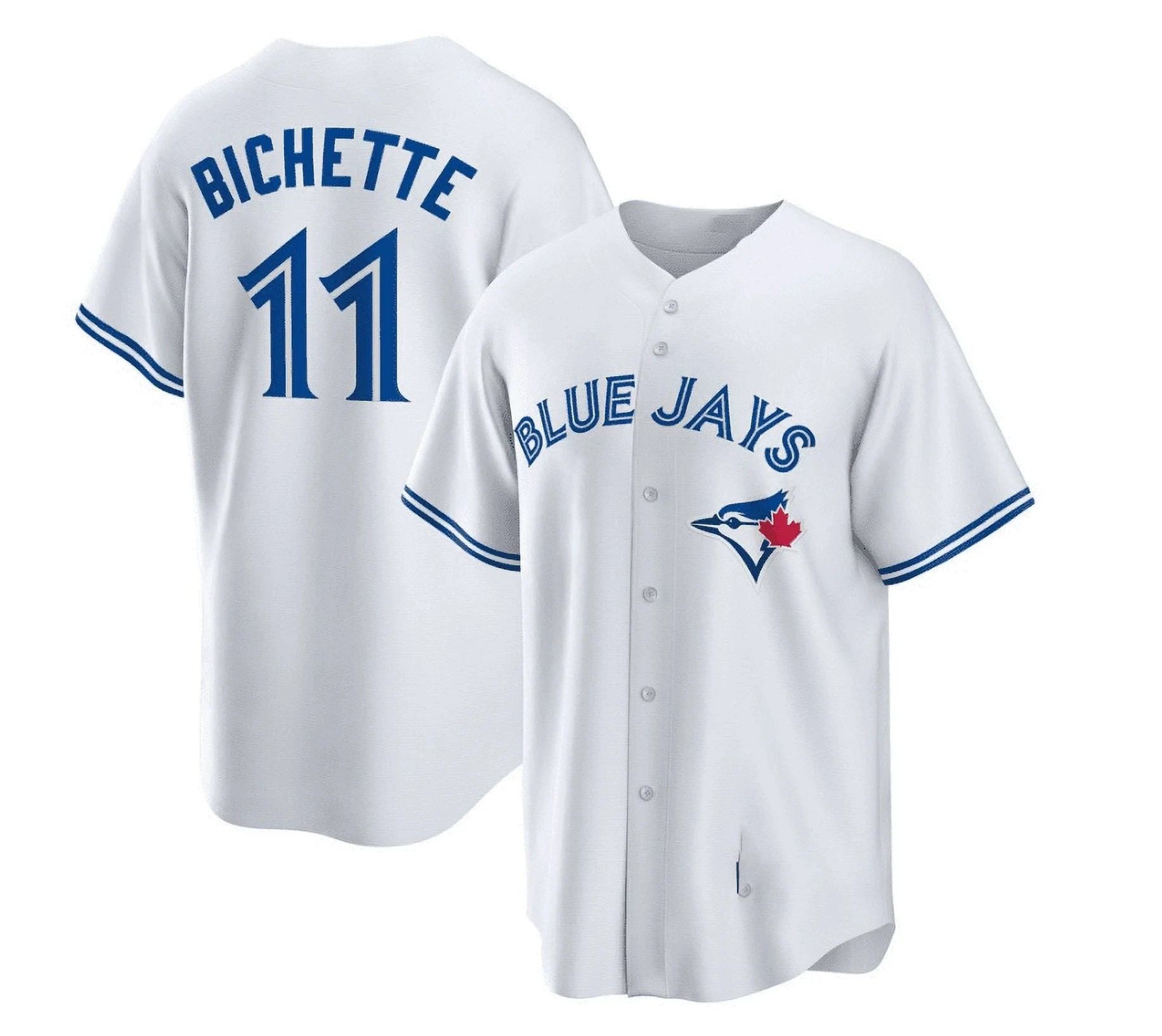
Request wash-test reports or strike-off samples laundered five cycles minimum. Professional twill holds Pantone-matched color without bleeding, fading or edge fraying after repeated industrial or home washing.
Loose threads, color migration onto the base garment or lifted edges after wash testing are immediate disqualifiers and indicate substandard thread, fabric or process control.
7. How to Choose a Tackle Twill Lettering Manufacturer
Selecting the right tackle twill lettering manufacturer determines whether your team apparel delivers professional results or disappoints on arrival. A systematic evaluation of capabilities, flexibility and transparency protects your brand and budget.
MOQ and Sample Turnaround
MOQ starts from 100 pieces per style at SELMOND, allowing brands to test designs and manage cash flow without warehouse risk. Sample turnaround typically runs 7–10 days for tackle twill decoration proofs, with digital mock-ups provided within 24–48 hours of artwork approval.
Ask suppliers for their minimum order threshold, sample lead time, and whether they charge sampling fees refundable on bulk orders.
In-House vs. Outsourced Stitching
Factories with dedicated in-house tackle twill stations control thread tension, satin-stitch density and layer alignment — outsourced decoration introduces delays and inconsistent quality. SELMOND runs cut-and-sew and decoration under one roof, ensuring tight coordination between garment construction and lettering application.
Request facility photos or video walkthroughs showing embroidery machines and twill-cutting equipment on-site.
Pantone Matching and Wash Testing
Pantone color-matching capability ensures team colors stay consistent across jersey bodies, tackle twill letters and chenille patches. Wash-test certifications verify that stitching, adhesive and fabric withstand 30+ industrial laundry cycles without puckering or fading.
Red flags include suppliers unwilling to provide wash-test reports or who quote colors by photo reference only.
8. Common Mistakes Buyers Make When Sourcing Tackle Twill Lettering
Even experienced buyers stumble when sourcing tackle twill lettering, often discovering problems only after bulk production ships. Small oversights — skipping a sample, choosing the lowest quote, or leaving specs unwritten — compound into returns, rework and lost trust.
Choosing Price Over Quality
The cheapest quote often hides shortcuts: polyester twill instead of cotton, rayon thread instead of polyester, or single-pass zigzag instead of satin stitch. Letters may look acceptable in photos but fray after three washes.
Request written material specifications — fabric weight, thread brand, stitch density — and compare apples to apples. A $2 price difference per garment can save $20 in returns and customer-service hours.
Skipping Pre-Production Samples
Approving production from photos or artwork alone is the fastest route to mis-matched colors, incorrect sizing, or poor stitch tension. SELMOND provides decoration strike-offs and full sample garments before any bulk run, ensuring lettering placement, thread color and edge finish meet expectations.
Always validate one physical sample per colorway and decoration style. Correct a mistake at the sample stage for under $50; correct it in 500-piece bulk for thousands.
Ignoring Wash-Care Requirements
Buyers rarely specify wash durability until the first customer complaint arrives. Tackle twill lettering survives 50+ industrial washes when built with polyester thread and heat-sealed backing, but fails in ten cycles with rayon thread or no backing.
Define your end-use — school teams wash weekly, retail customers expect home-laundry durability — and request corresponding thread, adhesive and stitch specs in writing before sampling.
9. Steps to Launch Your Custom Apparel Brand with Tackle Twill Lettering
Launching a custom apparel line around tackle twill lettering requires a clear roadmap that balances design identity, production planning and market positioning. SELMOND’s 28 years of B2B experience show that brands succeed when they treat decoration specs, sampling and inventory as core strategy — not afterthoughts.
Define Your Design Identity and Core Styles
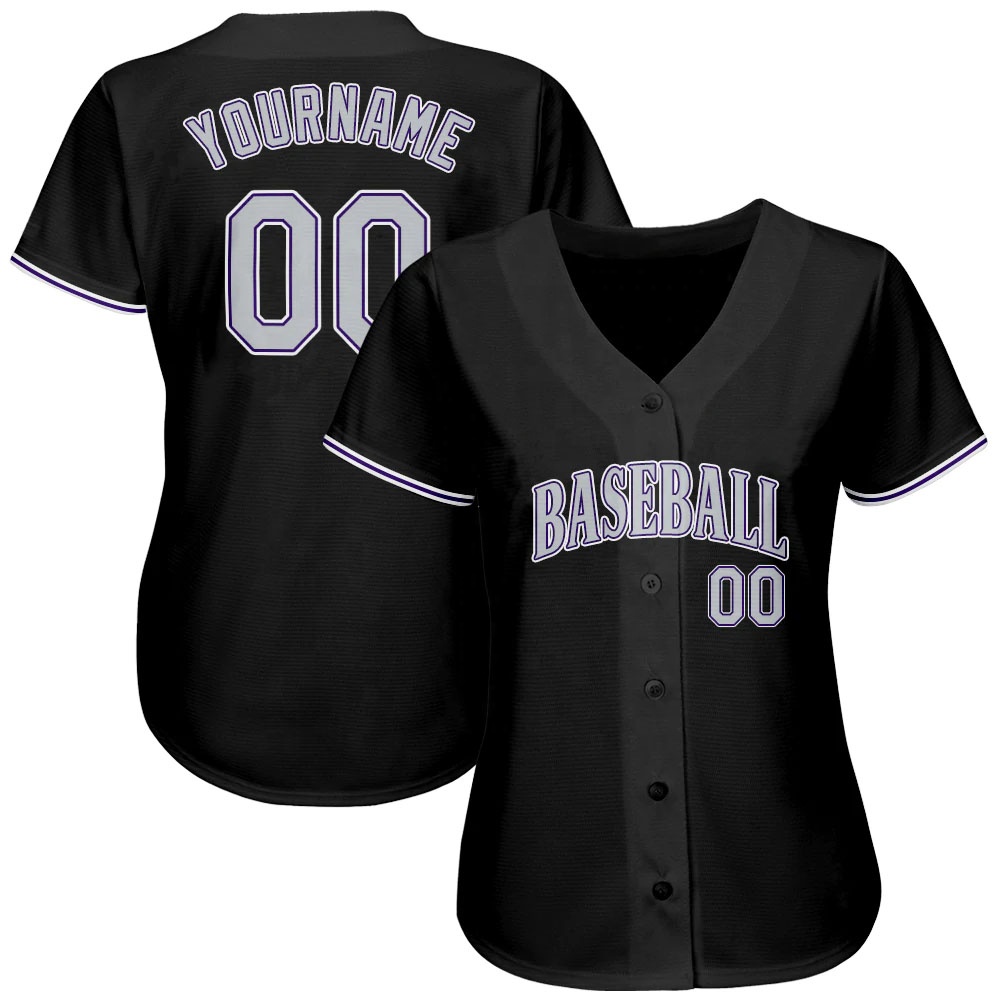
Start by choosing 2–4 hero garments that showcase tackle twill’s premium finish: varsity jackets, baseball jerseys, hoodies or caps. Map your color palette to Pantone references and decide on single-, double- or triple-layer lettering before any artwork begins.
MOQ at SELMOND starts at 100 pieces per style/colorway, letting startups test capsule collections without tying up cash in deep inventory.
Create a Tech Pack with Tackle Twill Specs
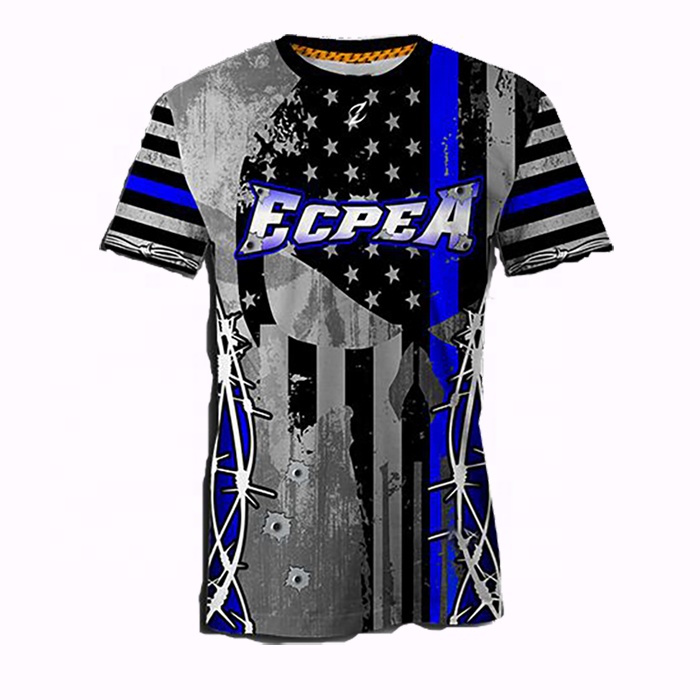
A production-ready tech pack includes garment construction, fabric weights (melton wool, polyester mesh), trim specs (ribbed knit gauge, zipper type) and a full decoration map: letter font, size in inches, twill fabric GSM, thread color and stitch type (zigzag or satin).
SELMOND’s design team digitizes artwork, grades sizes and produces decoration strike-offs before any bulk run, ensuring your vision translates to the factory floor.
Order Samples and Set Pricing
Request pre-production samples with actual tackle twill appliqué — not mockups. Check stitch density, edge finish and letter alignment across all size runs. Use sample cost plus decoration fees to calculate landed unit cost, then apply 2.5–4× retail markup for premium positioning.
Payment starts at 100% deposit for first orders, stepping down to 30% for repeat partners, with balance due before shipment.
10. Pricing and Cost Breakdown for Tackle Twill Lettering
Tackle twill lettering costs are driven by die-cutting setup, stitch count, fabric grade and layer complexity. Single-layer letters on standard twill start lower, while double- and triple-layer designs with satin-edge stitching and premium twill fabrics increase both setup and per-unit costs. Die-cutting fees typically apply once per letter shape and are amortized across larger runs, making higher MOQs more cost-effective per piece.
SELMOND’s 100-piece minimum order quantity balances accessibility with production efficiency, offering competitive per-unit pricing that scales as volume grows. Setup fees cover digitizing, die preparation and first-article approval; bulk orders of 500 pieces or more see material and labor efficiencies reflected in lower per-piece rates. Lead times compress at higher volumes due to optimized cutting and stitching workflows.
Material grade matters: polyester twill is the most economical, wool-blend twill adds durability and a premium hand-feel, and specialty metallic or textured twills command the highest tier. Multi-layer lettering with contrasting colors requires additional cutting, alignment and stitching passes, directly increasing labor and time costs.
| Order Quantity | Setup Fee (USD) | Per-Unit Cost (USD) | Lead Time (Days) |
|---|---|---|---|
| 100 pcs (single-layer) | 150–250 | 2.50–4.00 | 18–22 |
| 100 pcs (multi-layer) | 200–300 | 3.50–5.50 | 20–25 |
| 500 pcs (single-layer) | 150–250 | 1.80–3.00 | 15–18 |
| 500 pcs (multi-layer) | 200–300 | 2.50–4.00 | 18–22 |
| 1,000+ pcs (any complexity) | Waived or included | 1.50–2.80 | 12–16 |
Get Your Tackle Twill Lettering Quote Today
Submit your artwork, request a free sample, or schedule a consultation with SELMOND’s design team. MOQ from 100 pieces, fast sampling, full OEM/ODM support.