Custom Logo Embroidery for Varsity Jackets, Jerseys & Team Apparel
Sharp, durable embroidery — flat, 3D puff, and cap work — on varsity jackets, baseball jerseys, custom caps and team uniforms. MOQ from 100 pieces, full in-house decoration, fast artwork proofs and samples.
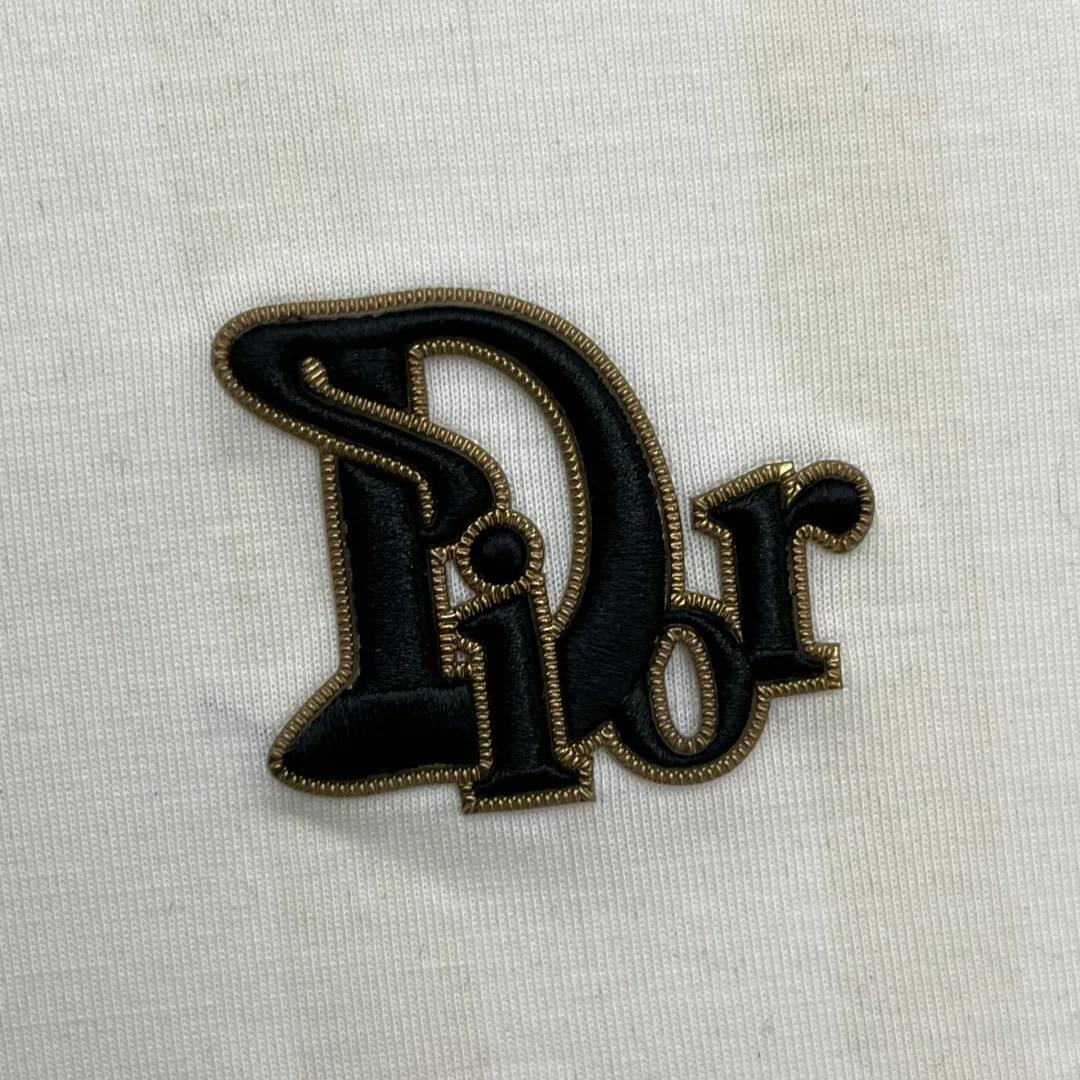
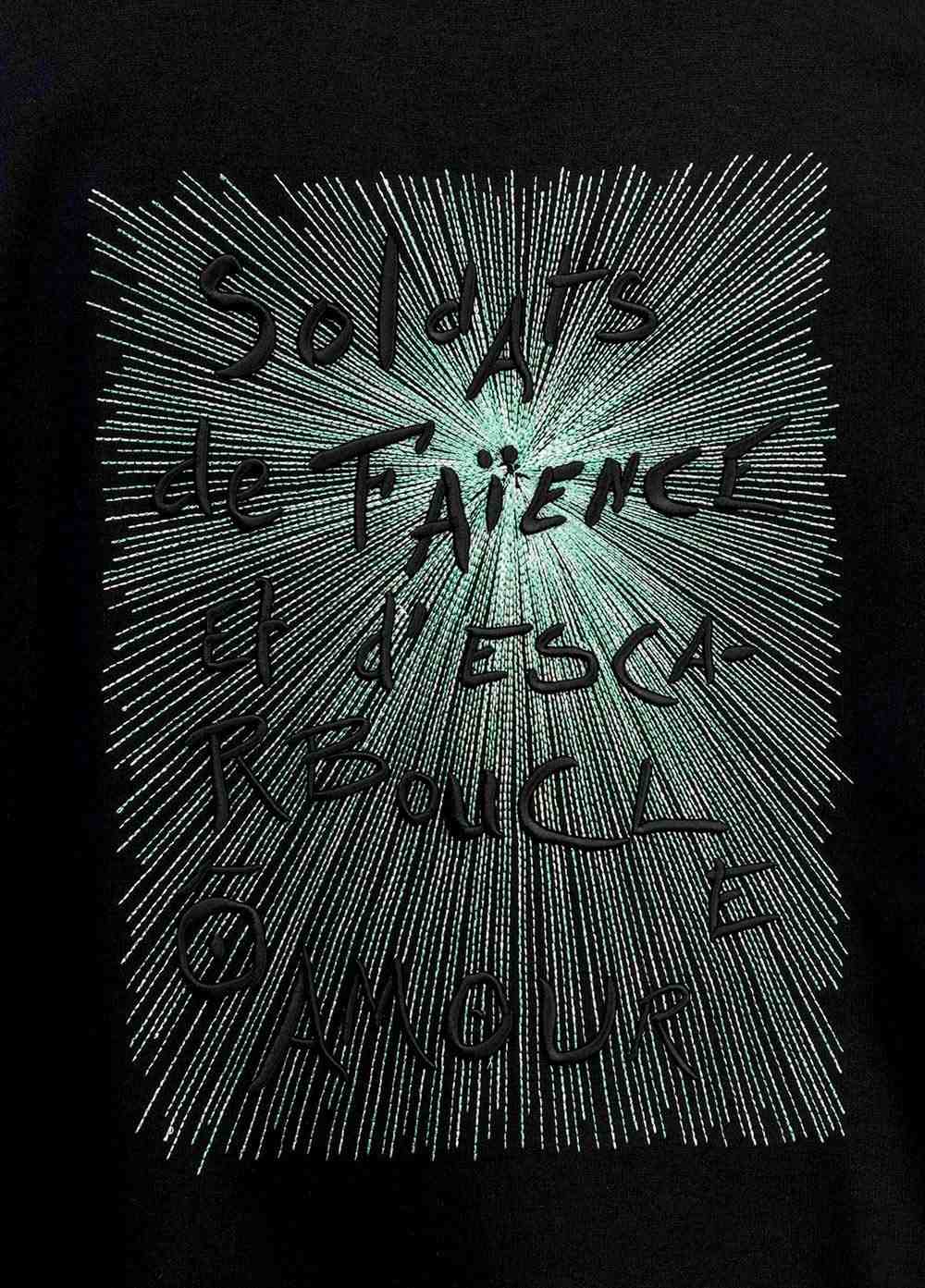
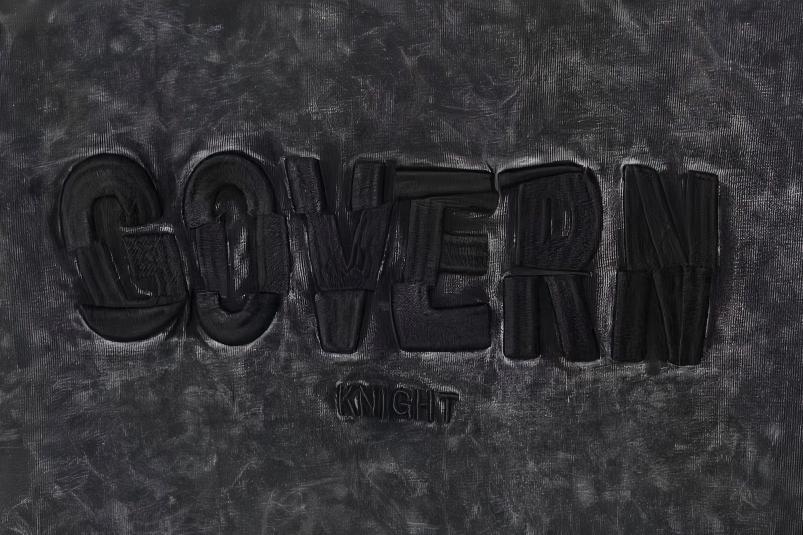
Custom Logo Embroidery Samples & Finished Pieces
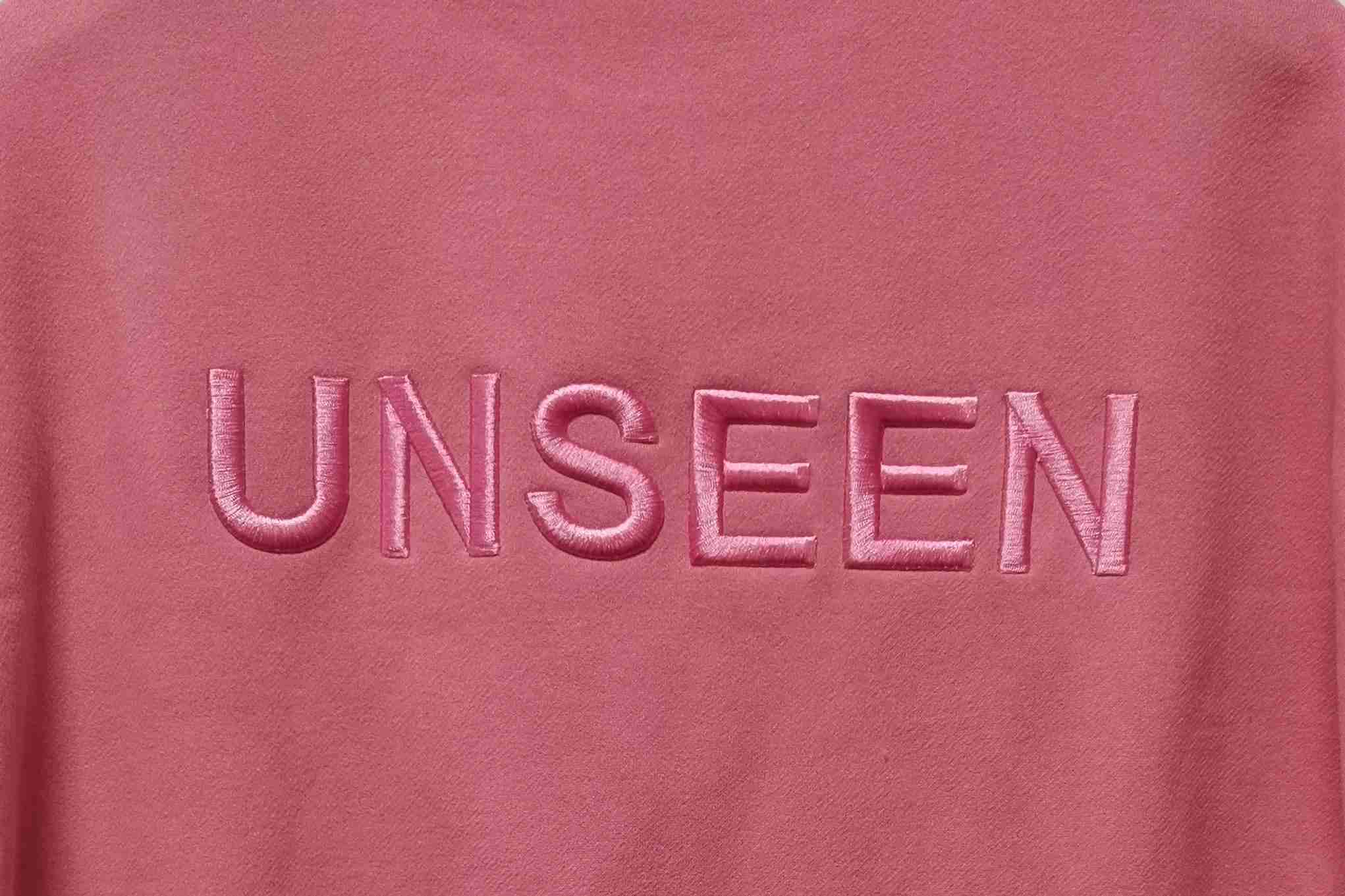
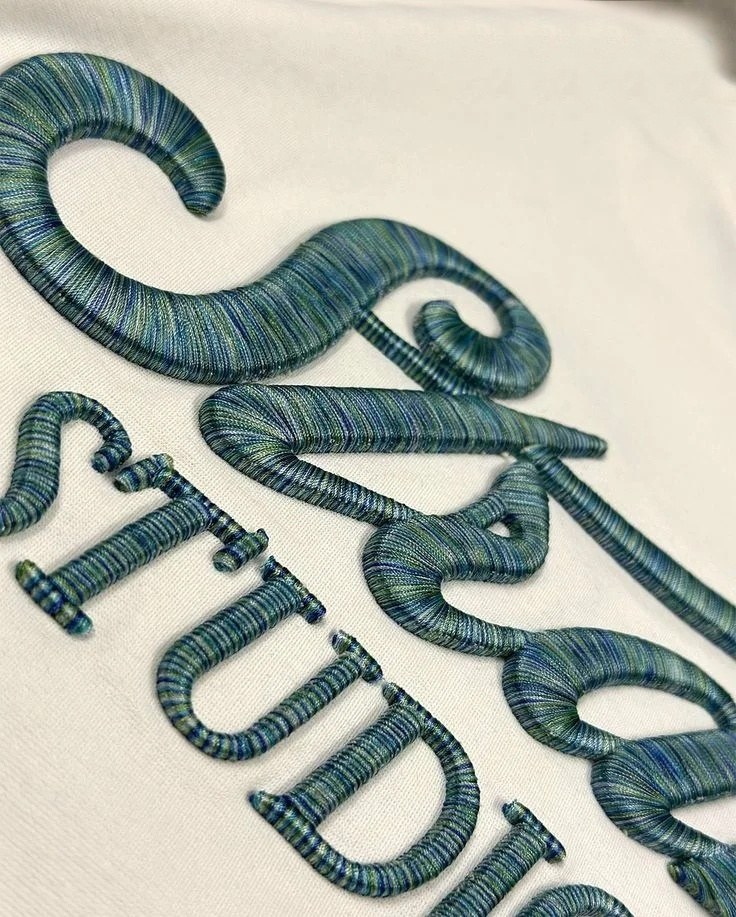
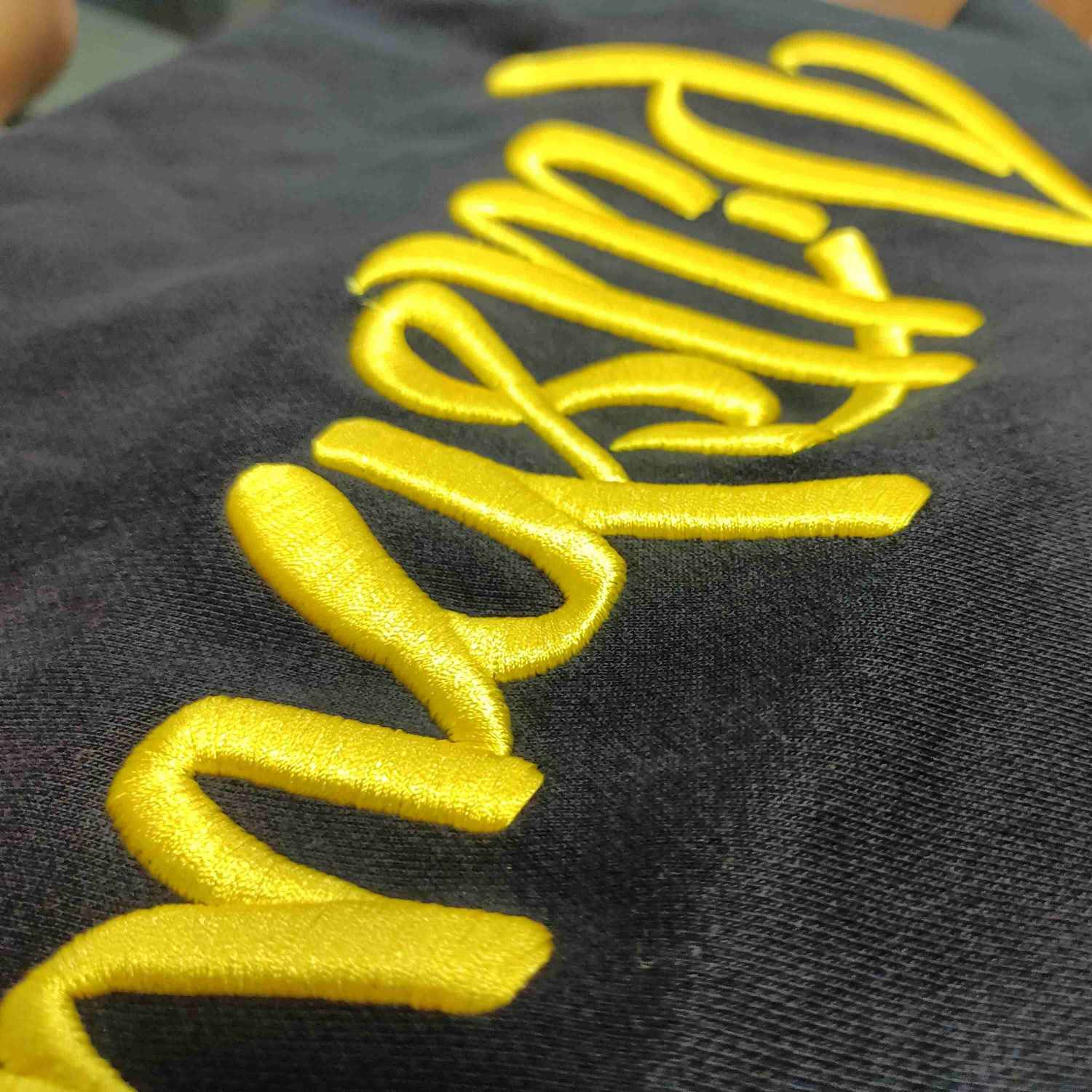
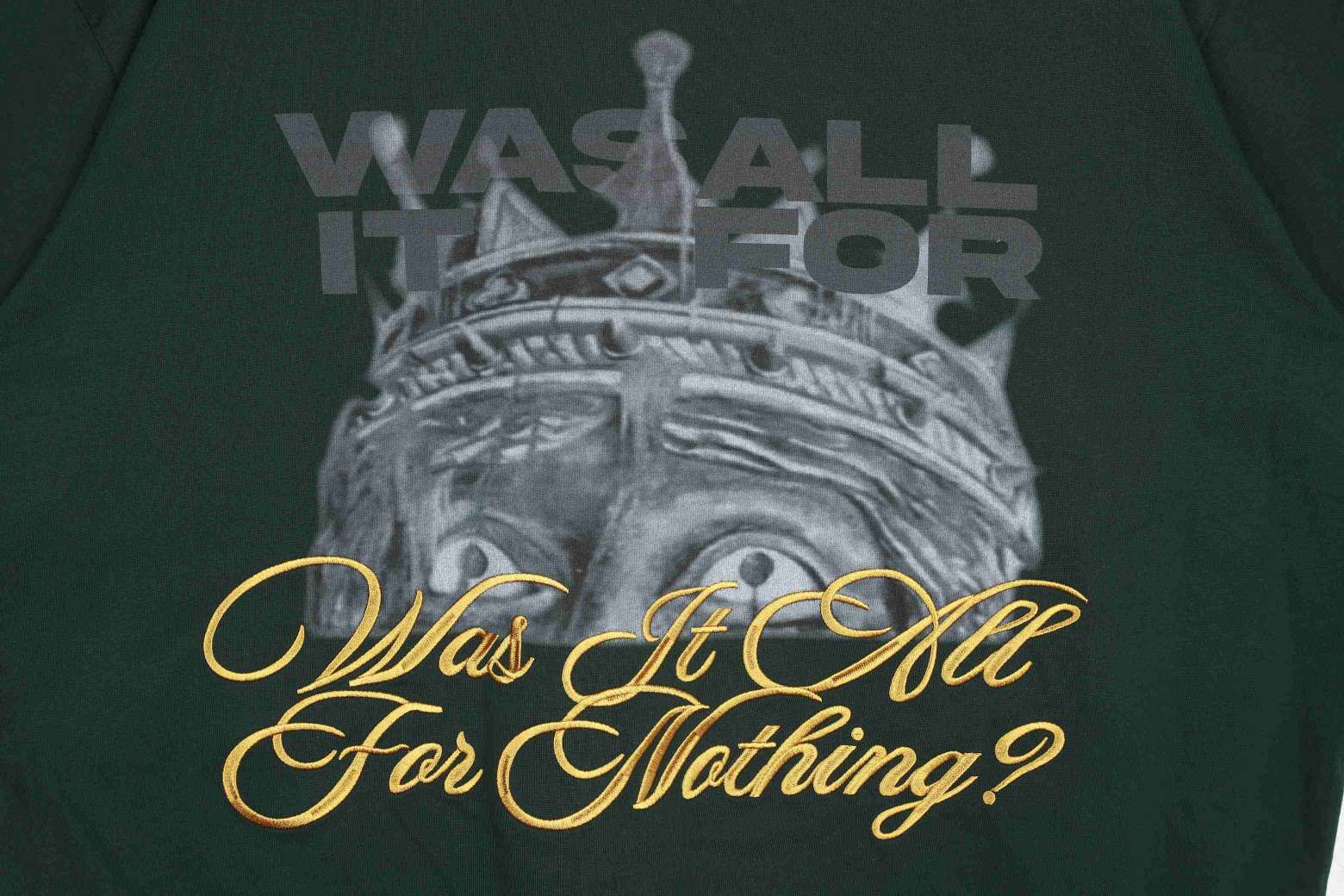
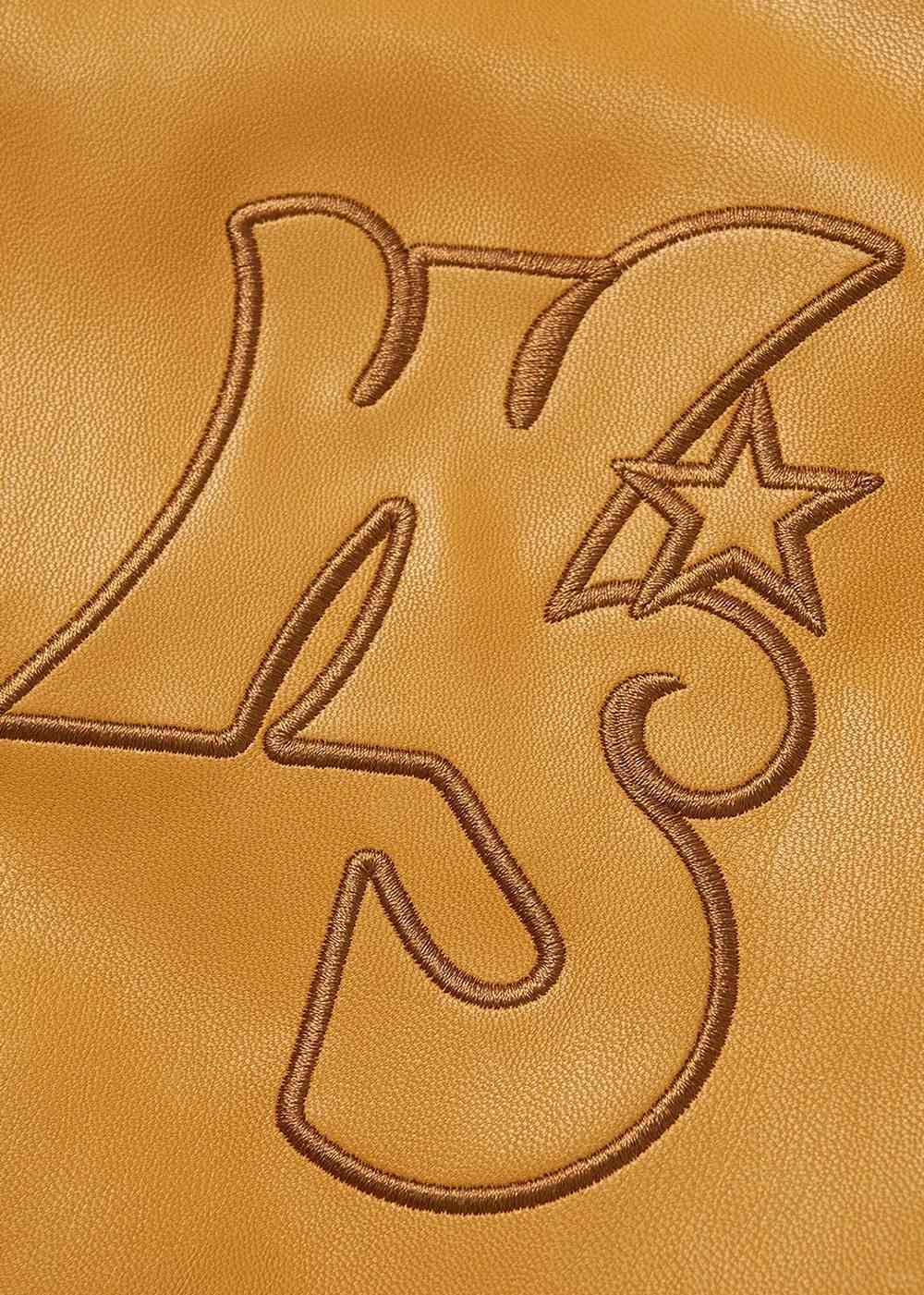
What Makes Custom Logo Embroidery Stand Out
Premium Stitch Density
High-count stitching delivers sharp edges, clean fills and professional detail that holds its shape wear after wear on varsity jackets and jerseys.
3D Puff & Flat Embroidery
Choose raised 3D puff for bold logos or flat embroidery for fine text and intricate artwork — both with precise color matching.
True Color Accuracy
Thread digitizing and Pantone-matched polyester or rayon threads ensure your team colors and brand identity stay consistent across every piece.
Wash & Wear Durability
Custom logo embroidery resists fading, cracking and peeling through repeated laundering — outlasting screen prints and heat transfers on athletic apparel.
Versatile Fabric Compatibility
Works beautifully on melton wool, leather sleeves, polyester mesh, cotton twill caps and jersey knits — decoration that adapts to any team garment.
Fast Artwork & Strike-Offs
In-house digitizing turns your logo into stitch files quickly, with embroidered strike-off samples ready for approval before bulk production begins.
Related Decoration Techniques & Team Apparel
Compare embroidery methods, explore chenille and tackle twill alternatives, or see how professional logo decoration applies across varsity jackets, jerseys, caps and uniforms.
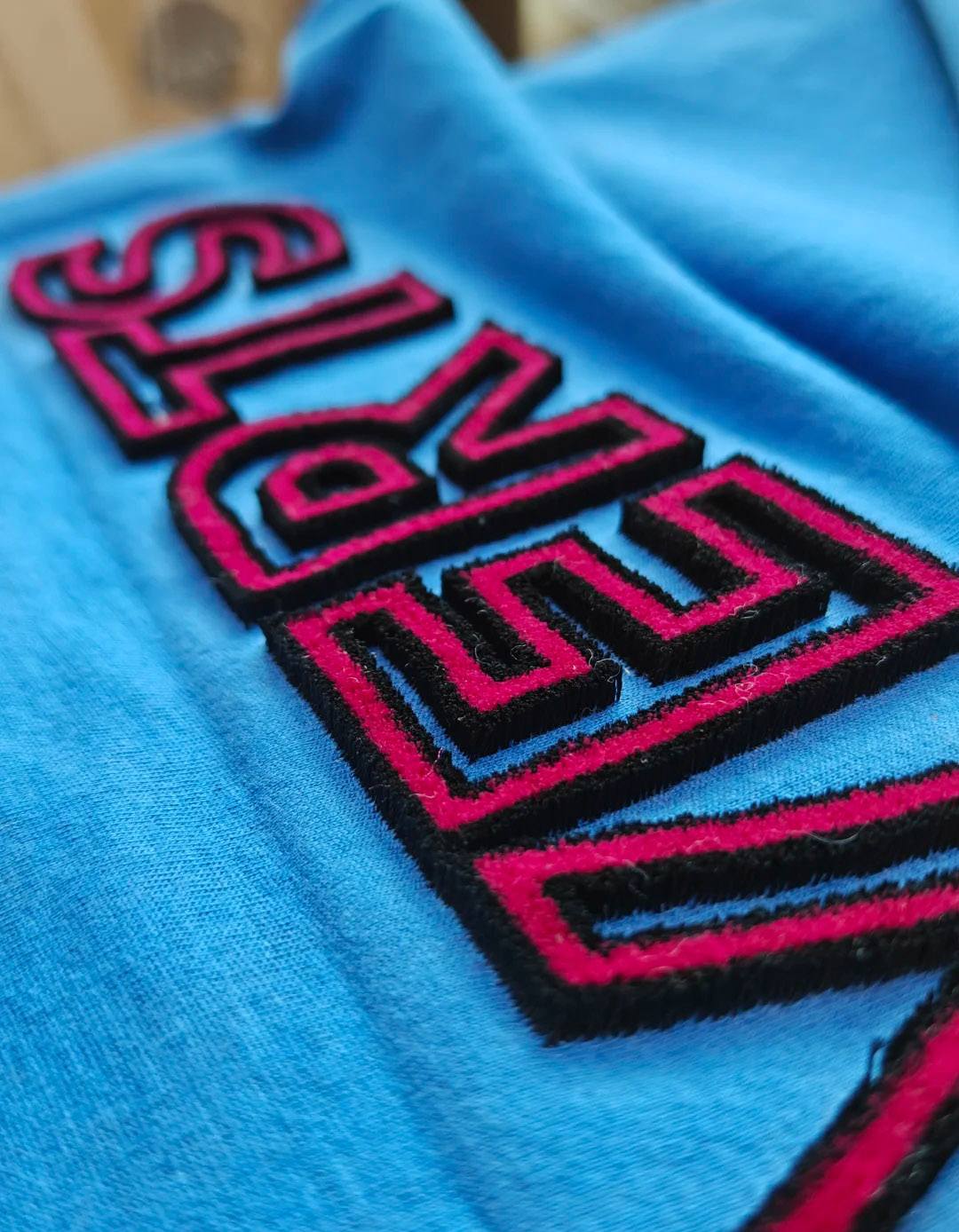
Custom Embroidery Services
Full-service custom embroidery for team apparel, varsity jackets, jerseys, caps and uniforms. Flat, 3D puff, cap embroidery, monograms and logo work executed in-house with digitizing, thread-color matching, strike-offs and sample approval. MOQ from 100 pieces, with artwork proofs and decoration testing before bulk production.
Get a Quote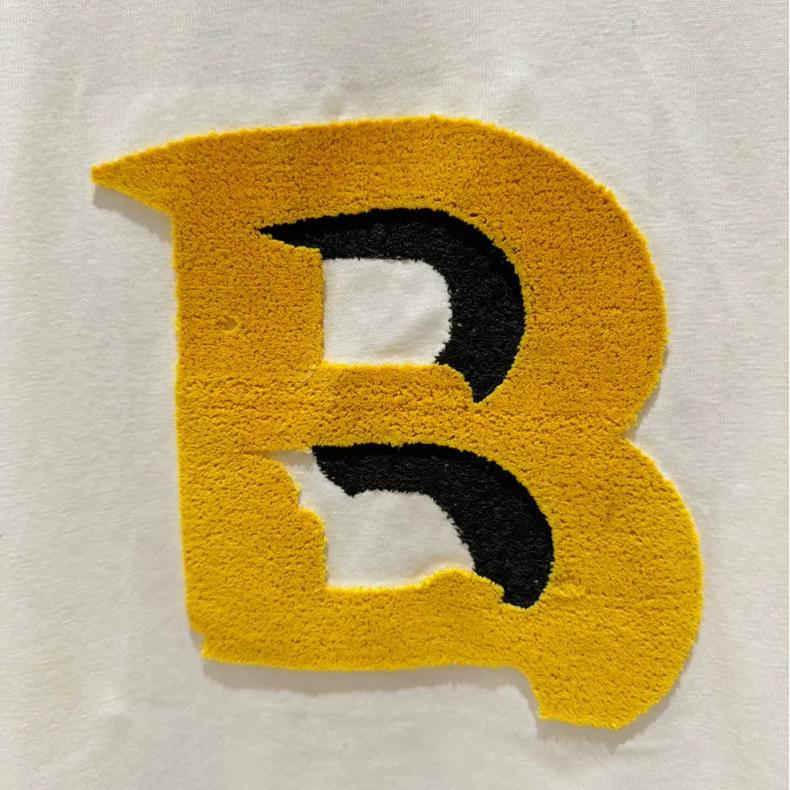
Flat Embroidery
Flat embroidery for clean, precise logos, team names, player names and sponsor marks on varsity jackets, jerseys, caps and uniforms. Thread count up to 15 colors, tight registration, minimal puckering. Ideal for detailed artwork, small text and multi-location decoration across chest, back, sleeves and cap fronts.
Get a Quote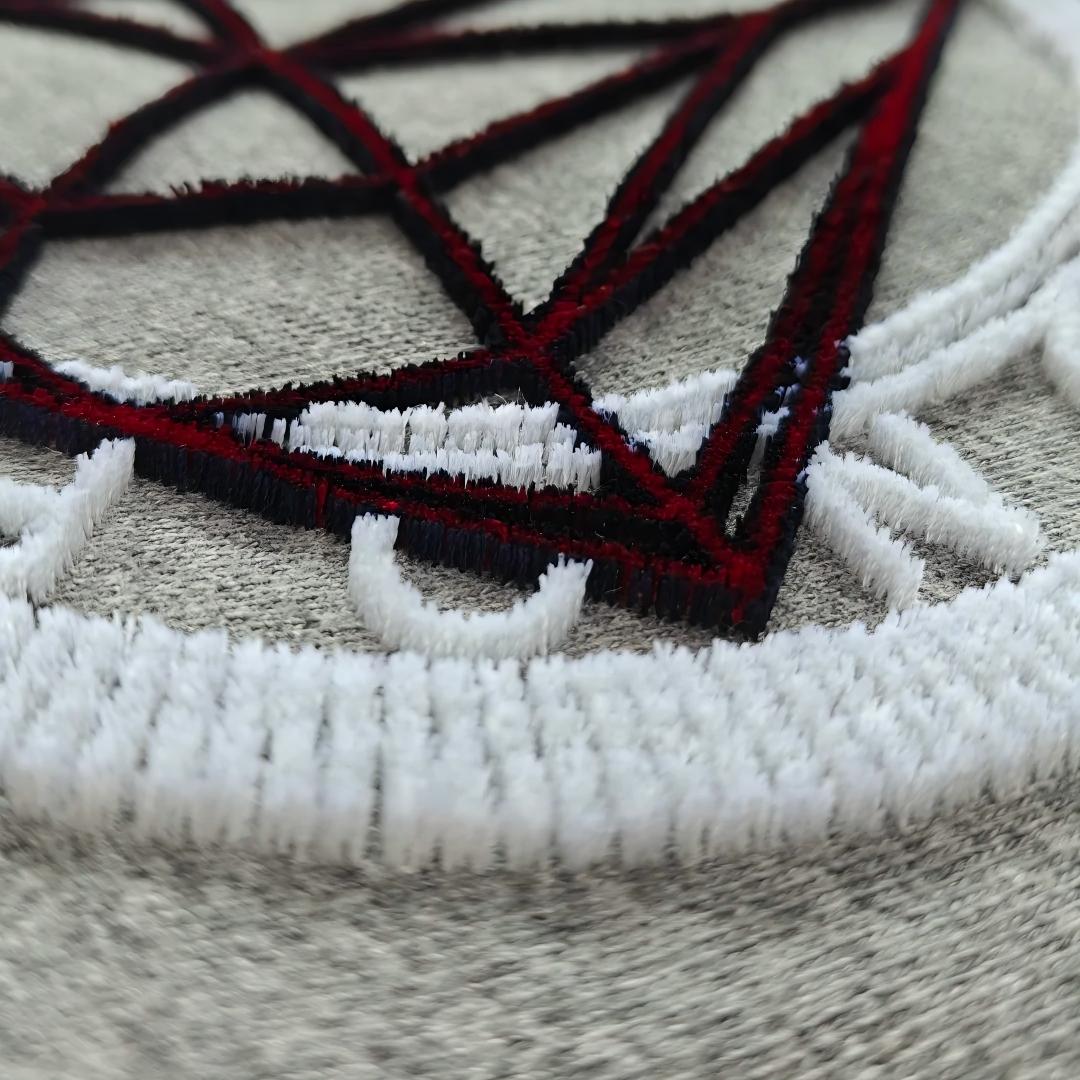
3D Puff Embroidery
3D puff embroidery adds raised, dimensional texture to logos and lettering on caps, beanies, varsity jackets and jerseys. Foam underlay lifts the design for bold, tactile impact. Best suited for simple artwork, block letters and team marks where depth and shelf presence matter more than fine detail.
Get a Quote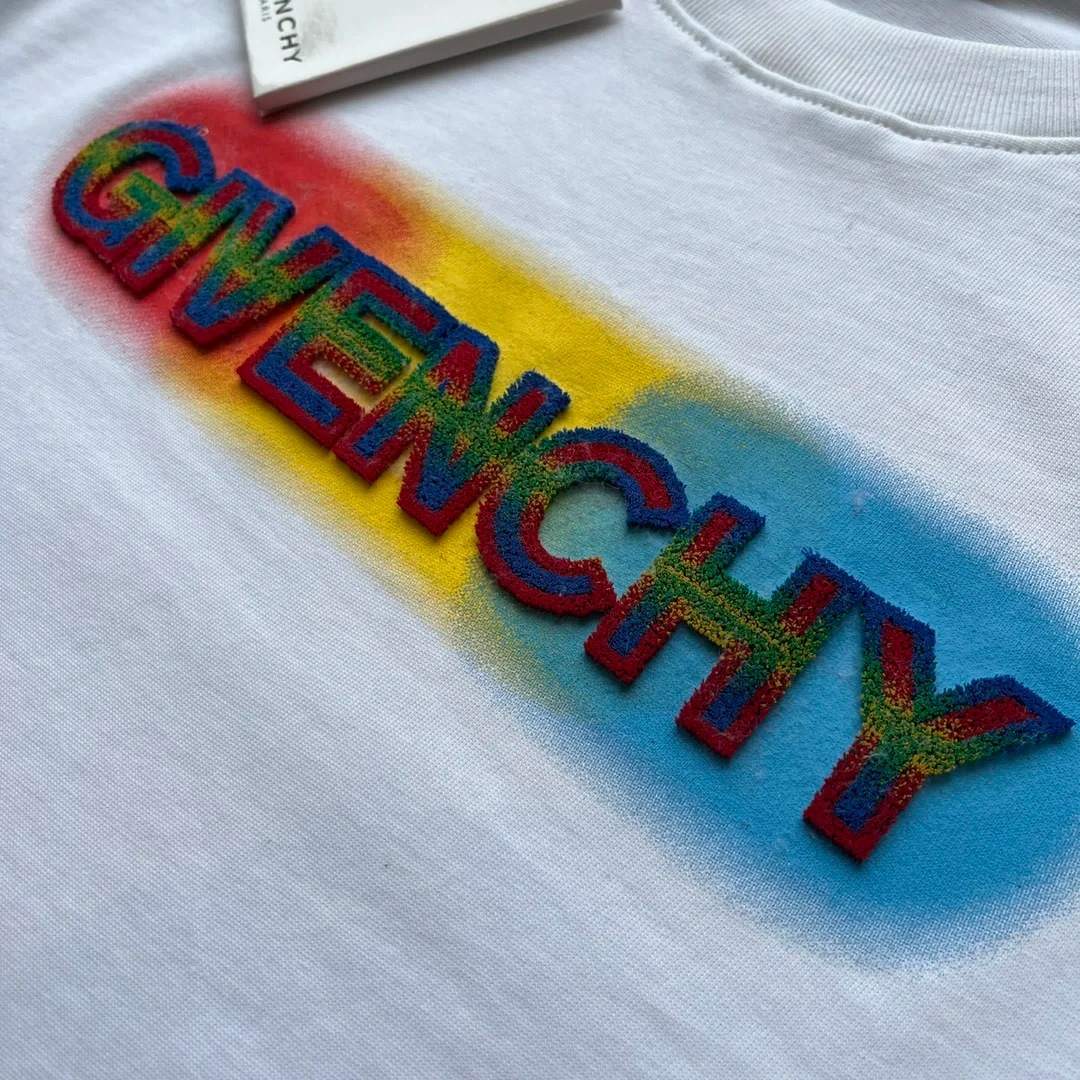
Cap & Hat Embroidery
Specialized cap and hat embroidery for structured baseball caps, snapbacks, dad hats and beanies. Front-panel logos, side marks, back text and underbrim decoration. Hooping and tensioning calibrated for curved, pre-assembled headwear to prevent distortion, with thread density and backing optimized for cotton twill, brushed cotton and knit fabrics.
Get a Quote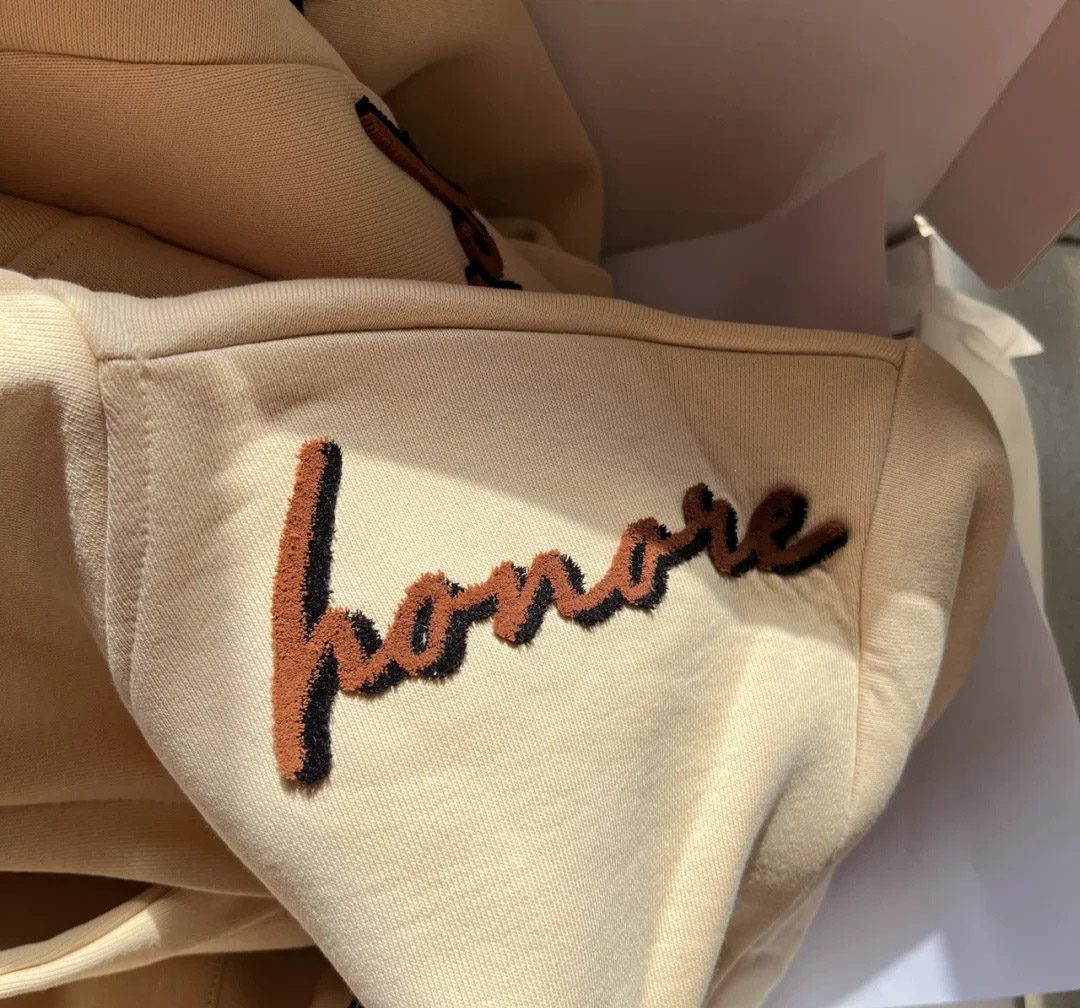
Custom Baseball Jerseys
Custom baseball jerseys with full-dye sublimation, tackle-twill names and numbers, embroidered logos and screen-printed sponsor marks. Polyester mesh, tricot or performance knit fabrics. Button-front, pullover or two-button styles. Ribbed or braid trim. In-house decoration floor handles multi-technique builds and team sets from 100 pieces.
Get a Quote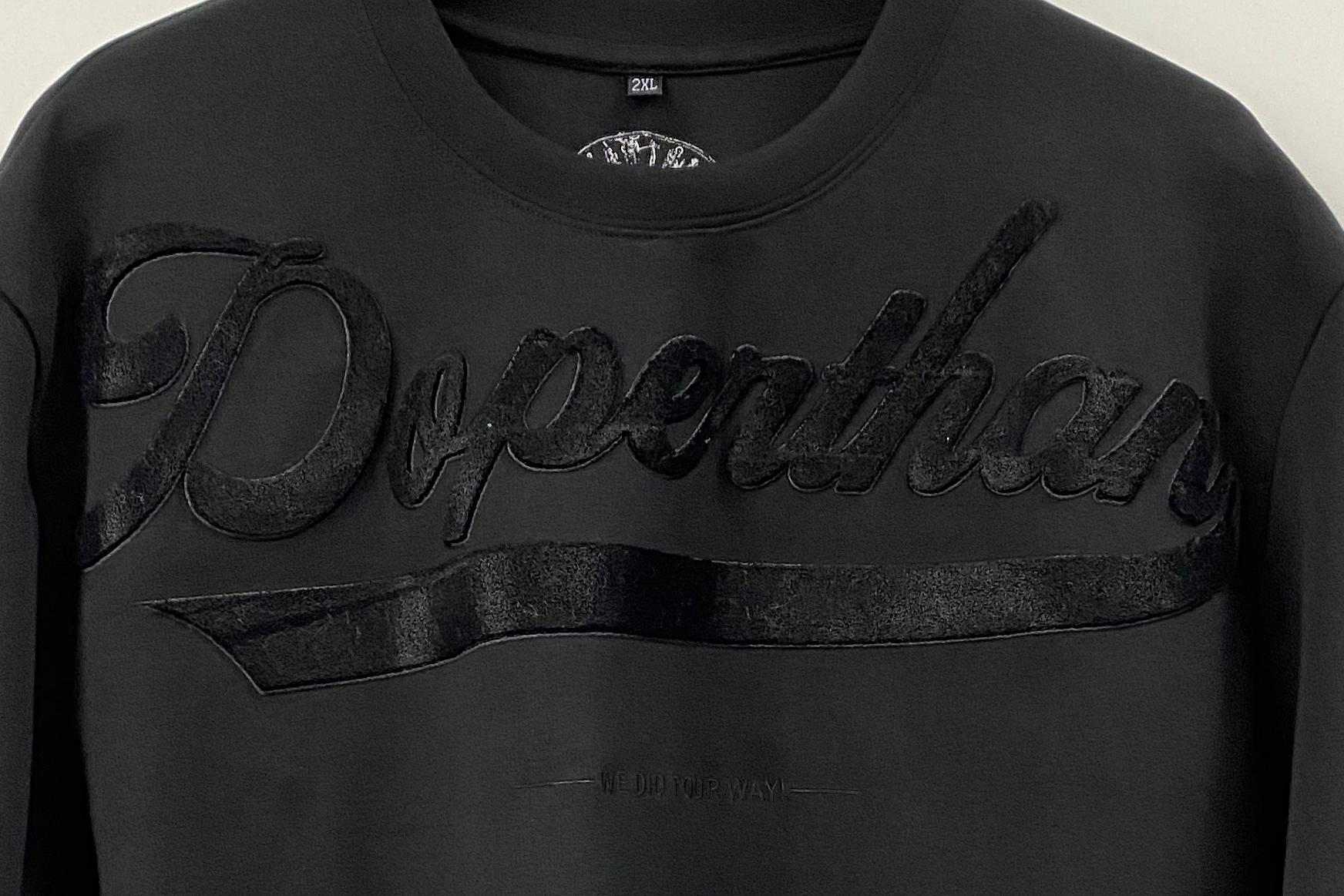
Custom Baseball Jersey
Baseball jerseys manufactured with sublimation, tackle twill, embroidery and heat-transfer decoration. Full team-set production including names, numbers, logos and sponsor placements. Polyester mesh or tricot, button or pullover construction, ribbed collar and sleeve trim. MOQ 100 pieces, with artwork proofs and samples before bulk.
Get a Quote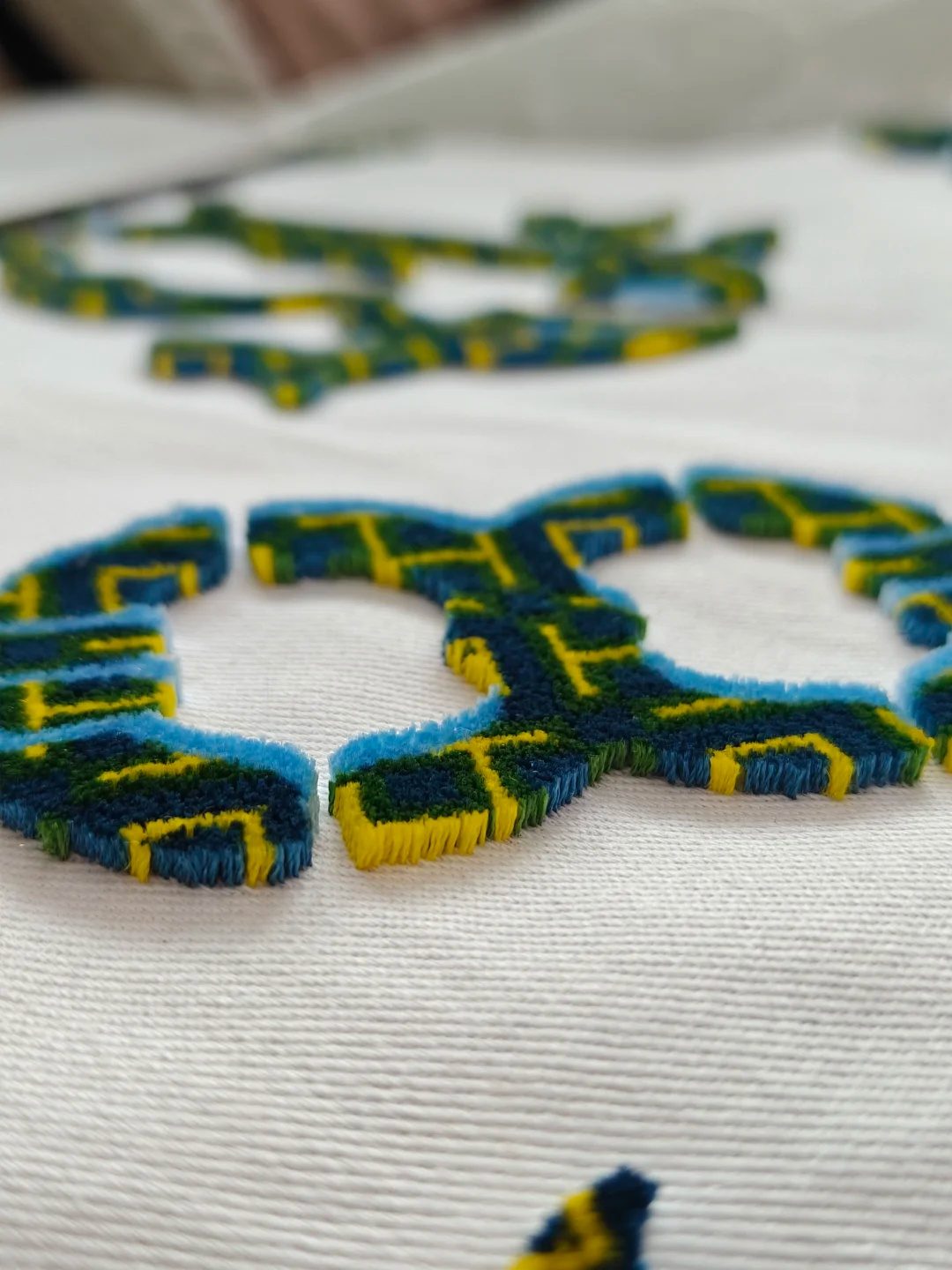
Custom Baseball Jersey Shirts
Baseball jersey shirts custom-built for teams, schools, clubs and apparel brands. Full-dye sublimation for all-over graphics, tackle-twill layered numbers, embroidered chest logos and screen-print backs. Moisture-wicking polyester, athletic cuts, reinforced seams. In-house decoration, pattern grading and QC from a single Dongguan facility.
Get a Quote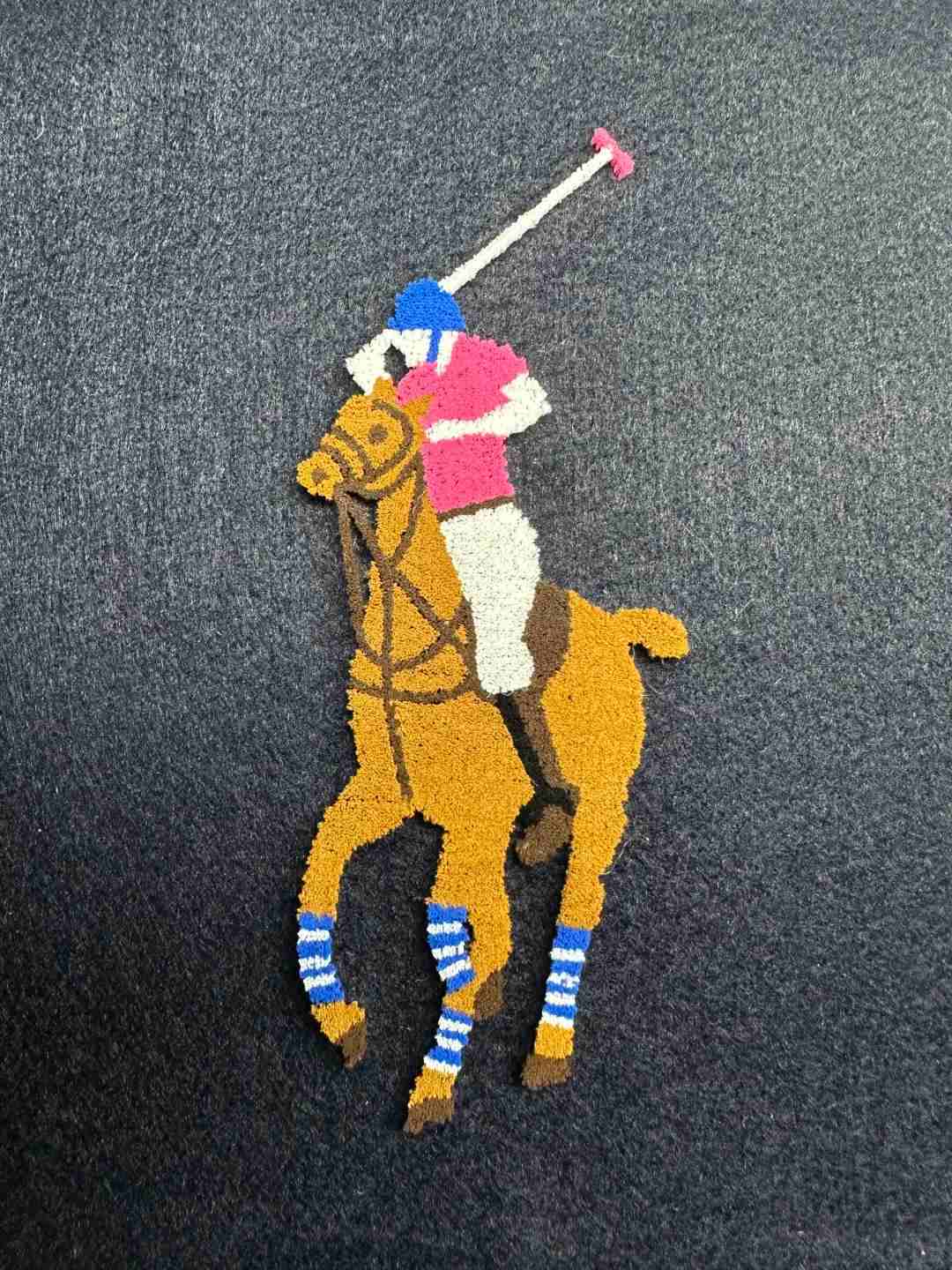
Chenille Patch Embroidery
Chenille patch embroidery for authentic varsity jacket lettering, team patches and appliqué. Thick, looped chenille yarn stitched onto twill backing, then cut and sewn or heat-sealed onto wool bodies and leather sleeves. Single and multi-color chenille letters, monograms, mascot patches and anniversary marks, all produced in-house.
Get a Quote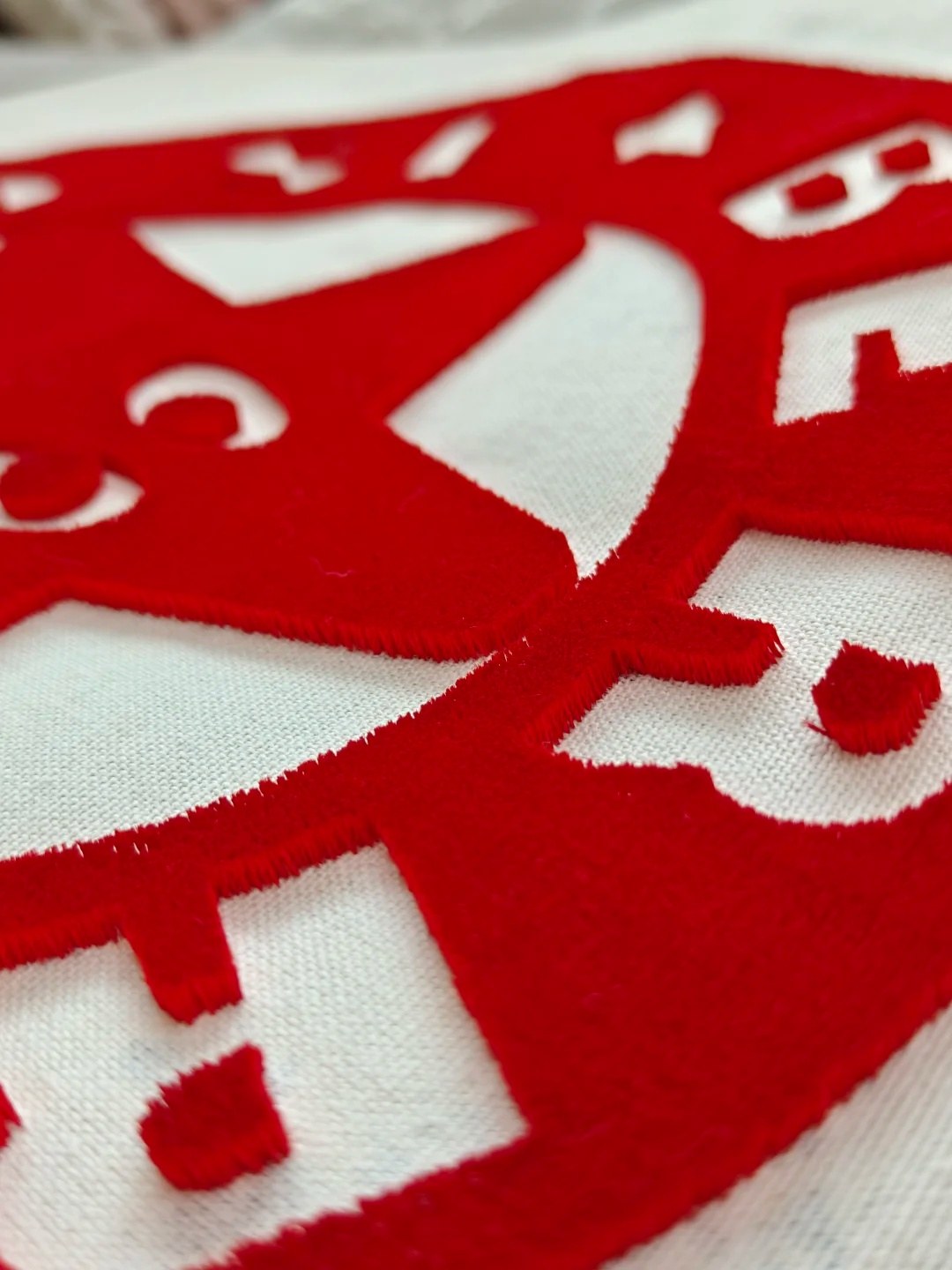
Raised Puff Embroidery
Raised puff embroidery with foam underlay for bold, dimensional logos and lettering on caps, varsity jackets, jerseys and beanies. Digitized in-house with thread-color matching, strike-off samples and bulk production under one roof in Dongguan. Ideal for simple artwork and block letters where depth matters.
Get a QuoteCustom Logo Embroidery Manufacturer Since 1998
Founded in 1998 in Dongguan, China, SELMOND has spent over 28 years perfecting custom logo embroidery for varsity jackets, baseball jerseys, caps and team apparel. What started as a family cut-and-sew and decoration workshop has grown into a full-scale manufacturer with in-house embroidery, chenille, tackle twill and sublimation floors — all under one roof, purpose-built for B2B partners who demand consistent, production-ready decoration.
Today SELMOND operates dedicated embroidery stations capable of flat, 3D puff, cap and monogram work, supported by a team of over 200 skilled employees and a monthly production capacity exceeding 80,000 pieces. From a single embroidered logo to full team sets with tackle-twill numbers and chenille letters, every garment is developed, decorated and quality-checked in-house before it ships.
With a minimum order quantity starting at just 100 pieces per style and color, SELMOND has served over 2,000 brands, teams, schools, clubs and custom apparel partners across the United States, Canada, the United Kingdom, Germany, Australia, Russia and the Middle East — delivering artwork proofs, decoration strike-offs and sample garments before every bulk production run.
Custom Logo Embroidery: Stitch Density, Thread Chemistry & Durability
Thread Selection and Stitch Density Control
SELMOND uses premium polyester and rayon embroidery threads engineered for color fastness and tensile strength. Every custom logo embroidery design is digitized with stitch-density targets between 4,000 and 6,000 stitches per square inch, ensuring crisp edges, minimal puckering and uniform coverage across wool, cotton twill and polyester jersey substrates.
- Polyester thread for outdoor caps and jerseys; rayon for varsity jackets and premium garments
- Stitch density calibrated to fabric weight — lighter for mesh, denser for melton wool
- Digitizing includes underlay stitching to stabilize fabric and prevent logo distortion
Backing Material and Heat-Setting Process
Proper backing is the foundation of durable custom logo embroidery. SELMOND pairs cut-away, tear-away or water-soluble backing to each garment type, then heat-sets completed logos at controlled temperature and dwell time to lock thread tension, eliminate hoop marks and ensure the embroidery sits flat through repeated wear and washing.
- Cut-away backing for stretch fabrics and high-stitch-count logos on jerseys and jackets
- Tear-away backing for structured caps and lightweight apparel to reduce bulk
- Heat-setting at 160–180°C for 8–12 seconds stabilizes thread and prevents fraying
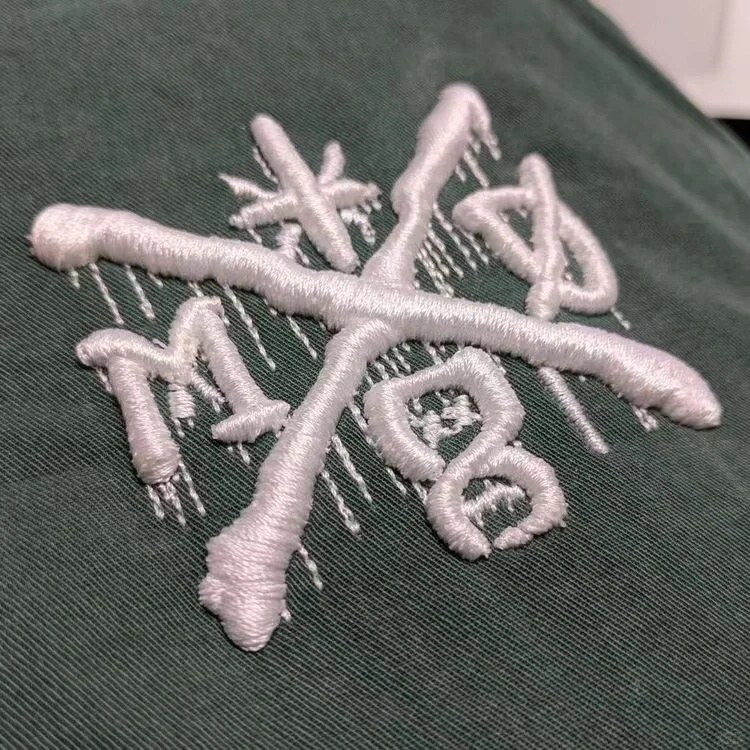
Multi-Needle Precision and Color Matching
SELMOND operates multi-needle embroidery machines with up to 15 heads, enabling simultaneous color changes and tight registration across complex custom logo embroidery artwork. Thread colors are matched to Pantone references or client swatches, and every production run includes a strike-off sample to confirm shade, placement and finish before bulk stitching begins.
- 15-head machines reduce production time while maintaining stitch-to-stitch consistency
- Thread libraries cover 400+ colors; custom dye-lot matching available for brand palettes
- Strike-off samples provided within 3–5 days for client approval before bulk production
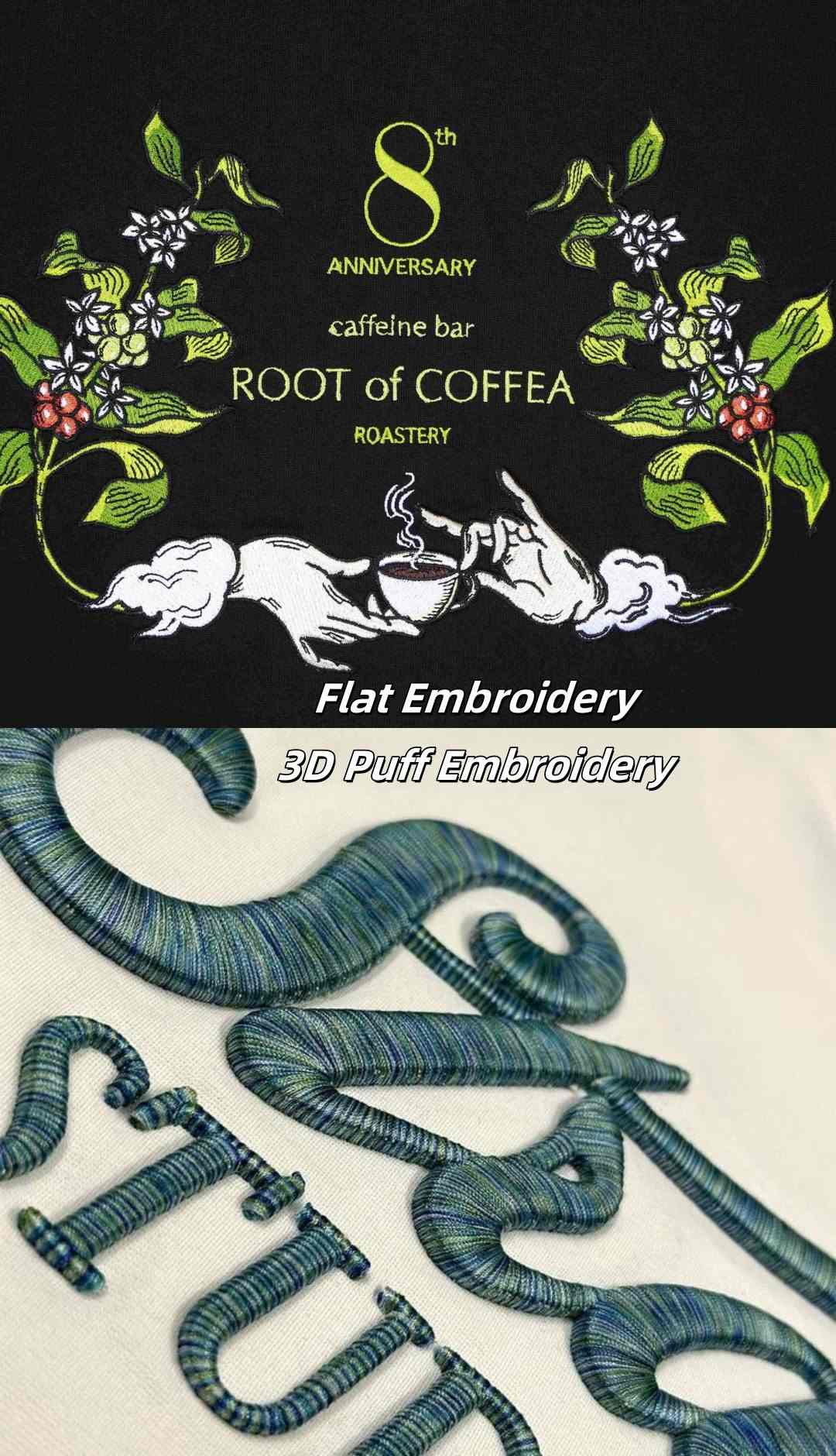
Wash-Cycle Durability and Quality Testing
Every custom logo embroidery batch undergoes wash-cycle testing to ISO 6330 standards — 50+ cycles at 40°C with tumble drying — to verify thread retention, color stability and backing integrity. SELMOND’s QC team inspects stitch tension, checks for thread breaks and measures logo dimensions post-wash to ensure your brand’s embroidery performs as well as it looks.
- 50+ wash cycles at 40°C simulate two years of regular team-apparel use
- Post-wash inspection for thread breaks, color bleeding and dimensional shrinkage
- In-line QC catches tension errors, skipped stitches and misalignment before packing
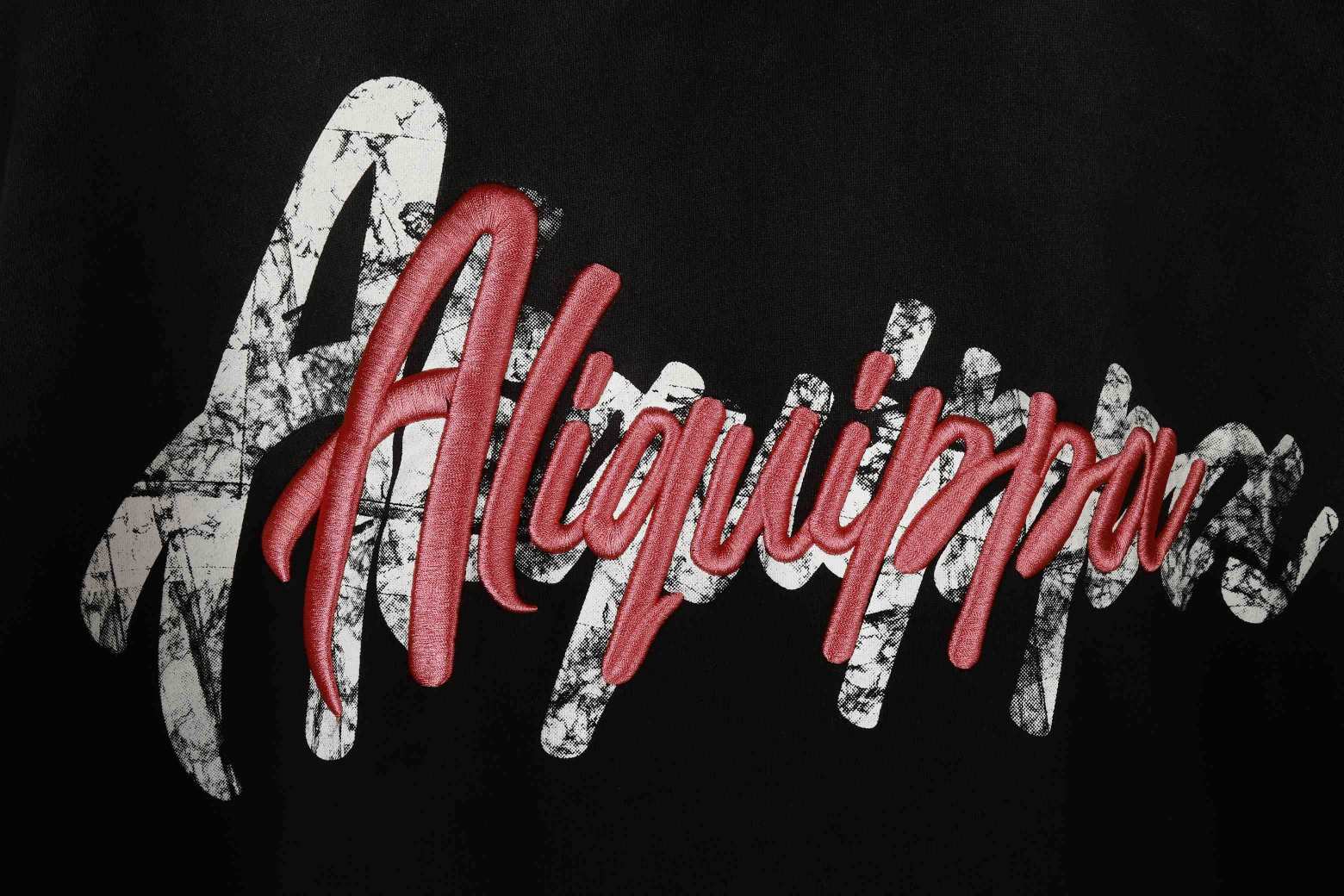
Custom Logo Embroidery vs. Chenille, Tackle Twill & Screen Print
Each decoration technique brings different strengths to team apparel. Here’s how custom logo embroidery compares to the three most common alternatives — so you can choose the right process for your varsity jackets, jerseys, caps and uniforms.
← 左右滑动查看 →
Custom Logo Embroidery Production Process
Six controlled phases ensure every embroidered logo meets team-apparel standards — tight registration, clean edges, and durability through repeated wear and washing.
Artwork Digitizing & Proofing
Your logo is converted into a stitch file with thread colors matched to Pantone or photo reference, then sent as a digital proof for approval before any needle touches fabric.
Strike-Off Sample & Approval
SELMOND stitches a physical strike-off on your chosen fabric — wool melton, twill, or jersey mesh — so you approve density, size, and thread sheen in real conditions.
Hooping & Production Stitching
Garment panels are hooped with stabilizer backing, then run on multi-head embroidery machines calibrated for consistent tension, stitch count, and registration across the full production run.
Backing Removal & Trimming
Excess stabilizer is trimmed away and loose thread tails are clipped by hand, leaving only clean stitching visible on both the face and interior of the garment.
In-Line Quality Inspection
Every embroidered piece passes through a dedicated QC station checking for skipped stitches, thread breaks, puckering, color accuracy, and placement against the approved strike-off and tech pack.
Garment Assembly & Finishing
Embroidered panels are sewn into finished varsity jackets, jerseys, or caps, pressed, tagged, and packed — ready to ship with decoration intact and durable for the long season ahead.
How to Order Custom Logo Embroidery from SELMOND
From inquiry to shipment, SELMOND‘s streamlined process makes it easy to commission professional custom logo embroidery with MOQ from just 100 pieces and full design support at every stage.
Submit Your Inquiry & Artwork
Send your logo file, garment type, quantity and decoration placement. SELMOND’s team reviews your artwork and provides digitizing, proofing and a detailed quotation within one business day.
Review Proofs & Approve Samples
Receive digital embroidery proofs and optional strike-off samples on your chosen fabric. Adjust thread colors, stitch density or placement until the custom logo embroidery meets your brand standards.
Confirm Production & Pay Deposit
Approve the final sample and place your order with MOQ from 100 pieces. Payment starts at 100% for first orders, stepping down to 30% for established partners via bank transfer, PayPal or USDT.
Track Bulk Production & QC
SELMOND manufactures your garments and applies custom logo embroidery in-house. In-line quality control checks stitch tension, thread breaks and placement consistency throughout every run.
Settle Balance & Receive Shipment
Pay the remaining balance before shipment. SELMOND arranges export logistics and provides tracking. Your custom logo embroidery order arrives ready to wear, sell or distribute worldwide.
Customer Stories: Custom Logo Embroidery Success
SELMOND’s custom logo embroidery on our varsity jackets stayed crisp through 40+ washes. The stitch density held perfectly, and our school crest looked sharp all season. Sampling was fast and the 150-piece MOQ worked for our budget.
We needed custom logo embroidery for 12 different team jerseys. SELMOND digitized every logo, sent strike-offs within 48 hours, and delivered all 600 pieces on time. Thread quality and registration were flawless across every colorway.
As a screen printer adding embroidery, SELMOND’s artwork proofing and decoration support made the transition seamless. Our first custom logo embroidery order — 200 caps — came out cleaner than samples from local shops, and pricing beat our domestic quotes by 35%.
Custom Logo Embroidery FAQs
What fabrics can custom logo embroidery be applied to?
What is the maximum number of colors and design size for custom logo embroidery?
Can I combine custom logo embroidery with chenille letters or tackle twill?
How durable is custom logo embroidery after repeated washing?
What is the MOQ for custom logo embroidery on varsity jackets or jerseys?
What file format and resolution do you need for custom logo embroidery artwork?
How long does it take to receive a custom logo embroidery sample?
Is there a setup fee or sampling cost for custom logo embroidery?
Can custom logo embroidery include 3D puff or appliqué effects?
The Complete Buyer’s Guide to Custom Logo Embroidery for Teams and Brands
Navigate supplier selection, decoration techniques, and quality standards with confidence. This guide delivers a decision framework, essential criteria for choosing embroidery partners, and the most common mistakes buyers make when sourcing custom logo embroidery.
1. What Is Custom Logo Embroidery?
Custom logo embroidery is a decoration method that uses industrial embroidery machines to stitch brand logos, team names, or custom designs directly into fabric with polyester or rayon thread. The process begins with digitizing — converting artwork into a stitch file that maps every needle movement, thread color, and stitch type. Once digitized, multi-head machines execute the design, layering thousands of stitches per minute to build depth, texture, and color.
Embroidery outperforms screen printing and heat transfer in three critical areas: durability, perceived value, and substrate versatility. Stitched logos survive 50+ industrial wash cycles without cracking or fading, making them the standard for varsity jackets, team jerseys, and uniforms that see heavy use. The raised, three-dimensional finish signals premium quality, justifying higher retail price points and stronger brand recognition.
Embroidery works across melton wool bodies, leather sleeves, polyester mesh, cotton twill caps, and acrylic beanies — surfaces where ink-based methods fail or peel. For sports teams, schools, and custom apparel brands, custom logo embroidery delivers the professional appearance and long-term wearability that defines authentic team gear.
2. The Evolution of Custom Logo Embroidery
Hand embroidery dates back more than 30,000 years, with evidence found in ancient China, Egypt and Persia, where artisans spent weeks stitching royal crests and military insignia by hand. The 1863 invention of the Schiffli machine in Switzerland automated multi-needle flat embroidery, cutting production time from days to hours and enabling the first commercial runs for uniforms and team apparel.
Computerized embroidery machines arrived in the 1980s, replacing punch cards with digital files and enabling multi-head systems to stitch identical logos across dozens of garments simultaneously. Modern digitization software now converts artwork to stitch paths in minutes, with tolerances under 0.1 mm, making custom logo embroidery accessible at MOQs as low as 100 pieces instead of the 1,000-piece minimums common before 2000.
SELMOND operates in-house multi-head embroidery lines and a dedicated digitizing team, supporting flat, 3D puff, cap and monogram embroidery from 100 pieces per style. Patterns and digitized files are kept on record, so re-orders ship faster and brands can scale without re-setup fees or minimum thresholds rising.
3. Types of Custom Logo Embroidery Techniques
Custom logo embroidery spans six core techniques, each delivering distinct visual impact, durability and cost. Matching the right method to your garment type and brand aesthetic ensures decoration that performs as well as it looks.
Flat Embroidery
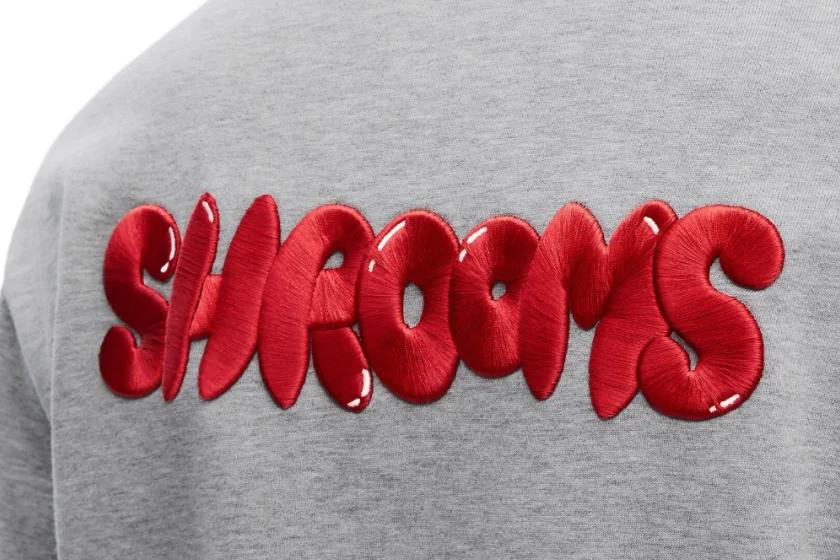
Flat embroidery stitches thread directly onto fabric in a single plane, creating clean logos and text on caps, polos and jacket chests. Stitch counts typically range from 5,000 to 15,000 per design. It offers excellent wash durability and the lowest per-piece cost, making it ideal for high-volume team orders and corporate uniforms.
3D Puff Embroidery
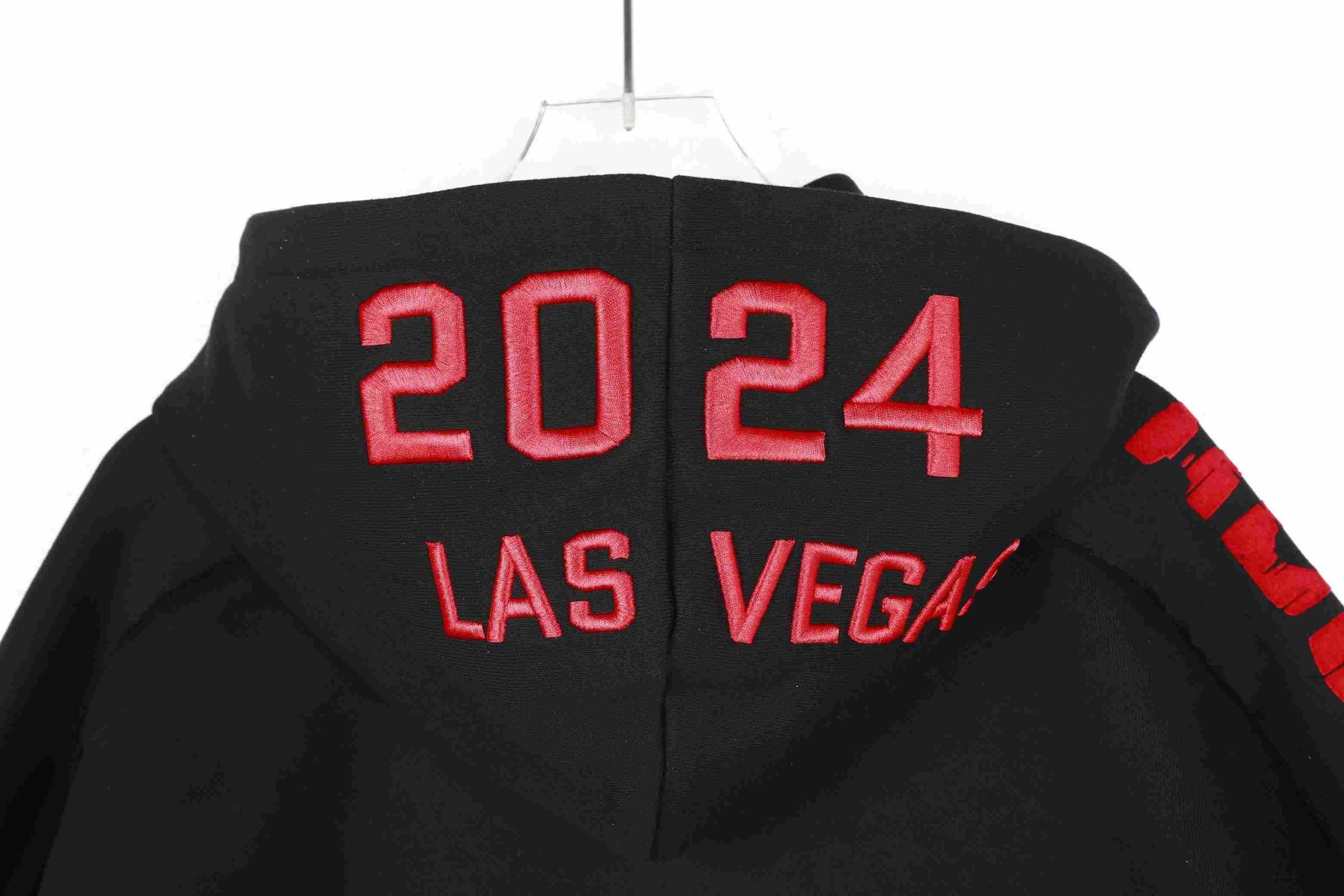
3D puff places foam under the thread, raising logos up to 3 mm above the fabric surface. Most common on structured caps and jacket backs, it adds bold dimension but limits fine detail to elements larger than 5 mm. Durability matches flat embroidery; cost adds 15–25 percent for foam and setup.
Chenille Embroidery
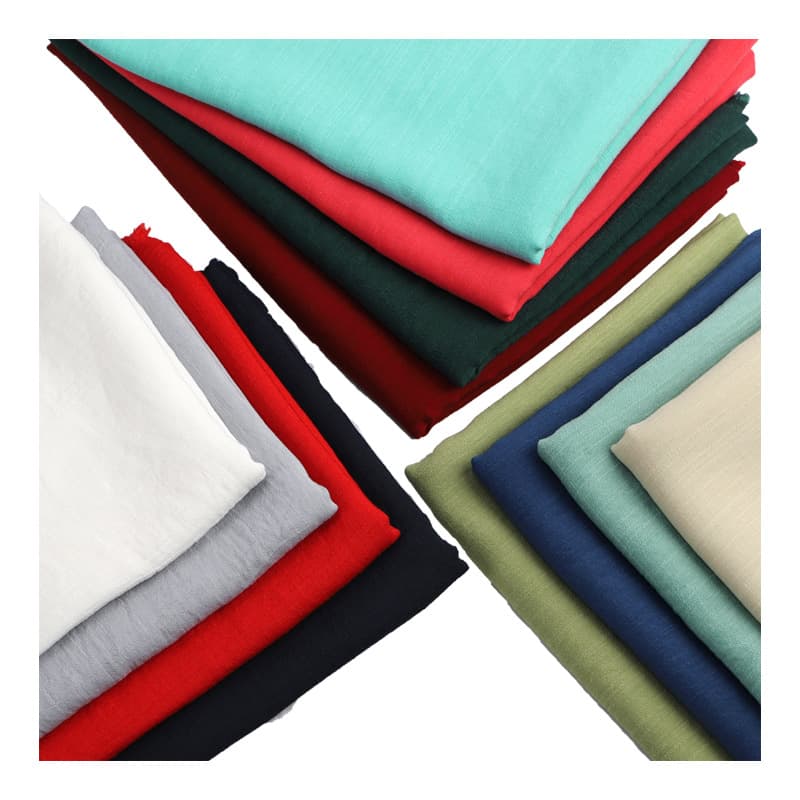
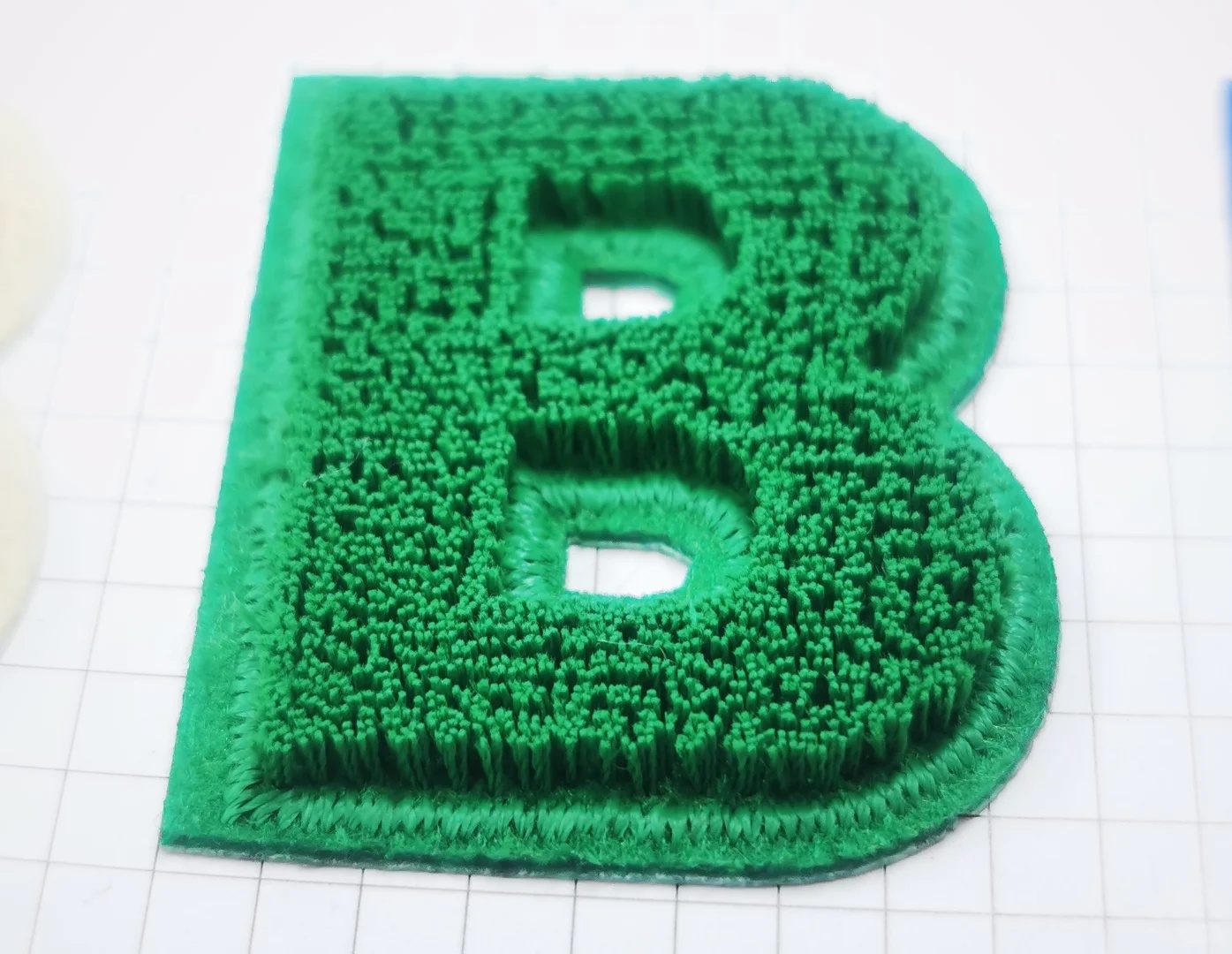
Chenille uses looped, velvety yarn to create the classic varsity-letter look on jacket backs and chests. Each letter sits 5–8 mm high with a soft, textured finish. SELMOND’s chenille lettering holds its pile through repeated wear, though it requires gentle washing. Cost is higher due to specialized thread and slower stitch speeds.
Tackle Twill
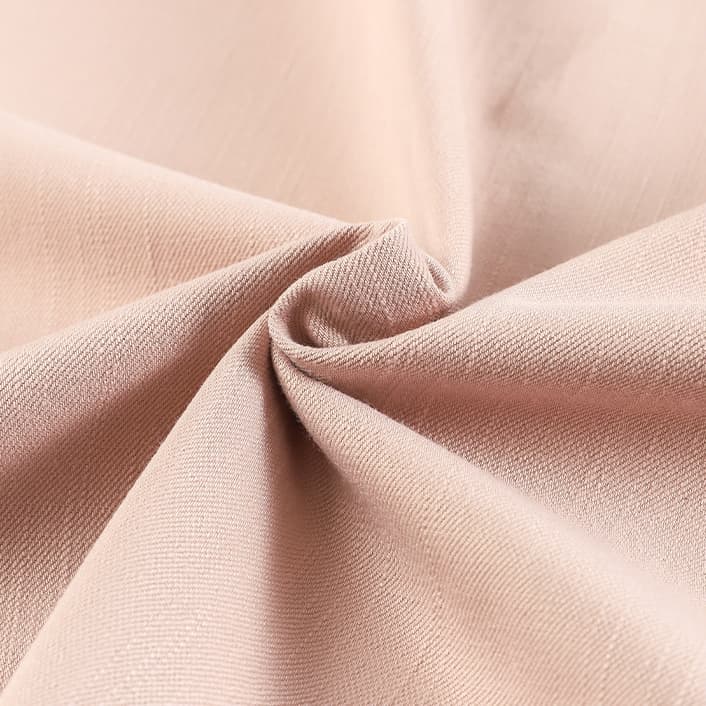
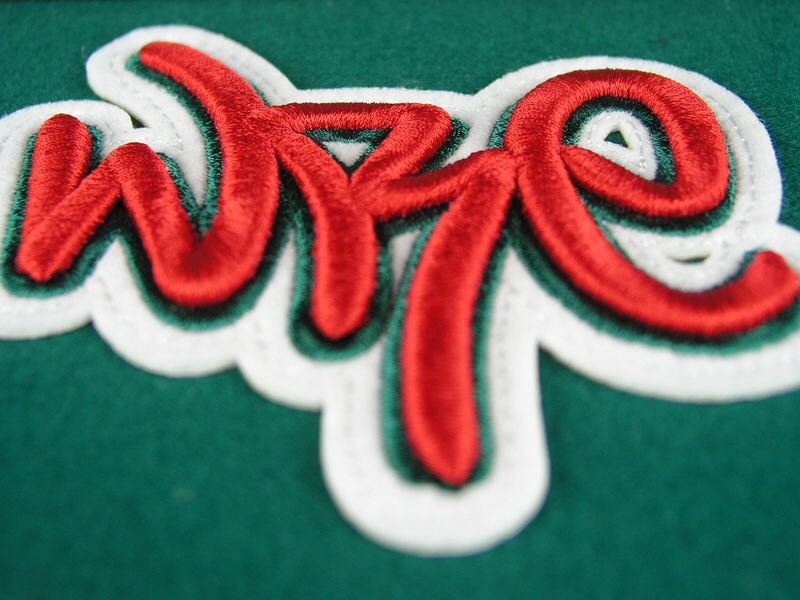
Tackle twill layers cut fabric shapes — typically twill or felt — and stitches the edges with tight satin or zigzag borders. Common for team numbers, names and large logos on jerseys and jackets, it delivers sharp color blocks and withstands athletic wear. Single-layer designs cost less; double and triple layers add depth and premium appeal.
4. Materials and Fabrics for Custom Logo Embroidery
Fabric choice determines embroidery quality, stitch hold and finished appearance. Thread type, backing material and base-fabric weight must align for clean, durable custom logo embroidery that survives commercial wash and heavy wear.
| Fabric Type | Weight (GSM) | Best Technique | Typical Use |
|---|---|---|---|
| Cotton twill | 200–280 | Flat embroidery | Caps, polos |
| Polyester | 140–200 | High-density logos | Jerseys, uniforms |
| Fleece | 280–320 | 3D puff, appliqué | Hoodies, jackets |
| Wool melton | 450–550 | Chenille, tackle-twill | Varsity jackets |
| Mesh | 120–160 | Low-density, water-soluble | Athletic jerseys |
Base Fabrics and Embroidery Compatibility
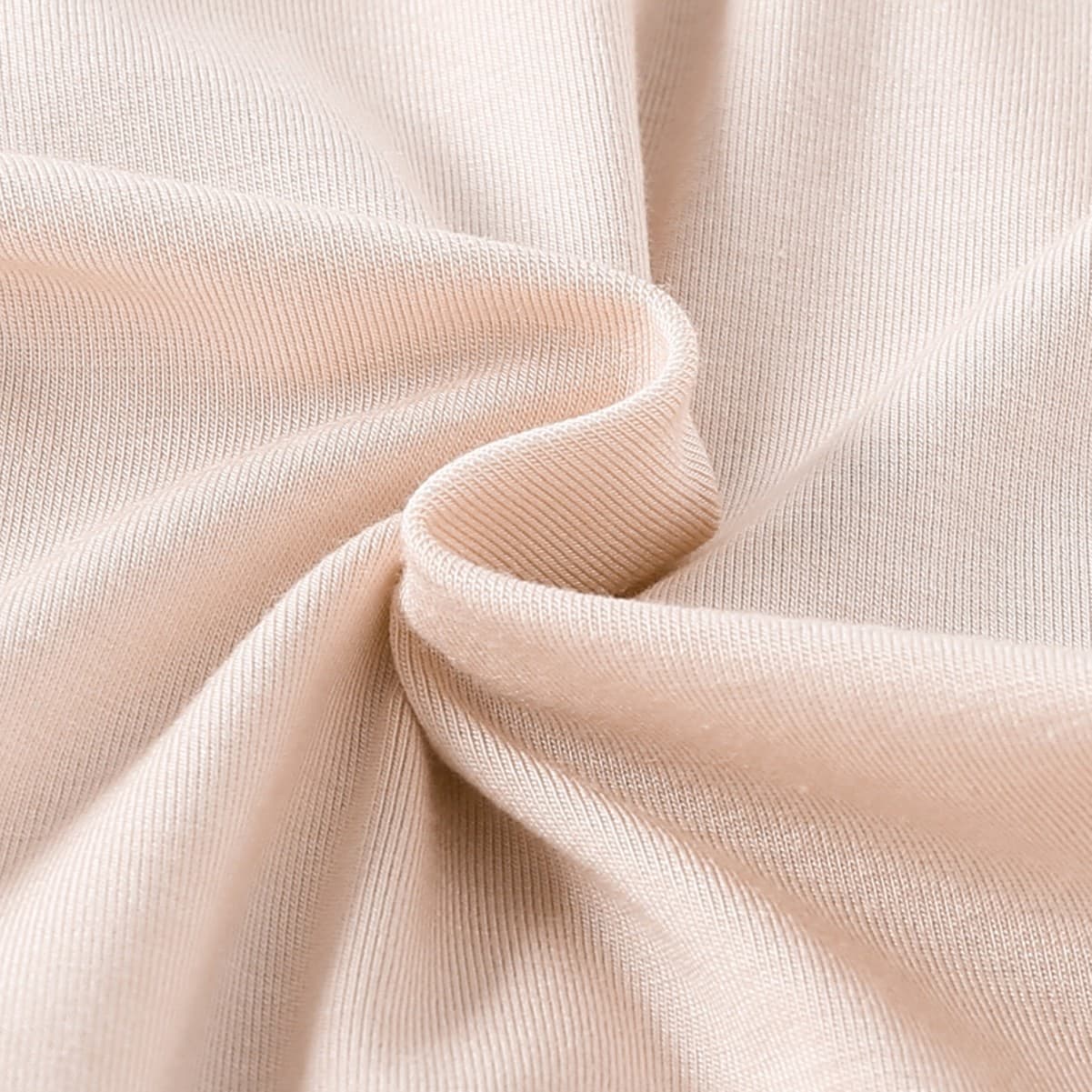
Cotton twill (200–280 GSM) accepts flat embroidery with minimal puckering and works well for caps and polos. Polyester (140–200 GSM) suits high-stitch-count logos and resists shrinkage. Fleece (280–320 GSM) requires cutaway backing to prevent sinking. Wool melton (450–550 GSM) — the varsity-jacket standard — pairs naturally with chenille appliqué and tackle-twill layering. Mesh (120–160 GSM) needs water-soluble backing and reduced density to avoid distortion.
Thread Types for Custom Logo Embroidery
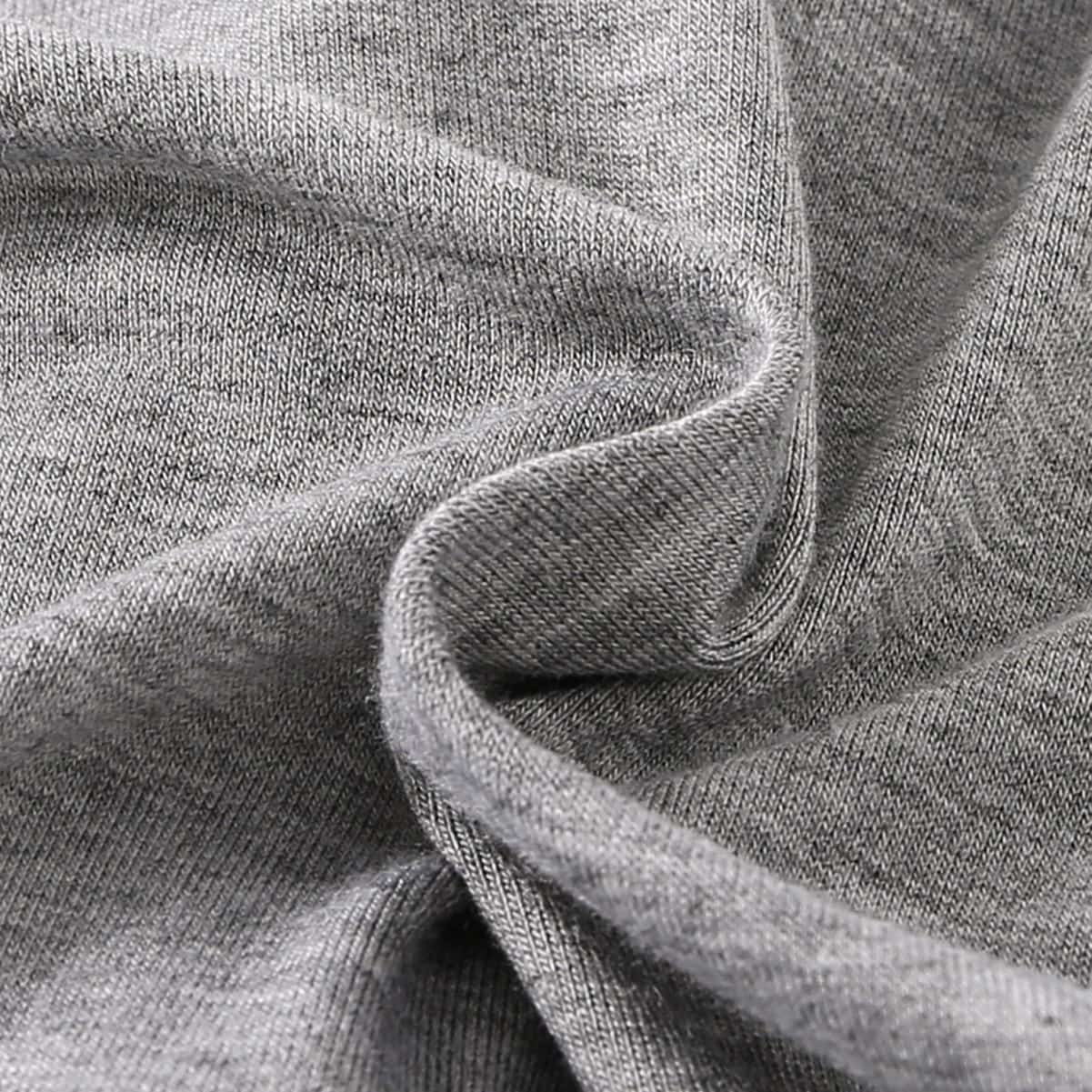
Rayon delivers high sheen and vivid color but fades faster under UV and chlorine. Polyester thread offers superior wash durability and colorfastness, making it the workhorse for team uniforms and outdoor apparel. Metallic thread adds premium detail but requires slower machine speed and tension adjustment. Cotton thread suits vintage or matte finishes yet breaks more easily at high speed.
Backing Materials and Stitch Stability
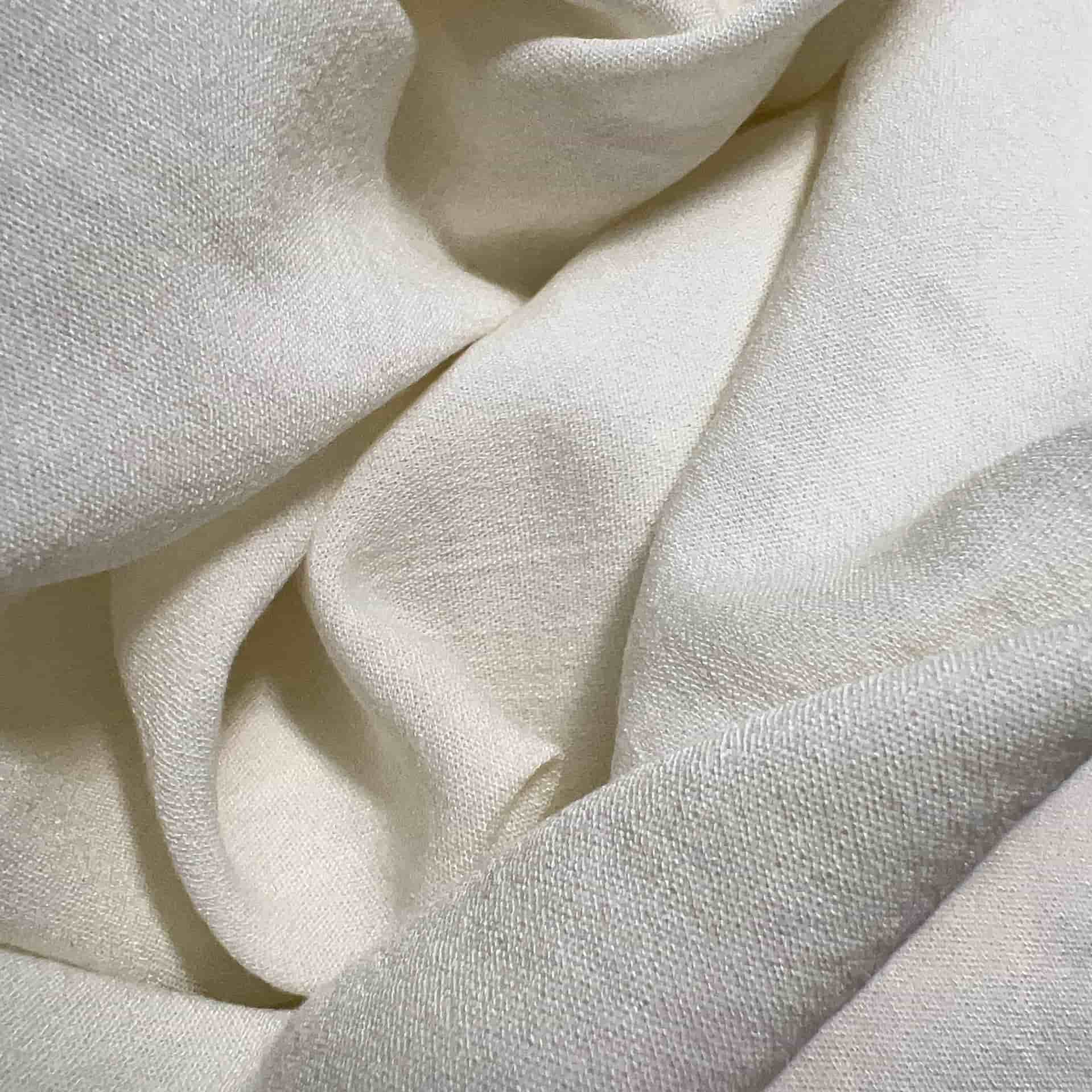
Cutaway backing remains permanently bonded under dense logos on knits and fleece, preventing stretch and puckering. Tearaway backing suits stable wovens like twill and is removed after stitching, leaving a cleaner interior. Water-soluble backing dissolves in wash and is essential for mesh, lace or topping applications where no residue can show.
5. Customization Options Beyond Custom Logo Embroidery
Custom logo embroidery rarely works alone in team apparel. Most buyers layer two or more decoration methods — embroidered chest logos paired with screen-printed back graphics, tackle-twill numbers over sublimated jerseys, or chenille letters anchoring heat-transfer names — to balance cost, durability and visual impact across large and small design areas.
| Method | Cost per Unit | Durability | Ideal Use Case |
|---|---|---|---|
| Embroidery (flat/3D) | Medium–High | Excellent | Logos, monograms, small text on caps and jackets |
| Screen Printing | Low (volume) | Good | Large back designs, sleeve prints, multi-color artwork |
| Tackle Twill | Medium | Excellent | Varsity numbers, letters, layered team names |
| Heat Transfer | Low–Medium | Fair–Good | Individual names, numbers, short-run personalization |
| Sublimation | Medium | Excellent | Full-dye jerseys, all-over patterns, photo-realistic graphics |
| Chenille Patches | High | Excellent | Varsity letters, retro patches, premium jacket decoration |
6. Key Quality Elements in Custom Logo Embroidery
Quality custom logo embroidery depends on six construction checkpoints: digitization accuracy, stitch density, thread tension, underlay stitching, clean trims and backing integrity. Poor execution at any stage causes puckering, thread breaks or distorted logos that fail after a few washes.
Digitization Accuracy
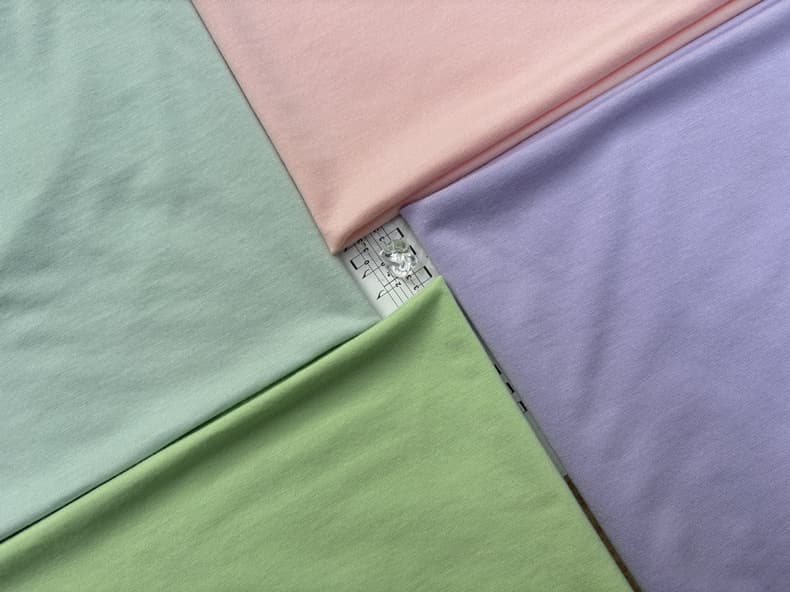
Digitization converts artwork into machine-readable stitch files. A skilled digitizer adjusts stitch angles, density and pathing to match fabric weight, stretch and texture. Poor digitization ignores fabric behavior, creating files that pull melton wool, distort on knit trims or cause thread breaks on leather sleeves.
SELMOND’s design team digitizes logos in-house, testing strike-offs on the actual fabric before bulk production. Files are archived for consistent re-orders.
Stitch Density and Thread Tension
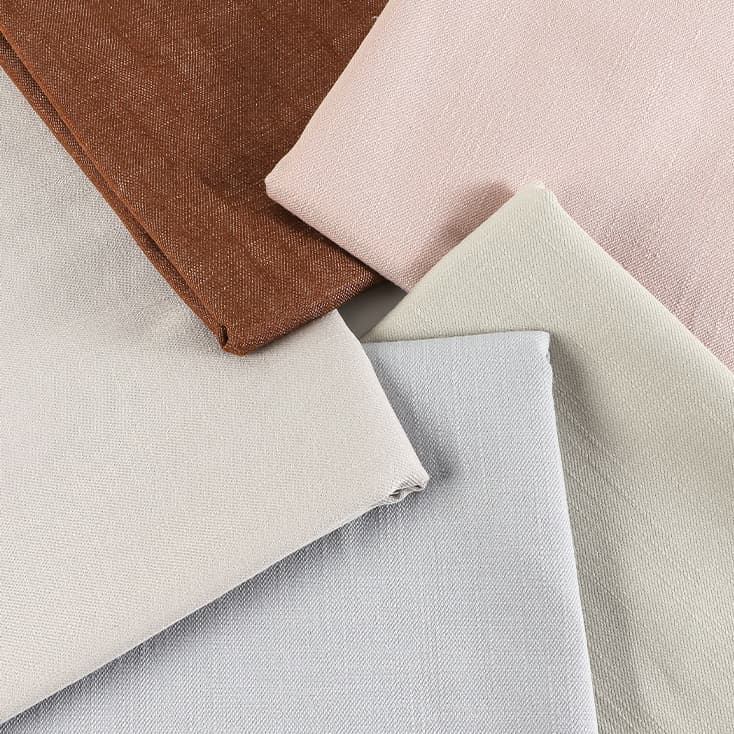
Stitch density ranges from 3.5 to 5.5 stitches per millimeter; too low creates gaps, too high puckers fabric. Thread tension must balance top and bobbin threads so stitches lock inside the fabric, not on the surface.
In-line operators at SELMOND check tension every 50 pieces and adjust density by fabric type, ensuring flat, durable logos across melton, twill and polyester.
Underlay and Backing
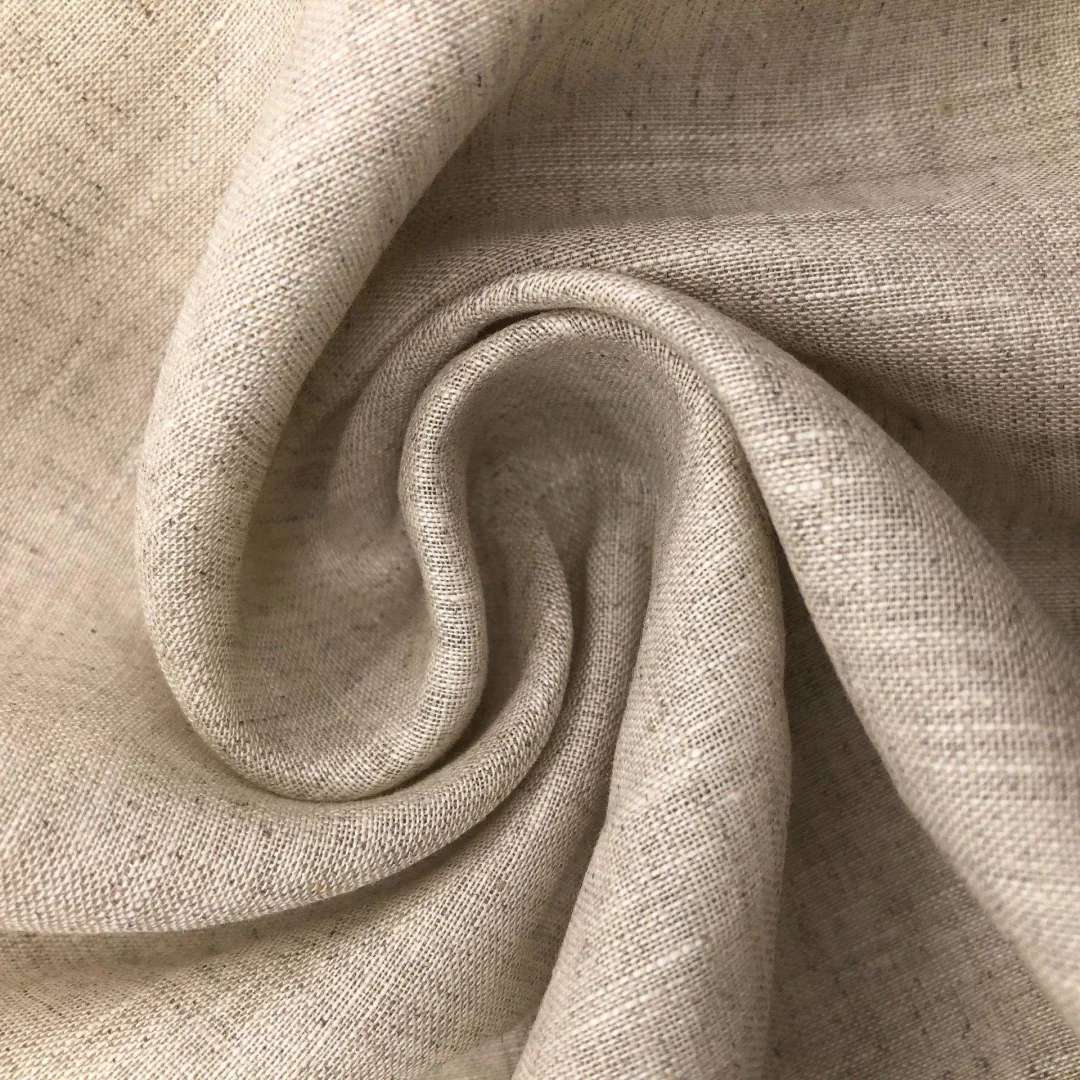
Underlay stitching stabilizes fabric before the top design runs, preventing shift and puckering. Backing type — tear-away, cut-away or water-soluble — must match fabric weight and garment wash cycles. Cut-away backing supports heavy logos on jackets; tear-away suits lightweight caps.
SELMOND selects backing grade per garment category and includes it in pre-production samples for client approval.
Quality Control Process
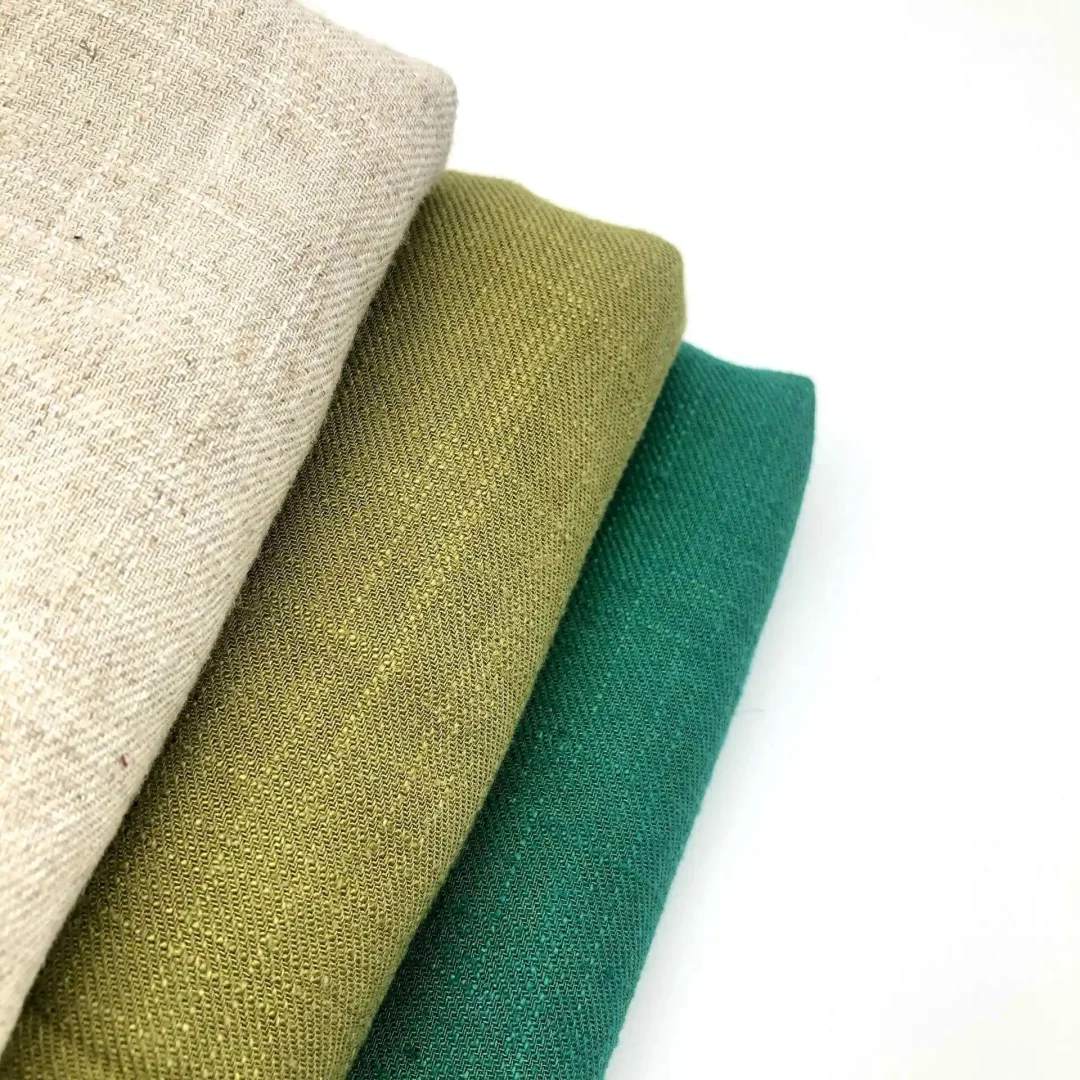
Pre-production samples verify digitization, thread color match and backing choice. In-line inspection catches tension drift, thread breaks and misalignment every 50–100 pieces. Final QC checks trim cleanliness, logo placement and backing removal before packing.
SELMOND photographs samples at each stage, shares images for approval and keeps QC records on file for every re-order.
7. How to Choose a Custom Logo Embroidery Manufacturer
Choosing the right custom logo embroidery manufacturer determines whether your team apparel or brand launch succeeds or stalls. Evaluate MOQ flexibility, turnaround speed, in-house capabilities, and communication responsiveness before committing to a partner.
MOQ Flexibility and Order Scalability
Many large factories require 500–1,000 pieces per style, locking out startups, schools, and test collections. SELMOND starts at 100 pieces per style/color, letting brands validate designs, reduce inventory risk, and improve cash flow.
Low-MOQ partners also keep pattern files, artwork digitization, and trims on record, making re-orders faster and consistent across seasons.
Lead Time for Samples and Bulk Production
Request clear timelines for artwork proofs, decoration strike-offs, and sample garments before bulk. In-house embroidery floors typically deliver samples in 5–7 days; outsourced decoration adds another week.
SELMOND’s integrated cut-and-sew and decoration lines compress lead times, keeping re-order cycles predictable for teams and brands with tight launch windows.
Digitization Fees and Machine Capabilities
Digitizing a logo for embroidery costs $15–50 per design at most factories; some waive fees above minimum order quantities. Ask about machine head count (12+ heads support faster bulk runs) and maximum hoop sizes (larger hoops handle back-yoke logos and full-chest crests without repositioning).
SELMOND’s design team digitizes artwork in-house, ensuring stitch density, underlay, and pull-compensation match fabric weight and garment construction.
In-House vs. Outsourced Decoration
Factories that outsource embroidery, chenille, or tackle-twill lose control over quality, lead time, and decoration strike-off accuracy. In-house decoration floors let you request real strike-offs on actual fabric swatches before bulk production.
SELMOND runs dedicated embroidery, chenille, tackle-twill, sublimation, and screen-print stations under one roof, eliminating middleman delays and ensuring decoration matches cut-and-sew quality standards.
8. Common Mistakes Buyers Make with Custom Logo Embroidery
Even experienced buyers overlook critical details when ordering custom logo embroidery, resulting in costly re-runs, delayed launches and quality complaints. Understanding these pitfalls — and their remedies — protects both your timeline and your brand reputation.
Submitting Low-Resolution Artwork
Vector files (AI, EPS, PDF) are essential for clean digitization; raster images below 300 DPI produce blurry, pixelated embroidery that damages brand perception. SELMOND’s design team converts low-res files into production-ready vector artwork and provides digitization proofs before any stitching begins, eliminating guesswork and ensuring sharp, scalable logos across all garment sizes.
Ignoring Fabric and Thread Compatibility
Heavy thread counts on lightweight jersey cause puckering; dark threads on light melton wool can show through if backing is inadequate. Experienced manufacturers match thread weight, needle size and stabilizer type to each fabric — SELMOND tests decoration strike-offs on actual production fabric to confirm tension, coverage and hand feel before bulk runs.
Skipping Pre-Production Samples
Approving only digital mockups hides real-world issues: color shifts under different lighting, placement errors and stitch density problems. SELMOND ships physical samples with finished embroidery so clients verify logo size, thread color, placement and garment fit before committing to full production, reducing returns and protecting launch schedules.
Choosing Price Over Quality Checks
The lowest quote often means rushed digitization, cheaper thread that fades or breaks, and no in-line inspection. SELMOND maintains dedicated QC stations that check thread tension, color matching and logo registration on every tenth garment, ensuring consistent embroidery across the entire order and long-term wearability.
9. Steps to Launch Your Brand with Custom Logo Embroidery
Going from concept to first shipment requires a clear roadmap that balances design precision, sampling discipline and inventory strategy. SELMOND’s nine-step process guides brands through artwork development, fabric sourcing, decoration proofs and bulk production, with patterns and digitized files stored for fast re-orders.
Finalize Logo Design and Vector Artwork
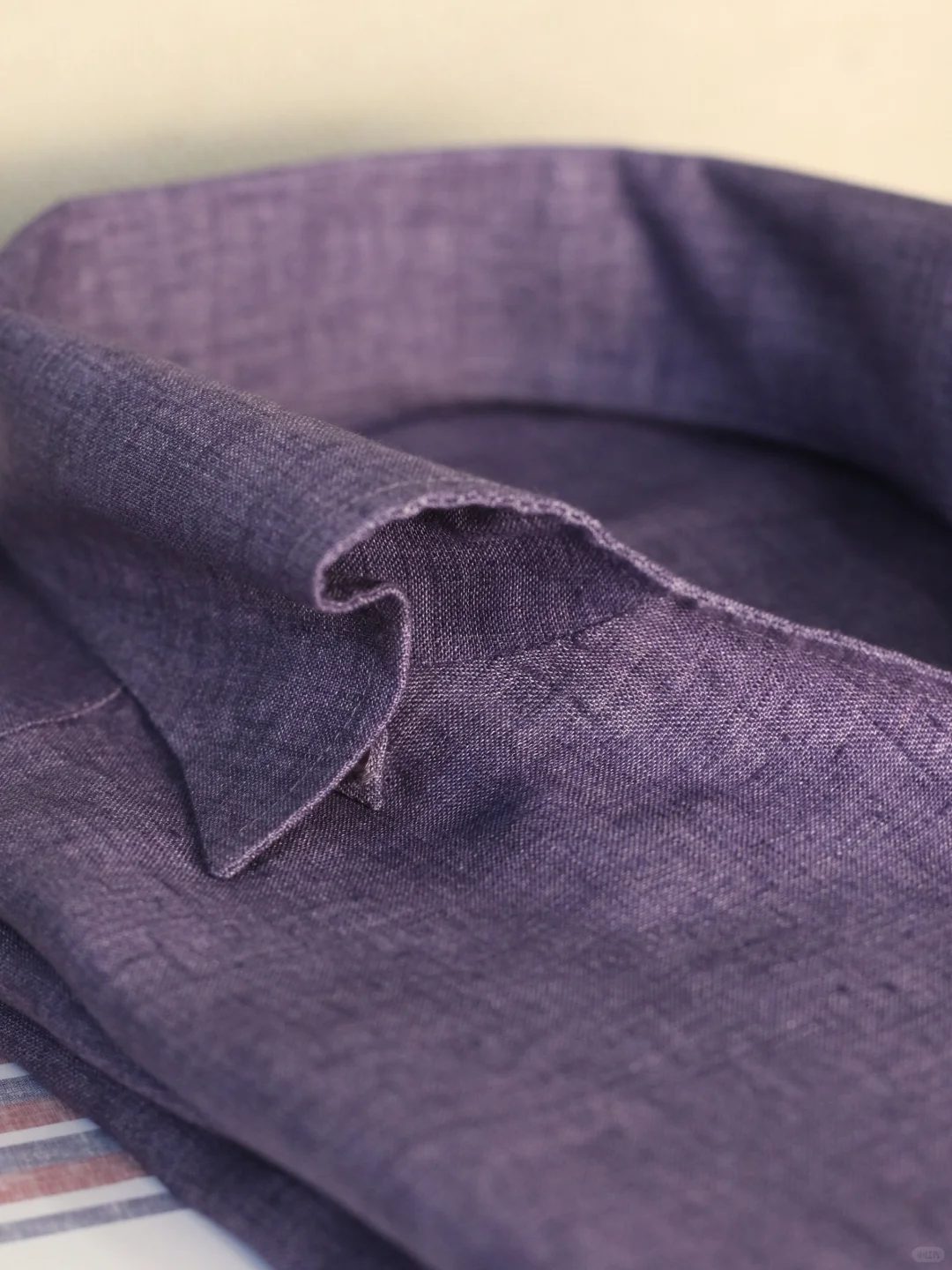
Prepare your logo as a vector file (AI, EPS or high-resolution PDF) with clean outlines and no embedded raster images. SELMOND’s design team digitizes artwork for embroidery, generating stitch files and thread color matches to Pantone or physical swatches.
Build a basic brand style guide that locks logo placement, thread colors, sizing and clear-space rules across all garment types, ensuring consistency from varsity jackets to caps.
Select Garment Styles and Fabrics
Choose base styles — varsity jackets, baseball jerseys, caps or beanies — and specify fabrics: melton wool bodies, genuine or PU leather sleeves, polyester mesh, structured cotton twill. SELMOND sources materials from trusted Chinese mills and provides fabric swatches before sampling, aligning weight, hand-feel and decoration compatibility with your brand positioning.
Request Digitization and Strike-Off Samples
Order embroidery strike-offs on actual garment fabric to verify thread tension, stitch density and logo legibility at final size. SELMOND produces decoration proofs and full sample garments before any bulk commitment, letting you catch registration errors, color drift or puckering early.
Approve samples in writing and archive photos; this record becomes your quality benchmark for all future production runs.
Approve Samples and Place Pilot Order
Start with SELMOND’s 100-piece per style/color minimum to test market demand, reduce inventory risk and refine sizing or decoration before scaling. First-order payment is 100% upfront via T/T, PayPal, credit card or USDT, stepping down to 30% deposit for repeat partners as trust builds.
Plan Inventory and Scale with Repeat Orders
Maintain supplier relationships by sharing sales forecasts, locking seasonal artwork updates and keeping decoration files on record for fast re-orders. SELMOND’s monthly capacity exceeds 80,000 pieces, supporting capsule launches, team uniform cycles and influencer drops with consistent lead times and in-line quality control across every batch.
10. Pricing and Cost Breakdown for Custom Logo Embroidery
Custom logo embroidery pricing is driven by four core factors: stitch count (typically 3,000–15,000 stitches for a chest logo), thread color count (each color adds 8–12 seconds per piece), garment base cost (melton wool varsity jackets start higher than polyester jerseys), and decoration complexity (3D puff, multi-position layouts, or tackle-twill backing increase labor). SELMOND charges a one-time digitization fee of $15–$50 per logo design, then stores the file for all future re-orders at no additional setup cost.
MOQ starts at 100 pieces per style and colorway, with per-unit embroidery costs declining as volume rises. Payment terms begin at 100% deposit for first orders and step down to 30% for established partners, with balance due before shipment. Lead time shortens with repeat orders because patterns, artwork and trims remain on file.
The table below shows typical pricing tiers for a single chest-logo embroidery on varsity jackets; cap embroidery, sleeve patches and back-yoke logos are quoted separately based on stitch count and placement.
| Quantity Tier | Unit Price Range (USD) | Digitization Fee | Lead Time | Notes |
|---|---|---|---|---|
| 100–200 | $45–$65 | $15–$50 (one-time) | 25–30 days | Includes one chest logo, standard thread colors |
| 201–500 | $38–$55 | Waived on re-orders | 22–28 days | Volume discount applied; trims on file |
| 501–1,000 | $32–$48 | Waived on re-orders | 20–25 days | Faster turnaround; stable partner terms available |
| 1,001+ | $28–$42 | Waived on re-orders | 18–22 days | Best per-unit rate; 30% deposit for repeat clients |
Ready to Order Custom Logo Embroidery?
Send your artwork today for a free strike-off and sample. MOQ from 100 pieces, fast turnaround, and full in-house decoration quality.