Custom Varsity Jackets, Jerseys & Team Apparel with Professional Screen Printing
Professional screen printing, embroidery, chenille and tackle twill on custom varsity jackets, baseball jerseys, caps and team uniforms. MOQ from 100 pieces, full in-house decoration, fast samples and 28 years of manufacturing expertise.
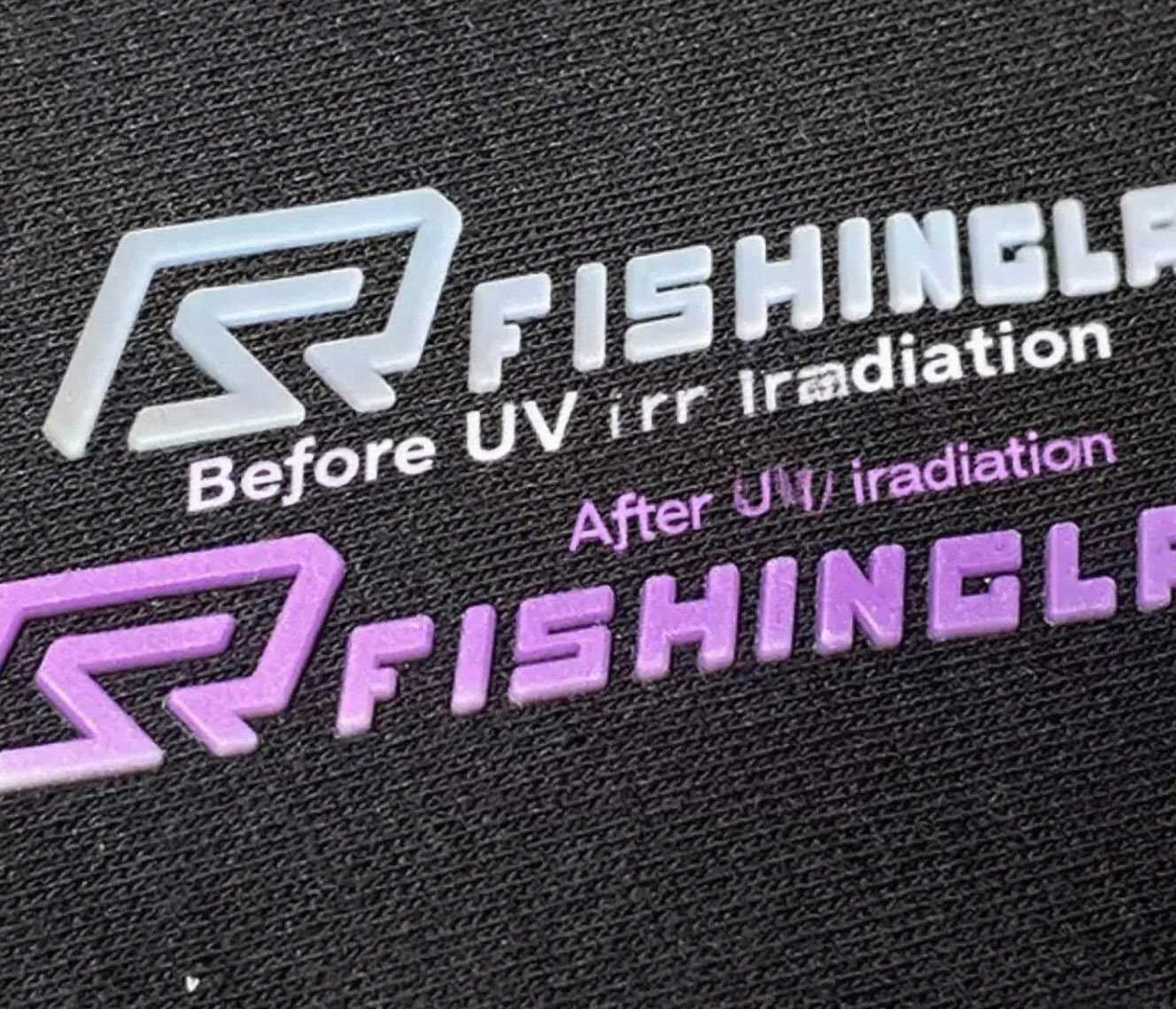
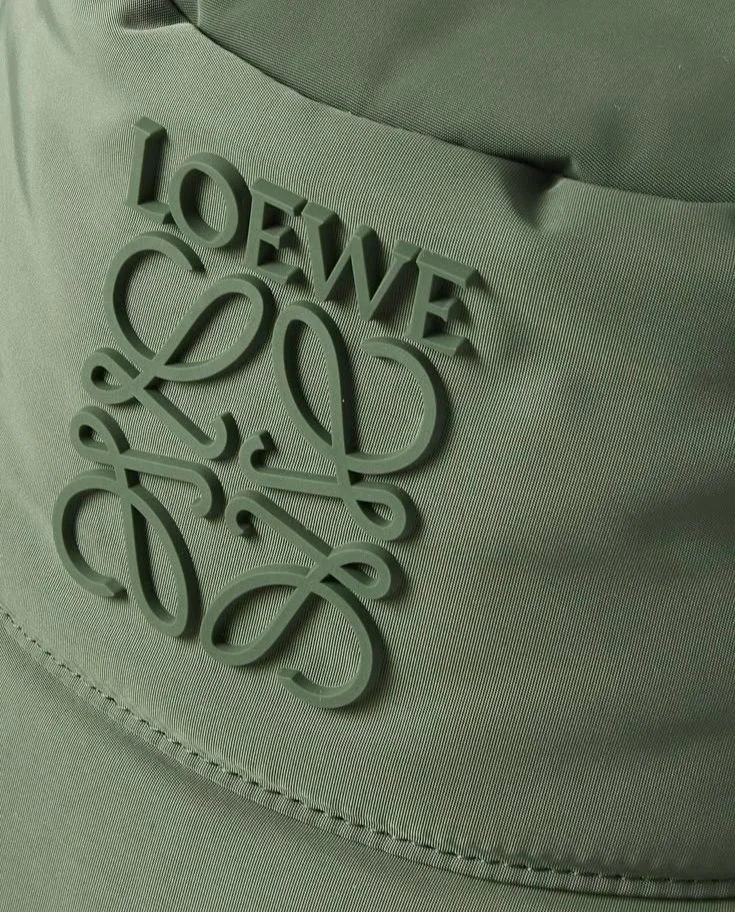
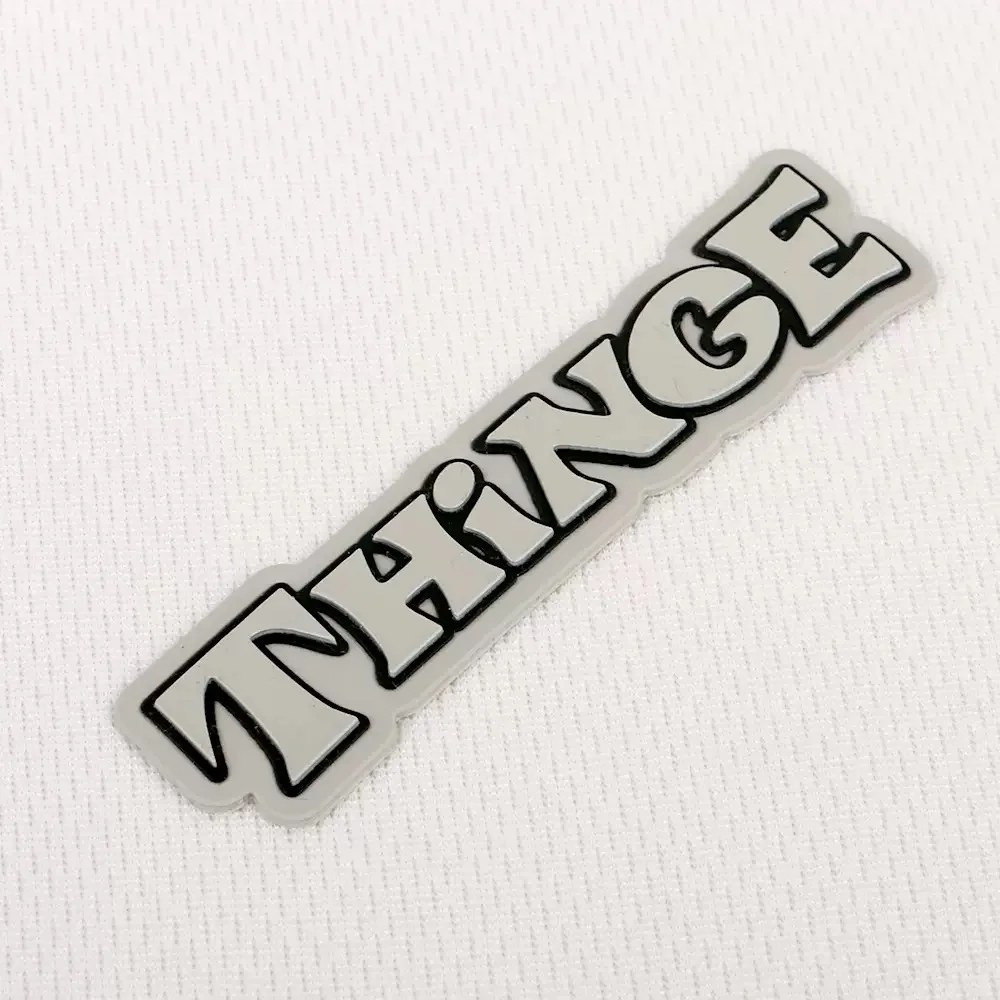
Custom Screen Printed Apparel Samples
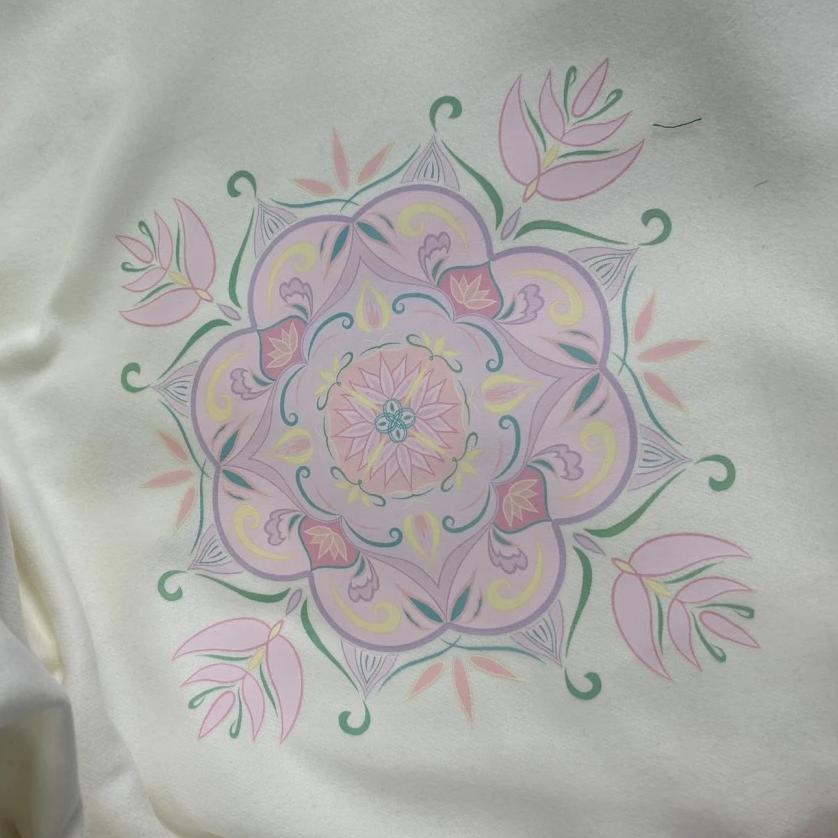
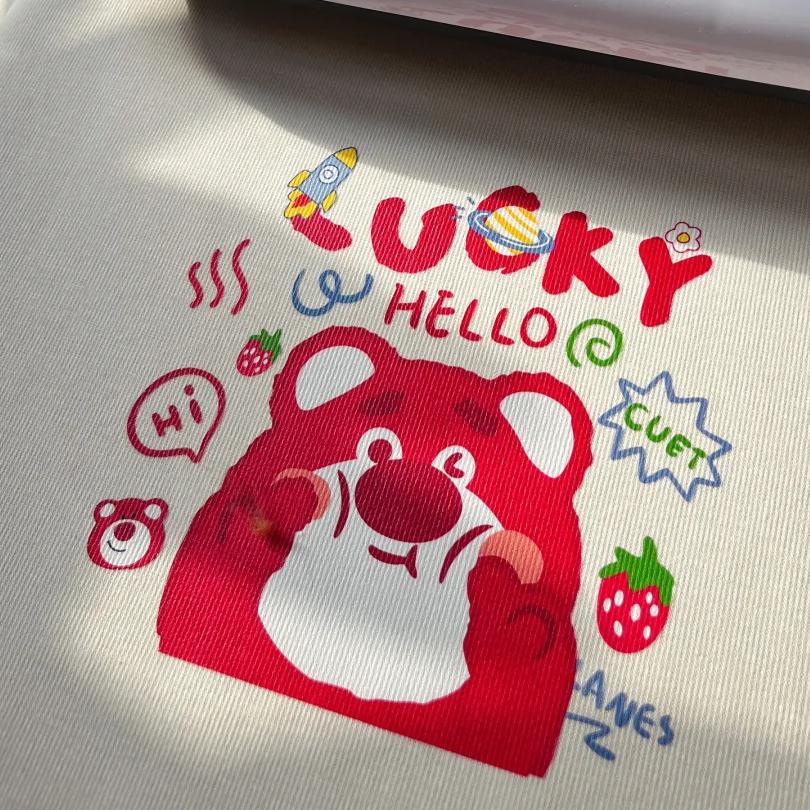
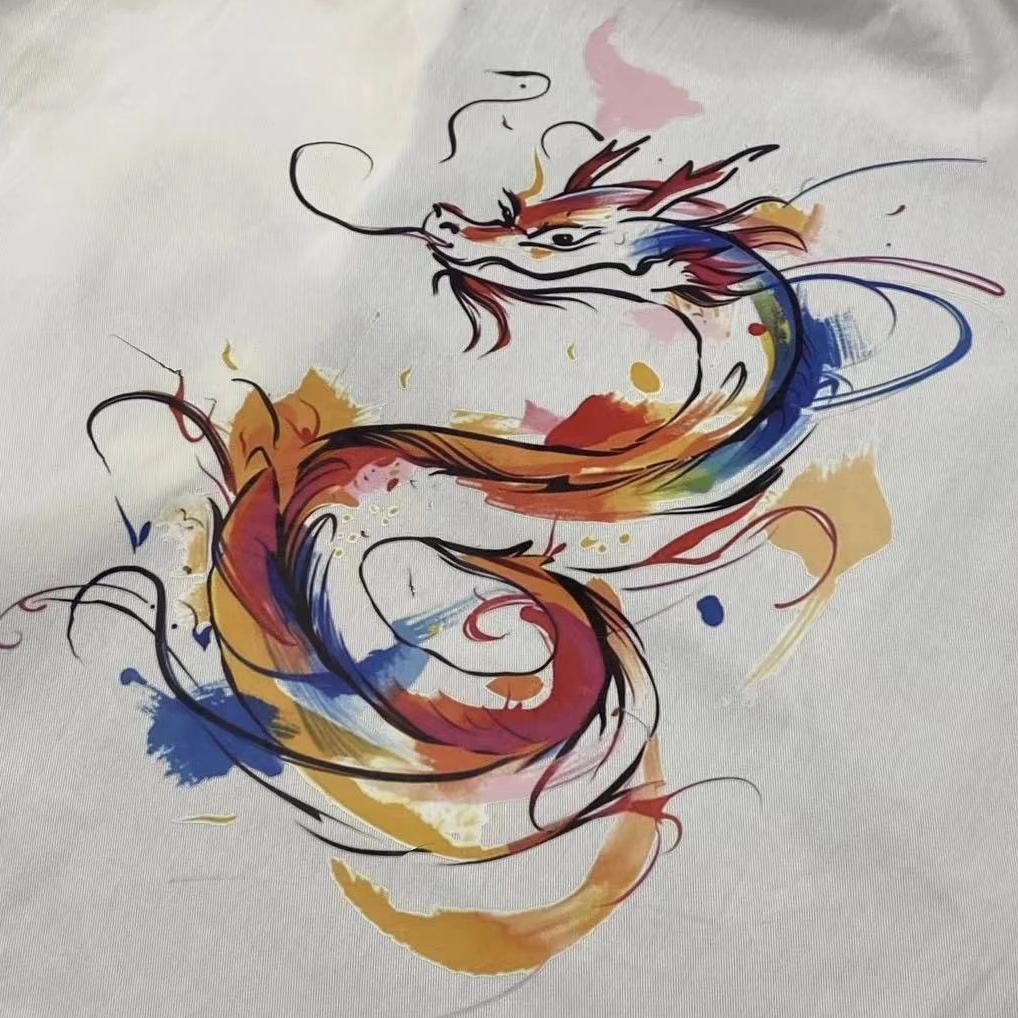
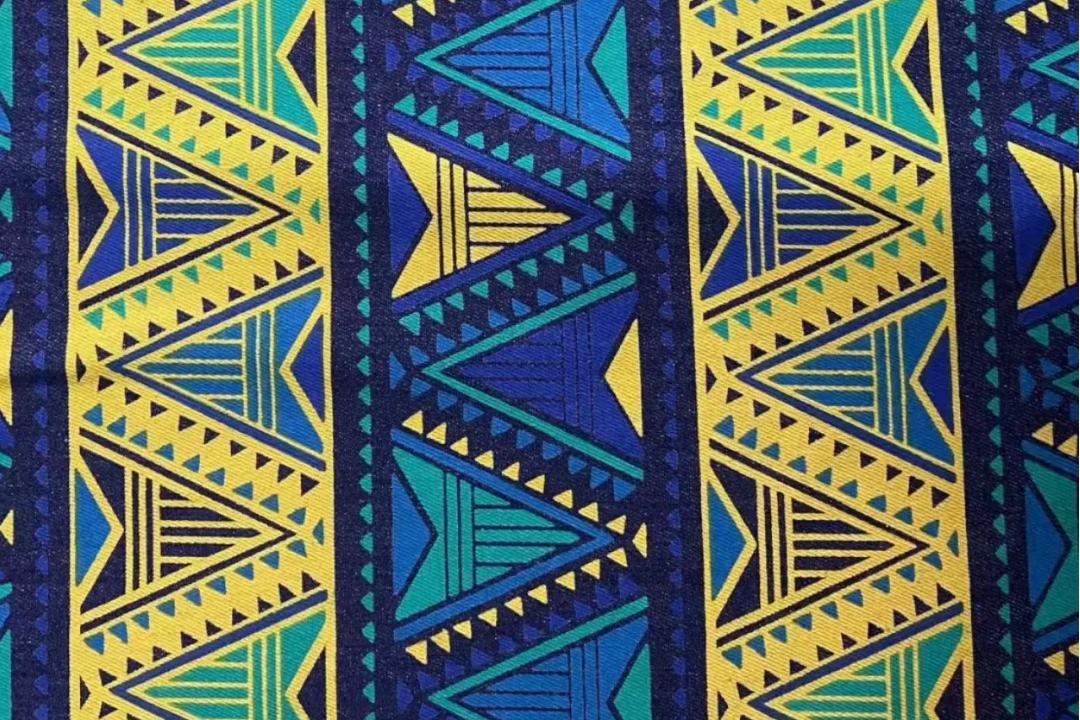
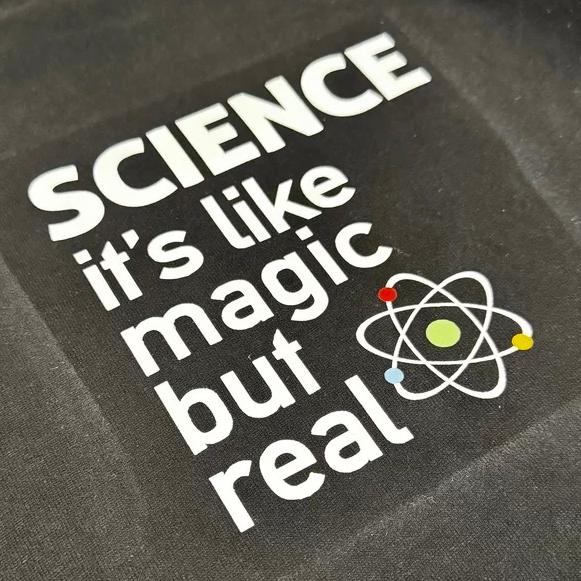
Why Custom Screen Printing Excels for Team Apparel
Exceptional Wash Durability
Custom screen printing resists fading and cracking through dozens of wash cycles, keeping team logos sharp on varsity jackets and jerseys.
Vibrant, Opaque Color Saturation
Plastisol and water-based inks deliver bold, saturated colors that stand out on dark melton wool, fleece and polyester team apparel.
Compatible with Wool & Synthetics
Screen printing bonds cleanly to melton wool bodies, leather sleeves, tricot mesh and sublimation poly without ghosting or bleed.
Cost-Efficient at Scale
Per-piece cost drops sharply beyond 100 units, making custom screen printing ideal for team orders, school runs and wholesale apparel.
In-House Multi-Decoration Facility
SELMOND combines screen printing, embroidery, chenille and tackle twill on the same garment — no outsourcing, faster turnaround, tighter quality control.
Fast Strike-Offs & Sampling
In-house screens and presses let SELMOND produce decoration strike-offs and sample garments in days, not weeks, before bulk production.
Custom Screen Printing Techniques & Variants
SELMOND offers a complete range of screen printing methods tailored to your team apparel needs — from soft water-based inks to durable plastisol, vintage discharge, specialty effects, and hybrid decoration combinations.
Water-Based Ink Printing
Many teams want soft, breathable prints that feel like part of the fabric rather than a heavy layer sitting on top, especially for performance jerseys and lightweight apparel worn during play.
SELMOND's water-based custom screen printing soaks into fabric fibers for an ultra-soft hand, eco-friendly finish, and no cracking — ideal for lightweight jerseys, tees, and athletic wear that moves with the player.
Plastisol Ink Printing
Bright team colors, bold logos, and opaque prints on dark fabrics demand inks that deliver vivid coverage, long-lasting durability, and consistent color match across hundreds of pieces in a team order.
Plastisol custom screen printing provides superior opacity, vibrant color saturation, and exceptional wash durability — perfect for varsity jackets, team hoodies, and uniforms that need to look sharp season after season.
Discharge Printing
Vintage-style team apparel and retro jerseys require a soft, worn-in aesthetic on dark garments without the stiff, plasticky feel that traditional screen printing can leave behind on heavy cotton.
Discharge custom screen printing removes dye and replaces it with color for a breathable, ultra-soft vintage look on dark garments — delivering authentic retro team apparel with zero hand feel and superior comfort.
Specialty Ink Effects
Standout team apparel for championships, special events, or premium collections needs eye-catching effects — raised textures, metallic shimmer, or reflective elements — that standard inks simply cannot achieve.
SELMOND offers puff, metallic, glitter, glow-in-the-dark, and reflective custom screen printing to elevate team jerseys, varsity jackets, and event apparel with premium visual and tactile impact that turns heads.
Hybrid Screen Print + Embroidery
Premium varsity jackets and team uniforms often require layered decoration — screen-printed graphics for large areas combined with embroidered logos, chenille letters, or tackle-twill numbers — coordinated perfectly across one garment.
SELMOND's in-house screen printing, embroidery, chenille and tackle-twill teams work together to deliver seamless hybrid decoration — matching colors, aligned placement, and consistent quality across every piece in your team order, all under one roof with no outsourcing delays.
About SELMOND Custom Screen Printing
Founded in 1998 in Humen, Dongguan — China’s premier garment decoration hub — SELMOND has spent over 28 years perfecting custom screen printing and decoration for varsity jackets, jerseys, caps and team apparel. What started as a family cut-and-sew workshop has grown into a full-service manufacturer with 200+ skilled employees, a dedicated in-house decoration floor, and monthly capacity exceeding 80,000 pieces for brands, teams and decorators worldwide.
SELMOND’s core difference is craftsmanship-first decoration. While most factories outsource printing, SELMOND runs embroidery, chenille, tackle twill, sublimation and custom screen printing stations under one roof — ensuring tight registration, vibrant color saturation and durability that survives seasons of wear. Every print is tested on the actual fabric blend before bulk runs begin.
Serving over 2,000 brands across the United States, Canada, Europe, Australia and beyond, SELMOND partners with sports teams, schools, apparel startups, screen printers, wholesalers and influencers who demand authentic varsity construction — melton wool bodies, genuine or PU leather sleeves, ribbed knit trims — combined with low MOQs from 100 pieces, fast sampling and decoration that looks professional from the first wash to the hundredth.
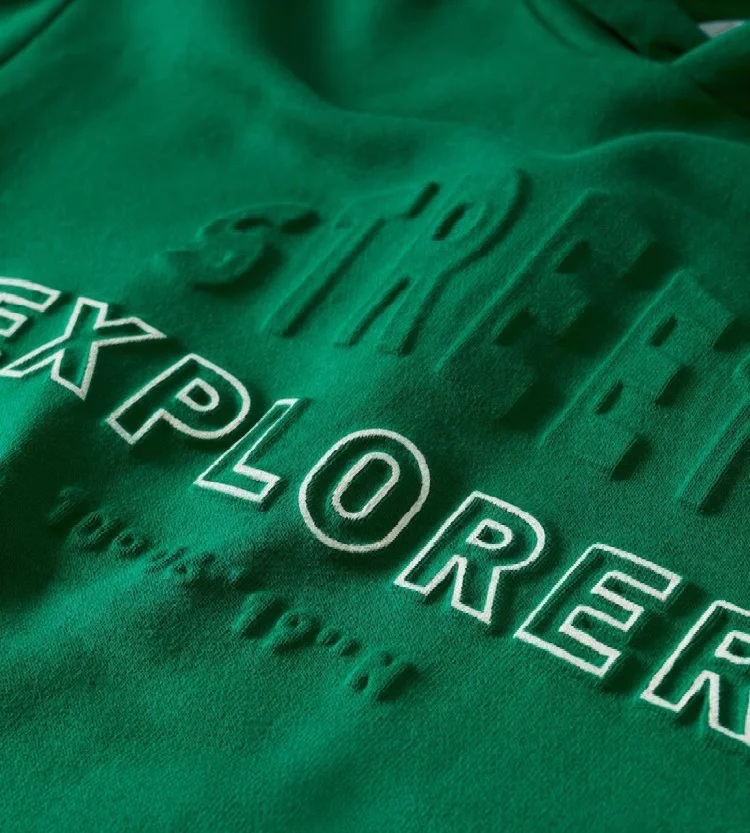
Custom Screen Printing Techniques: Depth & Execution
Multi-Color Registration & Logo Placement
Precise multi-color custom screen printing demands exact registration across every layer — critical for varsity jackets, jerseys and team apparel where logos, mascots and sponsor marks must align flawlessly across sleeves, chests and backs without ghosting or color bleed.
- Pre-press film separation and color matching for up to 8 spot colors per design
- Micro-registration frames calibrated to ±0.2 mm tolerance on curved sleeves and ribbed surfaces
- Test prints on actual fabric swatches — melton wool, leather, mesh — before bulk production
- In-line QC checks every 50 pieces to maintain registration consistency across long runs
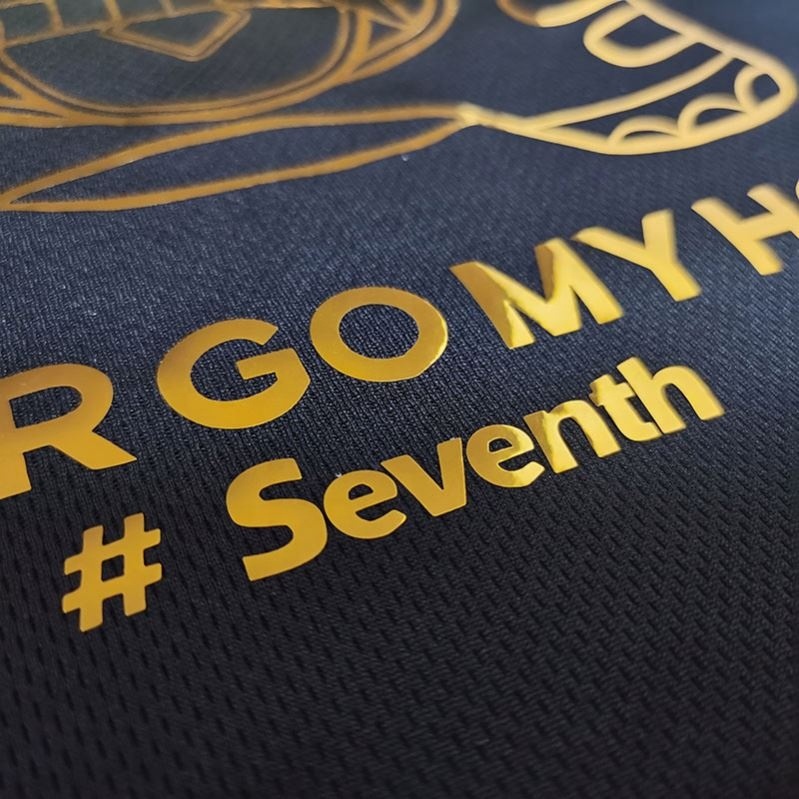
Water-Based & Discharge Ink Systems
Water-based and discharge custom screen printing deliver a soft, breathable hand ideal for performance jerseys and vintage-inspired varsity jackets. Unlike plastisol, these inks bond into the fabric rather than sitting on top, preserving drape and comfort wear after wear.
- Eco-friendly water-based inks with low VOC emissions, safe for youth teams and school apparel
- Discharge printing removes dye and replaces it with color for ultra-soft vintage graphics on dark garments
- Curing ovens calibrated for moisture-sensitive fabrics — cotton, poly-cotton blends and tri-blends
- Color-fastness testing to ISO 105 standards ensures logos survive 50+ industrial wash cycles
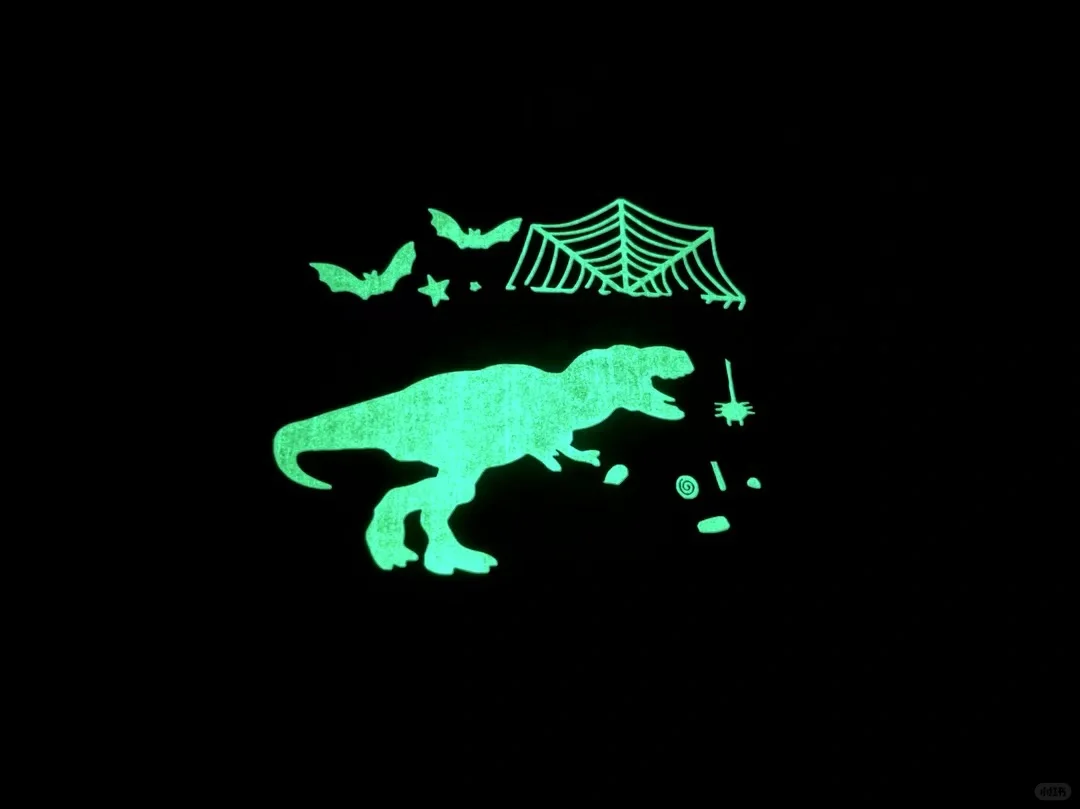
Specialty Effects: Puff, Metallic & High-Density
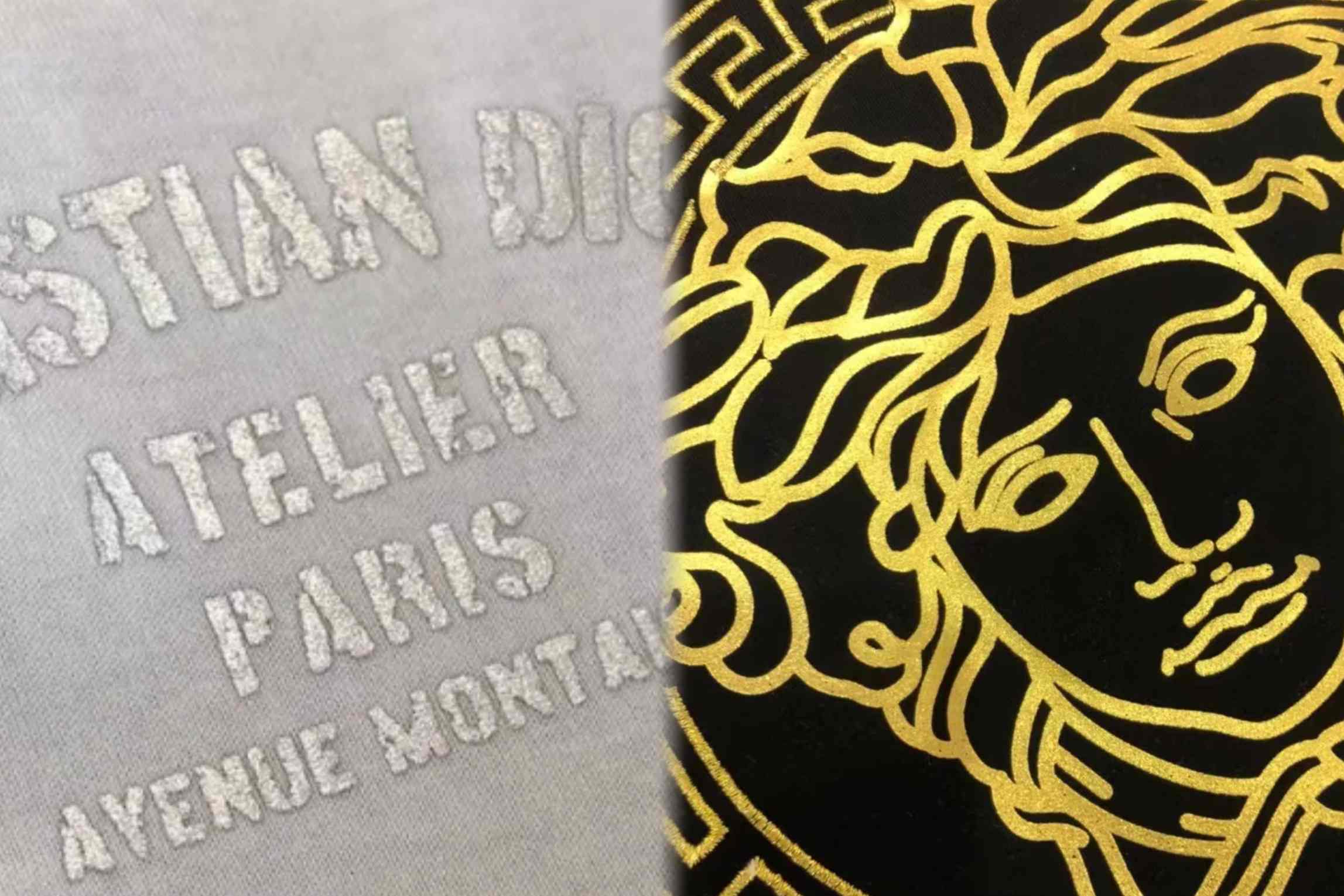
Specialty custom screen printing techniques — 3D puff, metallic foils and high-density plastisol — add dimension and shelf appeal to team apparel. SELMOND’s decoration floor runs dedicated lines for each effect, ensuring clean edges, consistent height and durable adhesion across varsity jackets and caps.
- 3D puff inks expand to 2–4 mm height under heat, creating raised logos and numbers that hold shape
- Metallic and reflective inks for safety-conscious teams, night events and premium branding
- High-density plastisol builds thick, tactile letters and crests — up to 6 layers for maximum impact
- Strike-off samples with actual inks, mesh counts and cure profiles before any bulk commitment
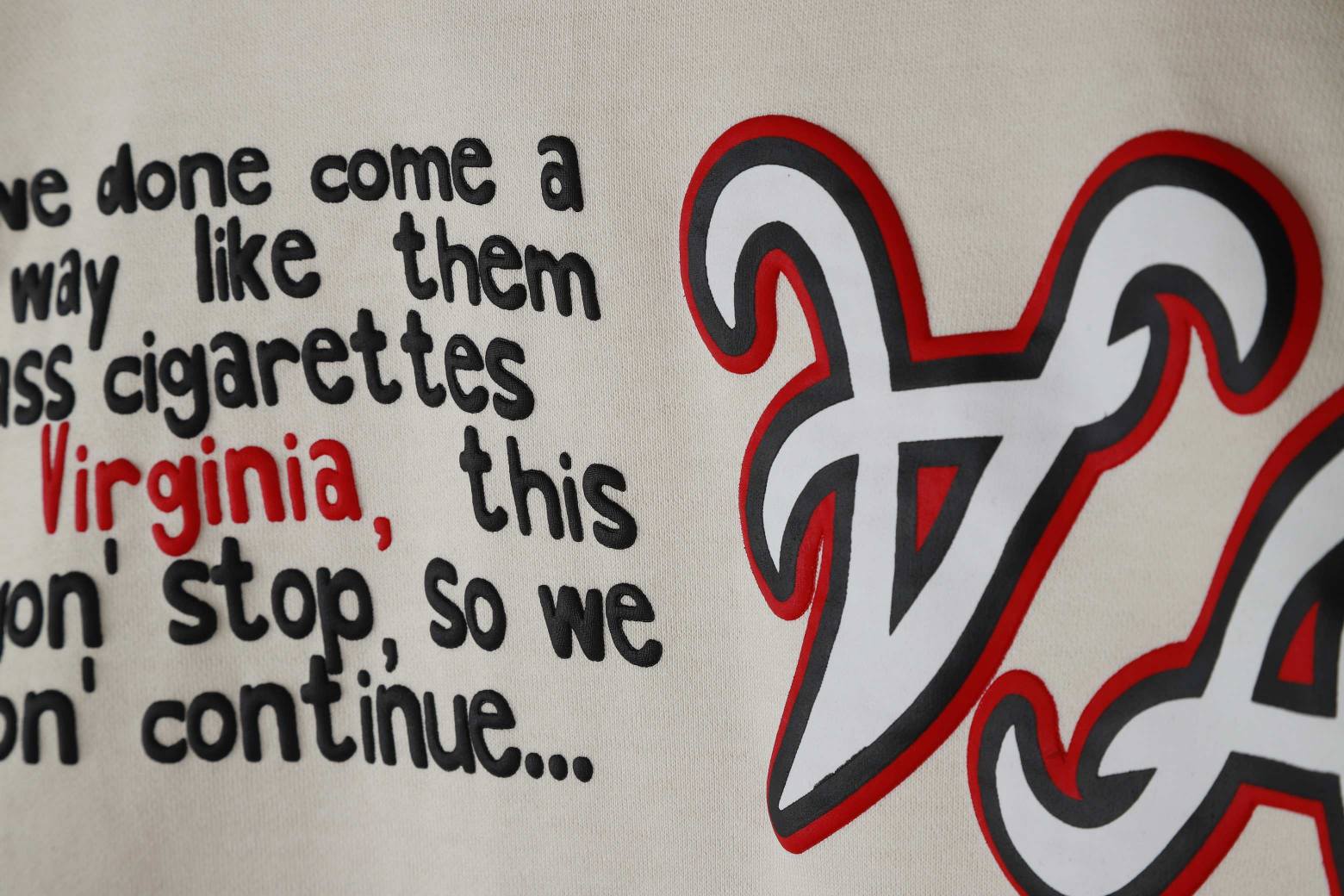
Hybrid Decoration: Screen Print + Embroidery
True varsity and team apparel often layers custom screen printing with embroidery, chenille or tackle twill. SELMOND’s in-house decoration floor coordinates every technique under one roof — eliminating outsourcing delays, quality gaps and the risk of mismatched artwork between vendors.
- Single artwork file drives screen film, embroidery digitizing and chenille punch — perfect alignment guaranteed
- Sequential decoration workflow: screen base layer, cure, then embroider or appliqué on top
- Combined decoration reduces per-piece cost vs. embroidery-only while adding texture and depth
- Full decoration proofs photographed and shared before bulk, showing every layer in final position
Why Choose SELMOND for Custom Screen Printing
SELMOND combines full in-house decoration with 28+ years of team apparel manufacturing experience, delivering custom screen printing alongside embroidery, chenille and tackle twill — all under one roof with low MOQ and fast turnaround.
← 左右滑动查看 →
Custom Screen Printing Production Process
From artwork file to finished garment, SELMOND’s in-house custom screen printing workflow ensures consistent color, sharp registration and durable prints across every piece in your team apparel order.
Artwork Separation & Digitization
Your logo or design is separated into individual color layers, with each color assigned its own screen. Our team reviews artwork for clarity, resolution and printability, refining details before moving to film output.
Screen Exposure & Mesh Prep
Each color layer is burned onto a coated mesh screen using UV exposure. Mesh count is selected based on ink type and fabric substrate to ensure optimal ink deposit and edge sharpness.
Ink Mixing & Color Matching
Plastisol or water-based inks are mixed and matched to your Pantone reference or sample swatch. Strike-off prints are produced on actual garment fabric to confirm color accuracy before bulk production begins.
Print Setup & Registration
Screens are mounted and registered on the press carousel. Test prints verify that all color layers align perfectly, with adjustments made to pressure, squeegee angle and flood stroke for consistent coverage.
Printing on Garment
Each garment is loaded onto the platen, and ink is pulled through the screens in sequence. Operators monitor registration, ink opacity and print quality continuously, ensuring every varsity jacket, jersey or cap meets specification.
Curing & Heat Setting
Printed garments pass through a conveyor dryer or heat-press tunnel at controlled temperature and dwell time, fully curing the ink to lock in color and ensure wash durability across the entire production run.
Quality Inspection & Packing
Every piece is inspected for print clarity, color match, registration accuracy and fabric integrity. Approved garments are folded, poly-bagged with custom labels and packed for shipment to your destination worldwide.
How to Commission Custom Screen Printing from SELMOND
From artwork submission to shipment, our streamlined process ensures your custom screen printing meets exact specifications with fast proofing, strike-off samples and in-line quality control at every stage.
Submit Artwork & Tech Pack
Send your logo files in vector format (AI, EPS, PDF) or high-resolution raster, garment tech pack, color specs (Pantone or CMYK) and placement notes via inquiry form or email.
Review Artwork Proofs & Approve
Receive digital artwork proofs within 1–2 business days showing screen-print placement, color separations and garment mockups. Request revisions until design is final and approved.
Receive Strike-Off Sample for Review
SELMOND produces a physical strike-off sample on your chosen fabric with actual screen-printed artwork. Review ink opacity, color accuracy, hand-feel and placement before bulk production begins.
Approve Bulk Production & QC
Once sample is approved, bulk production starts with in-line quality control checking print registration, ink cure, color consistency and garment construction. Final inspection precedes packing and export.
Shipment & Delivery Tracking
Finished custom screen printing orders are packed per your instructions, invoiced and shipped via sea or air freight with full tracking and customs documentation provided for seamless delivery.
Customer Testimonials: Custom Screen Printing Results
We ordered 250 varsity jackets with custom screen printing for our school store. The prints survived 40+ wash cycles with zero cracking. Color match to our Pantone was perfect, and samples arrived in just 6 days.
SELMOND’s custom screen printing let us launch our streetwear line on a 150-piece test run. Print detail was sharp, registration stayed tight across all sizes, and our first drop sold out in 72 hours.
As a decorator, I need reliable custom screen printing partners. SELMOND delivered 500 team jerseys with 4-color prints, perfect opacity on dark fabric, and hit our tournament deadline 3 days early. Now our go-to supplier.
Custom Screen Printing: Frequently Asked Questions
Can custom screen printing be combined with embroidery and chenille on the same garment?
What fabrics work best for custom screen printing on team apparel?
What is the maximum number of colors for custom screen printing designs?
What is the minimum order quantity for custom screen printing and team apparel at SELMOND?
How durable is custom screen printing ink on varsity jackets and jerseys?
What file formats do you need for custom screen printing artwork?
What is the cost and lead time for custom screen printing samples?
How many artwork revisions are included during custom screen printing production?
What is the maximum print size for custom screen printing on varsity jackets, jerseys and team apparel?
The Complete Buyer’s Guide to Custom Screen Printing for Teams and Brands
Navigate the custom screen printing landscape with confidence. This guide delivers a proven decision framework, essential supplier criteria, quality benchmarks, and the most common mistakes to avoid when sourcing printed apparel for your team, school, or brand.
1. What Is Custom Screen Printing?
Custom screen printing is a decoration method that forces ink through a fine mesh screen — one screen per color — onto fabric, building each design layer by layer. The process begins with design separation into individual color channels, followed by screen preparation using photo-emulsion stencils that block ink everywhere except the desired pattern, then precise ink application with a squeegee across each screen in sequence.
Screen printing remains the industry standard for team apparel orders above 100–200 pieces because durability, color vibrancy and per-unit cost all improve at scale. A single screen setup may cost $15–$40, but that cost spreads across every garment in the run, dropping unit decoration expense to under $2 on bulk orders while delivering ink opacity and wash-fastness that outlasts most digital methods.
Choose screen printing when your order quantity justifies setup costs, when you need vivid spot colors (especially Pantone matches), or when printing on dark fabrics where opacity matters. For single samples, full-color photographic artwork, or runs under 50 pieces, digital decoration — sublimation or direct-to-garment — typically offers faster turnaround and lower minimums.
2. Evolution and History of Screen Printing
Screen printing traces its roots to China’s Song Dynasty (960–1279 AD), where artisans used stencils and silk mesh to transfer patterns onto fabric and paper. The technique migrated through Asia and Europe, remaining largely manual until the early 20th century when textile mills began experimenting with industrial frames and squeegees.
The 1960s marked the commercial turning point. Plastisol ink — a PVC-based formulation that cured with heat rather than air-drying — debuted in the late 1950s and unlocked durable, opaque prints on cotton and polyester blends. By the mid-1960s, band merchandise, university sportswear and promotional tees flooded retail, and automated carousel presses replaced hand-pulled screens, pushing daily output from dozens to thousands of garments.
Water-based and discharge inks emerged in the 1990s as brands demanded softer hand-feel and lower environmental impact, complementing plastisol for performance jerseys and fashion streetwear. Today custom screen printing spans art-house runs of 100 pieces to mass orders of 50,000-plus, anchored by the same mesh-and-squeegee principle refined over a millennium.
3. Types of Custom Screen Printing Techniques
Screen printing ink technology has evolved into four distinct methods, each optimized for different fabric substrates, hand feel and durability requirements. Matching the right technique to your product category — whether team uniforms, fashion apparel or promotional goods — directly impacts wash performance, customer satisfaction and re-order rates.
Plastisol Screen Printing
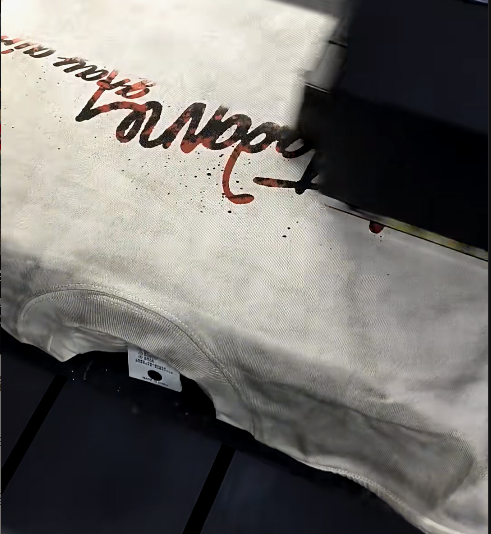
Plastisol is a PVC-based ink that sits on top of the fabric and cures through heat, typically at 320–330°F. It delivers opaque, vibrant prints on both light and dark garments and withstands 50+ industrial wash cycles without cracking when properly cured.
Ideal for cotton, poly-cotton blends and team jerseys where color brightness and durability outweigh hand softness. Most varsity jacket chest logos and baseball uniform numbers use plastisol for its proven longevity and cost efficiency at any order volume.
Water-Based Screen Printing
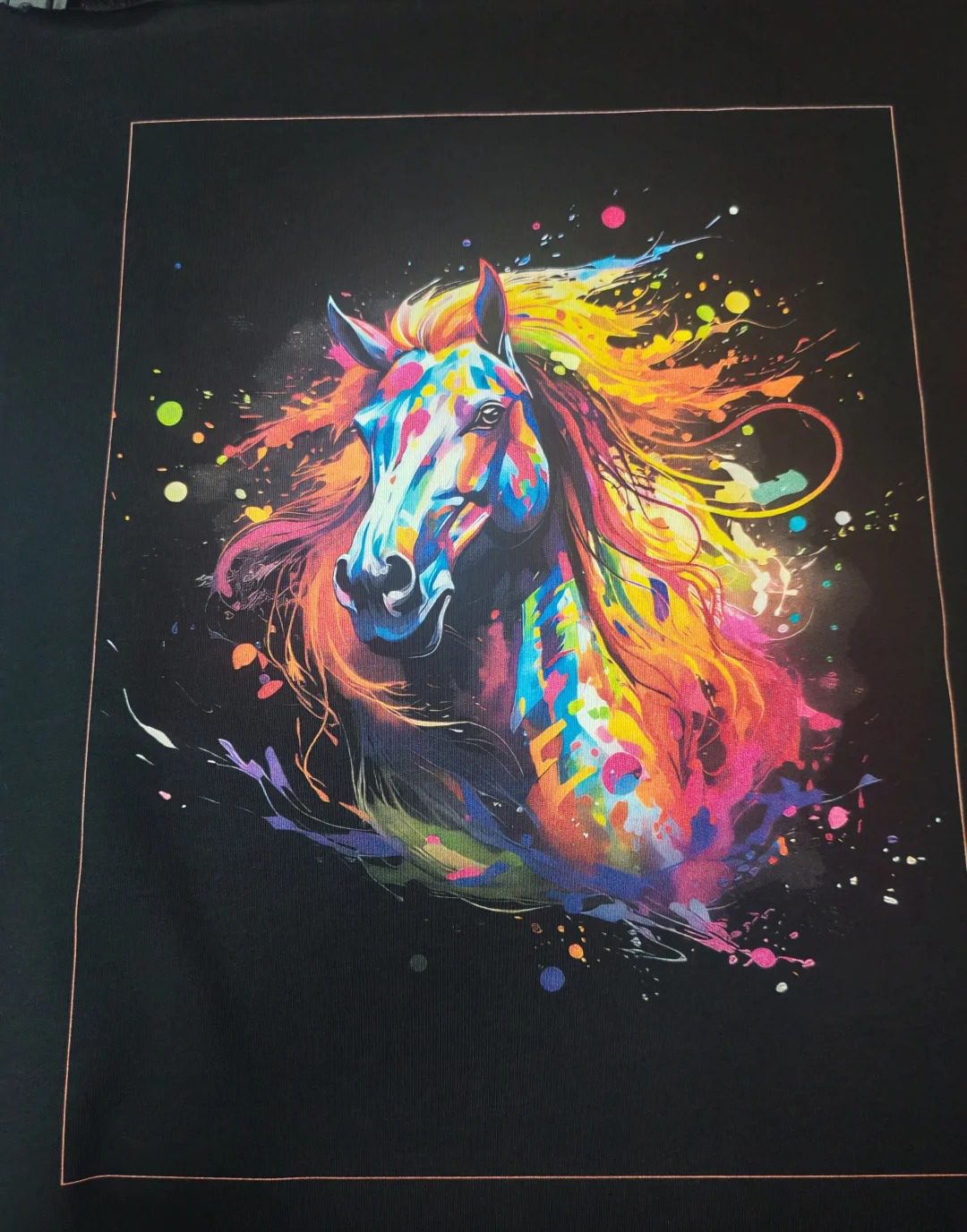
Water-based inks penetrate the fabric fibers rather than sitting on the surface, yielding an ultra-soft hand and breathable finish. They require heat or air curing and perform best on light-colored, natural-fiber garments like ring-spun cotton tees.
Popular with fashion brands and eco-conscious buyers, water-based prints fade slightly faster than plastisol but offer a vintage aesthetic and GOTS-compliant formulations. Not recommended for dark fabrics without an underbase or discharge pretreatment.
Discharge Screen Printing
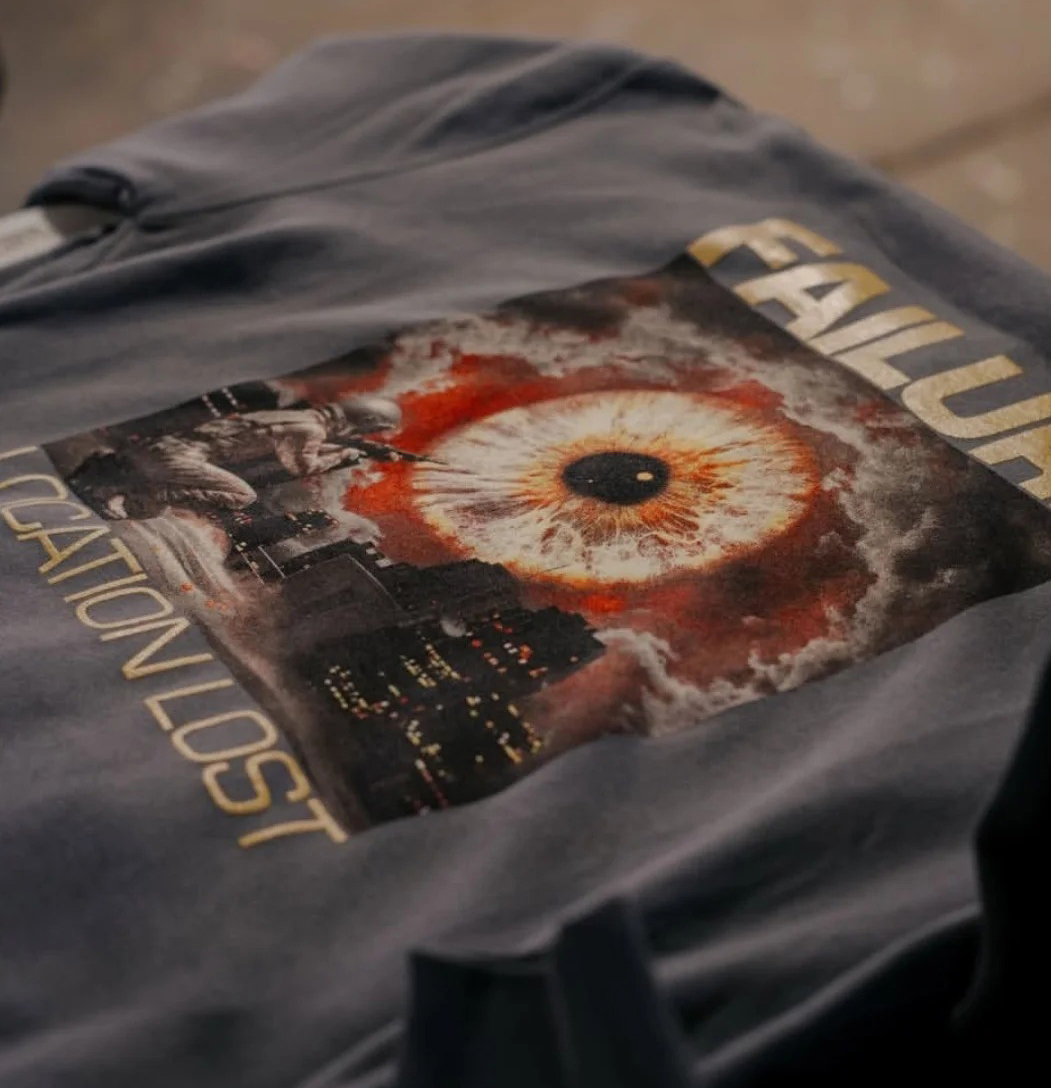
Discharge inks remove the garment’s existing dye and replace it with pigment, creating prints that feel like the fabric itself. Only effective on 100% cotton or high-cotton blends pre-dyed with reactive dyes; polyester and some fashion dyes will not discharge.
This technique is the premium choice for dark hoodies and fashion tees where softness is non-negotiable. Wash durability matches the base fabric, and colors remain vibrant through 60+ cycles when properly processed.
Specialty Screen Printing
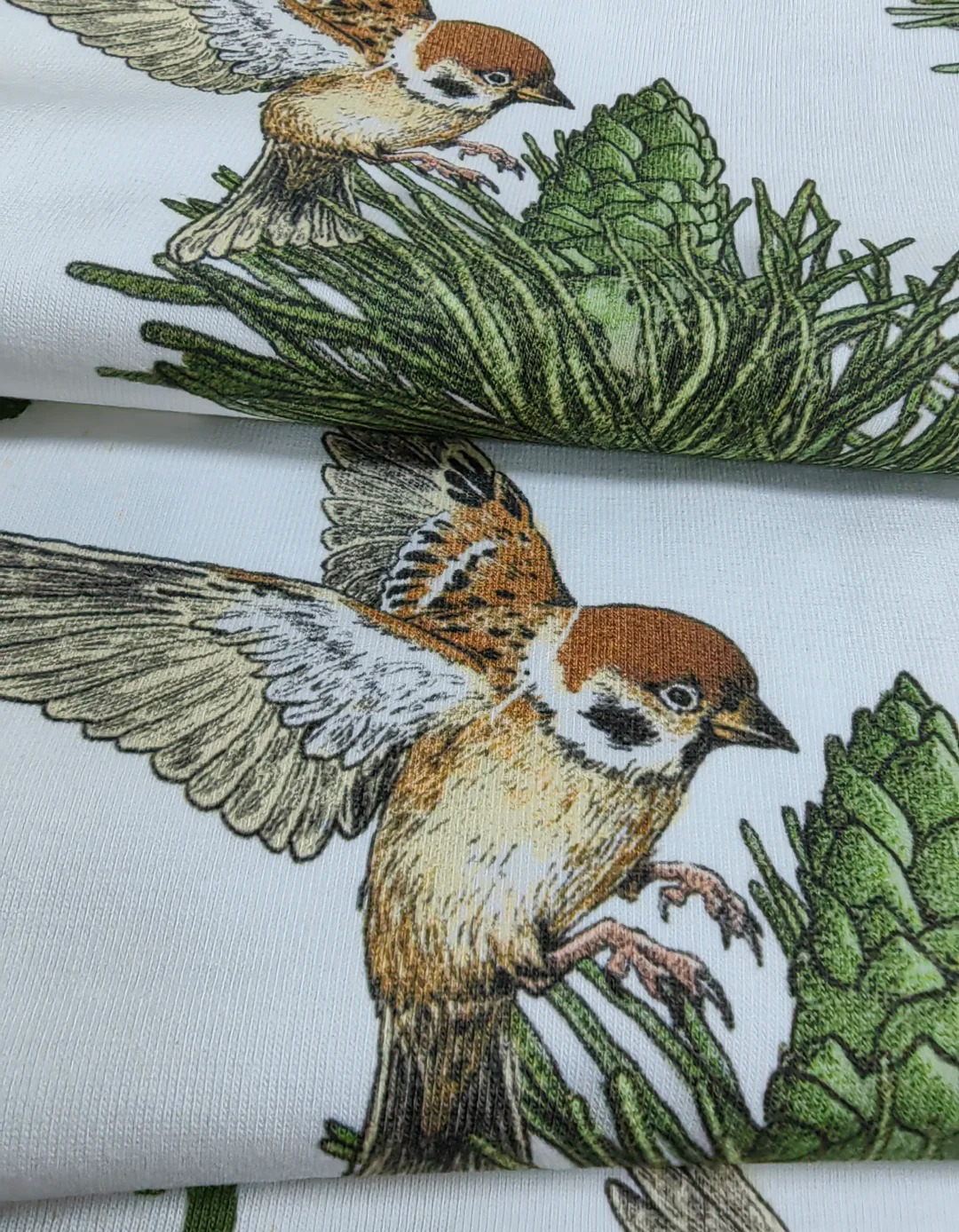
Specialty inks include puff (expands when heated for 3D texture), glitter (metallic flakes suspended in plastisol), glow-in-the-dark and reflective formulations. Each adds tactile or visual effects but may require gentler wash care and higher per-color setup costs.
Commonly used for event apparel, cheer uniforms and limited-edition drops where standout design justifies the premium. SELMOND’s in-house screen-print stations handle multi-technique layering — puff numbers over discharge backgrounds — within a single production run.
4. Materials and Fabrics for Custom Screen Printing
Fabric choice governs ink adhesion, durability and garment performance. SELMOND sources base materials from trusted Chinese mills and matches each fabric type to the decoration method and end-use environment — team jerseys demand moisture management, retail apparel prioritizes hand-feel, and workwear requires wash-cycle resilience.
| Fabric Type | GSM Range | Ink Compatibility | Ideal Applications | Care Instructions |
|---|---|---|---|---|
| 100% Cotton | 150–220 | Plastisol, water-based, discharge | Retail tees, school spirit wear, classic team apparel | Machine wash cold, tumble dry low |
| Poly-Cotton Blend | 160–200 | Plastisol, low-cure plastisol | Team jerseys, workwear, wrinkle-resistant uniforms | Warm wash, low heat dry |
| 100% Polyester | 120–180 | Low-cure plastisol, sublimation | Performance jerseys, moisture-wicking athletic wear | Cold wash, air dry or low heat |
| Tri-Blend | 145–165 | Water-based, soft-hand plastisol | Premium retail apparel, influencer merch, soft-touch collections | Cold wash, hang dry recommended |
5. Customization and Decoration Options in Screen Printing
Custom screen printing offers precise control over ink colors, print placement and special effects — each decision directly affecting cost, setup time and visual impact. Understanding these variables helps buyers balance creative ambition with production realities.
| Complexity | Screen Count | Setup Time | Per-Piece Cost | Lead Time |
|---|---|---|---|---|
| 1-color spot | 1 | ~30 min | Lowest | 5–7 days |
| 4-color simulated | 6–8 | 2–3 hours | Medium | 7–10 days |
| All-over print | Multiple setups | 4+ hours | Highest | 10–14 days |
Ink Color Count and Process Choice
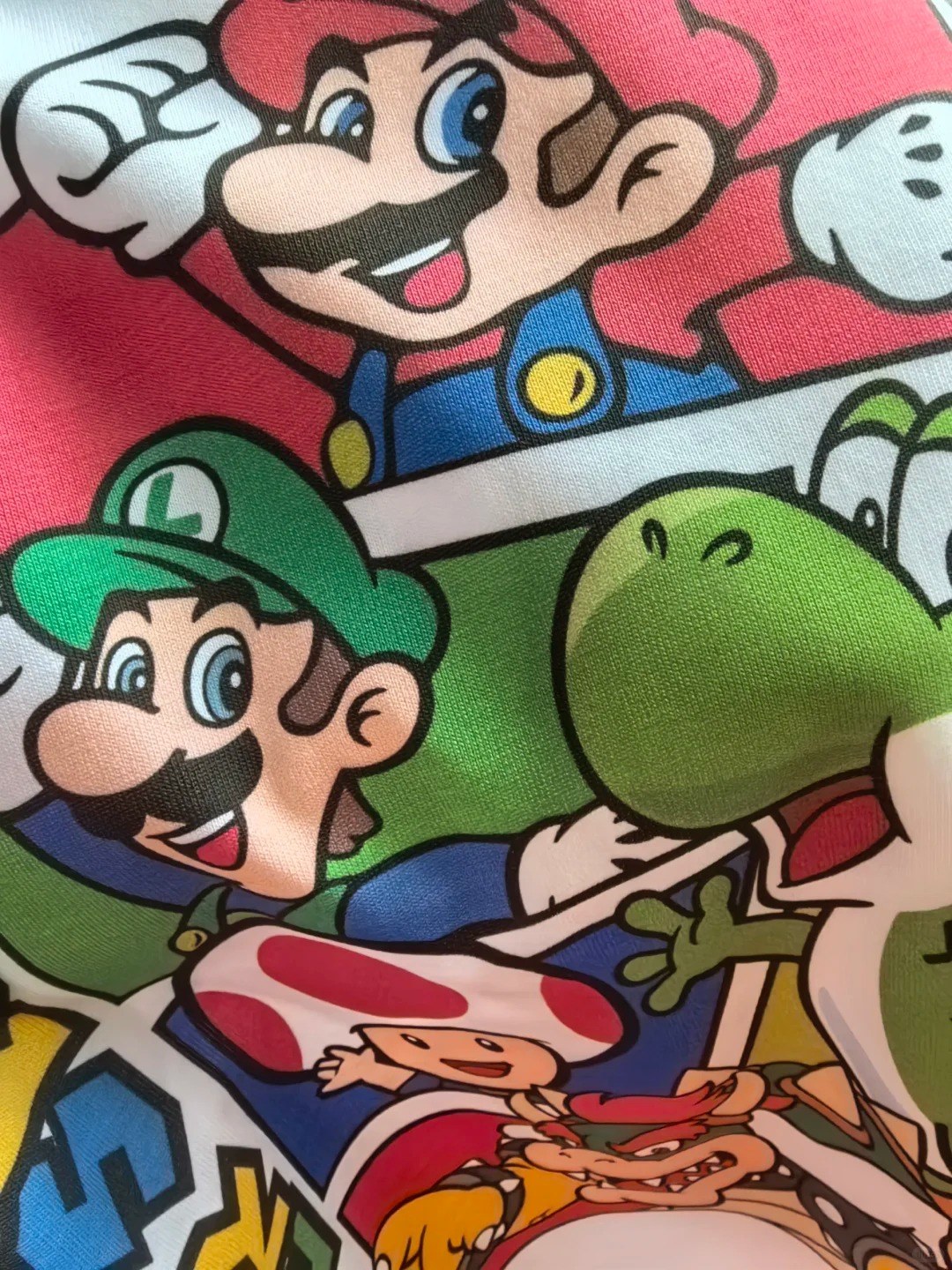
Spot-color printing uses one screen per ink, delivering solid, opaque coverage ideal for logos and text. Each additional color adds one screen, one setup charge and roughly 15–20 seconds per garment. Simulated-process (CMYK-style) screen printing layers halftone dots to reproduce photographic images, typically requiring 6–8 screens and tight registration.
SELMOND’s in-house screen-print station handles both spot and simulated work, with artwork proofs and strike-offs provided before bulk runs to lock color accuracy.
Print Location and Placement
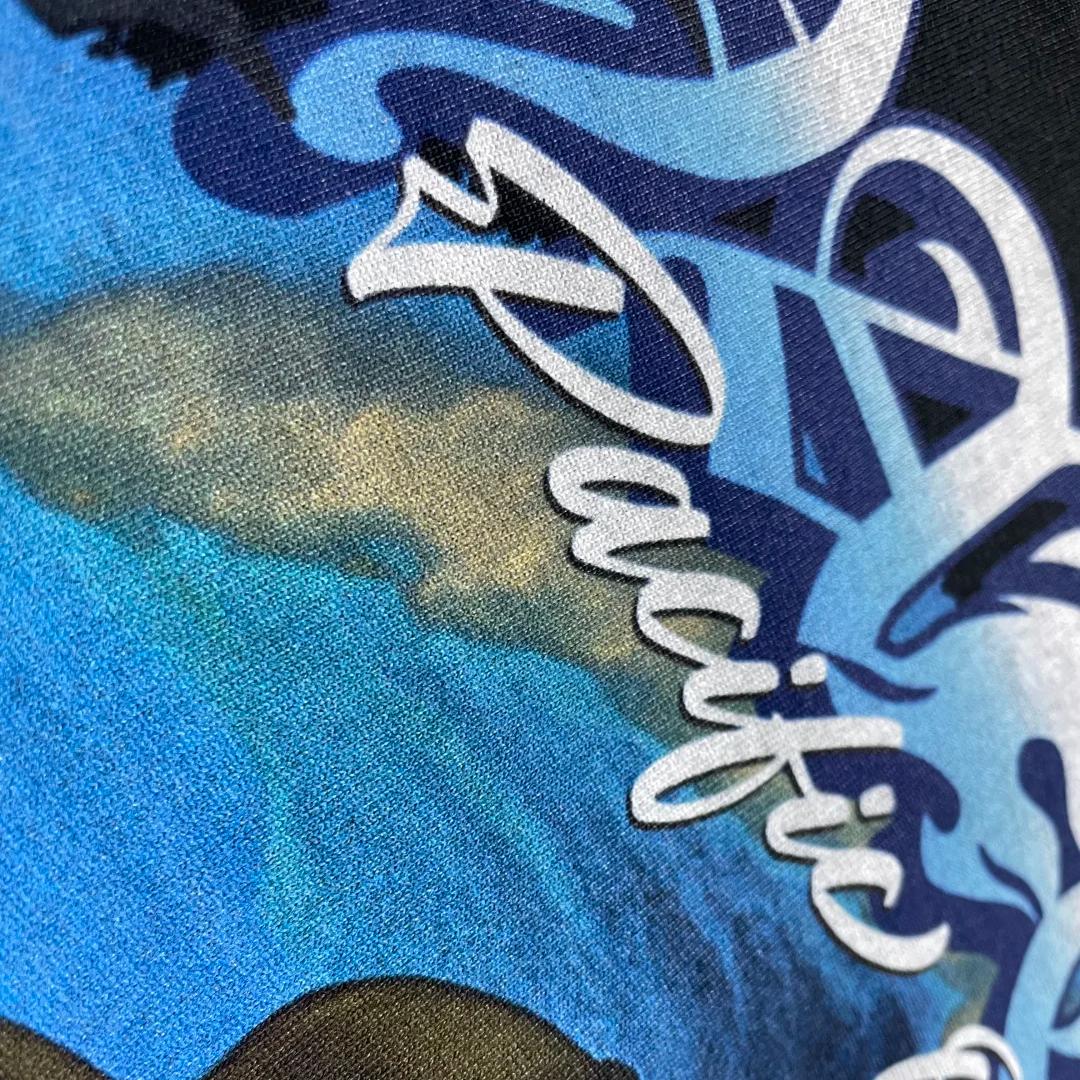
Standard placements — front chest (3″×3″ to 5″×5″), full back (12″×14″ or larger), sleeves and interior neck labels — each require separate screen setups. Multi-location prints multiply both setup fees and per-piece press time, but deliver higher perceived value for team uniforms and branded apparel.
SELMOND keeps artwork and placement files on record, ensuring consistent registration and faster re-order turnaround for repeat clients.
Special Effects and Overprinting
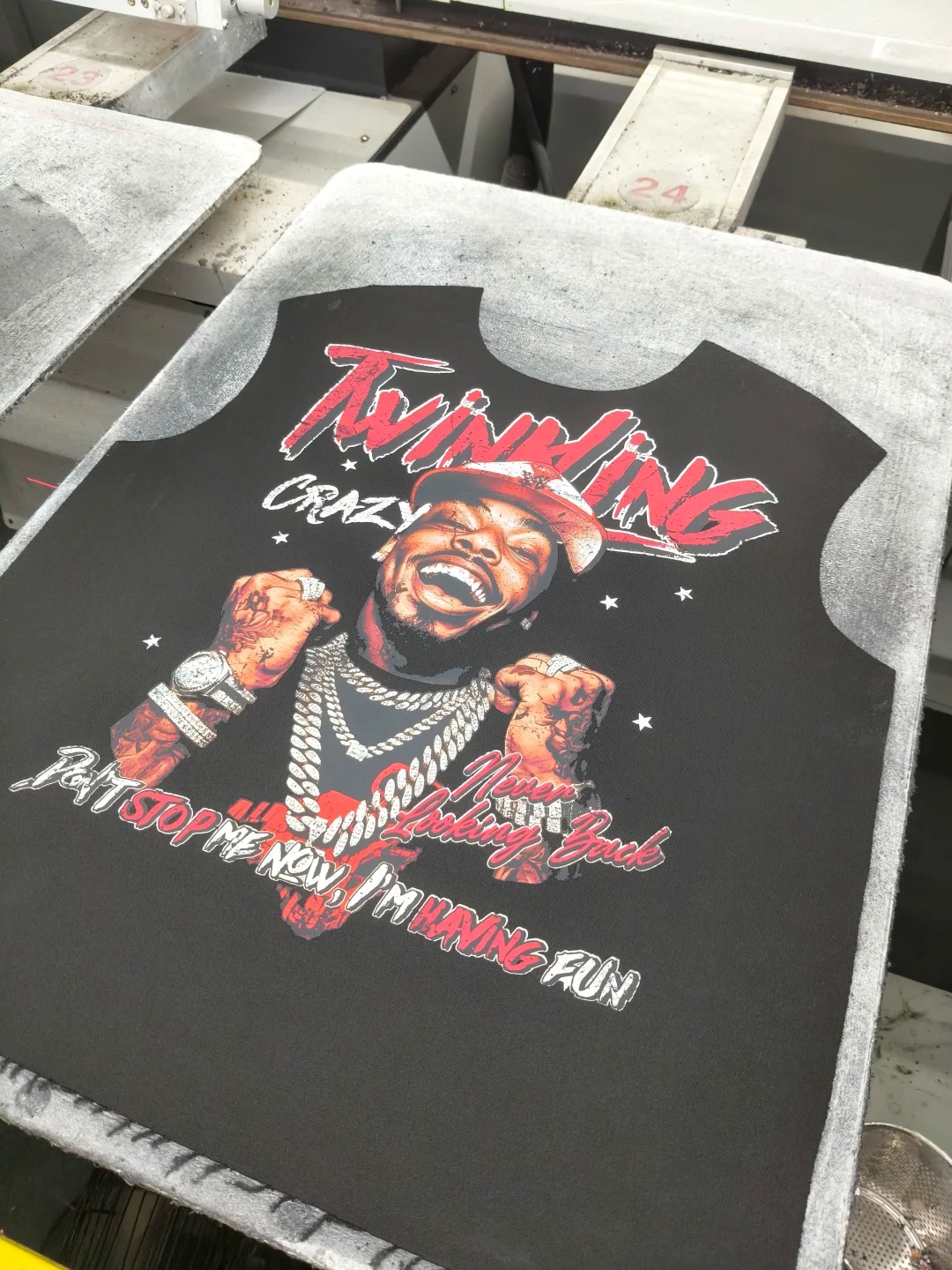
Metallic, reflective and high-density (raised) inks add tactile dimension and shelf appeal, each requiring specialty formulations and curing protocols. Layering techniques — overprinting transparent inks, halftone underbase or distressed textures — create depth but extend press time and demand skilled registration.
SELMOND’s decoration floor integrates screen printing with embroidery, chenille and tackle-twill, enabling hybrid decoration strategies that combine cost-effective ink coverage with premium stitched details.
6. Key Quality Indicators in Custom Screen Printing
Quality defects in custom screen printing surface only after bulk production ships — unless you know what to inspect. Registration accuracy, ink cure, opacity, edge definition and run consistency separate professional team apparel from samples that look good once but fail in the field.
Registration Accuracy and Color Alignment
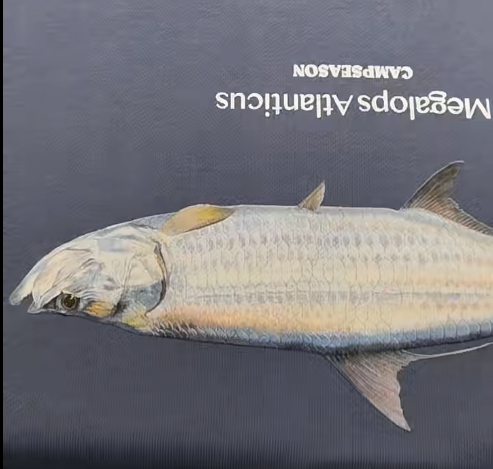
Multi-color prints require each screen to align within ±0.5 mm. Off-register layers show white gaps, doubled edges or color halos — especially visible on tackle-twill outlines and varsity lettering.
Request close-up photos of multi-color areas before approving samples. Misalignment beyond 1 mm signals inadequate screen tensioning or press calibration.
Ink Opacity, Coverage and Cure
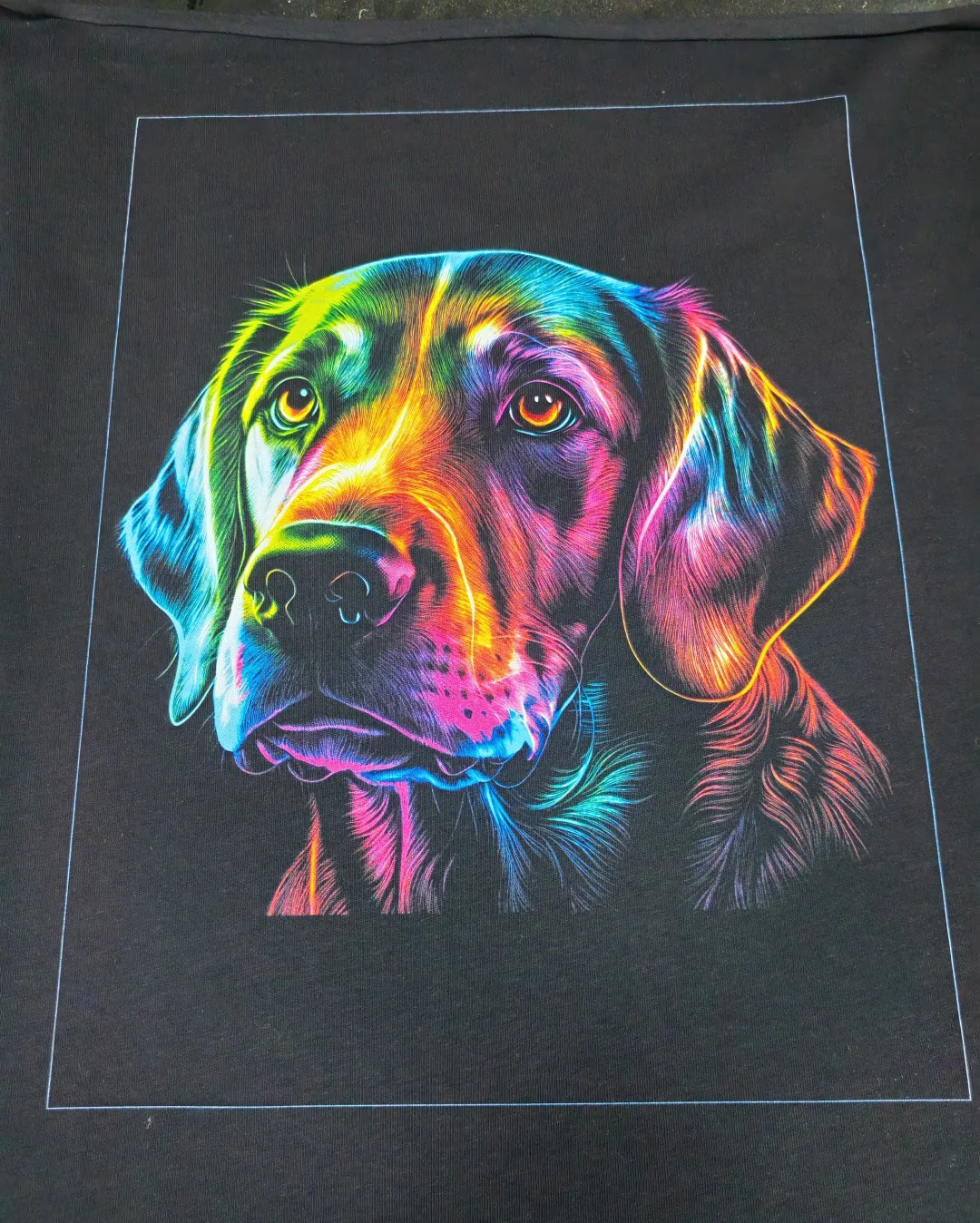
Plastisol ink should fully hide the base fabric in one or two passes; thin or translucent coverage indicates under-deposit or wrong mesh count. Cured ink feels dry to touch within seconds and shows no tack after 48 hours.
Stretch a printed sample 20–30% and wash at 40°C twice. Cracking, peeling or color fade indicates incomplete cure or low-quality ink.
Edge Sharpness and Run Consistency
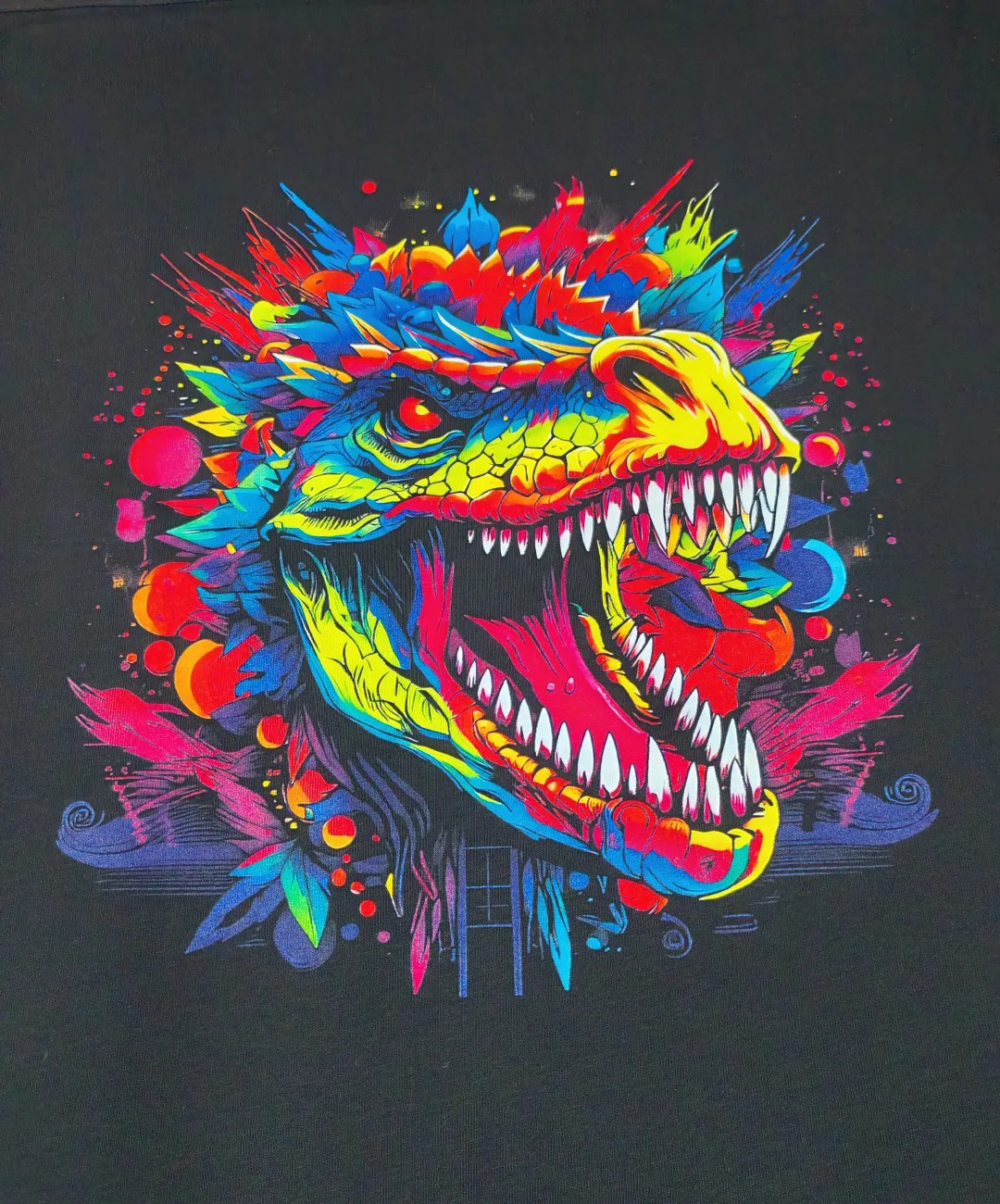
Sharp edges with no feathering or ink bleed confirm correct screen tension, proper squeegee durometer (70–80 Shore A) and controlled off-contact distance. Request prints from the start, middle and end of a 500-piece run to verify color and registration hold across the entire batch.
7. How to Choose a Custom Screen Printing Manufacturer
Selecting the right custom screen printing partner requires evaluating operational capabilities, flexibility and long-term alignment. Whether you source locally or offshore, ask targeted questions about MOQ, turnaround, samples and quality guarantees to avoid costly mismatches.
Minimum Order Quantities and Flexibility
MOQ policies separate boutique print shops from scalable manufacturers. Local screen printers often require 24–72 pieces per design, while offshore partners like SELMOND start at 100 pieces per style/colorway, enabling test runs and capsule launches without inventory risk.
Ask: ‘What is your minimum per design? Can I mix sizes within that minimum?’ Flexible MOQ lets emerging brands validate demand before committing to thousands of units.
Turnaround Times and Rush Capabilities
Standard lead times range from 7–10 days for local shops to 25–35 days for offshore production, including sampling and shipping. Confirm whether rush orders incur surcharges and what ‘rush’ realistically means.
Ask: ‘Can you handle a 10-day turnaround? What is your in-line QC process during rush jobs?’ Speed without quality checks risks defects at scale.
Sample Policies and Artwork Support
Reputable manufacturers provide pre-production samples and decoration strike-offs before bulk runs. SELMOND offers artwork proofs, logo digitizing and full decoration samples to confirm placement, color and finish.
Ask: ‘Do you charge for samples? Will I see a physical garment with my print before production?’ In-house art services save weeks and prevent file-prep errors.
Equipment, Certifications and Defect Policies
Automatic carousel presses deliver tighter registration and faster output than manual setups. For eco-conscious buyers, verify OEKO-TEX Standard 100, GOTS (for water-based inks) or WRAP certification.
Ask: ‘What press equipment do you run? What is your defect rate and reprint policy?’ Clear defect thresholds (typically ≤2%) and reprint terms protect both parties and signal professional quality control.
8. Common Mistakes Buyers Make with Custom Screen Printing
Even experienced buyers stumble on screen-printing details that add cost, delay shipments or compromise finished garment quality. Most mistakes trace to incomplete artwork files, mismatched ink-and-fabric pairings, or skipped approval steps that surface only after bulk production begins.
Wrong Ink Type for Fabric
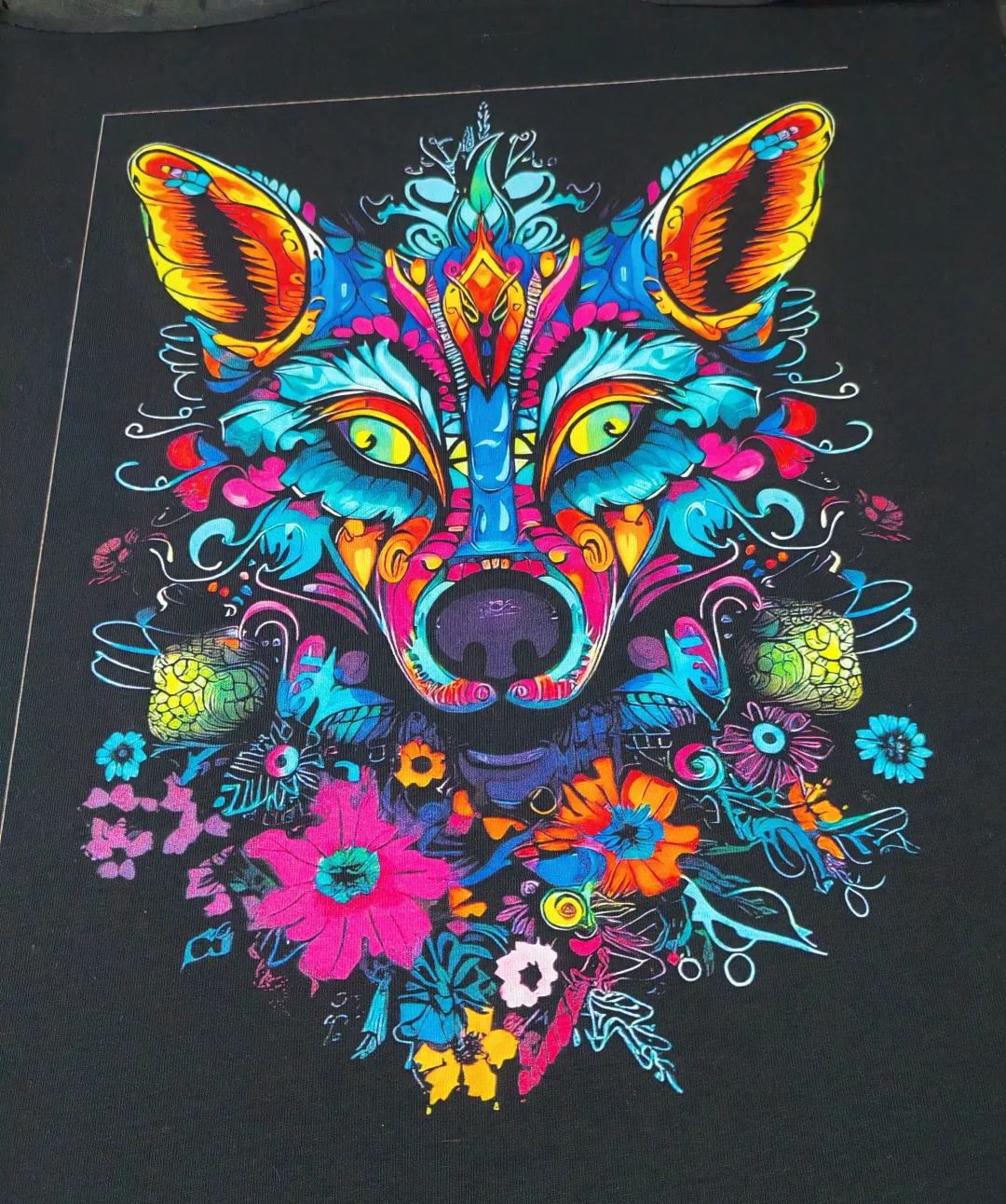
Plastisol ink sits on top of polyester and can crack; water-based ink bleeds on loose-weave cotton without proper mesh tension. Pairing discharge ink with synthetic blends yields no color shift because there’s no dye to remove.
Request an ink recommendation based on your exact fabric composition and GSM before approving artwork. SELMOND’s decoration team matches plastisol, water-based or discharge chemistry to melton wool, polyester mesh or cotton twill during the sampling phase.
Underestimating Color Count and Setup Fees
Each spot color requires a separate screen, adding 15–25 USD per screen to setup. A six-color chest print can double your per-piece cost on a 100-unit run compared to a two-color design.
Simplify artwork to three colors or fewer for small orders, or switch to full-dye sublimation when designs exceed four colors. Always request a per-color breakdown before committing to production.
Skipping Sample Approval
Bulk production locks in thread tension, ink opacity and registration. Without a physical strike-off, you cannot verify how chenille sits against screen-printed underbase or whether tackle-twill edges align with printed outlines.
Approve a decorated sample on your chosen fabric and colorway. SELMOND provides sample garments with all decoration techniques applied, keeping the approved sample on file for every re-order.
Low-Resolution Artwork Files
Raster files below 300 DPI at print size produce jagged edges and blurred halftones. Vector artwork in AI or EPS format scales infinitely and separates cleanly into spot-color screens.
Supply vector files whenever possible, or work with SELMOND’s design team to digitize logos and redraw low-resolution images into production-ready artwork with clean color separations.
9. Steps to Launch Your Custom Screen Printing Project
Launching a custom screen printing project requires clear gates and written approvals at every step. SELMOND’s nine-step process — from inquiry through global logistics — is built to keep first orders smooth and re-orders fast, with artwork files, patterns and trims records kept on file for stable partners.
Finalize Design and Color Separations
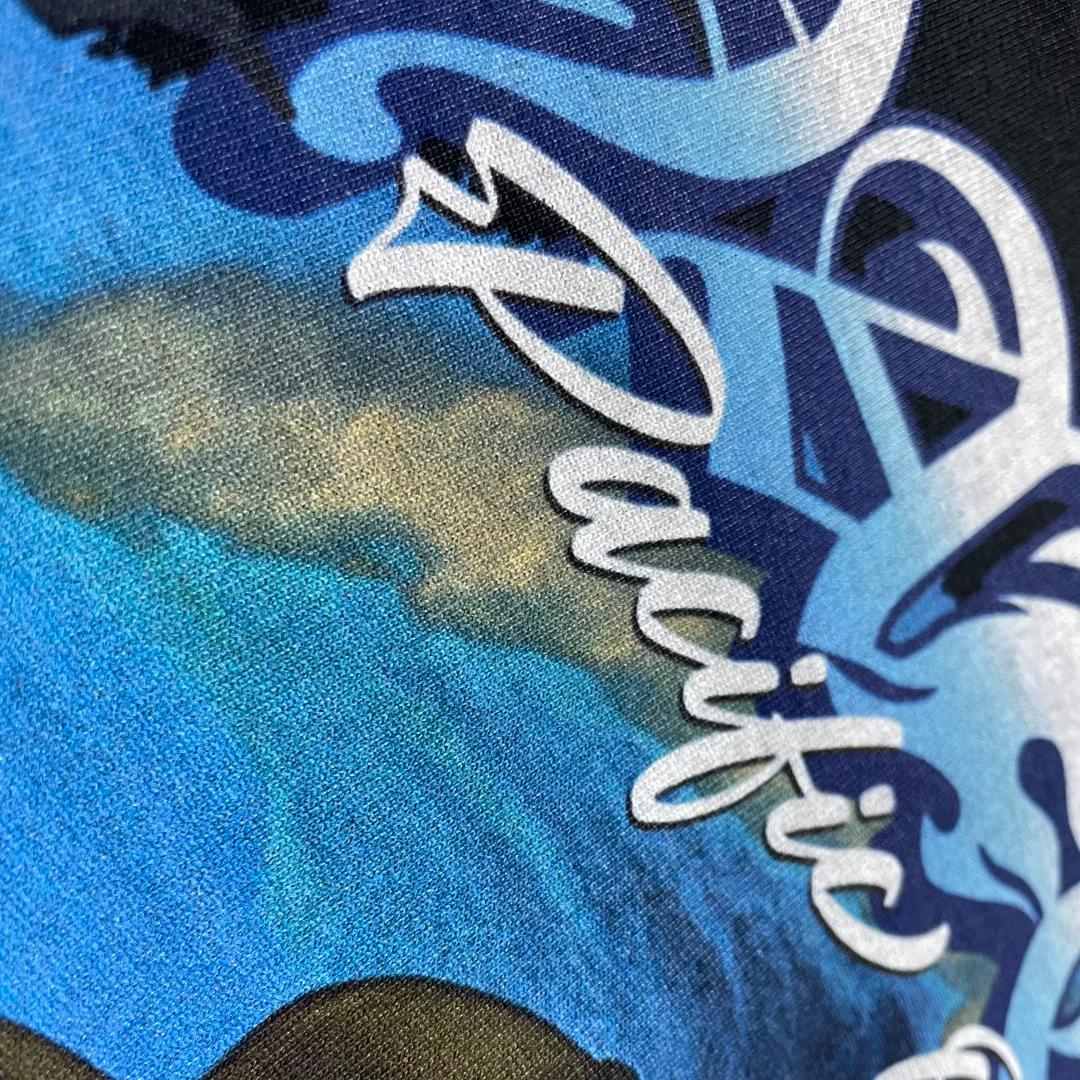
Submit vector artwork or a high-resolution design file showing every color layer. SELMOND’s design team digitizes logos, separates spot colors and prepares production-ready screens for flat, halftone or simulated-process work.
Color separations determine ink sequence and cure order. A four-color design may require five screens if an underbase is needed on dark fabrics, so confirm the final separation proof in writing before any screen is burned.
Select Fabric and Garment Style
Choose the base garment — jersey mesh, melton wool body, cotton twill cap or polyester tricot — and confirm fabric weight, color and trims. SELMOND sources from trusted mills and provides swatch cards or fabric hand-feel samples before bulk commitment.
Match ink chemistry to substrate: plastisol for cotton and blends, water-base or discharge for soft-hand vintage looks, and specialized low-cure inks for heat-sensitive synthetics.
Request and Approve a Strike-Off Sample
A strike-off is a single printed garment showing actual ink color, hand-feel, registration and cure. SELMOND produces decoration strike-offs and sample garments before any bulk run, letting you verify that the screen setup matches your artwork proof.
Approve the strike-off in writing — via email or signed photo — to lock ink formulas, mesh counts and print sequence for production consistency.
Confirm Quantities, Delivery Schedule and Payment
SELMOND’s MOQ starts at 100 pieces per style and color, with deposit terms stepping from 100 % on a first order down to 30 % for stable long-term partners. Payment is supported via T/T, PayPal, credit card, USDT and VTB Bank for Russia.
Confirm the delivery schedule in the purchase order. Bulk lead times typically range 25–35 days after sample approval, with shorter runs and re-orders often completed faster when patterns and screens are on file.
Monitor Production and Conduct Final QC
In-line quality control checks ink opacity, registration, cure temperature and print placement on every tenth garment. SELMOND photographs random samples during production and shares updates at key milestones.
Final QC measures color accuracy against the approved strike-off, inspects for pinholes or under-cure, and verifies that all size labels, hang tags and packaging match the purchase order before shipment is released.
10. Pricing and Cost Breakdown for Custom Screen Printing
Screen printing setup costs typically range from $15–$50 per color, covering film output, screen preparation and registration. Per-unit print costs drop sharply as volume rises: at 50 pieces a $25 setup translates to $0.50 per garment, while at 1,000 pieces that same setup adds only $0.025 per piece, making higher volumes significantly more economical.
SELMOND’s 100-piece MOQ balances accessible entry with efficient pricing, allowing sports teams and independent designers to test designs without committing to inventory they cannot move. Lead times compress as re-order patterns and artwork files remain on file, turning 18–25 day first orders into 12–15 day repeats.
Print method choice directly impacts both setup and per-piece cost. Single-color plastisol offers the lowest barrier to entry, while four-color water-based and discharge prints require additional screens and longer press time, raising both setup fees and per-unit labor but delivering softer hand and richer color on dark fabrics.
| Quantity Tier | Setup/Screen Fee | Per-Unit Print Cost | Lead Time (days) |
|---|---|---|---|
| 50 pcs | $15–$25 per color | $2.50–$4.00 | 18–25 |
| 100 pcs | $15–$25 per color | $1.80–$3.20 | 18–25 |
| 250 pcs | $15–$25 per color | $1.20–$2.40 | 15–20 |
| 500 pcs | $15–$25 per color | $0.90–$1.80 | 15–20 |
| 1,000+ pcs | $15–$25 per color | $0.60–$1.20 | 12–18 |
Ready to Order Custom Screen Printing? Get a Quote Today
Submit your artwork or design idea for custom varsity jackets, jerseys, caps or team uniforms and receive a detailed quote with pricing, decoration samples, and production timeline — no hidden fees, no pressure.