
Heat Transfer Numbers for Custom Team Apparel & Jerseys
Fast, durable heat transfer numbers for sports jerseys, baseball uniforms and team apparel — sharp edges, vibrant colors, and professional finish from 100 pieces. In-house decoration, 28+ years varsity jacket and team apparel experience.
Heat Transfer Numbers Sample Gallery
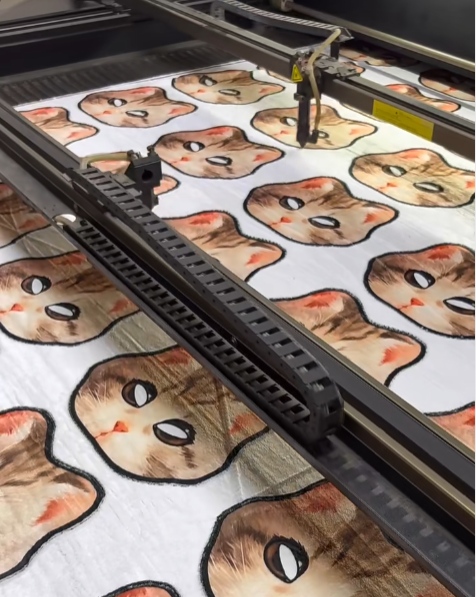
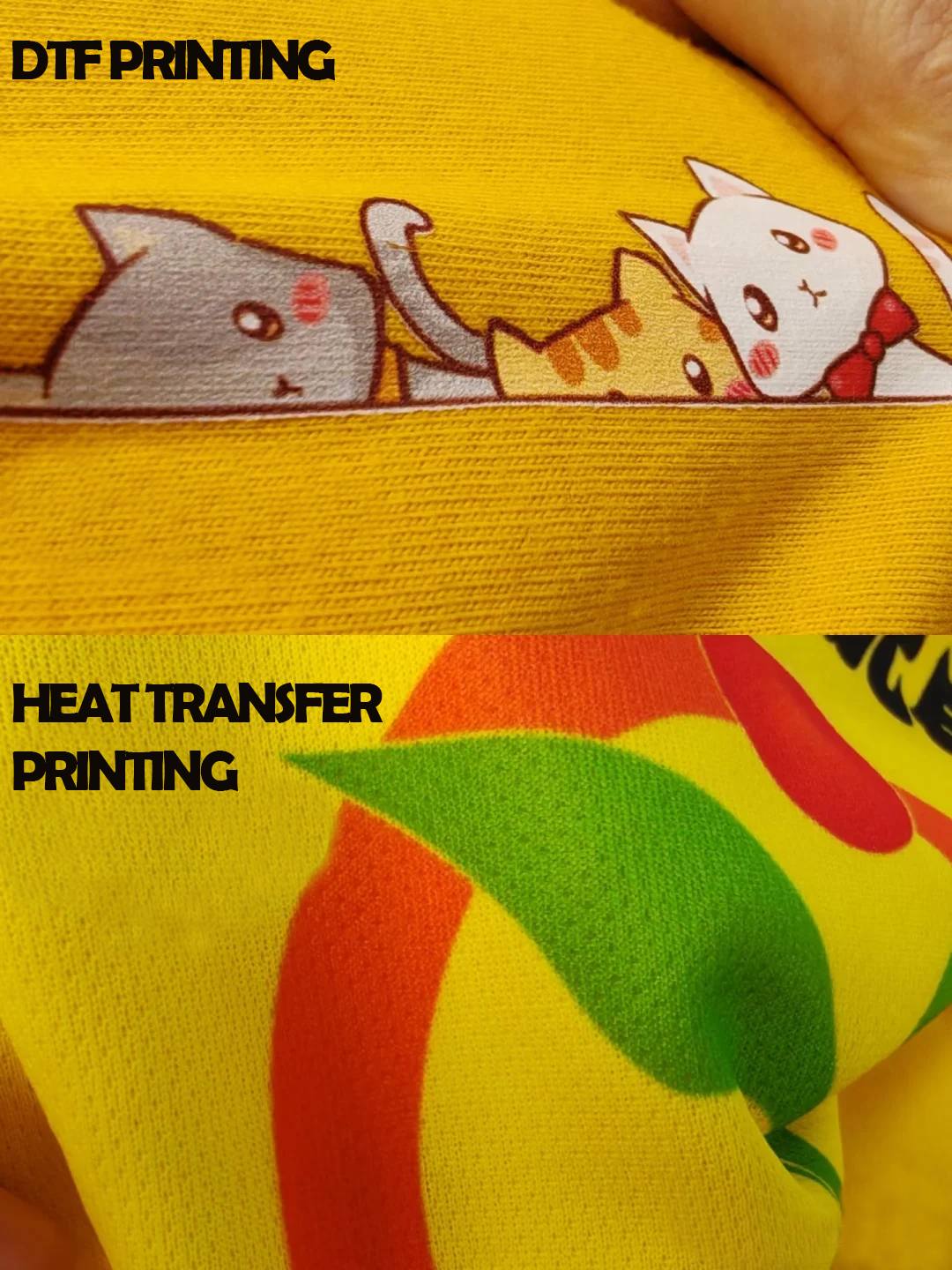
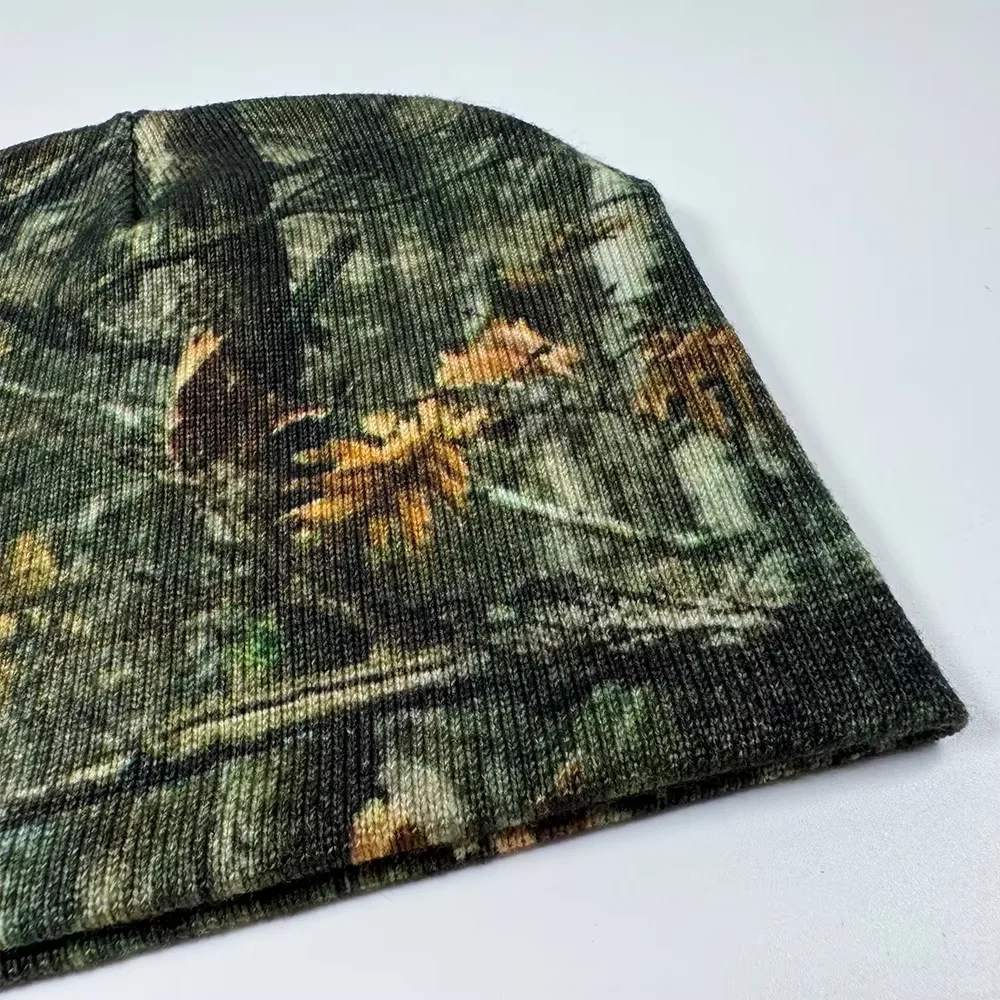
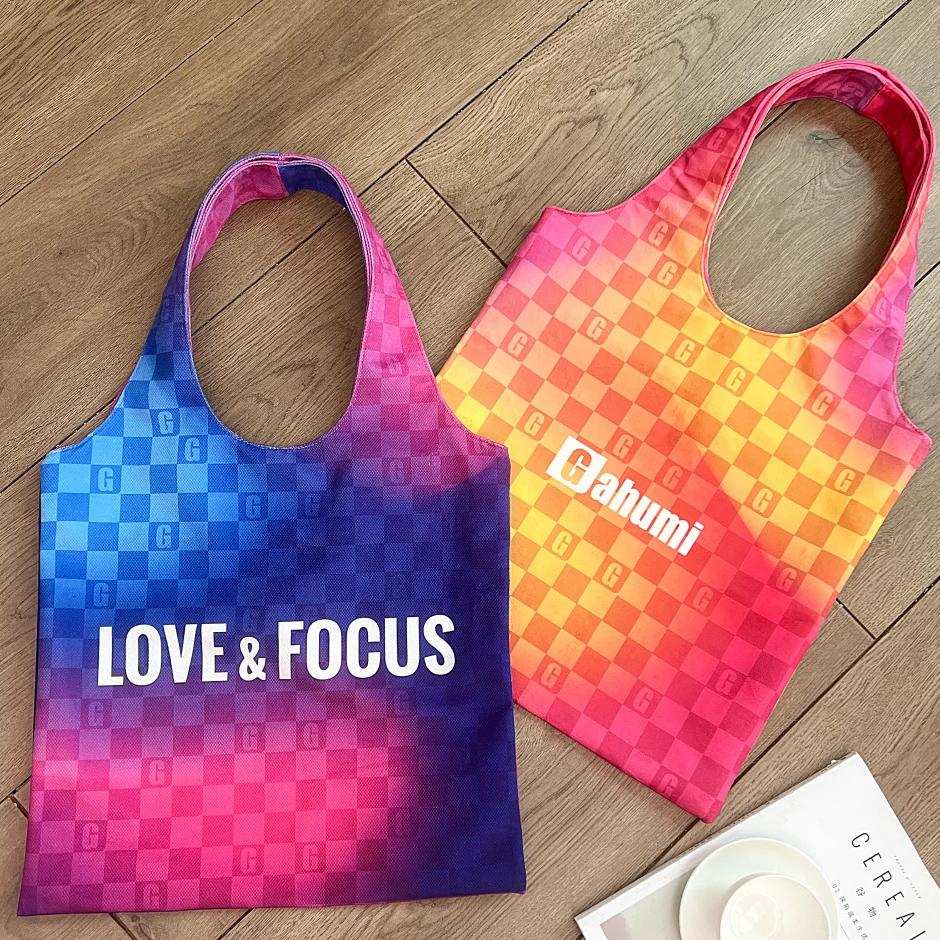
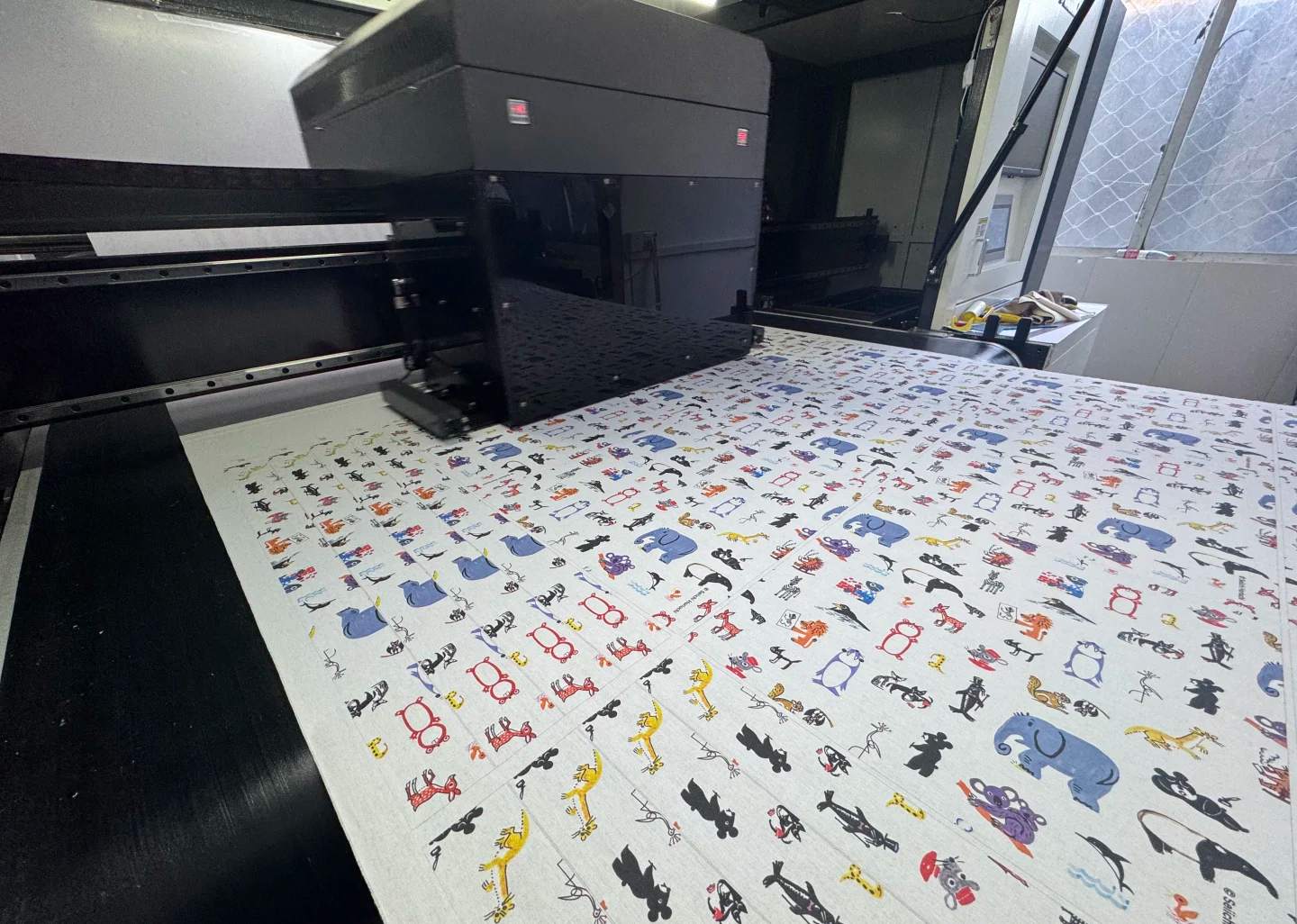
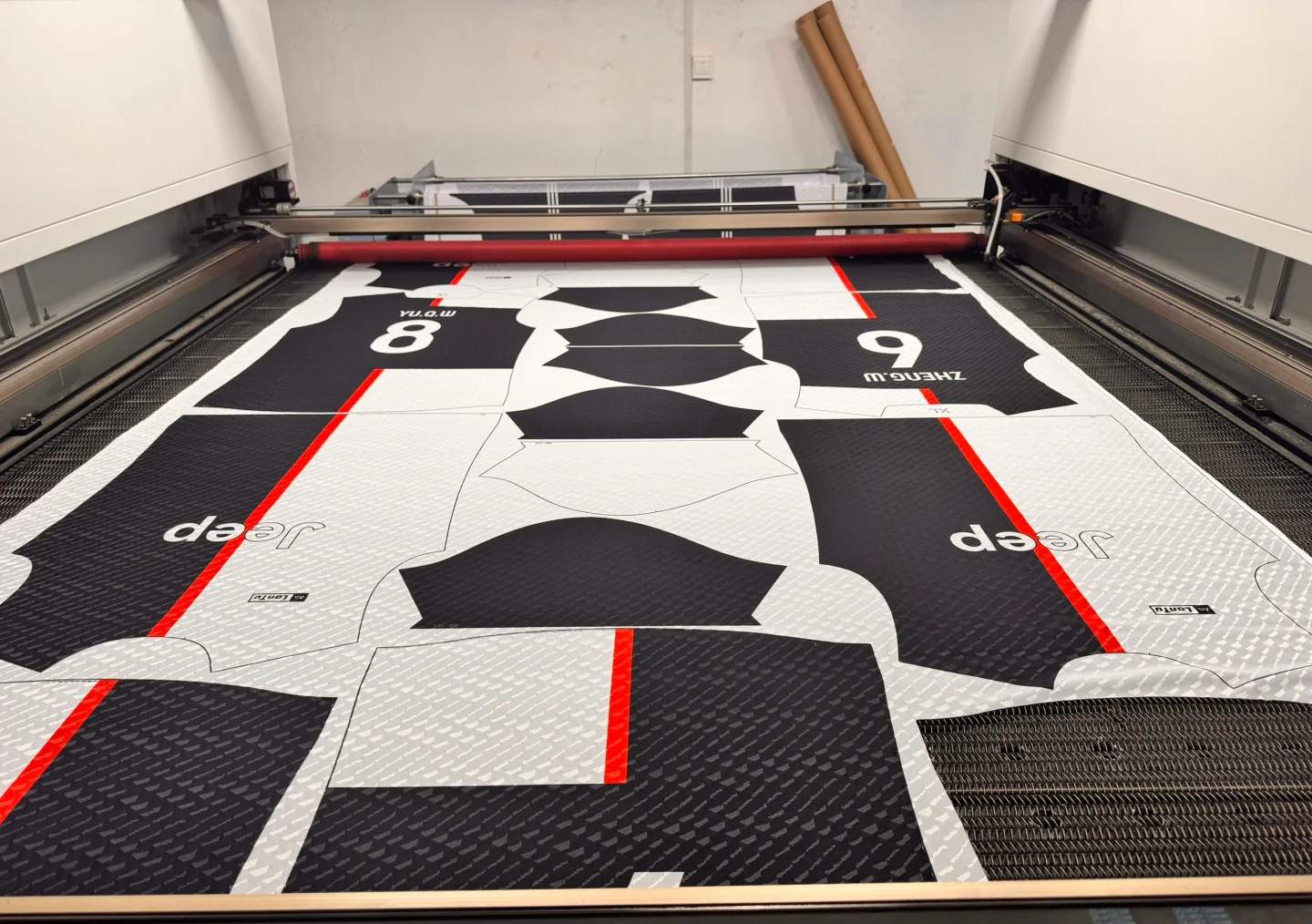
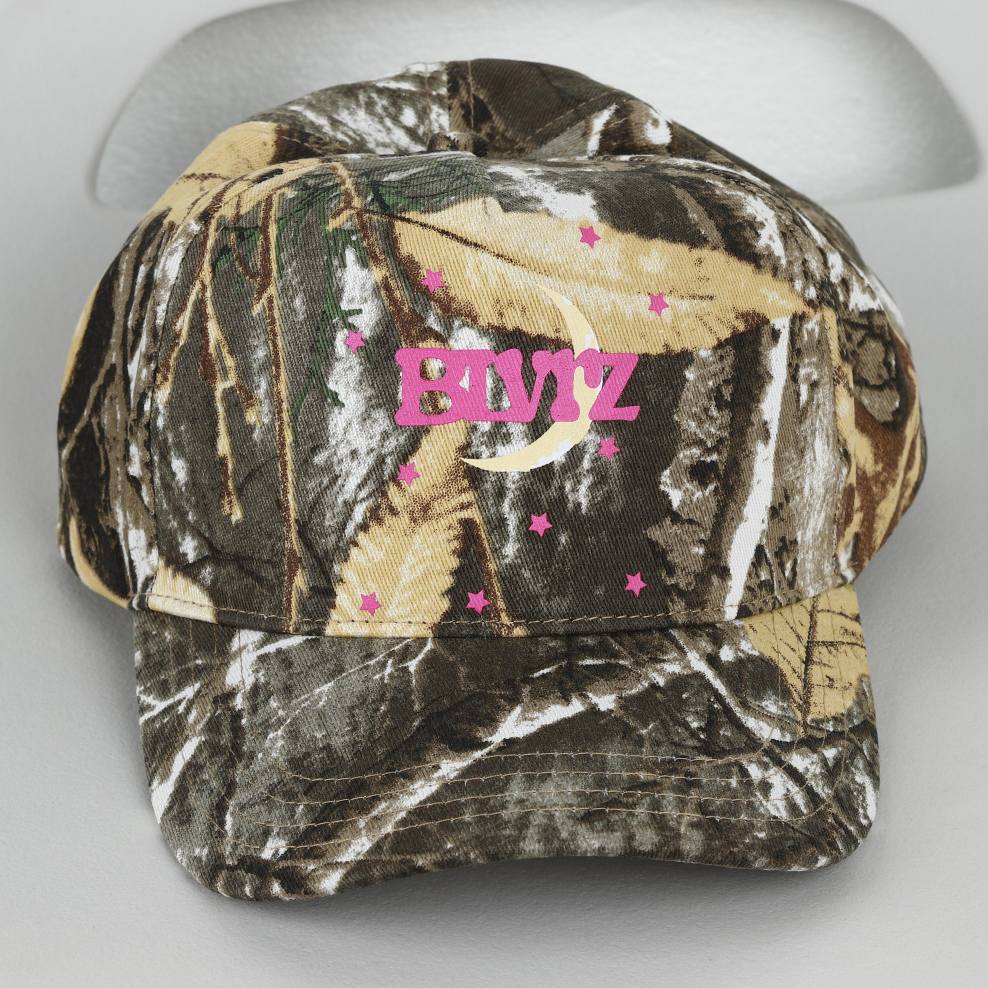
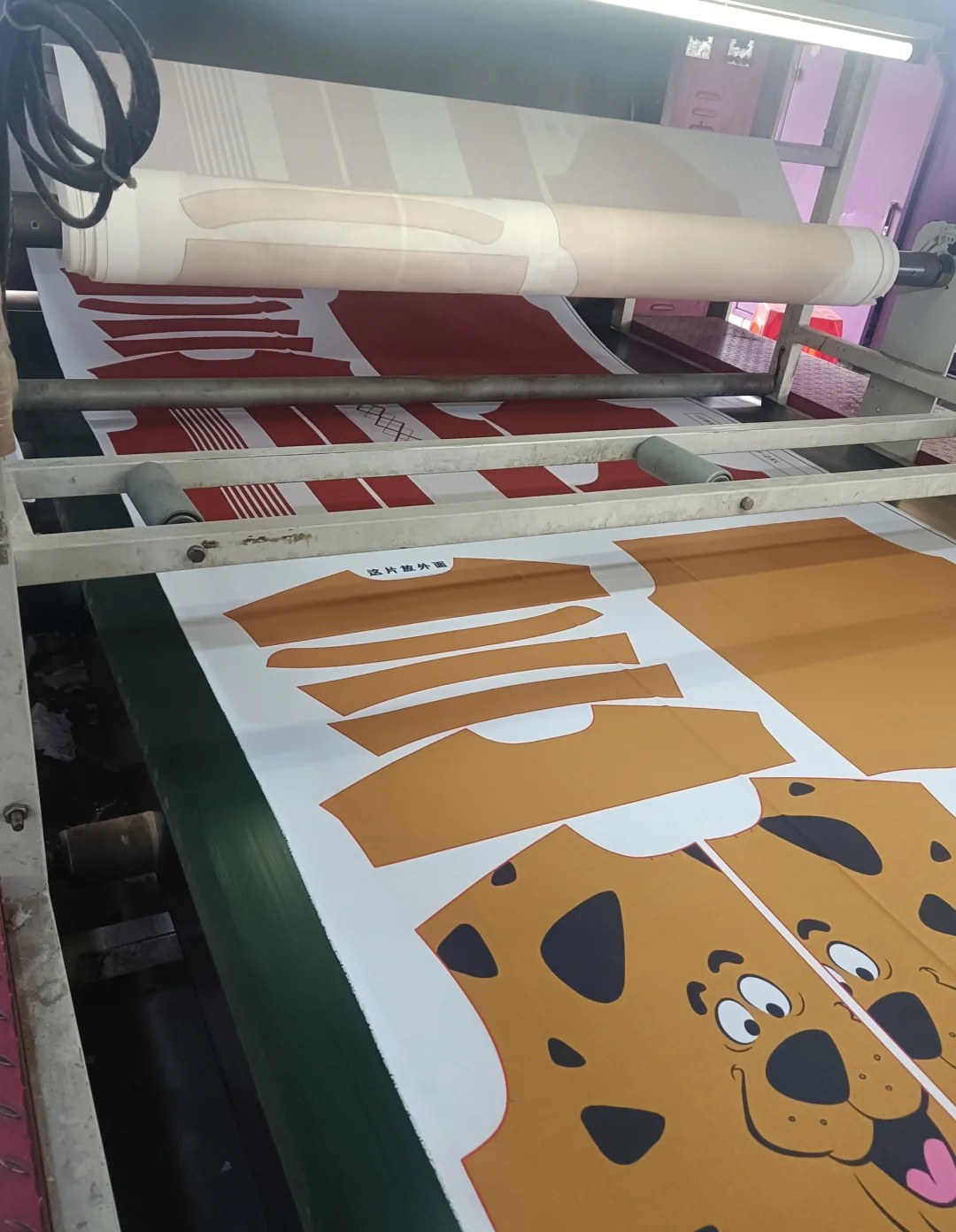
What Makes Heat Transfer Numbers Stand Out
Fast Application & Turnaround
Heat transfer numbers are applied in seconds per garment, cutting decoration time and enabling faster production cycles for urgent team orders.
Durable After Repeated Washing
Premium heat transfer film bonds permanently to fabric, maintaining sharp edges and vibrant color through dozens of wash and wear cycles.
Vibrant Multi-Color Design Flexibility
Full-color gradients, metallic finishes and photographic detail are all achievable with heat transfer, unlocking creative options beyond traditional stitching.
Cost-Efficient for Small Runs
No screen setup or digitizing fees make heat transfer numbers ideal for low-MOQ team apparel projects starting from 100 pieces.
Precision Sizing & Placement
Computer-cut transfers deliver consistent number height, kerning and position across every jersey, eliminating the variance common in hand-applied methods.
Compatible With All Fabrics
Heat transfer numbers adhere reliably to polyester, cotton, blends, mesh and sublimation fabrics, offering decoration versatility across your entire team apparel range.
Related Decoration Techniques & Products
Custom Heat Transfer & Vinyl Lettering
Heat transfer printing applies vinyl lettering, names and numbers to jerseys, uniforms and team apparel using heat and pressure. Fast turnaround, clean edges and excellent durability on polyester, cotton and blends. Ideal for low-MOQ runs, single-piece customization and rush orders where embroidery or tackle twill lead times are too long.
Get a Quote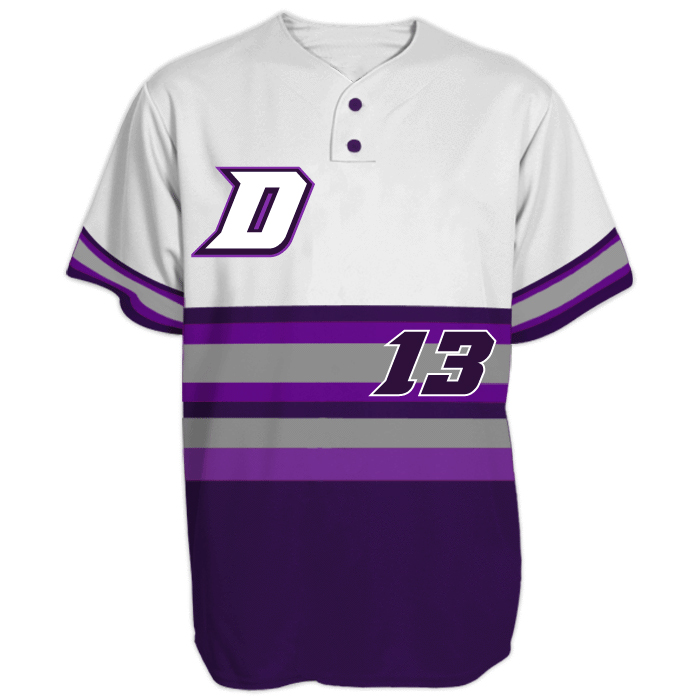
Custom Baseball Jerseys
Custom baseball jerseys manufactured with your choice of fabric, fit and decoration. Full-button, two-button or pullover styles in polyester mesh, tricot or sublimation poly. Decoration options include tackle twill, heat transfer, screen print, embroidery and full-dye sublimation. MOQ from 100 pieces per style and colorway.
Get a Quote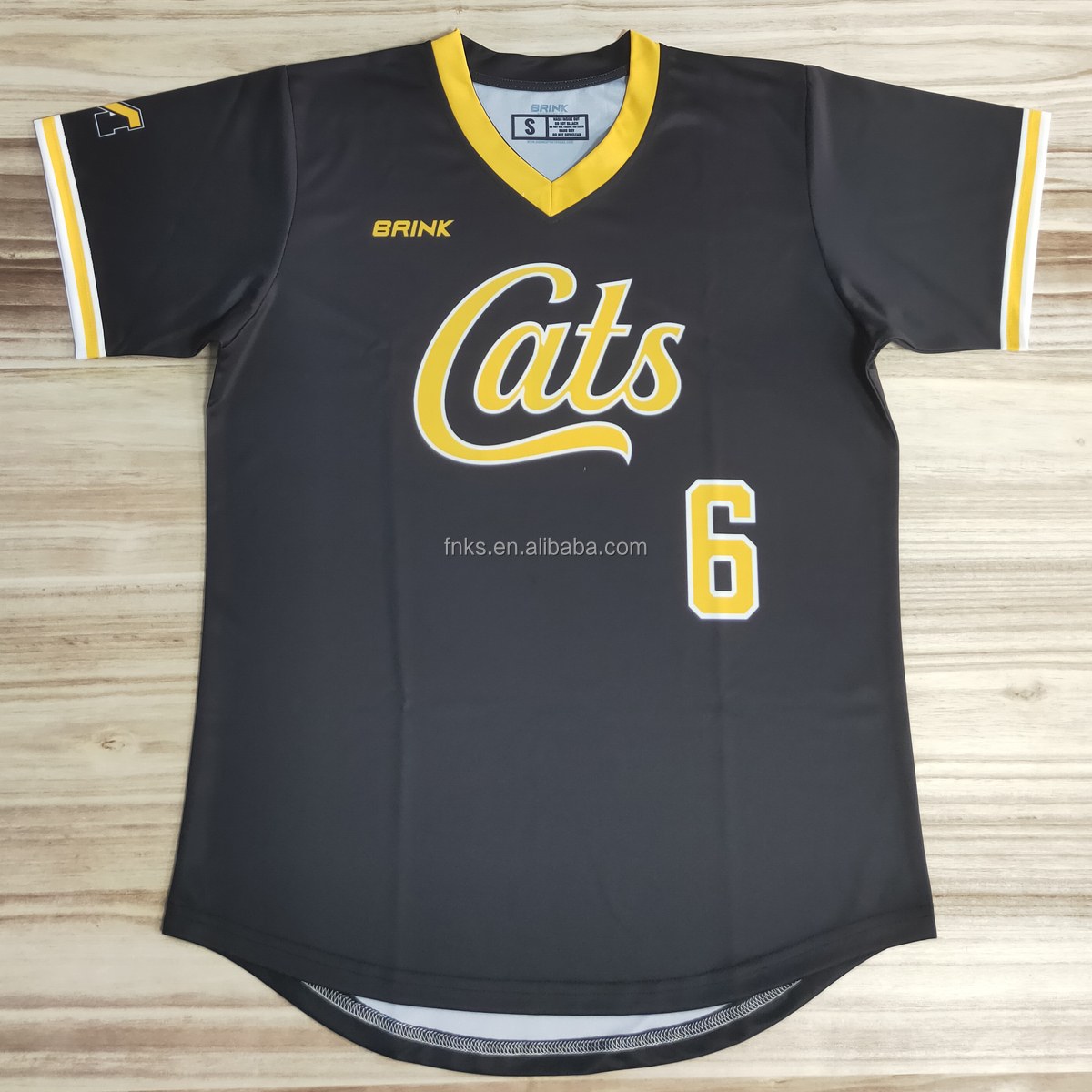
Custom Baseball Jersey
Baseball jerseys built to your specifications with custom team names, player numbers, logos and colorways. Available in classic button-front or pullover cuts, mesh or solid fabrics, and decorated in-house with tackle-twill numbers, heat-transfer lettering, custom chenille patches or full sublimation. OEM, ODM and private label supported.
Get a Quote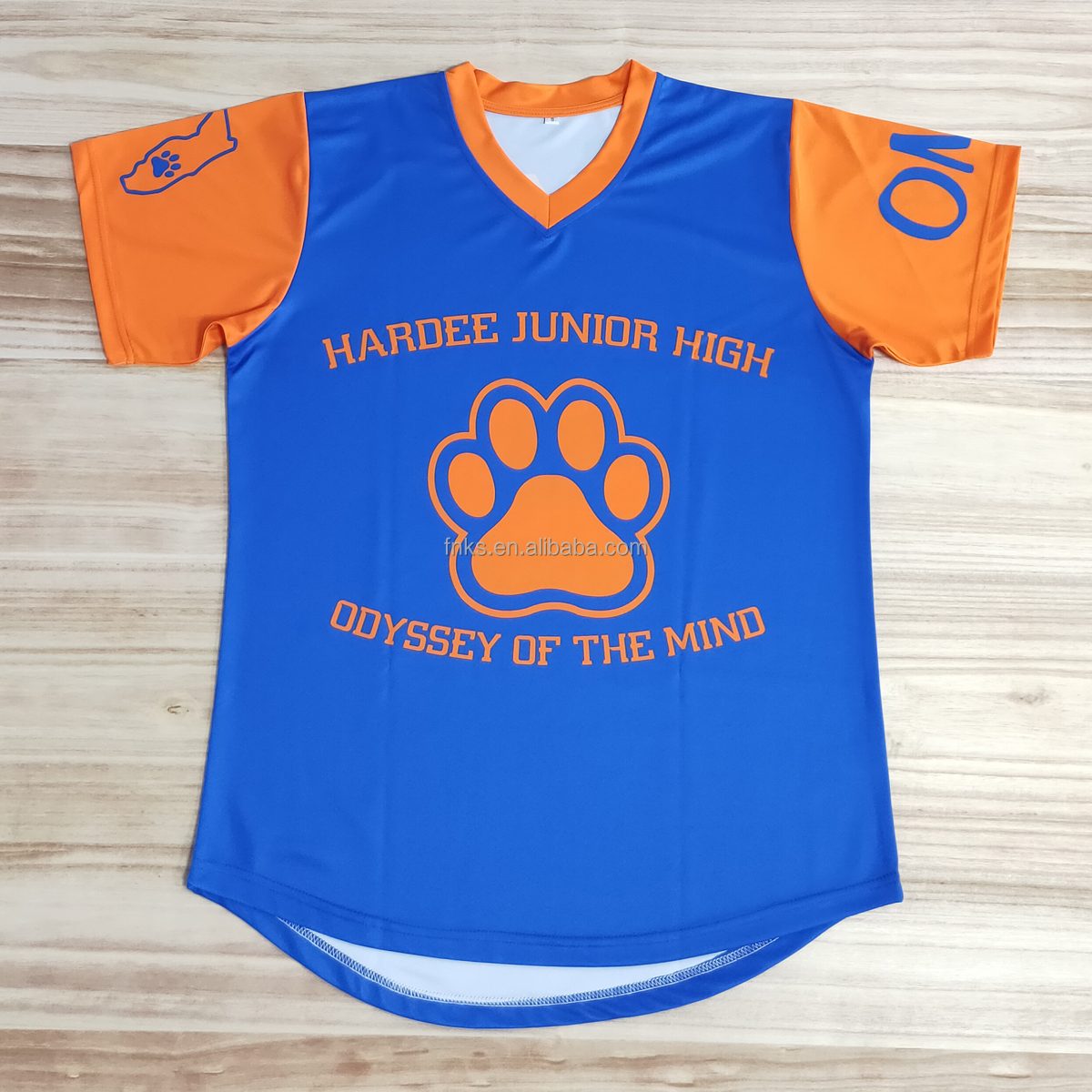
Custom Baseball Jersey Shirts
Custom baseball jersey shirts in full-button, half-button and pullover configurations. Constructed from breathable polyester mesh, tricot or moisture-wicking blends and decorated with tackle twill, heat transfer, screen printing or embroidery. Sized from youth to adult, with full grading and artwork proofing included before bulk production.
Get a Quote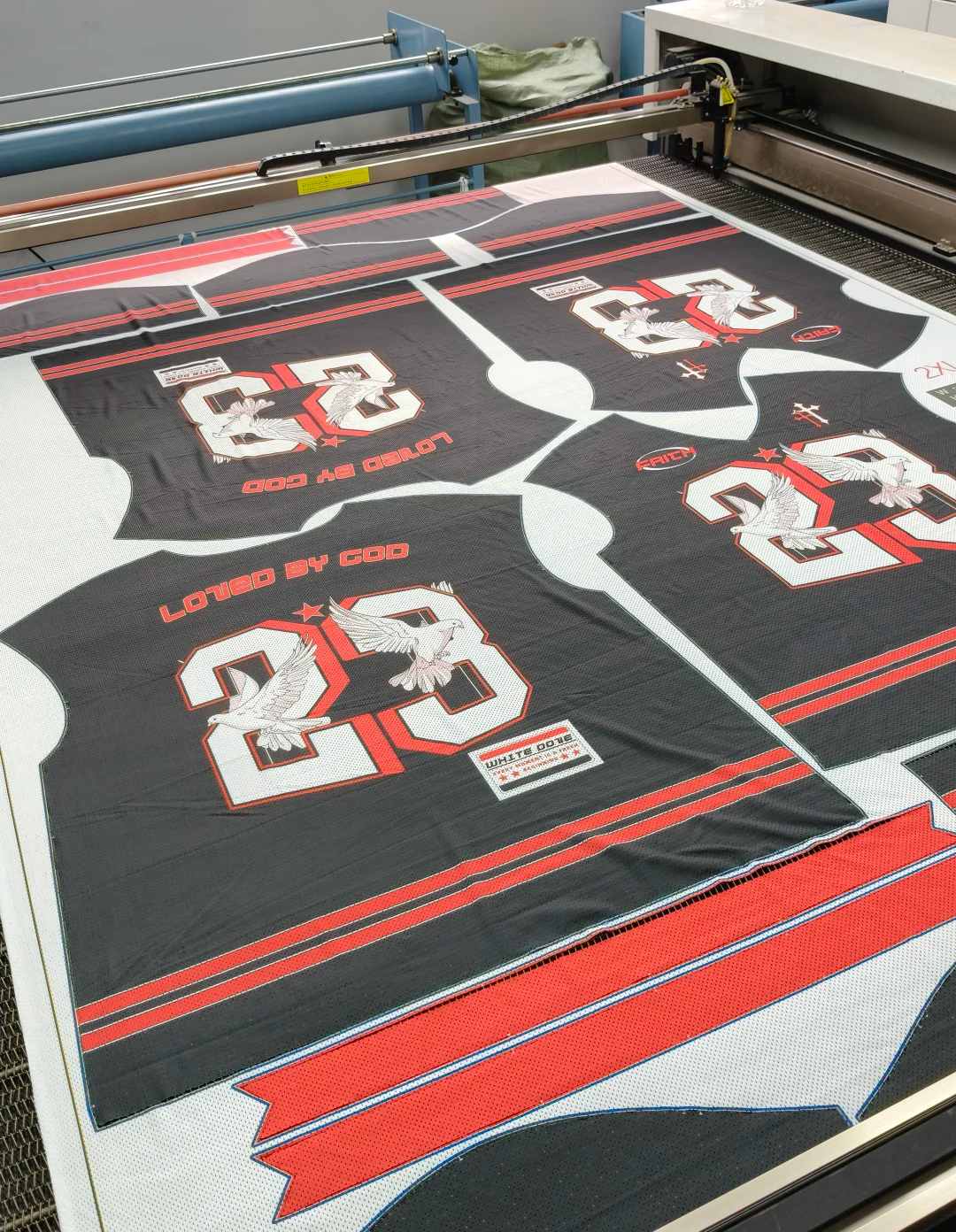
Tackle Twill Numbers
Tackle-twill numbers are sewn multi-layer fabric appliqués with tight satin-stitch edges, delivering the authentic look of pro and college team jerseys. Available in single, double or triple layer with custom fonts, colors and outlines. Durable, dimensional and ideal for varsity jackets, baseball jerseys and team uniforms.
Get a Quote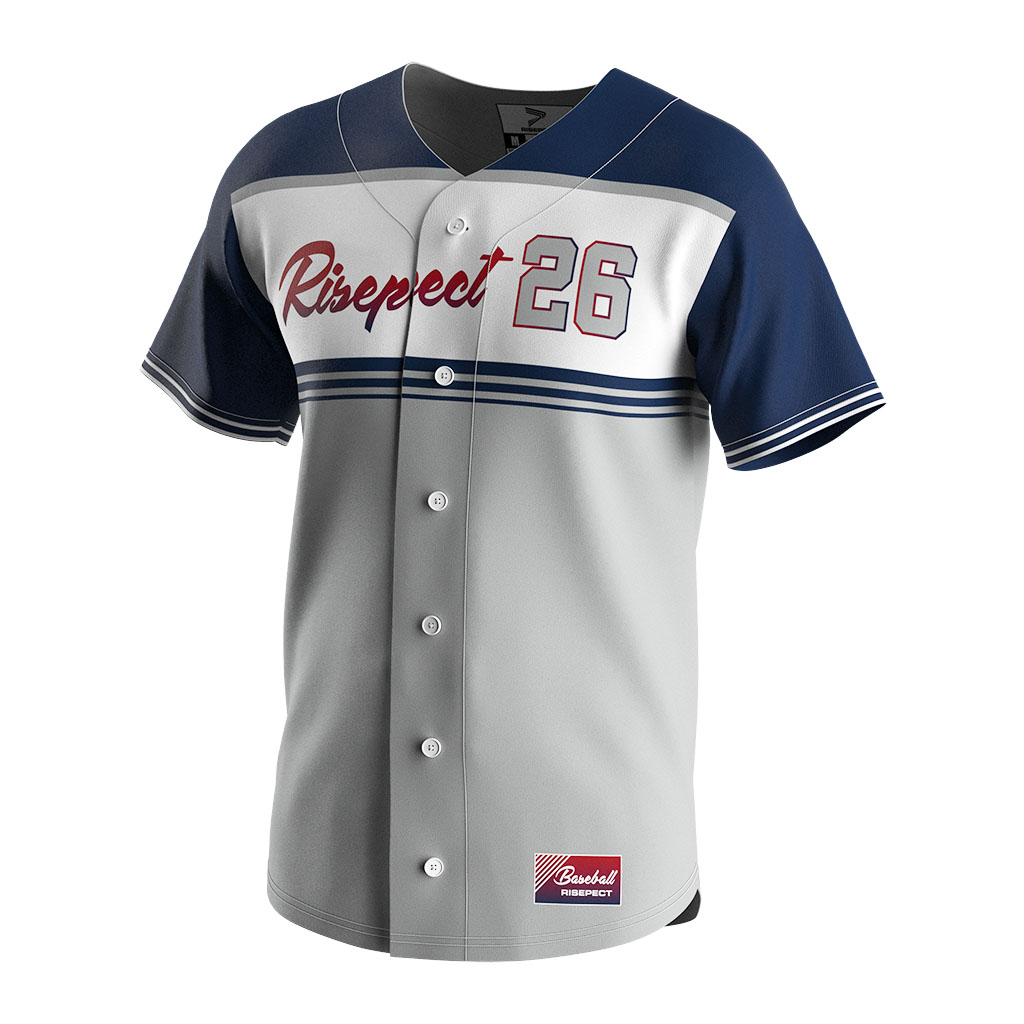
Sublimated Numbers
Sublimated numbers are dye-infused directly into polyester fabric during the sublimation process, creating seamless, full-color graphics that never crack, peel or fade. Perfect for full-dye baseball jerseys, basketball uniforms and moisture-wicking team apparel where lightweight construction and unlimited color gradients are required.
Get a Quote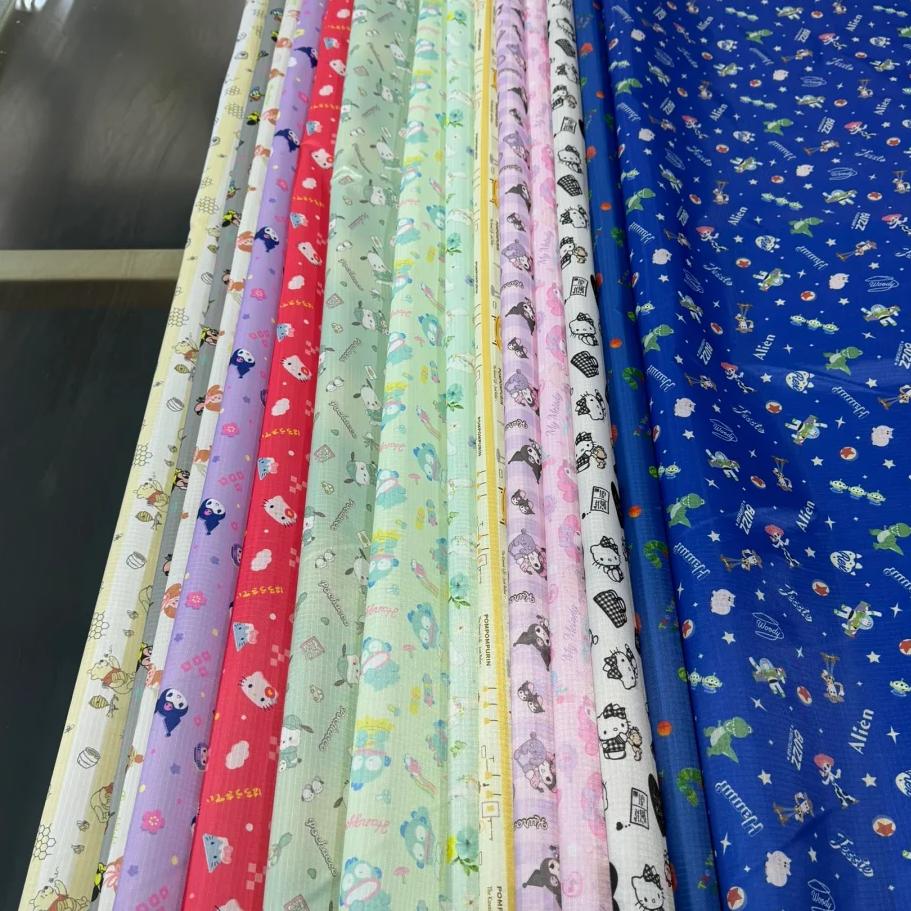
Vinyl Heat Press Numbers
Vinyl heat press numbers use cut vinyl film bonded to fabric under heat and pressure. Clean, matte or gloss finish with excellent wash durability on cotton, polyester and blends. Fast decoration method for team jerseys, practice uniforms and event apparel, especially effective for single-color names and numbers at low MOQ.
Get a Quote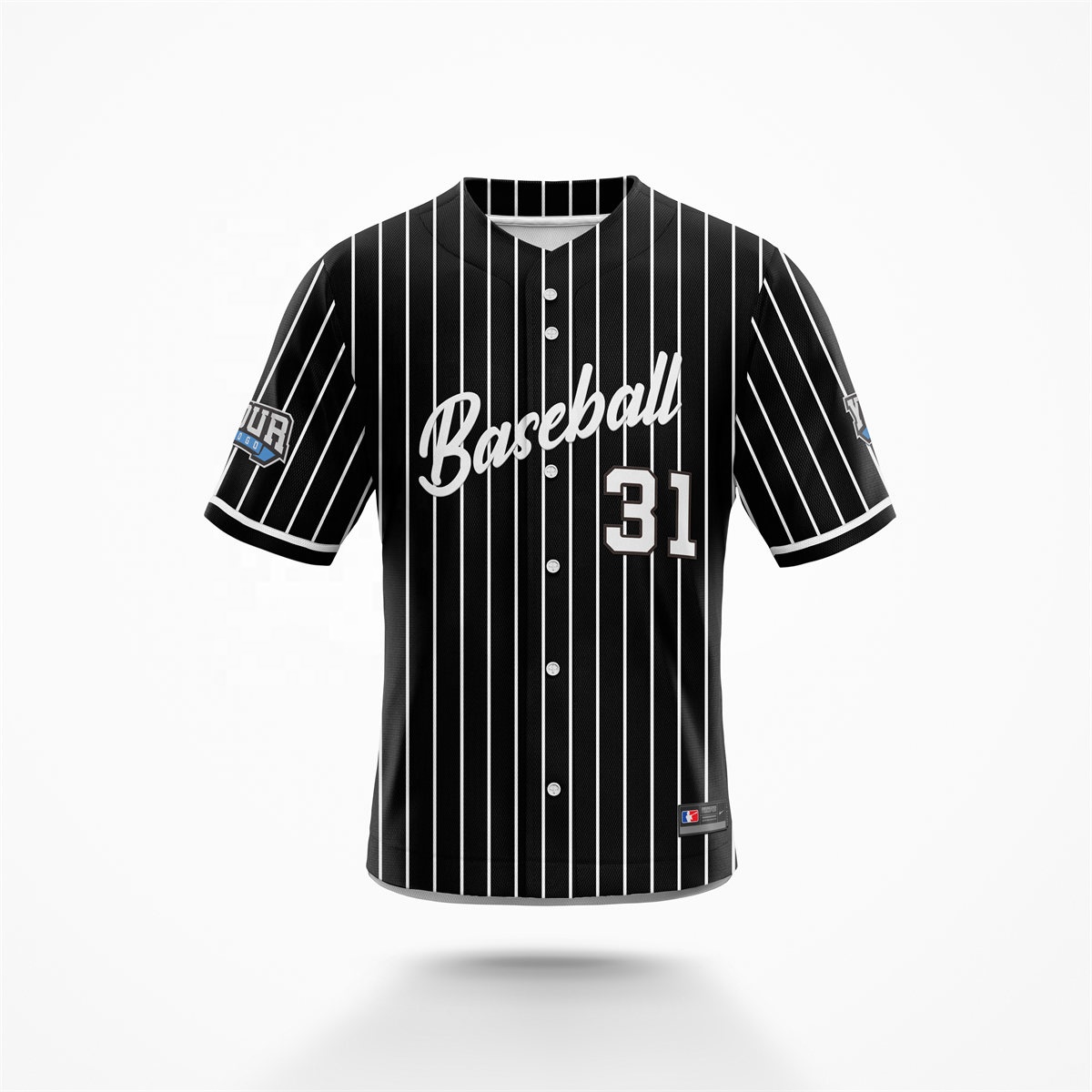
Chenille Numbers
Chenille numbers are plush, raised fabric appliqués traditionally used on varsity and letterman jackets. Constructed from chenille yarn loops stitched onto a felt or twill backing, then sewn onto the garment. Offers a premium, tactile finish with vintage varsity authenticity. Available in custom fonts, sizes and color combinations.
Get a Quote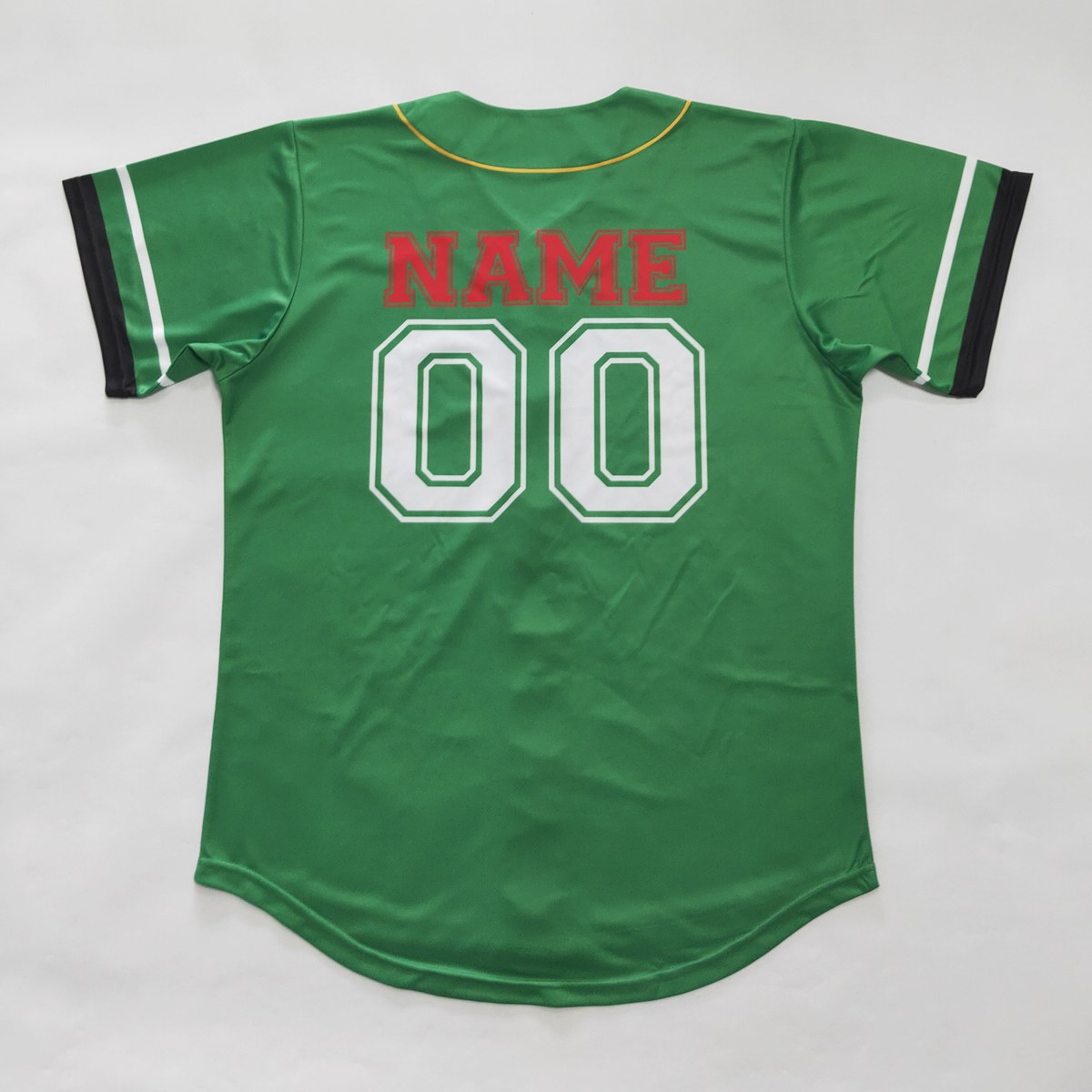
Reflective Heat Transfer Numbers
Reflective heat transfer numbers use retro-reflective vinyl that bounces light back to its source, increasing visibility in low-light conditions. Applied via heat press to jerseys, uniforms, safety apparel and activewear. Ideal for night leagues, cycling teams, running clubs and any application where safety and standout branding intersect.
Get a QuoteSELMOND's Heat Transfer Numbers Expertise
Founded in 1998 in Dongguan’s garment manufacturing hub, SELMOND has spent over 28 years perfecting varsity jackets, baseball jerseys and team apparel for sports teams, schools, clubs and custom brands worldwide. What started as a family cut-and-sew workshop has grown into a full-service OEM, ODM and private-label manufacturer with complete in-house decoration — including heat transfer numbers, embroidery, chenille, tackle twill and sublimation.
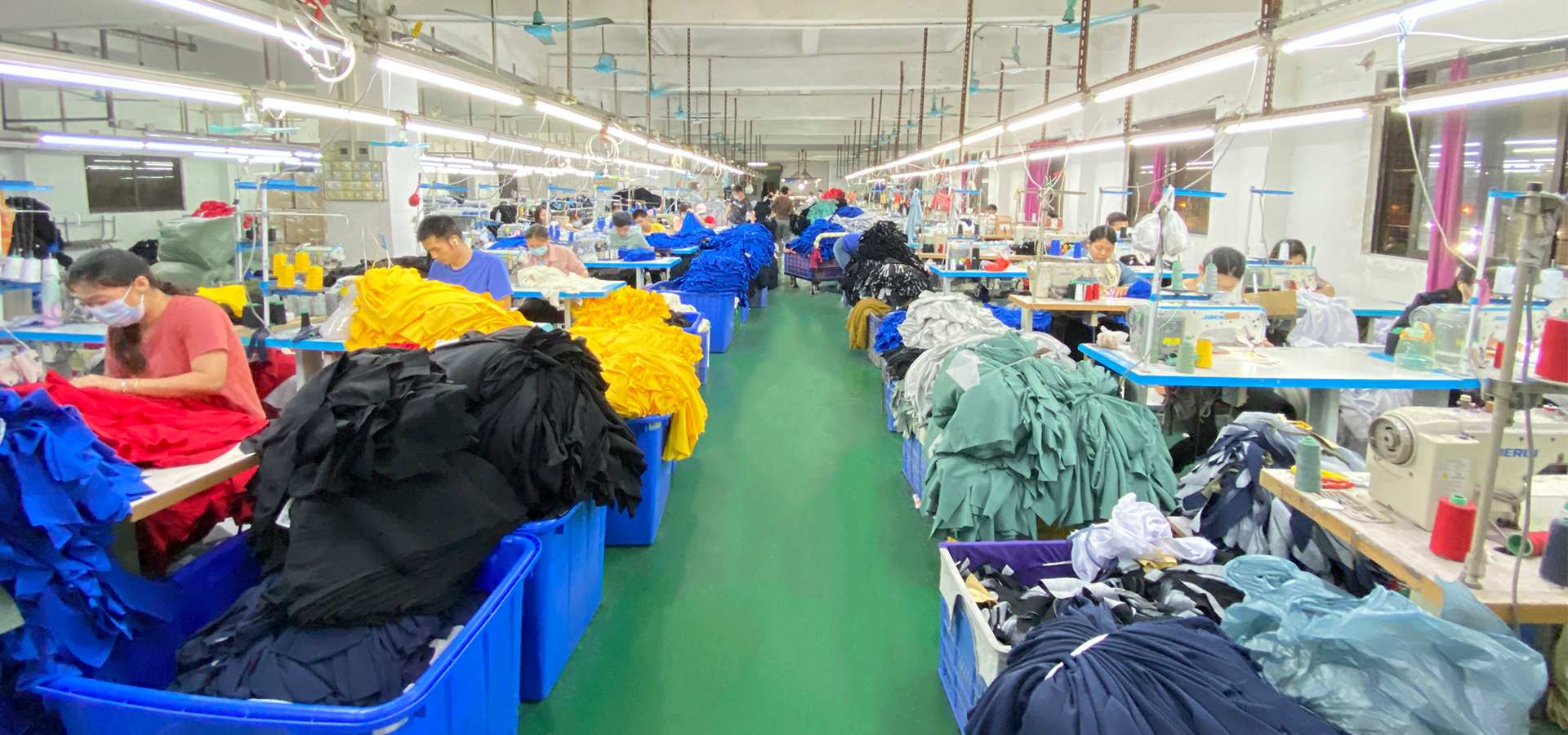
Today SELMOND operates a 200-person production floor with monthly capacity exceeding 80,000 pieces and has served more than 2,000 brands and teams across the United States, Canada, Europe, Australia, Russia and the Middle East. Heat transfer numbers are applied in-house alongside every other decoration method, ensuring fast turnarounds, consistent quality and flexible MOQs starting from just 100 pieces per style.
SELMOND’s heat transfer capability is built for B2B partners who need reliable, repeatable decoration at scale. From single-color jersey numbers to multi-layer name-and-number sets, every heat transfer is aligned, pressed and inspected before garments leave the factory — backed by decades of varsity and team apparel craftsmanship.
Heat Transfer Numbers: Technical Depth & Quality Control
Carrier Film & Adhesive Chemistry Selection
Professional heat transfer numbers rely on matched carrier film and adhesive systems engineered for specific fabric types. SELMOND sources premium polyurethane and polyester-based films with medical-grade adhesives that bond cleanly to polyester, cotton-poly blends and performance fabrics without edge lift or plasticizer migration over time.
- Hot-peel and cold-peel carrier options matched to fabric weight and stretch
- Low-temperature adhesives for delicate sublimation jerseys, high-temp for cotton twill
- Matte, gloss and metallic film finishes with consistent color matching across re-orders
Curing Temperature & Pressure Standards
Proper adhesion of heat transfer numbers demands precise heat-press calibration. Every production run at SELMOND follows documented time-temperature-pressure profiles validated through peel-strength testing, ensuring numbers survive industrial laundry cycles, UV exposure and abrasion without delamination or cracking across the full size range.
- Digital heat-press controllers maintaining ±2°C accuracy across platens
- Pressure mapping to eliminate hot spots and ensure uniform bond on curved seams
- Pre-production strike-offs with wash testing to 50+ cycles before bulk approval
Fabric Compatibility & Surface Preparation
Different base fabrics absorb heat and moisture at different rates, affecting bond quality. SELMOND’s decoration team pre-treats high-performance moisture-wicking jerseys, tests adhesion on brushed fleece and adjusts dwell time for textured knits, guaranteeing that heat transfer numbers perform equally well on mesh baseball jerseys, polyester tracksuits and cotton-blend hoodies.
- Compatibility testing across tricot, pique, interlock, fleece and sublimation poly
- Surface inspection and lint removal before every press to prevent bubble formation
- Custom dwell and cooling protocols for stretch fabrics to avoid puckering
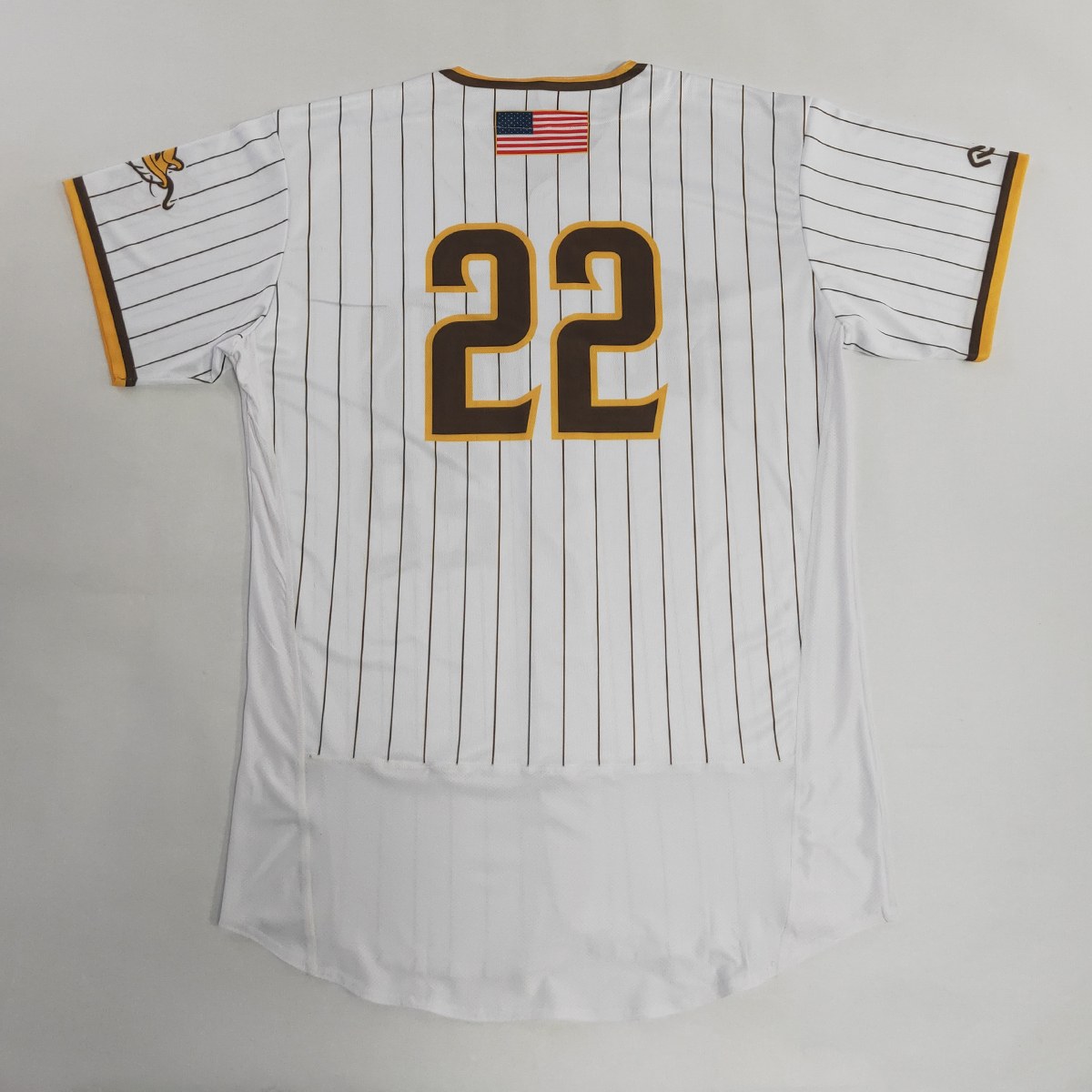
Durability Standards & Wash-Test Protocols
SELMOND subjects every heat transfer numbers sample to accelerated wash-and-dry cycles that simulate a full season of team use. Garments are inspected for edge adhesion, color fastness, hand-feel retention and dimensional stability, with results documented and shared before bulk production begins, ensuring your team’s jerseys look sharp from opening day to championship.
- AATCC and ISO wash-fastness testing at 60°C with commercial detergent
- Tumble-dry cycles to verify no shrinkage, cracking or color bleed
- Abrasion resistance measured via Martindale rub test for contact sports
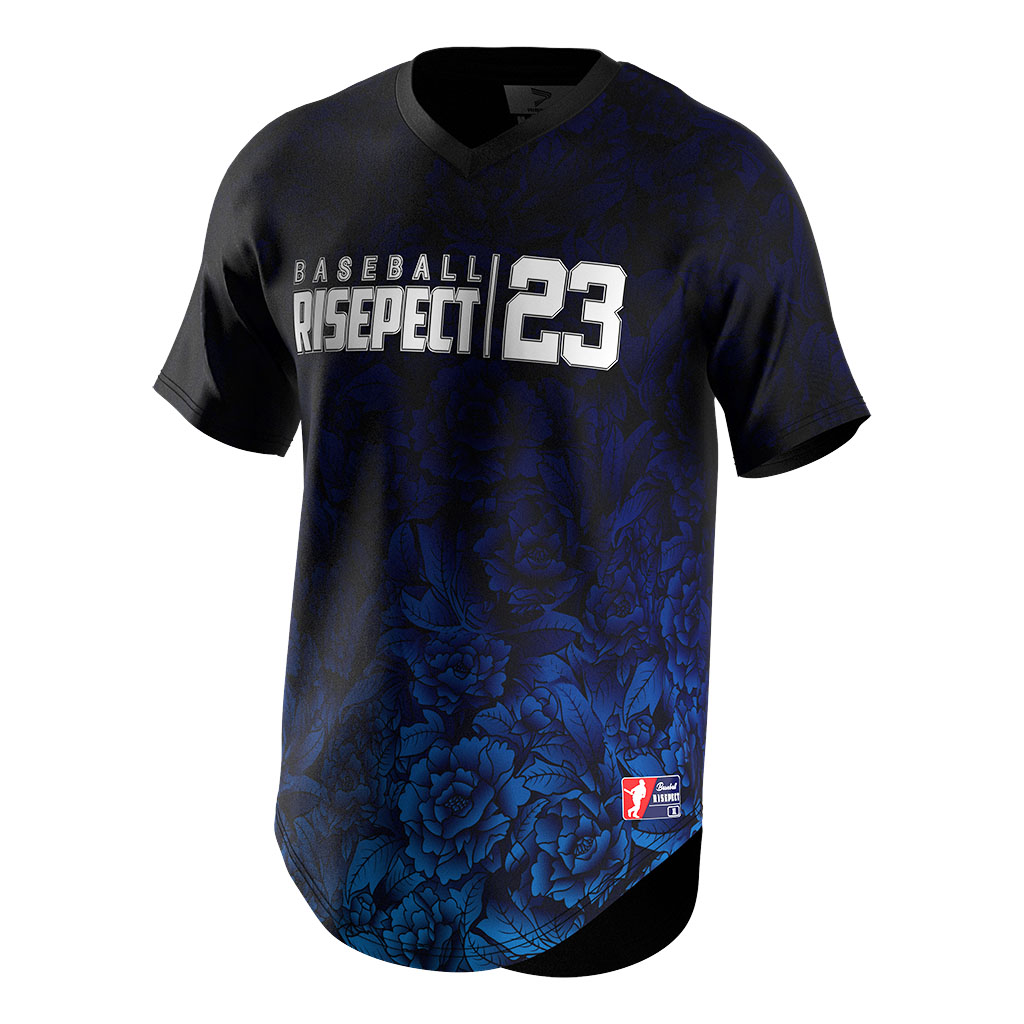
Heat Transfer Numbers vs. Embroidery, Screen Print & Tackle Twill
Choose the right decoration method for your team apparel project. Heat transfer numbers deliver speed, detail and fabric versatility that other techniques cannot match in every scenario.
← 左右滑动查看 →
Heat Transfer Numbers Production Process
From artwork approval to finished garment, every heat transfer number passes through our controlled six-phase production workflow to ensure crisp edges, vibrant color and lasting durability on every jersey.
Artwork Approval & Film Selection
Client artwork is digitized, sized and proofed. Carrier film type—flock, glitter, metallic or standard polyurethane—is confirmed based on fabric weight, finish and wash requirements.
Precision Cutting & Weeding
Numbers are cut from heat-transfer film using CNC plotters. Excess material is weeded by hand to preserve clean edges, fine serifs and tight curves on every digit.
Garment Preparation & Positioning
Jerseys are pre-pressed to remove moisture and wrinkles. Heat transfer numbers are positioned using templates or digital placement guides to ensure consistent alignment across the full size run.
Heat Press Application
Numbers are bonded to fabric under controlled temperature, pressure and dwell time. Settings are calibrated per film type and garment substrate to maximize adhesion without scorching or puckering.
Quality Inspection & Peel Test
Every garment is inspected for complete adhesion, edge integrity and color consistency. Peel tests confirm bond strength, and any defects trigger immediate rework before the piece advances.
Final Packaging & Shipment
Finished jerseys are folded, bagged and packed by size and style. Cartons are labeled, sealed and staged for international freight, with all artwork and production records archived for re-orders.
How to Order Custom Heat Transfer Numbers
SELMOND‘s streamlined process takes you from artwork submission to finished heat transfer numbers in five simple steps, with MOQ from just 100 pieces.
Submit Your Inquiry and Artwork
Send your heat transfer numbers design, team name, jersey style, quantity and decoration placement. Our team reviews your artwork files and confirms specifications within 24 hours.
Receive Artwork Proofs and Quote
We digitize your artwork, prepare heat transfer number layouts with sizing and placement, and provide a detailed quote including fabric, decoration and MOQ options.
Approve Sample and Decoration Strike-Off
Review a physical sample jersey with heat transfer numbers applied. We adjust color, size, placement or material based on your feedback before bulk production begins.
Confirm Bulk Production and Deposit
Approve the final sample and production schedule. Submit your deposit—100% for first orders, stepping down to 30% for returning partners—and production launches immediately.
Receive Quality-Checked Finished Goods
Your heat transfer numbers apparel undergoes in-line quality control, final inspection and secure packaging. Balance payment settles before shipment, and goods ship via your preferred logistics.
Customer Success Stories: Heat Transfer Numbers
We ordered 250 baseball jerseys with heat transfer numbers and the color match was perfect — every digit crisp and vibrant. Turnaround was 18 days including sampling, which let us launch our spring league on schedule.
SELMOND’s heat transfer numbers survived 40+ wash cycles with zero cracking or peeling. Our high school needed durable jerseys under budget, and these delivered both. The cost per jersey dropped 22% versus our old supplier.
As a screen printer, I needed a partner who could handle heat transfer numbers at 100-piece MOQ with fast proofing. SELMOND sent strike-offs in 3 days and nailed the Pantone specs on the first try. Now a go-to for our team apparel clients.
Frequently Asked Questions About Heat Transfer Numbers
What fabrics are heat transfer numbers compatible with?
What is the minimum order quantity for custom heat transfer numbers?
How long do heat transfer numbers last after repeated washing?
Can I combine heat transfer numbers with embroidery or tackle twill on the same garment?
What is the maximum size and number of colors for heat transfer numbers?
What file format and resolution do you need for heat transfer numbers artwork?
How much does a sample with heat transfer numbers cost and how long does it take?
What is the production lead time for bulk orders with heat transfer numbers?
The Complete Buyer’s Guide to Heat Transfer Numbers for Custom Sports Apparel
Navigate material choices, decoration methods, and supplier selection with confidence. This guide delivers a proven decision framework, quality benchmarks, and the most common sourcing mistakes to avoid when ordering heat transfer numbers for your team or brand.
1. What Are Heat Transfer Numbers?
Heat transfer numbers are pre-cut vinyl or specialty polymer digits applied to jerseys, uniforms and team apparel using commercial heat-press equipment at temperatures between 300–350°F for 10–15 seconds. Pressure bonds the material’s adhesive layer permanently to the fabric, creating a raised, durable number that withstands 50+ industrial wash cycles when applied correctly.
The process requires three components: a heat-transfer vinyl sheet (typically polyurethane or PVC-based), a digital or plotter cutter to define each numeral, and a heat press calibrated for even temperature and pressure distribution. Most team orders specify single-color numbers in sizes from 6 to 12 inches tall, though layered multi-color designs are common for varsity and baseball jerseys.
Teams choose heat transfer over embroidery when they need lightweight decoration that won’t add stiffness to moisture-wicking polyester, and over screen printing when order quantities fall below 50 pieces or when individual player names and numbers make each garment unique. The method suits low-MOQ runs, quick turnarounds and fabrics — like mesh and sublimation polyester — where needle penetration or ink adhesion present challenges.
2. Evolution and History of Heat Transfer Numbers
Heat transfer technology emerged in the 1960s with basic vinyl cutters and single-color film applications, primarily serving industrial marking and simple lettering. By the mid-1970s, polyurethane-based transfer films replaced brittle PVC materials, delivering superior stretch, wash durability and colorfastness — critical for athletic wear that endures repeated laundering and high-impact movement.
The 1980s brought multi-color layering capabilities and the first computer-controlled plotters, enabling teams to reproduce complex logos, gradients and photographic detail on jerseys and uniforms without screen setup costs. This shift made low-volume customization economically viable for schools and clubs that needed only 50–100 pieces per season.
By the 2000s, digital print-and-cut systems integrated eco-solvent and latex inks with contour cutting, producing full-color heat transfer numbers in minutes rather than hours. Modern polyurethane films now withstand 50+ industrial wash cycles at 75°C without cracking or peeling, meeting OEKO-TEX and CPSIA standards for direct skin contact.
Today heat transfer numbers are the default decoration method for short-run team apparel, youth sports leagues and on-demand personalization, balancing speed, durability and per-piece cost better than embroidery or screen printing for orders under 500 units.
3. Types of Heat Transfer Numbers
Heat transfer numbers span six core categories, each balancing visual impact, durability and cost. Understanding construction and application constraints helps match the right type to your team’s aesthetic and budget.
Single-Color Vinyl Numbers
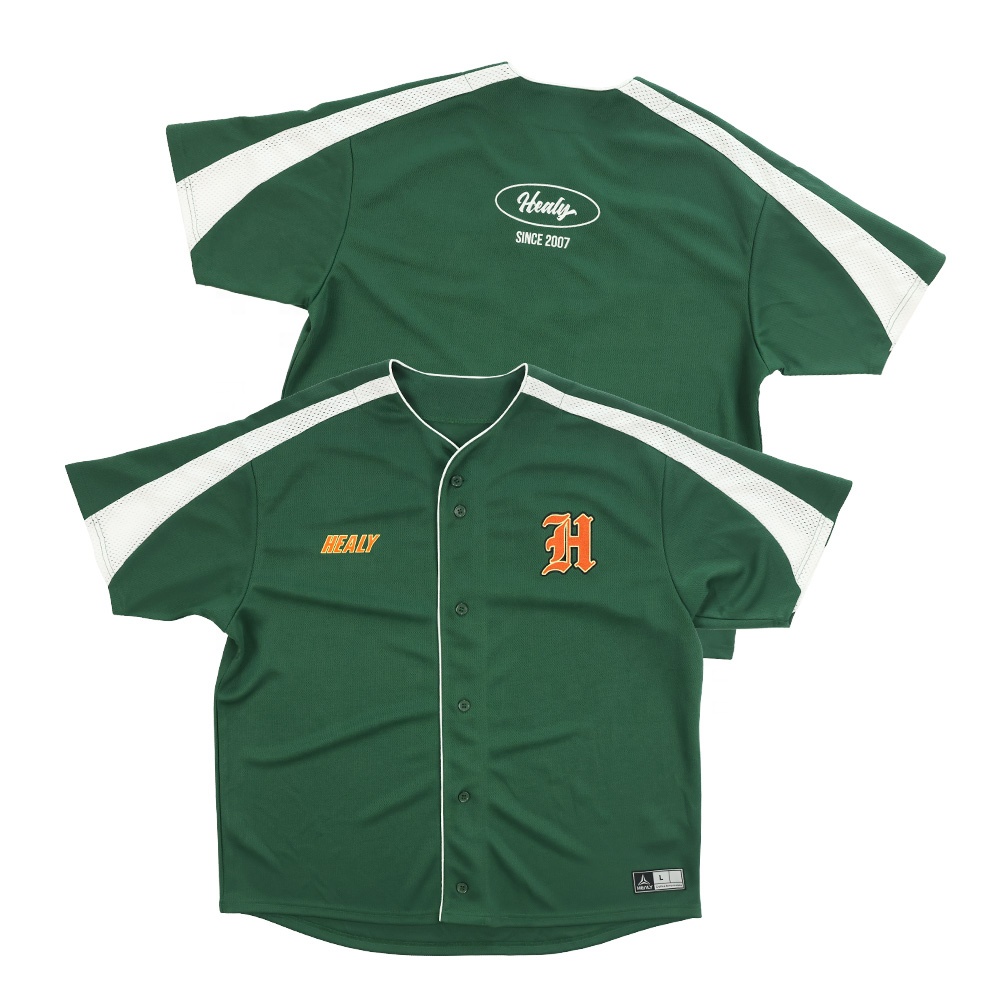
Athletic block, collegiate serif and custom script fonts each deliver different aesthetics. SELMOND digitizes fonts from client artwork or provides a library of proven team styles used across custom varsity jackets, baseball jerseys, letterman jackets and team uniforms.
Sizing ranges from 2-inch youth chest numbers to 12-inch oversized back prints. Die-cut production maintains crisp edges at any scale, while digital transfers handle fine serifs and variable-width characters without setup penalties.
Multi-Color Layered Numbers
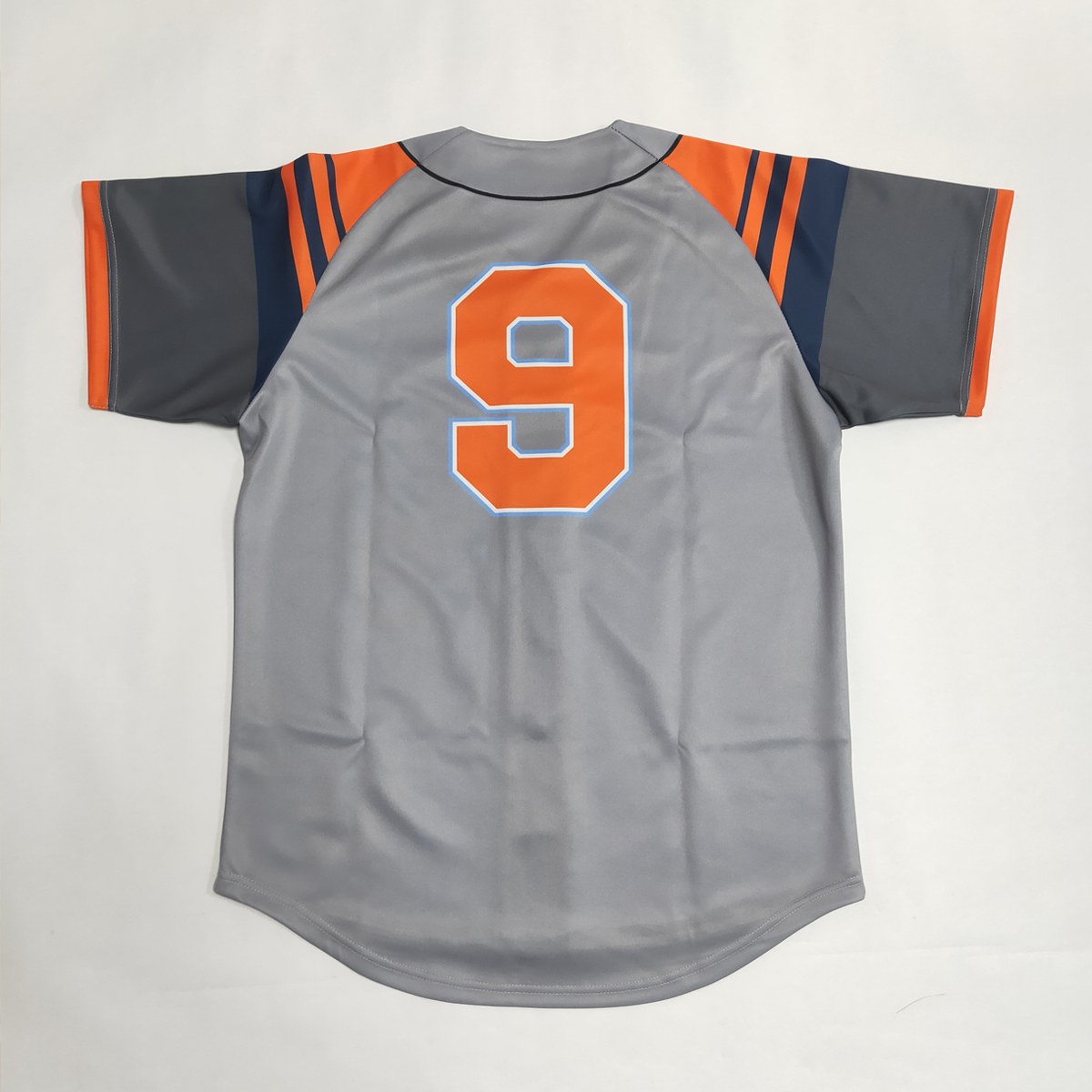
Two or three vinyl layers — base, outline, shadow — are stacked and pressed in sequence or as a single pre-weeded unit. Each layer adds depth and contrast, mimicking tackle-twill aesthetics at lower cost.
Popular for varsity jackets, game jerseys and retail apparel where brand identity demands color blocking. Press times extend to 20–30 seconds per layer; alignment tolerance must stay within ±0.5 mm to avoid visible gaps.
Reflective and Specialty Finish Numbers
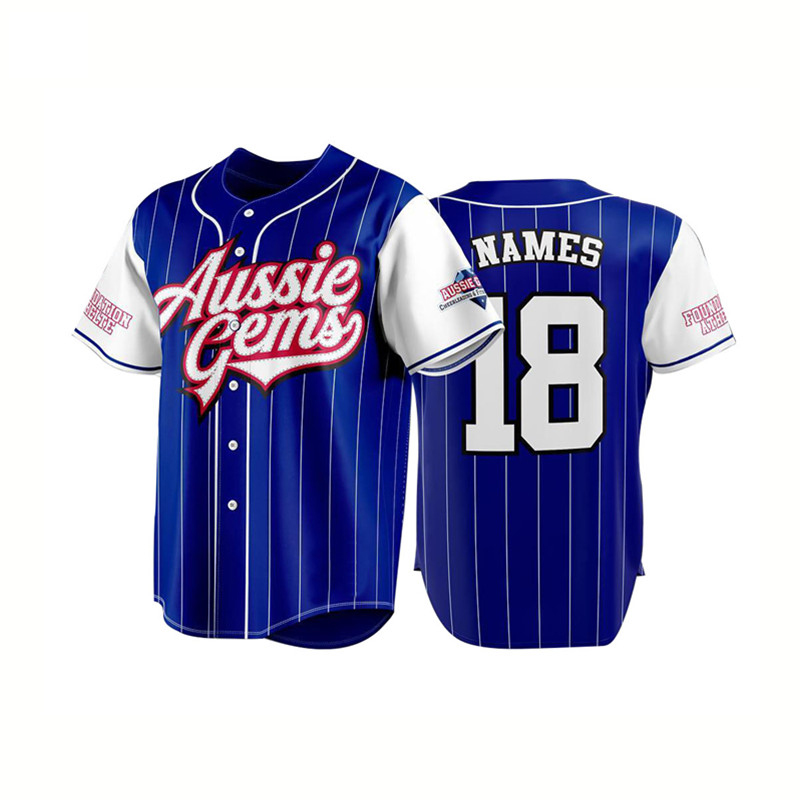
Reflective vinyl uses glass-bead or microprismatic coatings for high visibility; glitter and metallic films embed polyester flakes or foil layers. Both require lower press temperatures — 280–300 °F — and protective Teflon sheets to prevent scorching.
Best for safety uniforms, night-run apparel and fashion-forward streetwear collaborations. Wash durability drops to 15–25 cycles; dry cleaning or hand washing extends lifespan.
4. Materials and Fabric Compatibility for Heat Transfer Numbers
Heat transfer numbers are manufactured from four primary film materials, each engineered for specific fabric substrates and performance requirements. Matching the correct vinyl chemistry to your garment base ensures adhesion, wash longevity and flex without cracking or peeling.
| Material | Best Fabrics | Wash Cycles | Stretch | Cost Tier |
|---|---|---|---|---|
| PU Vinyl | Cotton, blends, twill | 50+ | Medium (150%) | Standard |
| PVC | Heavy cotton, canvas | 30–40 | Low | Budget |
| TPU | Polyester, mesh, sublimated | 60+ | High (200%+) | Premium |
| Specialty Films | Performance, technical knits | 50+ | High | Premium+ |
Polyurethane (PU) Vinyl
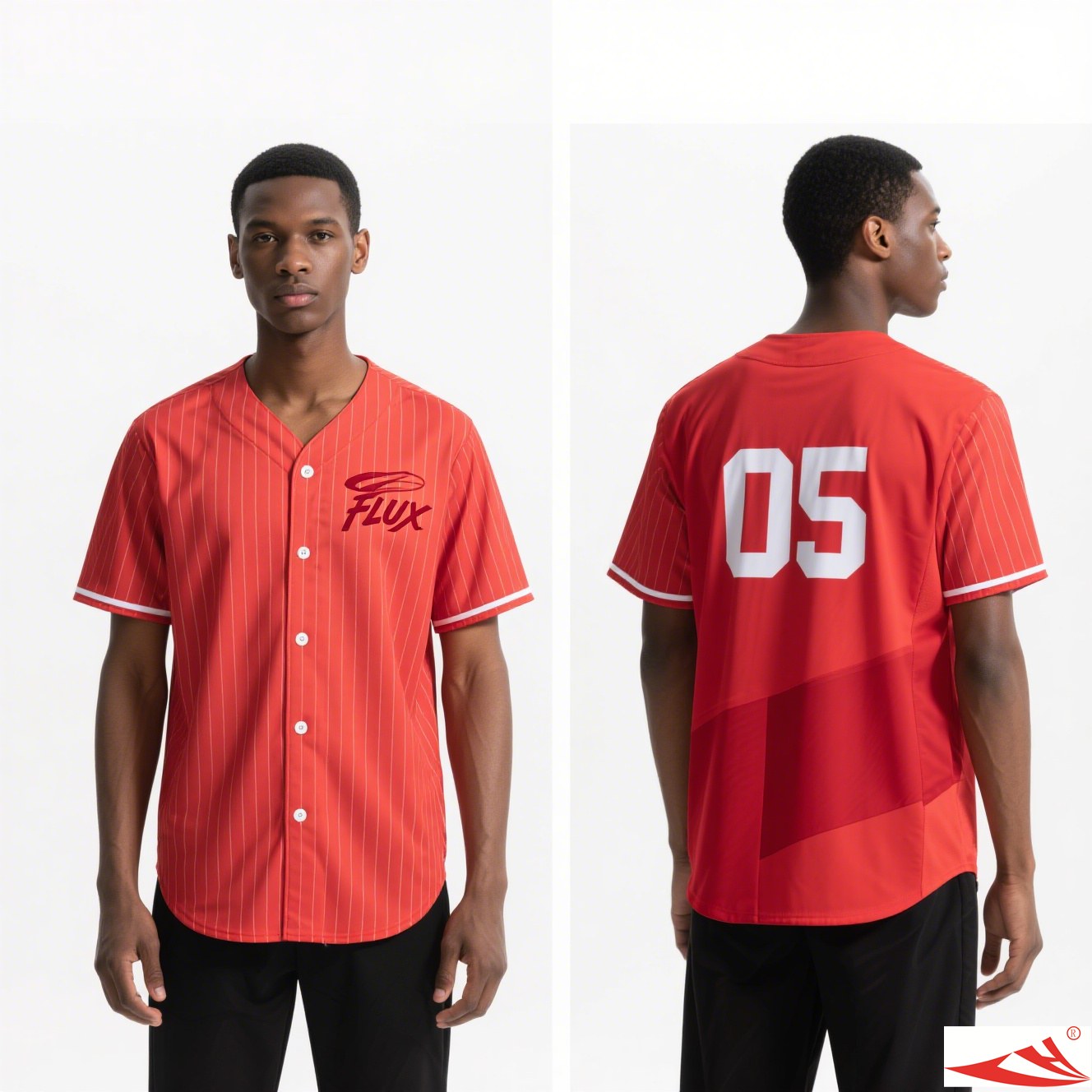
PU vinyl is the industry standard for cotton, cotton-poly blends and woven twill jerseys. It bonds at 300–320°F under medium pressure, delivers a soft hand and stretches up to 150% without edge lift. Wash durability exceeds 50 industrial cycles when applied correctly, making it ideal for school and club uniforms that see weekly laundering.
Thermoplastic Polyurethane (TPU) and Performance Films
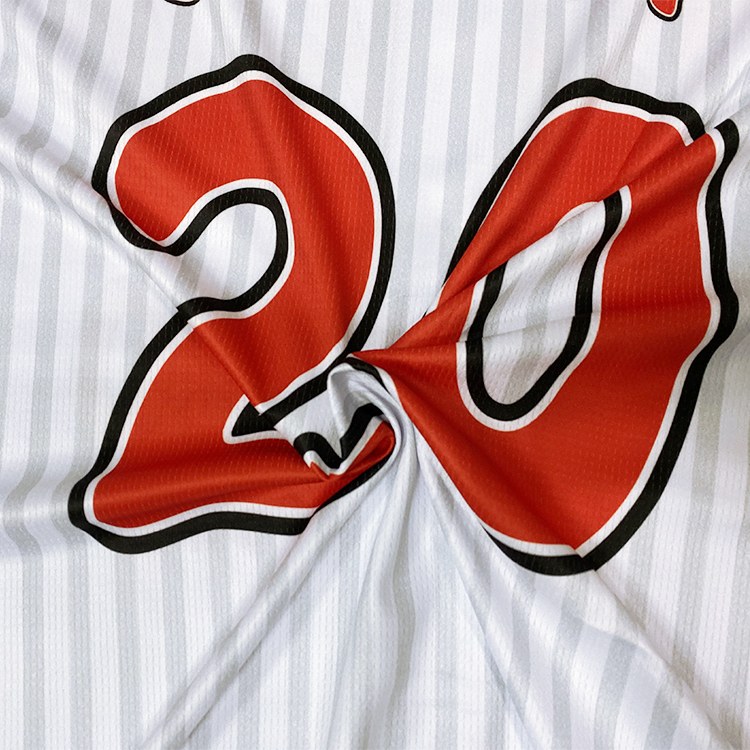
TPU films are formulated for polyester mesh, moisture-wicking fabrics and full-dye sublimated jerseys. They require lower application temperatures (270–290°F) to prevent fabric scorching, offer four-way stretch and resist dye migration. Specialty reflective and glitter films use similar TPU carriers but add 15–25% to material cost.
5. Customization and Decoration Options with Heat Transfer Numbers
Heat transfer numbers offer extensive customization beyond basic digits. Font selection, sizing, color matching, borders and layering combine to create unique team identities that stand out on the field and in the stands.
| Method | Setup Cost | Color Limit | Turnaround |
|---|---|---|---|
| Digital transfer | None (file only) | Unlimited CMYK | 2–4 days |
| Die-cut vinyl | Cutting file | 1–2 per layer | 1–3 days |
| Screen print | Per-color screens | 1–4 spot colors | 5–7 days |
Font Choices and Sizing Flexibility
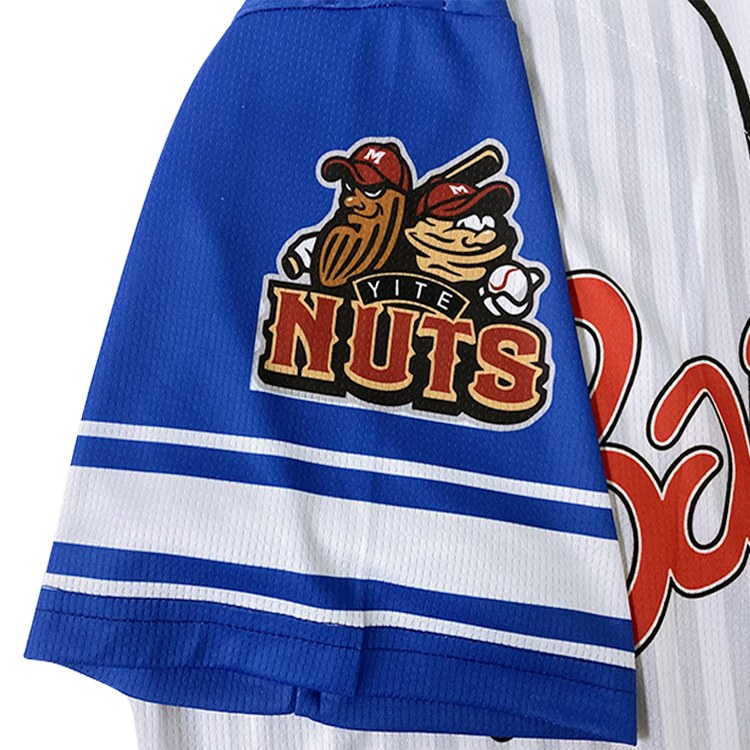
Athletic block, collegiate serif and custom script fonts each deliver different aesthetics. SELMOND digitizes fonts from client artwork or provides a library of proven team styles.
Sizing ranges from 2-inch youth chest numbers to 12-inch oversized back prints. Die-cut production maintains crisp edges at any scale, while digital transfers handle fine serifs and variable-width characters without setup penalties.
Color Matching and Layering Effects
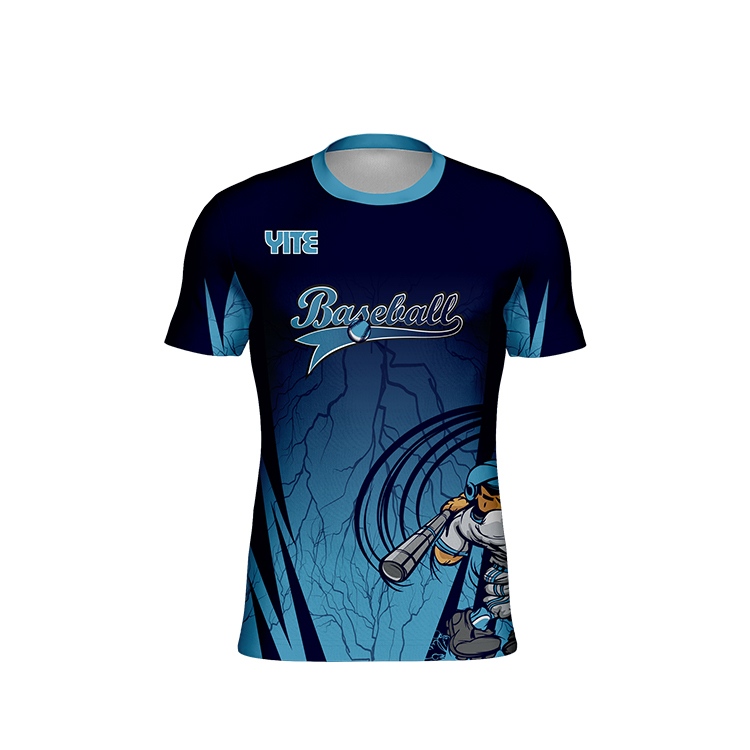
PMS and Pantone references ensure exact school or sponsor colors across re-orders. Digital transfers print unlimited colors in one pass; die-cut vinyl typically ships in single or two-color stacks.
Double-layer numbers — a shadow outline behind the main digit — add depth without embroidery cost. Triple-layer effects combine base, outline and highlight for premium varsity-jacket aesthetics.
Combining Numbers with Names and Logos
Coordinated name-and-number sets ship pre-sized for consistent jersey layouts. SELMOND produces matching heat-transfer names in identical fonts and colors, reducing press time and alignment errors.
Small logo or mascot transfers can be grouped with numbers on a single carrier sheet, enabling one-press application for full team uniformity.
6. Key Quality Indicators for Heat Transfer Numbers
Premium heat transfer numbers separate themselves from budget alternatives through measurable physical characteristics and third-party validation. Edge precision, adhesive chemistry, color retention and backing construction determine whether a number survives 50 washes or peels after five.
Edge Precision and Cut Quality
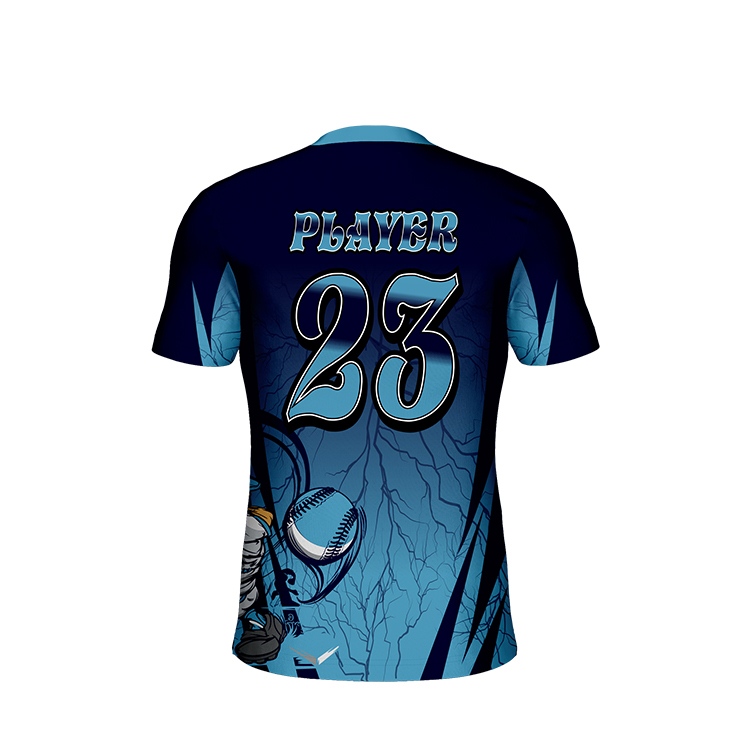
Clean-cut edges with no fraying or rough perimeters indicate laser or precision die-cutting, while budget numbers often show ragged borders that lift during washing. Inspect samples under magnification: premium transfers exhibit uniform edge thickness within 0.1 mm.
Edge quality directly impacts peel resistance. Numbers with micro-serrated or feathered edges bond poorly to fabric and create entry points for moisture and detergent.
Adhesive Strength and Stretch Recovery
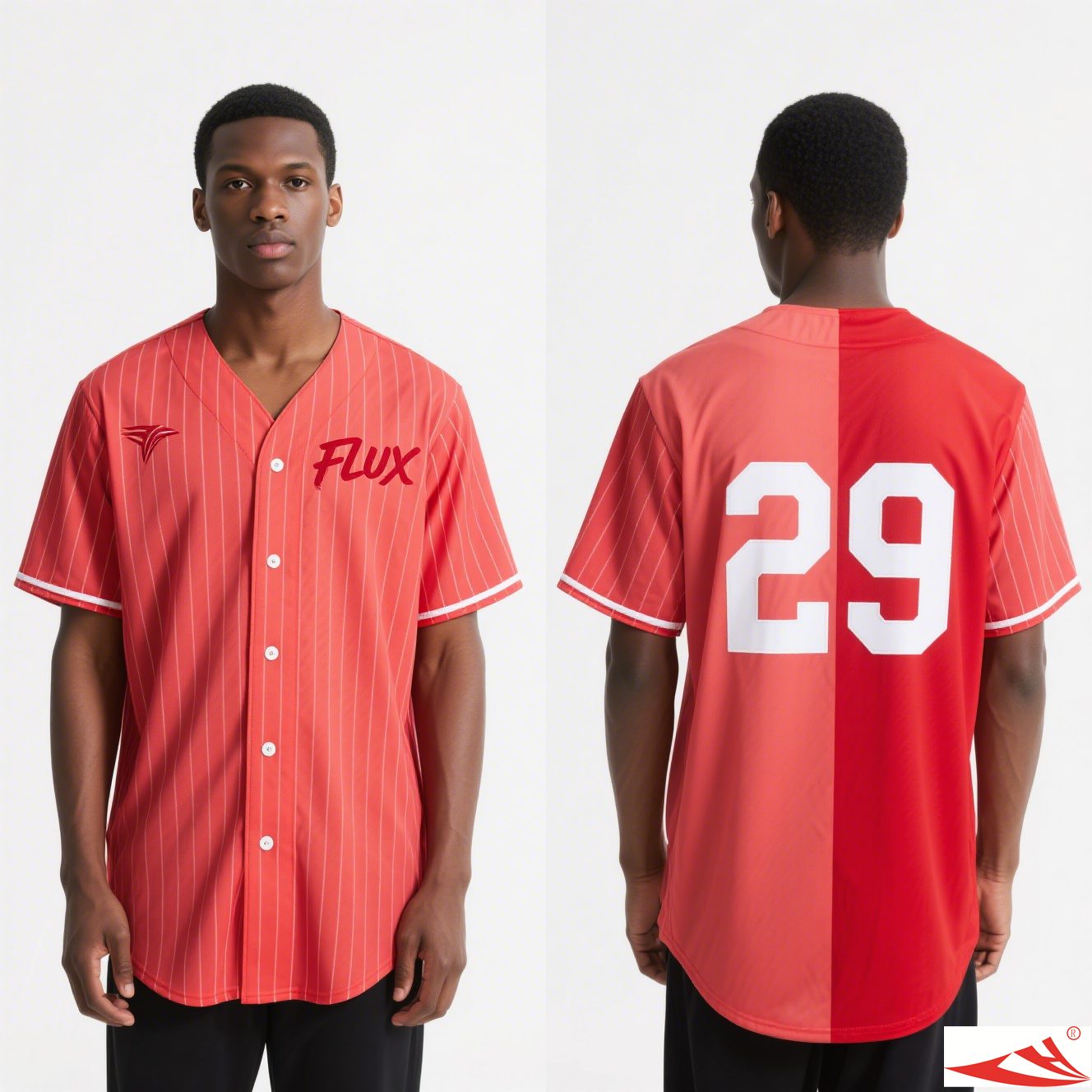
Premium heat-activated adhesives cure fully at 160–180°C and retain bond strength through 50+ industrial washes. Stretch the fabric 20–30% after application; the number should return to its original shape without cracking or delamination.
Backing material quality — typically polyurethane or silicone-based films — determines stretch recovery. Thin, rigid backings crack on performance knits; premium numbers use elastic films rated for ≥150% elongation.
Color Fastness and Safety Certifications
Test color fastness to ISO 105-C06 standards: premium numbers show grade 4–5 (minimal fading) after 40°C wash cycles. Budget inks often drop to grade 2–3, bleeding onto light fabrics.
Oeko-Tex Standard 100 and CPSIA compliance certify that inks and adhesives are free from harmful phthalates, lead and azo dyes. Request test reports with batch numbers matching your production run, not generic certificates.
7. How to Choose the Right Heat Transfer Numbers Manufacturer
Selecting a manufacturer for heat transfer numbers requires evaluating six core criteria: production capacity, MOQ flexibility, sample policy, lead time, customization range, and post-sale support. Each factor directly impacts your ability to launch on schedule and scale profitably.
Minimum Order Quantities and Flexibility
MOQ policies separate contract manufacturers from true B2B partners. Factories demanding 1,000+ pieces per color lock out startups, independent designers, and test launches. Look for suppliers offering 100–300 piece minimums per style, enabling capsule drops and reduced inventory risk.
Flexible MOQs also signal in-house decoration capacity rather than outsourced subcontracting, which drives up minimums and complicates quality control.
Sample Policy and Strike-Off Approval
Request a physical sample with actual heat transfer numbers before any bulk commitment. Reliable manufacturers provide decoration strike-offs showing exact font, size, color match, and adhesion on your chosen fabric.
Sample lead time should fall within 7–10 days; longer windows often indicate capacity bottlenecks or reliance on third-party decorators.
Production Capacity and Lead Times
Monthly output above 50,000 pieces signals stable workforce, dedicated decoration lines, and the ability to absorb re-orders without delays. Standard bulk lead times range from 25–35 days after sample approval.
Ask whether embroidery, screen print, and heat transfer run in-house or are subcontracted; multi-vendor workflows add 10–15 days and quality variance.
Domestic vs. Overseas Sourcing Trade-Offs
Domestic suppliers offer 5–10 day turnarounds and simpler communication but typically charge 40–60% premiums and enforce higher MOQs. Overseas manufacturers in China’s Dongguan region deliver lower per-piece costs, broader decoration options, and flexible minimums, with lead times of 30–40 days including ocean freight.
For brands prioritizing cost and customization depth over speed-to-sample, overseas partnerships prove more sustainable long-term.
8. Common Mistakes Buyers Make When Ordering Heat Transfer Numbers
Even experienced buyers make costly errors when specifying heat transfer numbers. Six recurring mistakes account for most decoration failures, production delays and rejected shipments — each preventable with clear communication and validation steps before bulk production.
Choosing Incompatible Transfer Materials for the Fabric
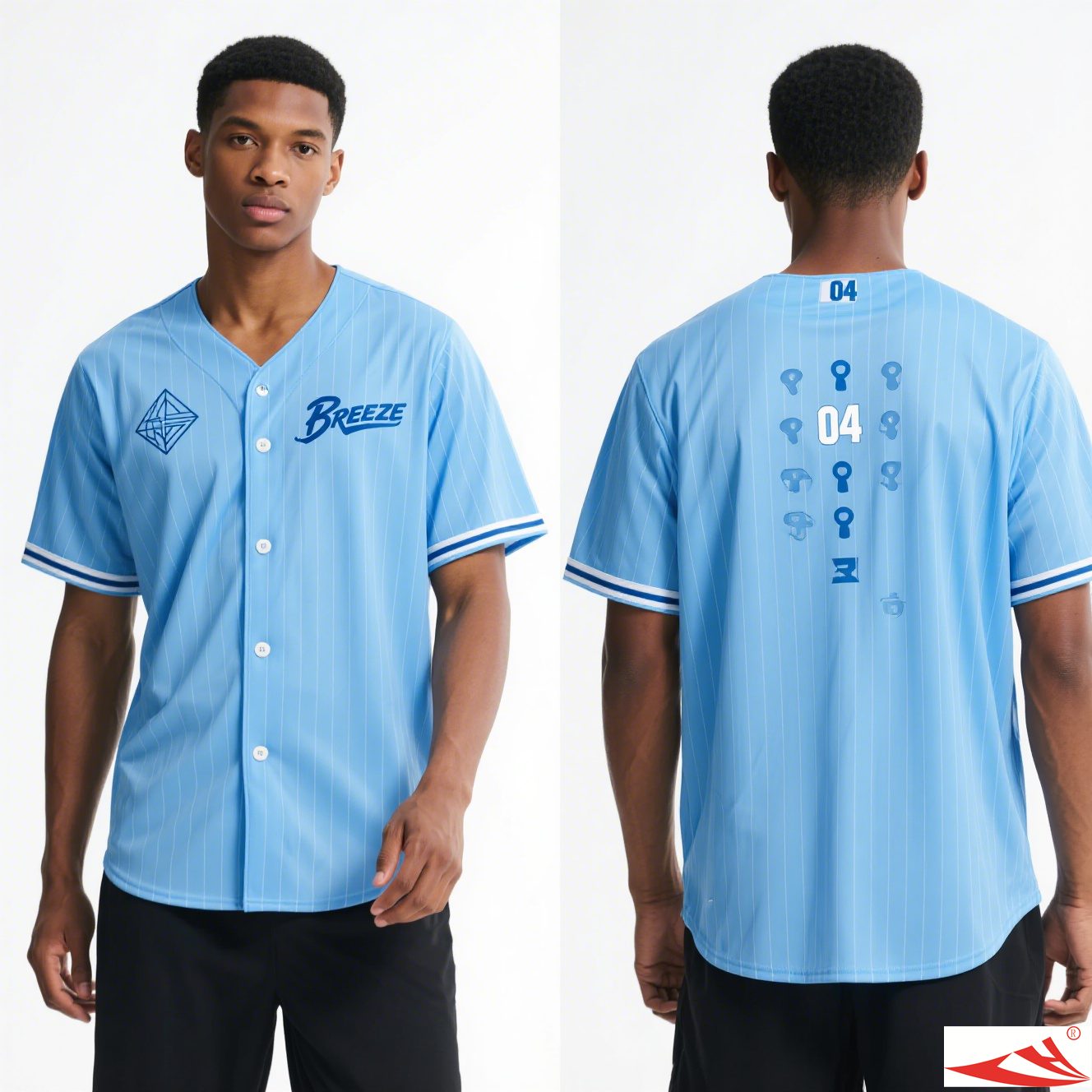
Polyurethane transfers bond poorly to nylon mesh, and PVC films crack on stretch polyester. Pairing the wrong transfer chemistry with your base fabric causes peeling within three washes.
Request a fabric-compatibility chart from your manufacturer and order strike-off samples on your exact garment weight and blend before committing to 500-piece runs.
Ordering Without Wash-Test Samples
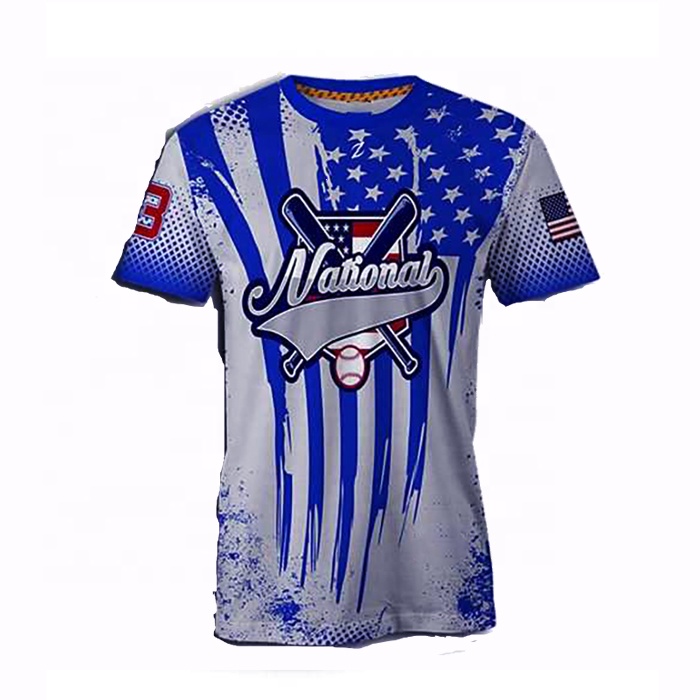
Skipping pre-production wash testing hides adhesion, color-bleed and shrinkage problems until your customer complains. A single sample washed five times at 60°C reveals whether your transfer will survive a full season.
SELMOND provides decoration strike-offs and sample garments before bulk; insist on laundering at least one before approval.
Underestimating Lead Times and Ignoring Application Guidelines
Heat-transfer decoration adds 5–7 days to cut-and-sew timelines, and applying at 150°C instead of the specified 165°C voids adhesion guarantees. Rushed orders skip temperature calibration, leading to field failures.
Confirm total lead time — sampling, bulk production and decoration — in writing, and request the exact press temperature, dwell time and peel method for every transfer type you order.
9. Steps to Launch Your Custom Apparel Brand with Heat Transfer Numbers
Launching a custom team apparel brand with heat transfer numbers requires a clear sequence from concept to first shipment. SELMOND’s nine-step process guides first-time buyers through artwork development, sampling, decoration proofs and bulk production, keeping patterns and specs on file for fast re-orders.
Define Target Market and Aesthetic
Identify whether you serve youth leagues, high-school teams, club sports or streetwear collectors — each demands different number fonts, sizing and durability. Map competitor offerings, price tiers and decoration styles before selecting transfer types.
MOQ starts at 100 pieces per style and color, letting new brands test a capsule collection without excess inventory risk or cash-flow strain.
Source Base Garments and Select Number Styles
Choose fabrics compatible with your transfer method: polyester mesh jerseys for plastisol or vinyl, cotton tees for flock, sublimation poly for dye-sub numbers. Confirm GSM, knit construction and color availability with your manufacturer. For custom varsity jackets and letterman jackets, melton wool bodies and leather sleeves require tackle twill or chenille decoration rather than heat transfer.
Pair number fonts and colors to your brand aesthetic, requesting Pantone or PMS references and stroke-width specs to ensure consistency across re-orders.
Order Samples and Conduct Wash Tests
Request decoration strike-offs and full sample garments before any bulk commitment. Run five industrial wash-and-dry cycles at 60 °C to check for edge lift, cracking or color fade.
SELMOND provides artwork proofs, digitized logos and sample garments at every stage, with all files kept on record for seamless re-production and size-set grading.
10. Pricing and Cost Considerations for Heat Transfer Numbers
Heat transfer numbers pricing hinges on five drivers: material type (standard vinyl, glitter, reflective), number size (4-inch vs. 10-inch), color count (single vs. multi-color), order quantity, and customization complexity. A single-color 8-inch number typically costs $0.80–$2.50 per piece depending on volume, while multi-color or specialty finishes add $0.50–$1.50 per number.
MOQ at SELMOND starts at 100 pieces per style, unlocking volume discounts that drop unit costs by 30–50% as quantities reach 500 or 1,000 pieces. Setup fees for heat-transfer tooling range from $0–$50 per design, absorbed at higher volumes but critical for small test runs.
Hidden costs include rush fees (15–25% premium for orders under 10 days), international shipping ($3–$8 per kilogram by air, $1–$2 by sea), and re-tooling charges if artwork changes mid-production. Budget $1.50–$3.00 per decorated number for small teams (100–200 pieces) and $0.60–$1.20 at 1,000+ units, excluding garment base cost.
| Quantity Tier | Price per Number (USD) | Setup Fee | Lead Time |
|---|---|---|---|
| 100–250 pcs | $1.80–$2.50 | $30–$50 | 12–15 days |
| 250–500 pcs | $1.20–$1.80 | $20–$30 | 10–12 days |
| 500–1,000 pcs | $0.80–$1.20 | $10–$20 | 8–10 days |
| 1,000+ pcs | $0.60–$0.90 | $0–$10 | 7–10 days |
Start Your Heat Transfer Numbers Project Today
Submit your artwork, request samples, or speak with our team about custom heat transfer numbers for your jerseys, uniforms and team apparel.