3D Puff Embroidery — Raised Logos That Make Your Team Stand Out
Professional 3D puff embroidery for varsity jackets, jerseys, and caps. In-house decoration, low MOQ from 100 pieces, and 28+ years of craftsmanship expertise.
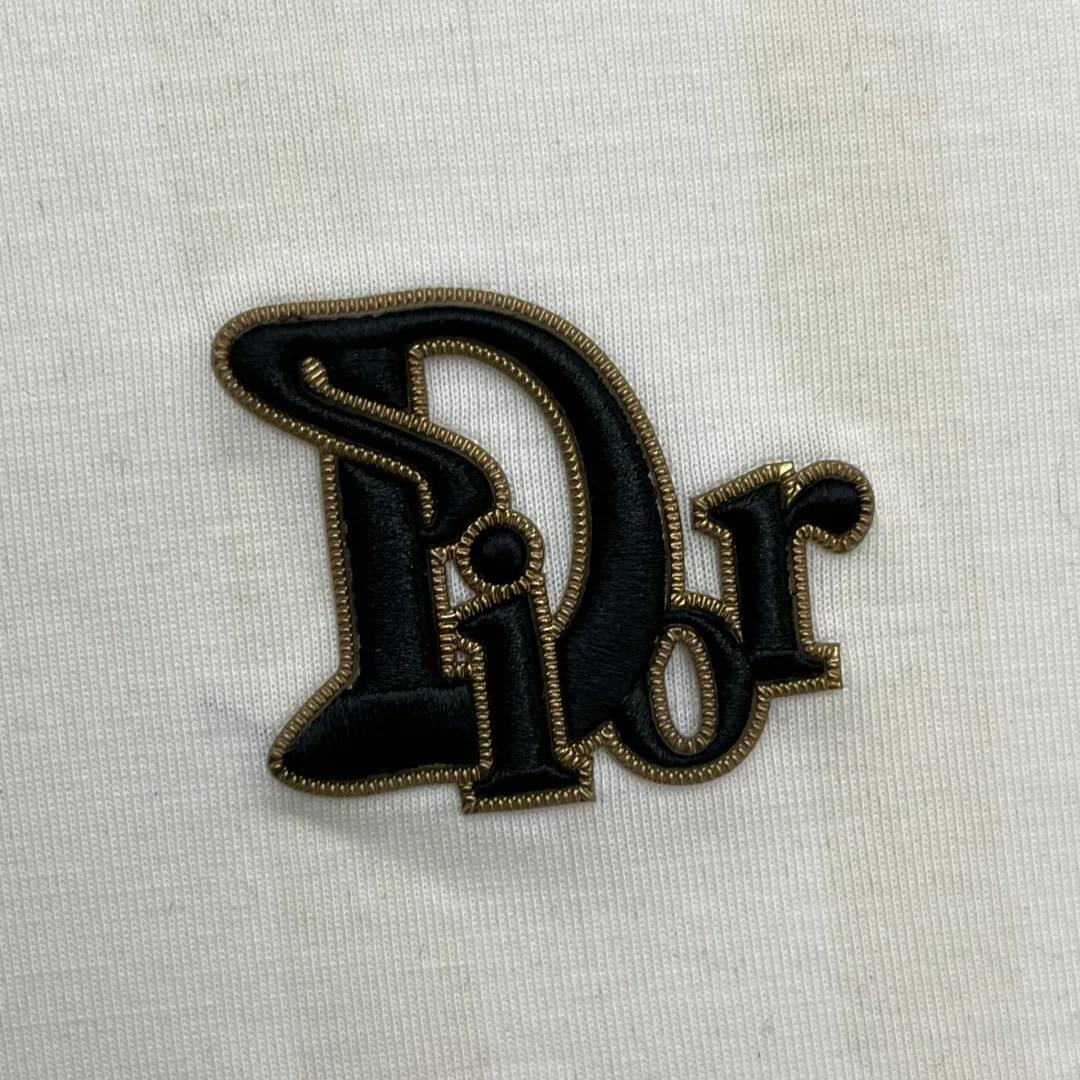
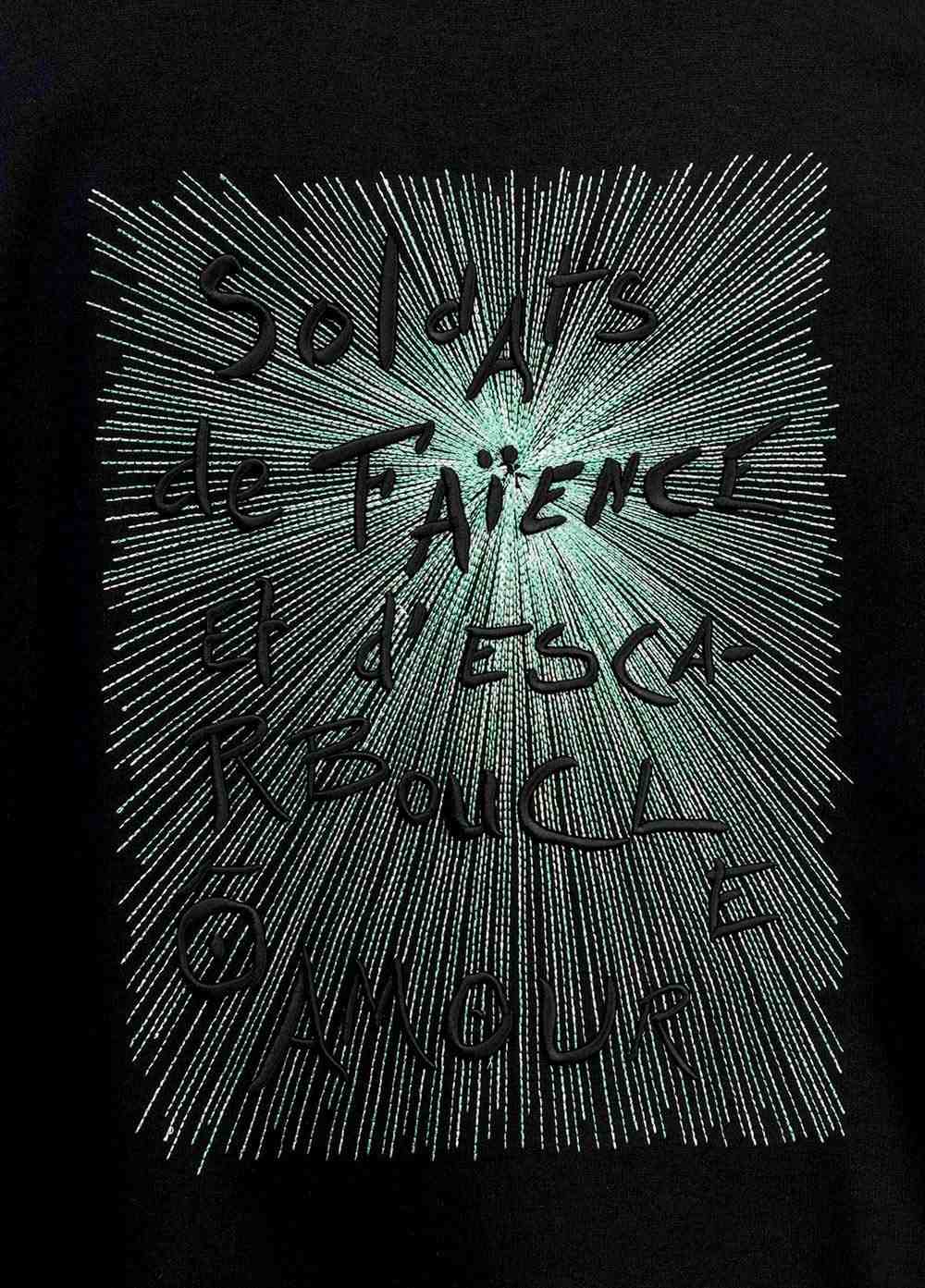
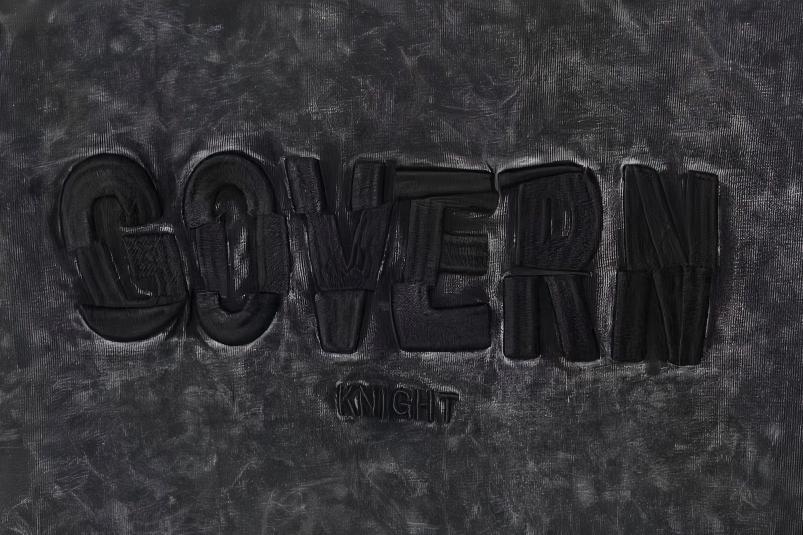
3D Puff Embroidery Samples
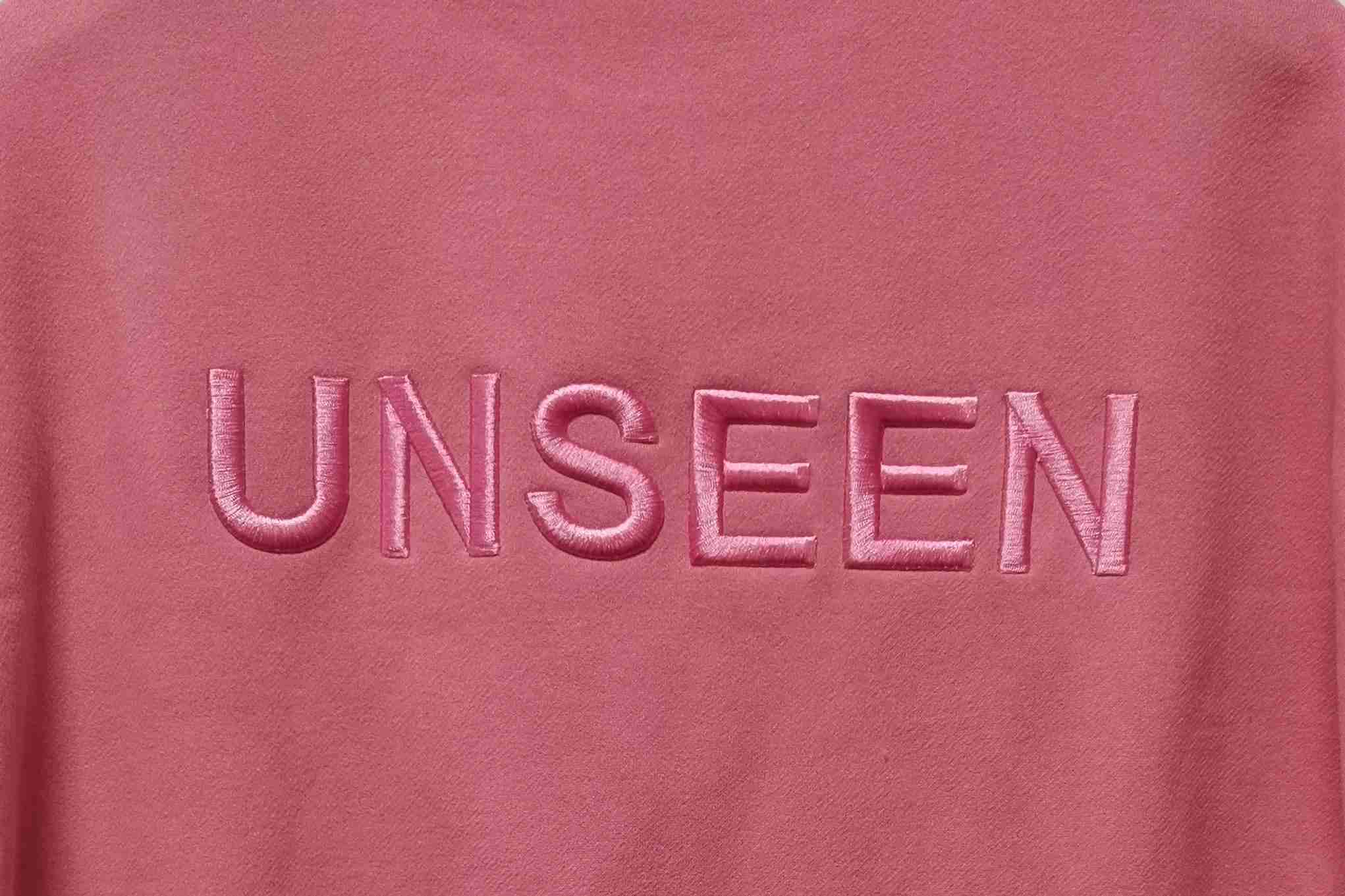
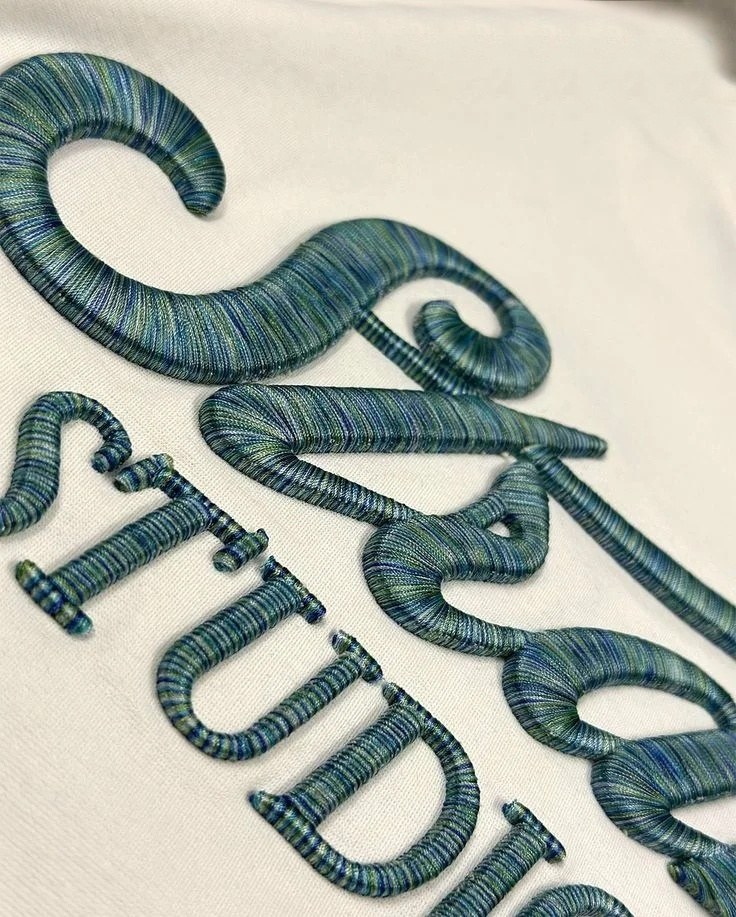
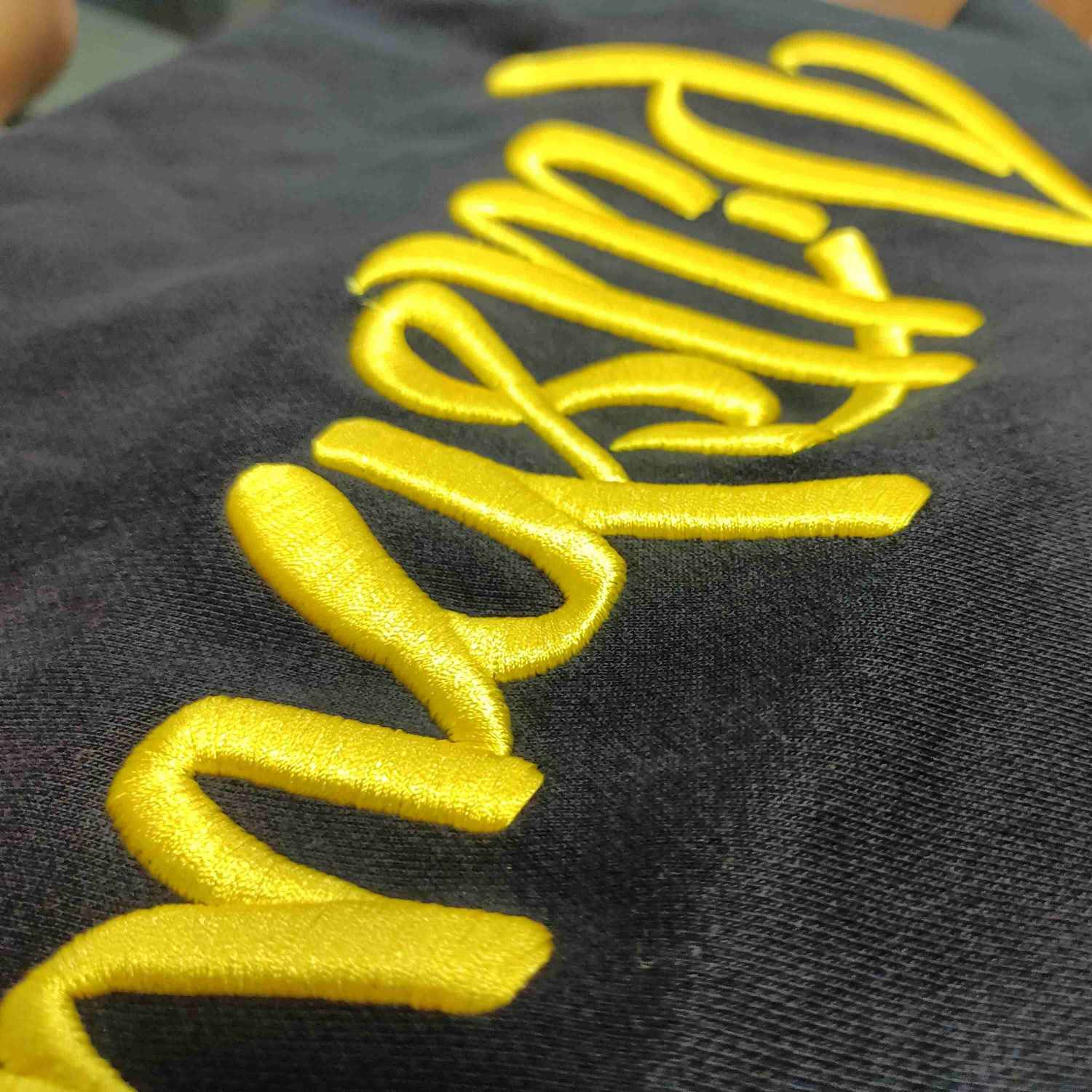
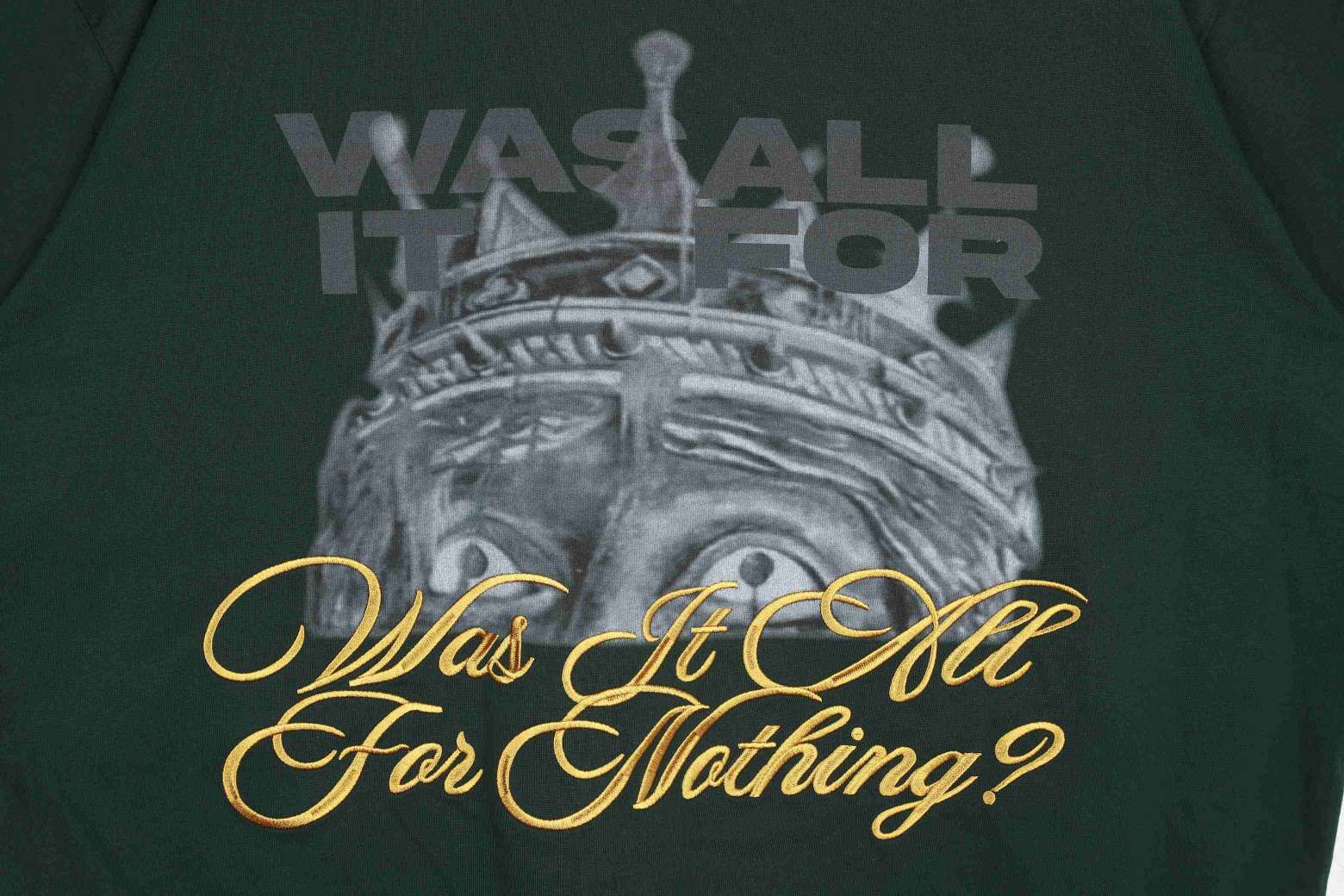
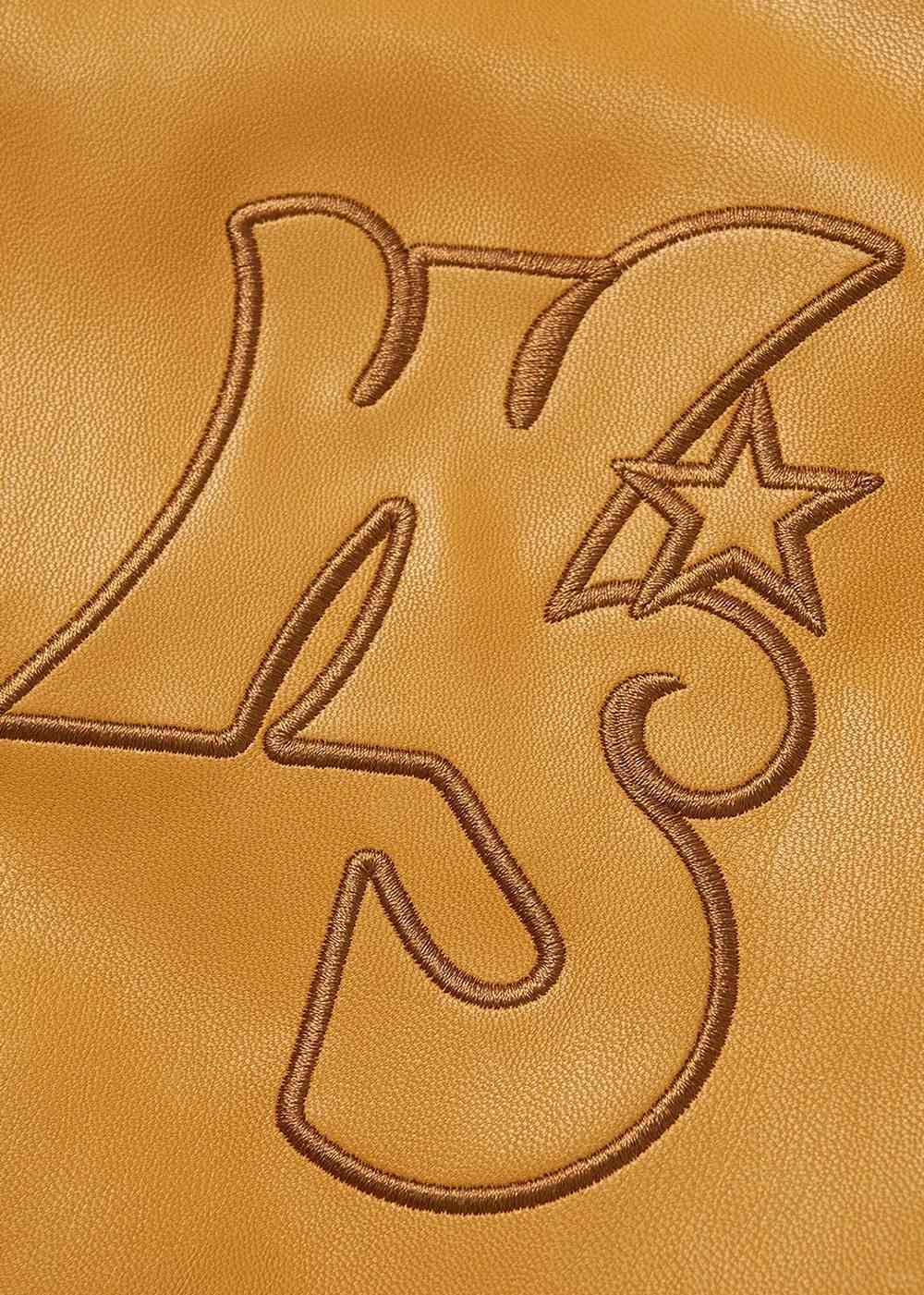
What Makes 3D Puff Embroidery Distinctive
Raised Foam Underlay
High-density foam beneath every stitch creates tactile lift up to 5mm, adding dimension flat embroidery cannot match on varsity jackets and caps.
Exceptional Durability
Dense thread coverage over foam resists abrasion, washing and wear, keeping logos crisp through seasons of team use and repeated laundering.
Bold Color Vibrancy
Raised profile catches light at every angle, intensifying thread color and making school crests, team logos and brand marks pop visually.
Perfect for Caps & Jackets
3D puff embroidery suits structured fabrics like wool melton bodies, leather sleeves and cotton-twill cap panels where depth elevates branding impact.
Clean Edge Definition
Tight satin-stitch borders lock foam in place, delivering sharp letter outlines and logo edges that hold their shape wear after wear.
Versatile Design Compatibility
Works seamlessly with tackle twill, chenille patches and screen print, letting teams layer decoration techniques for maximum visual impact on apparel.
Embroidery & Decoration Techniques
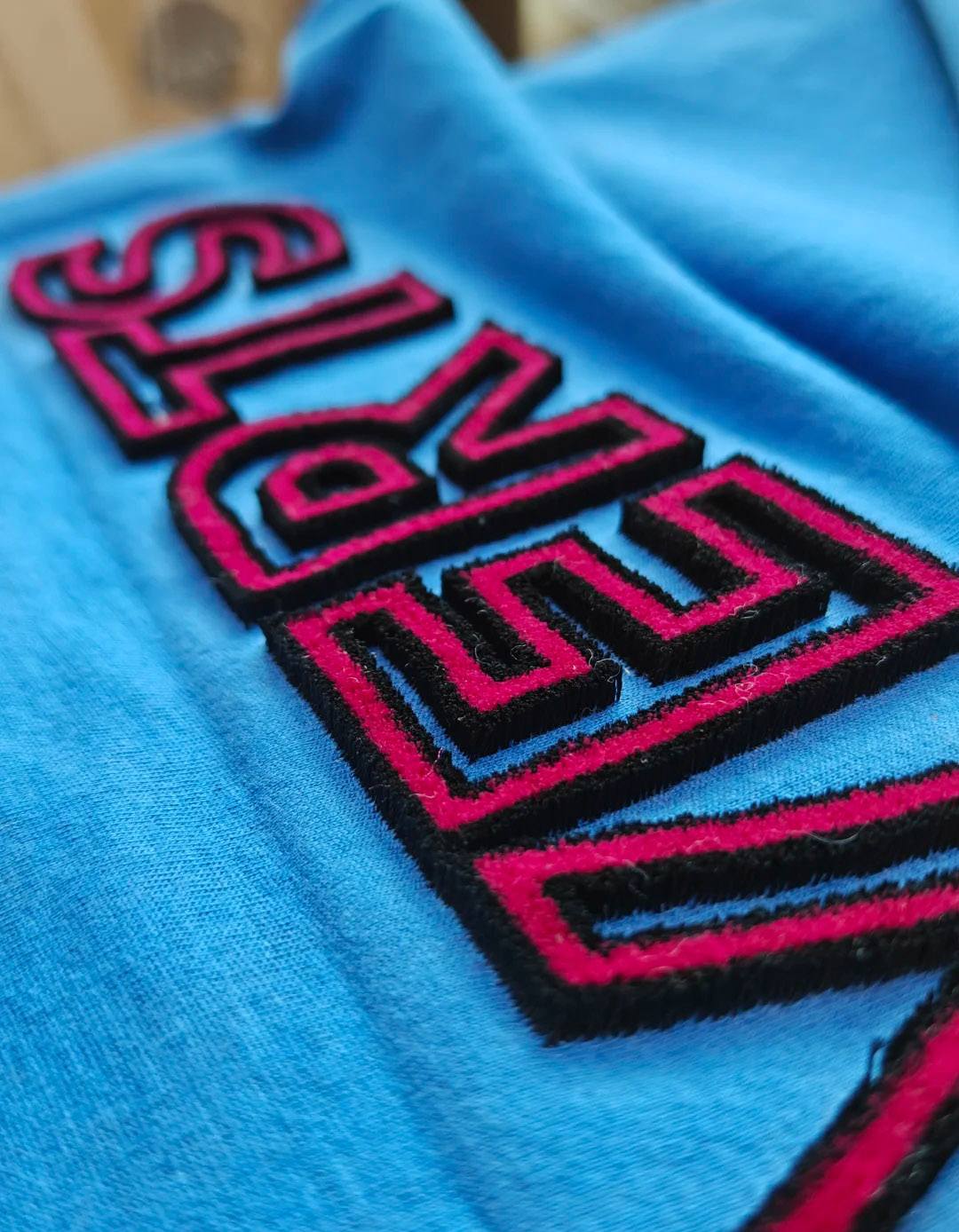
Custom Embroidery Services
Full-service custom embroidery for team apparel, varsity jackets, caps and jerseys. In-house flat, 3D puff, chenille, monogram and logo embroidery with artwork digitizing, strike-offs and sampling. MOQ from 100 pieces. Serving sports teams, schools, clubs, screen printers and custom apparel brands worldwide.
Get a Quote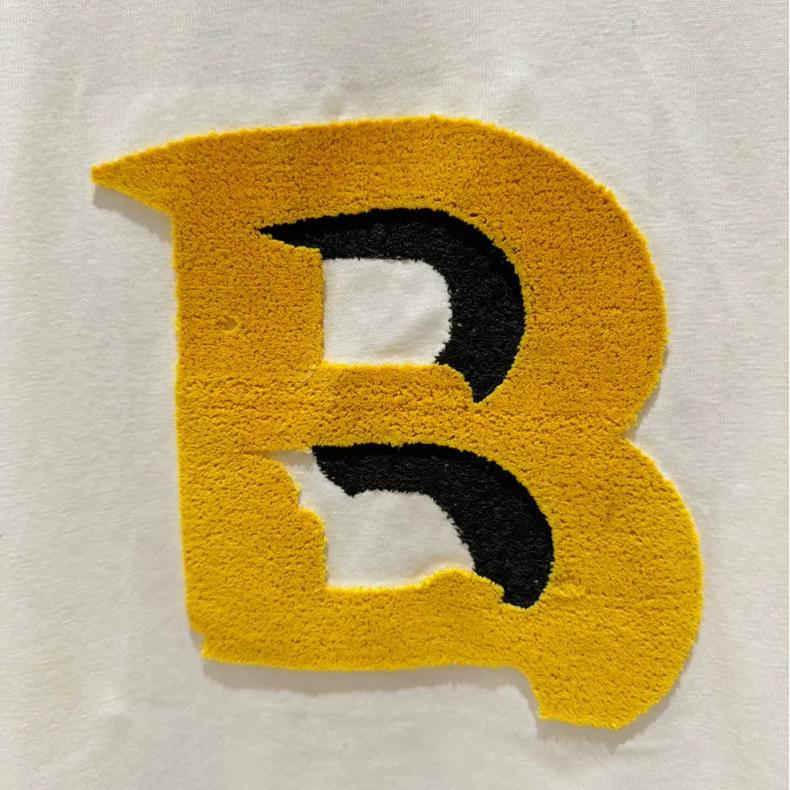
Flat Embroidery
Flat embroidery for logos, team names, player names and decorative details on varsity jackets, jerseys, caps and uniforms. Clean satin-stitch edges, tight registration and colorfast thread. Artwork digitizing and embroidery strike-offs included. Ideal for detailed logos, small text and multi-color designs across all team apparel.
Get a Quote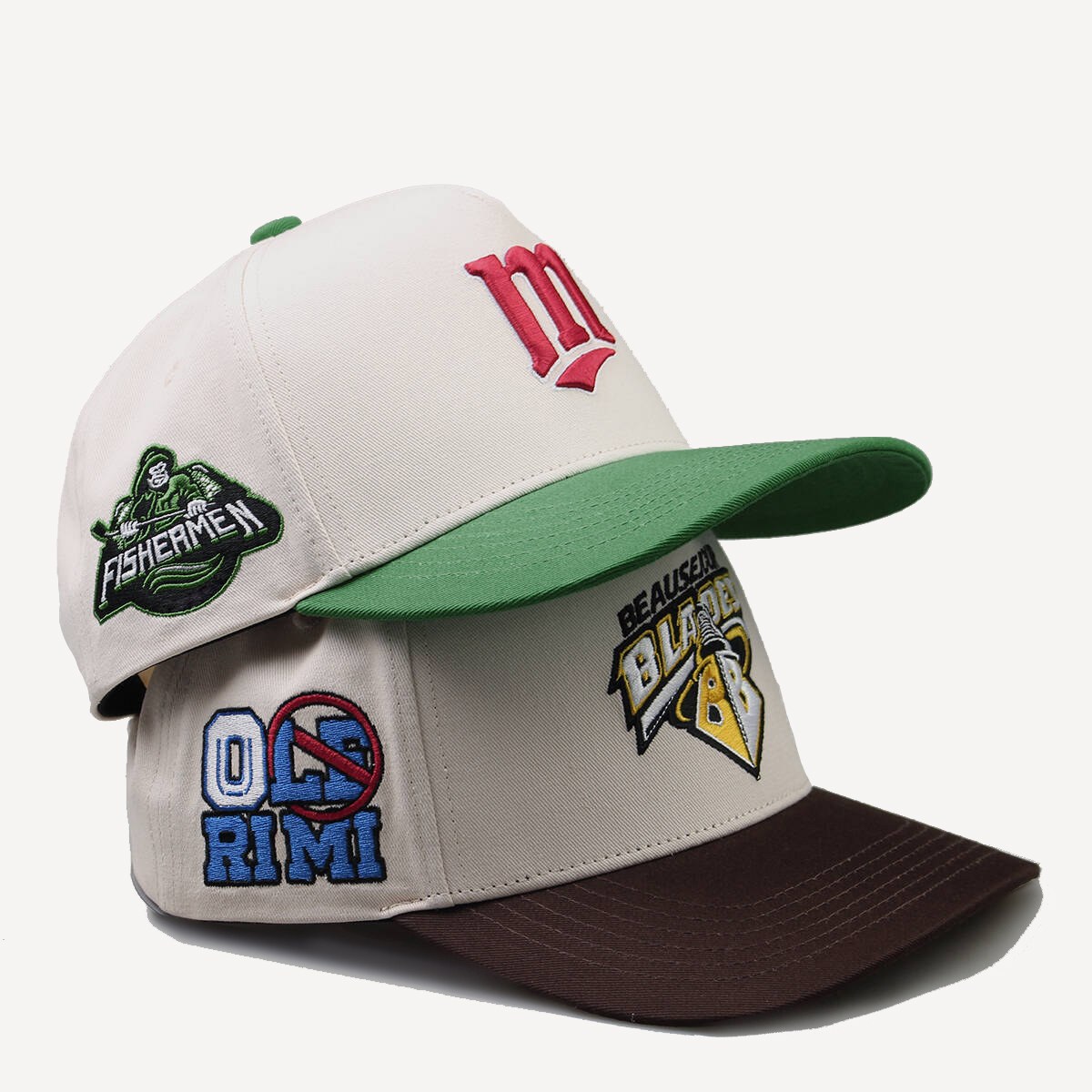
Cap & Hat Embroidery
Custom embroidered baseball caps and hats with flat, 3D puff and monogram embroidery. Structured cotton twill and brushed cotton cap bodies. Front-panel logos, side emblems and back monograms. Artwork proofing, thread-color matching and cap samples before bulk production. MOQ 100 pieces per design.
Get a Quote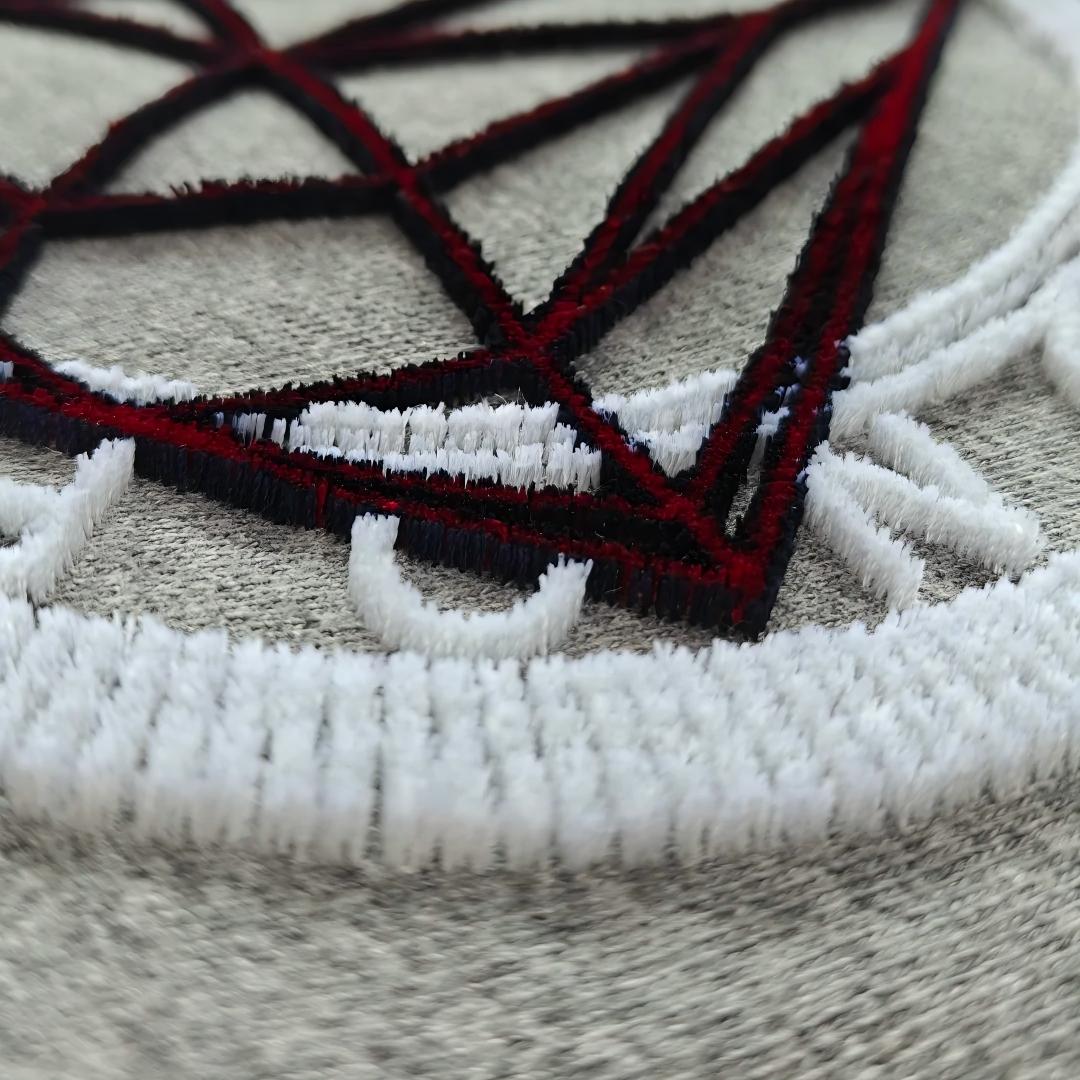
Monogram & Logo Digitizing
Custom logo digitizing and monogram embroidery for varsity jackets, jerseys, caps and team uniforms. In-house digitizing team converts artwork, sketches or photos into production-ready embroidery files. Thread color matching, stitch-density optimization and embroidery strike-offs provided. Fast turnaround for re-orders with files kept on record.
Get a Quote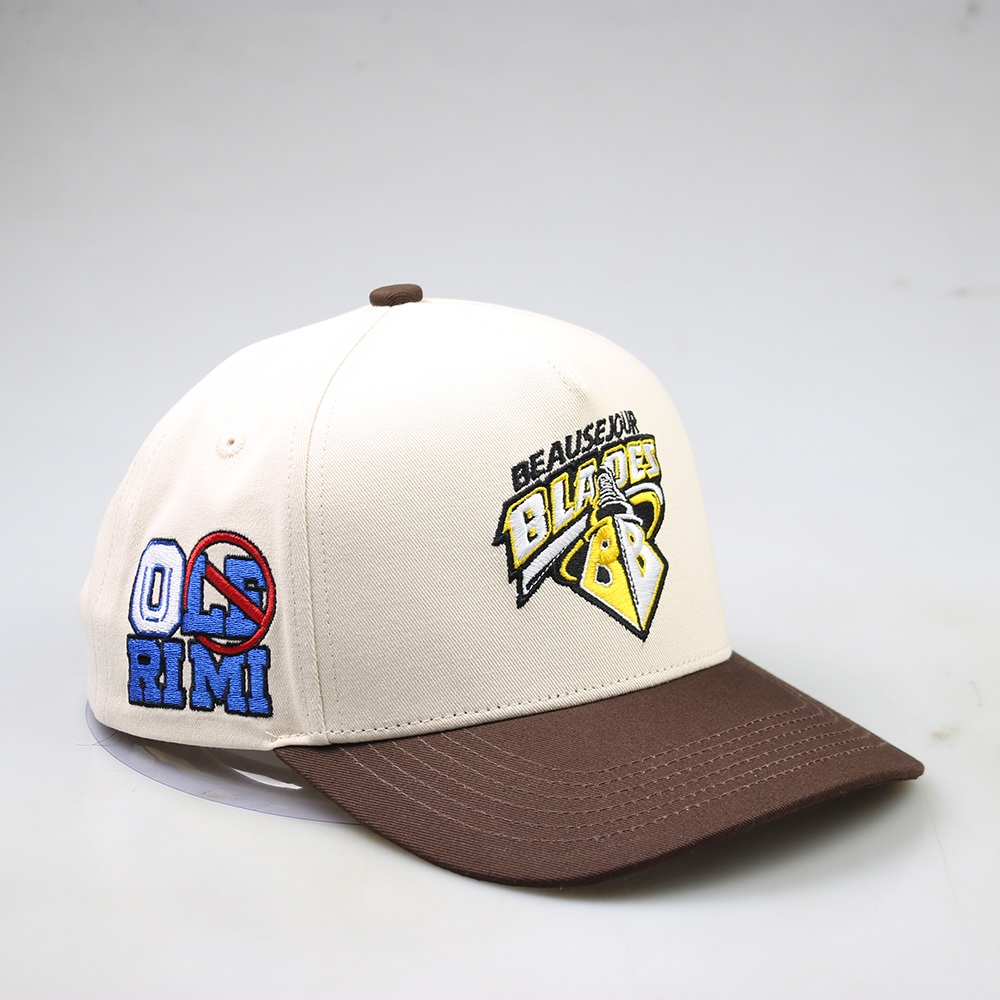
Sublimated Baseball Jerseys
Full-dye sublimated baseball jerseys with edge-to-edge graphics, team logos and player names. Polyester sublimation fabrics with moisture-wicking performance. Button-front, pullover and sleeveless styles. Artwork proofs, color matching and jersey samples included. MOQ 100 pieces per style. Ideal for tournament teams and custom apparel brands.
Get a Quote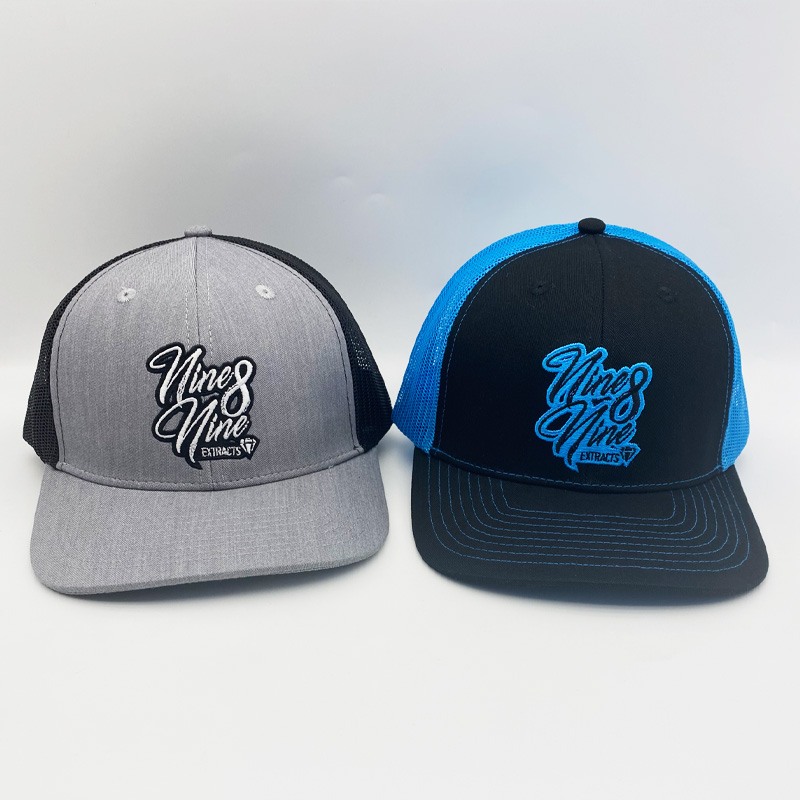
Custom Baseball Jersey
Custom baseball jerseys and team uniforms manufactured with in-house cut-and-sew and decoration. Tackle-twill layered numbers, embroidered team logos, screen-printed names and sublimated panels. Polyester mesh and tricot bodies, ribbed trims. Full size-set grading, decoration proofs and samples before bulk. OEM, ODM and private label supported.
Get a Quote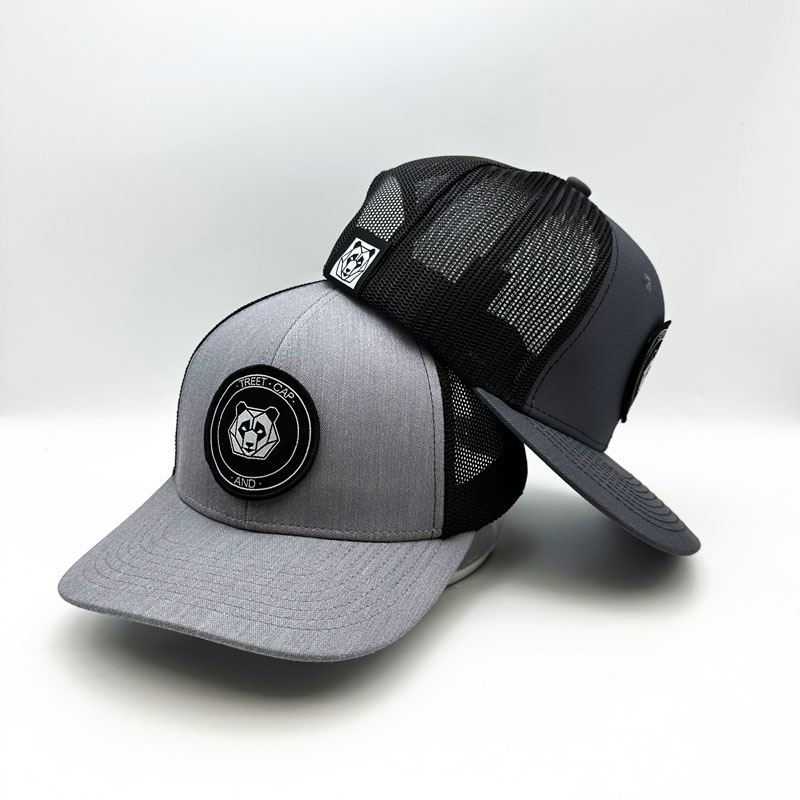
Custom Baseball Jersey Shirts
Baseball jersey shirts custom-made for teams, schools, clubs and apparel brands. Full decoration floor for tackle twill, embroidery, sublimation and screen printing. Polyester performance fabrics, moisture-wicking mesh, custom ribbed collars and cuffs. Artwork development, strike-offs and jersey samples. MOQ from 100 pieces per colorway.
Get a Quote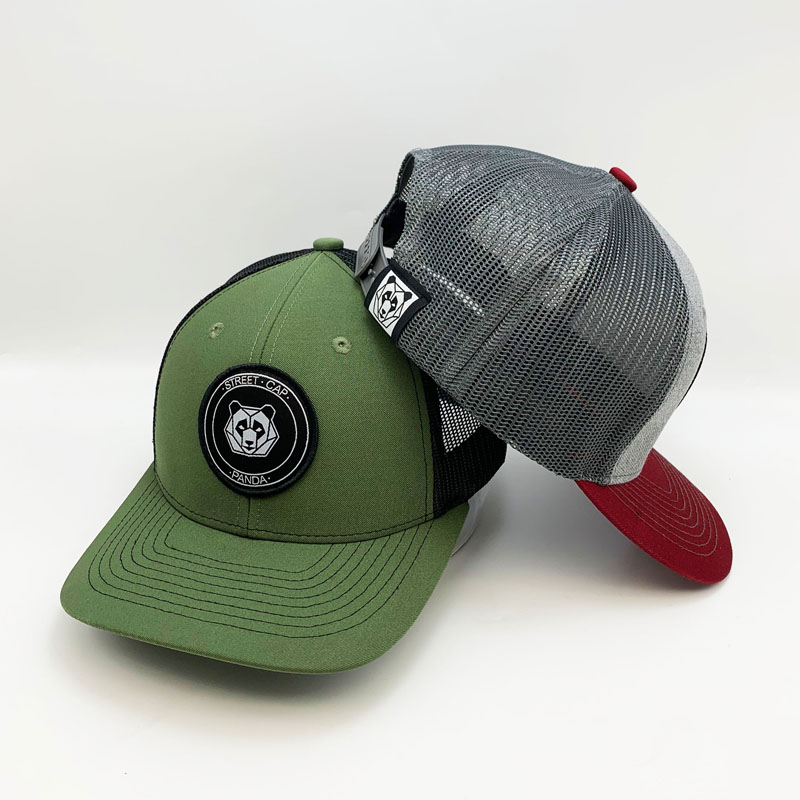
3D Puff Embroidery Caps
3D puff embroidery caps with raised foam-backed logos and lettering. Structured cotton twill and brushed cotton cap bodies. Front-panel puff logos, side emblems and monograms. Thread color matching, puff-height optimization and cap samples before production. Ideal for bold team branding and custom apparel collections.
Get a Quote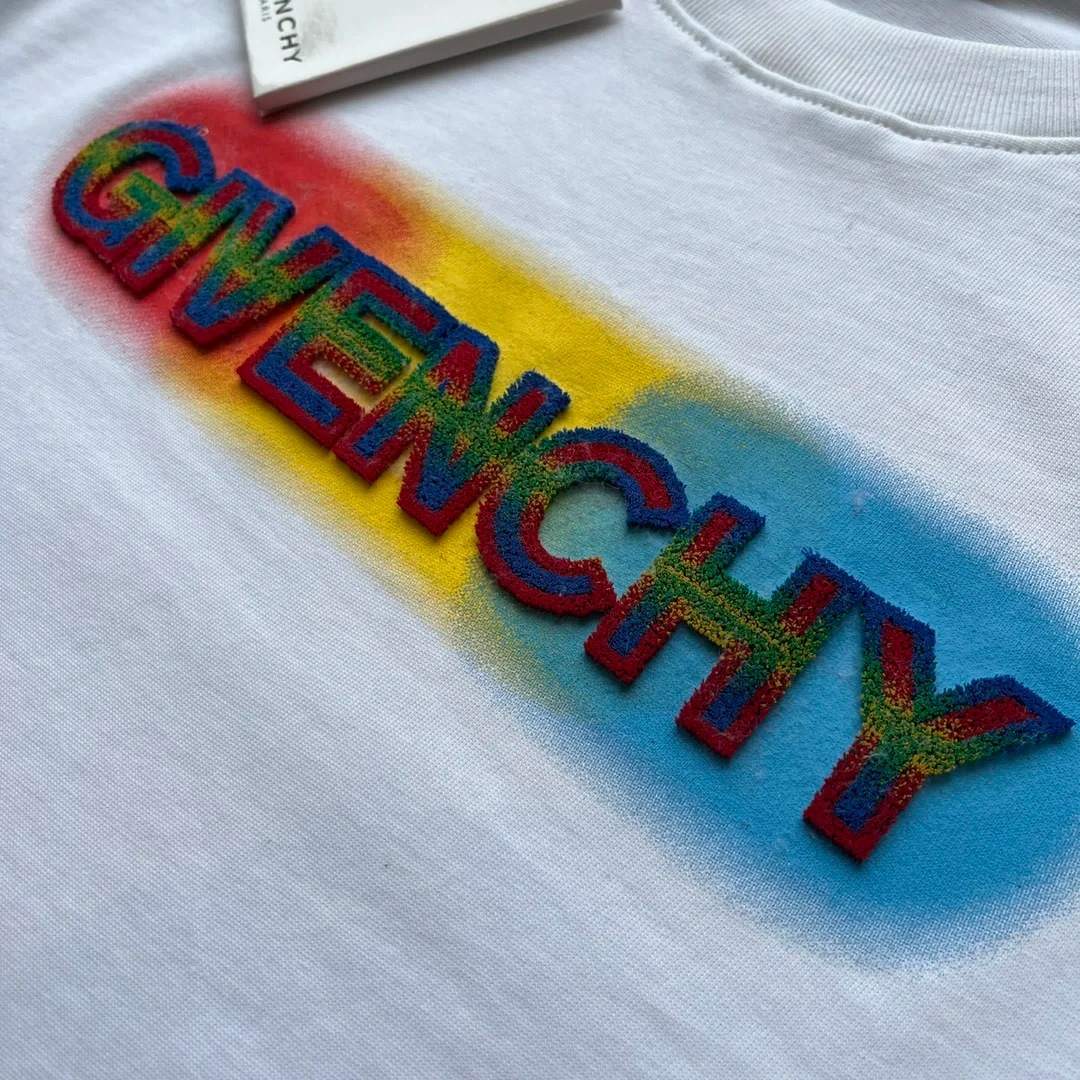
3D Puff Embroidery Jackets
3D puff embroidery jackets — varsity and letterman styles with raised foam-backed logos, chenille letters and layered patches. Melton wool bodies, genuine or PU leather sleeves, ribbed knit trims. Artwork digitizing, embroidery strike-offs and jacket samples included. MOQ 100 pieces. OEM, ODM and private label available.
Get a QuoteSELMOND's 3D Puff Embroidery Expertise
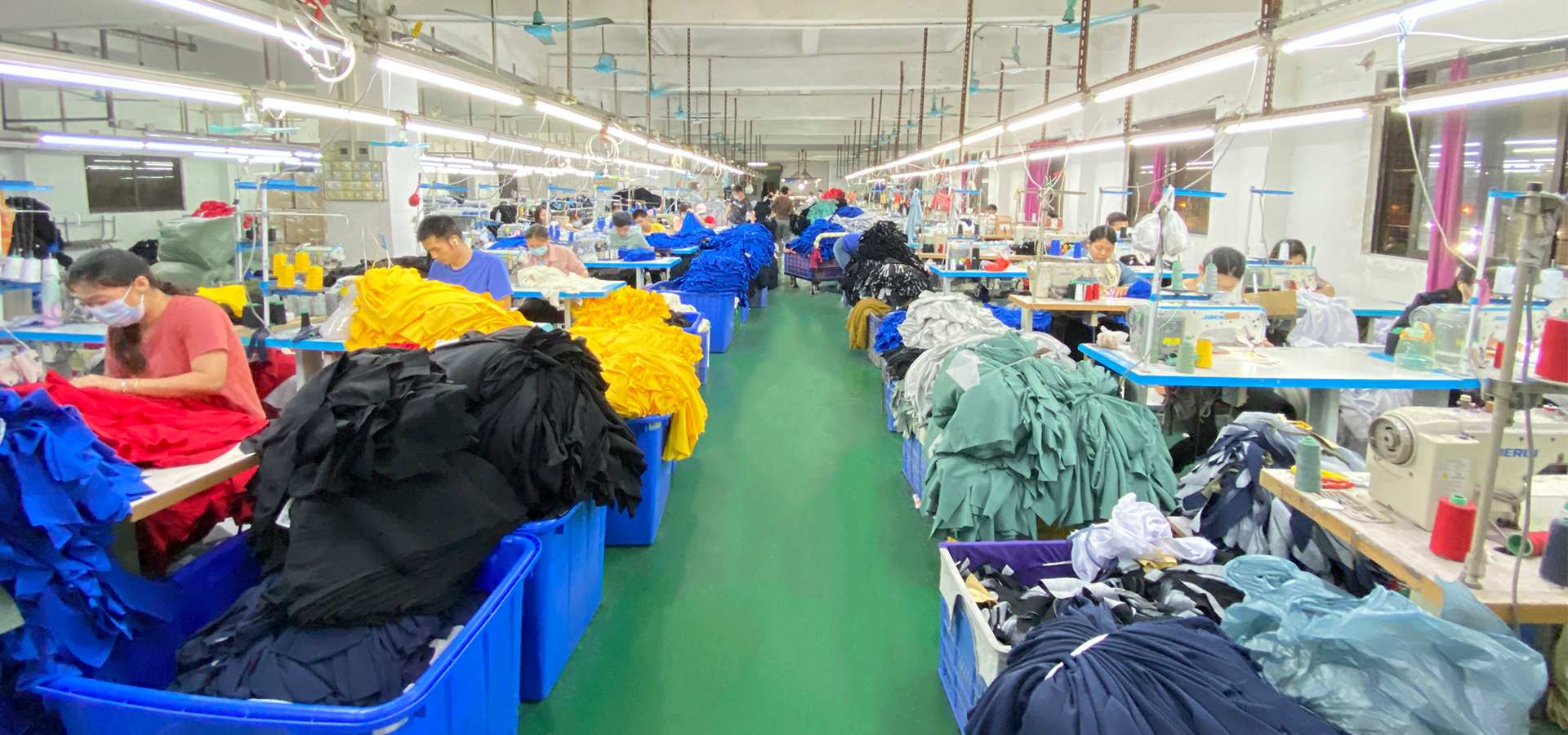
Since 1998, SELMOND has specialized in decoration techniques that bring team apparel to life — and 3D puff embroidery has been a signature service for over two decades. Our dedicated embroidery floor in Dongguan runs multi-head machines calibrated specifically for foam-underlay work, ensuring every raised logo, team name and mascot sits clean, uniform and durable across caps, varsity jackets, jerseys and uniforms.
We’ve produced more than 500,000 pieces featuring 3D puff embroidery for sports teams, schools, clubs and custom apparel brands across North America, Europe and Australia. From single-color raised lettering to complex multi-layer logos, our digitizing team and machine operators control stitch density, foam height and thread tension to deliver consistent dimensional embroidery that holds its shape through repeated wear and washing.
SELMOND’s in-house 3D puff embroidery capability is backed by premium polyester and rayon threads, precision foam cutting, strike-off sampling before every bulk run, and a quality-control process that inspects stitch coverage, edge definition and foam integrity on every finished garment. Whether you need 100 caps or 10,000 varsity jackets, our 28+ years of manufacturing experience and full decoration integration ensure your raised embroidery looks sharp and professional every time.
3D Puff Embroidery: Foam Underlay, Stitch Density & Durability
Foam Thickness and Density Control
SELMOND uses calibrated 2mm and 3mm EVA foam underlays selected for each design’s detail level and fabric weight. Foam density determines how cleanly the raised effect holds its shape through repeated wear, washing and compression without collapsing or pilling.
- 2mm foam for fine details, text and small logos under 3 inches
- 3mm foam for bold team names, mascots and large graphic elements
- Density-tested EVA foam that resists flattening after 50+ wash cycles
- Foam pre-cut to match digitized stitch paths for clean edge definition
Thread Type, Tension and Stitch Count
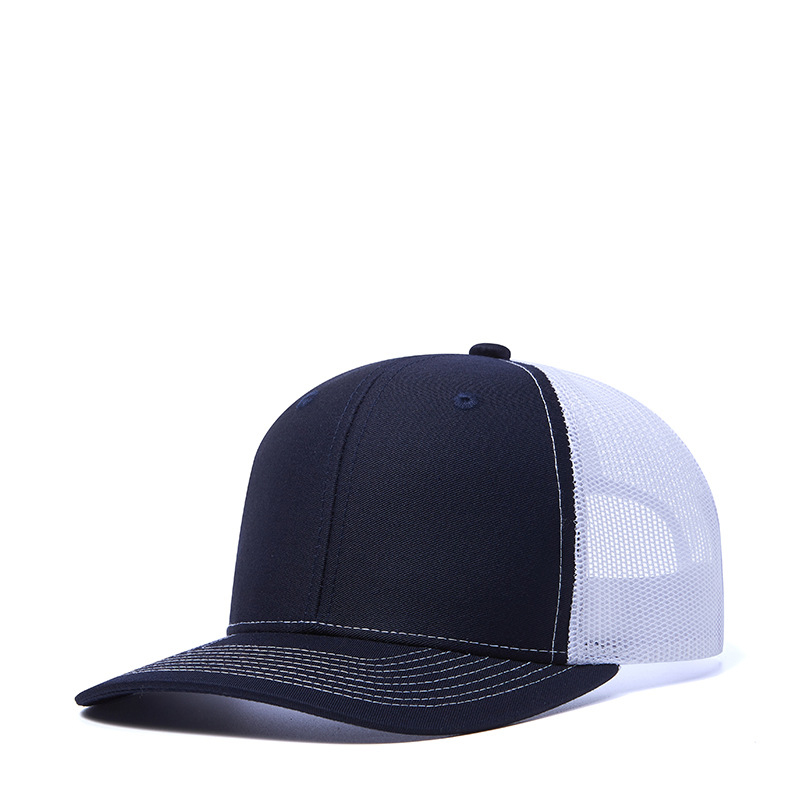
High-quality polyester embroidery thread paired with precise tension settings and stitch-count planning ensures the foam lifts uniformly without gaps, thread breaks or puckering. SELMOND digitizes every 3D puff embroidery file in-house to optimize density, underlay and stitch direction for dimensional stability.
- 40-weight polyester thread for strength, sheen and colorfastness
- Stitch density calibrated to 4–6 stitches per millimeter for full foam coverage
- Multi-directional underlay stitches lock foam in place before top-fill runs
- Tension adjustments per fabric type — melton wool, twill, fleece or mesh
Heat Curing and Pressing Workflow
After stitching, controlled heat application melts away excess foam outside the stitch boundary, leaving crisp raised edges. SELMOND’s curing and pressing stations ensure uniform foam expansion, clean contours and a professional finish that matches strike-off samples across every piece in the production run.
- Heat press at 160–180°C to activate foam expansion and seal edges
- Timed pressing cycles calibrated to fabric thickness and foam type
- Manual inspection of every logo for edge clarity and height consistency
- Strike-off samples approved before bulk production begins
Wash-Test Durability and Longevity Standards
Every 3D puff embroidery design SELMOND produces undergoes internal wash testing to verify that foam height, thread integrity and color remain stable through industrial and home laundry cycles. This quality checkpoint protects your brand reputation and reduces costly re-orders or customer complaints.
- 50-cycle wash tests at 40°C with tumble drying to simulate team use
- Thread pull-strength and foam-compression checks post-wash
- Colorfast polyester thread resists fading under UV and detergent exposure
- Documentation and photos provided for every strike-off and bulk sample
3D Puff Embroidery vs. Flat Embroidery
Choosing the right embroidery technique depends on your design, fabric, and the look you want. Here’s how 3D puff embroidery stacks up against flat embroidery — the most common alternative — across the decision factors that matter for varsity jackets, caps, and team apparel.
← 左右滑动查看 →
3D Puff Embroidery Production Process
Six controlled phases ensure every raised logo, team name and varsity patch meets SELMOND‘s quality standards — from digitizing through final inspection.
Logo Digitizing & Foam Selection
Your artwork is digitized for 3D puff embroidery with stitch paths optimized for foam underlay. Foam thickness — typically 2mm or 3mm — is selected based on design detail and desired height.
Foam Adhesion & Hooping
Heat-activated foam sheet is positioned and lightly tacked to the garment surface. The fabric is then hooped with controlled tension to prevent puckering during the embroidery run.
Automated Stitching
Multi-head embroidery machines stitch through the foam layer following the digitized pattern. Thread tension and stitch density are monitored in real time to ensure clean edges and uniform coverage.
Heat-Setting & Foam Trimming
Completed embroidery is heat-pressed to bond the foam permanently. Excess foam around the stitched perimeter is carefully trimmed away, leaving only the raised, encapsulated design visible.
Quality Control Inspection
Each piece is inspected for foam adhesion, stitch integrity, color match, design registration and overall finish. Any variance from the approved strike-off is flagged and corrected before packing.
Packing & Export Logistics
Approved garments are poly-bagged, carton-packed with your custom labels and hang tags, then shipped via sea or air freight with full tracking and commercial invoice documentation.
How to Order 3D Puff Embroidery from SELMOND
Follow these five steps to commission raised, dimensional logos and lettering on your varsity jackets, caps or team apparel with consistent quality and clear timelines.
Submit your artwork and placement specs
Send your logo file in vector format, specify foam density preference, placement location, and stitch height. Our design team digitizes your artwork for 3D puff embroidery and confirms feasibility within 24 hours.
Review digitized proof and strike-off sample
Receive a digital embroidery proof showing stitch paths and foam underlay. Approve the file, then we produce a physical strike-off sample on your chosen fabric to confirm height, density and finish.
Approve sample and confirm production order
Inspect the strike-off for stitch quality, foam height and logo detail. Once approved, confirm quantities, garment styles, colors and delivery timeline. MOQ starts from 100 pieces per style and color.
Production and in-line quality control
Your order enters our in-house embroidery floor. Each piece is inspected during production for consistent foam height, stitch tension, thread color match and placement accuracy before moving to finishing.
Final inspection, packing and shipment
Completed garments undergo final quality checks, are packed to your specification with custom labels and hang tags, then shipped globally via your preferred logistics partner or our export channels.
Customer Success Stories — 3D Puff Embroidery
We ordered 250 varsity jackets with 3D puff embroidery team logos. After 30+ washes the foam still holds its shape and the raised detail makes our branding pop. SELMOND nailed the stitch density on the first sample.
The 3D puff embroidery on our school mascot turned out incredible — sharp edges, consistent height across all 180 jackets, and delivered two weeks ahead of schedule. Parents loved the professional look at the season kickoff.
As a decorator I need reliable raised embroidery for client orders. SELMOND’s 3D puff work is clean, the foam underlay never shifts, and their 100-piece MOQ lets me test new designs without tying up cash. Five re-orders so far.
Frequently Asked Questions About 3D Puff Embroidery
What fabrics does 3D puff embroidery work on?
What is the maximum design size for 3D puff embroidery?
Can I combine 3D puff embroidery with chenille letters or tackle twill on the same jacket?
How durable is 3D puff embroidery after washing?
What is the MOQ for 3D puff embroidery orders?
What is the lead time for 3D puff embroidery production?
Do I need to pay for a sample with 3D puff embroidery before bulk production?
What file format do I need to submit for 3D puff embroidery artwork?
Can 3D puff embroidery be used on baseball caps?
The Complete Buyer’s Guide to 3D Puff Embroidery for Custom Apparel
This guide equips sports teams, schools, and custom apparel brands with a proven decision framework, supplier evaluation criteria, and the most common mistakes to avoid when sourcing 3D puff embroidery for varsity jackets, caps, and team uniforms.
1. What Is 3D Puff Embroidery?
3D puff embroidery is a raised, dimensional embroidery technique that places a specialized foam underlay — typically 2 to 3 millimeters thick — beneath embroidery thread before stitching. When heat is applied during or after the embroidery process, the foam expands and lifts the thread, creating a bold, tactile surface that stands visibly above the fabric. This technique is most commonly used on varsity jackets, baseball caps, beanies and team logos where brand presence and texture matter.
Buyers choose 3D puff embroidery over flat embroidery for three reasons: visibility, texture and premium branding. The raised profile catches light and shadow, making logos readable from greater distances — critical for team uniforms and event apparel. The tactile dimension adds perceived value, signaling higher-end customization to end customers. On structured garments like wool-blend varsity jackets and cotton-twill caps, puff embroidery holds its shape wear after wear, delivering consistent brand impact across hundreds of washes and active use.
2. The Evolution of 3D Puff Embroidery in Custom Apparel
3D puff embroidery first gained commercial traction in the early 1990s when streetwear labels and professional sports teams adopted foam-backed embroidery to create bold, raised logos on snapback caps and varsity jackets. The technique required manual foam cutting and limited thread-weight compatibility, restricting designs to simple block letters and team crests.
By the mid-2000s digitizing software evolved to support multi-density foam specifications — ranging from 2 mm to 7 mm — and automatic underlay generation, enabling decorators to produce intricate puff designs with consistent height and edge definition. Polyester and rayon thread formulations improved heat resistance and stitch integrity, reducing foam melt-through on high-speed commercial machines.
The 2010s saw 3D puff become a signature finish for varsity letterman jackets, structured baseball caps and collegiate team uniforms, driven by its durability and visual impact under stadium lighting. Today the technique has resurged in influencer merchandise, limited-edition streetwear drops and low-MOQ custom team apparel, supported by cloud-based digitizing platforms and expanded foam-color libraries that pair with full-dye sublimation and tackle-twill layering.
3. Types of 3D Puff Embroidery Techniques
3D puff embroidery divides into five core techniques, each defined by foam thickness, thread density and garment application. Matching the right variant to your brand aesthetic and production budget ensures decoration that holds its shape and delivers the visual impact your customers expect.
Standard Puff (2–3 mm Foam)
Standard puff uses 2–3 mm foam and medium thread density, delivering moderate relief ideal for caps, beanies and jacket chest logos. It balances visibility with durability, withstanding repeated wash cycles without flattening. Cost remains accessible for MOQs starting at 100 pieces.
High-Density Puff (4+ mm)
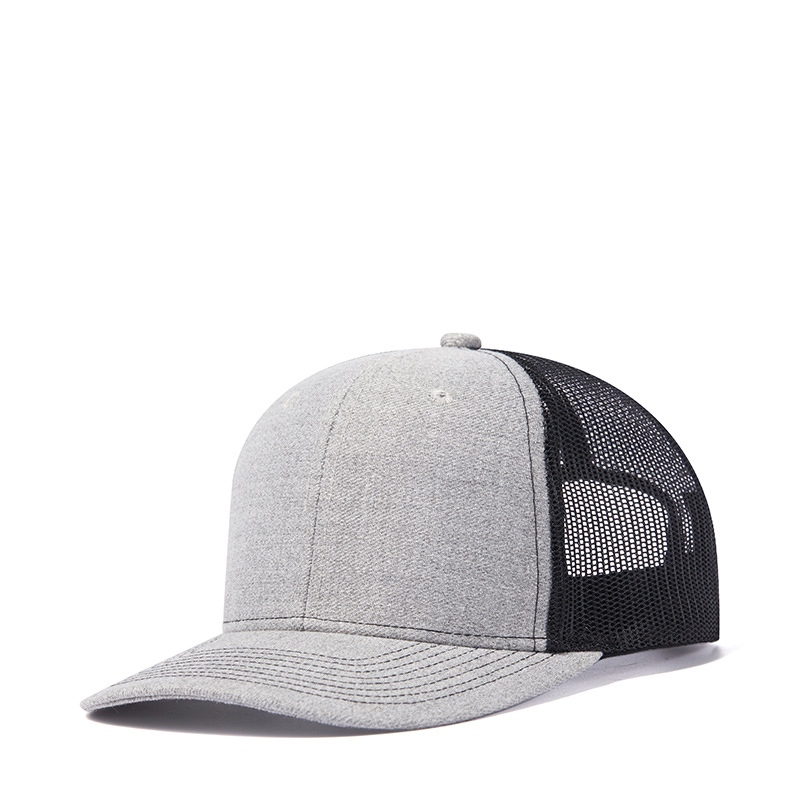
High-density puff employs 4+ mm foam and tighter stitch counts, creating bold, sculptural lettering suited to varsity jacket backs and statement caps. Visual impact is maximum, but production time and thread consumption rise. Best reserved for premium lines where dramatic relief justifies higher per-piece cost.
Partial Puff (Selective Areas)
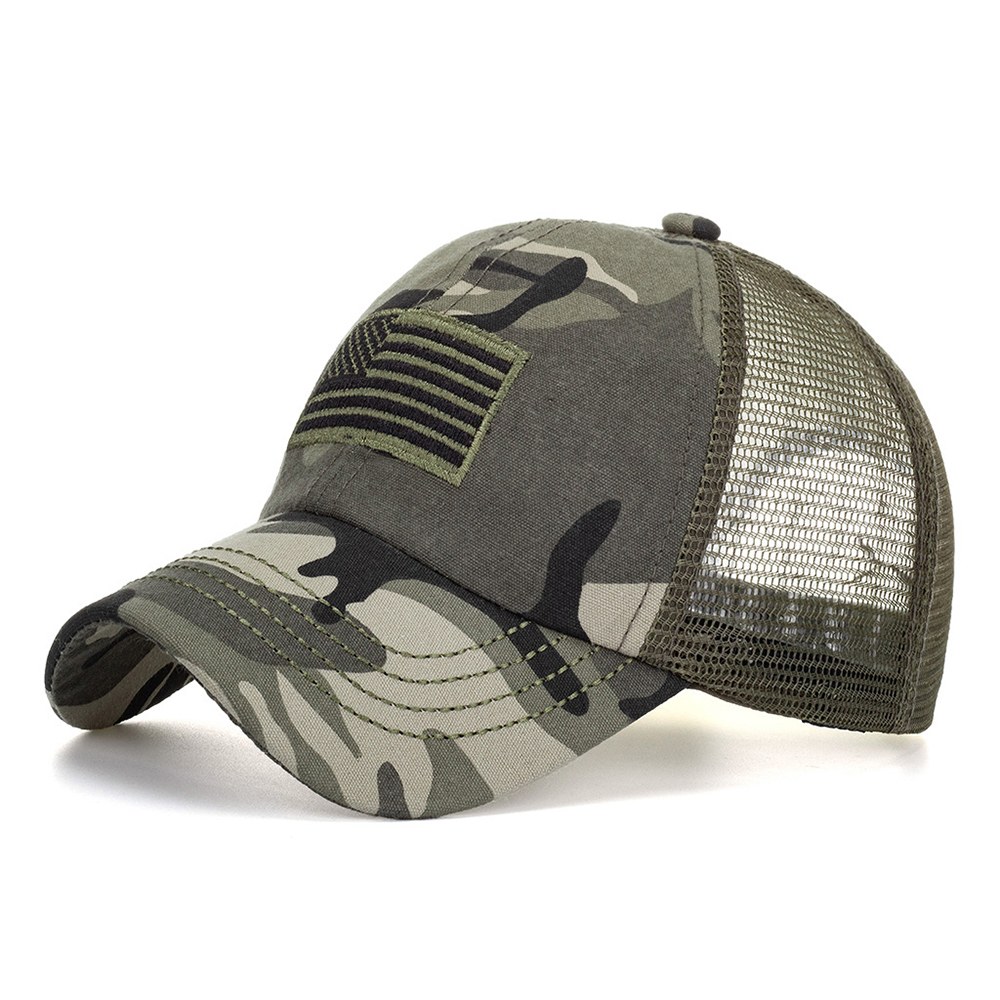
Partial puff applies foam only to chosen elements — initials, numerals or logo centers — while surrounding details remain flat. This technique adds focus without overwhelming smaller designs on jersey sleeves or cap sides, keeping decoration costs lower than full-coverage puff.
Puff + Flat Combination
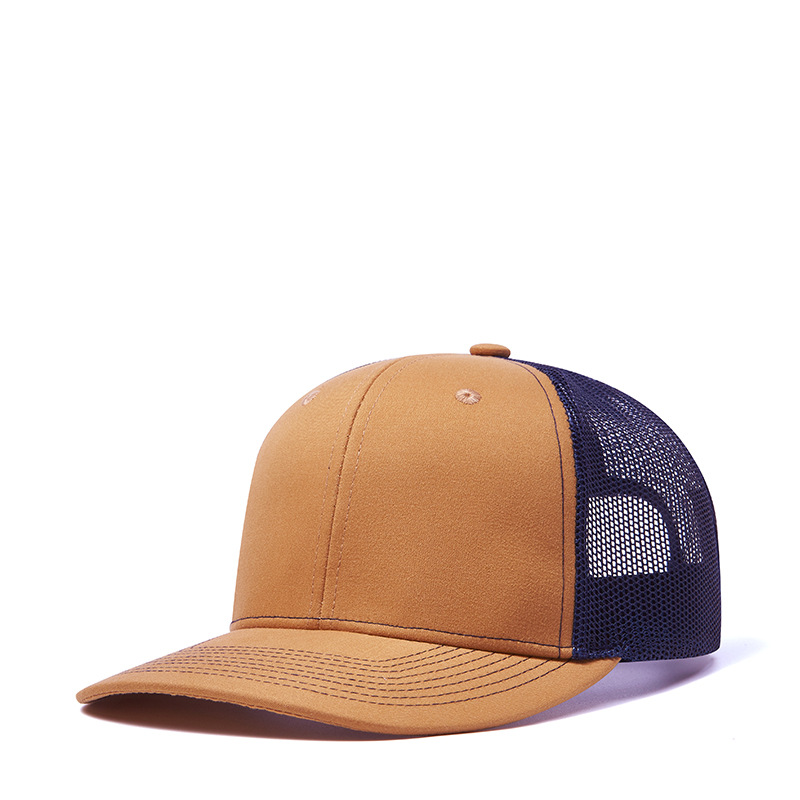
Combining puff lettering with flat embroidered outlines or shadows creates layered depth on varsity jacket chenille patches and team logos. Thread density shifts between zones, requiring precise digitizing to prevent puckering. SELMOND’s decoration floor coordinates both techniques in a single run, ensuring registration and color consistency.
Puff with Appliqué
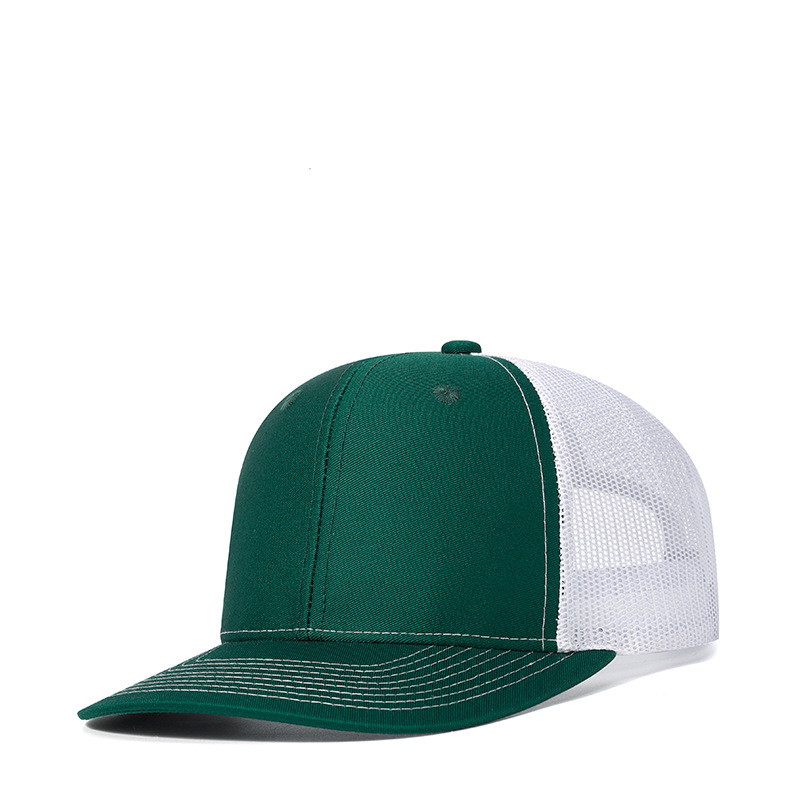
Puff embroidery over tackle-twill or chenille appliqué delivers maximum texture for varsity letters and team crests. Foam sits atop the fabric layer, amplifying relief while reducing thread cost on large fills. Ideal for jackets and jerseys where bold, multi-dimensional branding defines the product.
4. Materials and Fabrics Best Suited for 3D Puff Embroidery
3d puff embroidery demands stable, tightly woven base fabrics that resist distortion under the foam and stitching. Loose knits and high-stretch materials pull unevenly, causing puckering and uneven lift. SELMOND sources fabrics from trusted mills across China specifically for clean puff results on varsity jackets, caps and team uniforms.
| Fabric Type | Weight (GSM) | Puff Compatibility | Typical Use |
|---|---|---|---|
| Melton wool / wool-blend | 450–650 | Excellent | Jacket body |
| Cotton twill (structured) | 280–320 | Excellent | Cap crown, sleeve |
| Canvas (cotton / poly) | 300–400 | Very good | Jacket body, panel |
| Polyester blend (tight weave) | 200–280 | Good | Jersey, lightweight jacket |
| Loose knit / high-stretch | 150–220 | Poor (distorts) | Avoid for puff |
5. Customization Options for 3D Puff Embroidery Designs
3D puff embroidery offers extensive design flexibility when you understand its technical boundaries. Thread-color matching, logo sizing, font selection and file preparation all determine whether your finished garment looks professional or amateurish.
| Method | Cost per Logo | Durability (Washes) | Visual Impact |
|---|---|---|---|
| 3D Puff Embroidery | $$–$$$ | 50+ washes | High dimension, bold |
| Chenille Patch | $$$–$$$$ | 100+ washes | Premium varsity texture |
| Flat Embroidery | $–$$ | 100+ washes | Clean, subtle detail |
Thread Colors and Pantone Matching
Most embroidery thread suppliers stock 300–400 standard colors, and SELMOND digitizes artwork to match Pantone references within industry-standard tolerance. Exact Pantone matching is impossible with polyester thread, but skilled digitizers select the nearest shade and adjust stitch density to compensate for color shift under foam.
Provide PMS codes or hex values with your artwork; the design team will recommend the closest thread and send a digital proof before sampling.
Logo Size and Font Guidelines
Legibility requires a minimum 1.5-inch height for 3D puff letters and logos; smaller designs collapse under foam pressure or lose detail. Bold sans-serif fonts — Futura Bold, Helvetica Heavy, Impact — hold clean edges, while thin serifs and script faces break apart.
SELMOND’s digitizing team will flag risky elements during artwork review and suggest weight or spacing adjustments to preserve readability across all garment sizes.
File Formats and Artwork Preparation
Production embroidery machines read DST, PES or Tajima format files, not raw vector art. SELMOND digitizes your AI, EPS, PDF or high-resolution PNG artwork in-house, programming stitch paths, underlay and foam-area boundaries.
Clients receive a digitized proof showing stitch direction, density and color assignment before the first sample is sewn, ensuring the final decoration matches brand expectations.
6. Key Quality Indicators in 3D Puff Embroidery Production
3D puff embroidery quality depends on six construction checkpoints that separate professional decoration from amateur work. Each indicator affects both immediate appearance and long-term durability across wash cycles and team wear.
Foam Density Consistency
Foam sheets range from 2 mm to 10 mm thickness, with 3 mm the standard for caps and 5–7 mm for jackets. Inconsistent density creates uneven puff height across letters — a clear red flag that signals batch mixing or low-grade foam sourcing.
Thread Tension and Stitch Coverage
Proper tension locks stitches flat against foam without loose loops or thread breakage. Foam showing through stitches indicates insufficient stitch density, typically below 4,000 stitches per square inch for block letters.
Jump-Stitch Trim and Backing Integrity
Clean trim of jump stitches prevents thread tails that catch and unravel. Cut-away backing supports heavy puff designs on knits; tear-away works for wovens. Backing choice directly impacts wash durability and edge stability over repeated team use.
7. How to Choose a 3D Puff Embroidery Manufacturer
Selecting the right 3D puff embroidery partner determines whether your custom apparel launches on time with consistent decoration quality. Vet suppliers on production flexibility, technical capability and process transparency before committing to any order.
Minimum Order Quantities and Flexibility
Low-MOQ manufacturers like SELMOND start from 100 pieces per style and color, enabling brands to test designs, reduce inventory risk and launch capsule collections without tying up capital. High-MOQ factories often demand 500–1,000 pieces, forcing startups into overstock or compromised designs.
In-House Digitizing and Decoration Capabilities
Ask whether the factory digitizes artwork internally or outsources to third parties. In-house teams turn sketches into stitch files faster and troubleshoot puff-height issues during sampling. Confirm they stock multiple foam densities (2 mm, 3 mm, 5 mm) and can match Pantone thread colors across re-orders.
Sample Turnaround and Pre-Production Proofs
Request pre-production samples with actual foam and thread on your chosen fabric. Turnaround should be 5–7 days for digitized strike-offs. Factories that skip sampling or charge excessive fees often lack decoration expertise or multi-head embroidery machines for efficient bulk runs.
8. Common Mistakes When Ordering 3D Puff Embroidery
Even experienced buyers stumble on 3d puff embroidery orders when decoration details aren’t locked down early. Small oversights in design complexity, material pairing or approval workflow can double lead times, inflate costs and produce lettering that collapses or cracks after a single wash.
Choosing Designs with Fine Details
Puff foam requires bold, simple shapes; intricate serifs, thin scripts and tight gradients collapse when heated. Minimum stroke width is 3 mm, and small counters (closed loops in letters like ‘e’ or ‘a’) trap foam and distort.
Switch to block fonts, single-layer tackle-twill numbers or simplified logo outlines. SELMOND’s design team digitizes artwork with foam-safe spacing and provides strike-off proofs to confirm height and edge definition before bulk production.
Skipping Sample Approval
Foam height, thread tension and fabric stretch vary by substrate; a digital proof cannot predict real stitch density or foam expansion. Skipping a physical sample risks discovering puckering, uneven rise or color mismatch only after 500 jackets ship.
Always approve a decorated sample on the exact fabric and foam thickness planned for bulk. SELMOND includes sample garments and decoration strike-offs in every order workflow, with patterns and digitizing files kept on record for fast re-orders.
Ignoring Fabric-Foam Compatibility
Lightweight jersey and stretch knits compress under puff stitching, causing waves and lost registration. Standard 2 mm or 3 mm foam works on melton wool, twill and structured caps but requires backing and density adjustments on thinner bases.
Specify fabric weight (GSM) and stretch direction when requesting 3d puff embroidery. SELMOND sources compatible backing, adjusts underlay stitching and tests foam adhesion on each substrate to prevent post-wash delamination.
Underestimating Digitizing Lead Times
Custom puff designs require specialized digitizing — underlay mapping, foam-path planning and test runs — adding three to five days beyond flat embroidery. Rush orders without advance artwork often miss decoration deadlines.
Submit final vector artwork and specify puff zones at inquiry. SELMOND’s in-house digitizing team turns logos into production files within 48 hours and provides editable records for future color or size changes.
Failing to Specify Thread Brand
Rayon thread delivers high sheen but fades and weakens under UV and repeated laundering; polyester holds color and resists abrasion but appears slightly duller. Mixing thread types across a team set creates visible color shifts.
Choose polyester for outdoor team apparel and rayon for indoor fashion pieces, and document the choice in your tech pack. SELMOND stocks both and matches thread type to fabric and end-use, with Pantone or PMS references for consistent color across re-orders.
9. Steps to Launch Your Custom Apparel Brand with 3D Puff Embroidery
Launching a custom apparel brand with 3d puff embroidery requires a clear roadmap from concept to market. SELMOND’s five-step process guides clients through artwork preparation, garment selection, sampling, production and fulfillment, with flexible MOQ starting at 100 pieces per style to test demand before scaling.
Finalize Logo and Design as Vector Art
Supply artwork in vector format (AI, EPS or high-resolution PDF) to ensure clean digitizing. SELMOND’s design team converts logos into embroidery files, optimizing stitch density and underlay for puff foam. Budget $50–150 for digitizing fees per design; files are kept on record for repeat orders.
Select Garment Base and Fabric
Choose from melton wool varsity jackets, polyester mesh jerseys, structured cotton-twill caps or acrylic beanies based on your brand positioning. SELMOND sources fabrics from trusted Chinese mills and provides swatch references. Match fabric weight and texture to your decoration plan — heavier melton supports multi-layer puff better than lightweight mesh.
Request Digitized Sample from Manufacturer
Order a pre-production sample with actual 3d puff embroidery, ribbed trims and all finishes. SELMOND delivers samples within 7–10 days, including decoration strike-offs and full garment construction. Sample costs typically $30–80 per piece and are often credited toward bulk orders of 500+ units.
Approve Sample and Place Production Order
Confirm thread colors, puff height, placement and garment fit before releasing bulk production. SELMOND requires 100% deposit on first orders, stepping down to 30% for established partners, with balance due before shipment. Lead time runs 20–35 days depending on order size and decoration complexity.
Plan Fulfillment and Marketing
Use low-MOQ runs of 100–200 pieces to validate market demand, gather customer feedback and refine designs before committing to larger inventory. Allocate budget across digitizing (5–10%), sampling (10–15%) and bulk production (75–85%), and coordinate shipping timelines with product launches or team events.
10. Pricing and Cost Breakdown for 3D Puff Embroidery
3D puff embroidery pricing varies by stitch count, thread colors, logo complexity and garment type. A simple 5,000-stitch single-color logo costs less per piece than a 15,000-stitch multi-color design with fine detail. SELMOND’s digitizing fee typically ranges from $15 to $50 per design, waived on repeat orders once artwork is on file.
Quantity tiers drive per-unit cost: 100-piece runs start around $3.50–$5.00 per placement, dropping to $2.00–$3.00 at 500+ units as setup labor is amortized. Lead time shortens with volume familiarity — first samples ship in 7–10 days, bulk production in 18–25 days depending on decoration complexity and order size.
Comparing methods, 3D puff embroidery carries higher setup and per-piece costs than flat embroidery or screen print, but delivers unmatched durability and premium texture. Screen print setup is cheaper yet less durable; flat embroidery sits between the two. Choose based on brand positioning, wash cycles and the tactile impact your design demands.
| Quantity Tier | Per-Unit Cost (USD) | Setup / Digitizing | Lead Time (Days) |
|---|---|---|---|
| 100 pcs | $3.50–$5.00 | $15–$50 (first order) | 18–25 |
| 250 pcs | $2.80–$4.00 | Waived (repeat) | 18–22 |
| 500+ pcs | $2.00–$3.00 | Waived (repeat) | 15–20 |
Ready to Add 3D Puff Embroidery to Your Team Apparel?
Send your artwork for a free digitizing quote and decoration strike-off. MOQ from 100 pieces, full in-house embroidery, fast sampling.