Dye Sublimation Printing for Custom Team Jerseys & Uniforms
Vibrant, edge-to-edge full-color dye sublimation printing on custom baseball jerseys, team uniforms and caps — backed by 28 years of in-house decoration expertise and low MOQ from 100 pieces per style.
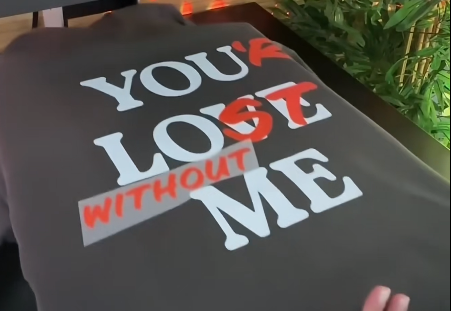
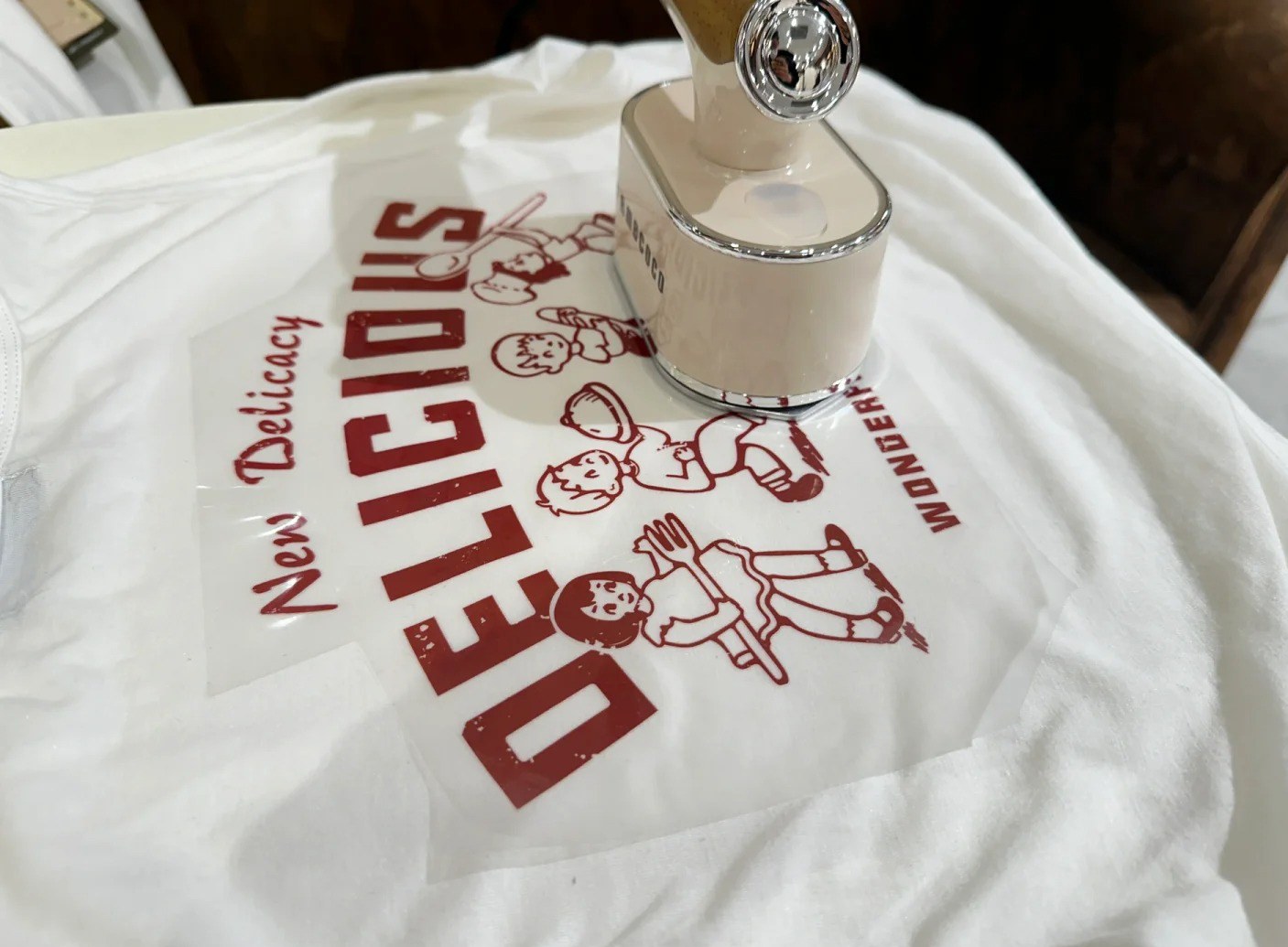
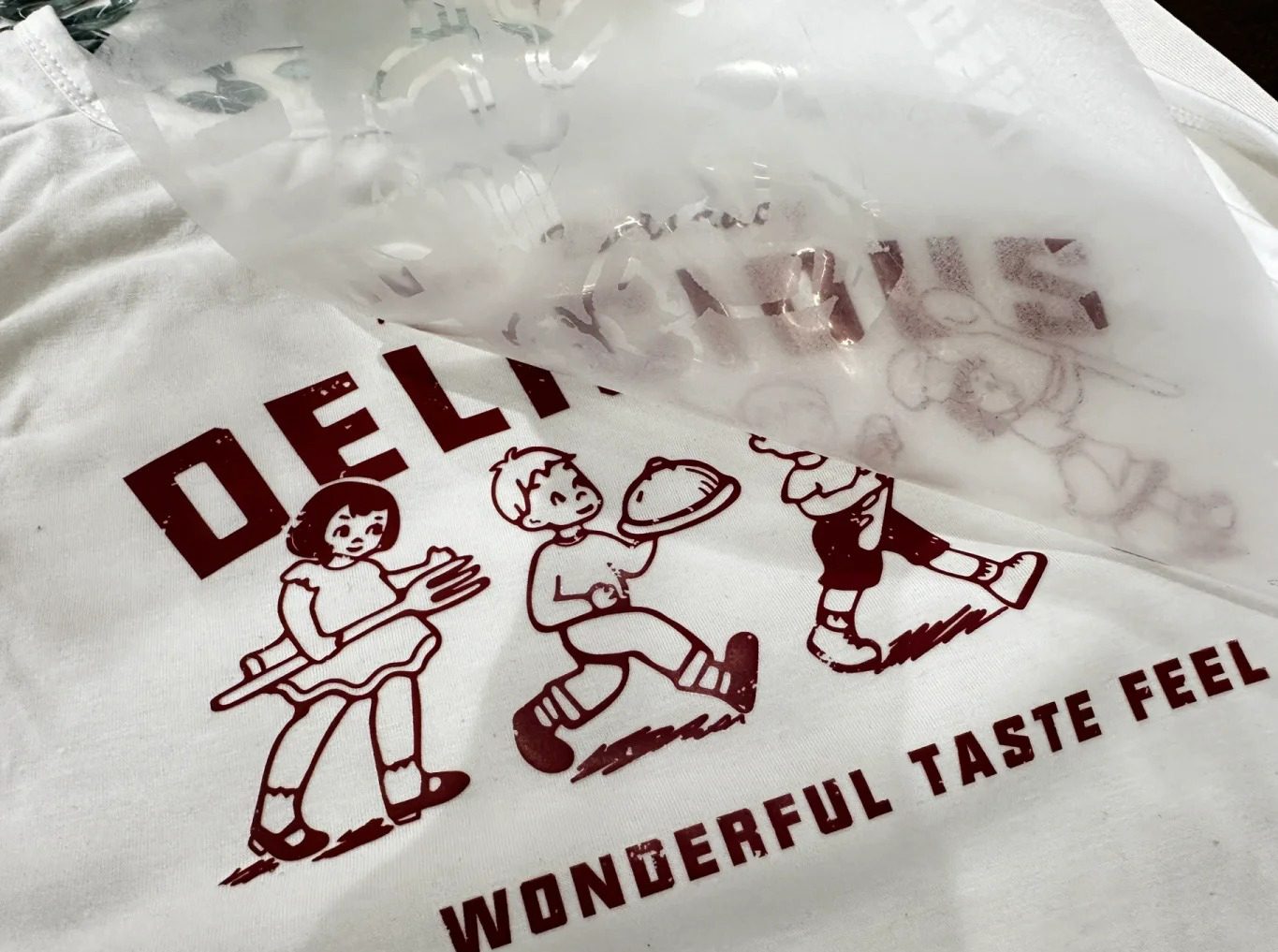
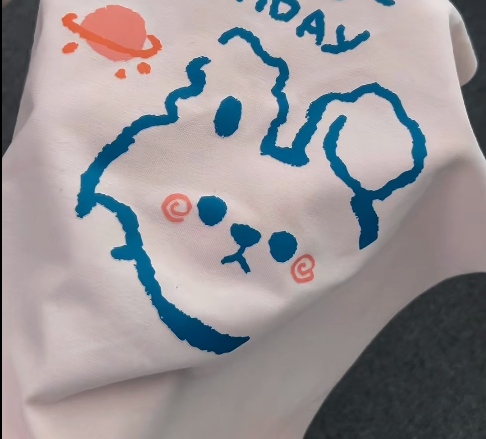
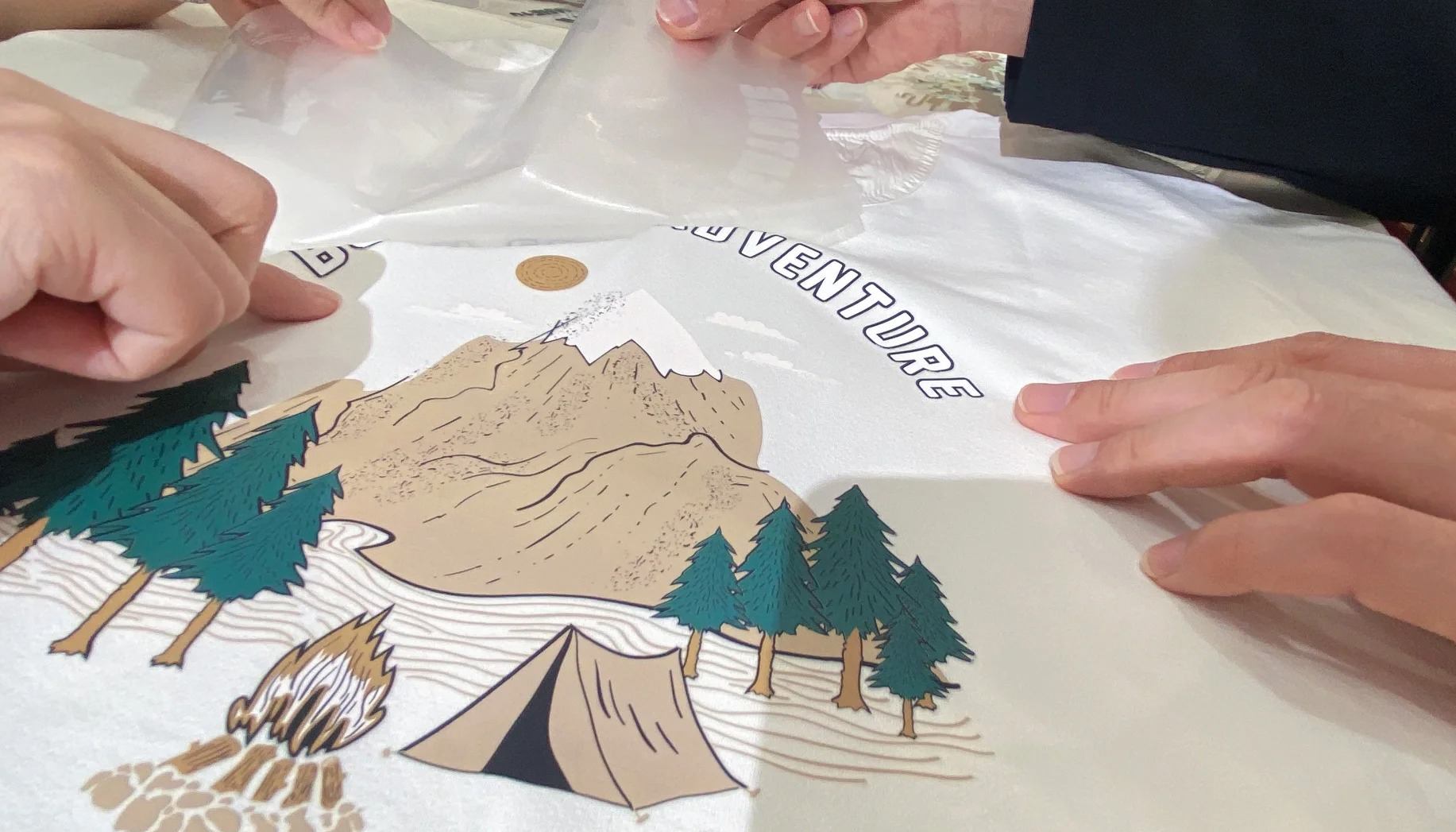
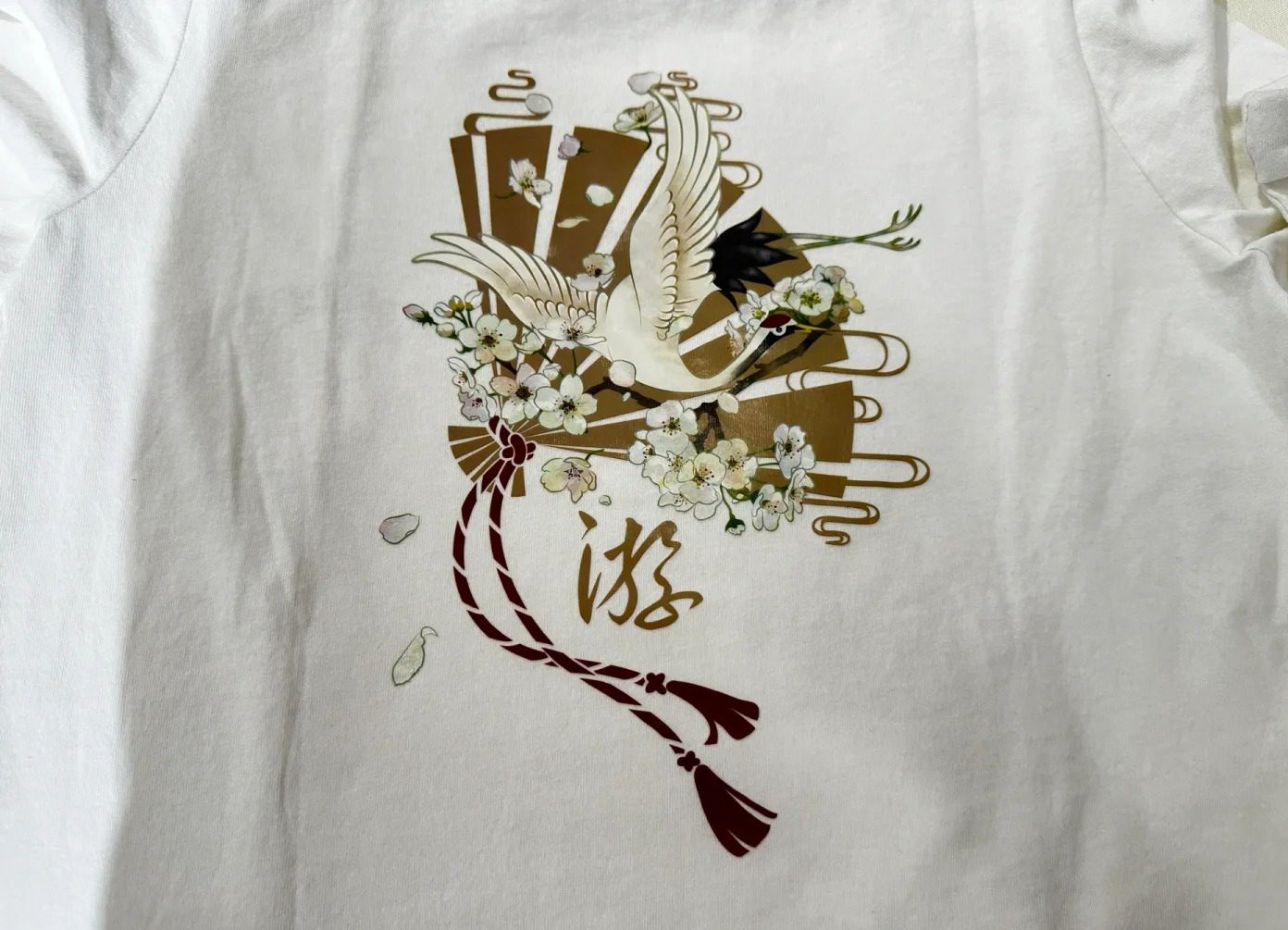
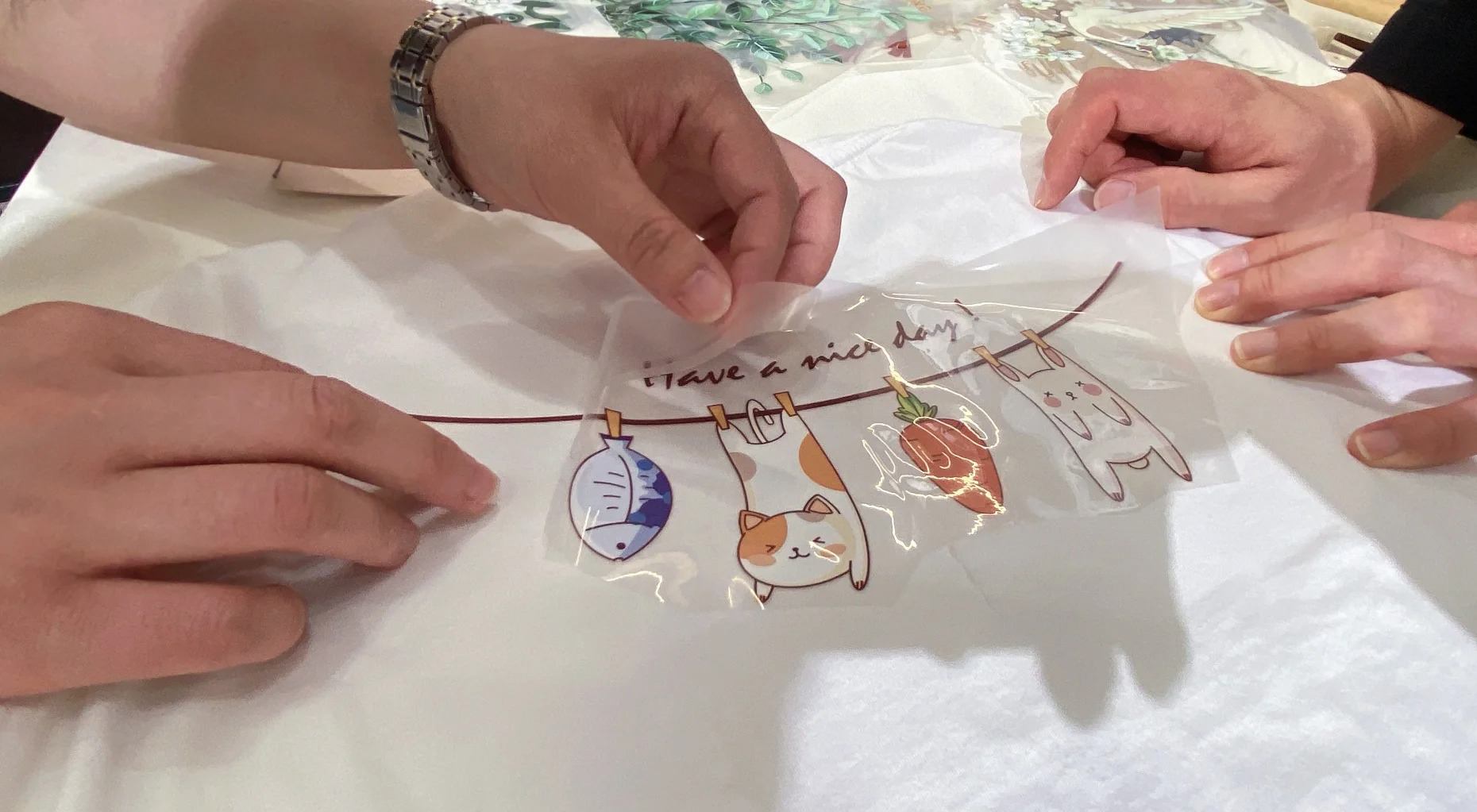
Dye Sublimation Printing Samples & Finished Products
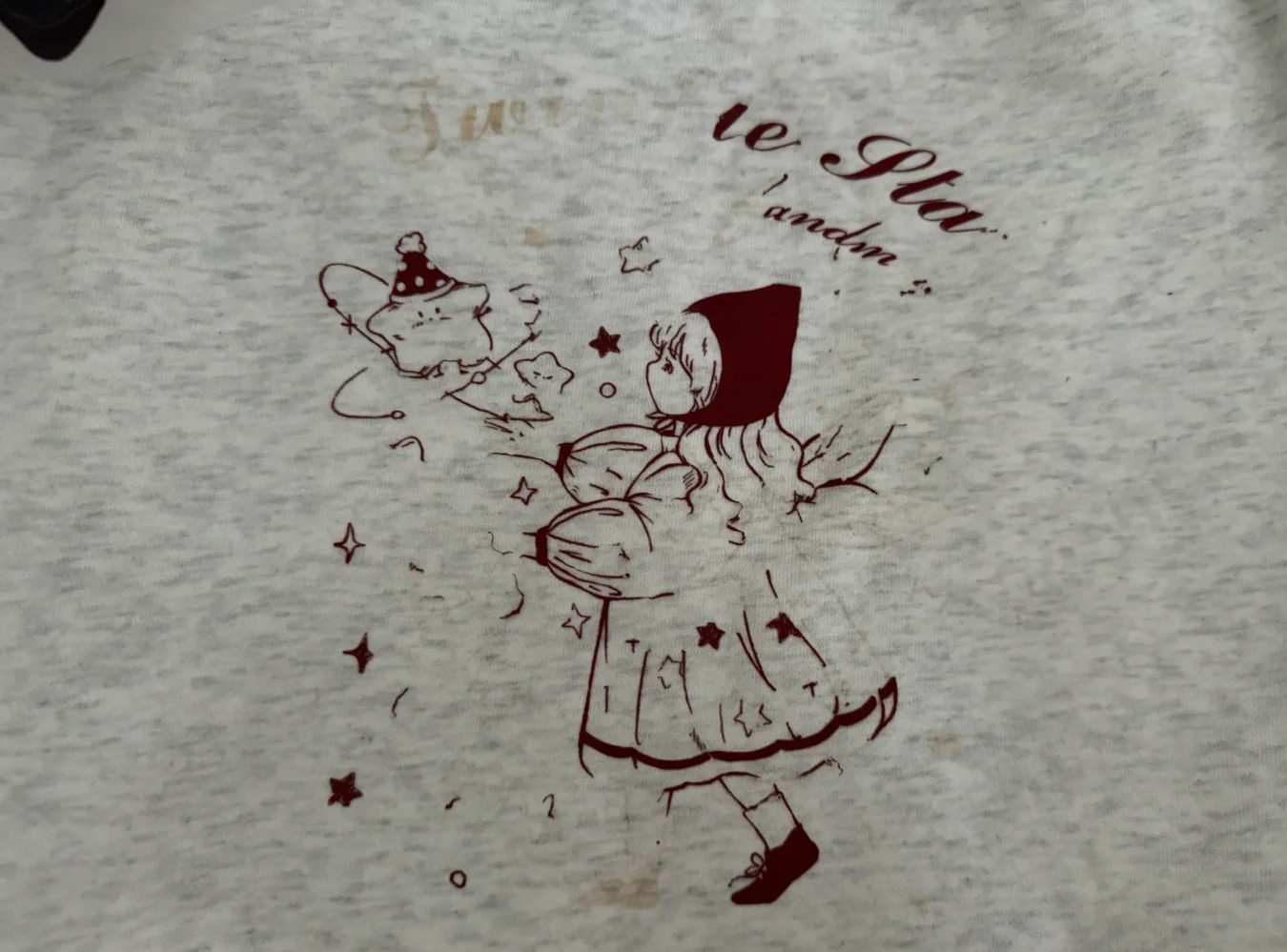
Why Dye Sublimation Printing Stands Out
SELMOND‘s in-house dye sublimation printing delivers what screen printing and heat transfer cannot — photorealistic color, edge-to-edge coverage, and zero hand-feel that lasts through every wash cycle, perfect for custom varsity jackets, baseball jerseys and team uniforms.
Unlimited Vibrant Color Depth
Dye sublimation printing infuses ink into polyester fibers, delivering photorealistic gradients, shading and full-color artwork without dot screens or color limits.
Edge-to-Edge Coverage Without Underbase
Print seamlessly across seams, sleeves and panels with no white underbase or registration gaps — perfect for full-dye jerseys and all-over designs.
Zero Hand-Feel, Pure Softness
Because dye becomes part of the fabric, there’s no raised ink layer, no stiffness and no cracking — just soft, breathable team apparel.
Permanent Durability Through Wash Cycles
Sublimated graphics never peel, fade or crack. The color is locked into the polyester, surviving industrial laundering and heavy team use season after season.
Photorealistic Detail & Fine Gradients
Reproduce complex logos, sponsor artwork, player photos and gradient backgrounds with clarity that screen printing and heat transfer simply cannot match.
Ideal for Performance Polyester Blends
Dye sublimation printing works best on polyester and poly-blend fabrics, making it the natural choice for moisture-wicking jerseys, athletic uniforms and activewear.
Dye Sublimation Applications & Variants
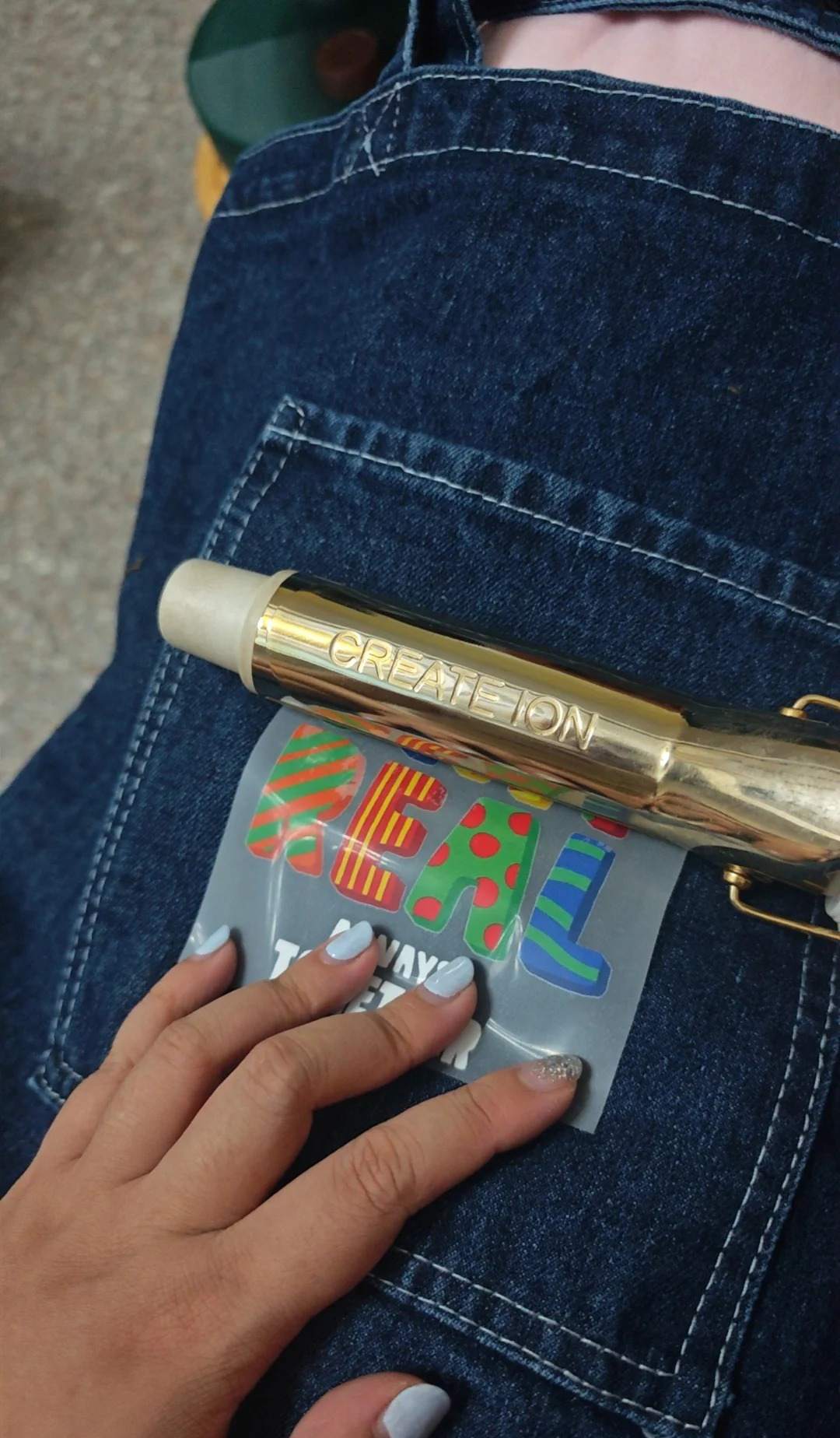
Full-Dye Sublimated Jerseys
Edge-to-edge full-color printing on moisture-wicking polyester mesh or tricot. Unlimited colors, gradients, photos and complex graphics with no fade, cracking or peel. Ideal for baseball, basketball and esports jerseys where bold team identity and durability matter. Names, numbers and logos are part of the fabric, not layered on top.
Get a QuoteAbout SELMOND — Dye Sublimation Printing Experts Since 1998
Founded in 1998 in Humen, Dongguan — the heart of China’s garment and decoration manufacturing region — SELMOND has spent over 28 years perfecting the art of team apparel decoration. What started as a small family cut-and-sew workshop has evolved into a full-scale manufacturer with 200+ skilled employees, a dedicated dye sublimation printing floor, and monthly capacity exceeding 80,000 pieces across varsity jackets, jerseys, caps and uniforms.
SELMOND’s dye sublimation printing capability is built in-house, not outsourced. Our dedicated sublimation stations integrate directly with cut-and-sew lines, ensuring color consistency, edge-to-edge coverage, and zero ghosting on every garment. From artwork digitizing and color-matching strike-offs to full-dye jerseys and sublimated panels, we control every step — so your team apparel looks sharp, wears clean, and ships on time.
With embroidery, chenille, tackle twill and screen printing under the same roof, SELMOND offers true one-stop decoration for over 2,000 brands and teams worldwide. Whether you need 100 sublimated baseball jerseys, custom varsity jackets with chenille letters, or custom baseball caps with embroidered logos, we deliver OEM, ODM and private-label production with the craftsmanship, flexibility and reliability your brand deserves.
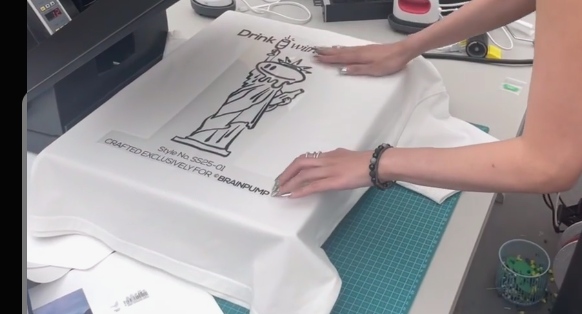
Dye Sublimation Printing: Deep Dive into Our Process & Equipment
Disperse Dye Ink & Heat-Press Technology
SELMOND uses industrial-grade disperse dye inks formulated for polyester fiber bonding, paired with precision heat-press and tunnel-oven equipment calibrated to 200°C and 60 seconds. This chemistry ensures permanent color transfer without cracking, peeling or fading through wash cycles.
- High-concentration disperse dye inks sourced from certified suppliers
- Large-format heat presses up to 1.8 m wide for full-panel jerseys
- Tunnel ovens with multi-zone temperature control for consistent curing
- Real-time temperature and pressure monitoring on every production run
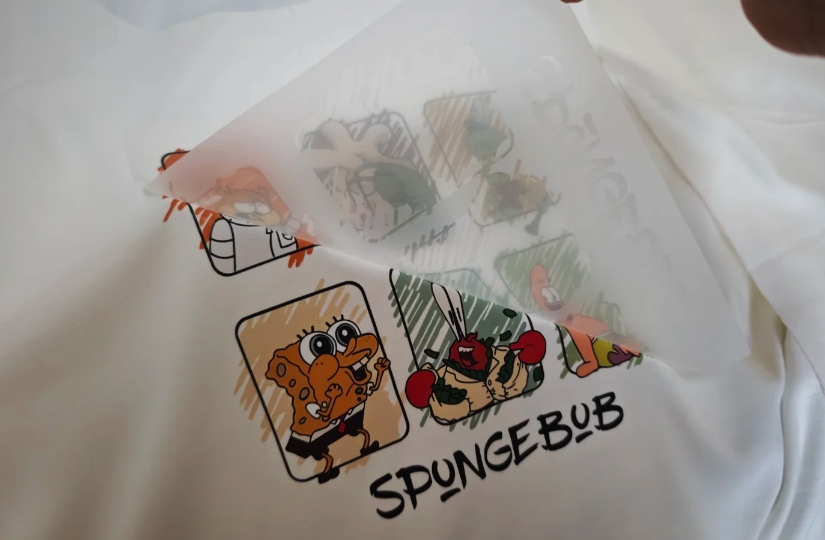
Polyester Fabric Selection & Pre-Treatment
Not all polyester is sublimation-ready. We source white and light-base 100% polyester tricot, mesh and interlock from trusted mills, pre-inspect every roll for surface defects, and run test swatches before bulk printing to verify dye uptake and color brightness — the same rigorous process we apply to custom baseball jerseys, team uniforms and custom beanies.
- 100% polyester tricot, mesh and interlock in white and light bases for jerseys, caps and beanies
- Mill certifications for colorfastness and dimensional stability
- Pre-production swatch testing for dye absorption and hand feel
- Roll inspection to eliminate surface contaminants before transfer
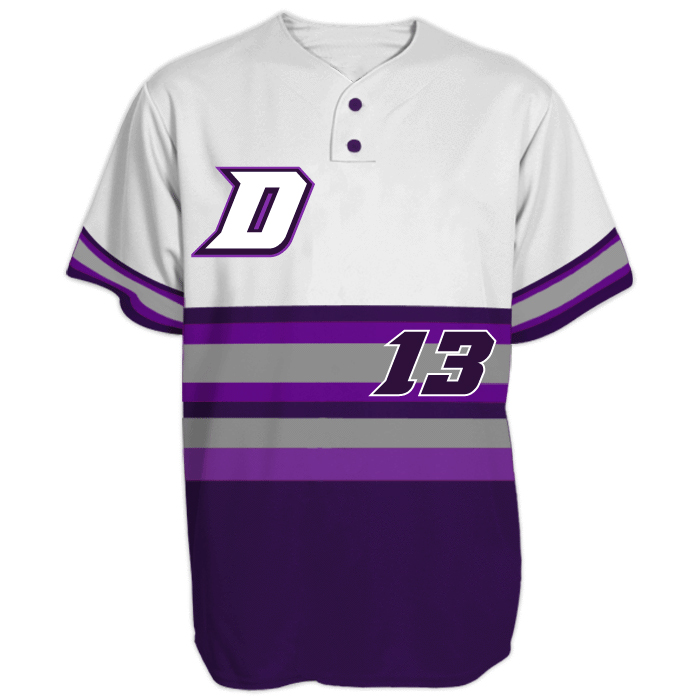
Color Matching & Strike-Off Workflow
Every dye sublimation printing project begins with digital artwork proofing and physical strike-off samples. Our design team adjusts color profiles to match your Pantone or hex references, prints test panels on production fabric, and ships approval samples before committing to bulk runs.
- Pantone and hex color matching with ICC profile calibration
- Strike-off samples printed on actual production polyester fabric
- Artwork proofs showing full layout, gradients and photo placements
- Client approval required before any bulk dye sublimation printing begins
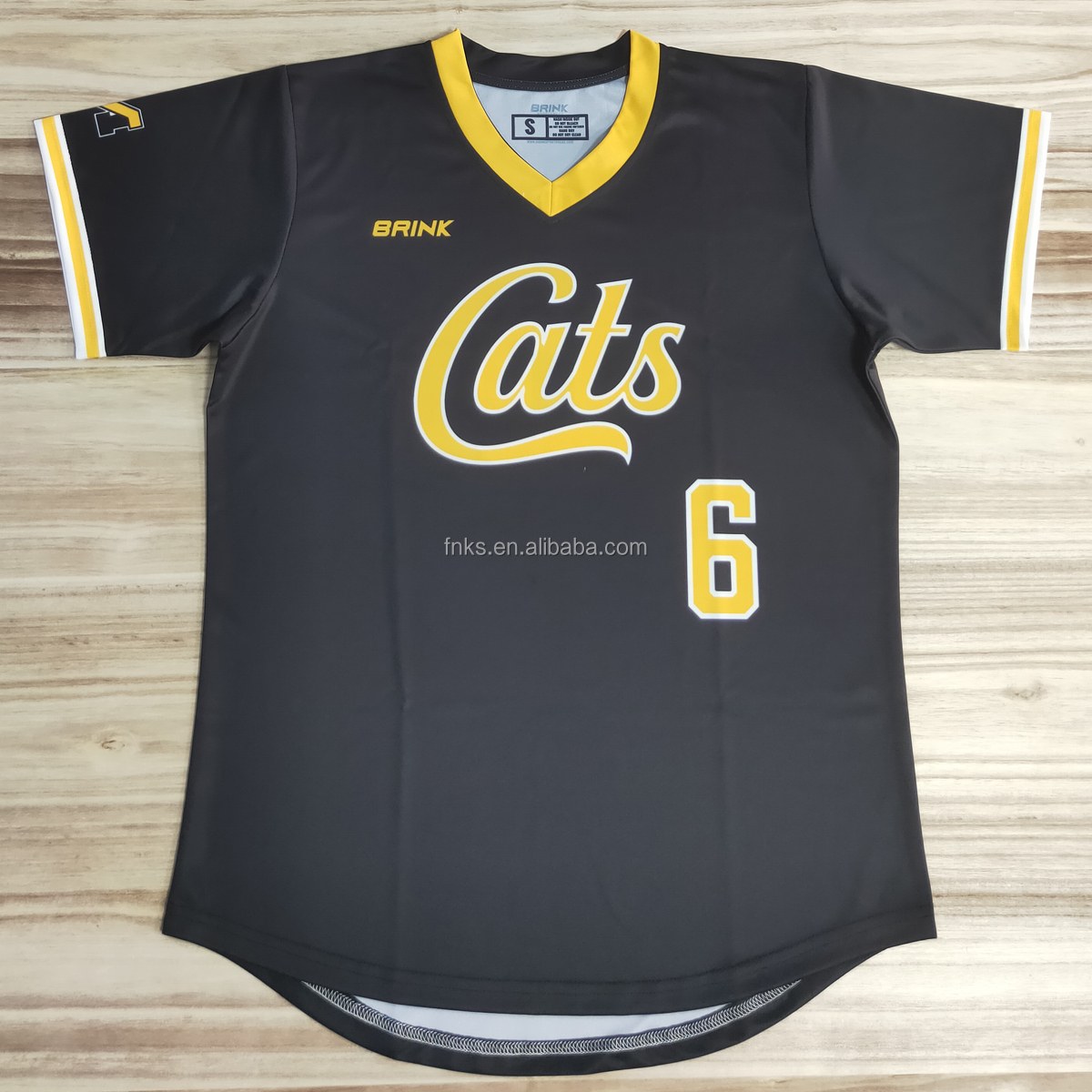
Edge-to-Edge Coverage & Quality Control
Full-dye sublimation demands precision alignment and zero ghosting. SELMOND prints edge-to-edge panels, inspects every transfer for registration accuracy, checks seam allowances to prevent color bleed, and runs in-line QC at heat-press, cutting and assembly stages.
- Edge-to-edge panel printing with bleed margins for clean seams
- Registration checks to align repeating patterns and logos
- In-line inspection at transfer, cutting and sewing stations
- Final garment audit for color consistency and decoration placement
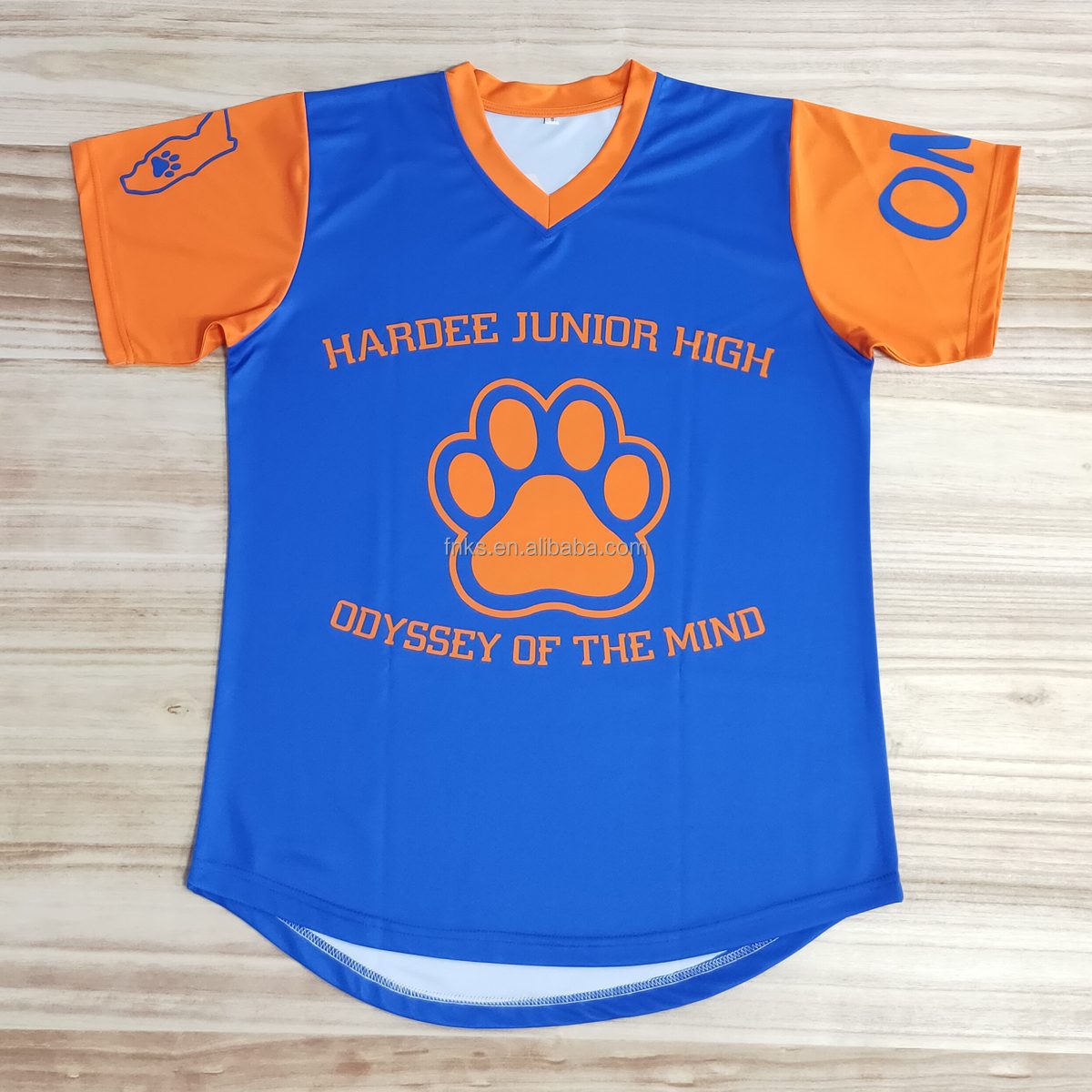
Why Choose SELMOND for Dye Sublimation Printing
We’re not just a print shop — we’re a full-scale team apparel manufacturer with 28+ years of in-house decoration expertise, from design and sampling to bulk production and quality control.
← 左右滑动查看 →
Dye Sublimation Printing Production Flow
Every full-dye jersey and sublimated team uniform moves through six quality-controlled phases in our Dongguan facility, ensuring edge-to-edge color accuracy, durability and sharp detail from artwork to final inspection.
Artwork Digitization & Color Separation
Your logo, team name and design are digitized, color-separated and matched to Pantone or PMS standards, then formatted for full-bleed sublimation transfer with bleed margins and registration marks.
Sublimation Transfer Paper Preparation
High-resolution artwork is printed onto wide-format dye-sublimation transfer paper using specialized sublimation inks, pre-cut to garment panel dimensions for precise alignment and minimal waste.
Heat-Press or Tunnel-Oven Sublimation
Transfer paper is aligned on polyester fabric panels and run through industrial heat presses or continuous tunnel ovens at controlled temperature and pressure, bonding dye into fiber permanently.
Cooling and Setting
Sublimated panels are cooled on flat racks to lock dye molecules into the polyester structure, preventing color migration and ensuring vibrant, wash-fast graphics that will not crack or peel.
Quality Inspection
Each panel is inspected under controlled lighting for color accuracy against approved strike-offs, edge sharpness, registration alignment, fabric hand-feel and any ghosting, streaking or transfer defects before cut-and-sew.
Garment Finishing and Packing
Approved sublimated panels are cut, sewn into jerseys or uniforms, pressed, fitted with labels and hang tags, folded to spec, poly-bagged and carton-packed for export with full traceability documentation.
How to Commission Dye Sublimation Printing with SELMOND
From artwork submission to full-color jerseys on your doorstep — our five-step process ensures your dye sublimation printing is vibrant, accurate and production-ready.
Submit Your Artwork & Garment Spec
Send your design file in RGB or CMYK format, specify polyester fabric weight, garment style and sublimation placement. Our team reviews file resolution and color profiles to ensure print-ready artwork.
Receive Color Strike-Off & Sample
SELMOND produces a physical color strike-off and full sample garment using your artwork. Review fabric hand, color accuracy and heat-press finish before approving bulk production.
Approve and Place Bulk Order
Confirm quantities, sizes and any final artwork tweaks. Lock in production schedule and deposit terms. Your pattern, artwork files and heat-press settings are saved on file for future re-orders.
Production with In-Line Quality Control
Your order enters our dedicated sublimation line. Every piece is heat-pressed, inspected for color consistency, seam integrity and fabric stretch, then packed to your labeling and packaging requirements.
Global Delivery & Re-Order Support
Finished garments ship via sea or air freight with full export documentation. Re-orders are faster — your artwork, fabric specs and heat-press profiles remain on file for consistent results.
Customer Testimonials — Dye Sublimation Printing Success Stories
SELMOND’s dye sublimation printing delivered perfect color accuracy on our first 250-piece baseball jersey order. After 30+ washes, zero fading or cracking. The sublimation paired flawlessly with their chenille lettering — exactly what our club needed.
We needed full-dye jerseys with tackle-twill numbers in under 21 days. SELMOND’s sublimation team turned artwork around in 48 hours, strike-offs in 3 days, and shipped on time. Color match to our Pantone spec was spot-on across all 18 sizes.
As a screen printer expanding into sublimation, SELMOND’s dye sublimation printing gave us the edge-to-edge coverage our clients demanded. 500-piece run, zero ghosting, and their in-house embroidery integrated seamlessly. Our repeat order rate jumped 40%.
Dye Sublimation Printing FAQ
What fabrics work with dye sublimation printing?
Is there a color limit with dye sublimation printing?
What is the minimum order quantity for dye sublimation printing?
What file format and resolution do you need for dye sublimation printing?
How durable is dye sublimation printing after washing?
Can you combine dye sublimation printing with embroidery or tackle twill?
What is the typical lead time for dye sublimation printing orders?
Do you charge separately for dye sublimation printing setup or artwork?
The Complete Buyer’s Guide to Dye Sublimation Printing for Custom Team Apparel
Navigate the world of dye sublimation printing with confidence. This guide delivers a proven decision framework, supplier evaluation criteria, material selection strategies, and the most common mistakes to avoid when sourcing custom team uniforms and apparel.
1. What Is Dye Sublimation Printing?
Dye sublimation printing applies heat (typically 375–400°F) and pressure to convert solid dye particles into gas, which then bonds permanently with polyester fibers. Unlike screen printing, which lays ink on top of fabric, or heat transfer, which applies a film layer, sublimation dye becomes part of the fiber itself — meaning no hand, no cracking and no fade after repeated washing.
The process works only on polyester or polymer-coated surfaces because the dye requires open polymer structures to lock into. This chemistry is why full-dye jerseys, caps and uniforms achieve photographic-quality gradients, unlimited colors and edge-to-edge graphics that screen printing cannot match economically at low volumes.
SELMOND’s dedicated sublimation stations handle full-dye baseball jerseys, custom varsity jackets, team uniforms and custom apparel from 100 pieces per style, supporting brands that need complex multi-color designs without the setup costs and color-count limits of traditional screen printing. If your project demands vivid, all-over graphics and breathable polyester performance fabrics, dye sublimation printing is the right decoration method.
2. The Evolution of Dye Sublimation Printing Technology
Dye sublimation printing emerged in the 1950s as an industrial textile process, but remained cost-prohibitive and limited to large-scale runs until digital inkjet heads were integrated in the 1990s. That shift replaced analog film separations with direct-to-transfer printing, cutting setup time and enabling shorter runs. By the early 2000s, desktop sublimation systems allowed small decorators to produce custom jerseys and caps at MOQs below 50 pieces, transforming team apparel from inventory-heavy stock programs into on-demand decoration.
Polyester fabric innovation accelerated adoption. High-performance moisture-wicking polyester tricot and mesh — engineered specifically for sublimation — delivered edge-to-edge color saturation, eliminated dye migration, and held Pantone accuracy within ±5% under heat. Sports apparel brands adopted full-dye sublimation for baseball jerseys, basketball uniforms, and racing wear because the process embedded ink below the fabric surface, preserving breathability and eliminating the hand feel of traditional screen prints.
Modern roll-to-roll sublimation lines now run at speeds exceeding 100 square meters per hour, supporting bulk orders of 500-plus pieces while maintaining the same color fidelity that desktop systems deliver on samples of 10.
3. Types of Dye Sublimation Printing Methods
Dye sublimation printing spans several workflows, each optimized for different garment types, production scales and decoration coverage. Understanding which method matches your project scope — from single-team orders to multi-thousand-piece runs — determines lead time, color consistency and per-piece cost.
Transfer-Paper Sublimation
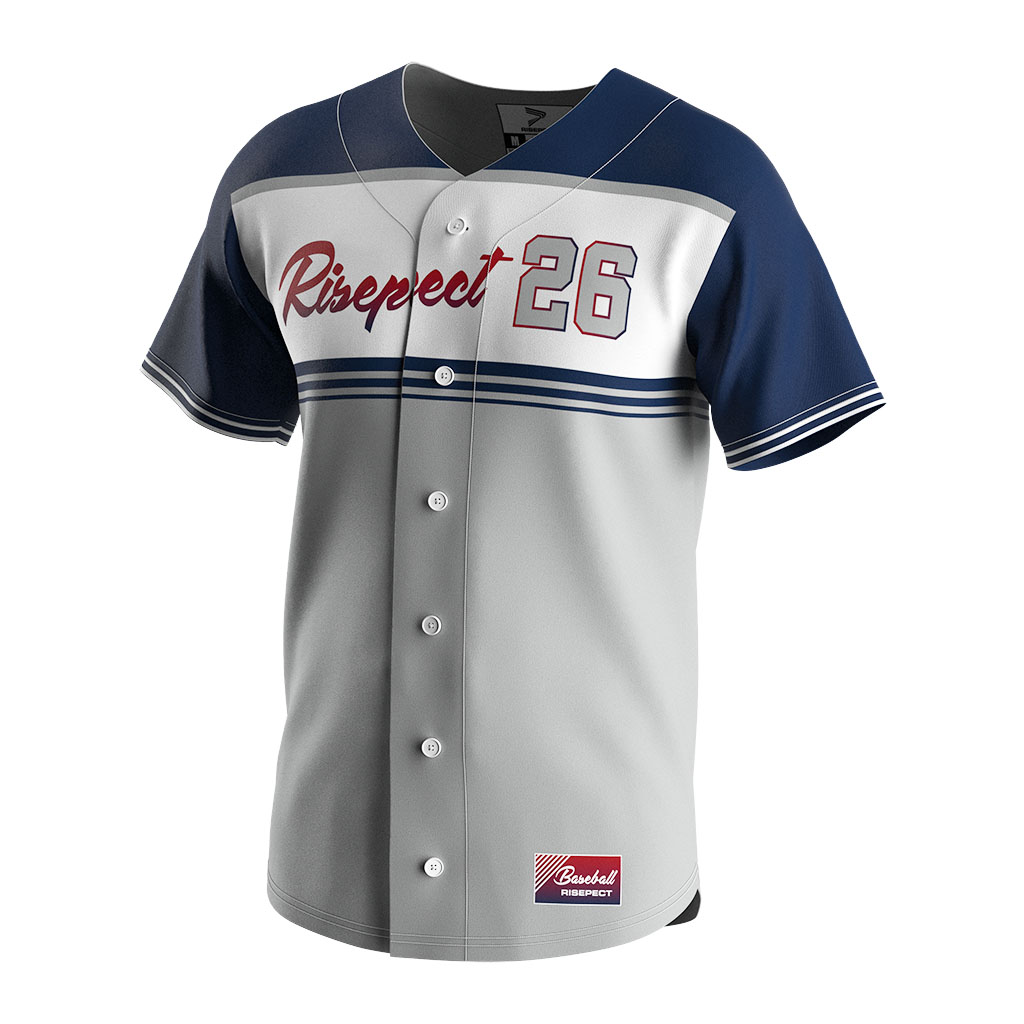
Transfer-paper sublimation prints designs onto coated paper, then heat-presses the paper onto polyester fabric. Equipment includes a wide-format sublimation printer and a heat press or calendar. It suits low-to-mid volume runs (100–500 pieces) and delivers vibrant, photographic color.
Best for cut-and-sew jerseys, caps panels and small team orders where setup speed matters more than per-piece throughput. MOQ typically starts at 100 pieces per design.
Roll-to-Roll Calendar Systems
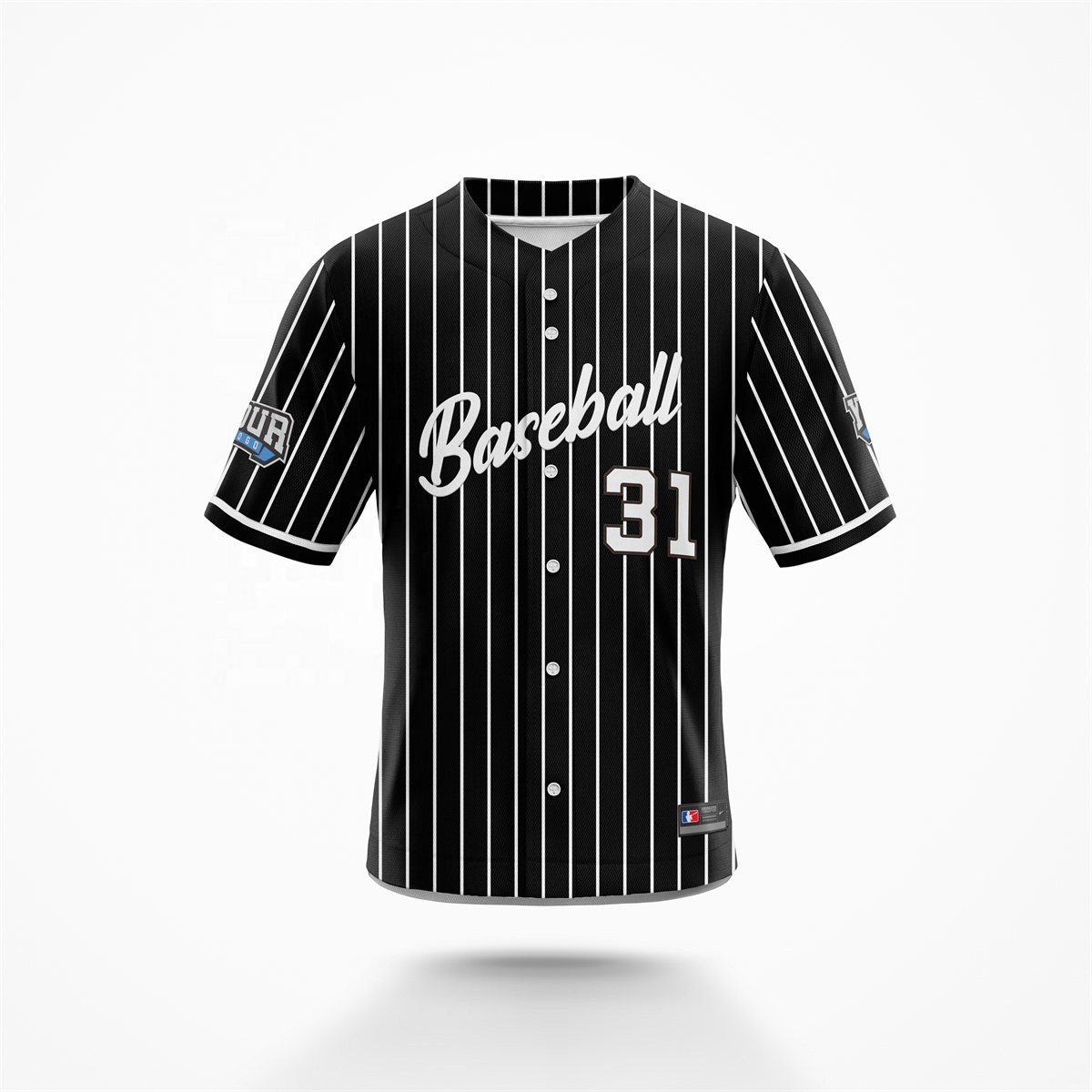
Roll-to-roll calendars feed printed transfer paper and fabric together through heated drums at high speed. This continuous process handles 500–5,000+ pieces per run with consistent pressure and temperature, ideal for full-dye team uniforms and large wholesale orders.
Color vibrancy remains uniform across every garment. MOQ often rises to 300–500 pieces to justify setup, but per-piece cost drops sharply at scale.
Cut-and-Sew Sublimation
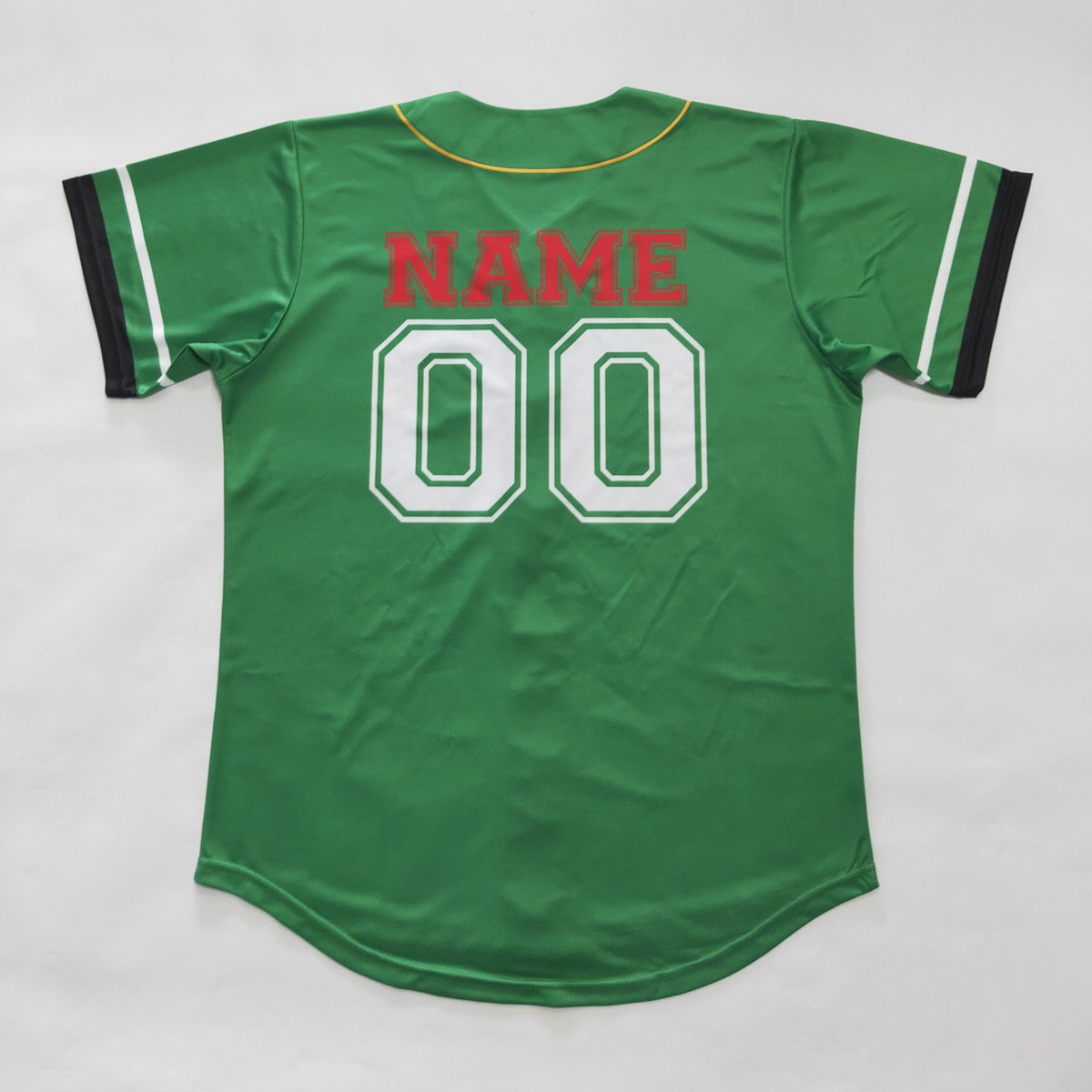
Cut-and-sew sublimation prints fabric panels before garment assembly, enabling all-over edge-to-edge graphics without seam interruption. SELMOND’s in-house cut-and-sew lines pair sublimated polyester bodies with contrast sleeves, ribbed trims and tackle-twill lettering for varsity-style jerseys and warm-up jackets.
This method supports complex colorways and custom panel layouts. Minimum orders start at 100 pieces, balancing decoration cost with pattern and assembly labor.
4. Materials and Fabrics for Dye Sublimation Printing
Dye sublimation printing requires synthetic polymer fibers to bond the gaseous dye at the molecular level. Polyester and polyester blends dominate team apparel because they accept sublimation inks permanently, while cotton, wool and other natural fibers lack the open polymer structure necessary for dye migration.
| Fabric Type | GSM Range | Breathability | Typical Use |
|---|---|---|---|
| 100% Polyester Mesh | 140–180 | High | Baseball jerseys, team uniforms |
| Poly-Spandex Blend | 160–200 | Medium-High | Performance jerseys, cycling kits |
| Polyester Tricot | 200–260 | Medium | Warm-up jackets, track suits |
| Polyester Fleece | 240–280 | Low-Medium | Hoodies, winter team apparel |
| Lightweight Poly | 100–140 | High | Cap panels, windbreakers |
Why Polyester Is Required for Sublimation
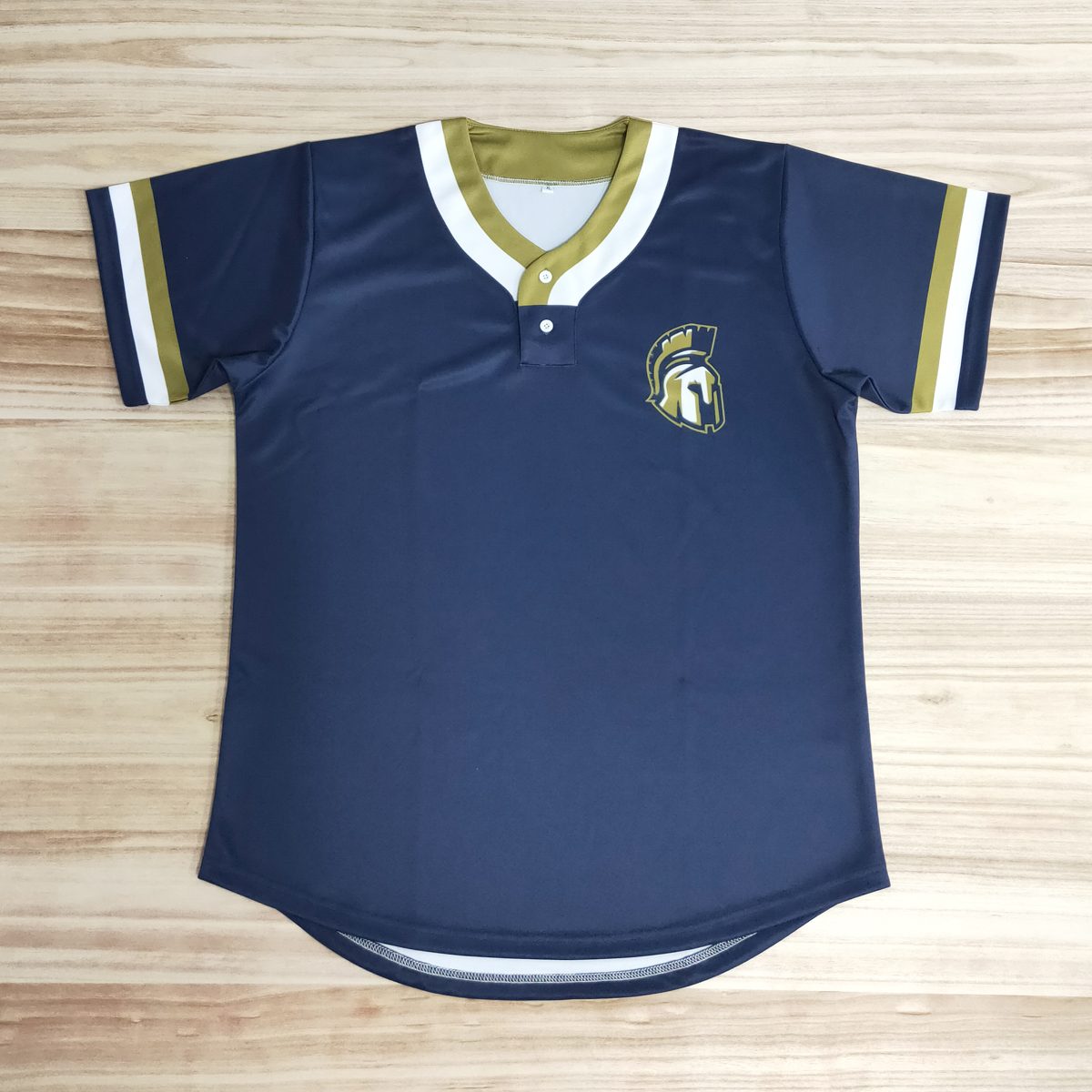
Sublimation dye bonds only to polyester fibers when heated above 180°C. Cotton, wool and rayon fibers cannot open their molecular structure to accept gaseous dye, resulting in no color transfer.
Blends below 65% polyester yield washed-out prints because insufficient polymer surface area is available. SELMOND sources 100% polyester tricot, mesh and fleece from trusted Chinese mills to guarantee full-saturation edge-to-edge graphics that survive commercial laundry cycles.
Common Polyester Fabrics and GSM Ranges
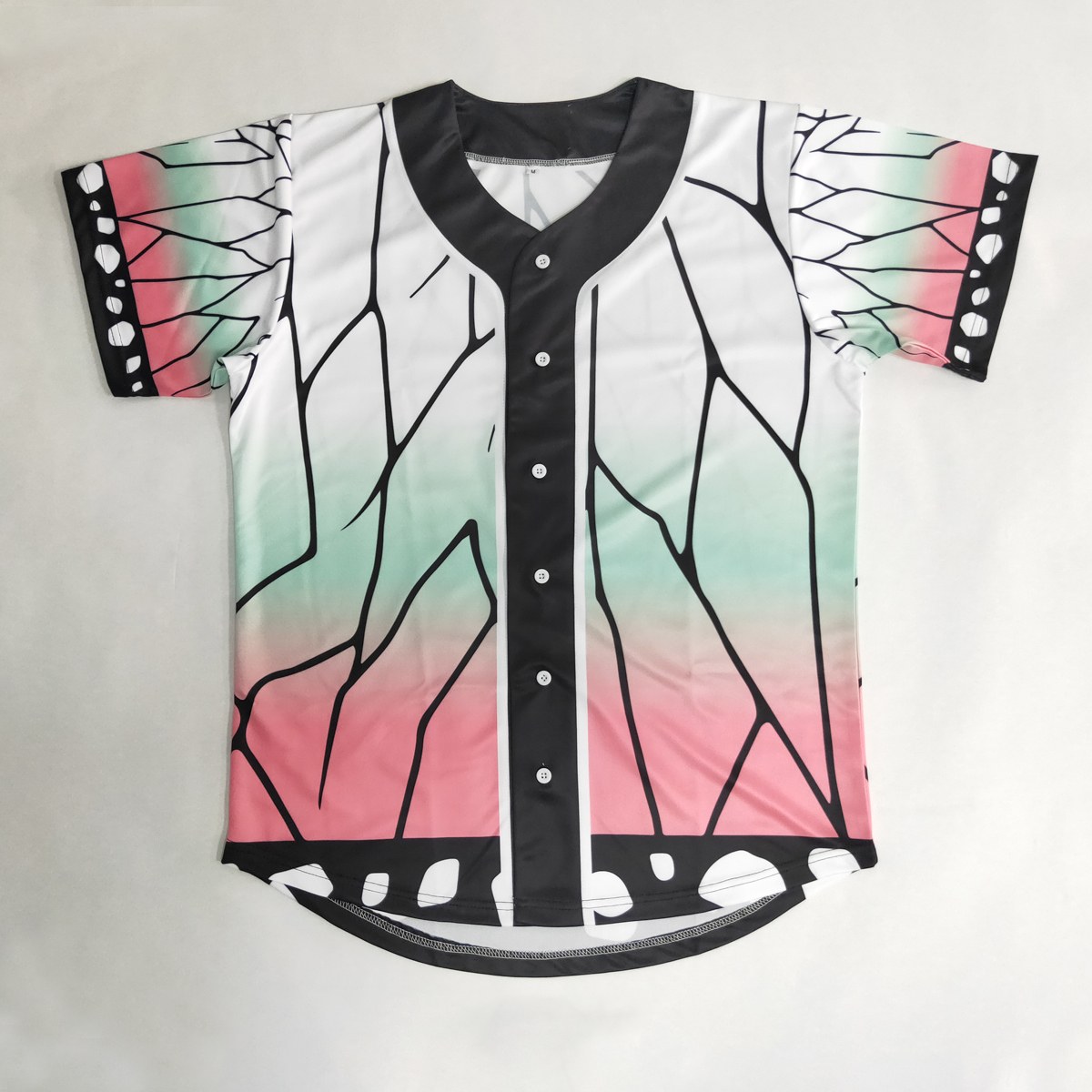
Jerseys typically use 140–180 GSM moisture-wicking mesh or birdseye polyester for breathability. Warm-up jackets and track suits run 200–260 GSM tricot or brushed-back fleece for warmth and structure. Cap panels and lightweight shells sit at 100–140 GSM to reduce bulk under decoration.
Poly-spandex blends (90/10 or 85/15) add 10–20 GSM and deliver four-way stretch for performance fit without sacrificing dye acceptance.
Fabric Finish and Print Appearance
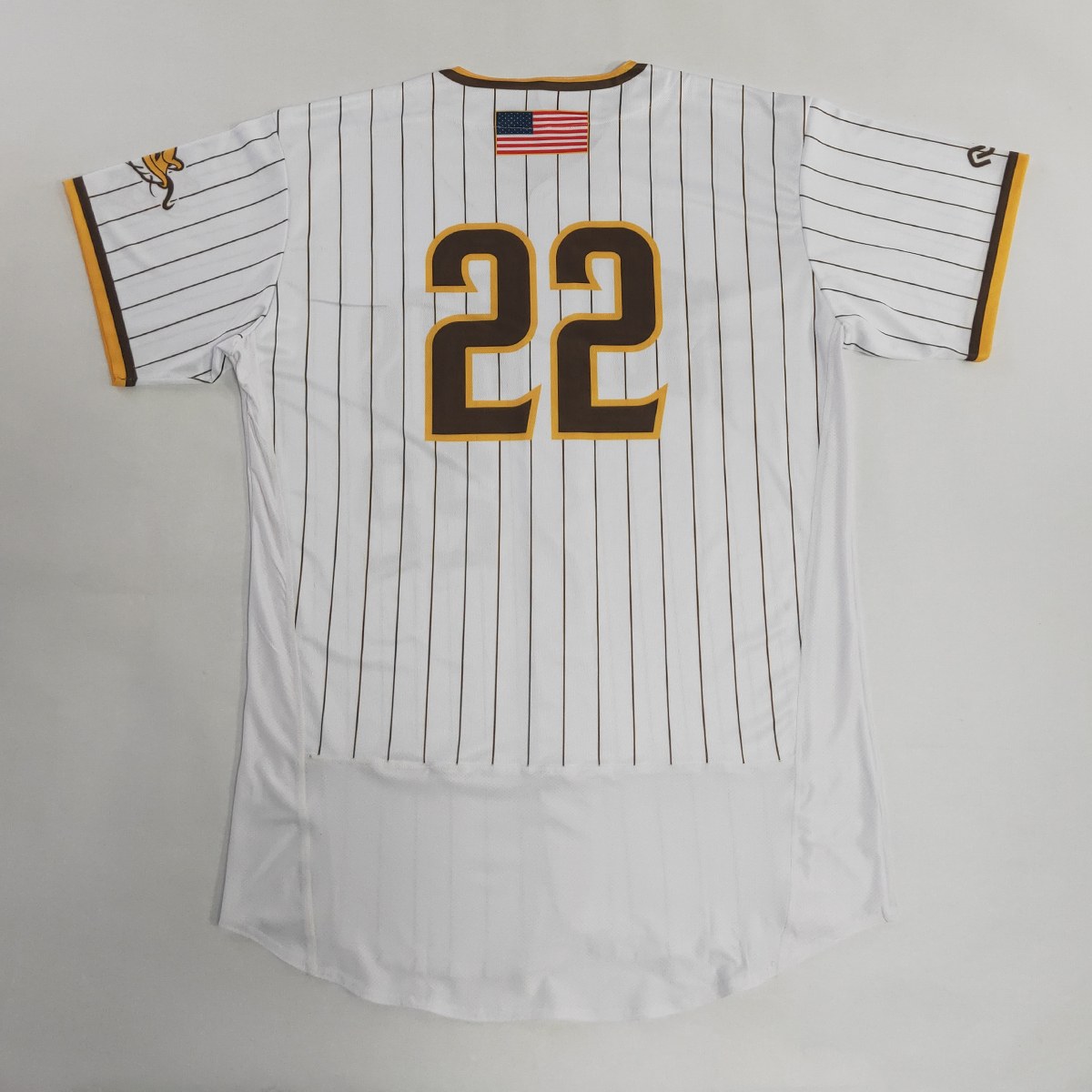
Matte-finish polyester diffuses light and produces softer, vintage-look graphics ideal for retro team uniforms. Shiny tricot and satin-finish fabrics reflect light, intensifying color saturation and creating vibrant, high-contrast prints favored for modern baseball jerseys and racing apparel.
SELMOND provides fabric strike-offs and decoration proofs so clients preview finish and color before bulk production, ensuring the final garment matches brand expectations.
5. Customization Options in Dye Sublimation Printing
Dye sublimation printing unlocks design freedom that traditional decoration techniques cannot match. Unlike embroidery or screen print, sublimation supports unlimited colors, photographic gradients, team logos, player names, numbers, sponsor patches and edge-to-edge all-over patterns in a single production pass.
Design Possibilities and Pattern Coverage
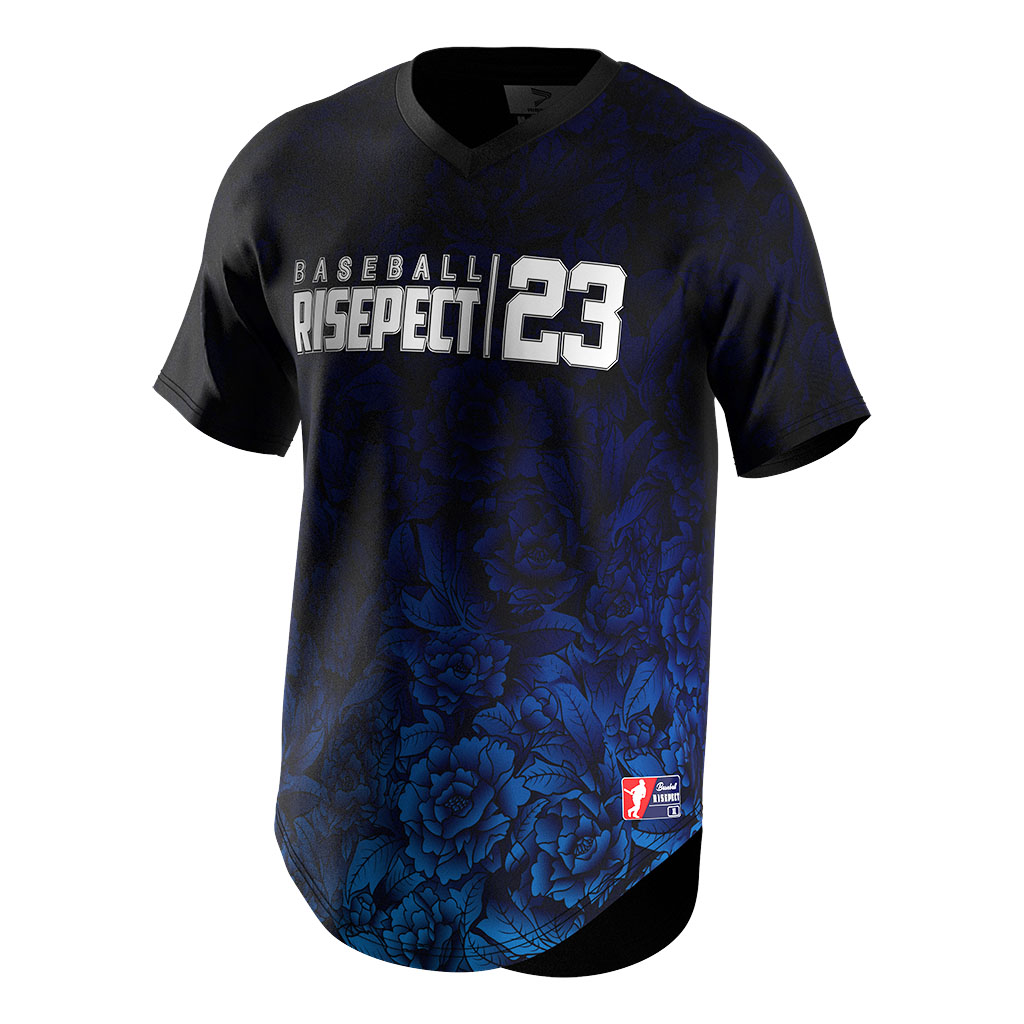
Full-dye sublimation covers every inch of a jersey or uniform — front, back, sleeves, collar — without color limits or registration concerns. Photographic gradients, ombré fades, custom team crests, repeating sponsor logos and individual player names integrate into the fabric structure rather than sitting on top.
SELMOND’s sublimation floor handles complex multi-layer artwork, edge-to-edge patterns and individual numbering across full team sets, with artwork proofs and strike-offs provided before bulk production.
Decoration Technique Comparison
Choosing the right decoration method depends on fabric type, color count, durability requirements and budget. The table below compares sublimation against embroidery and screen print across four key dimensions.
| Technique | Color Limit | Setup Cost | Wash Durability |
|---|---|---|---|
| Dye Sublimation | Unlimited | Low (digital) | Excellent (dye-bonded) |
| Embroidery | 8–12 typical | Medium (digitizing) | Very good (stitched) |
| Screen Print | 1–6 per design | High (screens per color) | Good (ink layer) |
File Formats and Resolution Requirements
Vector artwork (AI, EPS, PDF) scales without quality loss and is ideal for logos, text and team crests. Raster files (PNG, TIFF, PSD) require 300 DPI minimum at final print size to avoid pixelation on full-dye jerseys.
SELMOND’s design team converts low-resolution sketches, photos or ideas into production-ready sublimation files, including logo digitizing, color matching and full size-set grading before sampling.
6. Key Quality Indicators in Dye Sublimation Printing
Quality control in dye sublimation printing separates professional team apparel from amateur runs. SELMOND inspects every bulk order against five critical checkpoints before shipment, ensuring jerseys and uniforms meet the standards screen printers, brands and teams expect.
Color Accuracy and Pantone Limitations
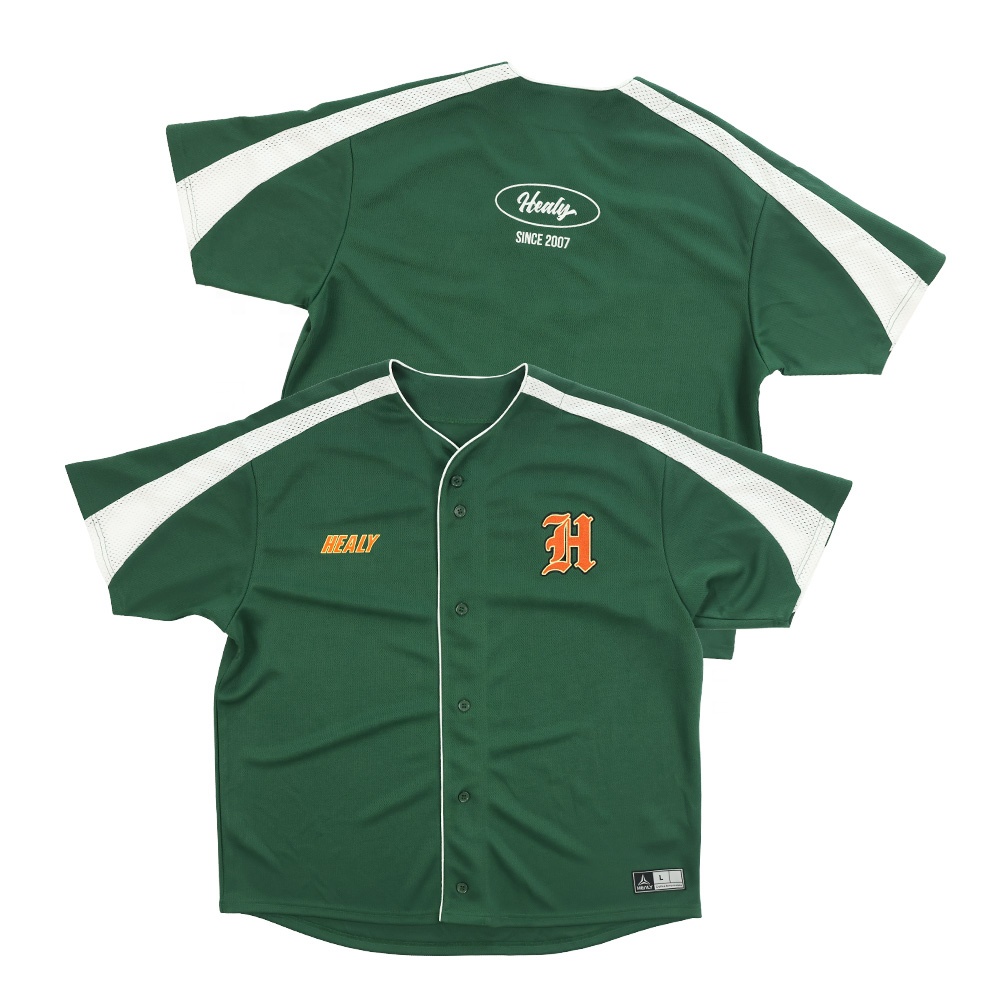
Sublimation inks work in CMYK, not spot Pantone, so exact PMS matching is impossible — expect a 5–10% shift on bright reds and oranges. Request a printed color swatch on your chosen fabric before bulk approval.
SELMOND provides strike-off samples with artwork proofs, letting clients compare digital files to real fabric output and adjust color profiles early.
Edge Sharpness and Banding
Inspect fine text, logos and gradients under natural light. Blurred edges signal low print resolution or incorrect heat settings; horizontal banding indicates printhead misalignment or inconsistent paper feed.
A sharp 300 DPI artwork file and calibrated sublimation press eliminate both issues, preserving crisp team numbers and sponsor logos wear after wear.
Seam Placement and Design Continuity
Side seams, raglan cuts and panel joins should align with artwork to avoid breaking logos or numbers mid-design. Pattern makers must map sublimation artwork onto flat panels before cutting.
SELMOND’s design team grades full size sets and positions seams outside critical graphic zones, ensuring continuity across chest, back and sleeves.
Wash-Fastness and Fabric Hand
Properly sublimated polyester retains color through 50+ industrial washes without cracking or fading. The fabric hand should stay soft — stiff or tacky surfaces indicate under-cured ink or low-grade transfer paper.
Request wash-test reports or run a sample through five hot cycles; any color bleed or surface change is a red flag before committing to bulk production.
7. How to Choose a Dye Sublimation Printing Manufacturer
Selecting the right dye sublimation printing partner determines whether your team apparel arrives with edge-to-edge color accuracy or washed-out graphics. Evaluate equipment, processes, minimums and communication before committing to any manufacturer.
Equipment and Color-Management Systems
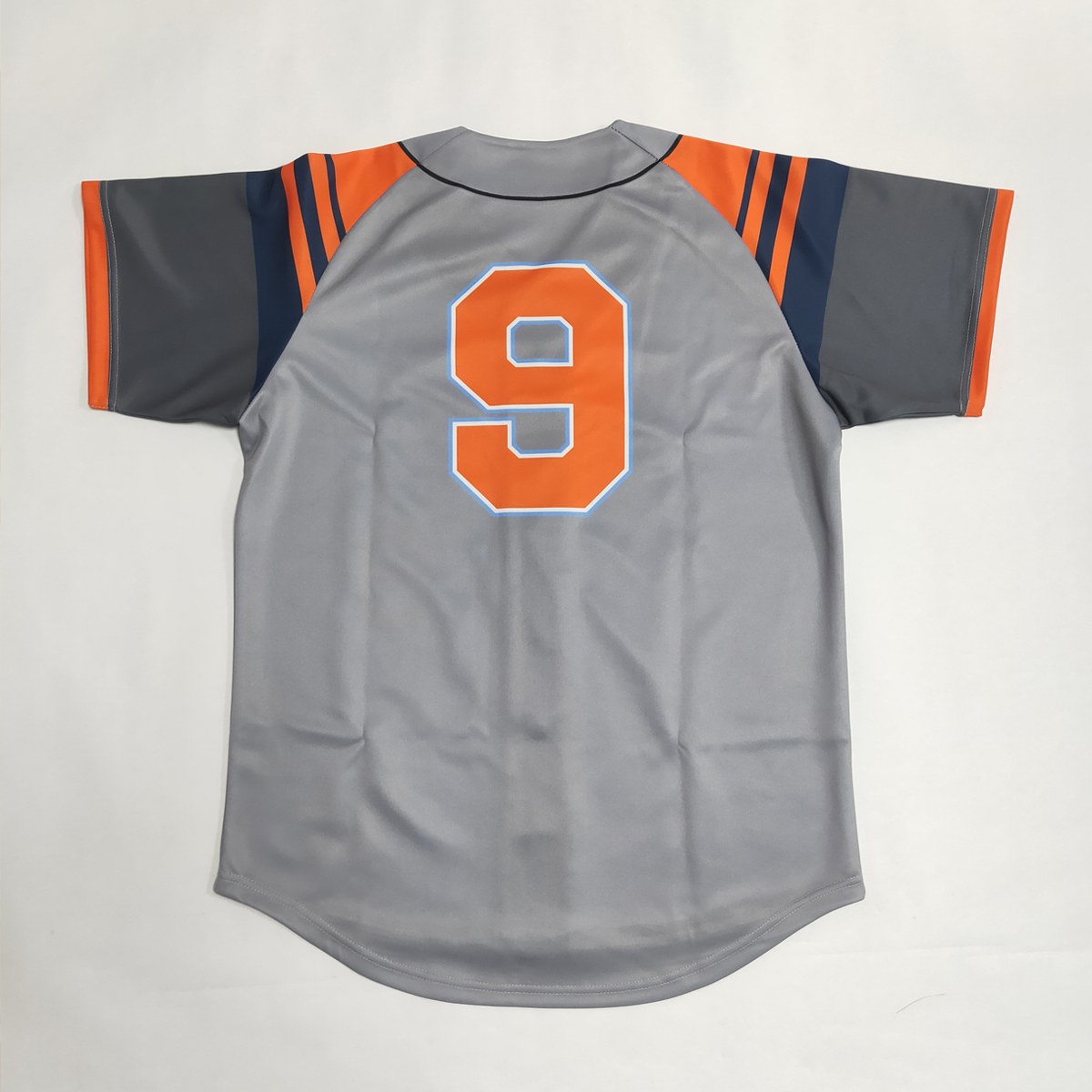
Calendar heat presses deliver consistent pressure and temperature across full jersey panels; direct-to-garment sublimation suits small runs but struggles with uniform coverage. Ask whether the factory uses Pantone-calibrated profiles and ICC color matching.
SELMOND runs dedicated sublimation stations with calendar presses and color-management software to ensure repeatable team colors across reorders and size sets.
Minimum Order Quantities and Sample Policies
MOQ thresholds range from 500 pieces at commodity suppliers down to 100 at flexible manufacturers. Confirm whether samples are strike-offs or production pieces, and whether artwork proofs and decoration samples ship before bulk.
SELMOND starts at 100 pieces per style and color, and provides artwork proofs plus physical samples before any production run begins.
Certifications, Lead Times and Geographic Fit
Oeko-Tex Standard 100 and ISO 9001 signal tested dye safety and process control. Typical lead times run 25–35 days from approval; domestic suppliers may ship faster but cost 40–60% more.
Overseas partnerships require clear communication channels — email, WhatsApp, WeChat — and payment flexibility like T/T, PayPal or USDT to reduce friction and support long-term collaboration.
8. Common Mistakes Buyers Make with Dye Sublimation Printing
Even experienced buyers stumble when ordering dye sublimation printing for the first time. Six common mistakes account for the majority of re-orders, delays and quality disputes — and every one is avoidable with the right prep work.
Ordering Cotton or Cotton-Blend Garments
Dye sublimation printing bonds only with polyester fibers; cotton, cotton-poly blends and natural fabrics reject the dye entirely, leaving faded or ghosted prints. SELMOND requires 100% polyester tricot, mesh or interlock for full-dye jerseys and team uniforms. Always confirm fabric content in the tech pack and request a fabric swatch or strike-off before bulk production.
Submitting Low-Resolution or RGB Artwork
Artwork below 150 DPI pixelates across large jersey panels, and RGB color profiles shift unpredictably when converted to sublimation CMYK. SELMOND’s design team requests vector files (AI, EPS, PDF) or raster files at 300 DPI minimum, saved in CMYK. Clients receive a digital proof and optional physical strike-off to approve colors and sharpness before any bulk run.
Skipping Sample Approval and Wash Testing
A screen proof never matches finished fabric; dye migration, seam placement and trim color only show on a sewn sample. SELMOND produces pre-production samples with full decoration, and recommends one wash cycle to verify colorfastness. Skipping this step leads to disputes over shade variation or print durability that could have been caught — and corrected — before the 5,000-piece order shipped.
9. Steps to Launch Your Custom Apparel Brand Using Dye Sublimation Printing
Launching a custom apparel brand with dye sublimation printing requires a clear workflow from concept to first sale. SELMOND supports clients at every stage — from artwork and tech-pack development through sampling, bulk production and logistics — whether you arrive with finished designs or only an idea.
Market Research and Niche Selection
Identify your target segment: youth sports teams, esports organizations, school spirit wear, or custom streetwear. Research competitor pricing, decoration styles and order volumes to set realistic MOQ and margin expectations.
SELMOND’s 100-piece minimum per style/color lets first-time brands test niches without tying up capital in unsold inventory.
Design and Fabric Selection
Develop artwork in-house or hire a freelance designer; SELMOND’s design team digitizes logos, creates full jersey layouts and provides decoration proofs at no charge. Choose polyester mesh, tricot or interlock based on breathability and weight requirements.
Request fabric swatches and decoration strike-offs before committing to bulk orders.
Prototype, Pricing and Go-to-Market
Order sample garments to validate fit, color accuracy and decoration quality. Build your retail price by adding 2–3× markup over landed cost, factoring in decoration, shipping and platform fees.
Launch through team direct sales, Shopify or Etsy storefronts, or wholesale to local screen printers and retailers. Budget 4–6 weeks from deposit to delivery for first orders; stable partners drop to 30% deposit and 3-week turnarounds.
10. Pricing and Cost Breakdown for Dye Sublimation Printing
Dye sublimation printing typically costs $12–$28 per jersey at 100 units, dropping to $8–$18 at 500+ pieces, with no setup fees because the process prints directly from digital files. Screen printing on polyester runs $6–$12 per piece at similar volumes but requires separate screens for each color, adding $25–$75 per screen; embroidery ranges $15–$35 per garment depending on stitch count, making sublimation the most cost-effective choice for full-color, all-over designs.
Four cost drivers shape your final invoice: fabric grade (economy 140 GSM moisture-wicking polyester versus premium 180 GSM with mesh panels), design complexity (single-side chest logo versus full front-back-sleeve coverage), sample charges ($50–$150 per strike-off, often credited back into bulk orders above 250 units), and shipping method (sea freight at $2–$4 per kilo with 25–35 day transit versus air at $8–$15 per kilo in 5–7 days). SELMOND’s 100-piece minimum and tiered deposit structure — stepping from 100% on first orders to 30% for established partners — let brands test sublimated team apparel without tying up working capital in oversized inventory.
| Quantity Tier | Sublimation Unit Price | Setup / Design Fee | Lead Time |
|---|---|---|---|
| 25–49 units | $18–$32 | $0 (digital) | 18–22 days |
| 50–99 units | $14–$26 | $0 (digital) | 16–20 days |
| 100–249 units | $12–$22 | $0 (digital) | 14–18 days |
| 250–499 units | $10–$18 | $0 (digital) | 12–16 days |
| 500+ units | $8–$16 | $0 (digital) | 10–14 days |
Ready to Print? Get Your Dye Sublimation Quote
Submit your artwork today and receive a detailed quote, color strike-off sample, and production timeline — MOQ from 100 pieces, sampling in 7–10 days.