Custom Embroidery for Varsity Jackets, Jerseys & Team Apparel
Professional custom embroidery services for varsity jackets, letterman jackets, baseball jerseys, caps and team uniforms — flat, 3D puff, chenille and tackle twill — backed by 28+ years of in-house decoration expertise and 100-piece MOQ.
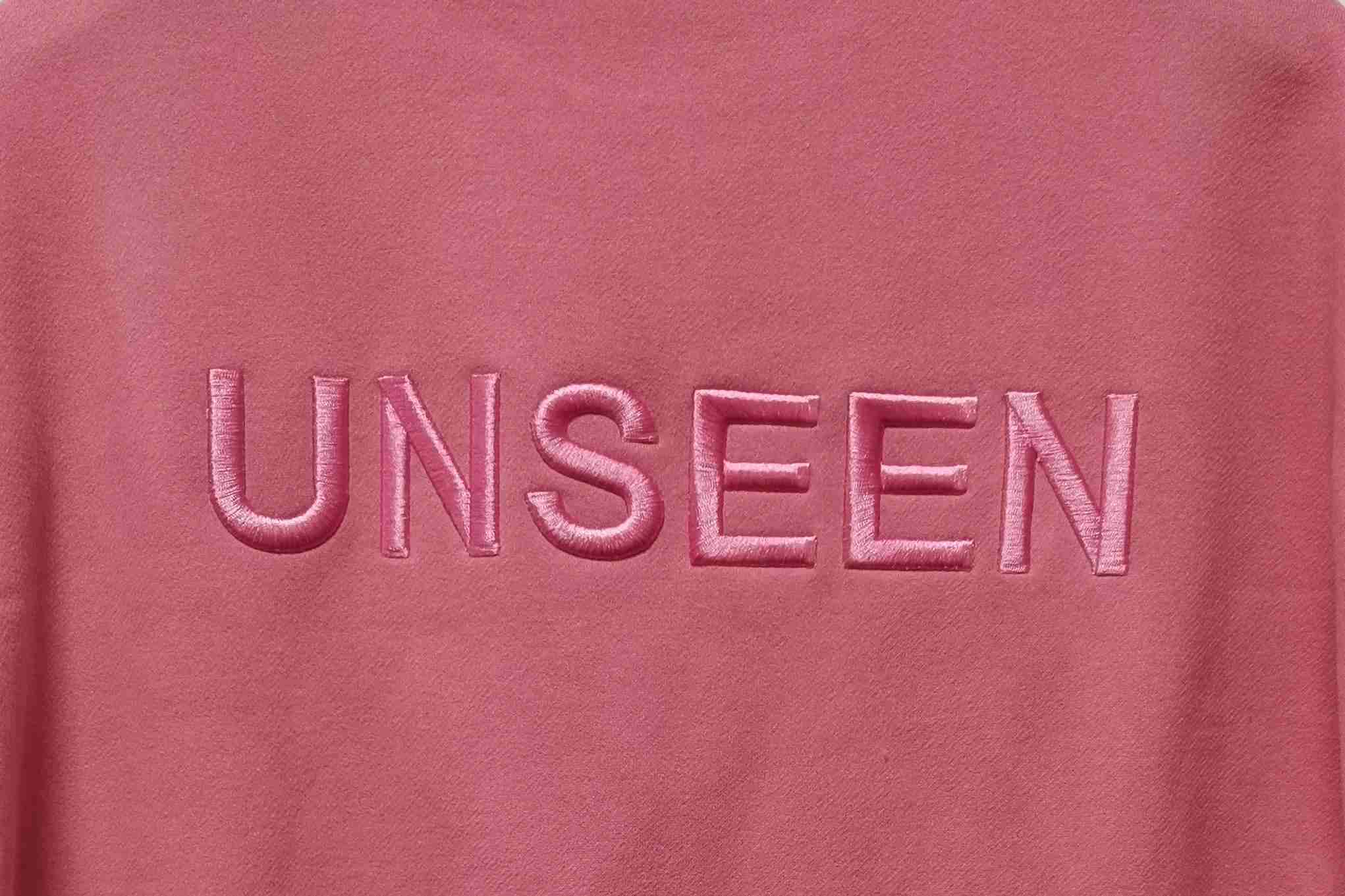
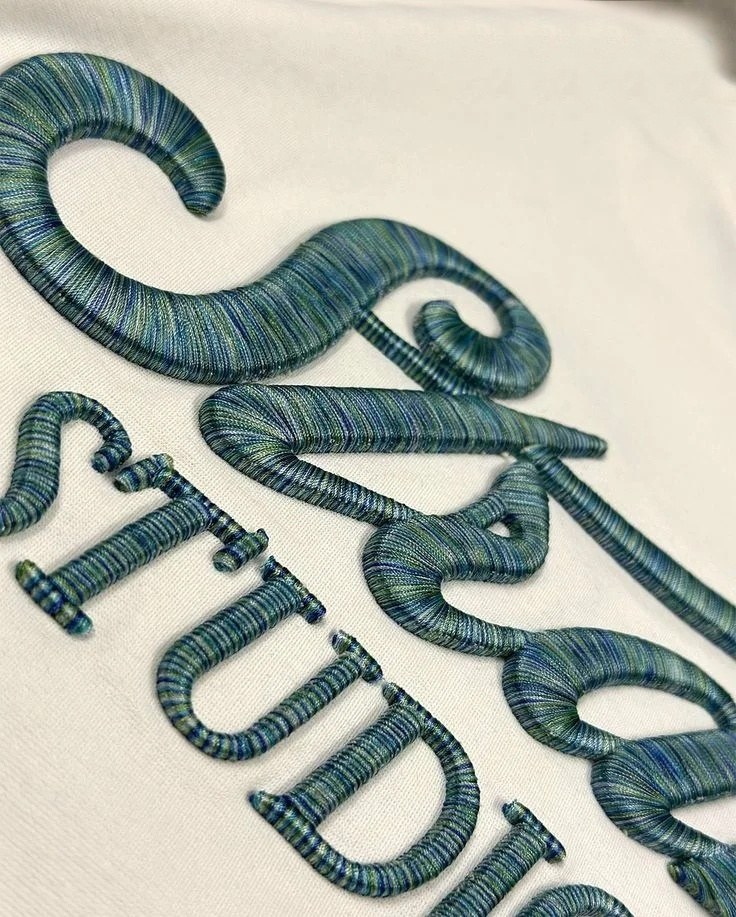
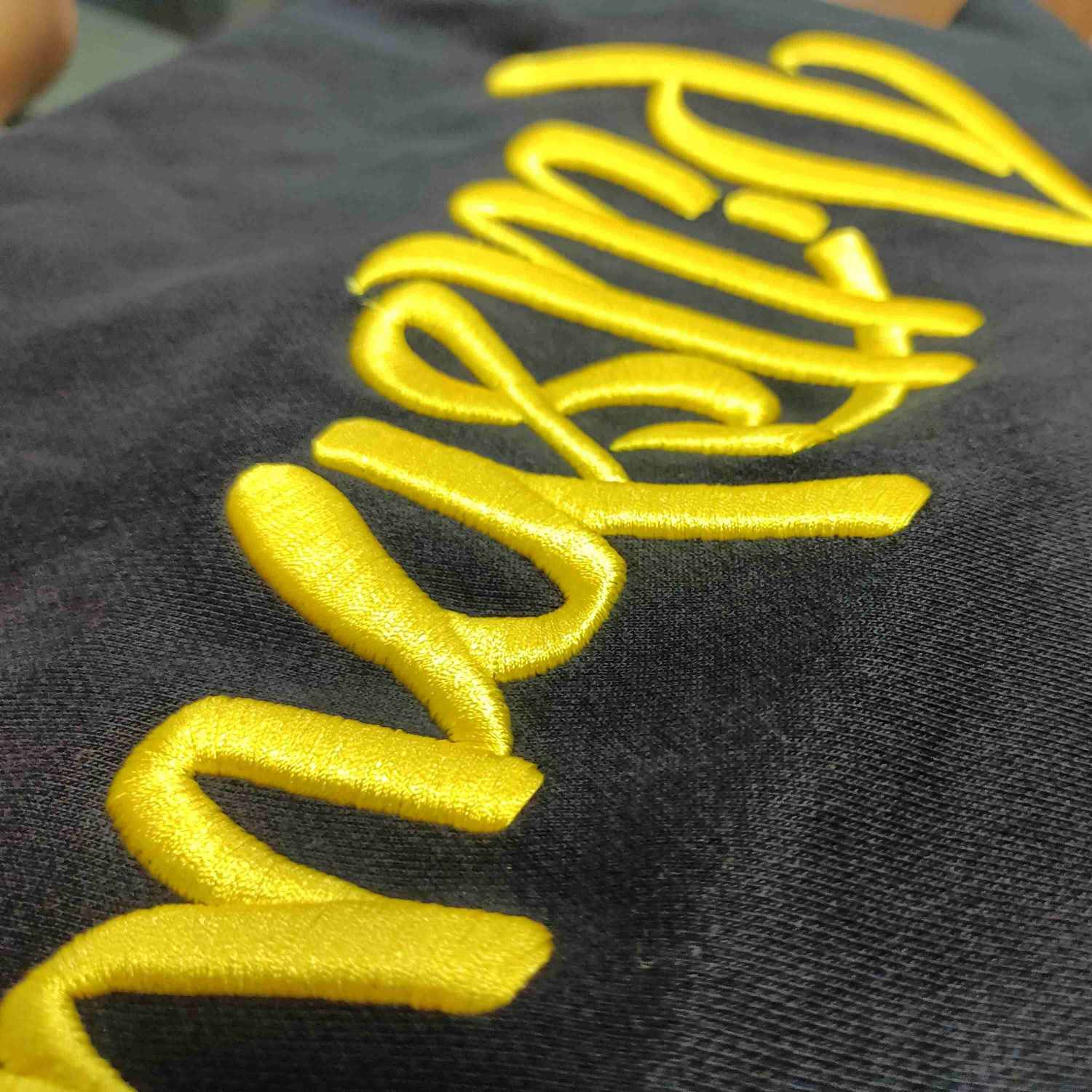
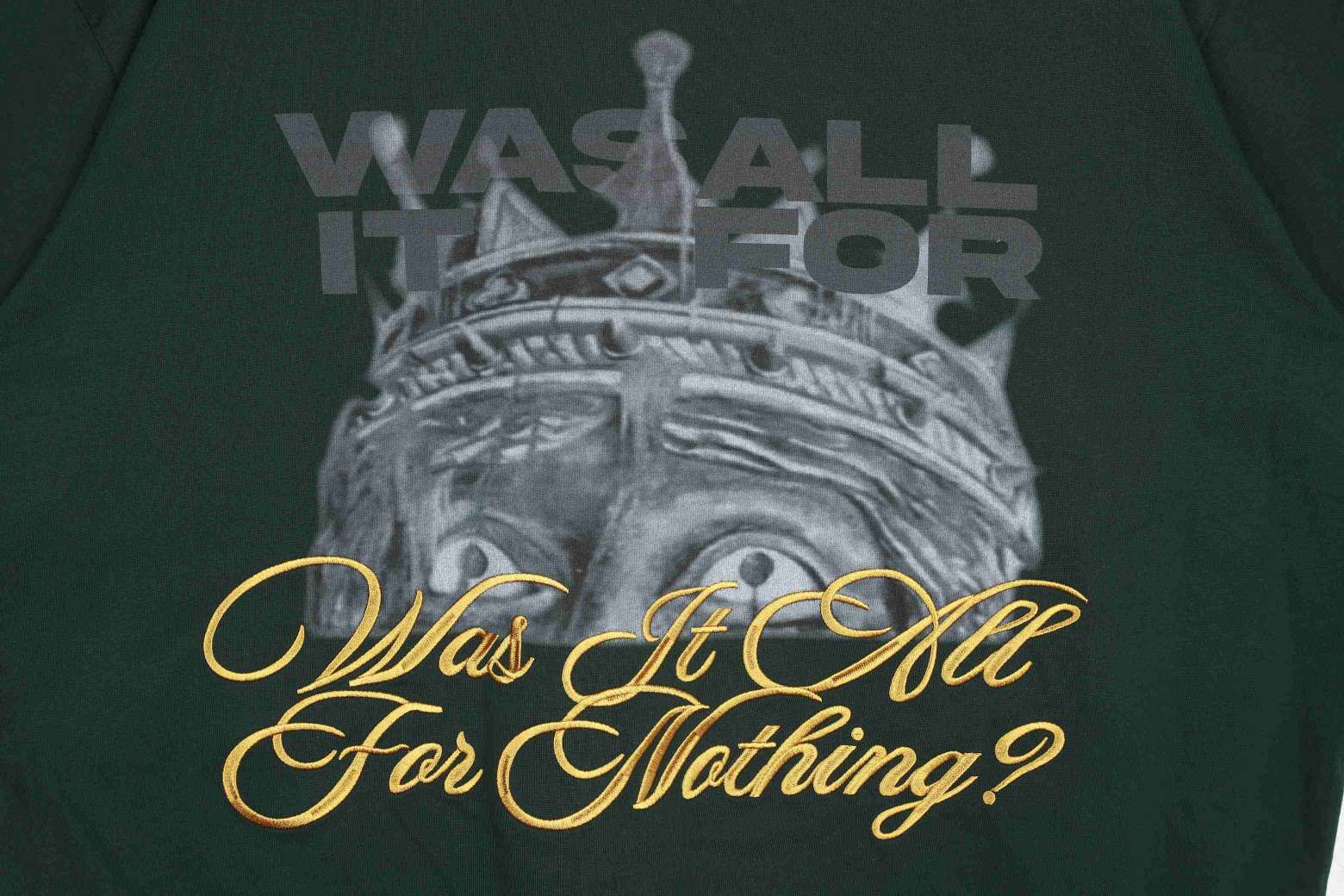
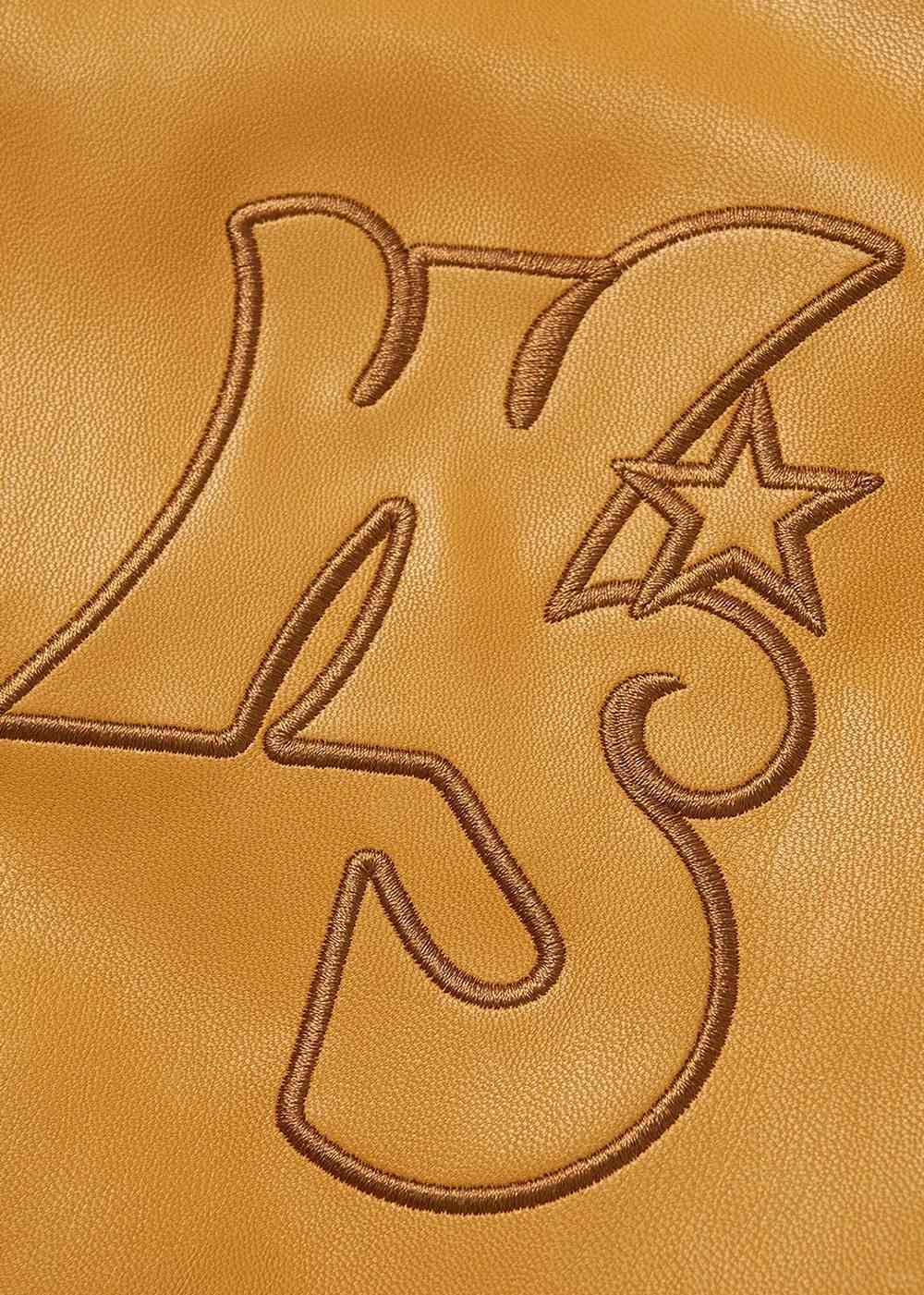
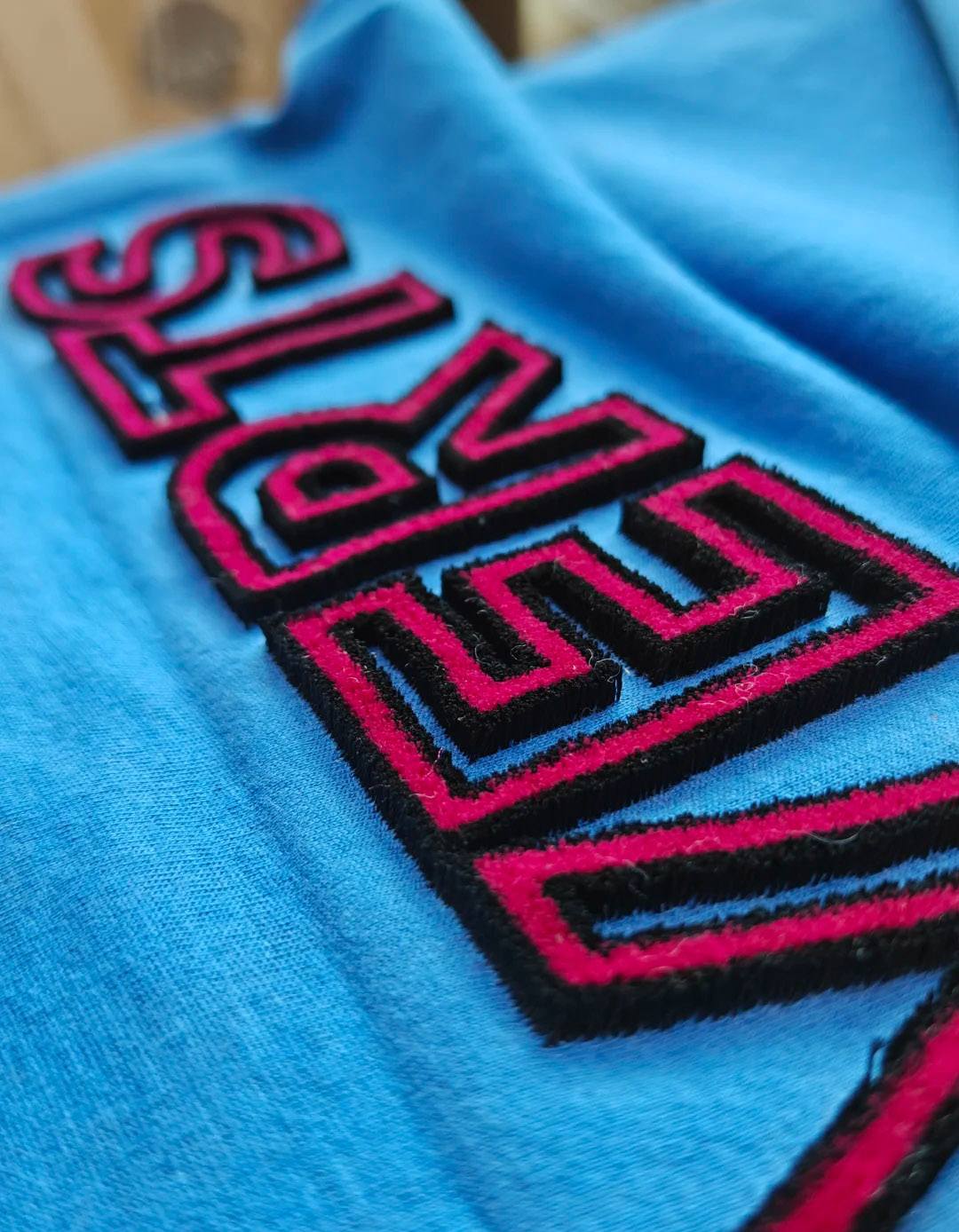
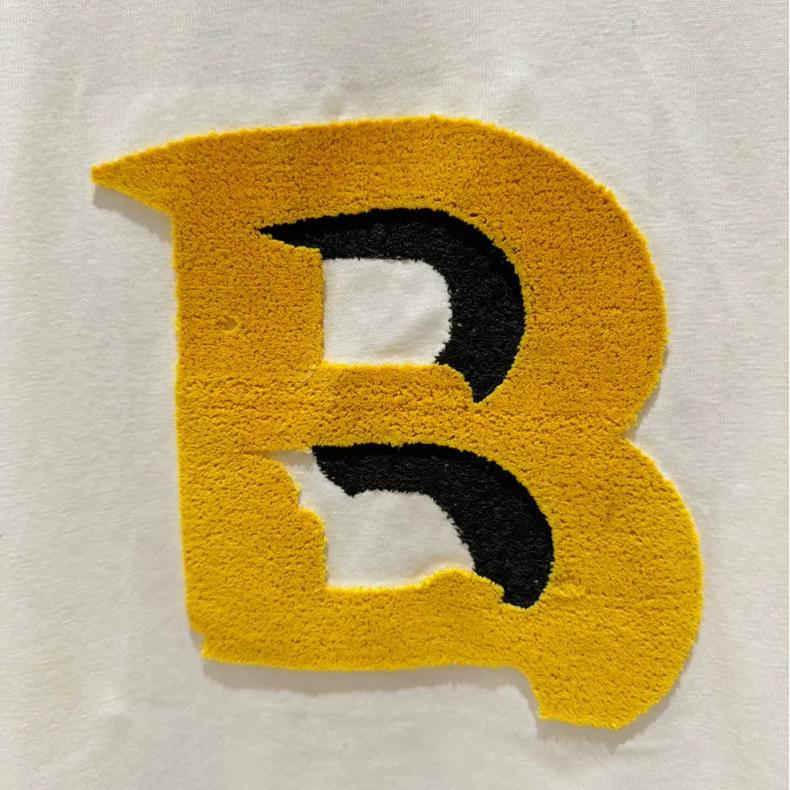
Custom Embroidery Samples & Finished Apparel
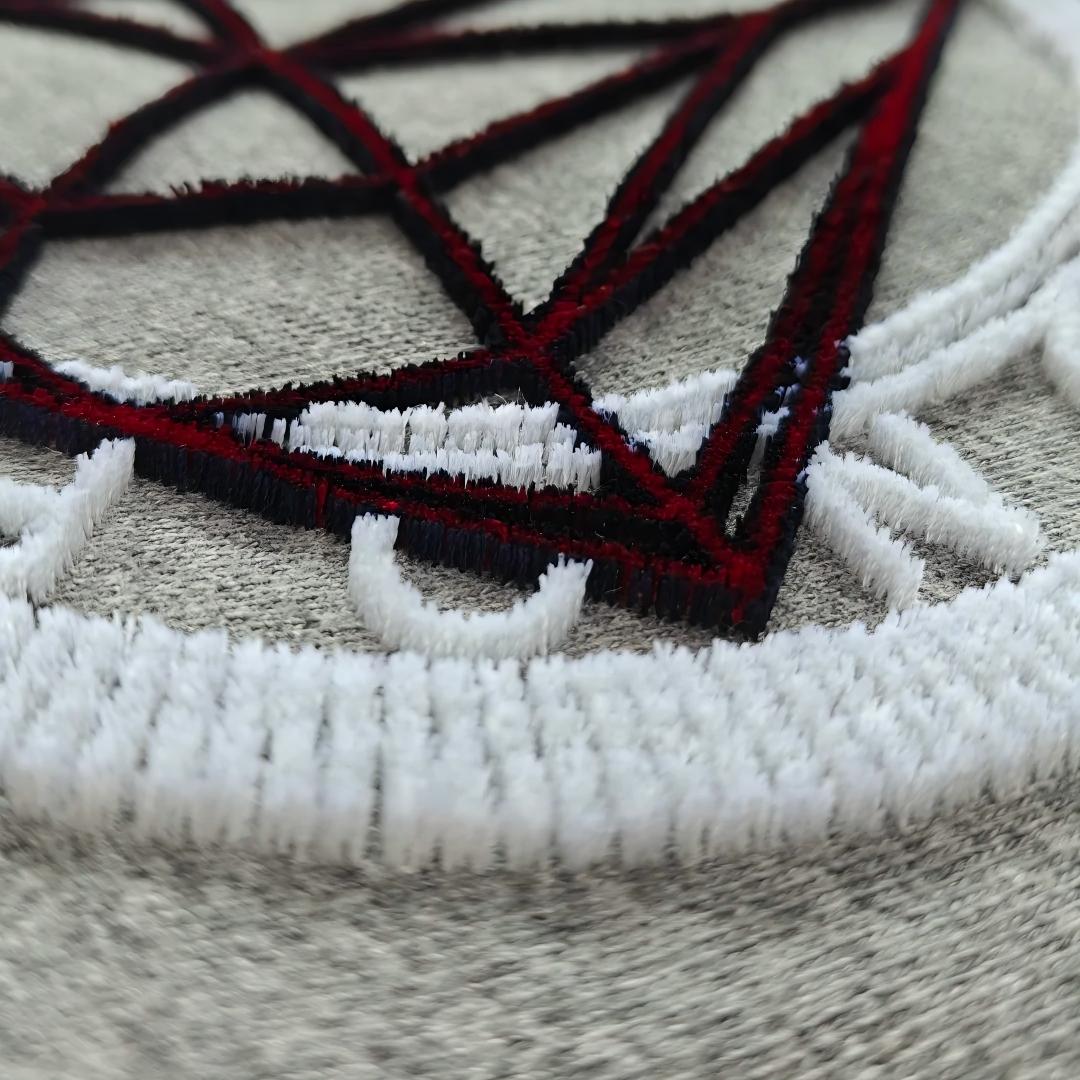
Why Custom Embroidery from SELMOND
Full In-House Embroidery Floor
Dedicated embroidery stations in our Dongguan facility — no outsourcing, no delays, full control from digitizing through final stitch.
Fast Artwork & Strike-Offs
Logo digitizing, embroidery proofs and decoration strike-offs completed in-house before sampling — see exactly what you’ll receive.
100-Piece Minimum Order Quantity
Start custom embroidery runs from just 100 pieces per style — perfect for teams, clubs and emerging brands testing designs.
Authentic Varsity Construction
Custom embroidery paired with wool bodies, genuine leather sleeves and ribbed trims on letterman jackets and varsity jackets — built for real team apparel, not fashion knock-offs.
Full-Color Thread Range
Thousands of thread colors in stock, plus flat, 3D puff, cap and monogram embroidery techniques for any logo or lettering style.
Built for Durability
Tight stitch density, proper backing and thread tension tested for team wear — embroidery that holds shape through seasons of washing and wear.
Embroidery Techniques & Variants
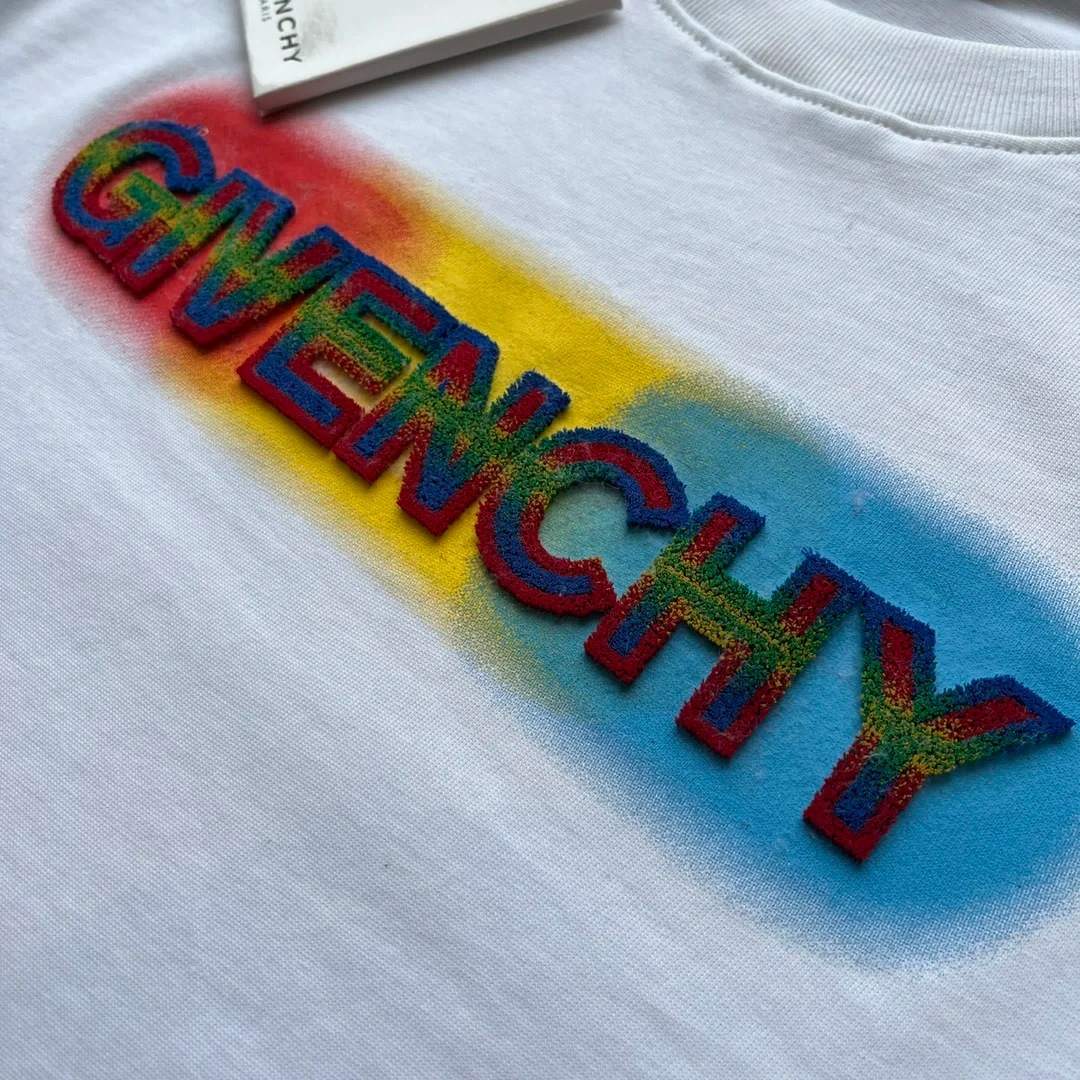
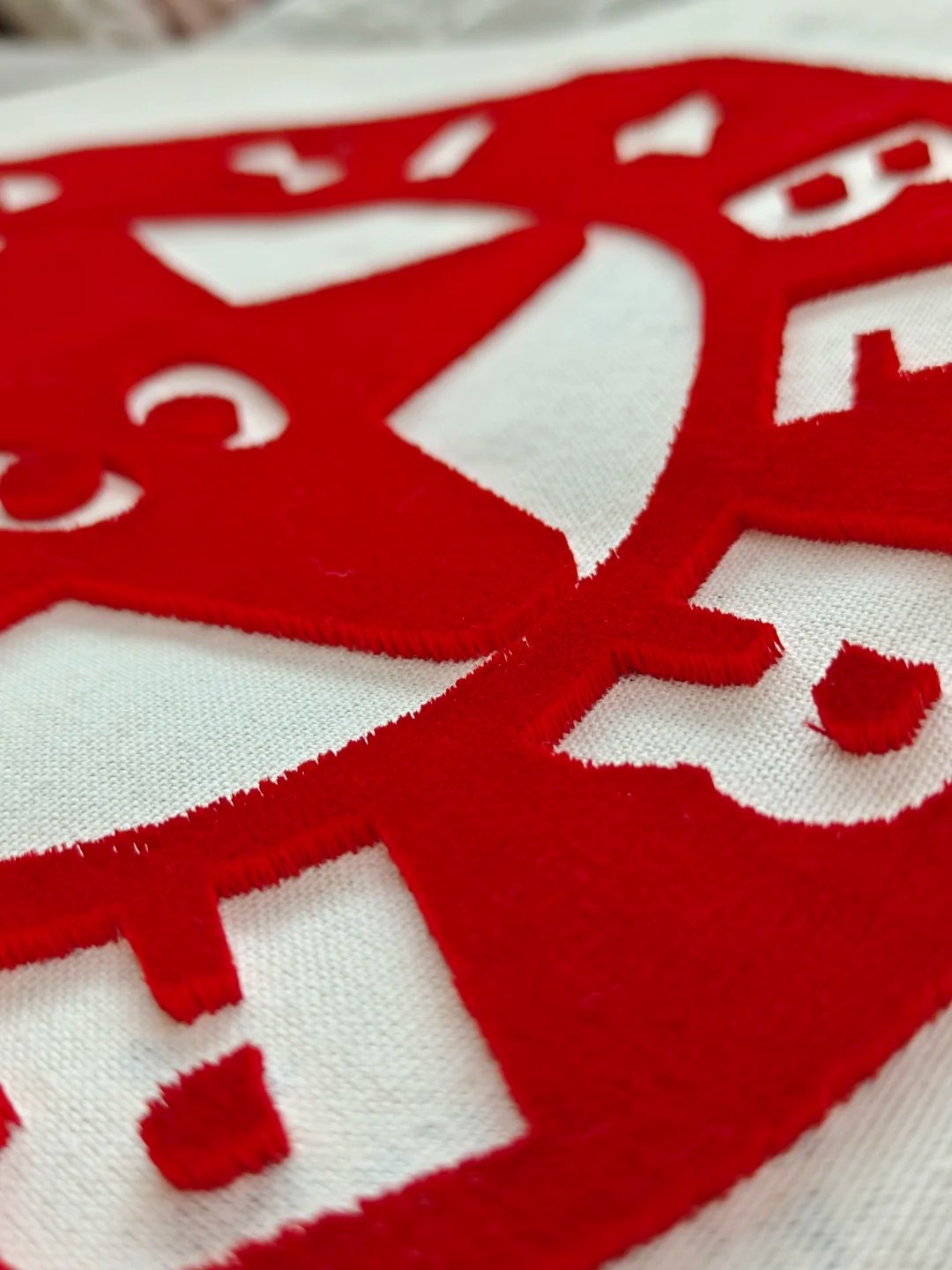
Flat Embroidery
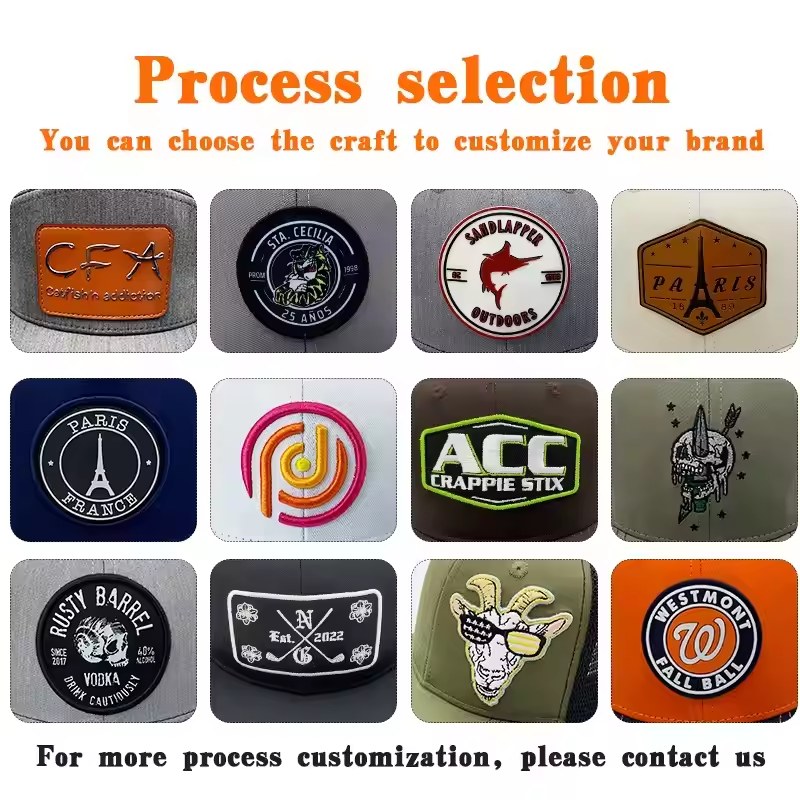
Classic flat embroidery for team logos, player names, sponsor graphics and chest or sleeve branding on varsity jackets, letterman jackets, baseball jerseys and uniforms. Clean, durable thread coverage that holds detail and color through repeated washing and wear. Ideal for multi-color logos and fine lettering.
Get a Quote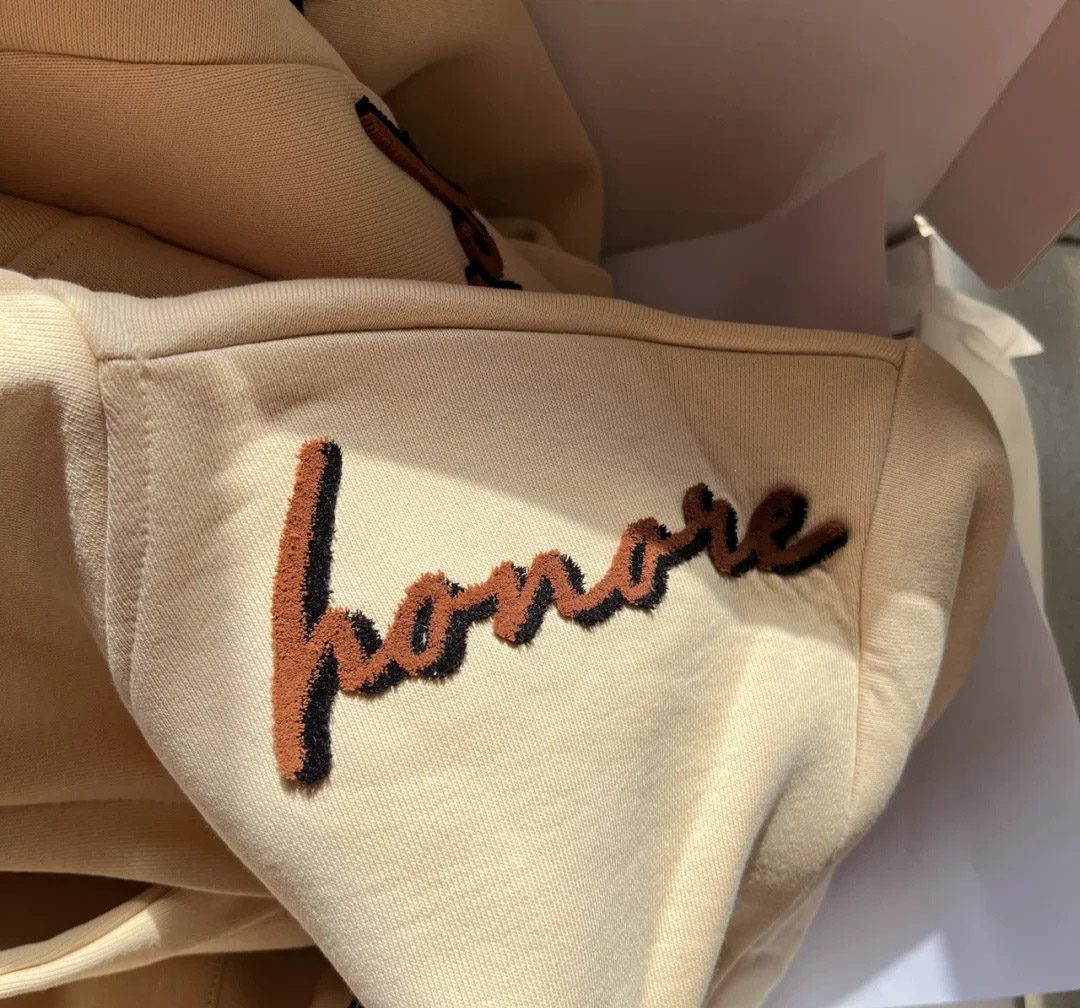
3D Puff Embroidery
Raised 3D puff embroidery adds dimension and premium texture to caps, beanies and jacket backs. Foam underlay lifts the design for bold, athletic impact. Perfect for brand logos, team mascots and front-panel cap embroidery that demands standout shelf presence and on-field visibility.
Get a Quote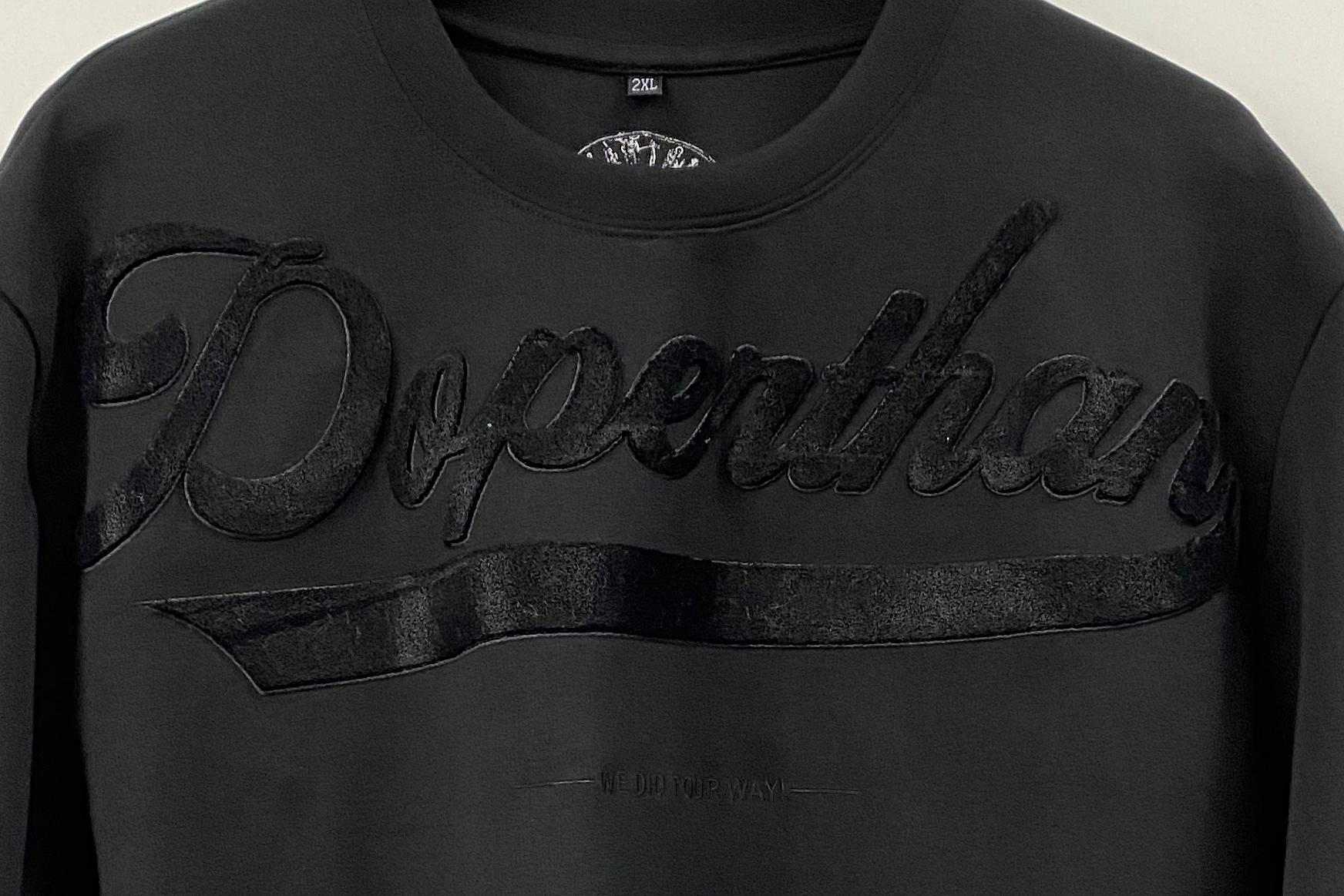
Cap & Hat Embroidery
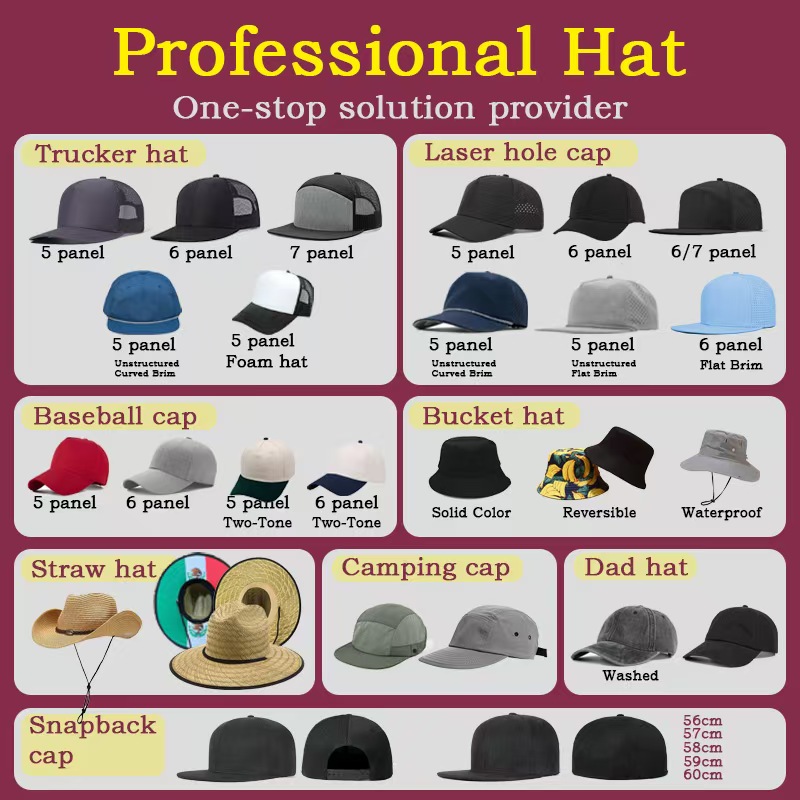
Structured cap embroidery engineered for curved front panels, mesh backs and low-profile crowns. Tight registration, balanced tension and proper hooping ensure logos sit flat without puckering. Supports flat, 3D puff and appliqué on cotton twill, brushed cotton and performance fabrics for custom baseball caps, beanies and team headwear.
Get a Quote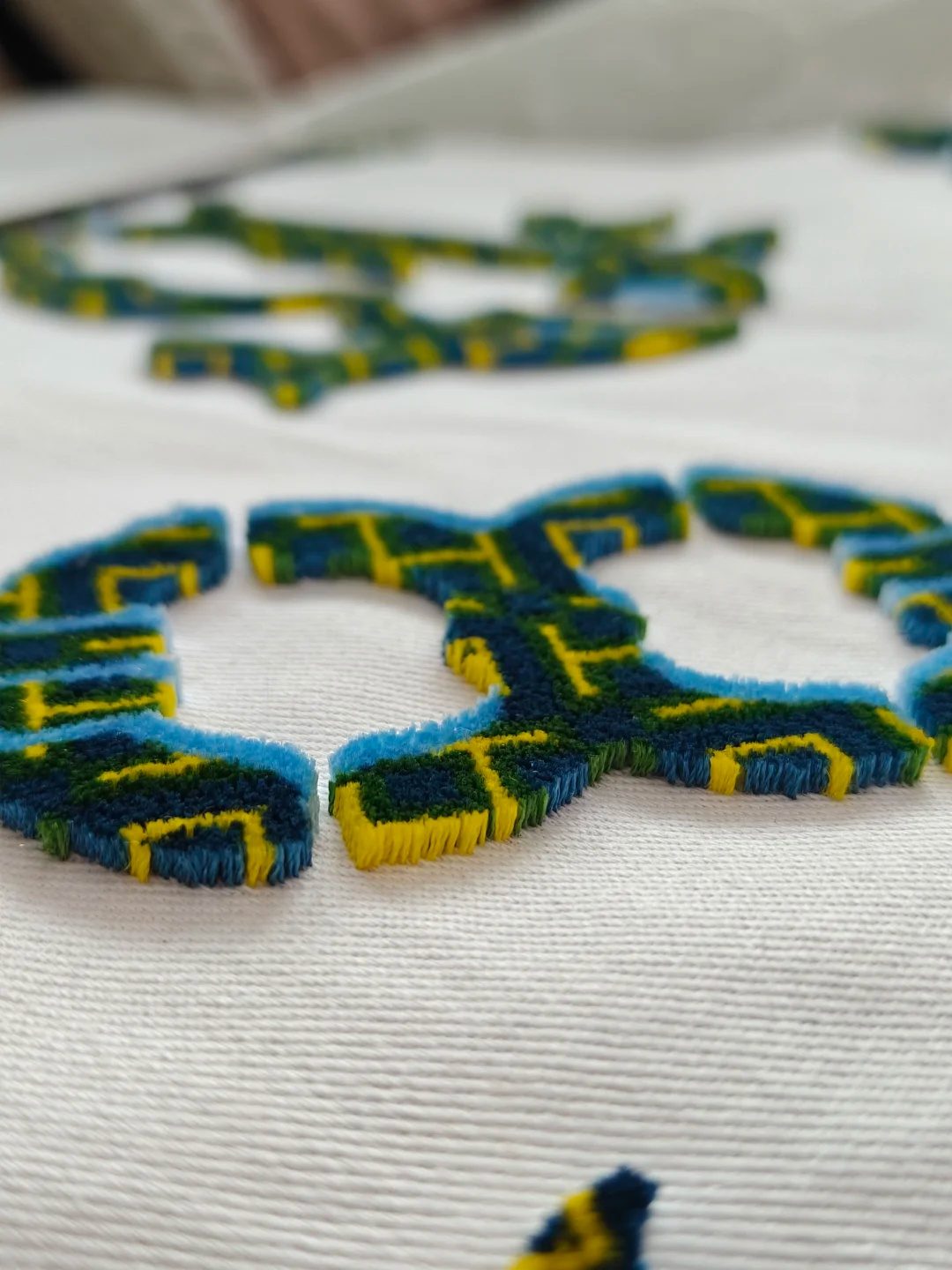
Monogram & Logo Digitizing
Full logo digitizing and monogram development from artwork files, sketches or reference images. In-house digitizers convert your brand graphics into stitch-ready embroidery files optimized for fabric type, stitch density and decoration placement. Includes digital proofs and physical strike-offs before bulk production begins.
Get a QuoteCustom Embroidery Experts Since 1998
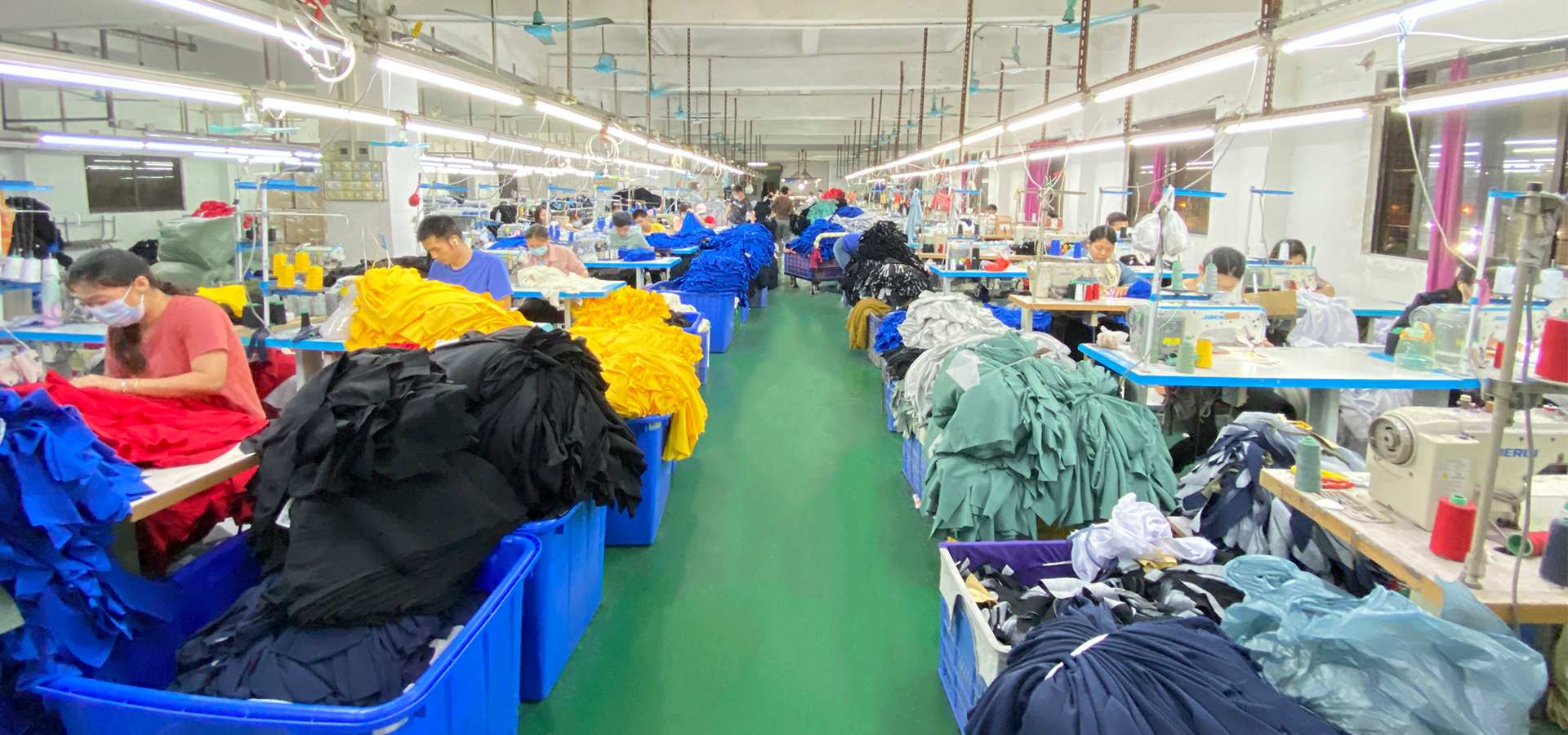
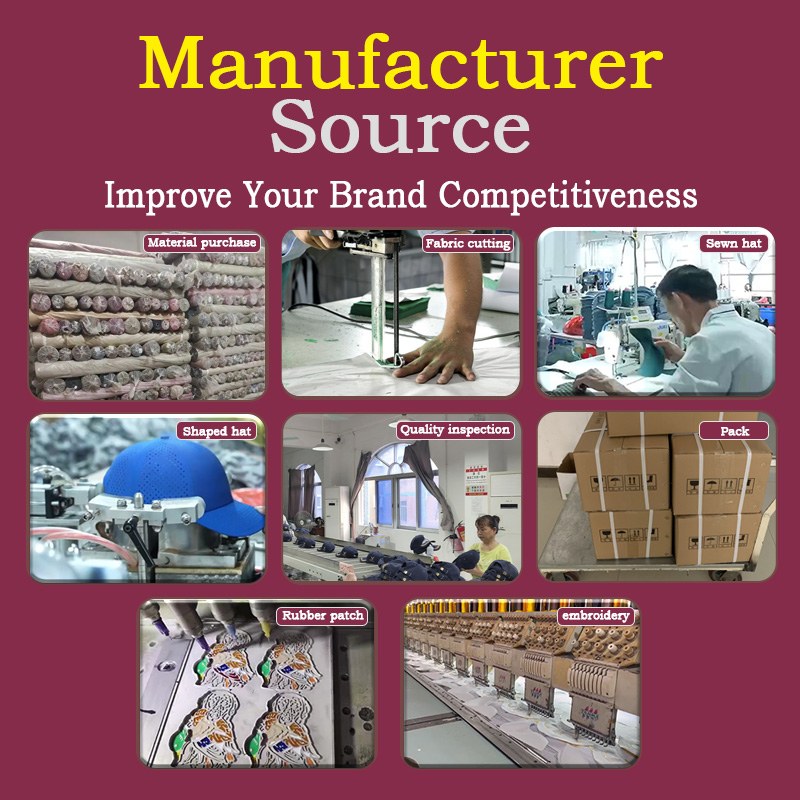
Founded in 1998 in Dongguan, China — the heart of garment decoration manufacturing — SELMOND has spent 28 years perfecting custom embroidery and team apparel decoration for sports teams, schools, clubs and custom brands worldwide. With over 200 skilled employees and a full in-house decoration floor, we treat embroidery not as an afterthought but as the core craft that makes varsity jackets, jerseys and caps look authentic.
What started as a small cut-and-sew workshop has grown into a complete one-stop manufacturer covering embroidery, chenille patches, tackle twill, sublimation, screen printing and heat transfer — all under one roof. We’ve served over 2,000 brands and teams, producing more than 80,000 pieces monthly with consistent quality, low 100-piece MOQs, and the decoration expertise that turns a blank garment into a finished team uniform.
SELMOND is built for flexible partnership. We support OEM, ODM and private label production with artwork proofing, decoration strike-offs, sampling and full quality control. From a single embroidered logo to a full team set with chenille letters and tackle-twill numbers, we deliver the craftsmanship and reliability that growing brands depend on.
Custom Embroidery Techniques Built for Team Apparel
Flat Embroidery for Logos & Crests
Clean, professional flat embroidery anchors team logos, school crests, sponsor marks and small designs across chest, sleeve and back placements. SELMOND runs multi-head commercial machines with precision tension control, delivering sharp edges and consistent stitch density on wool, leather, polyester and cotton twill without puckering or thread breaks.
- Rayon, polyester and metallic thread options for color matching and sheen
- Up to 15-color capability per design with automatic trim and jump-stitch control
- Stitch density optimized by fabric weight — 4–6 stitches/mm for apparel durability
- Digitized artwork proofs and strike-off samples before bulk production
3D Puff Embroidery for Dimension
Three-dimensional puff embroidery adds height and impact to varsity lettering, team names, numbers and logo elements. A foam underlay lifts the stitched design 3–5 mm above the fabric surface, creating the bold, tactile look that defines authentic varsity and streetwear apparel. SELMOND digitizes artwork to balance foam density, stitch coverage and edge definition.
- High-density foam underlay in white or black, cut precisely to design contours
- Tight satin-stitch coverage prevents foam exposure and maintains clean edges
- Ideal for block letters, numbers, mascot outlines and bold graphic elements
- Durable through industrial laundering — foam retains shape and thread holds fast
Cap Embroidery on Curved Surfaces
Cap embroidery demands specialized hooping, needle angles and stitch compensation to handle curved, structured six-panel and five-panel surfaces without distortion. SELMOND’s dedicated cap frames and tubular-arm machines deliver centered front-panel logos, side emblems and back monograms with registration accuracy within ±0.5 mm, even on brushed cotton, wool-blend and polyester twill.
- Tubular-arm embroidery machines purpose-built for cap and headwear decoration
- Stitch-density reduction and underlay adjustments prevent fabric push and pull
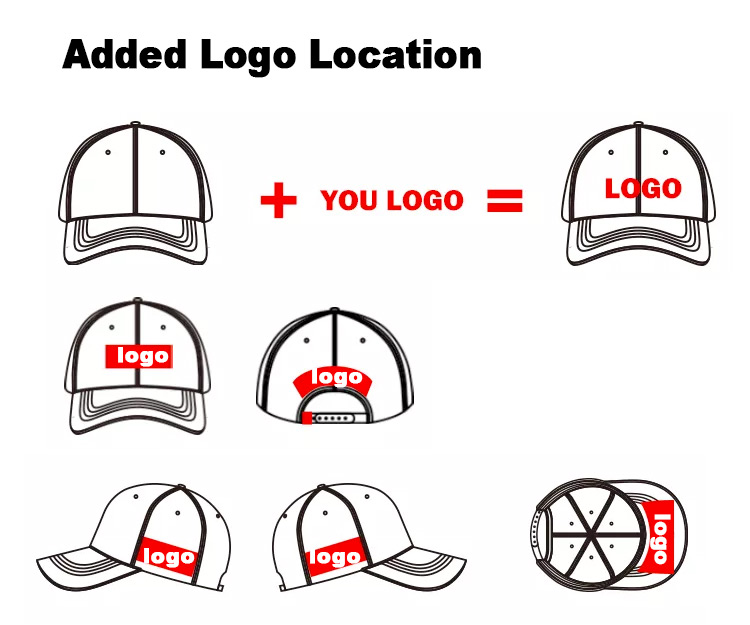
- Front, side and back placement with alignment jigs for multi-panel consistency
- Compatible with structured, unstructured, snapback, fitted and dad-cap styles
Monogram & Custom Lettering Embroidery
Monogram embroidery personalizes varsity jackets, jerseys, caps and team uniforms with individual names, initials, player numbers and custom text in script, block or athletic fonts. SELMOND digitizes lettering in any typeface, scales layouts to garment zones, and embroiders with satin-stitch precision, offering single-color or multi-color thread combinations and optional outline borders.
- Script, block, collegiate and custom font digitizing from artwork or font files
- Left-chest, sleeve, back-yoke and cap placements with size and spacing control
- Single or multi-color thread, with optional contrast outlines and shadow effects
- Fast turnaround for team rosters — names and numbers embroidered per size set
SELMOND Custom Embroidery vs. Typical Decorators
Why 2,000+ brands choose SELMOND for custom embroidery on varsity jackets, jerseys, caps and team uniforms — concrete evidence, not promises.
← 左右滑动查看 →
Custom Embroidery Production Process
Every custom embroidery order at SELMOND follows a proven seven-phase workflow — from artwork digitizing to final quality inspection — ensuring clean stitching, accurate colors and durable decoration on varsity jackets, jerseys, caps and team apparel.
Artwork Digitizing & File Prep
Your logo or design is converted into a machine-readable embroidery file with stitch type, density and underlay mapped for fabric weight, ensuring clean edges and registration on wool, twill or mesh.
Design Proof & Client Approval
You receive a digital embroidery proof showing stitch paths, thread colors matched to Pantone or your reference, and placement on the garment — changes are fast and unlimited before production begins.
Thread & Color Sourcing
High-tenacity polyester or rayon threads are sourced and color-matched in-house, with samples stitched on your actual fabric to confirm shade, sheen and durability under wash and wear.
Machine Setup & Strike-Off
Embroidery machines are programmed with your approved file, tension and speed dialed in for the fabric, and a strike-off sample stitched on production material to verify registration, density and finish.
Embroidery Production Run
Your full order runs on multi-head industrial embroidery machines with in-line monitoring for thread breaks, skipped stitches and placement drift — each piece hooped, stitched and trimmed to match the approved strike-off.
Quality Inspection & Trimming
Every embroidered garment is inspected under light for loose threads, puckering, color accuracy and placement — jump stitches trimmed, backing stabilizer removed, and any defects flagged for re-work or replacement.
Finishing & Packaging
Embroidered pieces are pressed if needed, folded or hung, tagged with your custom labels and packed to your specification — ready for shipment or integration into cut-and-sew assembly for varsity jackets and uniforms.
How to Order Custom Embroidery from SELMOND
From artwork submission to bulk production and shipment, SELMOND’s proven process ensures your custom embroidery meets exact specifications — with proofs, strike-offs and sample approval at every stage.
Submit Your Artwork & Requirements
Send your logo files (vector preferred), tech pack or design concept. Specify garment style, embroidery placement, thread colors and quantity. Our team digitizes artwork and confirms stitch density and color matching within 24 hours.
Review Design Proof & Strike-Off
Receive a detailed embroidery digitizing proof showing stitch paths, thread colors and dimensions. We produce a physical strike-off on your chosen fabric so you can approve stitch density, texture and color accuracy before sampling.
Approve Your Sample Garment
A full sample with custom embroidery applied is sewn and shipped for your review. Check fit, decoration placement, thread tension and overall finish. Revisions are made until you sign off on the final sample.
Confirm Bulk Production & Payment
Once the sample is approved, we finalize quantities, sizes, delivery timeline and payment terms. First-order deposit is typically 100%, stepping down to 30% for returning partners. Production begins immediately upon deposit receipt.
Production, QC & Global Shipment
Your order enters our in-house cut-and-sew and embroidery lines with in-line quality control at every stage. Finished garments are inspected, packed to your spec and shipped globally via sea or air with full tracking and documentation.
Custom Embroidery Testimonials from Teams & Brands
We ordered 120 varsity jackets with custom embroidery logos and chenille letters. The stitch density was perfect, colors matched our Pantone specs exactly, and after 15+ washes the embroidery still looks brand new. SELMOND’s 100-piece MOQ let us test the market without huge risk.
SELMOND’s custom embroidery sampling was incredibly fast — we received strike-offs in 5 days and approved the final artwork within a week. The flat embroidery on our baseball jerseys came out clean with tight edges, no puckering. Production quality matched the sample perfectly across all 250 pieces.
As a screen printer adding embroidery, I needed a partner who understood decoration. SELMOND’s 3D puff embroidery on our custom caps exceeded expectations — consistent stitch count, no thread breaks, and their team digitized our complex logo at no extra charge. We’ve reordered 4 times since.
Custom Embroidery FAQ
What is the minimum order quantity for custom embroidery?
Can custom embroidery be combined with chenille letters and tackle twill on the same jacket?
Can you embroider logos on leather sleeves for varsity jackets?
What file formats do you accept for custom embroidery artwork?
What is the maximum stitch density and design size for custom embroidery?
How many thread colors are available for custom embroidery, and can you match Pantone references?
What is the lead time for custom embroidery sample and bulk production?
Is custom embroidery durable enough for team uniforms and frequent washing?
The Complete Buyer’s Guide to Custom Embroidery for Team Apparel
Navigate supplier selection, decoration techniques, and quality standards with confidence. This guide delivers a proven decision framework, critical supplier criteria, and the most common mistakes to avoid when sourcing custom embroidery for teams, schools, and branded apparel.
1. What Is Custom Embroidery?
Custom embroidery uses computerized needle and thread to stitch logos, text or designs directly into fabric, creating a raised, tactile finish that screen printing cannot match. Each design is digitized into machine-readable stitch files, then sewn with polyester or rayon thread at densities ranging from 4,000 to 12,000 stitches per square inch depending on detail and substrate.
Embroidery delivers unmatched durability — stitched logos survive 50+ industrial wash cycles without fading, cracking or peeling — making it the gold standard for varsity jackets, letterman jackets, baseball jerseys, custom baseball caps, beanies and school uniforms where longevity and perceived value matter. The three-dimensional texture signals premium quality that end-users recognize instantly.
Cost per piece runs 2–4 times higher than screen printing due to longer machine time and thread consumption, yet brands choose embroidery when professional appearance, wash permanence and resale value outweigh unit economics. SELMOND operates dedicated embroidery stations for flat, 3D puff, cap and monogram work, supporting clients from 100-piece team orders to 10,000-unit wholesale runs with the same stitch precision.
2. The Evolution of Custom Embroidery in Team Apparel
Hand-stitched military insignia and school crests dominated team apparel through the 1970s, requiring artisan embroiderers to spend hours on a single letterman jacket. Each chenille letter and crest was laid by hand, limiting production to local workshops and making custom embroidery a premium, slow-turnaround service reserved for established schools and clubs.
The introduction of computerized multi-head embroidery machines in the mid-1980s transformed the industry. Digitized artwork files replaced hand-guided needles, enabling factories to replicate logos, monograms and team lettering at consistent quality across hundreds of garments. Thread innovation — polyester and rayon filaments with tighter twist and fade resistance — paired with automated color changes cut decoration time from hours to minutes per piece.
By the 2000s, low-MOQ production became viable as digitizing software, machine accessibility and global sourcing converged. Today, brands and teams can order custom embroidery from 100 pieces, test designs without inventory risk, and receive the same tight satin-edge finish that once required master craftsmen — while heritage pieces and chenille varsity patches still benefit from hand-guided placement and artisan quality control.
3. Types of Custom Embroidery Techniques
Team apparel lives or dies on decoration craftsmanship. Each custom embroidery technique delivers a distinct visual signature, durability profile and cost structure — and matching the right method to your varsity jacket, letterman jacket, baseball jersey, custom cap or team uniform is the first decision that separates amateur-looking gear from professional team wear.
Flat Embroidery
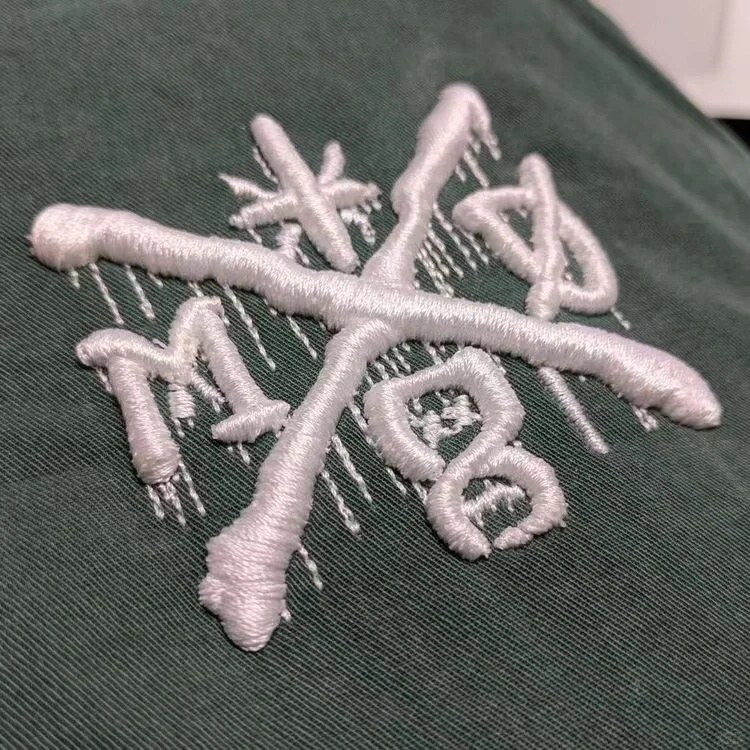
Flat embroidery uses tight, low-profile stitching — typically 5,000 to 15,000 stitches per design — to reproduce logos, monograms and fine text on caps, polo collars and jacket chests. Stitch density of 0.4–0.6 mm keeps detail sharp without puckering lightweight fabrics.
Ideal for small logos (under 4 inches), cap fronts and sleeve badges where a clean, professional finish matters more than bold dimensionality.
3D Puff Embroidery
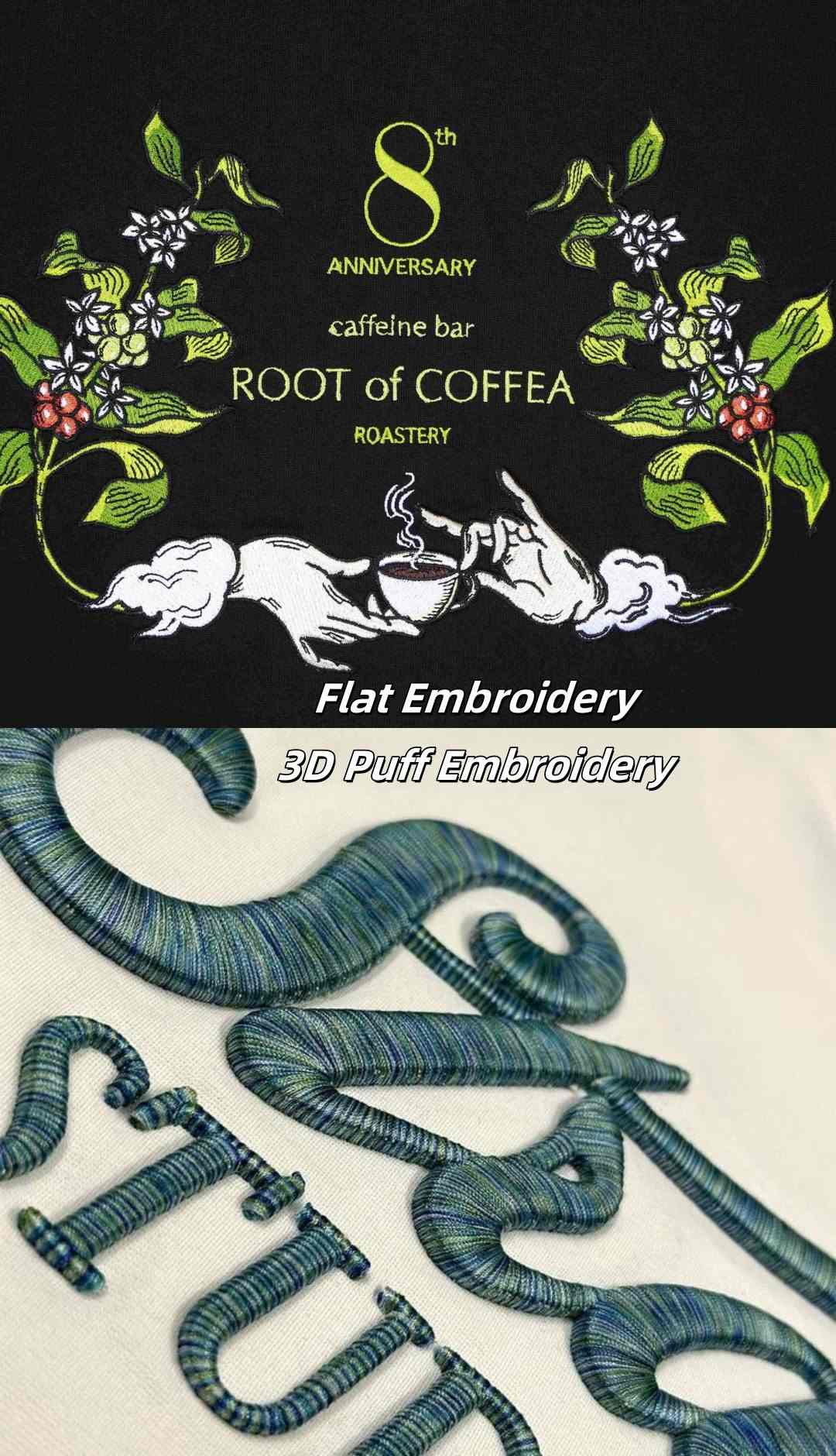
3D puff embroidery layers thread over a foam underlay — usually 2–4 mm thick — creating raised, dimensional logos that stand off the fabric. Common on snapback caps, beanies and hoodie chests where bold branding drives streetwear appeal.
Puff works best on structured fabrics and simple, bold artwork; fine lines and small text collapse under the foam.
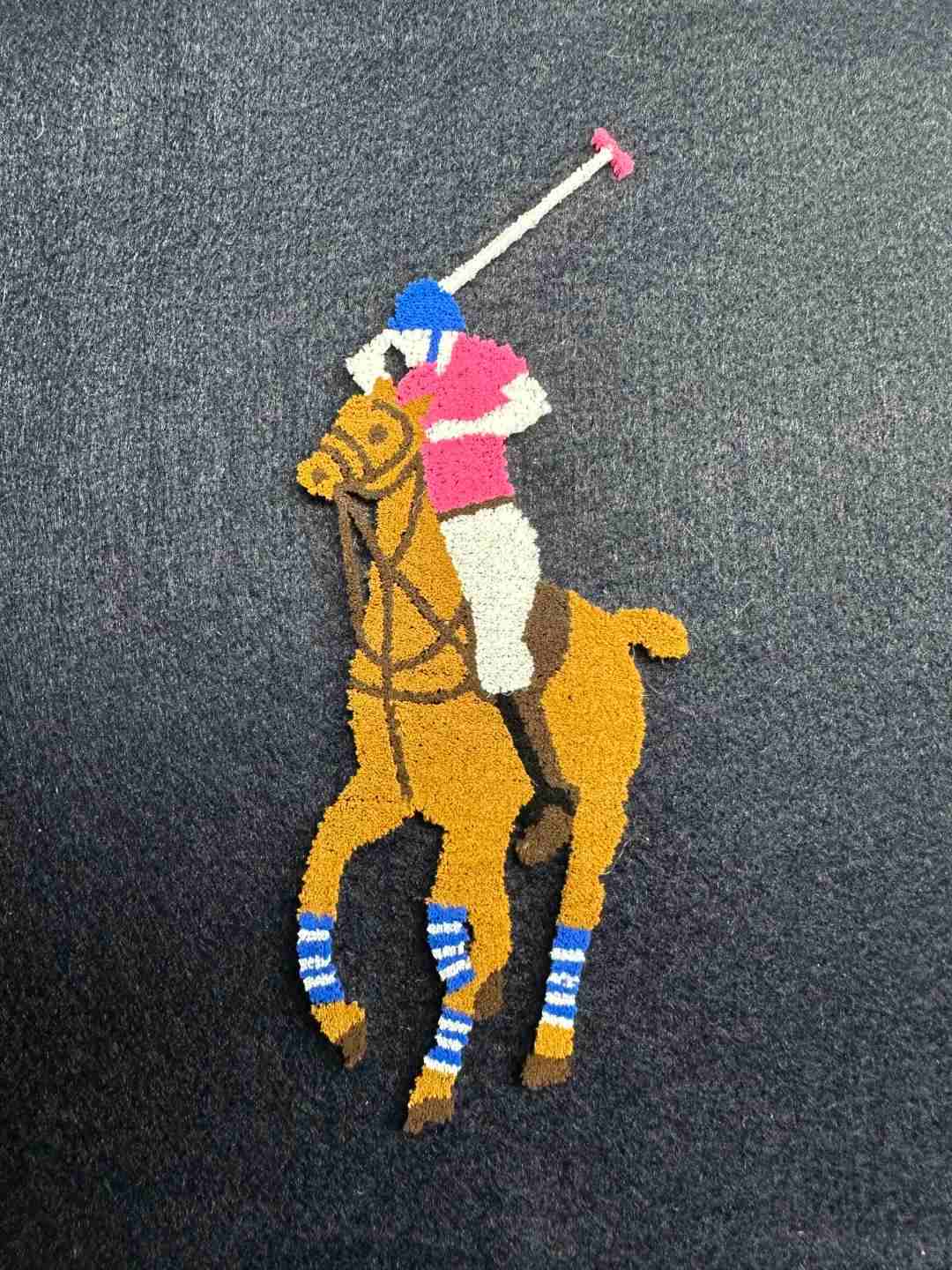
Chenille Patches and Appliqué
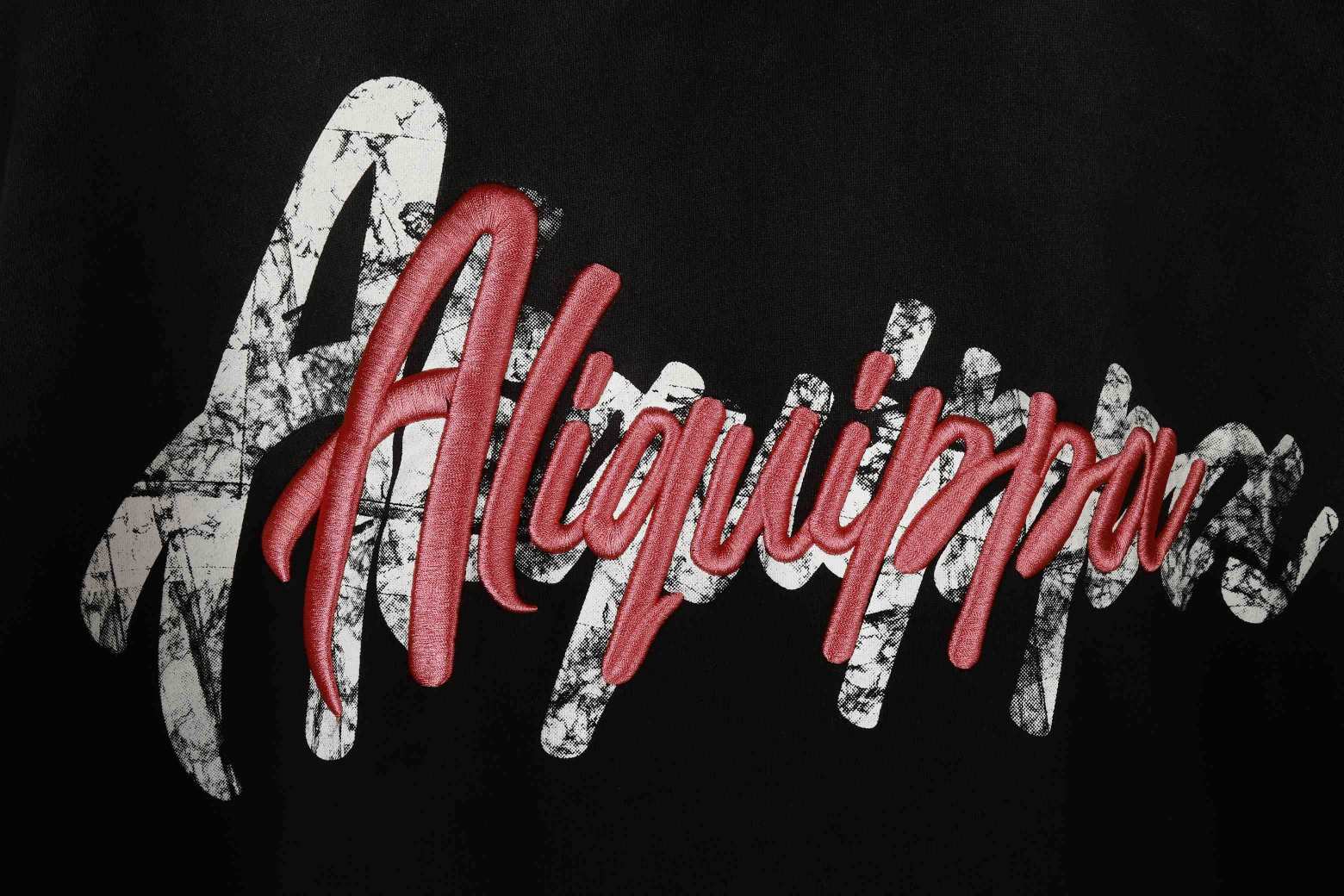
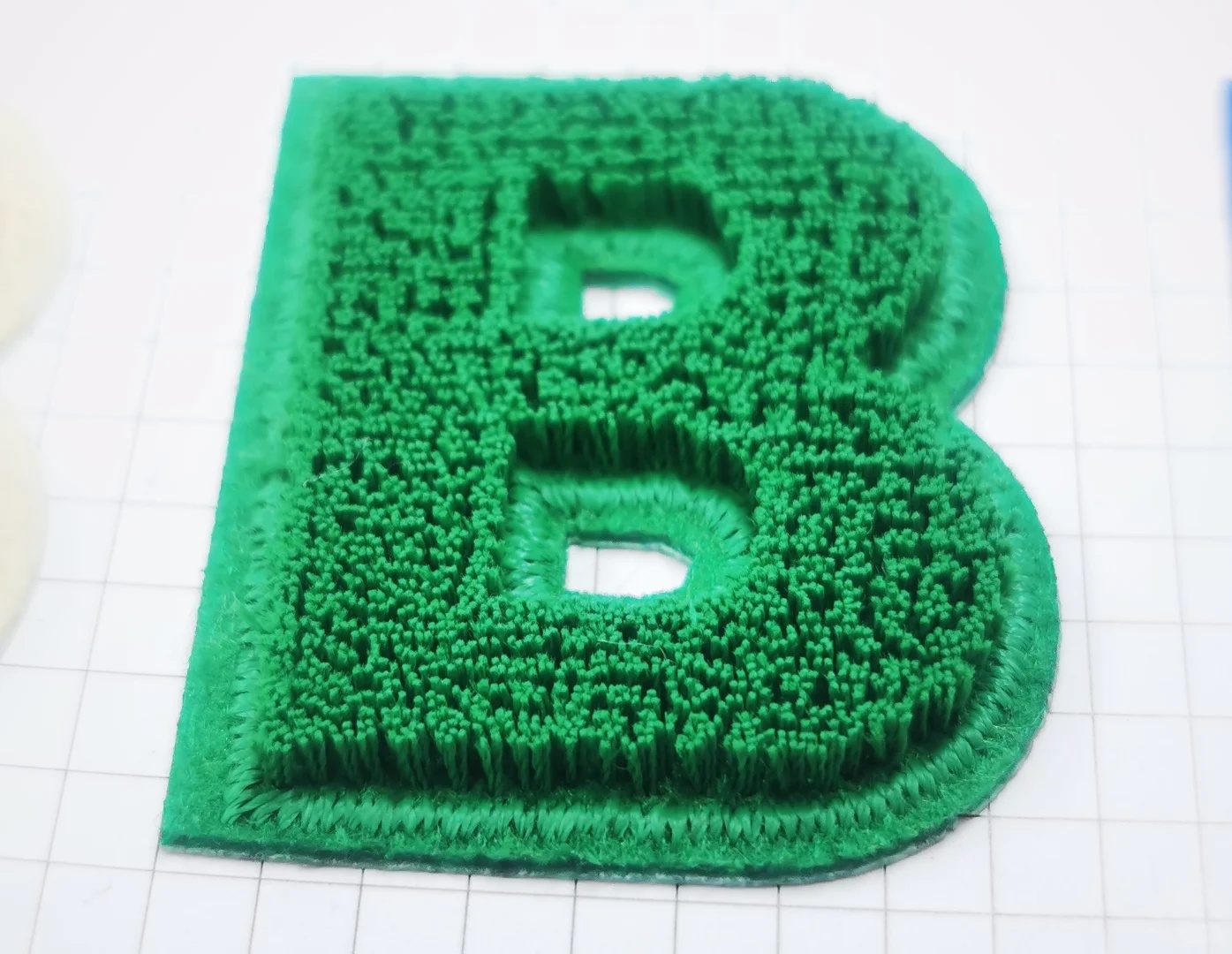
Chenille uses looped, velvety yarn to create the classic varsity-letter look — soft, textured and unmistakably retro. SELMOND produces chenille letters, numbers and patches in single or multi-color layouts, stitched onto melton-wool jacket bodies.
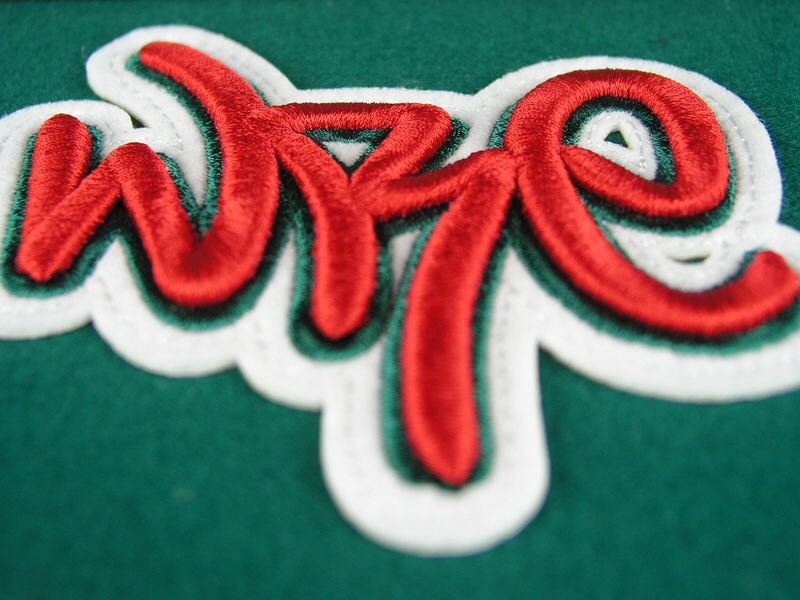
Appliqué embroidery bonds fabric cutouts — twill, felt or leather — onto the base garment, then secures edges with satin or zigzag stitching. Both techniques deliver bold, tactile branding ideal for letterman jackets and team uniforms.
4. Materials and Fabrics for Custom Embroidery
Embroidery performance depends as much on the base fabric as on the stitching itself. Weight, stretch and fiber content determine which stabilizer and thread combination will hold stitches flat without puckering or distortion over time.
| Fabric Type | Weight (GSM) | Stretch | Durability | Recommended Stabilizer |
|---|---|---|---|---|
| Cotton twill | 200–280 | None | High | Tearaway |
| Polyester mesh | 120–180 | Moderate | Moderate | Cutaway |
| Fleece / Terry | 240–320 | High | High | Cutaway |
| Nylon / Poly blend | 100–160 | Low | Moderate | Water-soluble |
Base Fabrics and Embroidery Performance
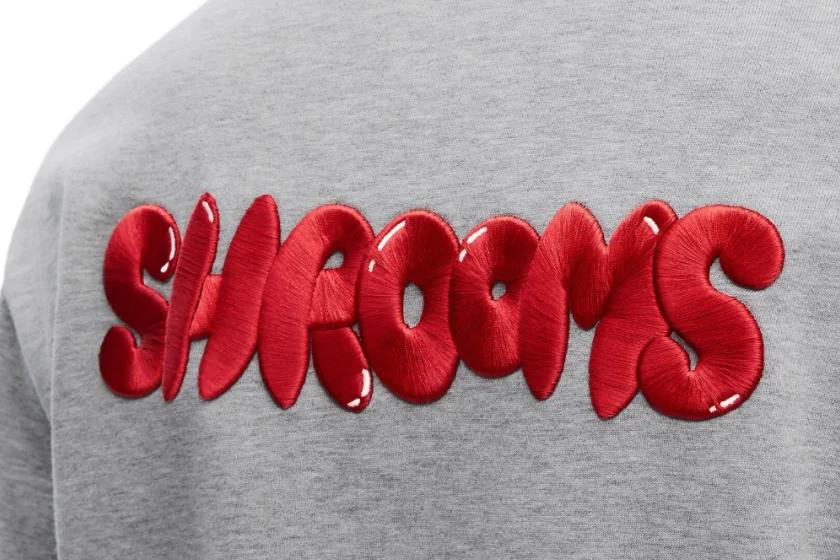
Cotton twill (200–280 GSM) delivers a tight, stable weave ideal for flat embroidery on caps and jacket fronts. Polyester mesh (120–180 GSM) requires cutaway stabilizer to prevent push-through on open knits. Fleece and terry (240–320 GSM) need heavier backing to manage pile and stretch.
Nylon and poly-blends used in windbreakers and track jackets sit between 100–160 GSM and demand water-soluble toppers to prevent shine marks. Melton wool bodies on varsity jackets (450–550 GSM) anchor stitches naturally with minimal stabilizer.
Thread Types and Stabilizers
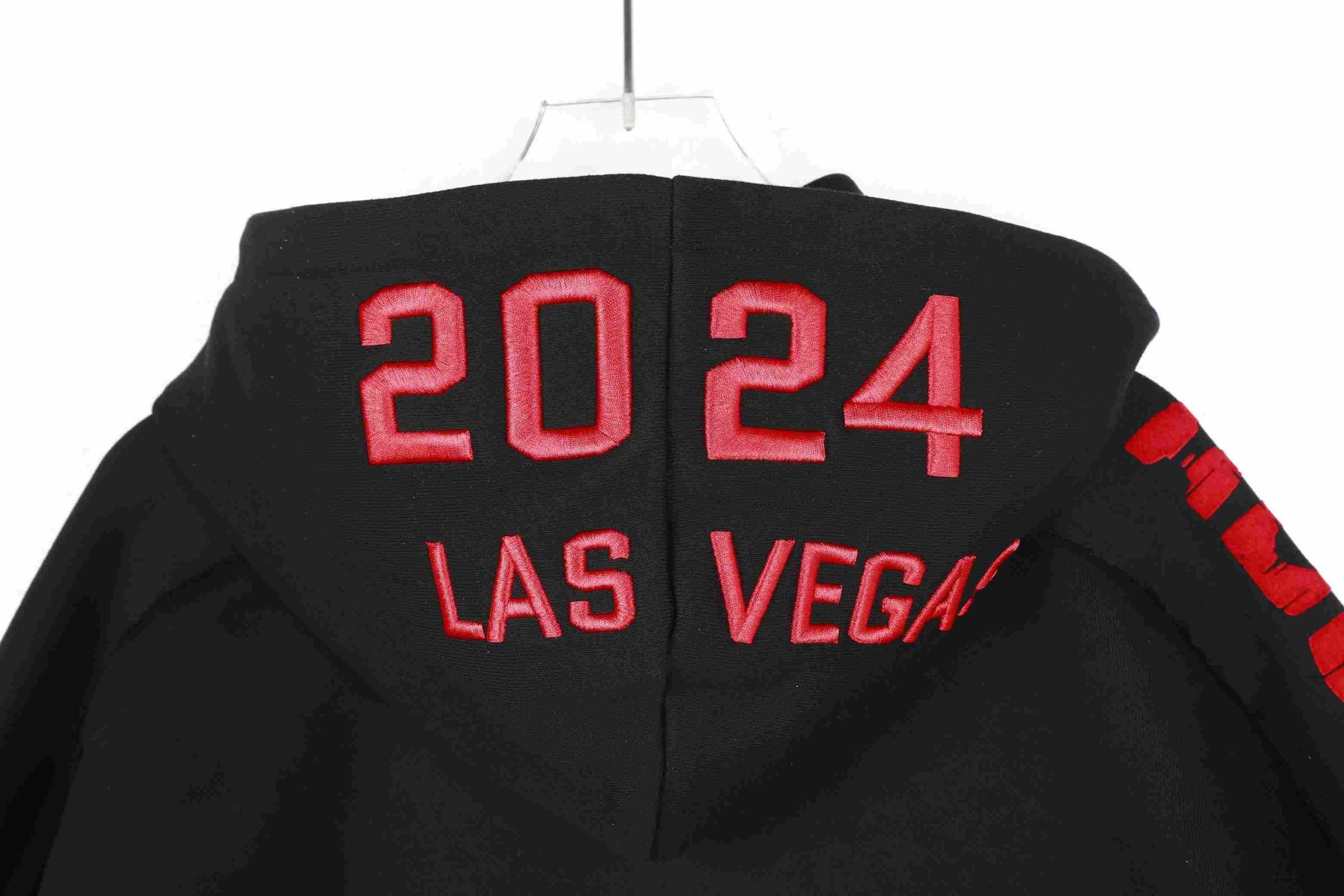
Rayon thread offers high sheen and is standard for logos on wovens; polyester thread resists fading and works across all fabric types. Metallic threads require slower machine speeds and cutaway backing to prevent breakage.
Cutaway stabilizers stay permanently for knits and stretch fabrics; tearaway stabilizers suit wovens and reduce bulk. Water-soluble backing leaves no residue on lightweight or sheer materials.
5. Customization Options Beyond the Logo
Custom embroidery unlocks personalization far beyond a single team logo. SELMOND supports individual player names and numbers, specialty threads, mixed decoration methods and strategic patch placement — all within the same 100-piece minimum order quantity that makes testing new designs practical.
Individual Names and Numbers
Tackle-twill and embroidered names appear on jersey backs, sleeves and varsity-jacket chest panels in single, double or triple layers. Each player receives unique lettering without raising the MOQ, and SELMOND keeps digitized files on record for fast re-orders and roster updates.
Color limits typically run three to four per name or number to maintain stitch density and prevent thread breaks during high-speed production.
Specialty Thread Effects
Metallic, glow-in-the-dark and gradient threads add visual impact to logos, monograms and varsity patches. Metallic polyester threads work well on wool-blend bodies and structured caps; glow pigment threads require a white underlay for brightness.
Each specialty thread adds approximately two to three days to sampling and digitizing, because tension and stitch-path adjustments prevent puckering and thread shredding on decorative finishes.
Mixed Decoration Methods
Combining embroidery with screen print, heat transfer or sublimation lets teams layer detail without exceeding embroidery head-count limits. A chest logo may use 3D puff embroidery while sleeve stripes run screen print, or a full-dye sublimated jersey carries an embroidered team crest.
Mixed methods require coordinated artwork proofs and decoration strike-offs to ensure color matching across techniques and avoid registration drift during handling between stations.
6. Key Quality Indicators in Custom Embroidery
Professional custom embroidery quality is measurable. Stitch density, underlay construction, thread tension, registration accuracy and trim finish separate decoration that lasts from work that unravels after the first wash.
Stitch Density and Underlay Quality
Industry-standard stitch density runs 4–6 stitches per millimeter; anything below 4 leaves visible gaps, while counts above 6 risk puckering and thread breaks. Proper underlay — a foundation layer stitched before the visible top thread — stabilizes fabric, prevents pull, and keeps lettering flat on melton wool, twill and knit jersey.
Poor digitization skips underlay or sets incorrect stitch angles, causing logos to distort, pucker or sink into the fabric. SELMOND digitizes all artwork in-house and provides decoration strike-offs so clients approve stitch direction, density and underlay before bulk production.
Thread Tension and Registration Accuracy
Balanced thread tension keeps top and bobbin threads locked mid-fabric; loose tension creates loops on the back, while over-tight tension puckers the garment. Multi-color logos require registration accuracy within 0.5 mm so borders, outlines and fill areas align without gaps or overlap.
SELMOND runs calibrated multi-head machines and inspects every piece in-line, catching tension faults and misregistration before garments leave the decoration floor.
Red Flags and Pre-Production Sample Checklist
Demand pre-production samples and inspect for skipped stitches, loose backing visible through the design, frayed thread ends and uneven satin edges on letters. Check that chenille lies flat without gaps, that tackle-twill edges show tight satin stitch and that backing stabilizer is trimmed cleanly with no residue.
SELMOND ships decoration strike-offs and full sample garments before any bulk order, with patterns and digitized files kept on record for consistent re-orders.
7. How to Choose a Custom Embroidery Supplier
Choosing a custom embroidery partner requires evaluating technical capabilities, process transparency and commercial flexibility. Machine capacity, digitizing skill, MOQ thresholds and sample policies separate one-time vendors from long-term manufacturing allies.
Machine Capacity and Digitizing Expertise
Multi-head embroidery machines (12–15 heads or more) enable faster turnarounds and consistent tension across large runs. Ask how many heads the factory operates and whether digitizing is done in-house or outsourced.
In-house digitizing teams adjust stitch density, underlay and pathing to match fabric weight and logo complexity. Request a digitized file preview or stitch-out sample to verify that fine details, small text and gradients render cleanly before committing to bulk production.
MOQ, Sampling and Payment Terms
MOQ often starts at 500–1,000 pieces per design at traditional embroidery houses; flexible suppliers offer 100-piece minimums that suit team launches and capsule collections. Confirm whether the factory provides pre-production samples, decoration strike-offs and whether sample costs credit toward the bulk order.
Payment structures vary: first orders may require 100% upfront, stepping down to 30–50% deposits for repeat clients. Transparent terms and multiple payment channels (T/T, PayPal, credit card) reduce friction and build trust.
Quality Control and Communication
Ask for inline quality-control checkpoints: thread-tension audits, stitch-count verification and final pressing before packing. Factories that share process photos, keep artwork and pattern files on record, and respond within 24 hours demonstrate production maturity and accountability for long-term partnerships.
8. Common Mistakes When Ordering Custom Embroidery
Even experienced buyers stumble on preventable embroidery pitfalls that delay shipments, inflate costs and erode brand credibility. Understanding where orders go wrong — and how to avoid it — keeps your custom embroidery project on schedule and on budget.
Submitting Low-Resolution Artwork
Vector files (AI, EPS, PDF) are required for clean digitizing; raster images below 300 DPI produce jagged stitch paths and blurry logos. SELMOND’s design team can redraw artwork, but that adds 2–3 days to your timeline.
Always supply vector logos or high-resolution PNGs with transparent backgrounds, and confirm Pantone or thread-color codes upfront to avoid back-and-forth revisions.
Ignoring Fabric-Weight Recommendations
Lightweight polyester mesh (120–150 GSM) cannot support dense 3D puff embroidery without puckering; heavy melton wool (450–500 GSM) requires longer stitch lengths and backing adjustments. Mismatched fabric and stitch density leads to distortion, thread breaks and rejected samples.
Share your fabric choice during artwork approval so digitizing accounts for weight, stretch and pile.
Skipping Sample Approval
A physical strike-off reveals thread tension, registration and true color under production conditions — details no digital proof can show. Approving bulk without a sample risks discovering misaligned logos or wrong thread shades only after 500 jackets are sewn.
SELMOND provides decoration samples before any bulk run; always request one and photograph it under natural light for your records.
9. Steps to Launch Your Custom Embroidery Project
Launching a custom embroidery project follows a clear sequence from artwork to delivery. SELMOND’s nine-step process keeps timelines predictable and re-orders consistent, with all artwork files and trim records stored for future runs.
Finalize Logo Artwork and Color Palette
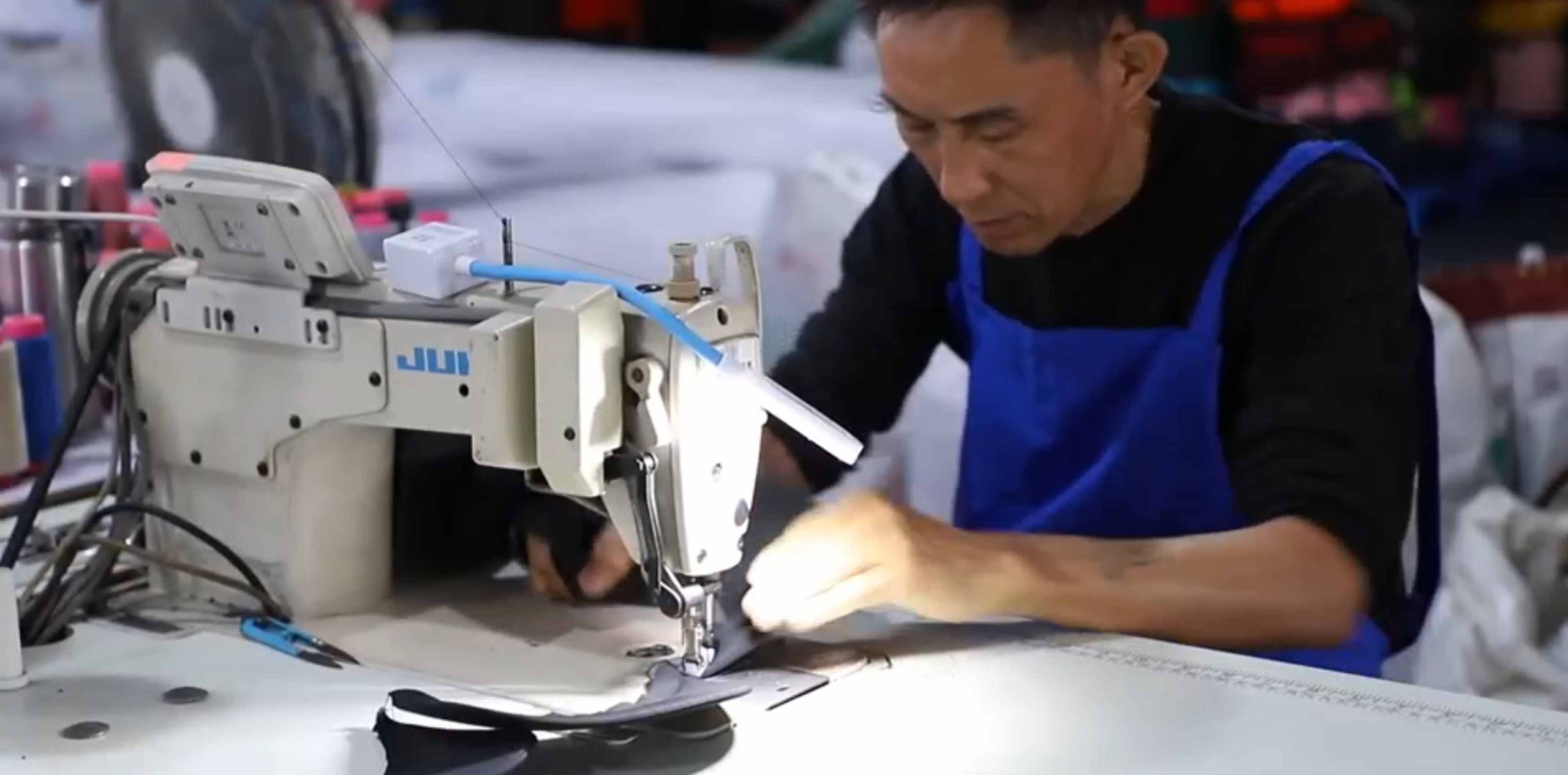
Submit vector artwork (AI, EPS or PDF) with Pantone or thread-color callouts. SELMOND’s design team digitizes logos in 3–5 days, providing stitch-count estimates and color-matching proofs before sampling begins.
Select Garment Styles and Fabrics
Choose from varsity jackets, baseball jerseys, caps or uniforms, specifying melton wool or polyester bodies, genuine or PU leather sleeves, and ribbed-knit trims. Fabric sourcing adds 2–3 days; samples ship within 7–10 days of approval.
Approve Physical Sample and Place Bulk Order
Review decoration strike-offs for thread tension, registration and color match. Once approved, bulk production runs 2–4 weeks for 100–5,000 pieces, with in-line quality checks at cutting, sewing and decoration stages before final packaging and export.
10. Custom Embroidery Pricing and Cost Breakdown
SELMOND sets a 100-piece minimum order quantity per style and color, allowing teams and startups to test designs without heavy inventory risk. Per-piece embroidery cost decreases as volume rises: at 100 pieces standard flat embroidery typically runs $2.50–$3.50 per location, dropping to $1.80–$2.20 at 500 pieces and $1.20–$1.60 at 1,000+ pieces, depending on stitch count and complexity. A one-time digitizing fee of $15–$35 per design applies to new artwork; repeat orders skip this charge because files remain on record.
3D puff embroidery adds $0.40–$0.80 per piece due to foam underlay and specialty thread, while appliqué (chenille or tackle-twill) ranges $1.50–$3.00 per piece for multi-layer work. Stitch count is the primary driver: logos under 8,000 stitches stay at base pricing, while dense crests above 15,000 stitches can add 30–50% to unit cost. Lead time runs 18–25 days for bulk production after sample approval, with faster turnarounds available for urgent re-orders when patterns and decoration files are already in the system.
| Quantity Tier | Flat Embroidery (per piece) | 3D Puff (per piece) | Appliqué (per piece) | Lead Time |
|---|---|---|---|---|
| 100 pcs | $2.50–$3.50 | $2.90–$4.30 | $4.00–$6.50 | 18–25 days |
| 250 pcs | $2.00–$2.80 | $2.40–$3.60 | $3.50–$5.80 | 18–25 days |
| 500 pcs | $1.80–$2.20 | $2.20–$3.00 | $3.30–$5.20 | 18–22 days |
| 1,000+ pcs | $1.20–$1.60 | $1.60–$2.40 | $2.80–$4.60 | 15–20 days |
Ready to Order Custom Embroidery? Get Your Free Quote
Send your artwork today for a free design proof and sample. 100-piece MOQ, full in-house decoration, 28+ years of team apparel craftsmanship.